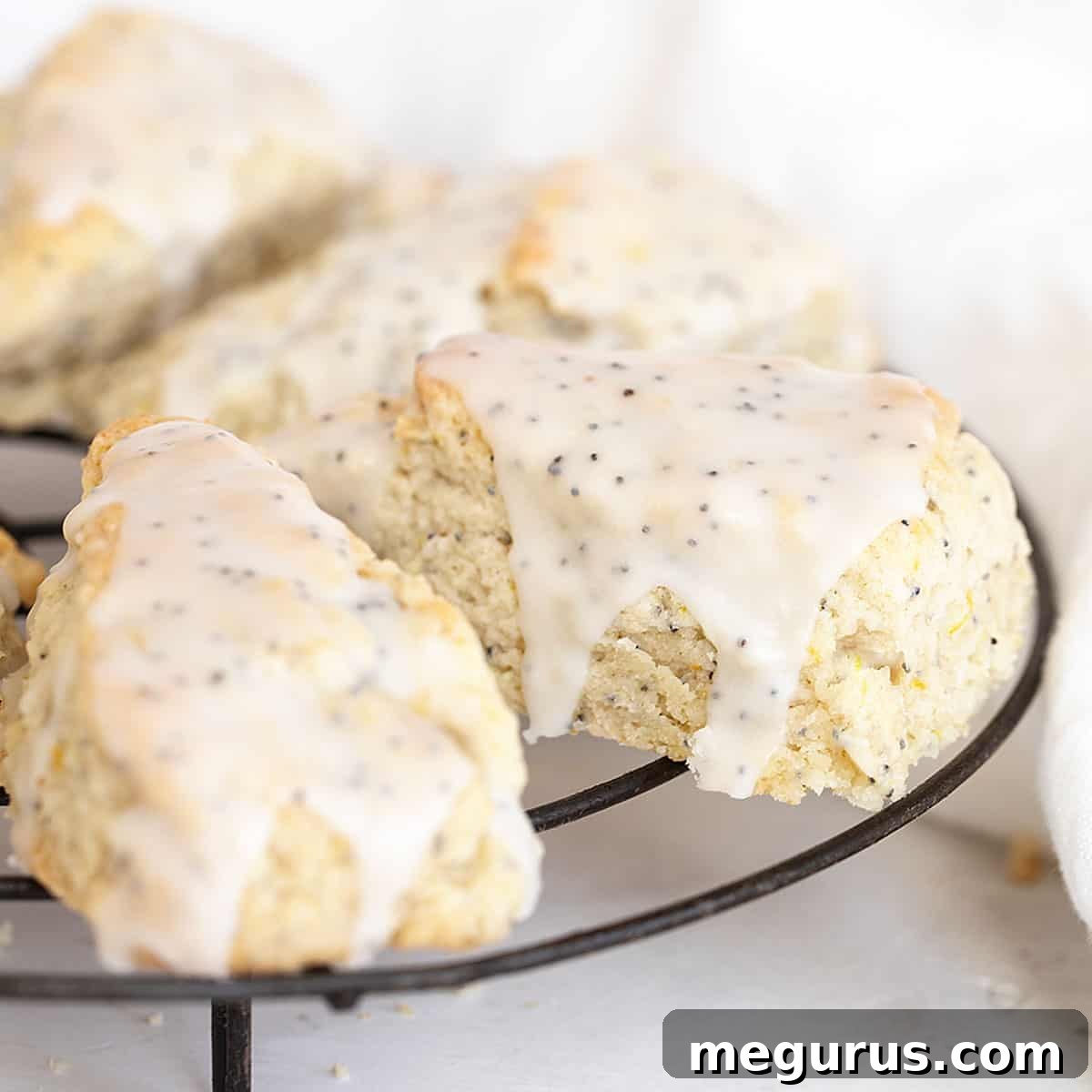
Irresistible Lemon Poppy Seed Scones with Zesty Glaze – Your Go-To Recipe!
Prepare to be enchanted by these delightful one-bowl lemon poppy seed scones! Infused with vibrant lemon and delicate poppy seeds both in the dough and in their luscious glaze, they offer a burst of fresh flavor. These easy-to-make scones are a perfect treat, bringing sunshine to any moment of your day.
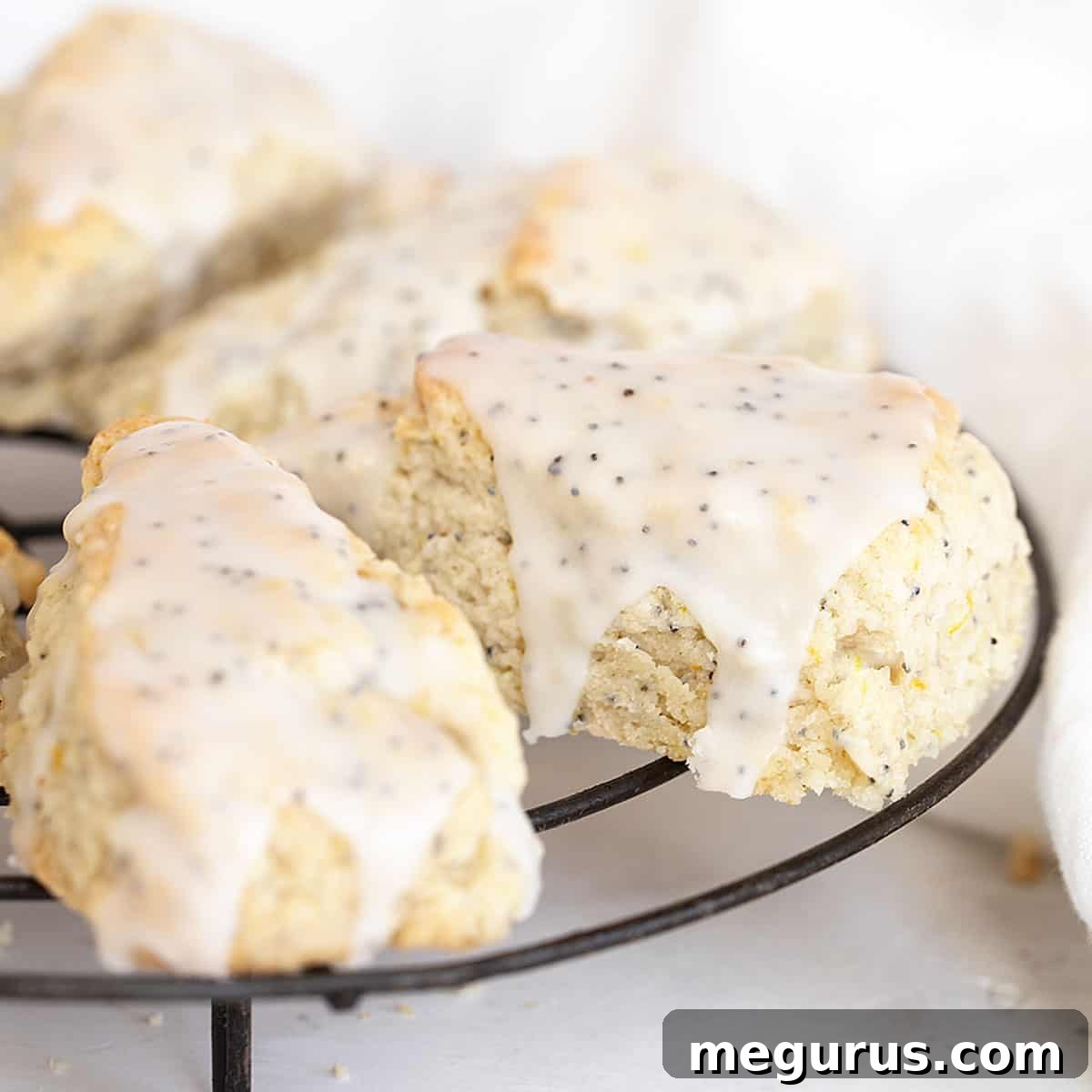
Why You’ll Fall in Love with These Lemon Poppy Seed Scones
There’s something uniquely comforting and utterly satisfying about a freshly baked scone, and when you add the bright, zesty flavor of lemon combined with the subtle crunch of poppy seeds, you’ve got a match made in culinary heaven. These lemon poppy seed scones aren’t just a treat; they’re an experience. Imagine a golden-brown exterior giving way to a tender, flaky interior, each bite infused with lively lemon zest and earthy poppy seeds. The experience is elevated by a sweet, tangy lemon glaze that cascades over the warm scone, making it truly irresistible.
Whether you’re hosting a leisurely brunch, enjoying a quiet morning coffee, or preparing an elegant afternoon tea spread, these scones fit perfectly. Their vibrant flavor profile is refreshing yet comforting, making them suitable for any season. Plus, with our straightforward, one-bowl method, even novice bakers can achieve bakery-quality results right in their own kitchen!
The Secret to Our Easy One-Bowl Method
Many scone recipes call for multiple bowls and extensive clean-up, but not this one. We’ve streamlined the process to make baking these delicious treats as effortless as possible. By combining dry ingredients, cutting in cold butter, and then gently mixing in the cream, all in a single bowl, you minimize fuss without compromising on quality. This simple approach ensures that the butter remains cold, which is crucial for achieving that coveted light and flaky texture that defines a perfect scone.
The “one-bowl” designation isn’t just about convenience; it’s also about encouraging more people to bake from scratch. When a recipe is this easy and yields such spectacular results, it becomes a staple. You’ll find yourself whipping up a batch of these lemon poppy seed scones whenever a craving strikes, or when you need a quick, impressive baked good for guests.
Key Ingredients for Scone Perfection and Smart Substitutions
Achieving the perfect scone starts with understanding your ingredients. While this recipe is forgiving, a few key components make all the difference in flavor and texture.
Fresh Lemons: The Heart of the Flavor
For these scones and their delectable glaze, you’ll need one fresh lemon. We utilize both its fragrant zest, which is packed with essential oils and offers intense lemon flavor without adding excess liquid, and its tangy juice for the glaze. Always zest your lemon before juicing! Regular lemons work wonderfully, providing a bright, sharp citrus note. If you happen upon Meyer lemons, known for their sweeter, less acidic, and more floral flavor, they would make an equally delightful, perhaps even more nuanced, scone.
Pro Tip: To get the most zest and juice from your lemon, roll it firmly on your countertop for a few seconds before zesting and cutting.
Cream: For Richness and Tenderness
The choice of cream significantly impacts the scone’s texture and richness. Heavy cream (often 35% butterfat) is highly recommended for its ability to create exceptionally rich and tender scones. The higher fat content contributes to a crumbly, melt-in-your-mouth texture that is simply divine. However, if you prefer a slightly lighter scone, or if heavy cream isn’t available, you can certainly use a lighter cream, such as whipping cream or even half-and-half. Just be aware that the resulting scones might be slightly less rich and tender. Experiment to find your preferred texture!
Butter: Cold is Key
Unsalted butter, kept very cold and cut into small cubes, is fundamental to flaky scones. As the butter melts in the hot oven, it creates pockets of steam, which in turn lift the layers of dough, resulting in that signature flakiness. Using unsalted butter allows you to control the salt content in the recipe. If you only have salted butter, reduce the added fine salt by half a teaspoon.
Poppy Seeds: The Signature Speckle and Subtle Crunch
Poppy seeds aren’t just for decoration; they provide a delightful, subtle nutty flavor and a gentle crunch that contrasts beautifully with the soft scone. You’ll find them integrated into the scone dough and sprinkled into the lemon glaze, ensuring their presence in every bite. There’s no direct substitute for poppy seeds in terms of their unique texture and appearance, but if allergies are a concern, you could omit them.
All-Purpose Flour, Sugar, Baking Powder, and Salt
These pantry staples form the foundation of our scones. All-purpose flour provides structure. Granulated sugar adds sweetness and aids in browning. Baking powder acts as the primary leavening agent, ensuring a good rise and a light texture. Fine salt balances the sweetness and enhances all the flavors. Accurate measurements of these dry ingredients are crucial for consistent results.
Step-by-Step Guide: Crafting Your Perfect Lemon Poppy Seed Scones
Follow these detailed steps to bake a batch of homemade lemon poppy seed scones that will impress everyone.
Step 1: Prepare Your Workspace and Ingredients
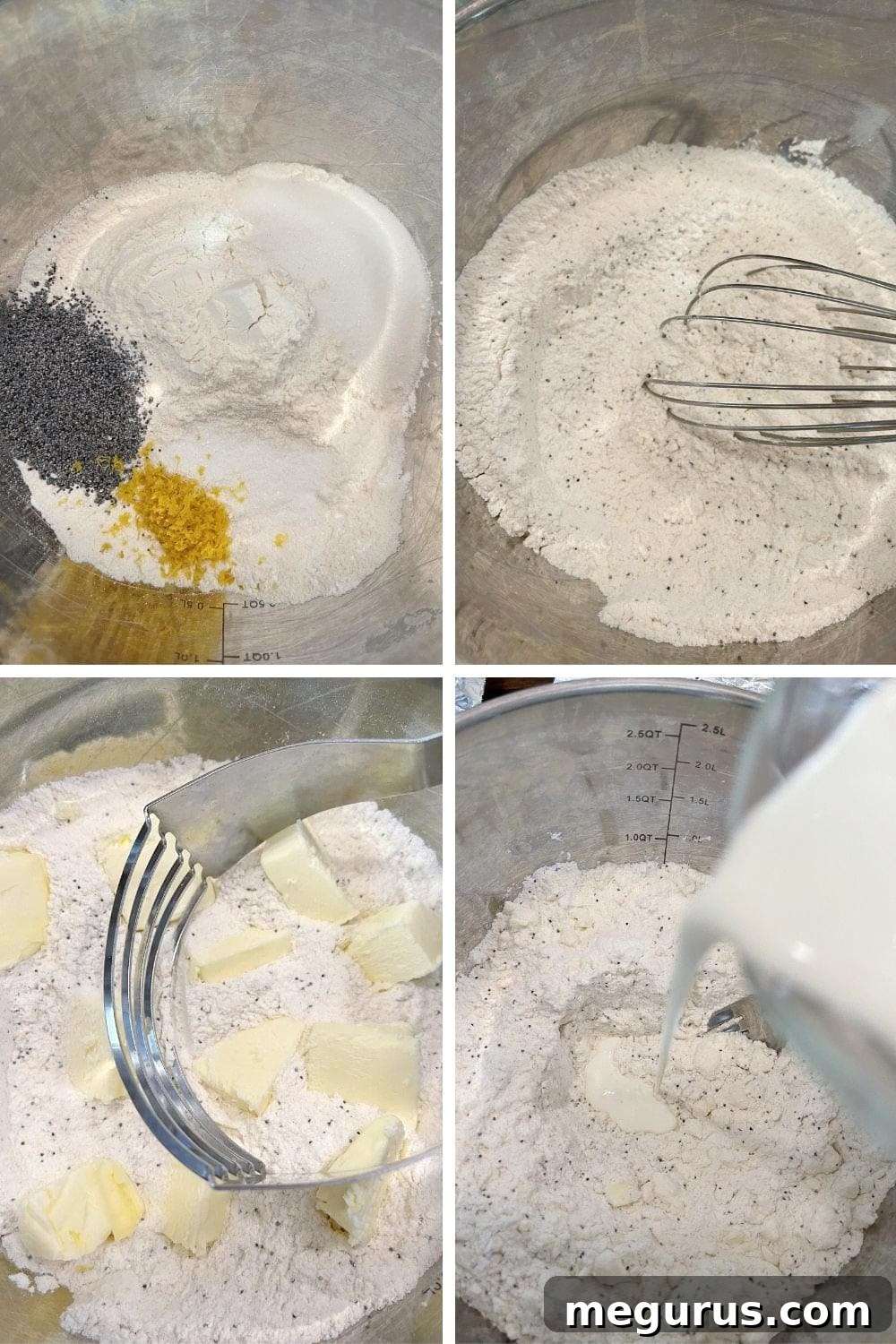
Begin by preheating your oven to 375°F (190°C) and lining a baking sheet with parchment paper. This prevents sticking and makes cleanup a breeze. Next, cube your cold butter and place it back in the freezer while you prepare the dry ingredients. Keeping the butter as cold as possible is paramount for flaky scones.
Step 2: Combine Dry Ingredients and Cut in Butter
In a large mixing bowl (the “one-bowl” part!), whisk together the all-purpose flour, granulated sugar, baking powder, lemon zest, fine salt, and two teaspoons of poppy seeds. Once thoroughly combined, add the chilled butter cubes to the flour mixture. Using a pastry cutter, two knives, or even your fingertips (working quickly to avoid warming the butter), cut the butter into the flour until the mixture resembles coarse meal with pea-sized bits of butter throughout. These small butter pieces are what create the steam pockets for flakiness during baking.
Step 3: Add Cream and Form the Dough
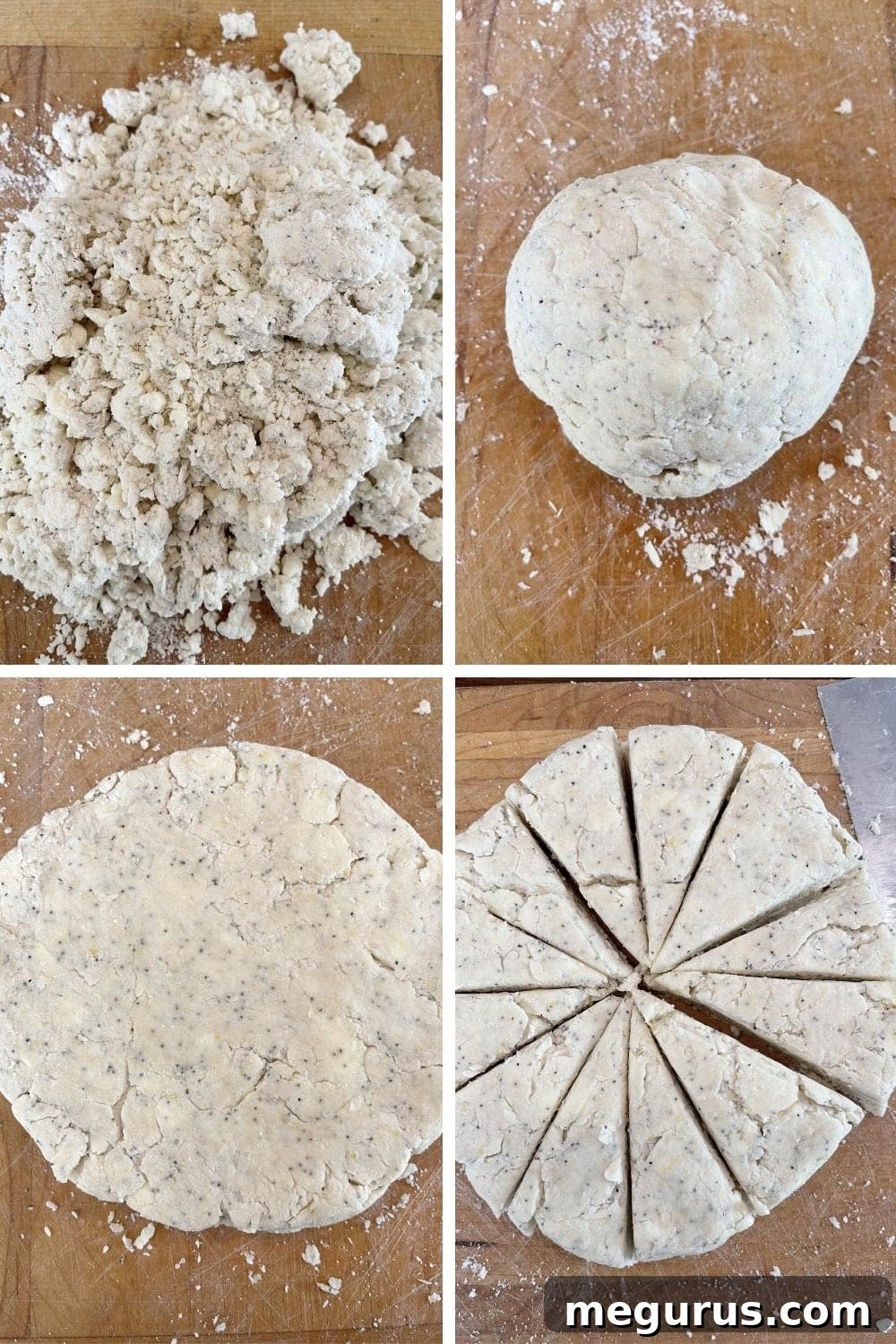
Pour about three-quarters of the heavy cream into the flour-butter mixture. Use a fork to gently mix until the dough just begins to come together. If the dough still seems too dry or crumbly, gradually add more cream, a tablespoon at a time, until all the dry bits are moistened and the dough forms a shaggy, cohesive mass. Be careful not to overmix, as this can develop the gluten too much, leading to tough scones.
Transfer the dough to a lightly floured work surface. Gather it into a ball and then, using a floured rolling pin or your hands, roll or press the dough into a one-inch thick round, approximately 7-8 inches in diameter. The thickness is important for a good rise.
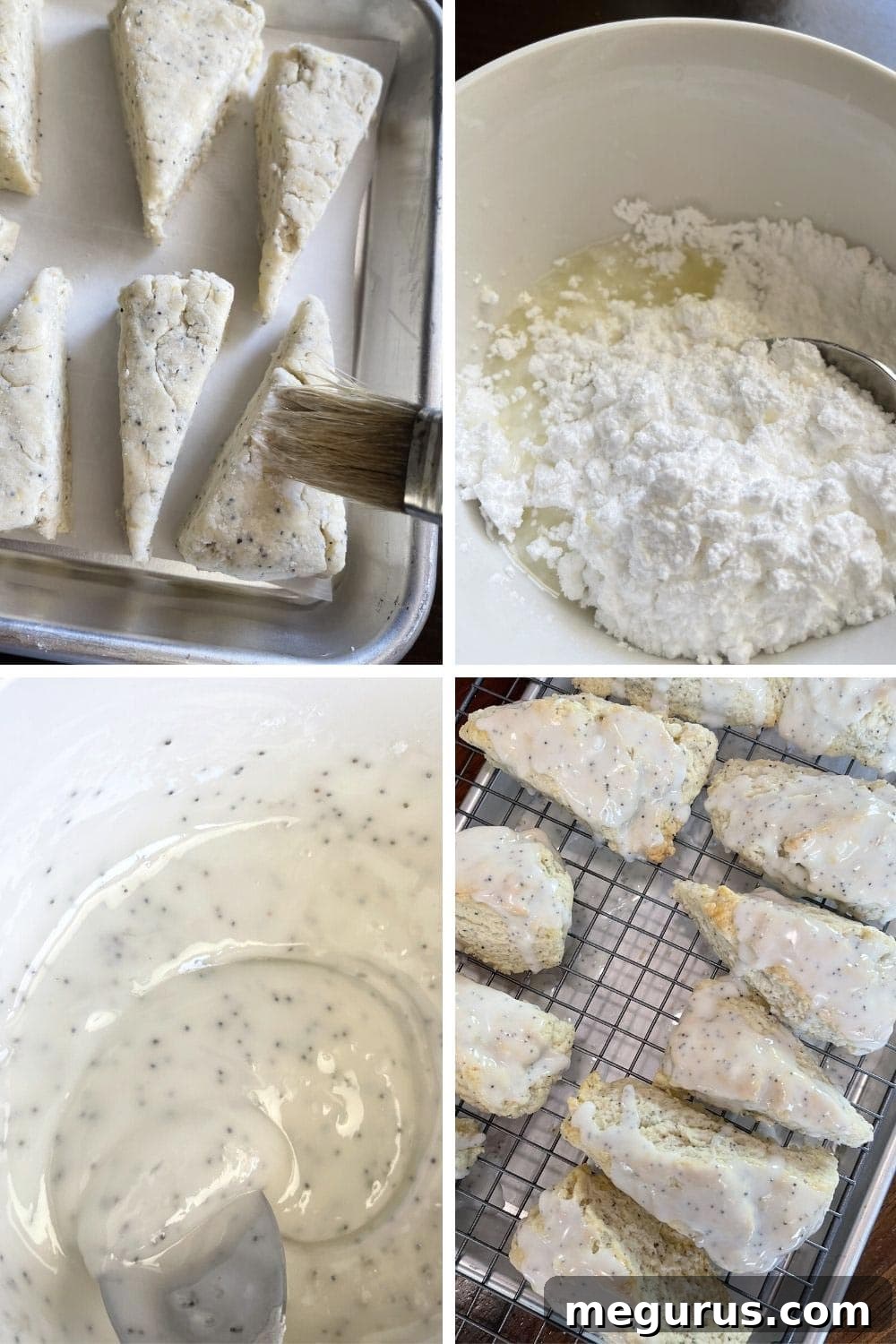
Step 4: Cut and Prepare for Baking
Using a sharp knife, cut the dough round into 8 to 12 wedges, depending on your preferred scone size. For uniformly sized scones, make sure your cuts are clean and swift. Carefully transfer the wedges to your prepared baking sheet, leaving at least an inch of space between each scone to allow for even baking and rising.
Lightly brush the tops of the scones with a bit of reserved heavy cream. This step encourages a beautiful golden-brown crust and a slightly richer flavor. Be mindful to keep the cream only on the top surface, avoiding drips down the sides, which can hinder the layers from fully expanding.
Step 5: Bake to Golden Perfection
Bake the scones in the preheated oven for about 25 minutes, or until they are firm to the touch and have turned a lovely golden color. The exact baking time may vary slightly depending on your oven. Once baked, immediately transfer the hot scones to a wire cooling rack set over a baking sheet (to catch any future glaze drips) to cool completely. Cooling is crucial before glazing, otherwise, the glaze will melt right off.
Step 6: Prepare the Zesty Lemon Glaze
While the scones cool, prepare your tangy lemon glaze. In a small bowl, whisk together the confectioners’ (icing) sugar, fresh lemon juice, and one teaspoon of poppy seeds until smooth and lump-free. The consistency should be thick enough to coat a spoon but thin enough to drizzle. If it’s too thick, add a tiny bit more lemon juice; if too thin, add a little more confectioners’ sugar.
Once the scones are completely cool, spoon or brush the glaze generously over the tops. Allow the glazed scones to sit for about 15 minutes, or until the glaze has set. This creates a beautiful, slightly crisp lemon crust that perfectly complements the soft scone.
Recipe Tip! Scone Shaping Options
Cutting scones into wedges is often the most efficient method, as it results in virtually no wasted dough. This approach also yields a rustic, appealing shape. However, if you prefer classic round scones, you can certainly roll or press out the dough and use a small round biscuit cutter. Remember to cut straight down without twisting the cutter to ensure a good rise and flaky layers.

Mastering the Art: Expert Tips for Phenomenal Scones
Scones are surprisingly simple to make, but a few professional tips can elevate your baking from good to extraordinary. These insights focus on common pitfalls and best practices for achieving perfectly flaky, tender scones every time.
- Maintain Cold Ingredients: This is arguably the most critical rule for flaky scones. Cold butter creates pockets of steam in the oven, leading to distinct layers. Handle the dough as little as possible to prevent the butter from warming up. If your kitchen is warm, you can even chill your flour for 15-20 minutes before starting.
- Don’t Overdo the Liquid: Add just enough cream (or other liquid) for the dough to come together. The exact amount can vary based on flour type and humidity. A perfect scone dough should be cohesive but not sticky, slightly crumbly but able to hold its shape when squeezed. Excess liquid makes scones tough.
- The Ideal Dough Consistency: Your scone dough should feel relatively soft but manageable. It shouldn’t be dry and crumbly to the point of not holding together, nor should it be wet and sticky. It’s a delicate balance that comes with practice, but aiming for a “shaggy but cohesive” texture is a good guide.
- Precise Brushing Technique: When brushing the tops of your scones with cream (or an egg wash), ensure the liquid stays strictly on the top surface. If cream drips down the sides, it can seal the layers together, inhibiting the scone’s ability to rise and create those beautiful, flaky strata.
- Sharp, Swift Cuts: Whether using a knife to cut wedges or a round biscuit cutter, always make one swift, straight-down motion. Avoid twisting the cutter, as this can also seal the edges of the dough, preventing the scones from rising properly. Sharp edges facilitate a better rise and a more appealing layered texture.
- Mind the Flour Measurement: For best results, measure your flour using the “spoon and level” method rather than scooping directly from the bag. Scooping can compact the flour, leading to too much flour and a dry, dense scone. Lightly spoon flour into your measuring cup and then level it off with a straight edge.
- Don’t Overmix: Just like with pie crusts, overmixing scone dough develops the gluten, making the scones tough and less tender. Mix only until the ingredients are just combined and no dry streaks of flour remain.
The Recipe: Lemon Poppyseed Scones
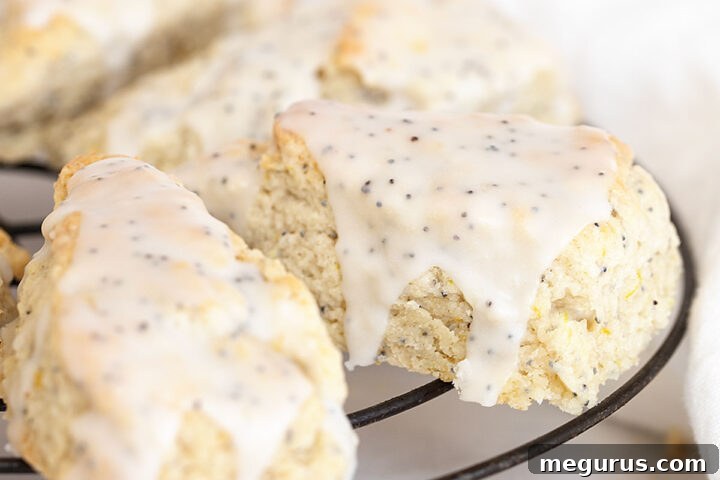
Lemon Poppyseed Scones
Easy, delicious one-bowl lemon poppy seed scones with plenty of lemon zest and poppy seeds, finished with a tangy lemon glaze.
Ingredients
For the Scones:
- 2 1/4 cups all-purpose flour
- 1/4 cup white sugar
- 1 Tablespoon baking powder
- 2 Tablespoons lemon zest, finely grated
- 3/4 teaspoon fine salt (reduce to 1/2 tsp if using salted butter)
- 2 teaspoons poppy seeds
- 1/2 cup unsalted butter, cold, cut into cubes
- 1 cup heavy whipping cream (35% b.f.), plus more for brushing (can use a lighter cream, if you prefer)
For the Glaze:
- 1 cup confectioners/icing sugar
- 1/4 cup fresh lemon juice
- 1 teaspoon poppy seeds
Instructions
- Preheat oven to 375°F (190°C, non-convection) and line a baking sheet with parchment paper.
- Cube the butter and place it in a bowl in the freezer until needed to ensure it stays very cold.
- In a medium bowl, whisk together the flour, sugar, baking powder, lemon zest, salt, and 2 tsp of poppy seeds. Add the cold butter cubes and cut into the flour mixture with a pastry cutter or two knives, cutting until the mixture resembles coarse meal with pea-sized butter pieces. Add about 3/4 of the cream and use a fork to mix. Add more cream, as needed, until the mixture is evenly moistened and forms a shaggy dough.
- Remove the dough to a lightly floured work surface. Gather dough together into a ball. Using a floured rolling pin, roll dough into a 1-inch thick round, about 7-8 inches in diameter. Using a sharp knife, cut the dough into 8-12 wedges, depending on your preferred size. Transfer the scones to the prepared baking sheet, leaving at least an inch between the wedges.
- Brush the top of the scones with cream, taking care to keep the cream just on top of the scones and not dripping down the sides. Bake for 25 minutes, or until firm and lightly golden. Transfer scones to a cooling rack with a baking sheet underneath to cool completely.
- Prepare the glaze by mixing the icing sugar, lemon juice, and poppy seeds until smooth. Brush cooled scones generously with glaze and let stand until the glaze sets, about 15 minutes.
- These scones keep well at room temperature for a couple of days or freeze extras for up to 3 months to enjoy any time.
Notes
For more detailed tips on making this recipe, including substitution suggestions, step-by-step photos, and expert scone-making advice, please refer to the sections above this recipe card. These additional insights will help you achieve the best possible results.
Nutrition Information (per scone)
- Serving: 1 scone
- Calories: 283 kcal
- Carbohydrates: 34 g
- Protein: 3 g
- Fat: 16 g
- Saturated Fat: 10 g
- Trans Fat: 1 g
- Cholesterol: 48 mg
- Sodium: 156 mg
- Potassium: 156 mg
- Fiber: 1 g
- Sugar: 14 g
- Vitamin A: 529 IU
- Vitamin C: 3 mg
- Calcium: 75 mg
- Iron: 1 mg
Serving Suggestions: How to Enjoy Your Scones
These lemon poppy seed scones are utterly delicious on their own, but a few accompaniments can elevate the experience even further. Serve them warm with a dollop of clotted cream or whipped cream for a classic British touch. A side of fresh berries or a bright fruit salad makes for a wonderful contrast to the scone’s richness. They are, of course, the perfect companion to a hot cup of tea or freshly brewed coffee, making them ideal for breakfast, an elegant brunch, or a relaxing afternoon tea.
Consider arranging them on a beautiful platter for guests, perhaps alongside other sweet treats. Their sunny color and delicate aroma are sure to brighten any table.
Storage and Freezing Tips for Freshness
Lemon poppy seed scones are best enjoyed the day they are baked, when their texture is at its peak. However, if you have leftovers, they can be stored at room temperature in an airtight container for up to 2-3 days. To refresh them, a quick 5-10 minutes in a warm oven (around 300°F/150°C) will bring back some of their freshly baked goodness.
For longer storage, these scones freeze exceptionally well. You have two main options:
- Freezing Baked Scones: Once completely cooled and glazed (or unglazed, if you prefer to glaze fresh), wrap individual scones tightly in plastic wrap, then place them in a freezer-safe bag or container. They can be frozen for up to 3 months. To serve, thaw at room temperature for a few hours, then warm briefly in the oven if desired.
- Freezing Unbaked Scones: This is a fantastic option for having fresh scones on demand. After cutting the dough into wedges, arrange them on a baking sheet and freeze until solid. Once frozen, transfer the unbaked scones to a freezer-safe bag or container. They can be stored for up to 1 month. When ready to bake, place the frozen scones on a parchment-lined baking sheet and bake directly from frozen, adding an extra 5-10 minutes to the baking time, or until golden brown and cooked through. Brush with cream before baking.
More Zesty Lemon Poppy Seed Recipes to Love!