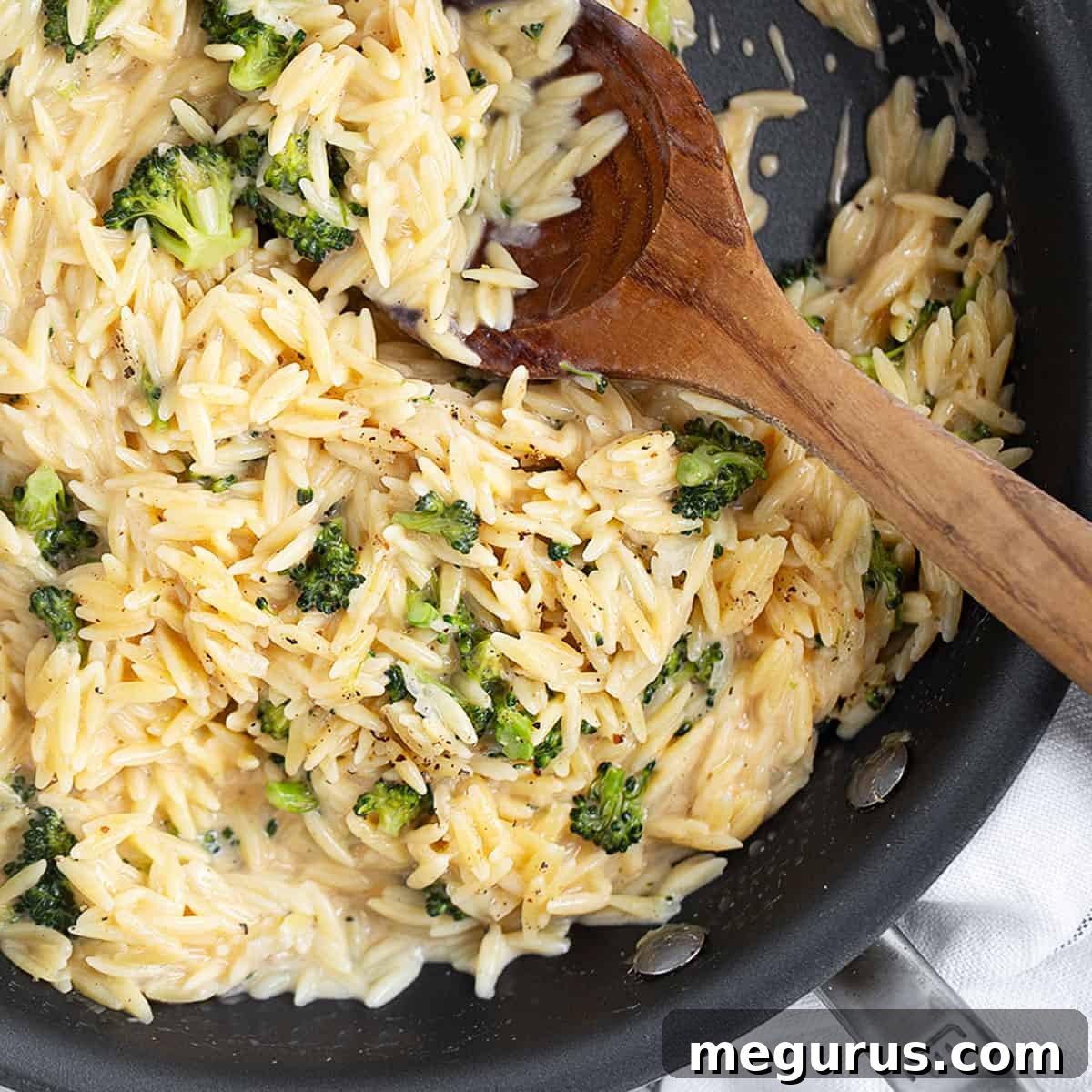
Welcome to your new favorite weeknight side dish: a delightful and incredibly easy Broccoli Cheddar Orzo! This recipe transforms simple pasta and vegetables into a creamy, cheesy sensation that perfectly complements a wide array of main courses. Whether you’re grilling chicken, pan-searing shrimp, or baking a delicate fish, this flavorful orzo brings a touch of indulgence to your plate with minimal effort and maximum taste.
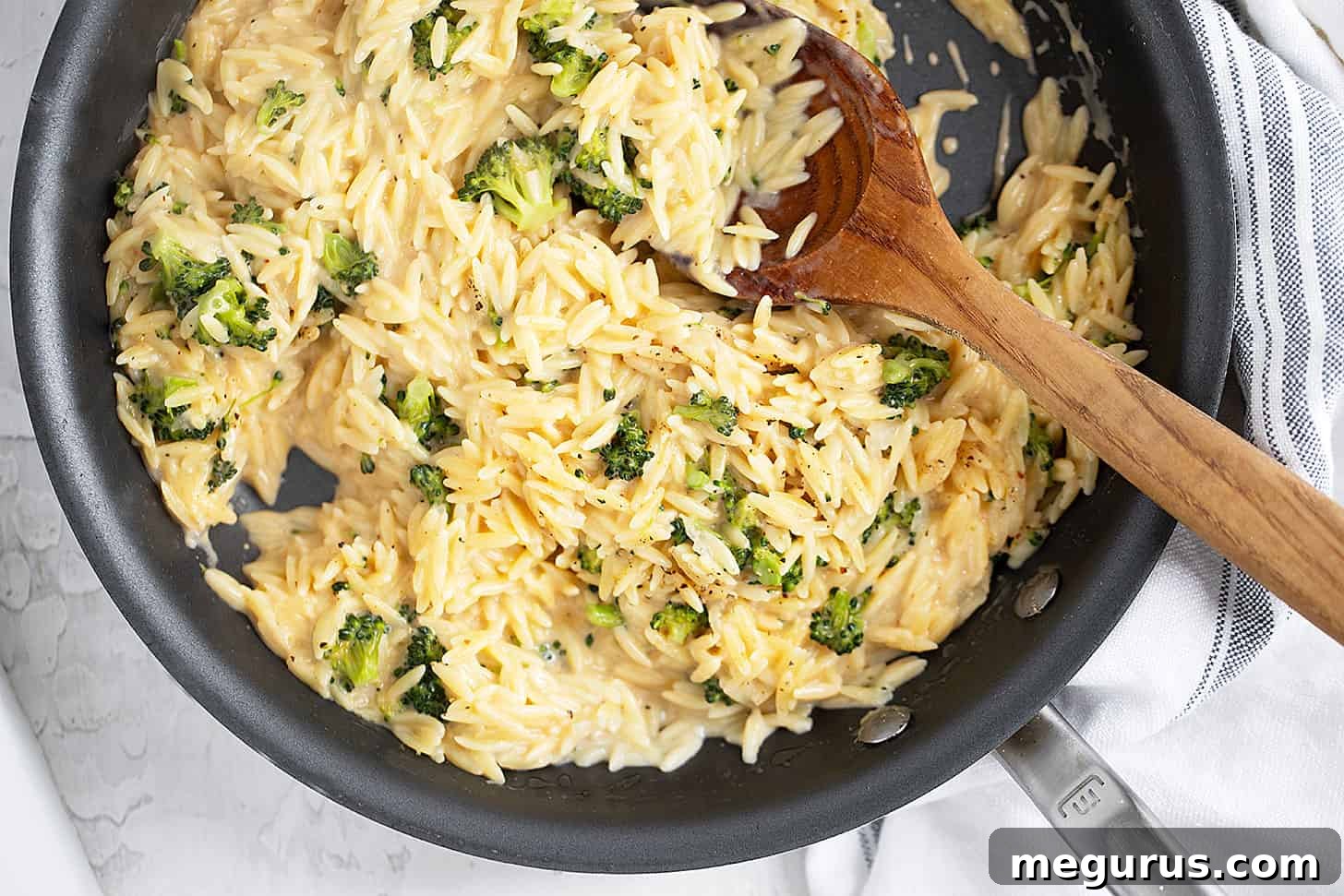
What makes this Broccoli Cheddar Orzo truly stand out is its remarkable simplicity and speed. It all comes together in one pan, making cleanup a breeze, and it’s ready in just about 15-20 minutes from start to finish. This means you can effortlessly whip up a delicious and hearty side while your main protein cooks in the oven or on the grill, ensuring a perfectly coordinated and stress-free meal.
Packed with tender orzo, vibrant broccoli florets, and a luscious cheddar cheese sauce, this dish is not just a side; it’s a comforting experience. It’s an ideal choice for busy evenings when you crave homemade goodness without spending hours in the kitchen. Its rich flavors and satisfying texture make it a hit with both adults and children, proving that wholesome and delicious food can also be incredibly quick and easy.
Why You’ll Love This One-Pan Wonder
- Unbeatably Quick: Ready in under 20 minutes, it’s perfect for those hectic weeknights.
- Effortless One-Pan Cooking: Minimize cleanup with just one skillet required from start to finish.
- Creamy & Cheesy Comfort: A rich, velvety cheddar sauce coats every grain of orzo and tender broccoli floret.
- Incredibly Versatile: Pairs beautifully with almost any protein, from grilled chicken to baked salmon, or even as a light vegetarian main.
- Family Favorite: A delightful combination of flavors and textures that even picky eaters will adore.
- Nutrient-Packed: Fresh broccoli adds essential vitamins and a lovely pop of green.
Essential Ingredients and Smart Substitutions
Crafting the perfect Broccoli Cheddar Orzo starts with quality ingredients. Here’s a closer look at what you’ll need and how you can adapt them to your pantry and preferences:
Broccoli: The Star Green
Fresh broccoli is highly recommended for this dish. Its crisp-tender texture holds up beautifully during cooking and adds a vibrant freshness that frozen broccoli simply can’t replicate. While frozen broccoli can be used in a pinch, be aware that it tends to release more water and can become a bit mushy, altering the final consistency of your orzo. For the best results, use only the florets and a small amount of the tender part of the stalk, chopped into bite-sized pieces. This ensures quick cooking and a consistent texture throughout the dish.
Orzo: The Rice-Shaped Pasta
Orzo is a small, rice-shaped pasta that cooks quickly and absorbs flavors wonderfully, making it ideal for creamy, saucy dishes like this one. You’ll typically find orzo in the pasta aisle of any grocery store. If you don’t have orzo, other small pasta shapes like ditalini, acini di pepe, or even broken vermicelli could work, though cooking times may vary slightly. For a gluten-free option, many brands now offer gluten-free orzo that performs similarly to traditional pasta.
Cheddar Cheese: For That Irresistible Flavor
The choice of cheddar cheese significantly impacts the final taste of your orzo. You can use either white or orange cheddar, but for a truly outstanding dish, opt for a fuller-flavored old or aged cheddar. Its sharper, more complex notes melt into a wonderfully rich and savory sauce. Pre-shredded cheese can be convenient, but for the smoothest melt and best flavor, we recommend shredding your own from a block. Pre-shredded cheeses often contain anti-caking agents that can sometimes make the sauce less creamy.
Milk: The Creamy Base
A 2% or 3% milk is perfect for achieving a lovely creamy consistency without being overly heavy. However, if you desire an even richer and more decadent dish, you can substitute a portion of the milk with half-and-half or even heavy cream. For a lighter version, skim milk can be used, but the sauce will be less rich. Dairy-free milk alternatives like unsweetened almond milk or oat milk can also work, but ensure they are plain to avoid unwanted flavors.
Broth: The Flavor Foundation
Chicken or vegetable broth forms the base liquid for cooking the orzo and infusing it with depth of flavor. Choose a high-quality broth for the best taste. Low-sodium varieties are great as they give you more control over the final seasoning. If you don’t have broth, water can be used, but you’ll want to increase the seasoning (salt, pepper, maybe a pinch of bouillon) to compensate for the loss of flavor.
Dry Mustard: A Secret Weapon
Don’t skip the dry mustard! While it might seem like an unusual addition, a small amount of dry mustard powder enhances the savory, cheesy flavor of the cheddar without making the dish taste “mustardy.” It’s a classic trick used in many cheese sauces to deepen their profile. If you don’t have dry mustard, a tiny dash of Dijon mustard can be used, but be very sparing.
Butter & Onion: Building Blocks of Flavor
A little butter helps sauté the onion, creating a flavorful aromatic base. Finely diced onion will soften and blend seamlessly into the dish, adding a subtle sweetness and depth. Olive oil can be used instead of butter for a slightly different flavor profile.
Salt & Pepper: To Taste
Essential for bringing all the flavors together. Always taste and adjust seasoning at the end.
Crafting Your Delicious Broccoli Cheddar Orzo: Step-by-Step Guide
Follow these easy steps to create a truly delicious and satisfying one-pan meal:
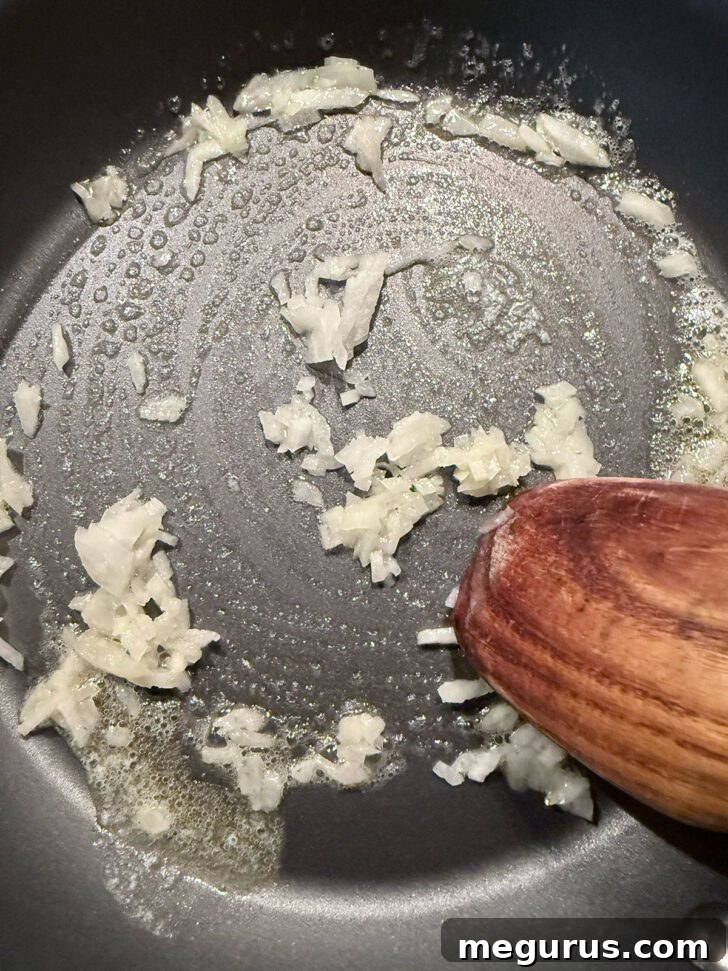
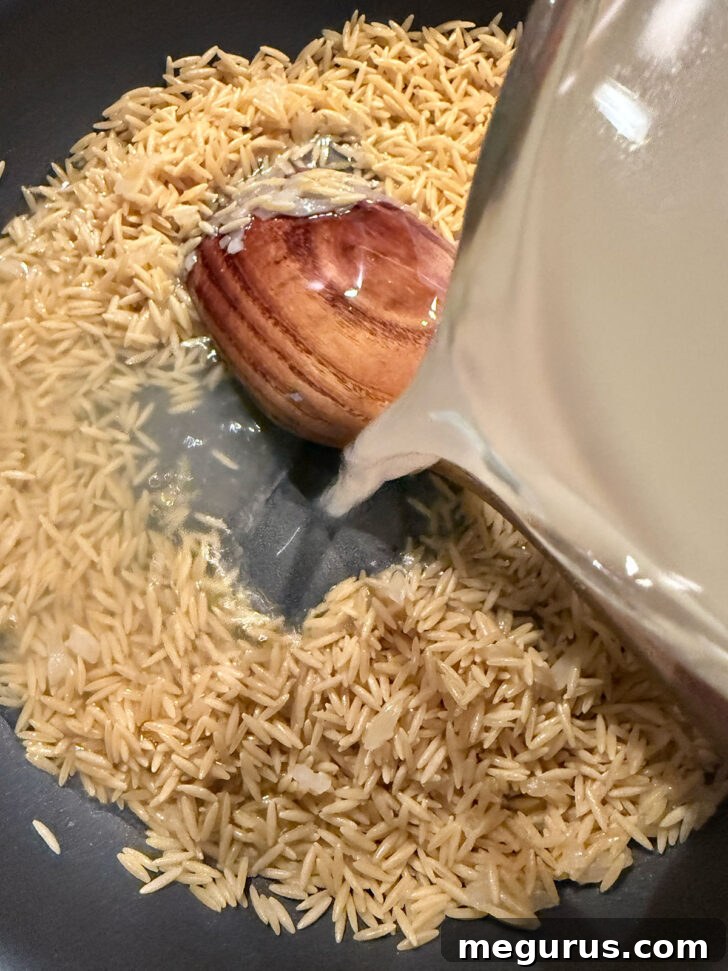
- Sauté the Aromatics: Begin by melting two tablespoons of butter in a large skillet (preferably non-stick to prevent sticking) over medium heat. Once the butter is shimmering, add the finely diced onion. Cook, stirring regularly, for about 3-5 minutes until the onion softens and becomes translucent, releasing its sweet aroma. This step lays a crucial flavor foundation for your orzo.
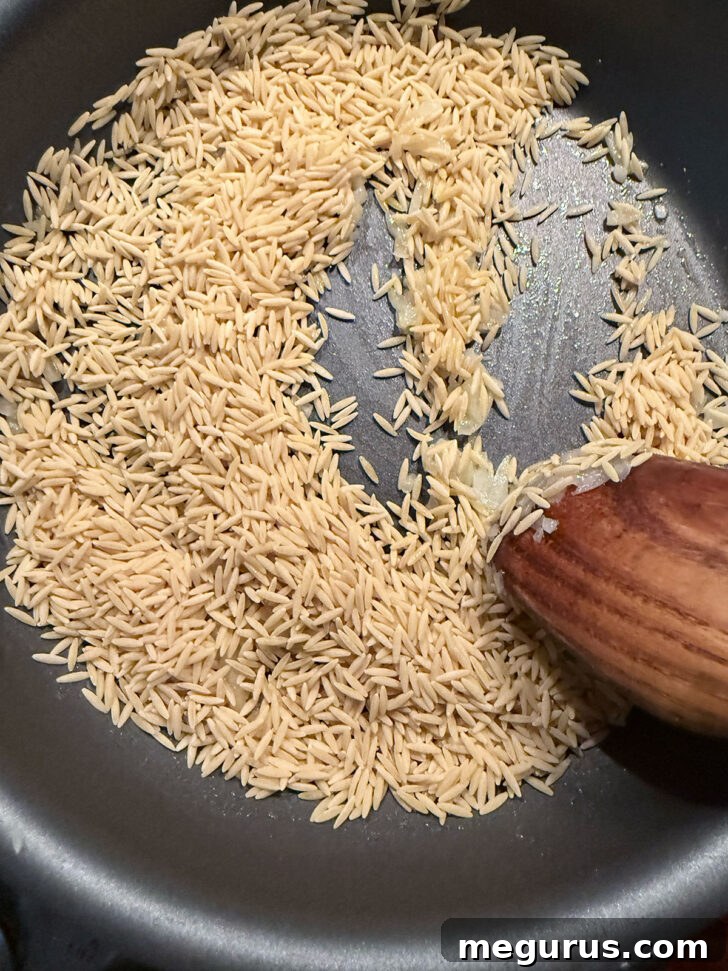
- Toast the Orzo: Add one cup of dry orzo pasta to the skillet with the softened onions and butter. Stir continuously for approximately 1 minute. This brief toasting step, similar to making risotto, helps to develop a nutty flavor in the pasta and prevents it from becoming overly sticky once cooked.
- Add the Broth: Pour in two cups of chicken or vegetable broth into the skillet. Stir well to combine the orzo, onion, and broth. Ensure all the pasta is submerged.
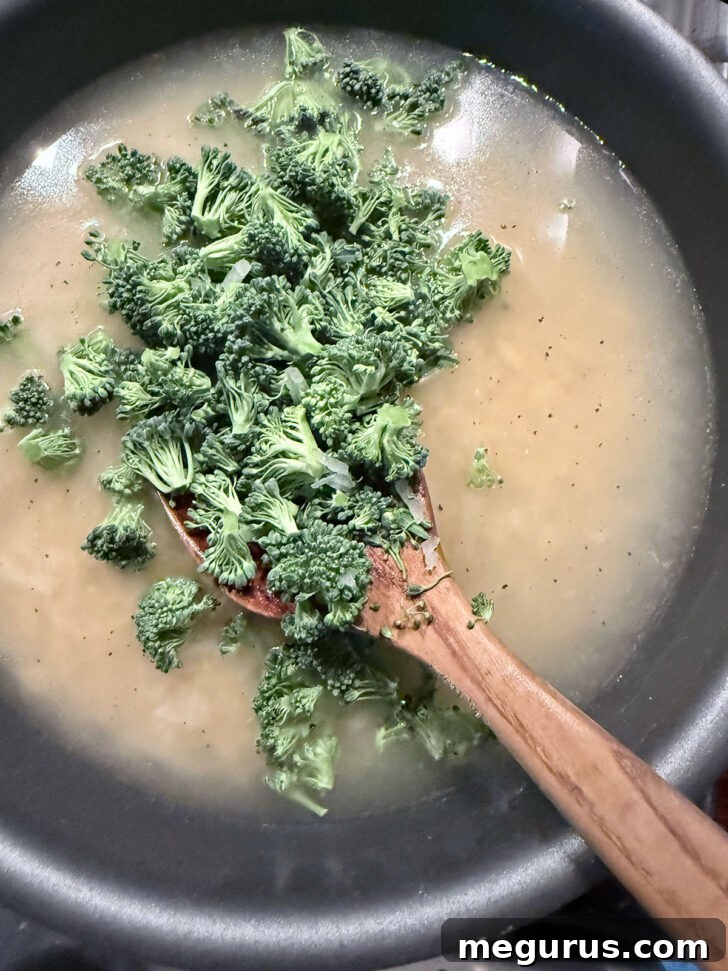
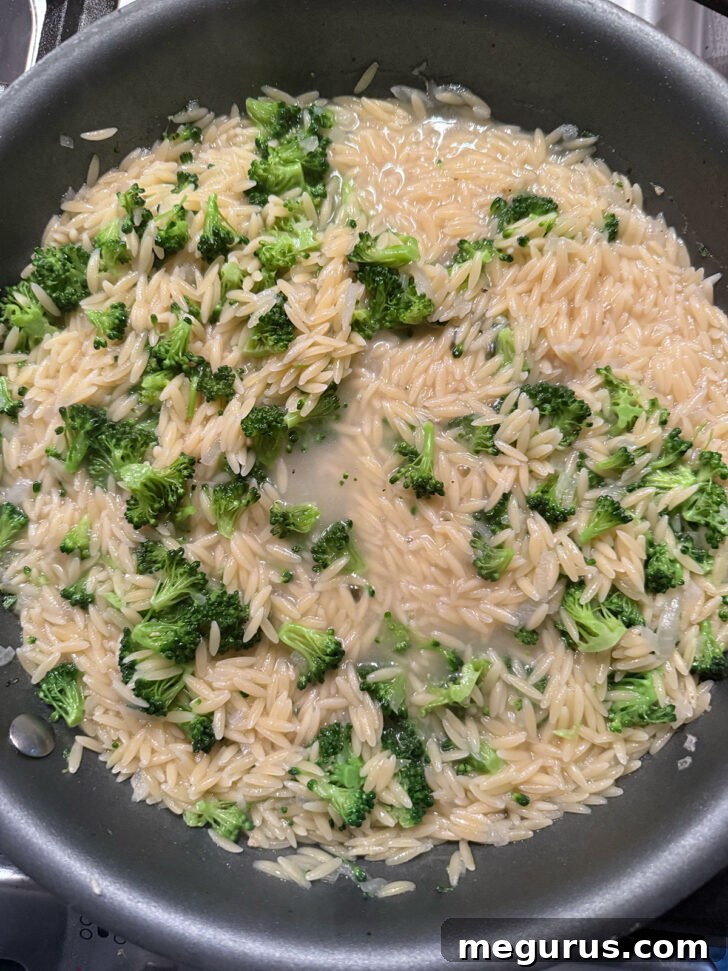
- Introduce the Broccoli: Add the chopped broccoli florets to the skillet. Stir gently to ensure the broccoli is evenly distributed. Bring the mixture to a boil over medium heat.
- Simmer to Absorb Broth: Reduce the heat slightly and let the orzo and broccoli simmer in the broth. Continue stirring regularly, especially as the liquid reduces, to prevent the pasta from sticking to the bottom of the pan. Simmer until most of the broth has been absorbed by the orzo, and the pasta is nearly al dente, usually around 8-10 minutes. The broccoli should be tender-crisp.
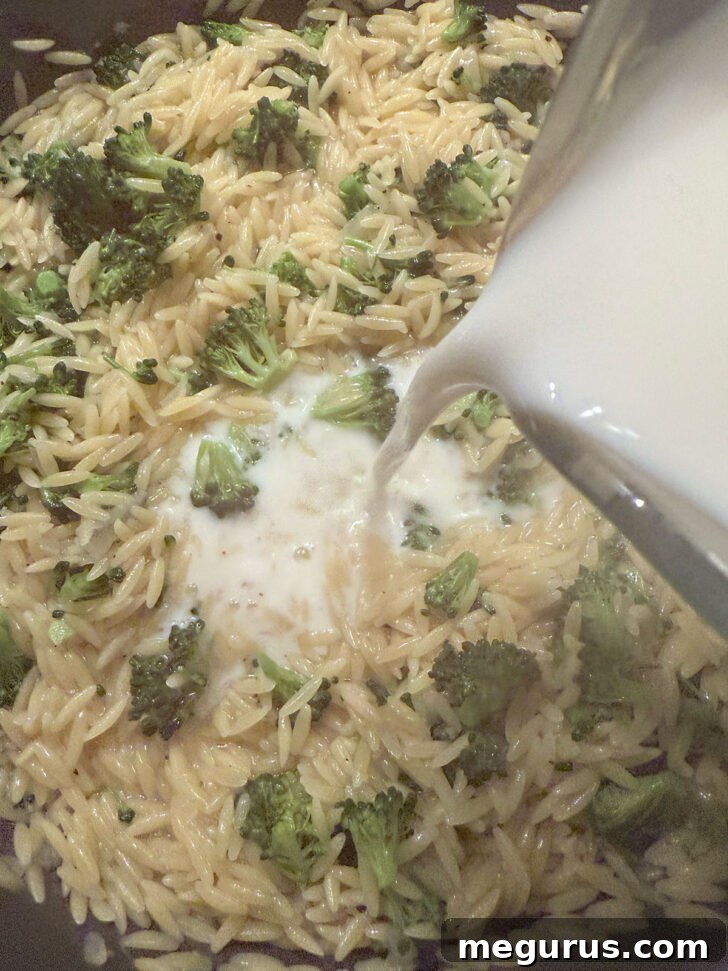
- Add Milk for Creaminess: Pour in one cup of milk (2% or 3% is ideal) and add the ¼ teaspoon of dry mustard to the skillet. Stir everything together. Reduce the heat under the burner to medium-low and continue to simmer, stirring occasionally, until the milk has mostly, but not completely, been absorbed and the sauce begins to thicken to a creamy consistency. The orzo should be perfectly cooked and tender at this point.
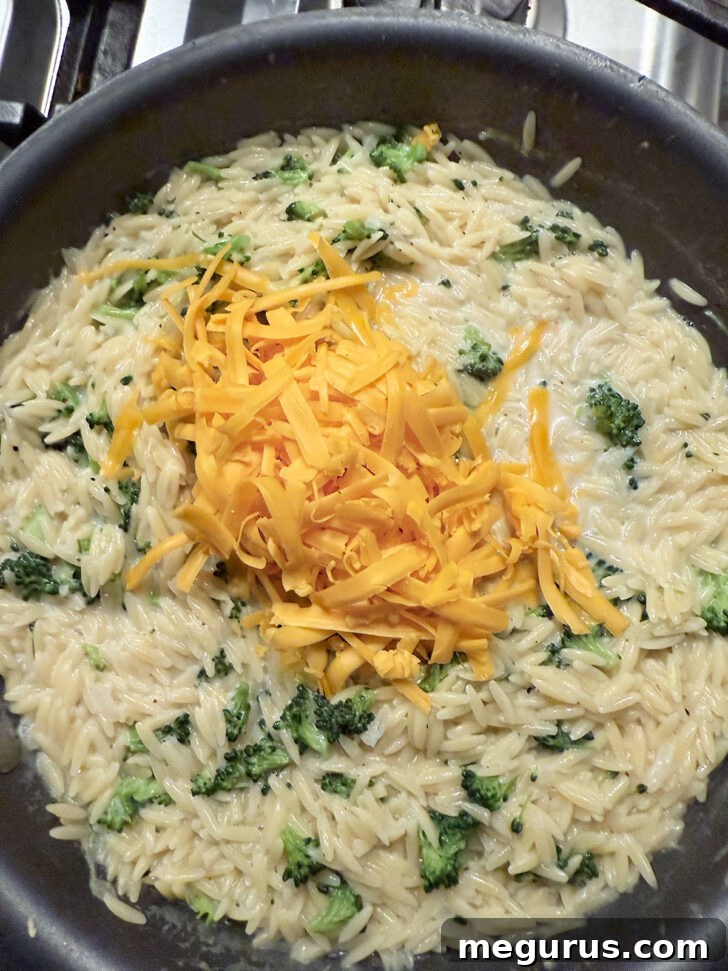
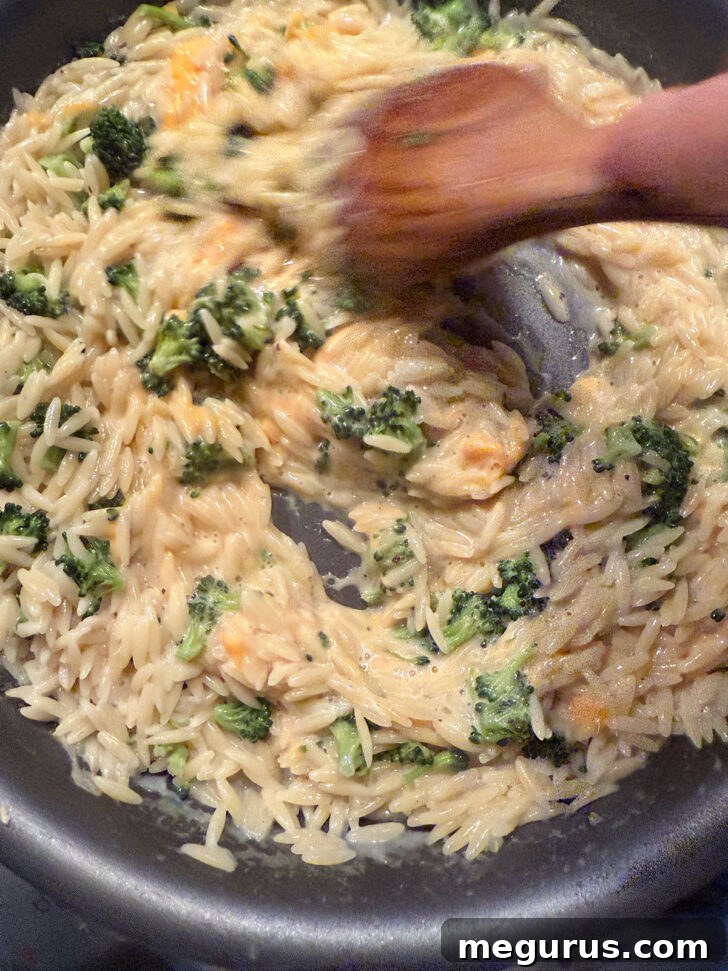
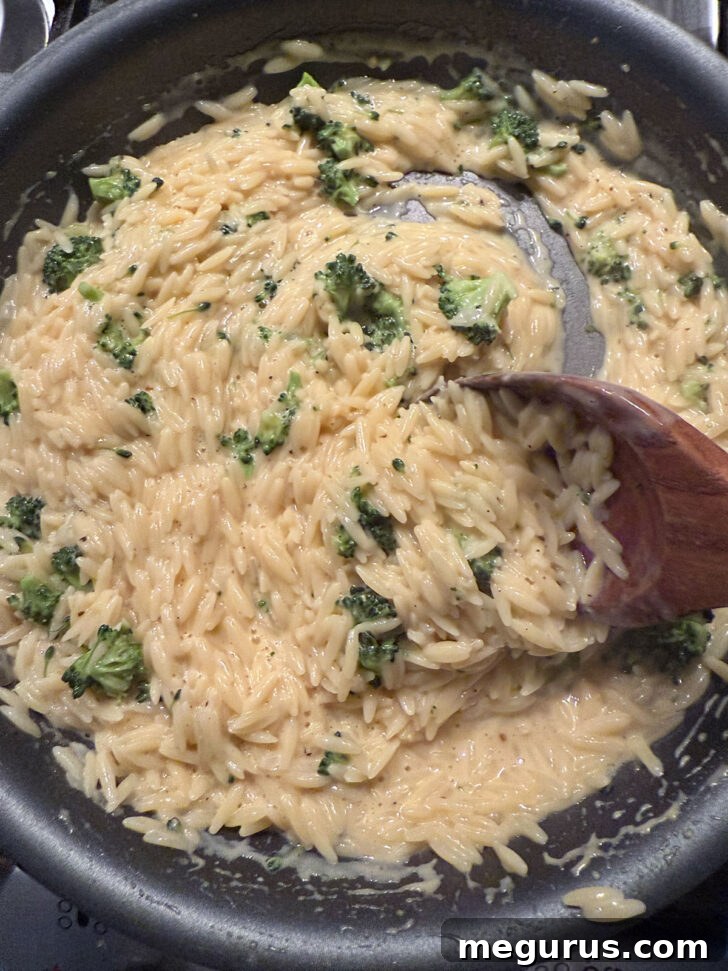
- Melt in the Cheese: Remove the skillet from the heat. This is a crucial step to prevent the cheese from becoming grainy. Add one cup of shredded cheddar cheese to the warm orzo mixture.
- Stir Until Creamy: Stir the cheese into the orzo vigorously until it is completely melted and beautifully combined, creating a smooth, luscious cheese sauce that coats every strand of pasta and piece of broccoli. The residual heat from the orzo should be sufficient to melt the cheese perfectly. If your cheese isn’t melting completely, you can place the skillet back over a very low burner for just a moment, stirring constantly.
- Season and Serve: Taste the finished orzo and season generously with salt and freshly ground black pepper to your preference. Proper seasoning is key to enhancing all the wonderful flavors. Serve immediately while it’s warm and wonderfully creamy.
Expert Tips for Perfect Broccoli Cheddar Orzo!
- Cheese Quantity is Key: While it might be tempting to load up on cheese, exercise caution. You can certainly add a bit more than the recipe calls for if you’re a true cheese lover, but avoid adding too much. Excess cheese can make the orzo clumpy and overly thick, rather than smooth and creamy.
- Melt Cheese Off-Heat: This is arguably the most important tip for a silky-smooth cheese sauce. Always remove the skillet from the heat before stirring in the cheddar cheese. High heat can cause the cheese proteins to seize up, leading to a grainy or oily texture. The residual heat of the orzo will be enough to melt it perfectly.
- Don’t Skimp on Seasoning: Salt and freshly ground black pepper are vital for bringing out the best flavors in this dish. Taste as you go and adjust. Proper salting, in particular, elevates the cheesy and savory notes, tying all the ingredients together harmoniously.
- Stir Frequently: Orzo can be prone to sticking to the bottom of the pan, especially as the liquid reduces. Regular stirring will prevent this and ensure even cooking.
- Achieving the Right Consistency: The beauty of this orzo is its creamy texture. If it appears too thick, add an extra splash of milk or broth until it reaches your desired consistency. If it’s too thin, allow it to simmer for a few more minutes, stirring, until it thickens.
- Fresh Herbs for Finish: A sprinkle of fresh chopped parsley or chives just before serving can add a lovely burst of color and a fresh, aromatic finish.
- Don’t Overcook the Orzo: Like any pasta, overcooked orzo can become mushy. Keep an eye on it during the simmering stages and taste test for that perfect al dente texture.
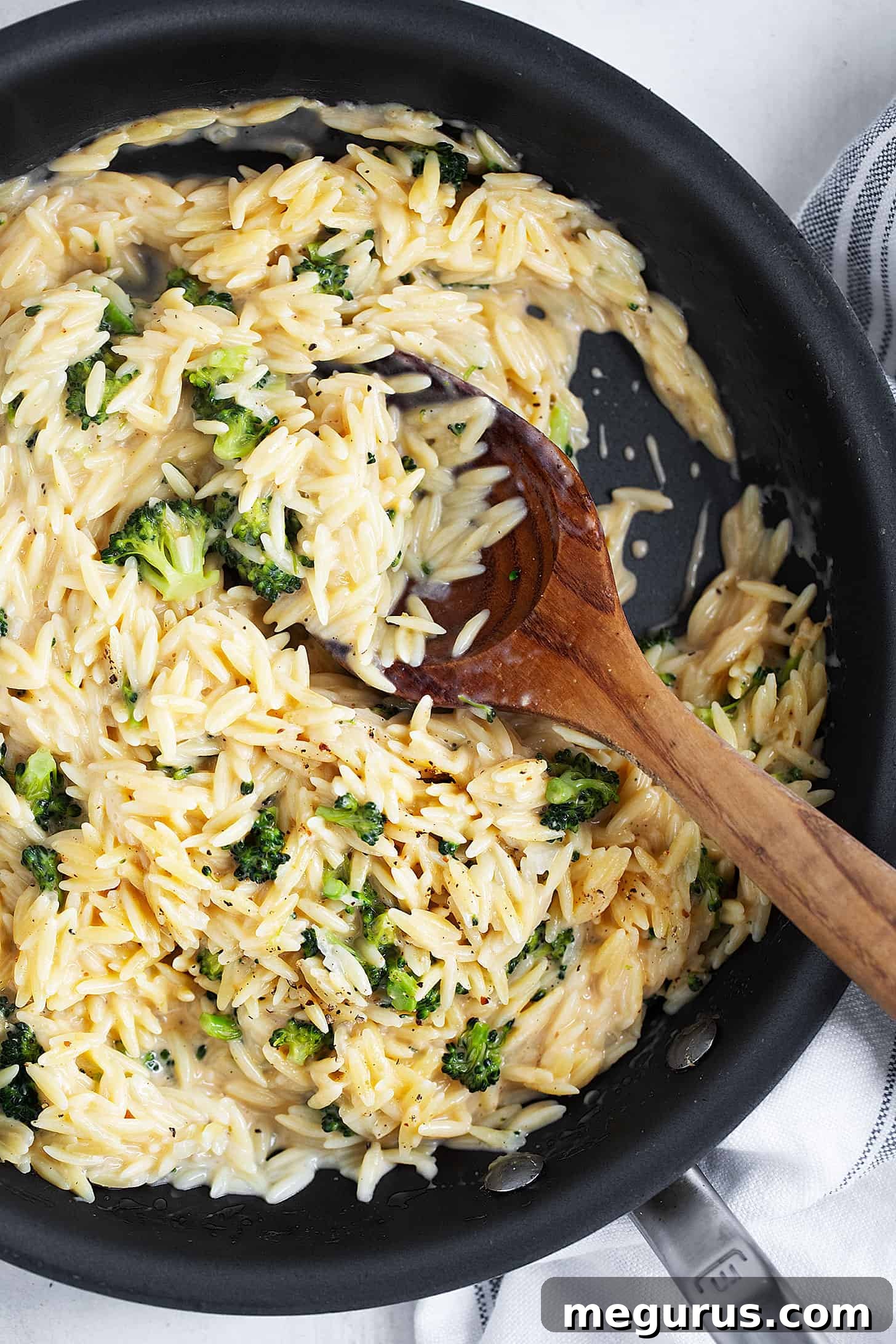
Perfect Pairings & Serving Suggestions
This creamy broccoli cheddar orzo is incredibly versatile and can be served in many delightful ways:
- Classic Side Dish: Its creamy, savory profile makes it an ideal companion for simple proteins. Serve alongside grilled chicken breasts, pan-seared salmon, baked white fish, or roasted pork tenderloin.
- Hearty Vegetarian Main: This dish is satisfying enough to be a meal on its own. Add some extra roasted vegetables, toasted nuts, or even some cannellini beans for added protein and fiber.
- Kid-Friendly Favorite: The cheesy, mild flavors are a guaranteed hit with children. It’s an excellent way to sneak in some healthy broccoli!
- Spice It Up: For those who enjoy a little heat, a pinch of red pepper flakes stirred in at the end or sprinkled on top adds a pleasant kick.
- Garnish for Flair: A final sprinkle of freshly grated Parmesan cheese, a swirl of extra virgin olive oil, or a scattering of fresh chives or chopped parsley can elevate the presentation and add another layer of flavor.
Making Ahead and Storing Your Orzo
While this broccoli cheddar orzo is undeniably at its peak when served fresh and hot off the stove, you can certainly prepare it ahead of time and store it for later enjoyment. Here’s what you need to know:
- Refrigeration: Leftovers will keep well in an airtight container in the refrigerator for up to 3-4 days. Be aware that the orzo will absorb more liquid as it cools, firming up considerably. When reheating, it’s highly recommended to add a splash of milk or broth (about 1-2 tablespoons per serving) to loosen it up and restore its creamy texture. Reheat gently on the stovetop over low heat, stirring frequently, or in the microwave.
- Freezing: This orzo also freezes surprisingly well! Allow the dish to cool completely before transferring it to freezer-safe airtight containers or heavy-duty freezer bags. It can be stored in the freezer for up to 3 months. To reheat from frozen, thaw it overnight in the refrigerator. Then, transfer to a skillet and reheat over low heat, adding a generous splash of milk or broth (start with ¼ cup and add more as needed) to bring back its creaminess and desired consistency. Stir frequently until heated through.
- Best Practices for Reheating: Regardless of whether you’re reheating from the fridge or freezer, always reheat gently and gradually. Overheating can cause the cheese to separate or become oily. The goal is to warm it through while maintaining its creamy, indulgent texture.
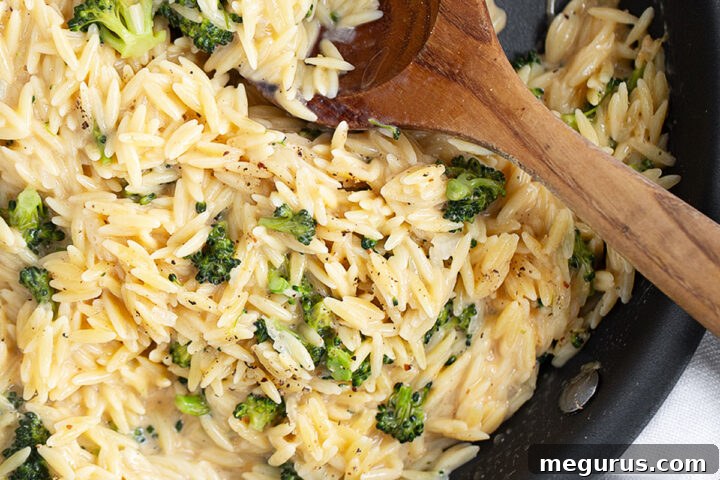
Broccoli Cheddar Orzo
This quick and easy broccoli cheddar orzo is a great side dish for so many meals. Especially nice when a simple protein is on the menu, to bring a little creamy and cheesy to the plate.
Cook Time: 15 mins
Total Time: 20 mins
Yield: 4 servings
Pin This
Ingredients
- 2 Tablespoons butter
- 1/4 cup onion, finely diced
- 1 cup orzo
- 2 cups chicken or vegetable broth
- 1 crown broccoli, florets only, chopped
- Salt and pepper, to taste
- 1 cup milk, 2 or 3% recommended
- 1/4 teaspoon dry mustard
- 1 cup cheddar cheese, shredded and packed
- Extra Salt and pepper, for final seasoning
Instructions
- Melt the butter over medium heat in a skillet (preferably non-stick). Add the finely diced onion and cook, stirring regularly, until the onion is softened and translucent (about 3-5 minutes). Add the orzo and cook together with the onion, stirring constantly, for about 1 minute until lightly toasted.
- Pour the broth into the skillet, then add the chopped broccoli florets. Stir everything together to combine. Bring the mixture to a simmer over medium heat, then continue simmering, stirring regularly as needed, until most of the broth has been absorbed by the orzo (approximately 8-10 minutes). The orzo should be nearly cooked, and the broccoli tender-crisp.
- Stir in the milk and the dry mustard powder into the skillet. Lower the heat under the pan to medium-low and continue to simmer the orzo, stirring regularly, until the milk is mostly absorbed and the sauce has thickened to a creamy consistency, but is not completely dry. Remove the skillet from the heat.
- Add the shredded cheddar cheese to the hot orzo. Stir vigorously until the cheese is completely melted and smoothly incorporated into a rich, creamy sauce. (If the cheese isn’t melting fully, you may place it back over a very low burner for a moment, stirring constantly).
- Taste the finished orzo and generously season with salt and freshly ground pepper as needed. Serve immediately while warm and creamy.
Notes
For more detailed tips on making this recipe, including substitution suggestions and step-by-step photos, please refer to the sections above this Recipe Card.
Course: Side Dish
Author: Jennifer Maloney
Nutrition Information (per serving):
- Serving: 1 serving
- Calories: 393 kcal
- Carbohydrates: 43g
- Protein: 19g
- Fat: 17g
- Saturated Fat: 10g
- Polyunsaturated Fat: 1g
- Monounsaturated Fat: 4g
- Trans Fat: 0.2g
- Cholesterol: 49mg
- Sodium: 742mg
- Potassium: 718mg
- Fiber: 5g
- Sugar: 8g
- Vitamin A: 1523IU
- Vitamin C: 136mg
- Calcium: 362mg
- Iron: 2mg
Common Questions About Broccoli Cheddar Orzo
Q: Can I use frozen broccoli instead of fresh?
A: Yes, you can use frozen broccoli, but be aware that the texture might be softer, and it may release more water, potentially making the dish a bit thinner. If using frozen, add it directly to the skillet with the broth; there’s no need to thaw it first. Adjust simmering time as needed.
Q: My orzo seems too thick/thin. How can I fix it?
A: If your orzo is too thick, stir in an extra splash of milk or broth (1-2 tablespoons at a time) until it reaches your desired consistency. If it’s too thin, allow it to simmer for a few more minutes over low heat, stirring constantly, until the liquid reduces and the sauce thickens.
Q: Can I make this recipe gluten-free?
A: Absolutely! Many brands now offer excellent gluten-free orzo pasta. Simply substitute it for the regular orzo, and follow the rest of the recipe as directed. Ensure your broth is also gluten-free.
Q: What other vegetables can I add?
A: This recipe is very adaptable! You can stir in fresh spinach or peas during the last few minutes of cooking, or add finely diced carrots, bell peppers, or mushrooms along with the onions for added flavor and nutrients. Just ensure they are chopped small enough to cook quickly.
Q: How can I make this a complete meal?
A: To transform this side dish into a main course, consider adding cooked protein. Shredded rotisserie chicken, leftover cooked ham, crispy bacon bits, or sautéed sausage would all be delicious additions. For a vegetarian main, stir in a can of drained and rinsed chickpeas or white beans.
More Side Dish Recipes to Love!
Tried this recipe? If you enjoyed this recipe, please consider leaving a star rating and comment. Your feedback helps others discover and love it too!