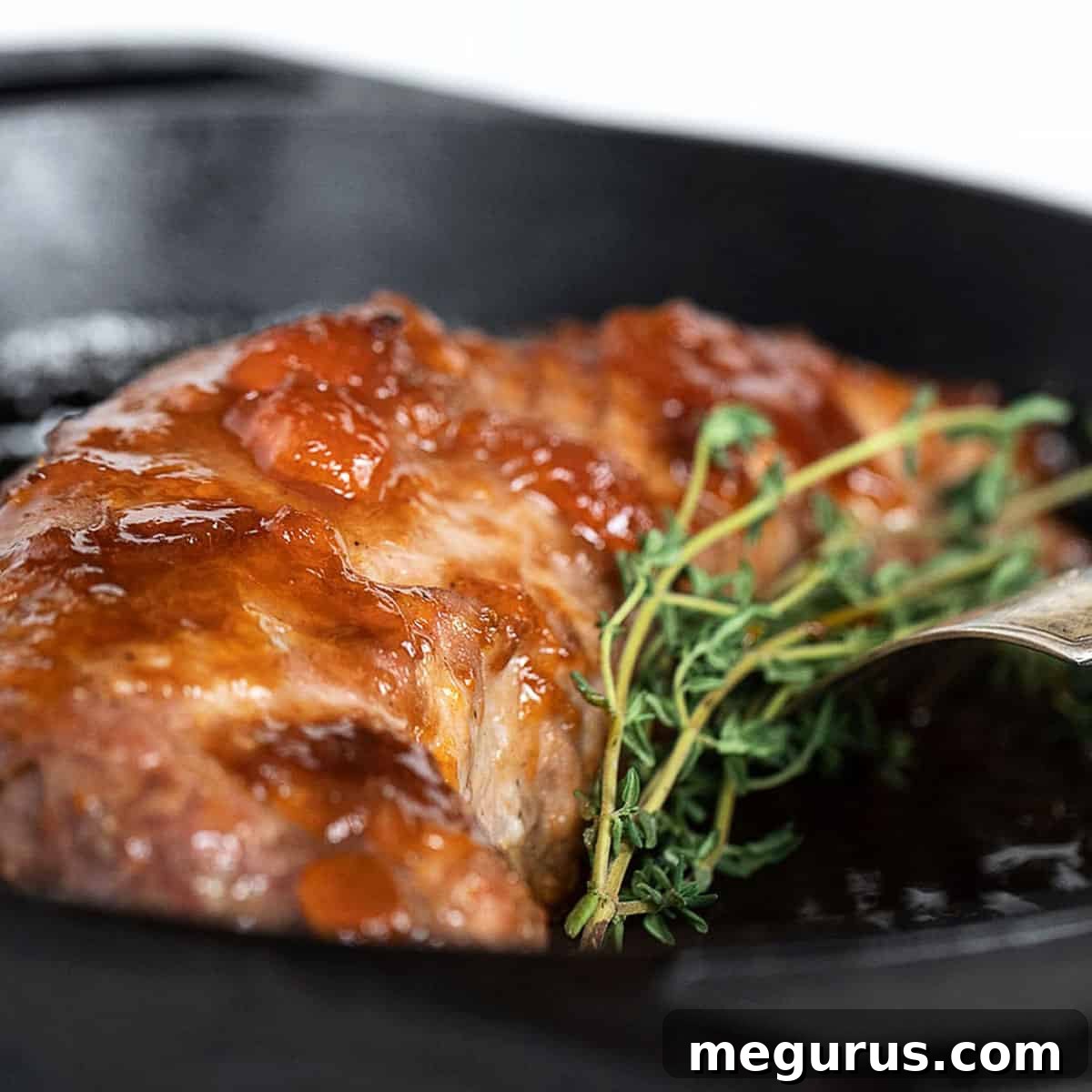
Effortless Apricot Glazed Pork Tenderloin: Your New Weeknight Favorite
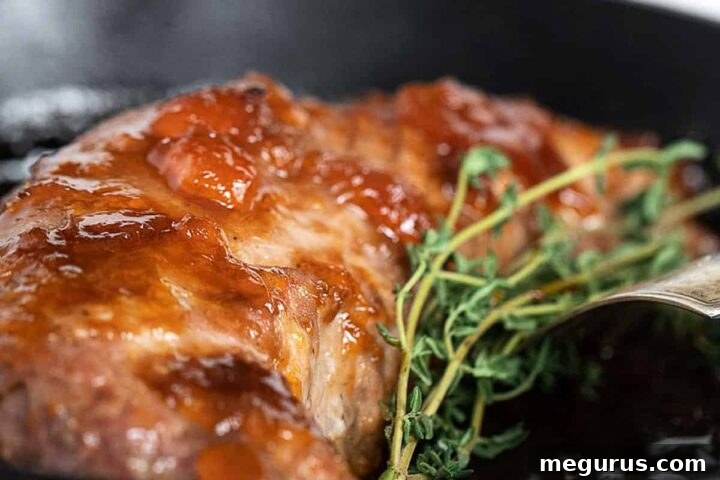
Discover the ultimate weeknight meal with this incredibly simple and flavorful Apricot Glazed Pork Tenderloin recipe. Crafted for busy schedules, this dish cooks entirely in the oven, eliminating the need for any complicated pan-searing. The star of the show is a vibrant, sweet-and-tangy glaze, expertly blended from just a few pantry staples: bright apricot jam, pungent Dijon mustard, and rich balsamic vinegar. The result? A perfectly tender pork tenderloin infused with a succulent, caramelized crust that will delight your taste buds and impress your family and friends. Get ready to transform your dinner routine with minimal effort and maximum flavor!
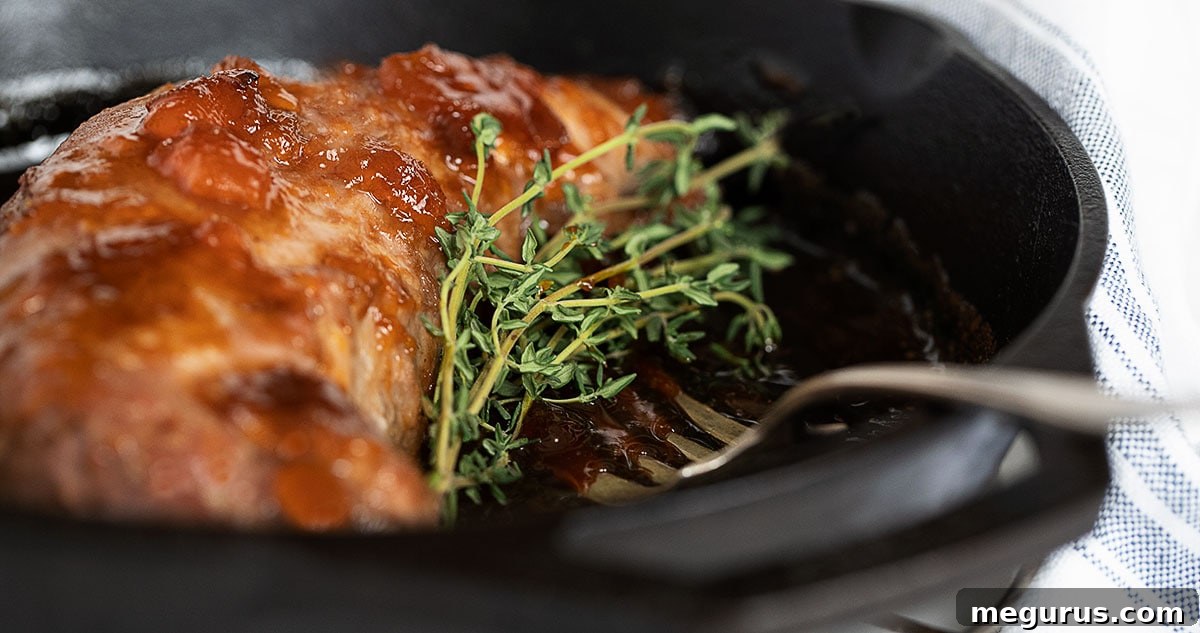
This recipe isn’t just easy; it’s a revelation for anyone seeking a gourmet-tasting meal without the fuss. Imagine returning home after a long day and having a delicious, healthy dinner on the table in under an hour, all cooked in one dish. That’s the promise of this apricot glazed pork tenderloin. It’s designed for convenience, allowing you to simply prepare the pork, whisk together the simple sauce, pour it over, and let your oven do all the work. The sweet and savory notes from the apricot jam and Dijon mustard create a glaze that clings beautifully to the lean pork, ensuring every bite is moist and packed with an unforgettable flavor profile. It truly is a perfect solution for busy weeknights, special occasions, or whenever you crave a dish that’s both comforting and elegant.
The Magic Behind the Apricot Glaze
The secret to this pork tenderloin’s irresistible charm lies in its remarkably simple yet profoundly flavorful glaze. This three-ingredient powerhouse combination of apricot jam, Dijon mustard, and balsamic vinegar creates a harmonious balance of sweetness, tanginess, and savory depth. As the pork bakes, the glaze slowly caramelizes, forming a beautiful, slightly sticky crust that locks in moisture and infuses the meat with incredible flavor. Apricot jam provides the fruity sweetness and natural pectin for thickening, while Dijon mustard adds a zesty kick and emulsifying properties. Balsamic vinegar introduces a complex, slightly acidic, and sweet note that rounds out the entire flavor profile, making this glaze truly exceptional. It’s a testament to how simple ingredients can come together to create something truly spectacular.
Key Ingredients for Success and Smart Substitutions
Crafting this delicious Apricot Glazed Pork Tenderloin requires a few key ingredients, each playing a vital role in the dish’s flavor and texture. Understanding these components and their potential substitutes will empower you to cook with confidence and adapt the recipe to your pantry or preferences.
- Pork Tenderloin: This lean and tender cut of pork is ideal for quick cooking and absorbing flavors. For the best results and an even cook, always remember to remove the silver skin. This thin, silvery membrane can become tough and chewy when cooked, so carefully trim it off using a sharp knife. Also, remove any visible excess fat to ensure a clean, tender bite. If you can’t find tenderloin, a pork loin roast, sliced into medallions, could be a workable alternative, though cooking times will vary.
- Apricot Jam: The cornerstone of our sweet and tangy glaze. Any good quality apricot jam or preserves will work wonderfully. I particularly favor brands like Bonne Maman Apricot Jam because it often contains small fruit pieces, adding delightful texture to the glaze. If you prefer a smoother glaze, use a jam without chunks or briefly warm and whisk it before mixing. Feel free to experiment with other fruit jams like peach, fig, or even orange marmalade for a different flavor twist.
- Dijon Mustard: Essential for its characteristic sharp, tangy, and slightly spicy notes, Dijon mustard beautifully balances the sweetness of the apricot. It adds depth and a subtle kick that elevates the glaze beyond just sweet. If classic smooth Dijon is unavailable, a grainy Dijon mustard will also provide excellent flavor and a pleasant textural element. In a pinch, yellow prepared mustard can be used, but start with slightly less as its flavor profile is milder and less complex.
- Balsamic Vinegar: This ingredient is crucial for adding a rich, complex acidity and a hint of sweetness to the glaze, cutting through the richness of the pork and jam. It contributes a deep, savory undertone that makes the glaze truly irresistible. If you don’t have balsamic vinegar, a good quality red wine vinegar could offer a similar acidic balance, or for a deeper, more savory alternative, a teaspoon of Worcestershire sauce could work well. However, balsamic vinegar is highly recommended for its unique contribution.
- Dried Thyme Leaves: A classic herb pairing for pork and fruit, thyme adds an aromatic, earthy note that complements the sweet and savory glaze. If using fresh thyme, you’ll generally need about three times the amount of dried (e.g., 1/4 – 1/2 teaspoon fresh leaves). Other herbs like rosemary or sage could also be used for a different aromatic touch.
- Salt and Freshly Ground Pepper: These fundamental seasonings are vital for enhancing the natural flavors of the pork. Season generously before adding the glaze to ensure the meat itself is well-seasoned, not just coated. Freshly ground black pepper always offers a superior aroma and flavor compared to pre-ground.
Step-by-Step Guide: Crafting Your Apricot Glazed Pork Tenderloin
Creating this delicious pork tenderloin is incredibly straightforward. Follow these simple steps for a perfectly cooked, flavorful meal.
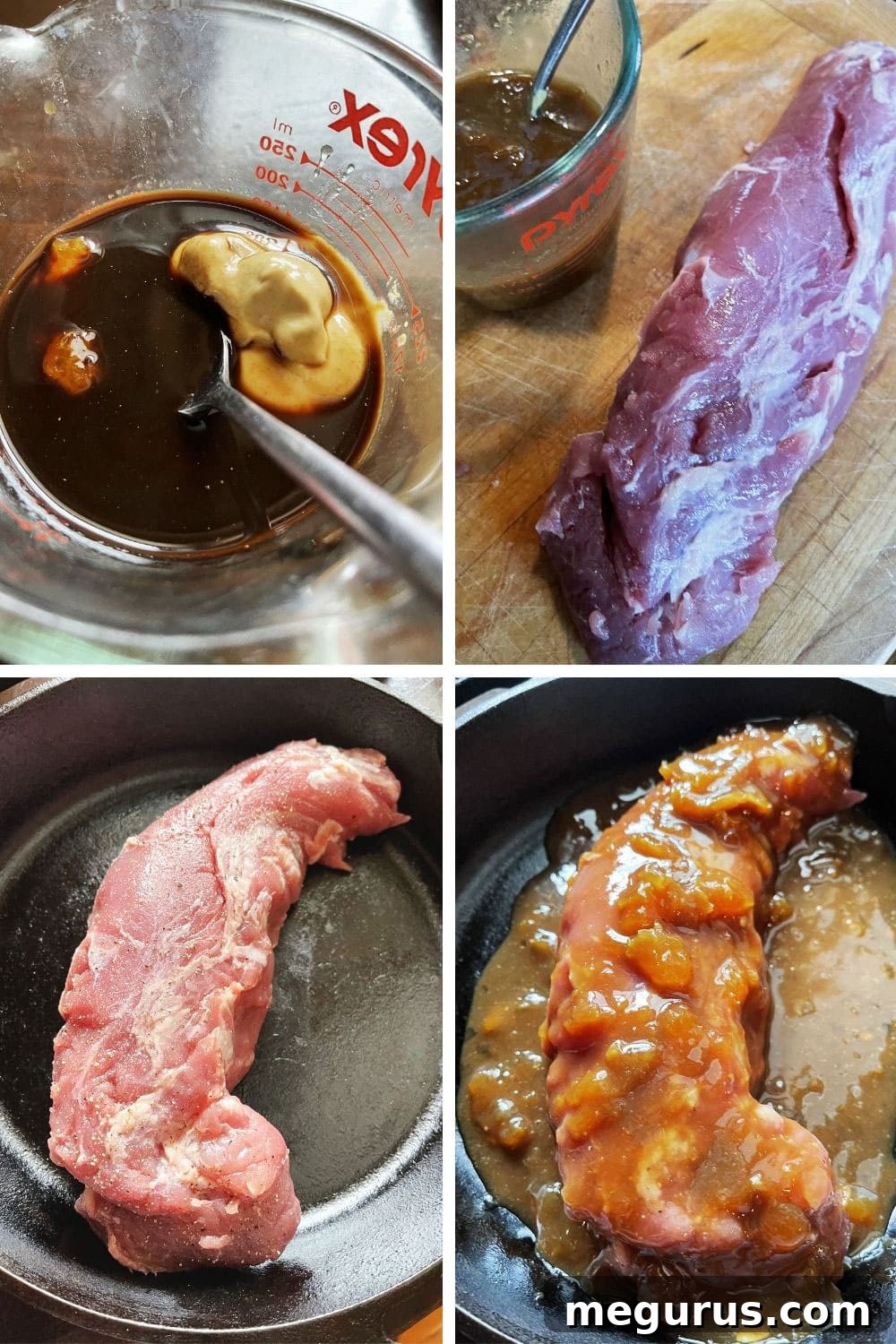
So easy! Here’s how to bring this fantastic dish to life:
- Preheat Your Oven: Start by preheating your oven to 375°F (190°C). If your oven has a fan-assisted or convection setting, it’s best to use the conventional bake setting for more even cooking with this recipe.
- Prepare the Glaze: In a medium bowl, combine all the sauce ingredients: apricot jam, Dijon mustard, balsamic vinegar, dried thyme leaves, and a pinch of salt and pepper. Whisk them together until you have a smooth, well-combined glaze. Set this aside.
- Prepare the Pork: Take your pork tenderloin and carefully remove any tough silver skin and excess visible fat using a sharp knife. Pat the pork dry thoroughly with paper towels; this helps the seasoning and glaze adhere better. Season the entire surface of the pork tenderloin generously with salt and freshly ground pepper.
- Arrange for Baking: Place the seasoned pork tenderloin into a suitable oven-safe baking dish. A cast iron skillet works wonderfully here as it retains heat well and goes straight from oven to table. Alternatively, any ceramic or glass baking dish will do.
- Glaze and Bake: Pour the prepared apricot glaze evenly over the pork tenderloin, making sure it’s well coated. Transfer the dish to your preheated oven.
- Cook to Perfection: Bake for approximately 30-35 minutes. The precise cooking time will depend on the thickness and size of your specific pork tenderloin. To ensure perfect doneness and juicy results, use an instant-read thermometer to check the internal temperature in the thickest part of the pork. It should reach 145°F (63°C).
- Rest and Serve: Once the pork reaches the desired temperature, remove it from the oven. Crucially, allow the pork to rest for at least 5-10 minutes before slicing. This resting period allows the juices to redistribute throughout the meat, ensuring it remains incredibly tender and moist. Slice the pork into medallions, spooning some of the delicious pan sauce over each serving.
Expert Tips for a Perfect Pork Tenderloin Every Time
- Choose the Right Pan: While a cast iron skillet is perfect for this apricot pork tenderloin, offering excellent heat retention and a rustic presentation, any oven-safe baking dish will yield delicious results. Just ensure it’s appropriately sized for your tenderloin.
- No Searing? No Problem! It’s absolutely not necessary to brown pork tenderloin before roasting, especially when cooking it with a flavorful glaze or sauce like this one. The glaze itself will caramelize and develop a beautiful color and crust as it bakes, infusing the meat with flavor from the start.
- Achieve Ultimate Tenderness: The key to a tender, moist pork tenderloin is not to overcook it. Always use an instant-read thermometer to check the internal temperature. Cook until it reaches exactly 145°F (63°C) in the thickest part. After removing it from the oven, allow it to rest for a few minutes. This critical step lets the meat reabsorb its juices, resulting in a significantly more succulent and never-dry dish.
- Scaling Up for a Crowd: Easily double the recipe if you’re feeding more people. Simply use two pork tenderloins and double all the sauce ingredients. You might need a larger baking dish or two separate dishes, and ensure there’s enough space for even cooking.
- Make Ahead and Storage: The apricot glaze can be made a day or two in advance and stored in the refrigerator. Leftover pork tenderloin can be stored in an airtight container in the fridge for 3-4 days. It’s delicious cold in sandwiches or reheated gently.
- Flavor Variations: For an extra layer of flavor, consider adding a minced garlic clove or a pinch of red pepper flakes to the glaze for a subtle kick. Fresh ginger, grated, would also be a fantastic addition to the apricot flavor profile.
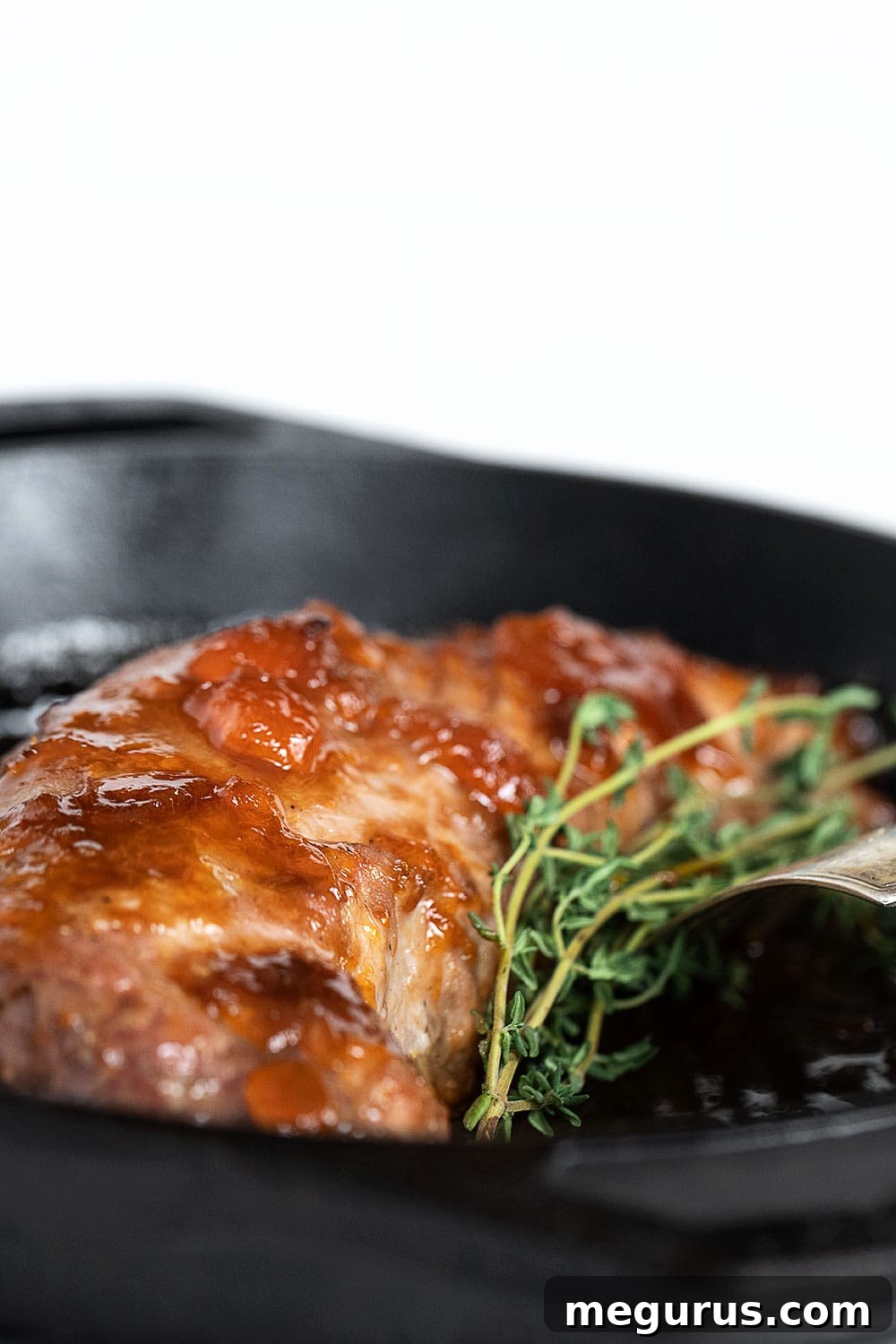
Perfect Pairings: What to Serve with Apricot Glazed Pork Tenderloin
This apricot glazed pork tenderloin is incredibly versatile and pairs beautifully with a variety of side dishes. The rich, flavorful sauce that develops during baking makes it especially suited for serving with a base that can soak up all that deliciousness. Consider serving it with fluffy rice, an earthy grain like quinoa, or even couscous. For potato lovers, mashed potatoes provide a comforting canvas for the sauce, while crispy roasted potatoes offer a delightful textural contrast. To complete your meal, add a vibrant green vegetable such as steamed or roasted broccoli, tender broccolini, crisp green beans, or even a simple side salad with a light vinaigrette. Asparagus or a medley of seasonal roasted vegetables would also make excellent companions, ensuring a balanced and satisfying dining experience.
Frequently Asked Questions (FAQ)
Here are some common questions about making this Apricot Glazed Pork Tenderloin:
- Do I need to sear the pork tenderloin before baking?
No, for this specific recipe, searing is not necessary. The rich apricot glaze bakes directly onto the pork, creating a beautiful caramelized crust and locking in moisture as it cooks in the oven. This simplifies the process, making it a true one-pan meal. - How do I ensure my pork tenderloin isn’t dry?
The most crucial step is to use an instant-read thermometer and cook the pork only until it reaches an internal temperature of 145°F (63°C) in its thickest part. After removing it from the oven, let it rest for 5-10 minutes before slicing. This allows the juices to redistribute, guaranteeing a tender and moist result every time. - Can I use a different fruit jam?
Absolutely! While apricot jam provides a classic sweet and tangy flavor, you can certainly experiment with other fruit preserves. Peach jam, fig jam, or even orange marmalade would be delicious alternatives, each lending a unique twist to the glaze. - What if I don’t have balsamic vinegar?
Balsamic vinegar offers a unique sweet and acidic depth. If you don’t have it, a good quality red wine vinegar can be used as a substitute for acidity. For a more savory, umami note, a teaspoon of Worcestershire sauce could also work, though the flavor profile will be slightly different. - Can this recipe be made ahead of time?
You can prepare the apricot glaze ahead of time and store it in an airtight container in the refrigerator for up to 3-4 days. While the pork is best cooked fresh, having the glaze ready significantly cuts down on prep time before dinner.
Get the Recipe: Apricot Glazed Pork Tenderloin
Pin This
Leave a Review
5 mins
35 mins
40 mins
4 servings
Ingredients
- 1 1/2 lb. pork tenderloin, approximately, fat and silver skin removed
For the apricot glaze:
- 1/2 cup apricot jam, or apricot preserves
- 2 Tablespoons Dijon mustard
- 2 Tablespoons balsamic vinegar
- 1/8 teaspoon dried thyme leaves, or a bit more fresh thyme leaves
- Salt and freshly ground pepper
Instructions
- Preheat oven to 375F (190C). Use conventional bake, not fan-assisted.
- Prepare the glaze by mixing together all the sauce ingredients in a bowl. Set aside.
- Remove silver skin and any visible fat from the pork tenderloin. Pat dry and season generously with salt and freshly ground pepper. Place into an oven-safe baking dish (such as a cast iron skillet).
- Pour the prepared apricot glaze over the pork tenderloin, ensuring it is well coated.
- Cook in the pre-heated oven for about 30-35 minutes, or until the pork reaches an internal temperature of 145F (63C) when tested in the thickest part with an instant-read thermometer. Cooking time may vary slightly depending on the size and thickness of your pork tenderloin.
- Allow the pork to rest for at least 5-10 minutes before slicing. Spoon any remaining pan sauce over the sliced pork. Serve hot with suggested sides like rice, quinoa, or a green vegetable.
Notes
- A cast iron skillet is ideal for this dish, but any oven-safe baking dish will work well.
- Always cook pork tenderloin until it reaches an internal temperature of 145F (63C) for optimal tenderness and moisture. Remember to allow it to rest before slicing.
- This recipe can be easily doubled for larger gatherings; simply use two pork tenderloins and double the glaze ingredients.
- For more detailed tips and suggestions, please refer to the “Expert Tips” section above the recipe card.
Nutrition Information (per serving):
- Serving: 1 serving
- Calories: 288 kcal
- Carbohydrates: 21 g
- Protein: 36 g
- Fat: 6 g
- Saturated Fat: 2 g
- Trans Fat: 1 g
- Cholesterol: 111 mg
- Sodium: 187 mg
- Potassium: 711 mg
- Fiber: 1 g
- Sugar: 14 g
- Vitamin A: 71 IU
- Vitamin C: 3 mg
- Calcium: 23 mg
- Iron: 2 mg
Tried this recipe?
If you enjoyed this recipe, please consider leaving a star rating and comment. Your feedback helps others discover and enjoy this dish!