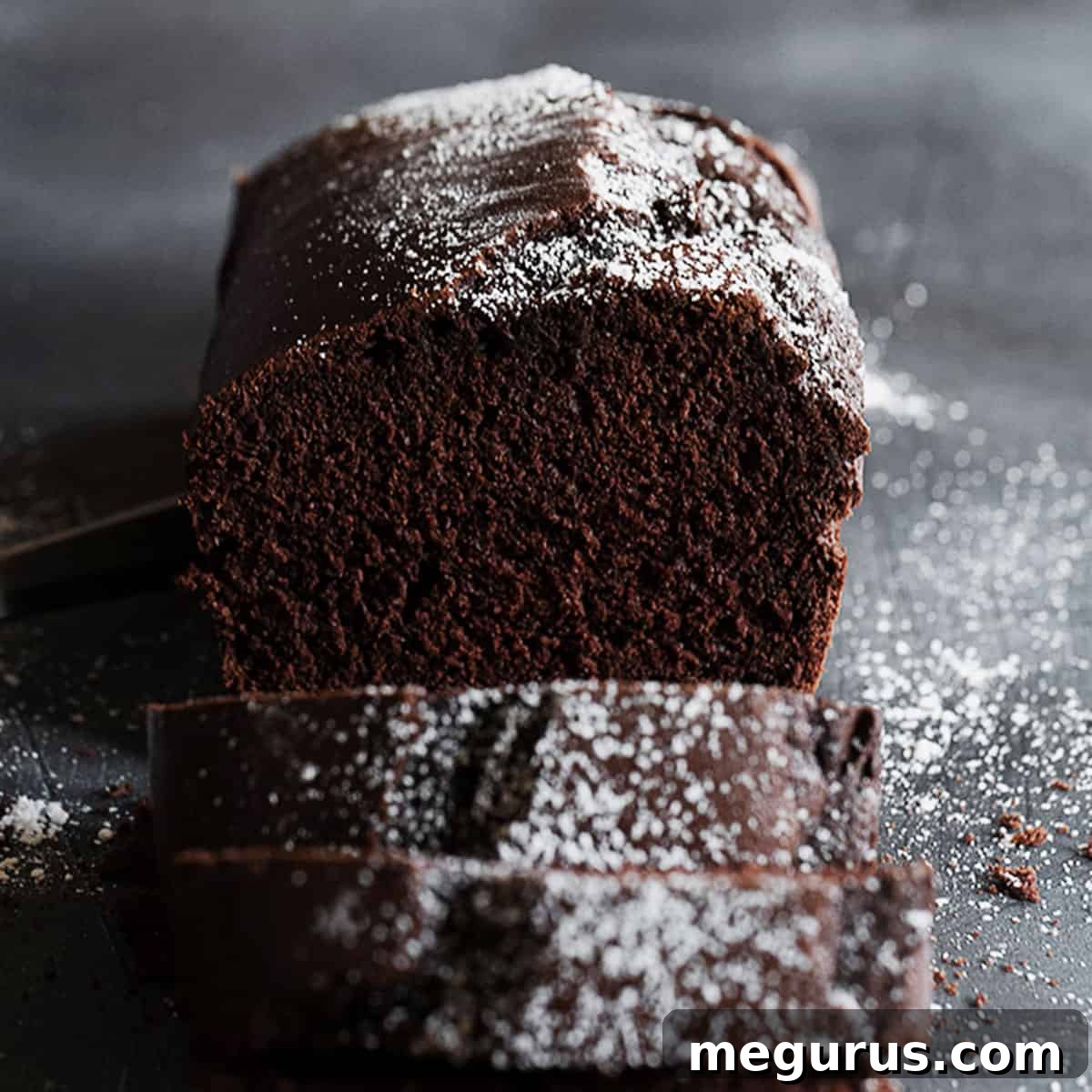
Indulge in the Ultimate Moist Chocolate Pound Cake Loaf
Prepare to be enchanted by a chocolate pound cake loaf that defines perfection. This recipe delivers a beautifully light and exceptionally moist crumb, bursting with just the right amount of deep chocolate flavor. It’s a versatile delight you can enjoy simply as a satisfying slice by hand, or elevate it into an elegant dessert by plating it with fresh berries, a scoop of vanilla bean ice cream, or a luxurious drizzle of chocolate sauce. This isn’t just a cake; it’s a slice of pure comfort.
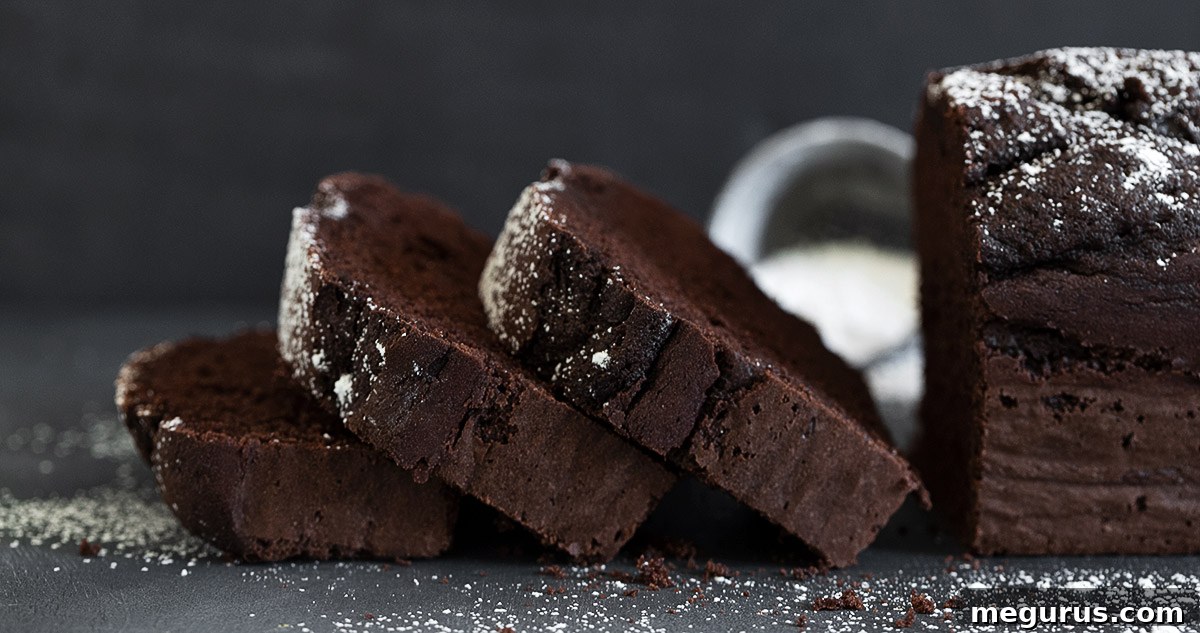
Why This Chocolate Pound Cake Loaf Will Become Your Go-To Recipe
For too long, my recipe collection felt incomplete without a standout chocolate cake. As a passionate baker and someone who frequently seeks the comfort of chocolate, this absence was a clear oversight! This simple chocolate pound cake loaf has since filled that void, quickly becoming a cherished favorite for its straightforward elegance and unparalleled flavor.
Unlike complex layer cakes requiring elaborate frostings, this pound cake loaf offers a fuss-free indulgence. Its inherent beauty lies in its rich texture and wonderful chocolate taste, making it a perfect treat that stands alone. Whether you’re craving a casual snack or a sophisticated dessert, its versatility shines through. Slice it and enjoy it straight from the counter, or transform it into a showstopper with simple toppings like fresh fruit, a dollop of whipped cream, or a scoop of your favorite ice cream. It’s truly a perfect chocolate creation that satisfies every craving.
This exceptional pound cake recipe draws its inspiration from a classic pound cake by the renowned Sarabeth Levine of Sarabeth’s Bakery. While the original was traditionally baked in a tube pan, I’ve found that baking it in a loaf pan offers a more convenient and equally delightful experience. To achieve this perfect loaf, I’ve expertly halved the original recipe, resulting in some unique, yet precise, ingredient measurements. Should you desire a larger, grander cake, simply double the ingredients and bake in a tube pan for approximately one hour. This adjustment allows for flexibility while maintaining the integrity of Sarabeth’s incredible base recipe.
Essential Ingredients and Thoughtful Substitutions
Understanding the role of each ingredient is key to achieving baking perfection. Here are a few important notes on the core components of this chocolate pound cake:
- Whole Milk: The choice of milk significantly impacts the cake’s texture. Whole milk, typically containing 3-3.5% butterfat, is highly recommended as it contributes to the most tender and rich crumb. While 2% milk can be used in a pinch, be aware it may result in a slightly less luxurious texture.
- All-Purpose Flour: For the finest crumb and texture, unbleached all-purpose flour is your best bet. However, if bleached all-purpose flour is what you have on hand, it will still yield a delicious result. The unbleached variety simply helps create a lighter, more delicate crumb.
- Dutch-Processed Cocoa Powder: This is a non-negotiable ingredient for this particular recipe. Dutch-processed cocoa powder is processed to be less acidic, which affects how it reacts with baking soda and ultimately influences the cake’s color, flavor, and rise. Please refer to the FAQ section below for detailed guidance on identifying Dutch-processed cocoa.
- Unsweetened Chocolate: Don’t underestimate the power of a small amount! Even just 1/4 ounce of unsweetened chocolate makes a significant difference. As pure chocolate, it delivers an intense depth of flavor that a larger quantity of less concentrated chocolate simply cannot match. A little truly goes a long way here.
- Unsalted Butter: Using unsalted butter provides the most control over the overall salt content of your cake. If you opt for salted butter, remember to adjust or omit the additional salt specified in the recipe.
For more detailed advice on specific ingredient substitutions and their potential impact on your bake, please consult our comprehensive “FAQ” section further down the page.
Step-by-Step Guide: Crafting Your Chocolate Pound Cake Loaf
This section provides a clear visual and textual summary of the baking process. For precise measurements and complete instructions, always refer to the detailed Recipe Card below.
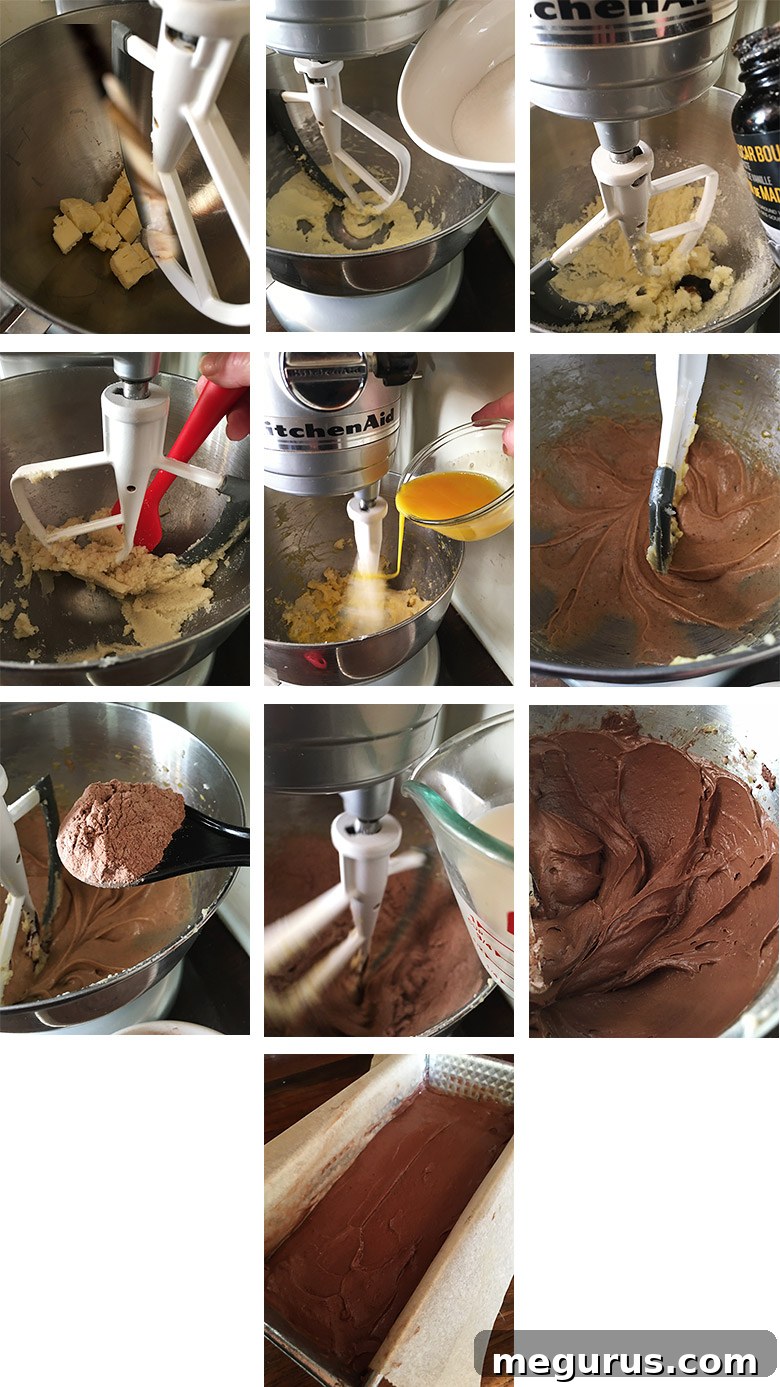
- Prepare Ingredients: Ensure all your ingredients are measured and ready, and cold butter is cut into cubes.
- Cream Butter & Sugar: Begin by beating the cold butter cubes until smooth in your mixer. Gradually incorporate the sugar, continuing to beat until the mixture is light, fluffy, and pale.
- Add Vanilla: Stir in the vanilla extract, ensuring it is well combined.
- Scrape the Bowl: Regularly and thoroughly scrape down the sides and bottom of your mixing bowl to ensure all ingredients are evenly incorporated. This is a crucial step for a uniform batter.
- Incorporate Eggs: Gradually add the room-temperature eggs, beating well after each addition until fully combined.
- Mix in Melted Chocolate: Gently beat in the slightly cooled melted unsweetened chocolate, ensuring it’s evenly distributed throughout the batter.
- Alternate Dry and Wet: Introduce the dry flour mixture alternately with the milk. Start with a third of the flour, then half of the milk, another third of the flour, the remaining milk, and finally the rest of the flour mixture. This method helps prevent overmixing and develops a tender crumb.
- Achieve Smooth Batter: The goal is a rich, smooth, and creamy batter with no streaks of unmixed ingredients.
- Transfer to Pan: Pour the luscious batter into your meticulously prepared loaf pan and gently smooth the top for an even bake.
- Bake to Perfection: Bake until the cake is golden, puffed, and a skewer inserted into the center comes out clean or with a few moist crumbs.
Frequently Asked Questions (FAQ)
- How can I tell if my cocoa powder is Dutch-processed?
You can usually confirm this by checking the product label for terms like “Dutch-processed,” “alkalized,” or “European style.” If it simply says “natural cocoa,” it’s likely not Dutch-processed. For instance, in Canada, Fry’s Cocoa is typically Dutch-processed, as is Hershey’s Special Dark. Hershey’s “Regular Natural Cocoa” is, as the name suggests, natural and not suitable for this recipe. When in doubt, a quick online search for “Is [brand name] cocoa Dutch-processed?” will provide clarity. - Can I substitute natural cocoa powder for Dutch-processed cocoa in this recipe?
Unfortunately, this is not a simple substitution. Baking is a science, and the leavening agents in this recipe (baking soda) are specifically balanced to react with the alkalinity of Dutch-processed cocoa. Natural cocoa is acidic, and using it would disrupt the chemical balance, potentially leading to a dense cake with an altered texture and color. While I haven’t personally tested it to confirm a “baking fail,” I strongly advise against this swap to avoid wasting ingredients and ensure the best results. - Is it okay to use buttermilk instead of whole milk and lemon juice?
You’ve made a keen observation! The recipe effectively creates a homemade buttermilk-like mixture by adding lemon juice to whole milk. However, there’s a crucial difference: traditional buttermilk typically has a butterfat content of around 1%, whereas whole milk contains 3-3.5%. This higher butterfat content in our “homemade” version is intentional and contributes significantly to the pound cake’s rich, moist crumb and decadent flavor. Using store-bought buttermilk would alter this delicate balance and the final texture. - Are there any substitutes for lemon juice?
While I haven’t tested it personally, an equal amount of distilled white vinegar should work effectively in place of lemon juice. Both are acidic and serve a similar purpose in reacting with the milk to create the desired texture and lift. - Is the 1/4 ounce of unsweetened chocolate truly necessary?
I understand this might seem like an unusually small quantity! However, unsweetened chocolate is pure, concentrated chocolate flavor. Even this tiny amount significantly enhances the depth and richness of the cake’s chocolate profile. I’ve never made this cake without it, as it’s an intentional part of the original recipe’s design. While the cake might still be lovely without it, this small addition ensures that truly “perfect” chocolate taste. I always keep some on hand for this reason. - Can I use bittersweet or semi-sweet chocolate instead of unsweetened?
I have not tested this recipe with bittersweet or semi-sweet chocolate. These types of chocolate contain added sugar and varying percentages of cocoa solids (bittersweet can be as low as 35% cocoa, semi-sweet even less), whereas unsweetened chocolate is 100% cocoa. Substituting them would likely reduce the intensity of the chocolate flavor and could potentially alter the overall sugar balance of the recipe. While it might not negatively affect the cake’s structure, the signature rich chocolate taste would definitely be diminished. For the best flavor, stick to unsweetened chocolate. - Do I really need to line the loaf pan with parchment paper?
Absolutely! While the cake does tend to pull away from the pan sides as it cools, it’s quite soft and delicate when warm, making it prone to breaking if not handled carefully. Lining the pan with parchment paper, allowing it to overhang the sides, provides convenient “handles” to lift the cake out easily and intact. There’s nothing more frustrating than a beautifully baked loaf that breaks when you try to remove it from the pan, so this step is a simple safeguard for a flawless finish. - Can this recipe be adapted for dietary restrictions (e.g., nut-milk, soy milk, less sugar, no eggs, gluten-free flour)?
I deeply respect and understand various dietary choices and restrictions. However, it is impossible for me to test every recipe with the vast array of potential substitutions. This recipe was developed and perfected with specific ingredients to achieve its unique texture and flavor. Significant substitutions, especially for core ingredients like flour, eggs, or dairy, can drastically alter the cake’s chemistry and outcome, potentially leading to a “baking fail.” My best advice is to rely on your personal experience with similar substitutions in other baking endeavors. For guaranteed success, you may want to seek out a recipe that has been specifically developed and tested for your particular dietary preferences. I always strive for perfect results and would hate for anyone to waste precious ingredients on an unpredictable outcome.
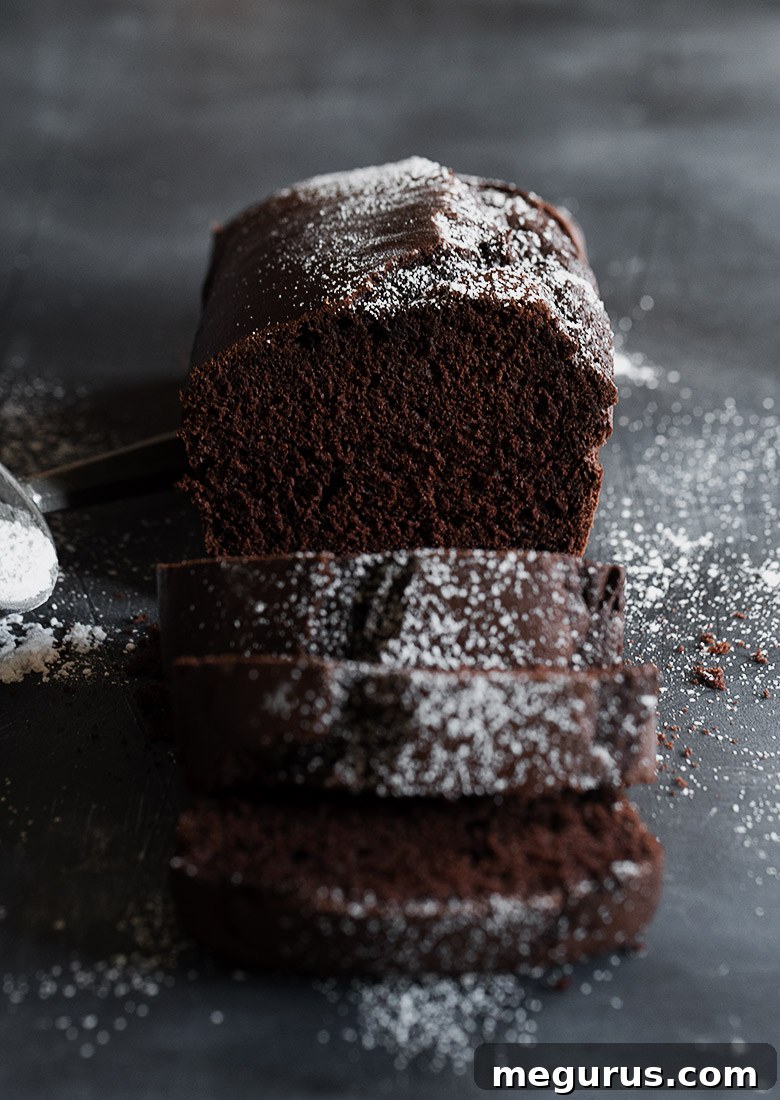
Expert Baking Tips for a Perfect Chocolate Pound Cake Loaf!
Achieving a truly outstanding pound cake isn’t difficult, but it does benefit from attention to detail and a methodical approach. This is one of those recipes where technique truly matters. No special skills are required, just a willingness to follow the directions precisely, and you will be richly rewarded with a magnificent cake.
- Mise en Place is Key: Before you even think about turning on your mixer, gather and measure all your ingredients. Having everything ready and organized will prevent any “panic baking” moments and significantly reduce the chances of making errors.
- Read the Recipe Thoroughly: Take a moment to read through the entire recipe instructions from start to finish before you begin. This allows you to understand the flow, anticipate steps, and prepare accordingly.
- Temperature Matters: Pay close attention to ingredient temperatures. Ensure your eggs are at room temperature, and importantly, that your butter is cold and cut into small, even pieces. These details are crucial for the proper emulsion and structure of the batter.
- Time Your Beating: Don’t guess! When the recipe specifies beating times (e.g., “beat for 4 minutes”), set a timer. It’s surprisingly difficult to accurately estimate how long you’ve been mixing, and proper beating incorporates air and develops the texture.
- Scrape, Scrape, Scrape: As this recipe uses a relatively small amount of batter, thoroughly scraping down the bowl is paramount. Keep a spatula handy and regularly scrape down the sides, paying special attention to the bottom of the bowl and underneath the beater, where unincorporated butter and other ingredients tend to hide. This ensures a homogenous batter and a uniform cake.
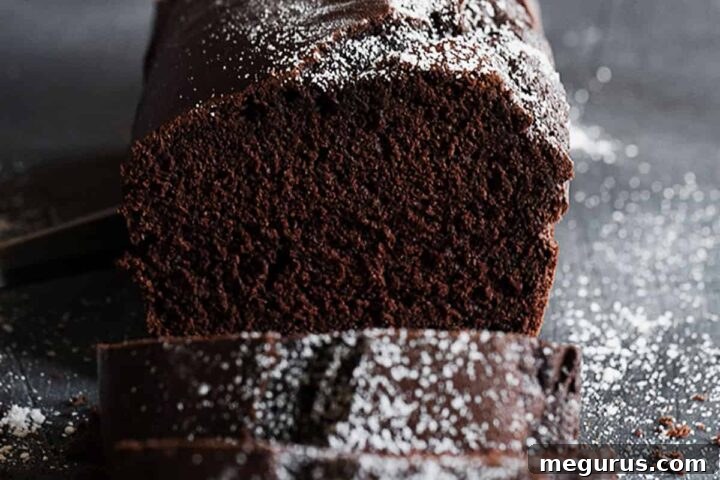
Get the Recipe: Simply Perfect Chocolate Pound Cake Loaf
Pin This
Leave a Review
15 mins
50 mins
1 hr 5 mins
12 servings
Ingredients
- 3/4 cup whole milk, 3 – 3.5% butterfat
- 1 1/2 teaspoons lemon juice
- 1 cup + 2 1/2 Tablespoons all-purpose flour, unbleached flour recommended, spooned and levelled to measure
- 1/2 cup Dutch-processed cocoa, *see Note 1 below
- 3/4 teaspoon baking soda
- 1/4 teaspoon fine salt, omit if using salted butter
- 1/4 oz unsweetened chocolate, *see Note 2 below
- 5 Tablespoons unsalted butter, cold, cut into 1/2-inch chunks
- 3/4 cup white granulated sugar
- 1/2 teaspoon vanilla, or vanilla bean paste
- 1 1/2 large eggs, at room temperature *see Note 3 below
- Icing/confectioners’ sugar, for garnish
Instructions
-
Take eggs out of the fridge to come to room temperature (25-30 minutes ahead).
-
Preheat oven to 350°F (not fan-assisted) with the rack in the center of the oven.
-
Prepare an 8.5 x 4.5-inch or 4 x 9.5-inch loaf pan by spraying it with cooking spray, then covering the bottom and sides with parchment paper, letting the parchment extend beyond the sides an inch or so. (If not using parchment, butter and flour the pan really well). *If you only have a 9×5-inch pan, it will work. Your loaf will be longer, wider, and shorter, so expect that it will cook through more quickly and check it earlier.
-
Measure out the whole milk. Add the lemon juice to the milk. Stir and let stand while you continue with the batter. (The lemon juice will cause the milk to curdle, so don’t be alarmed later on when it’s a bit chunky.)
-
In a medium bowl, whisk together the flour, cocoa, baking soda, and salt (omit added salt if using salted butter). Set aside.
-
Melt the 1/4 ounce of unsweetened chocolate. This can be done in the microwave for about 30-40 seconds, or by placing the chocolate in a ramekin over a saucepan with about 1/2-inch of hot water (off the heat). Stir until smooth, then set aside to cool to tepid while you prepare the rest of the batter. *Ensure no water gets into the chocolate, or it will seize.
-
In a large bowl, using an electric mixer or a stand mixer fitted with the paddle attachment, beat the cold butter cubes on medium-high speed until smooth, about 1 minute. Gradually beat in the granulated sugar. Once all the sugar is added, incorporate the vanilla. Continue beating the mixture until it becomes very light in color and fluffy in texture, scraping down the bowl occasionally, for about 4 minutes. Gradually beat in the room-temperature eggs one at a time, ensuring each is fully incorporated before adding the next. Reduce the mixer speed to low and beat in the cooled melted chocolate.
-
Add the flour mixture alternately with the milk. Begin by adding 1/3 of the flour mixture, beating until just combined. Then add 1/2 of the milk, beating gently. Follow with another 1/3 of the flour, then the remaining milk, and finally the remaining flour mixture. Beat well after each addition, and remember to scrape down the bowl frequently between additions to ensure an evenly mixed batter.
-
Pour the prepared batter into your lined loaf pan and gently smooth the top with a spatula to ensure an even surface for baking.
-
Bake the loaf in the preheated oven for approximately 50 minutes if using a 4×10-inch pan. *Baking times will vary for 8×4-inch or 9×5-inch pans, so begin checking for doneness after about 45 minutes of baking. To test, insert a wooden skewer or toothpick into the center of the cake; it should come out fairly dry and clean, perhaps with a dry crumb or two attached. The sides of the cake should have slightly pulled away from the pan, and the top should appear puffed and might have a characteristic crack down the center. When gently pressed, the top should spring back.
-
Cool the baked cake in its pan for 10 minutes. Then, carefully lift the cake out of the pan using the parchment paper overhang as handles. Transfer it to a wire cooling rack and gently remove the parchment paper to allow the loaf to cool completely. Store the cooled cake, well-wrapped at room temperature, for up to 2 days. This pound cake also freezes exceptionally well for longer storage.
Notes
2. Yes, it really is just 1/4 ounce of unsweetened chocolate! Unsweetened chocolate is 100% pure chocolate, offering an intense flavor even in small quantities. I have not tested this recipe with bittersweet or semi-sweet chocolate. While it might technically “work,” the chocolate flavor will be significantly reduced due to their lower cocoa content and added sugar.
3. To get 1 1/2 eggs, crack one large egg into a small bowl and whisk it with a fork until blended. Discard approximately half of this mixture, then add a second whole large egg to the bowl. You will now have the equivalent of 1 1/2 large eggs.
Be sure to read the FAQ and the “Expert Baking Tips” sections above the recipe card for more advice on achieving the best results with this recipe.
American, Canadian
Dessert
Jennifer Maloney
Tried this recipe?
If you enjoyed this recipe, please leave a star rating and comment. Your feedback helps others discover and enjoy it too!
More Delightful Pound Cake Loaf Recipes to Explore!