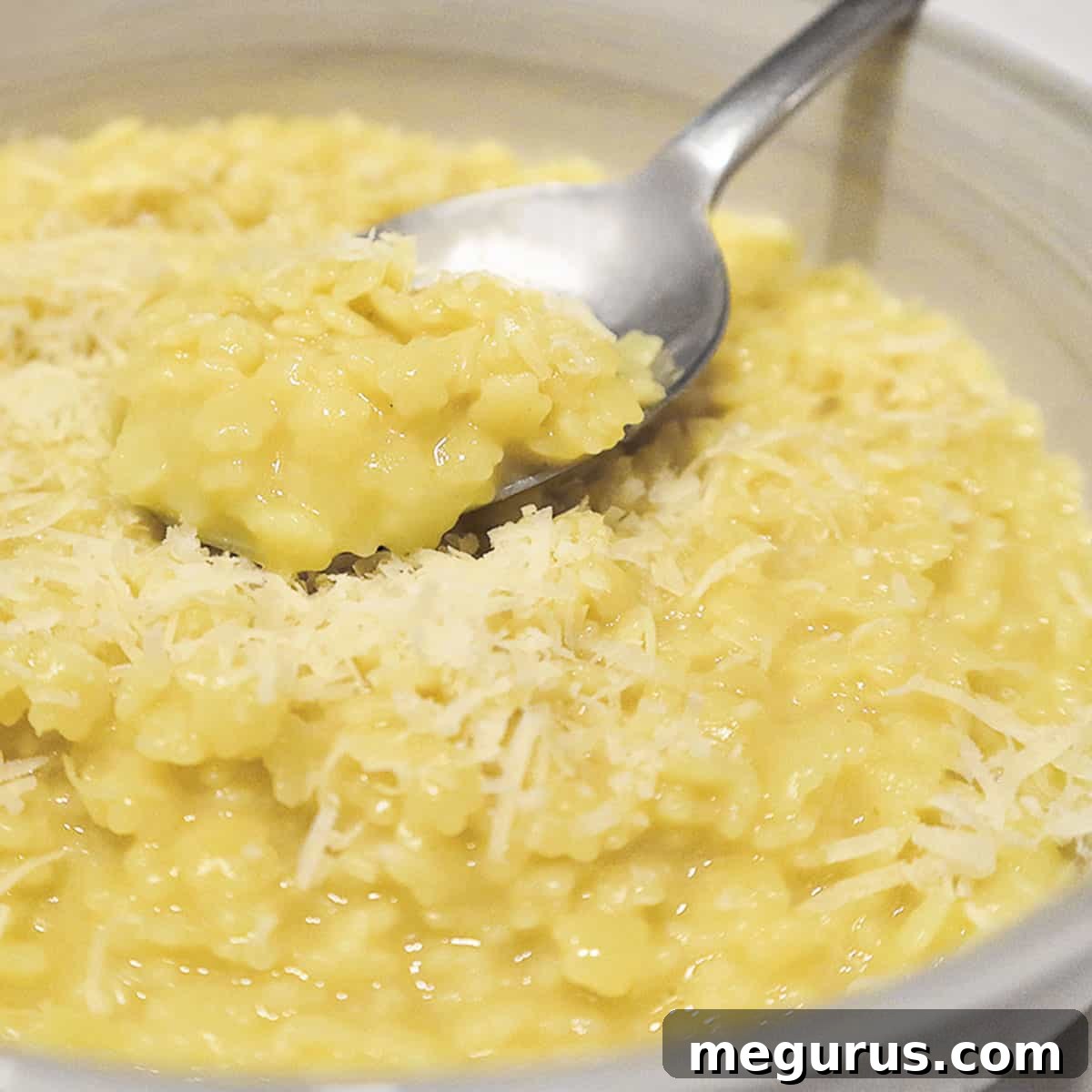
Pastina with Egg and Cheese: The Ultimate Quick Italian Comfort Food
When life calls for a warm embrace in a bowl, and time is a luxury you don’t possess, Pastina with egg and cheese answers the call. This beloved Italian classic is more than just a meal; it’s a nostalgic hug, a spoonful of pure comfort that is both incredibly simple to prepare and profoundly satisfying. In less than 15 minutes, you can transform humble pantry staples into a cheesy, creamy, hearty dish that soothes the soul and nourishes the body. Whether you’re feeling under the weather, had a long day, or simply craving something effortlessly delicious, this recipe is your go-to culinary sanctuary.
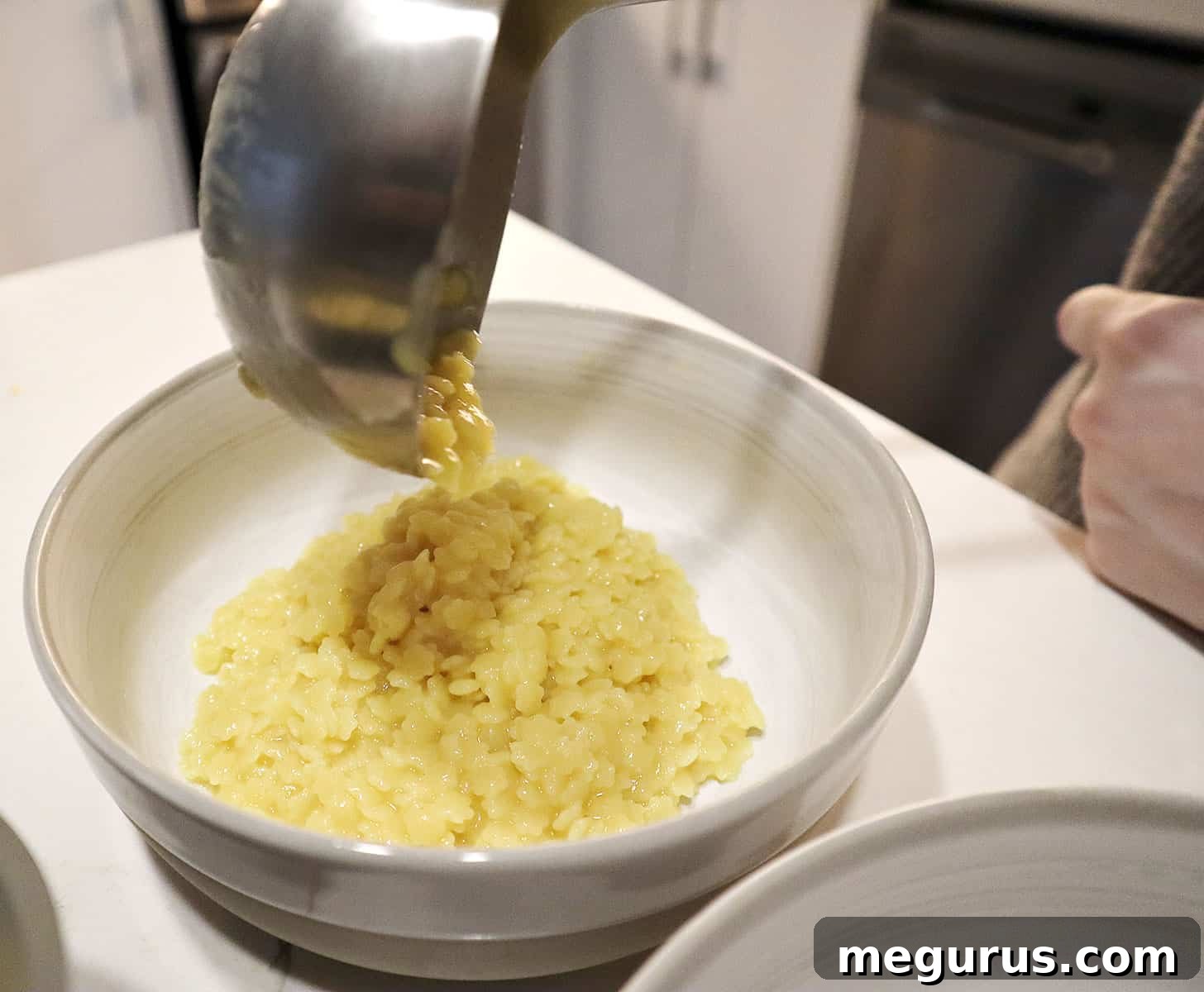
What is Pastina?
Pastina, which literally translates to “little pasta” in Italian, is a category of tiny pasta shapes often used in soups or prepared as a simple, comforting dish. Unlike larger pasta forms that are typically drained after cooking, pastina is traditionally cooked directly in water or broth until all the liquid is absorbed, creating a tender, almost porridge-like consistency. This method infuses the pasta with rich flavor and releases its starches, contributing to a naturally creamy texture. Variants frequently incorporate additions like grated Parmesan cheese, a knob of butter, and a whisked egg, elevating it to the ultimate comfort food status. Revered as “Italian Penicillin,” pastina is a time-honored remedy for minor ailments, much like chicken noodle soup is in North America. Its gentle nature and easy digestibility also make it a popular first food for babies, a testament to its widespread appeal across generations.
Why You’ll Fall in Love with this Pastina with Egg Recipe!
This simple yet spectacular Pastina with Egg and Cheese recipe holds a special place in the hearts of many for compelling reasons:
- **Unrivaled Comfort**: It’s a warm, homemade meal that can be enjoyed any time of day or night, offering a sense of coziness and well-being with every spoonful. Perfect for chilly evenings or when you need a gentle pick-me-up.
- **Blazing Fast Preparation**: Don’t let its gourmet taste fool you; this dish is genuinely quick to make, ready to serve in under 15 minutes. It’s an ideal solution for busy weeknights or when unexpected cravings strike.
- **Exquisite Flavor Profile**: Quick doesn’t mean compromising on taste. This Pastina recipe delivers a deliciously savory and deeply satisfying flavor that will surprise and delight you, proving that simplicity can be incredibly tasty.
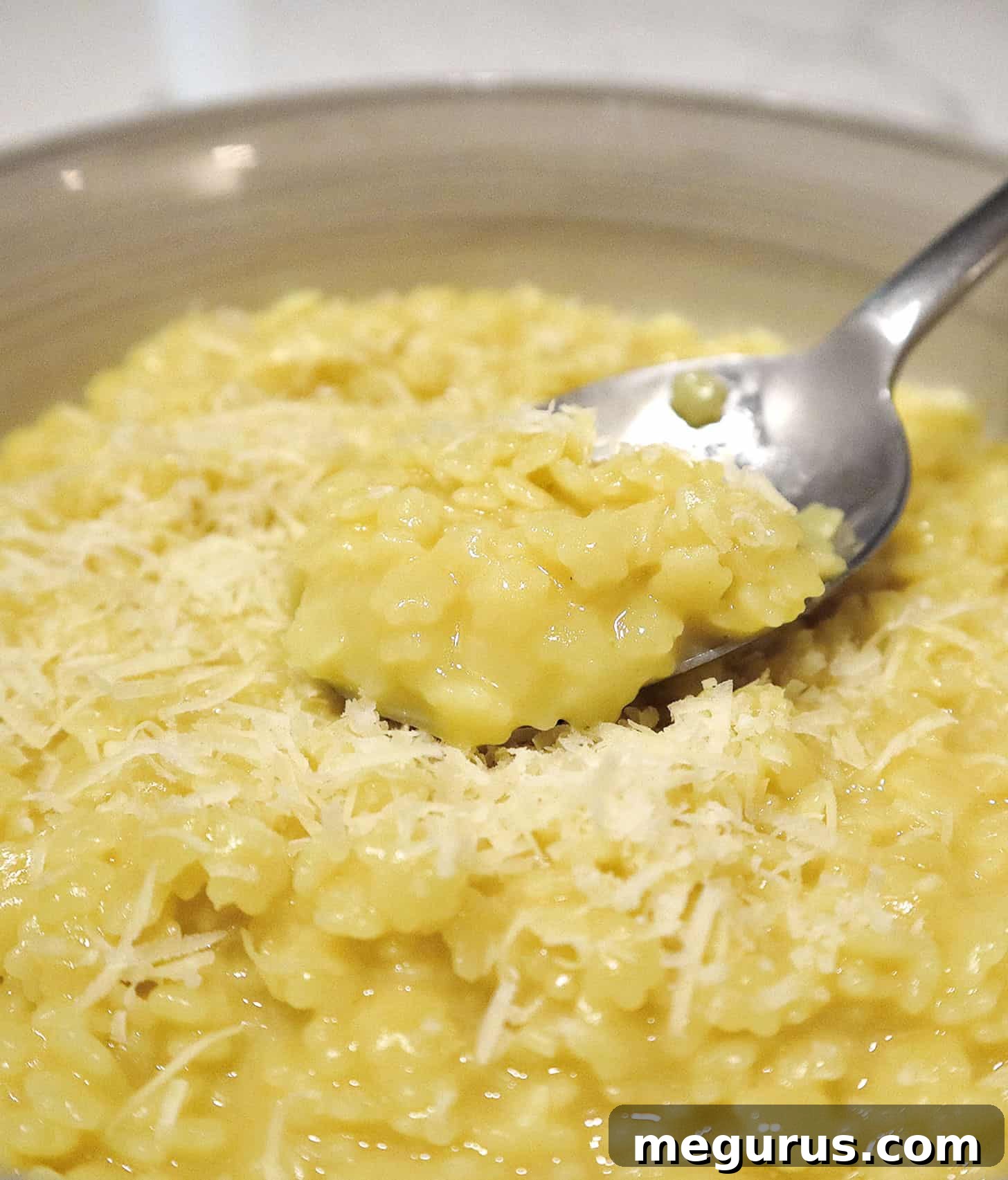
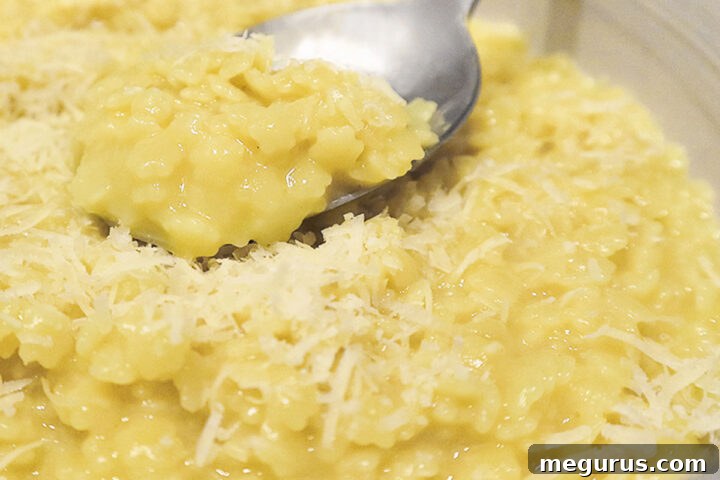
- **Luxuriously Creamy Texture**: The magic happens when the egg emulsifies with the pasta’s starches and the warm broth. This creates an incredibly creamy, velvety sauce that coats each tiny piece of pasta, making for an irresistibly smooth mouthfeel without the need for heavy cream.
- **Nutrient-Packed Goodness**: The addition of egg not only enhances the dish’s creaminess but also boosts its protein content and adds essential nutrients, making your comfort food choice a more wholesome one.
The Simple Ingredients for a Spectacular Dish
Creating this delightful Pastina with egg and cheese requires only a handful of common ingredients, each playing a crucial role in the final flavor and texture.
Any Small-Shaped Pasta
As its name suggests, “Pastina” (little pasta) is the star. While any small-shaped pasta works, your choice can subtly alter the dish’s character.
- I particularly favor **Stelline (or Stellette)** for their charming star shape and slightly larger size, which provides a pleasant texture. In Canada, brands like Barilla™ Stelline or De Cecco™ Stellette are excellent choices.
- **Acini di Pepe** (peppercorn-sized) or **Orzo** (rice-shaped) are also fantastic options, yielding a slightly denser, more uniform dish.
- For those who prefer a bit more chew, slightly larger shapes such as **Tubetti** or **Ditali** can be used.
- It’s worth noting that some brands, like Barilla™, label a very tiny star-shaped pasta as “Pastina.” While traditional, it produces a very fine, almost porridge-like consistency. I personally prefer the larger Stelline for that satisfying textural contrast.
Chicken or Vegetable Broth
The quality and flavor of your broth are paramount here, as it forms the very foundation of your Pastina’s taste.
- **Choose wisely**: Ensure you select a broth whose flavor you genuinely enjoy, as it will significantly influence the finished dish.
- **Mind the sodium**: As the broth reduces during cooking, its saltiness concentrates. A low-sodium broth is highly recommended to prevent an overly salty outcome. You can always adjust the seasoning with additional salt at the end. Alternatively, dilute regular broth with 1/4 or 1/2 water to reduce its sodium levels.
- **No broth? No problem!**: If broth isn’t available, water can be used. Just remember to generously season the dish with salt and perhaps a pinch of garlic powder or onion powder at the end to build up the flavor.
Butter
Whether salted or unsalted, a tablespoon of cold butter adds a luxurious richness and helps create that signature velvety texture. If using unsalted butter, a final taste test for salt will be necessary. Its cold temperature is key for incorporating it smoothly into the hot pasta.
Egg
The egg is a magical ingredient in this recipe, transforming the simple pasta into a creamy masterpiece.
- **Creaminess**: When properly emulsified, it creates a luscious, thick sauce without any dairy cream.
- **Protein Boost**: It significantly enhances the nutritional value, adding a welcome boost of protein.
- **Flavor Enhancement**: It contributes a subtle, savory depth to the dish.
- **Optional**: While highly recommended for its benefits, the egg can be omitted if you prefer a simpler version or have dietary restrictions.
Parmesan Cheese
Freshly grated Parmesan (Parmigiano-Reggiano) is essential for its sharp, salty, and umami-rich flavor. For an authentic Italian touch, you could also opt for Pecorino Romano, which offers a bolder, tangier profile. Always grate your cheese fresh for the best melt and flavor; pre-grated cheeses often contain anti-caking agents that can affect texture.
Expert Tips for Perfecting Your Pastina
Achieving that perfectly creamy, non-scrambled Pastina requires a few simple, yet crucial, techniques. Follow these tips to ensure a consistently delicious result every time:
- **Pre-mix Cheese and Egg**: Whisking the grated Parmesan cheese directly into the egg mixture *before* adding it to the pasta serves a dual purpose. Firstly, it prevents the cheese from clumping together when it hits the hot pasta. Secondly, and most importantly, it helps the cheese and egg emulsify more smoothly into a rich, creamy sauce, ensuring a uniform texture.
- **Temper the Egg Mixture**: This is a critical step to avoid scrambled egg bits (the “dreaded white bits”) in your Pastina. Before incorporating the egg mixture into the main pot, gradually add a few spoonfuls of the hot Pastina (with its starchy broth) to the egg mixture, stirring vigorously. This process gently raises the temperature of the eggs, bringing them closer to the temperature of the pasta, which prevents them from cooking too quickly and scrambling when they meet the full heat of the pot.
- **Cool Slightly with Butter**: Adding the cold butter to the Pastina *before* the tempered egg mixture serves to slightly cool down the pasta. This subtle temperature drop provides an additional safeguard against the egg scrambling, creating a more forgiving environment for emulsification.
- **Vigorous Stirring is Key**: Once the butter and tempered egg mixture are added to the Pastina, immediate and vigorous stirring is absolutely essential. This energetic stirring combines the ingredients with the starchy broth, promoting proper emulsification and transforming the components into that wonderfully creamy, velvety sauce you’re aiming for. Don’t be shy with your stirring!
- **Mastering Broth-to-Pasta Ratios**: When scaling the recipe, the broth-to-pasta ratio might need slight adjustment. Generally, a ratio of 4 parts broth to 1 part pasta (by volume, as in the base recipe) works well. However, for smaller batches (e.g., 1/2X), you might find a 5:1 ratio more effective, as a smaller volume of liquid tends to evaporate faster. Conversely, for larger batches (e.g., 2X), a 3:1 ratio might be sufficient, as the larger volume retains heat and liquid more efficiently. Always observe the pasta as it cooks and adjust liquid as needed.
- **Taste for Doneness**: Before adding the butter and egg, always taste the pasta to ensure it’s cooked to your desired al dente tenderness. If it’s still a bit firm, add a tablespoon or two of hot water or broth to the pan and continue cooking for another minute or so until it reaches perfection. This ensures your final dish has the ideal pasta texture.
Step-by-Step Visual Guide
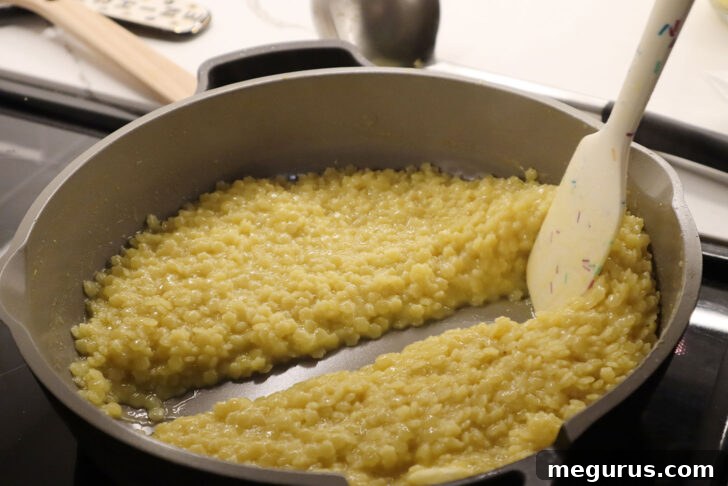
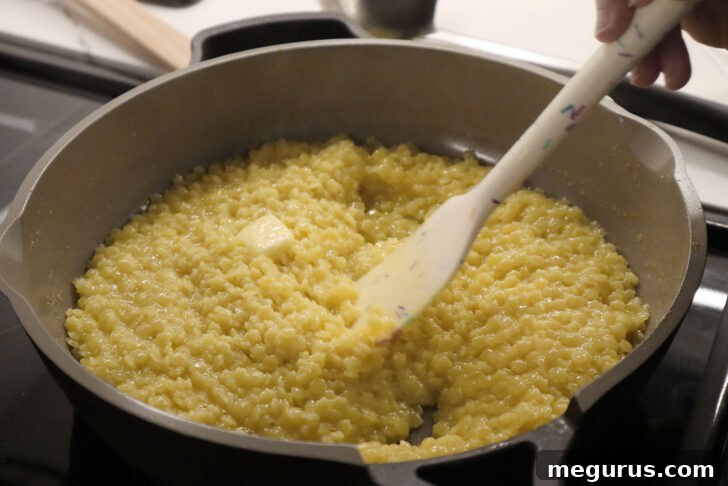
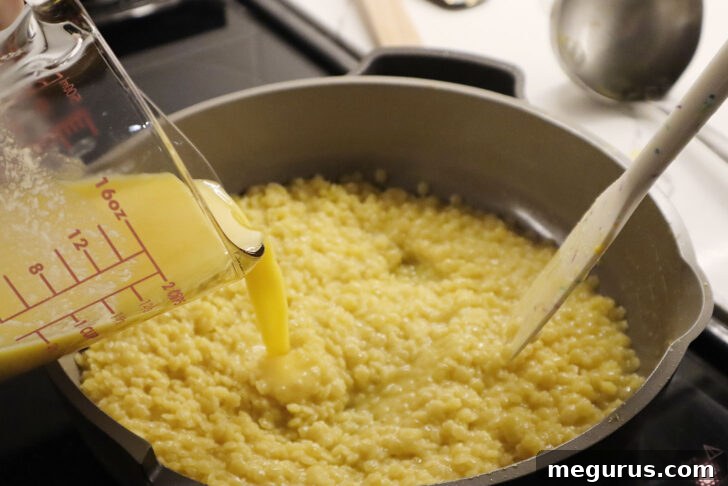
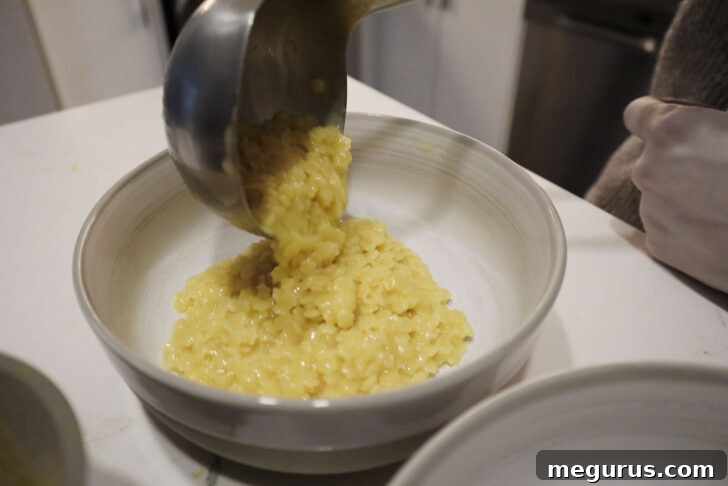
Creative Variations to Explore
Pastina is incredibly versatile, offering a fantastic canvas for various flavor explorations. Don’t hesitate to customize this dish to your taste!
- **Egg-Free Pastina**: If you’re looking for a Pastina recipe without egg, simply omit it from this recipe. The butter and cheese will still create a wonderfully comforting and delicious dish, albeit with a slightly different texture.
- **Add Your Favorite Vegetables**: Boost the nutritional value and texture by incorporating vegetables. Fresh or frozen peas are a classic and easy addition, stirred in during the last few minutes of cooking. Finely diced carrots, spinach, or zucchini would also work beautifully.
- **Protein Power-Up**: For a more substantial meal, add some pre-cooked, cubed chicken, shredded rotisserie chicken, or even small meatballs. Stir them in at the very end to heat through.
- **Pastina en Brodo (Pastina in Broth)**: To transform this dish into a comforting soup, simply increase the amount of broth. You’ll aim for a more liquid consistency, where the Pastina is suspended in a flavorful broth, perfect for a lighter meal or when you need something extra soothing.
- **Flavor Twists**:
- **Carbonara-Style**: For a rich, savory twist, crisp up some diced pancetta or bacon before cooking the Pastina. Stir the crispy bits and a drizzle of their rendered fat into the finished dish, along with the egg and cheese.
- **Cacio e Pepe-Inspired**: Embrace the simplicity of “cheese and pepper” by adding a generous amount of freshly ground black pepper along with the Parmesan, for a pungent, spicy kick.
- **Tomato Pastina (Pastina Risottata)**: This vibrant variation offers a delightful tang and depth of flavor. Sauté a bit of minced garlic in olive oil in your pot. Add about 4 teaspoons of double-concentrated tomato paste (for the 1X recipe) and cook it briefly until it slightly darkens and smells fragrant—this deepens the tomato flavor. Then, proceed with the base recipe by adding the broth and heating before introducing the pasta. You can include the egg or omit it, depending on your preference.
Storing and Reheating Your Comforting Pastina
Pastina is best enjoyed fresh, but leftovers are still delicious and can be easily stored and reheated. Simply transfer any remaining Pastina to an airtight container and refrigerate for up to 2-3 days. When reheating, whether on the stovetop or in the microwave, you’ll likely notice the pasta has absorbed any residual broth and thickened considerably. To restore its creamy consistency, add a small amount of water or extra broth (a tablespoon or two at a time) and stir gently while heating until it reaches your desired texture. This little trick brings it back to life!
Get the Recipe: Pastina with Egg and Cheese
Classic comfort food and ultimate struggle or pantry meal, this Pastina with egg and cheese is the back pocket cheesy, creamy, hearty and always satisfying recipe for life!
Rated 5 stars from 16 ratings.
Print Recipe
Pin This
- Prep Time: 5 mins
- Cook Time: 10 mins
- Total Time: 15 mins
- Yield: 3 servings
Ingredients
- 2 cups chicken or vegetable broth (low-sodium recommended, or water will also work)
- ½ cup small pasta (Pastina), such as star-shaped Stelline or Stellette (see Notes below for more options)
- 1 Tablespoon butter, cold
- 2 Tablespoons freshly grated parmesan (plus more for topping)
- 1 egg
To serve
- Freshly grated parmesan
- Freshly ground black pepper
- A drizzle of olive oil
Instructions
- Bring the chicken broth to a simmer in a shallow pot over high heat. (A non-stick skillet works perfectly). Reduce heat to medium-high once simmering.
- Add the Pastina to the broth and cook, stirring regularly to ensure it doesn’t stick to the bottom of the pan.
- While the Pastina is cooking, crack one egg in the same measuring cup used for the broth and whisk lightly with a fork until homogeneous.
- Add the parmesan to the egg and whisk until combined. Set aside.
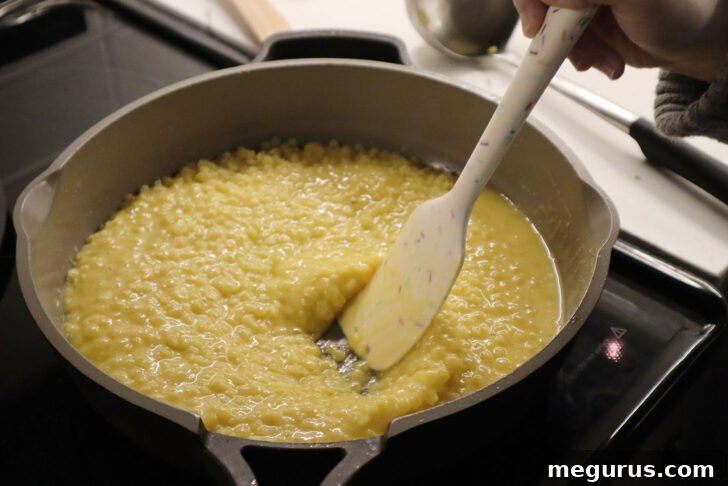
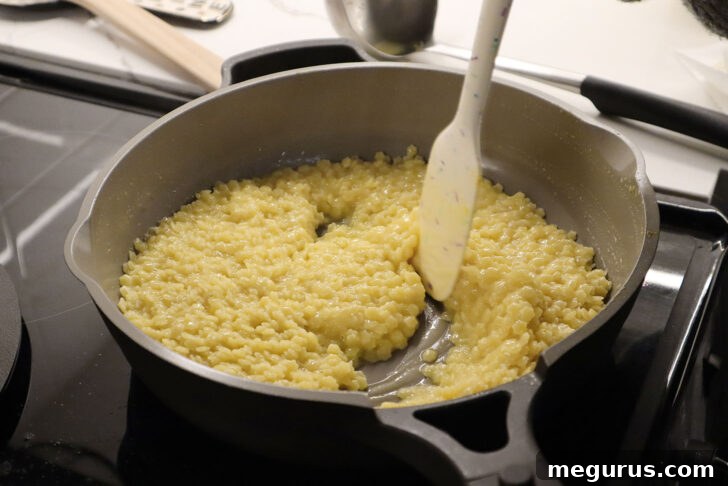
- Simmer the broth until the Pastina is cooked all the way through and about 90% of the broth has been absorbed. (*When you run a spoon through the Pastina, it should leave an empty path that only very slowly fills back in like lava flowing). Taste test the pasta for done-ness. If it is not quite cooked, add a Tablespoon or two more broth or water, as needed, and continue cooking until pasta is al dente.
- Once the pasta is done, remove the pot from the heat, add the butter and stir vigorously until it has melted and emulsified with the remaining broth. Very slowly add two spoonfuls of the hot Pastina into the egg mixture while stirring together vigorously while adding. (This process raises the temperature of the egg closer to the temperature of the Pastina and will ensure that the egg doesn’t scramble when you add it to the hot Pastina.)
- Add the egg mixture to the Pastina and stir vigorously to create a creamy sauce.
- Taste and season with additional salt, if needed.
- Ladle into bowls and serve with more freshly grated parmesan. You can optionally serve it with freshly ground black pepper and/or a drizzle of olive oil.
Notes
Note 1: Any small pasta shape will work here, such as Acini di Pepe or Orzo. Barilla makes a pasta called “Pastina” which is a very small star shape and creates a porridge-like finished dish. Even slightly larger shapes like Tubetti or Ditali can also be used.
If scaling the recipe up or down, note that a smaller batch may need a bit more broth to fully cook the pasta, while a larger batch may need a little less broth. The general ratio for Pastina is 4 to 1 broth to pasta (as in the 1X recipe above). For a very smaller batch (1/2X), it might be closer to 5 to 1 and for a larger batch (2X), more like 3 to 1. Keep this in mind when scaling the recipe.
Be sure to read the information above this Recipe Card, for more tips and variations for making Pastina, as well as Step-by-Step photos.
- Cuisine: Italian
- Course: Pasta
- Author: Jennifer Maloney
Nutrition Facts
- Serving: 1 serving
- Calories: 170 kcal
- Carbohydrates: 20g
- Protein: 7g
- Fat: 7g
- Saturated Fat: 3g
- Polyunsaturated Fat: 1g
- Monounsaturated Fat: 2g
- Trans Fat: 0.2g
- Cholesterol: 70mg
- Sodium: 687mg
- Potassium: 108mg
- Fiber: 1g
- Sugar: 1g
- Vitamin A: 225IU
- Calcium: 60mg
- Iron: 1mg