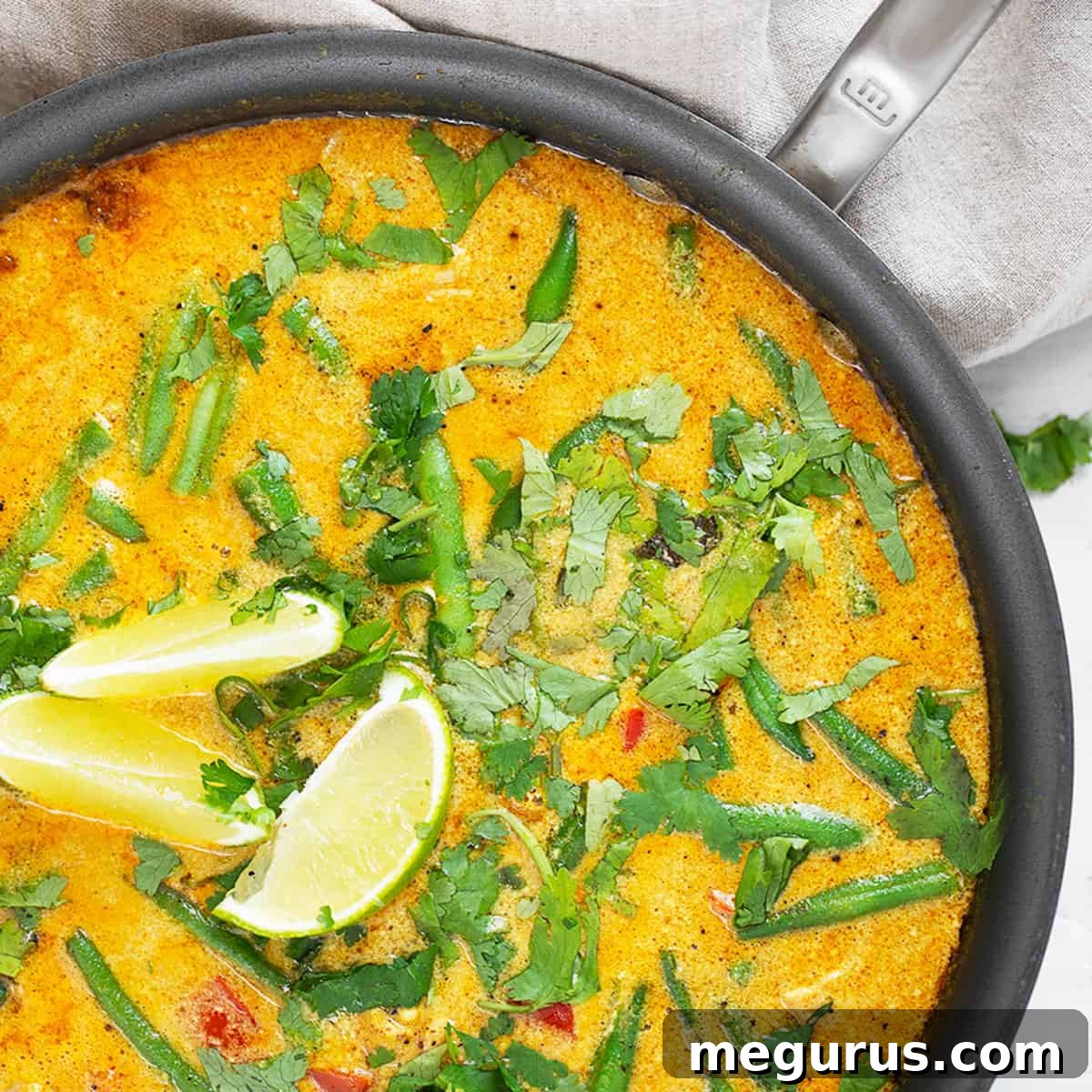
Transform your weeknight dinner routine with this incredibly quick, easy, and flavorful Chicken Peanut Butter Curry. This vibrant, one-pan dish combines succulent chicken, crisp bell peppers, and tender green beans in a rich, creamy, and undeniably satisfying peanut-infused coconut milk sauce. Whether you’re a seasoned chef or a kitchen novice, this recipe is designed for maximum flavor with minimal effort, making it the perfect choice for busy evenings when you crave something exotic yet comforting.
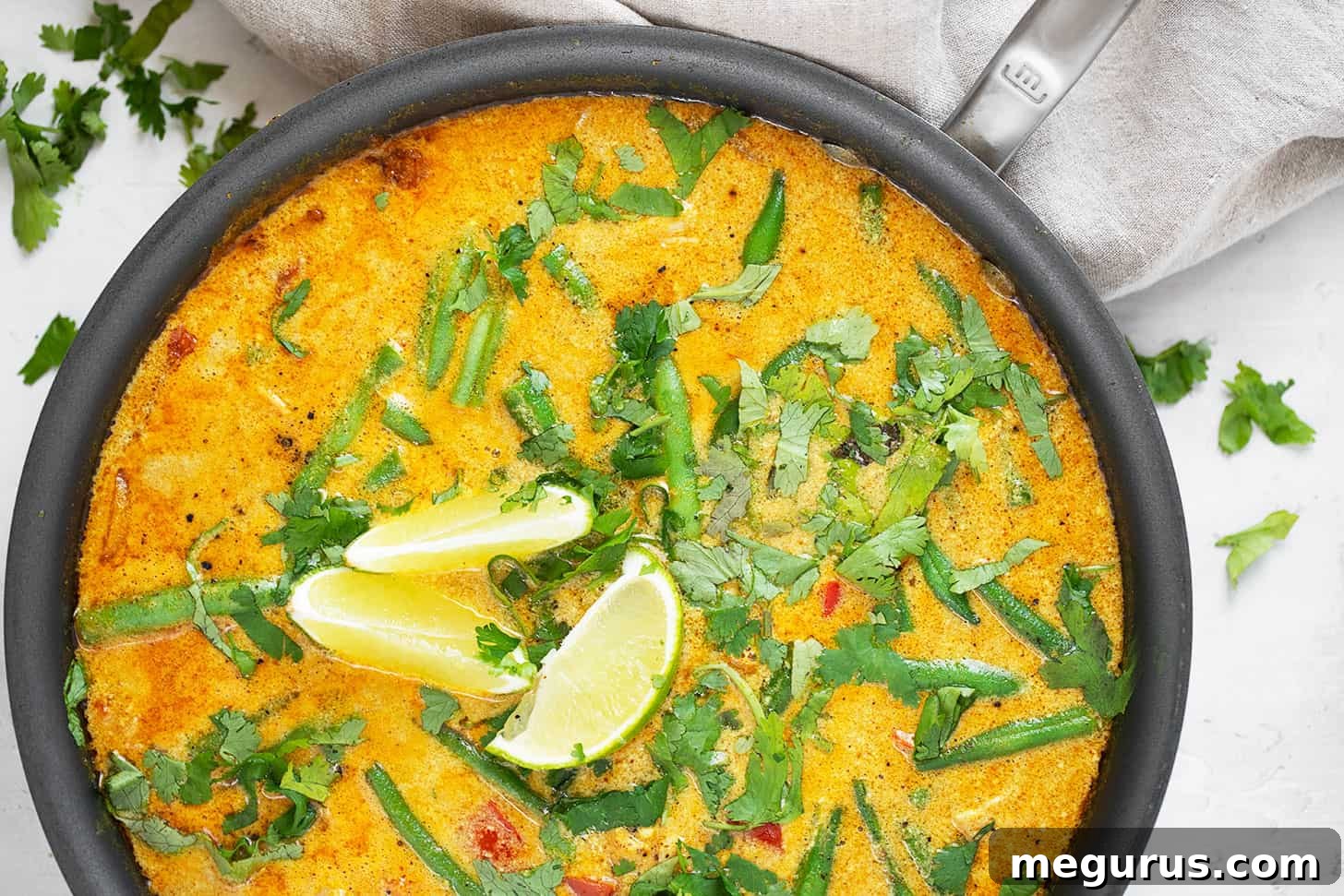
In just under 30 minutes, you can have a truly delicious and wholesome meal on your table. Its fuss-free nature and adaptable ingredients make it a versatile favorite. The harmonious blend of spicy curry paste and nutty peanut butter creates a unique flavor profile that is both familiar and exciting. Simply serve it over a bed of fluffy rice, and you have a complete meal that will quickly become a cherished recipe in your home.
Unlocking Flavor: A Guide to Your Key Ingredients
The magic of this Chicken Peanut Butter Curry lies in its simple yet powerful ingredients. Each component plays a crucial role in building the layered flavors and rich texture of the dish. Here’s a closer look at what you’ll need and how you can adapt it to your pantry and preferences:
Chicken: The Heart of Your Curry
For this recipe, we recommend using boneless, skinless chicken thighs or breasts, cut into bite-sized pieces. Chicken thighs are often preferred for their inherent tenderness and richer flavor, which holds up wonderfully in the simmering sauce. They are less likely to dry out compared to chicken breasts, ensuring every bite is juicy and succulent. If using chicken breasts, ensure they are cut into even pieces to cook uniformly and avoid overcooking. Feel free to use turkey or even firm tofu for a vegetarian twist if you’re looking for an alternative protein source.
Coconut Milk: Creaminess and Depth
Full-fat canned coconut milk is your best friend here, providing the lusciously creamy texture and rich depth that is characteristic of a truly satisfying curry. Its natural fats emulsify beautifully with the peanut butter and curry paste, creating a velvety sauce that coats every ingredient. While lite coconut milk can be used for a lighter version, be aware that the sauce may be thinner. If you opt for lite coconut milk and find the sauce too watery, a quick fix is to whisk in a slurry of cornstarch and cold water (about 1 tablespoon cornstarch mixed with 2 tablespoons cold water) during the final minutes of simmering until your desired consistency is achieved.
Peanut Butter: The Unsung Hero
The peanut butter is what truly sets this curry apart, contributing a delightful nutty richness and a subtle sweetness that balances the spices. You can use any type of peanut butter you have on hand – regular or natural, smooth or crunchy. Natural peanut butter, with its simpler ingredient list, often offers a more intense peanut flavor. Crunchy peanut butter will add a pleasant textural contrast to the smooth sauce. If you have a peanut allergy, almond butter or sunflower seed butter can make excellent substitutes, though the flavor profile will shift slightly.
Curry Paste: Your Flavor Foundation
This recipe celebrates versatility by allowing you to choose your favorite curry paste, tailoring the spice level and regional influence to your taste. Whether you prefer the vibrant heat of Thai curry pastes or the aromatic complexity of Indian varieties, this curry is incredibly adaptable. Popular choices include:
- Thai Curry Pastes: Red, yellow, or green paste each offer distinct flavor profiles and heat levels. Red paste is generally spicier and robust, yellow is milder and earthy, and green is fresh and pungent with a bright herbal note.
- Indian Curry Pastes: Madras (a fiery, aromatic blend with a hint of tang), Massaman (rich, mild, and slightly sweet with cardamom and cinnamon notes), Panang (creamy, nutty, and mildly spicy), Vindaloo (known for its intense heat and sourness), or Korma (creamy, sweet, and very mild, often with cashews).
I personally used Madras curry paste for this batch, which provided a wonderful warmth and depth. Experiment with different pastes to discover your favorite combination and adjust the amount to your preferred spice level!
Bell Peppers: Color and Sweetness
For the best flavor and a beautiful visual appeal, I recommend using red, yellow, or orange bell peppers. These varieties are sweeter than green bell peppers and add a vibrant freshness to the curry. They also provide a good source of vitamins and antioxidants. Ensure they are chopped into bite-sized pieces so they cook evenly and integrate well with the other ingredients.
Green Beans: Crisp Texture and Earthy Notes
Fresh or frozen green beans work equally well in this dish. If using fresh green beans, trim the ends and cut them into smaller, bite-sized pieces for easier eating. Frozen green beans can be added directly to the pan without thawing, making this dish even quicker to prepare. They add a lovely crisp-tender texture and a touch of green vibrancy to the curry. Other excellent vegetable additions could include broccoli florets, snap peas, or spinach.
Chicken Broth & Lime: Essential Balancers
Chicken broth helps to thin the sauce to the perfect consistency while adding another layer of savory flavor. A final squeeze of fresh lime juice is critical; it brightens the entire dish, cutting through the richness of the coconut milk and peanut butter, and lifting all the flavors. Don’t skip this essential finishing touch!
Effortless Cooking: Step-by-Step Guide to Your Chicken Peanut Butter Curry
Creating this flavorful curry is incredibly straightforward, perfect for a busy weeknight. Follow these simple steps to bring this delightful dish to life. For precise measurements and a full list of ingredients, please refer to the comprehensive recipe card below.
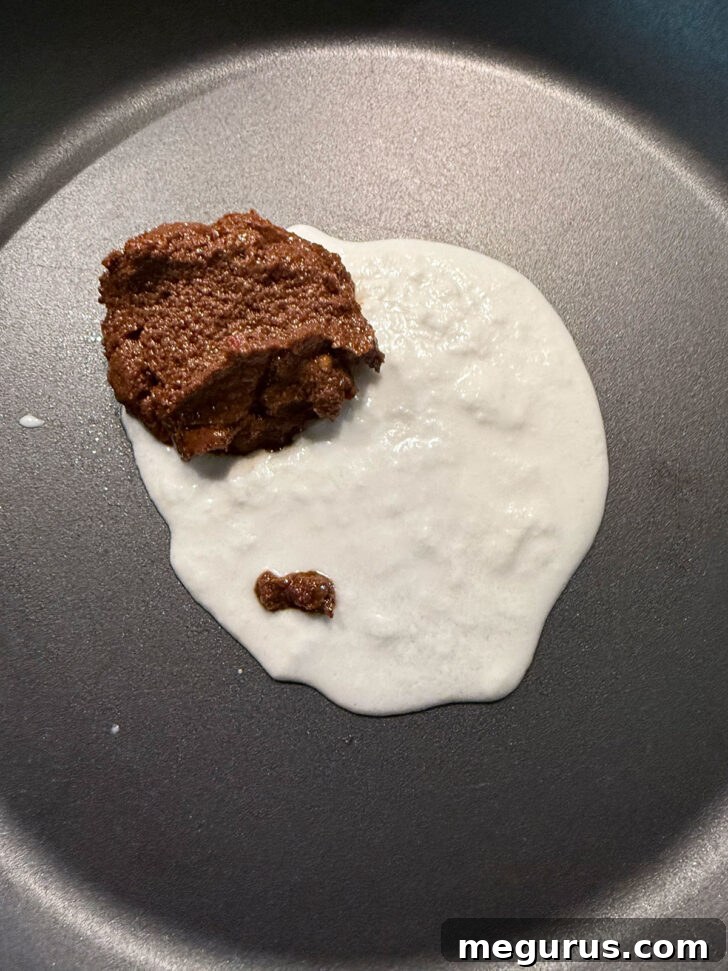
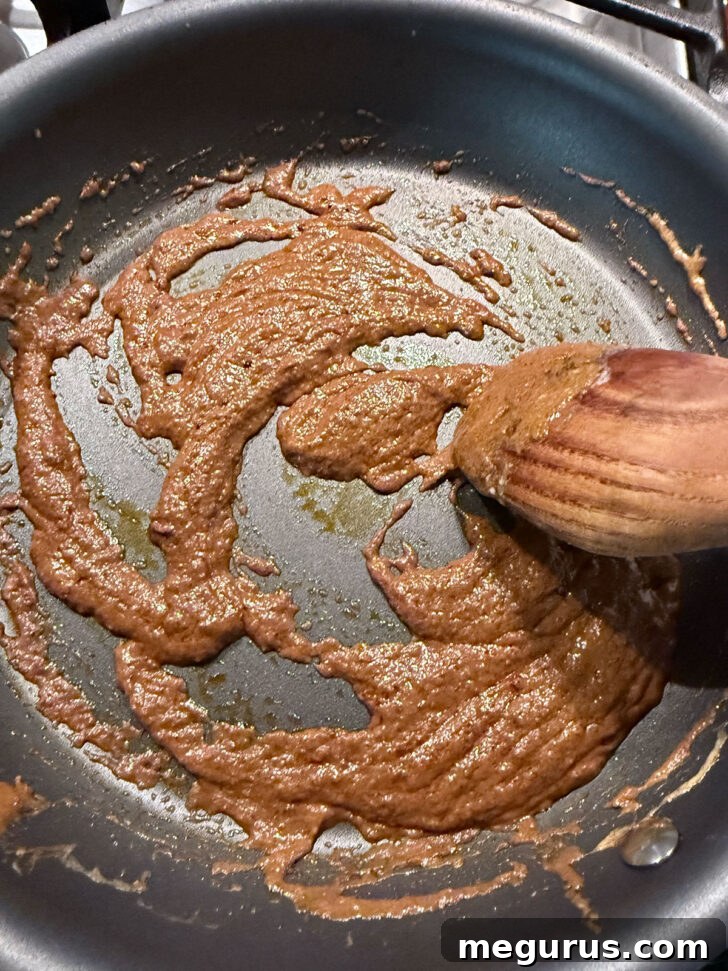
- Sauté the Aromatics: Begin by scooping about 2 tablespoons of the thick coconut cream from the top of your canned coconut milk into a deep skillet or Dutch oven over medium heat. This initial fat helps to ‘bloom’ the curry paste, intensifying its aromatic flavors. Add your chosen curry paste to the skillet. Cook, stirring constantly, for 3-4 minutes. You’ll notice the paste becoming very fragrant and slightly darker – this indicates the flavors are fully developing.
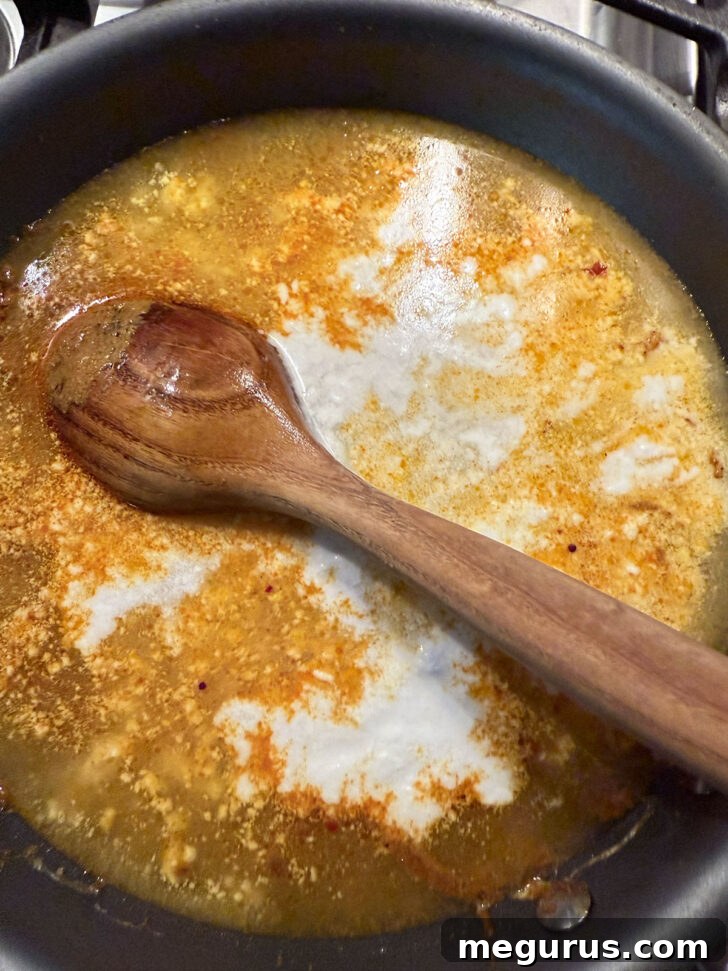
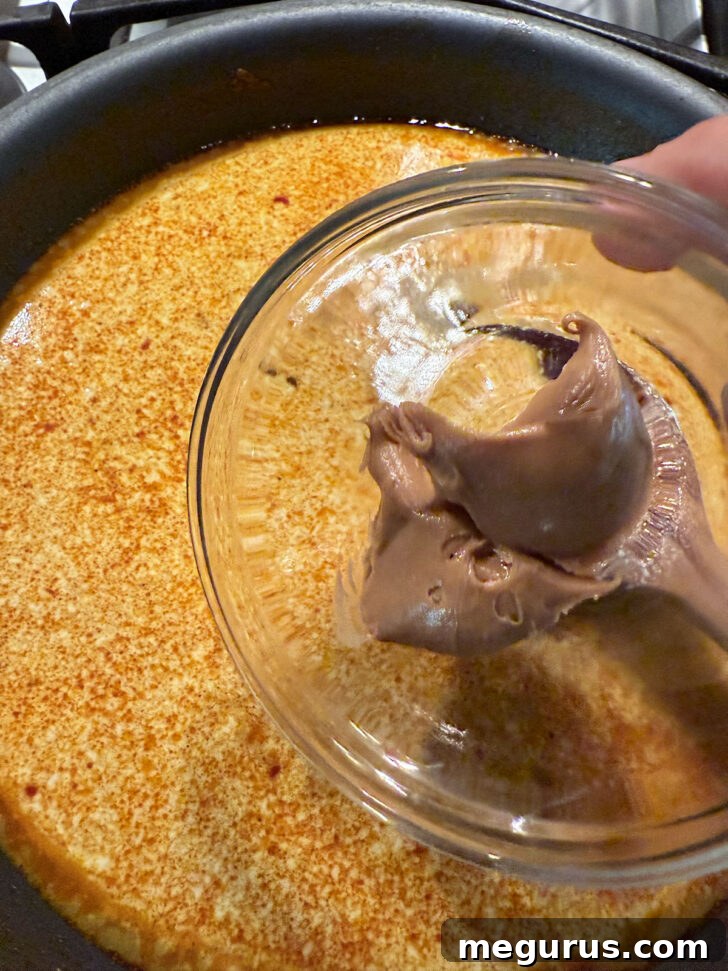
- Create the Sauce Base: Pour in the remaining coconut milk from the can, along with the chicken broth and a pinch of turmeric. Whisk well to ensure the curry paste and coconut milk are smoothly combined, eliminating any lumps. Bring the mixture to a gentle simmer.
- Incorporate Peanut Butter: Once simmering, add the peanut butter to the skillet. Stir vigorously until the peanut butter is fully melted and smoothly integrated into the sauce. This step adds the signature nutty richness to your curry.
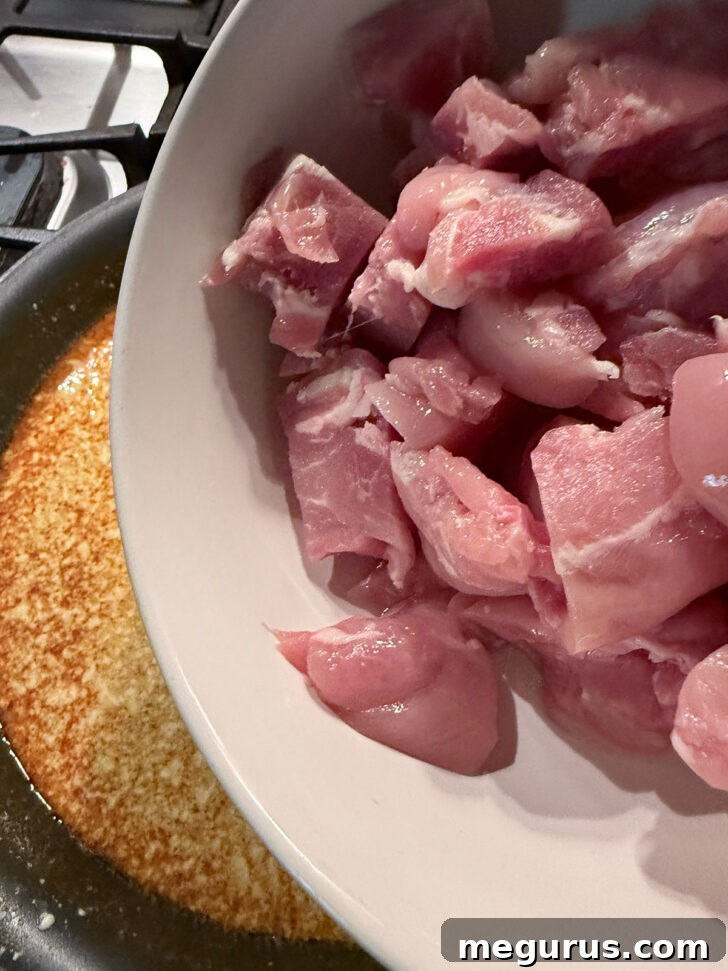
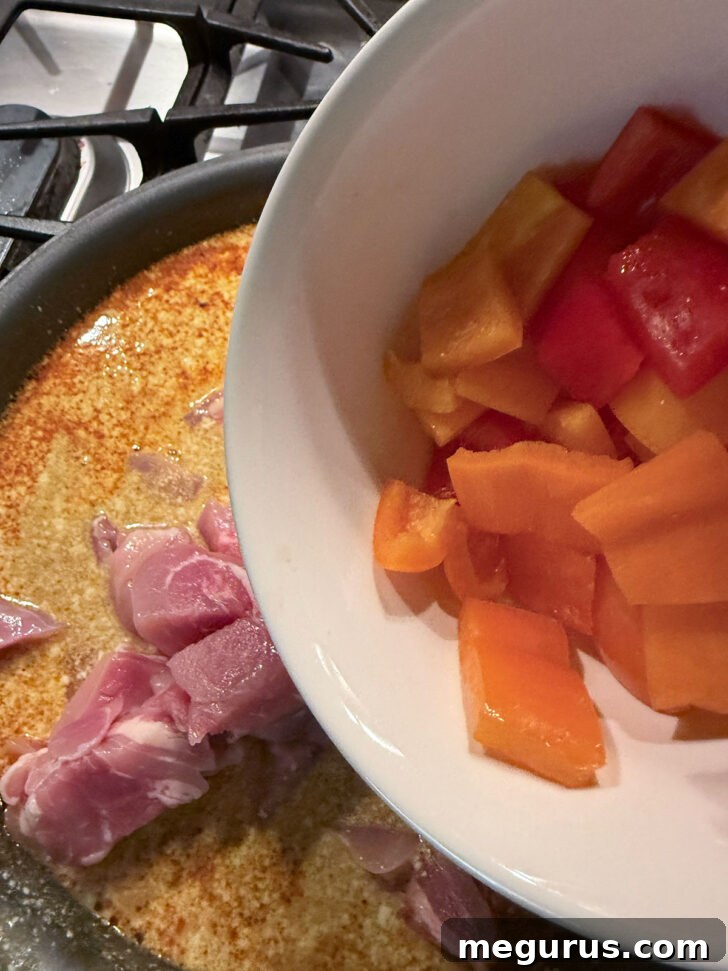
- Cook Chicken and Peppers: Carefully add the bite-sized pieces of uncooked chicken to the simmering sauce, ensuring they are submerged. Stir in the chopped bell peppers. Reduce the heat to medium-low and let the curry gently simmer for 15-20 minutes, or until the chicken is thoroughly cooked through and tender, and the bell peppers have softened slightly.
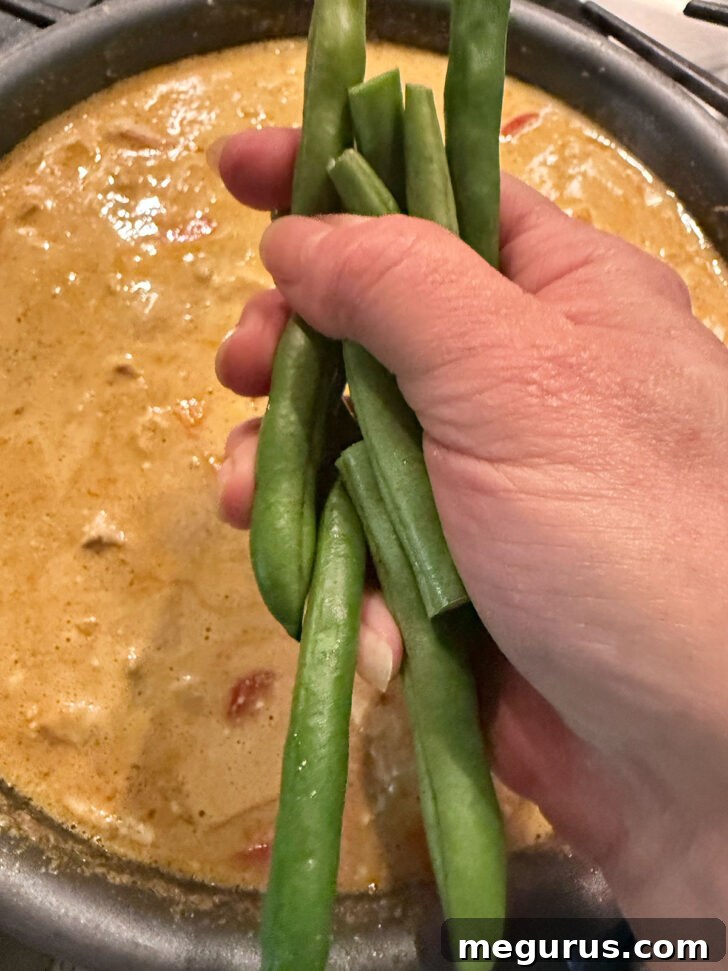
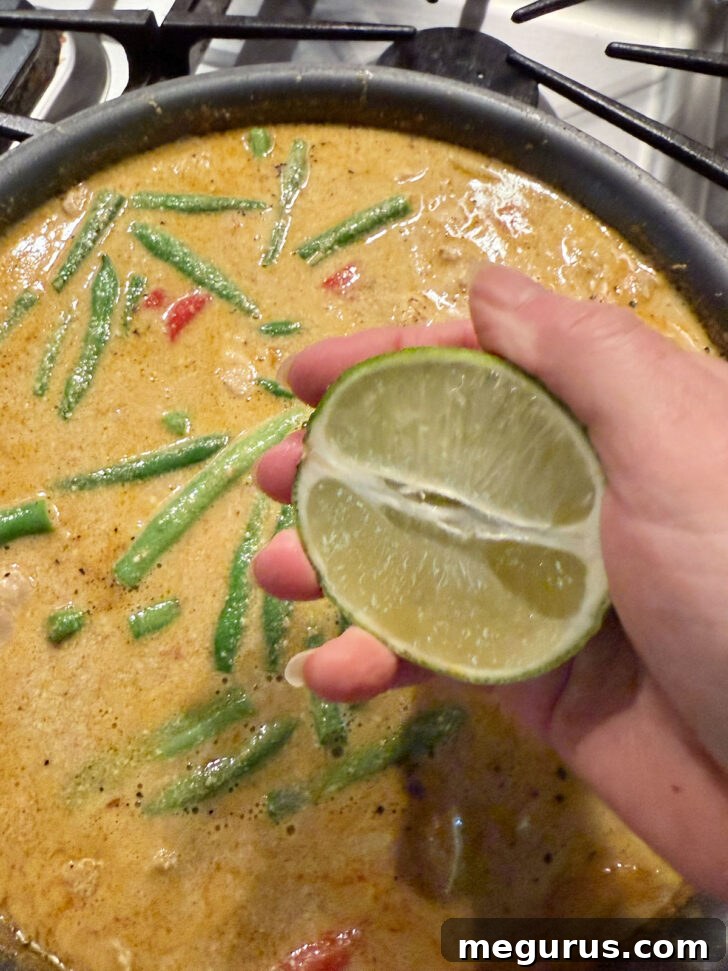
- Finish with Green Beans: Stir in the green beans (fresh or frozen) and continue to simmer for another 4-5 minutes, or until they reach your desired tenderness – I prefer them crisp-tender, adding a refreshing crunch.
- Season and Serve: Taste the sauce and season generously with salt and black pepper as needed. A common mistake is undersalting, which can make the flavors seem “flat” and dull. A squeeze of fresh lime juice at the very end is crucial to brighten the entire dish and enhance all the complex flavors. Stir it in just before serving.
Expert Tips for a Flawless Chicken Peanut Butter Curry
Achieving curry perfection is easier than you think with a few insider tricks. These tips will help you elevate your dish and ensure every spoonful is bursting with flavor:
- Embrace the Sauce: This curry is intentionally saucy, designed for a generous amount of rich, flavorful liquid. Don’t expect a super thick, stew-like consistency. The ample sauce is perfect for mingling with rice or soaking up with naan. To serve, spoon a hearty portion of the curry into a shallow bowl, then add your cooked rice alongside or even form a neat mound of rice by pressing it into a ½ cup measuring cup and inverting it next to the curry.
- Don’t Skimp on Seasoning: Salt is a flavor enhancer, not just a seasoning. Always taste your sauce at the end of cooking and add salt as needed. If the curry tastes “flat” or lacks vibrancy, it very likely needs more salt to truly awaken and balance all the fantastic flavors from the curry paste, peanut butter, and coconut milk.
- Whisk for Smoothness: After adding the coconut milk and broth, give the sauce a good whisk, especially if you see any small clumps of curry paste or unevenness. This ensures a silky-smooth sauce that is a joy to eat.
- Layer Your Vegetables: This saucy curry is incredibly forgiving and welcoming to additional vegetables. Feel free to add ingredients like spinach (stir in at the very end until wilted), broccoli florets (add with the bell peppers), or even diced sweet potatoes (add with the chicken for longer cooking). The more veggies, the healthier and heartier your meal will be!
- Fresh Lime is Non-Negotiable: The final squeeze of fresh lime juice is a game-changer. It provides a crucial burst of acidity that brightens the entire dish, cutting through the richness and making all the flavors pop. Do not skip this step!
- Achieving Perfect Chicken: For tender chicken, avoid overcooking. Boneless chicken thighs are more forgiving, but if using breasts, keep an eye on them. They are cooked through when they reach an internal temperature of 165°F (74°C) and are no longer pink in the center.
Serving Suggestions
While this curry is a star on its own, pairing it with the right accompaniments truly completes the meal. Here are some delicious serving ideas:
- Basmati or Jasmine Rice: The classic pairing! The fragrant grains perfectly absorb the rich, creamy sauce.
- Naan Bread or Roti: For scooping up every last drop of that incredible sauce.
- Cauliflower Rice: A fantastic low-carb alternative for those watching their intake.
- Quinoa: A protein-rich grain that offers a slightly different texture and added nutritional value.
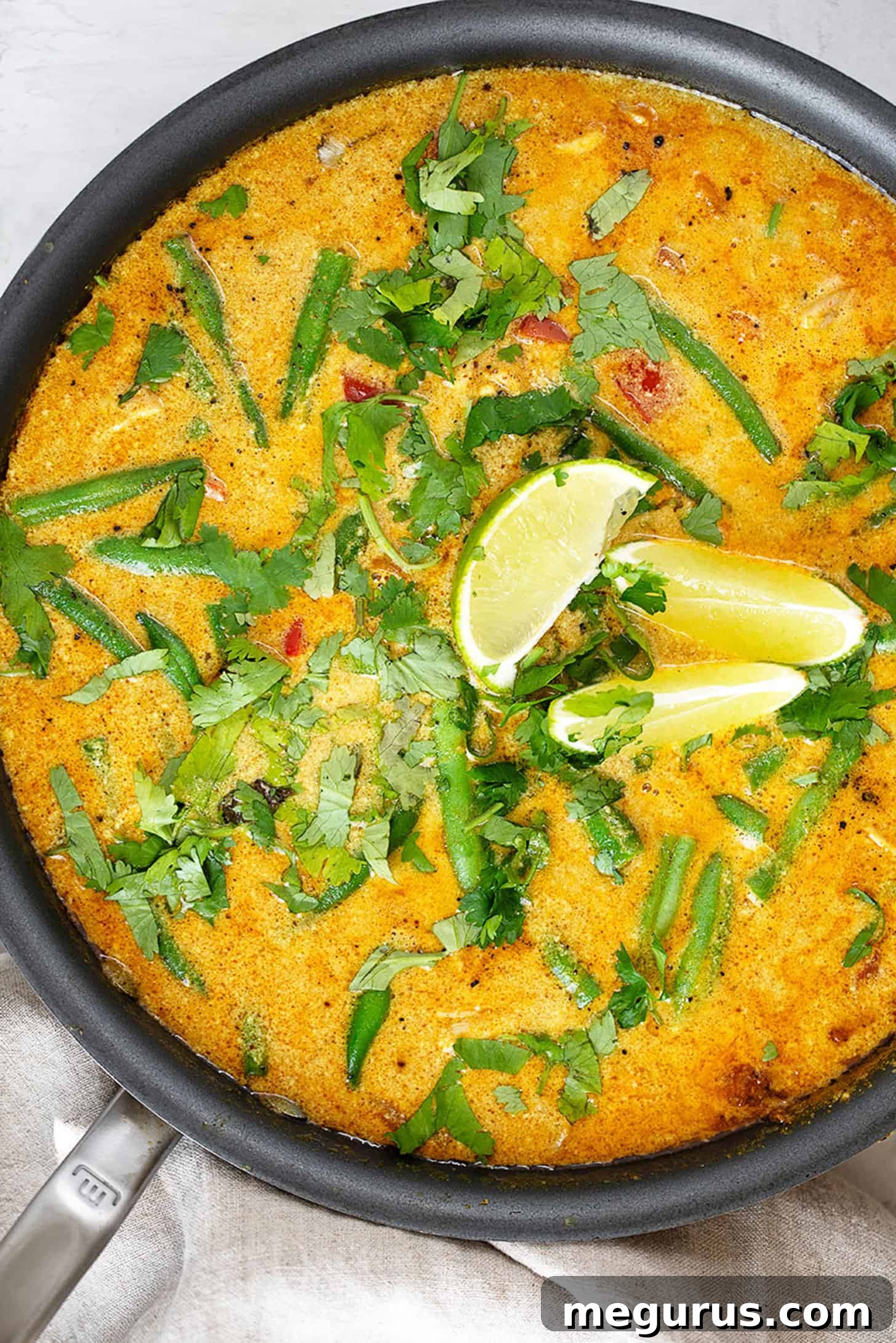
- Fresh Garnishes: A sprinkle of fresh cilantro, Thai basil, chopped peanuts, or even a drizzle of sriracha for extra heat can elevate the presentation and add another layer of flavor.
Meal Prep, Storage, and Freezing
This Chicken Peanut Butter Curry is an excellent candidate for meal prepping, allowing you to enjoy delicious, homemade flavors even on your busiest days. Proper storage ensures your curry remains fresh and tasty:
- Making Ahead: You can prepare this curry up to 2 days in advance. Simply cook according to the instructions, allow it to cool completely, then transfer to an airtight container and refrigerate. Reheat gently on the stovetop over medium-low heat, stirring occasionally, until warmed through. You may need to add a splash of broth or water to loosen the sauce if it has thickened in the fridge.
- Storing Leftovers: Any leftover curry should be stored in an airtight container in the refrigerator for up to 2-3 days. The flavors often deepen and meld even further overnight, making it even more delicious the next day!
- Freezing: This curry freezes beautifully for up to 3 months. Once cooked and cooled, transfer it to freezer-safe containers or heavy-duty freezer bags, leaving a little headspace for expansion. Thaw overnight in the refrigerator before reheating on the stovetop or in the microwave. The texture of the green beans might soften slightly upon thawing, but the overall flavor will remain excellent.
Frequently Asked Questions (FAQs)
Here are answers to some common questions you might have about making this delicious Chicken Peanut Butter Curry:
Q: Can I make this curry vegetarian or vegan?
A: Absolutely! To make it vegetarian, substitute chicken with firm tofu, paneer, or chickpeas, cut into cubes. For a vegan version, use vegetable broth instead of chicken broth, and ensure your curry paste is vegan-friendly (some contain shrimp paste). The cooking method remains largely the same.
Q: What if I don’t have curry paste?
A: While curry paste provides the most authentic and complex flavor, you can create a simplified curry powder blend using spices like turmeric, coriander, cumin, ginger powder, and chili powder. However, the depth and nuance of flavor will differ. Pre-made curry pastes are highly recommended for convenience and a truly delicious result.
Q: How can I adjust the spice level?
A: The spice level primarily comes from your chosen curry paste. To make it milder, use less curry paste or opt for a mild variety like yellow Thai curry paste. For more heat, add a pinch of cayenne pepper, red chili flakes, or a dash of hot sauce when simmering the sauce. Fresh chilies, such as sliced bird’s eye chilies, can also be added with the bell peppers.
Q: My sauce is too thin/thick. How can I fix it?
A: If the sauce is too thin, create a cornstarch slurry by whisking 1 tablespoon of cornstarch with 2 tablespoons of cold water. Stir this mixture into the simmering curry and cook for another 1-2 minutes until it thickens to your preference. If the sauce is too thick, simply add a splash more chicken broth or water until it reaches your desired consistency.
Q: Can I add other vegetables to this curry?
A: Yes, this curry is incredibly versatile and welcomes a variety of vegetables! Great additions include sliced carrots, mushrooms, broccoli florets, cauliflower florets, snow peas, or even diced sweet potatoes. Add harder vegetables like carrots or sweet potatoes earlier with the chicken, and softer ones like mushrooms or spinach towards the end of cooking.
Q: What kind of peanut butter works best?
A: Any type of peanut butter, whether regular or natural, smooth or crunchy, will work. Natural peanut butter often offers a more intense peanut flavor with less added sugar. Crunchy peanut butter will add a pleasant textural element to the sauce.
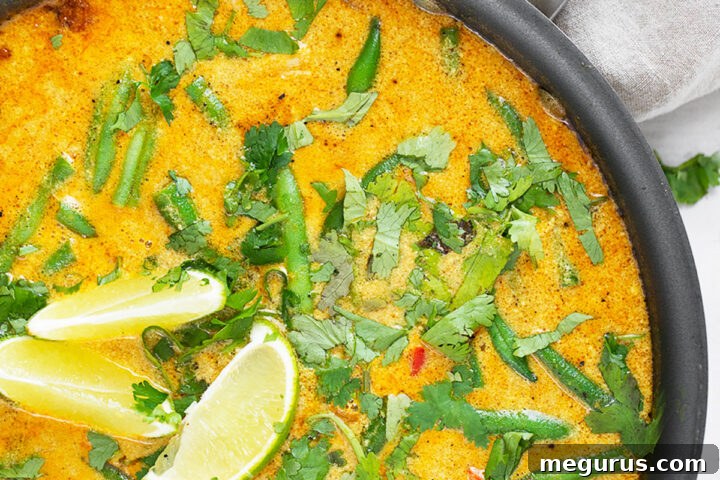
Chicken Peanut Butter Curry
A quick and easy chicken curry featuring the rich, nutty flavor of peanut butter, balanced with crisp bell peppers and tender green beans. Adaptable with any curry paste you have on hand for a truly satisfying meal!
Prep Time: 5 mins
Cook Time: 25 mins
Total Time: 30 mins
Yield: 4 servings
Ingredients
- 13.5 oz (400 ml) canned coconut milk, regular or lite
- 3 Tablespoons Thai or Indian curry paste (e.g., red, yellow, green Thai; Madras, Massaman, Panang, Vindaloo, or Korma Indian)
- 1/2 cup (175 ml) chicken broth
- 1/2 teaspoon turmeric
- 2 Tablespoons peanut butter, regular or natural, smooth or crunchy
- 1 lb (454 g) boneless, skinless chicken thighs or breasts, cut into bite-sized pieces
- 1 large red, yellow, or orange bell pepper, chopped into bite-sized pieces
- 4 oz (115 g) green beans, fresh or frozen and cut in pieces if fresh
- 1/2 lime, for drizzling
For garnish and serving:
- Fresh cilantro or Thai basil, chopped (optional)
- Basmati rice, for serving (optional)
Instructions
- Bloom the Curry Paste: Spoon 2 Tablespoons of the thick coconut cream (from the top of the canned coconut milk) into a deep skillet or Dutch oven over medium heat. Add the curry paste and cook for 3-4 minutes, stirring constantly until very fragrant.
- Build the Sauce: Pour in the remaining coconut milk, chicken broth, and turmeric. Whisk well until the sauce is smooth and lump-free. Bring to a gentle simmer.
- Add Peanut Butter: Stir in the peanut butter until it is completely melted and smoothly integrated into the simmering sauce.
- Cook Chicken and Peppers: Add the uncooked chicken pieces and chopped bell pepper to the sauce. Reduce heat to medium-low and simmer for 15-20 minutes, or until the chicken is cooked through and tender.
- Add Green Beans: Stir in the green beans and continue to simmer for another 4-5 minutes, or until they are tender-crisp.
- Final Seasoning: Taste the sauce and season with salt and black pepper as needed to enhance the flavors. Squeeze in the juice from half a lime and stir to combine.
- Serve: Serve immediately, garnished with chopped cilantro or Thai basil, and alongside fluffy basmati rice, if desired.
Notes
- Nutritional information provided is for full-fat coconut milk.
- The choice of curry paste significantly impacts the flavor profile and spice level. Experiment with different varieties to find your favorite.
- For more detailed tips, ingredient insights, substitution suggestions, and step-by-step photos, refer to the sections above the recipe card.
Cuisine: American, Canadian, Fusion
Course: Main Course
Author: Jennifer Maloney
Source: Seasons and Suppers
Nutrition Information (per serving)
Serving: 1 serving, Calories: 443kcal, Carbohydrates: 14g, Protein: 28g, Fat: 33g, Saturated Fat: 23g, Polyunsaturated Fat: 3g, Monounsaturated Fat: 5g, Trans Fat: 0.02g, Cholesterol: 108mg, Sodium: 162mg, Potassium: 761mg, Fiber: 5g, Sugar: 8g, Vitamin A: 3283IU, Vitamin C: 62mg, Calcium: 63mg, Iron: 4mg
Tried this delicious Chicken Peanut Butter Curry? We’d love to hear your thoughts! Please leave a comment and a star rating below to share your experience with other home cooks. Your feedback helps our community grow and inspires us to create more amazing recipes!
Explore More Chicken Curry Recipes
If you loved this quick and easy Chicken Peanut Butter Curry, you’re in for a treat! Discover more of our favorite chicken curry creations that are perfect for any weeknight or special occasion: