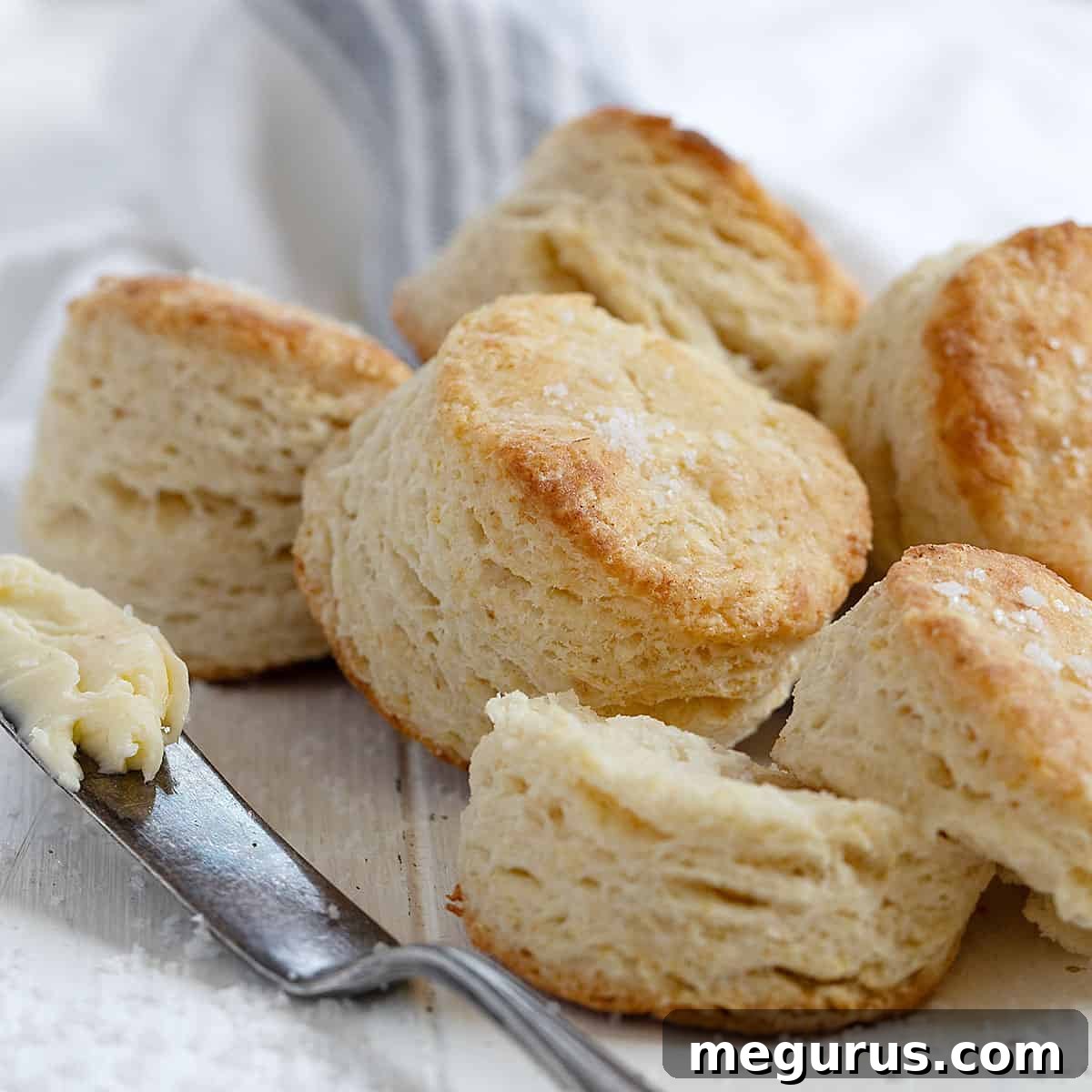
Master the Art of Flaky Buttermilk Biscuits: Your Ultimate Guide to Southern Comfort
Unlock the secrets to baking truly magnificent buttermilk biscuits, renowned for their incredible flaky layers and tender crumb. This comprehensive guide shares all the best tips, techniques, and a foolproof recipe to help you achieve biscuit perfection every time.
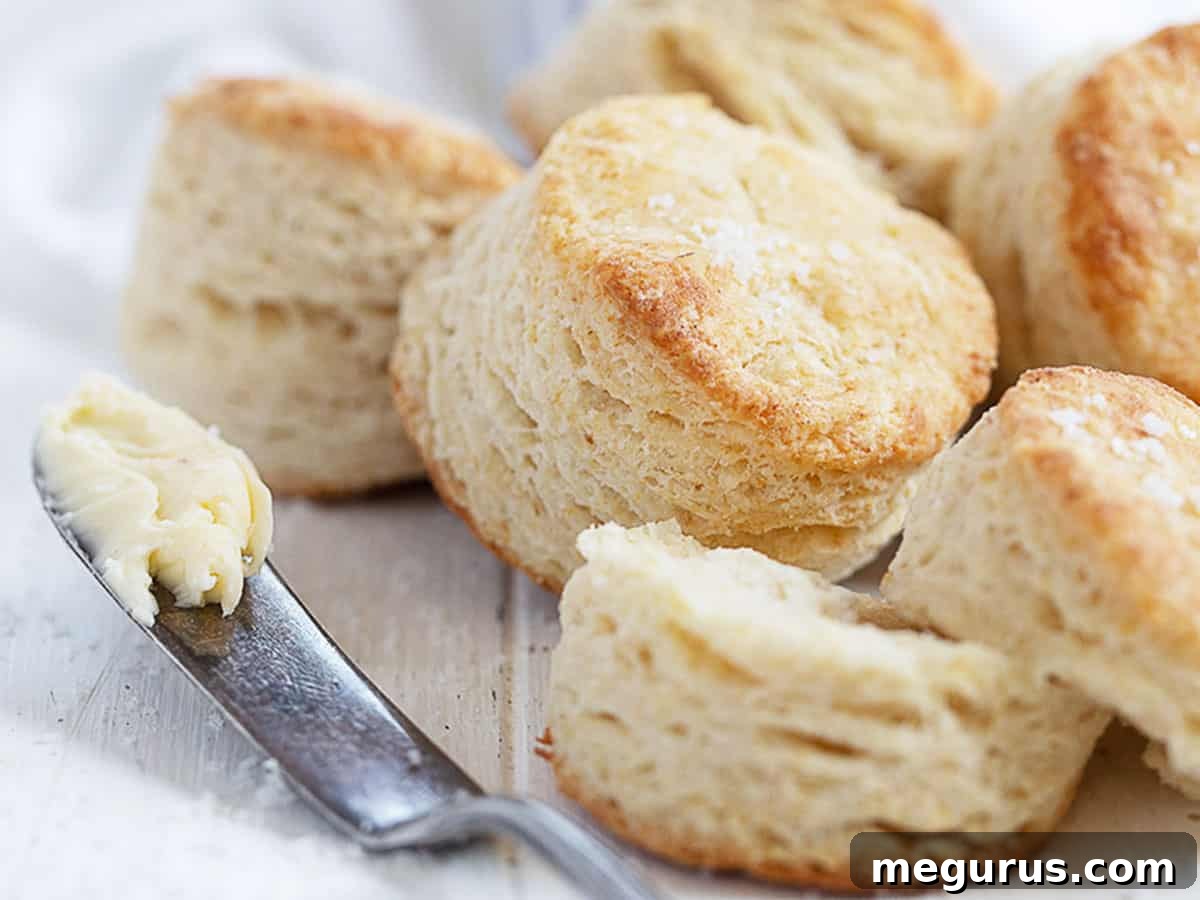
From cozy winter soups and stews to lively summer barbecues, homemade buttermilk biscuits are a cherished staple that transcends seasons. This recipe isn’t just about making biscuits; it’s about crafting an experience. Each biscuit promises those coveted, pull-apart layers that melt in your mouth, making them so good you won’t even need a knife!
Why Homemade Buttermilk Biscuits? The Pure Joy of Baking
There’s something uniquely comforting and satisfying about a batch of freshly baked, warm homemade buttermilk biscuits. Beyond their delicious taste, making them from scratch offers several delightful advantages:
- Unmatched Freshness: Store-bought biscuits simply can’t compare to the aroma and flavor of biscuits straight from your oven.
- Superior Texture: With control over ingredients and technique, you can achieve an unbelievably flaky, tender texture that’s often missing in mass-produced versions.
- Customization: Homemade means you can tailor the recipe to your liking – a pinch more sugar, a touch of herbs, or even adding cheese for a savory twist.
- A Rewarding Experience: The process of transforming simple ingredients into a golden, delicious treat is incredibly gratifying. It’s a wonderful way to connect with your food and share something special with loved ones.
This recipe focuses on simple ingredients and straightforward steps, making it accessible for bakers of all skill levels. Get ready to impress yourself and your family with these show-stopping biscuits!
Essential Ingredients for Your Flaky Buttermilk Biscuits
Crafting the perfect biscuit begins with understanding your core ingredients. While the list is short, each component plays a crucial role in achieving that desirable light, airy, and flaky texture.
Key Ingredients and Smart Substitutions
Let’s dive into the specifics of a few vital ingredients and how to handle them for optimal results:
- Butter: The Cold Heart of Flakiness
You can use either salted or unsalted butter, but unsalted is generally preferred. Why? It allows you to control the exact amount of salt in your recipe. More importantly, your butter must be verycold. Cold butter creates steam pockets during baking, which are essential for those magnificent flaky layers. If your butter is too warm, it will incorporate too readily into the flour, resulting in a dense, cake-like biscuit instead of a flaky one.
- Buttermilk: The Tangy Tenderizer
Authentic buttermilk is ideal for biscuits due to its acidity, which reacts with baking powder to produce lift, and its slight tang, which adds depth of flavor. If you can find higher-fat buttermilk, even better – it contributes to a richer taste and softer crumb. No buttermilk on hand? No problem! You can easily make your own. Simply combine 3/4 cup of whole milk (or 2% milk for a good alternative) with 2 1/4 teaspoons of lemon juice or white vinegar. Give it a quick stir and let it sit for about 10 minutes until it slightly thickens and curdles. This homemade version works wonderfully in a pinch.
- All-Purpose Flour: The Structural Base
While various flours exist, all-purpose flour is the standard for classic biscuits. Ensure you “spoon and level” your flour – do not scoop it directly from the bag, as this can compact it and lead to too much flour, resulting in dry, tough biscuits. Instead, lightly spoon flour into your measuring cup until it overflows, then level it off with a straight edge.
- Baking Powder: The Leavening Power
This is crucial for giving your biscuits their rise. Ensure your baking powder is fresh for the best lift. If it’s old, your biscuits might come out flat.
- Sugar and Salt: Enhancing Flavor
A small amount of white sugar balances the tang of buttermilk and promotes browning. Salt is essential for flavor and enhancing the other ingredients. Adjust the salt if using salted butter.
How to Make Classic Flaky Buttermilk Biscuits: A Step-by-Step Guide
Follow these detailed instructions to create perfectly flaky, tender, and delicious buttermilk biscuits that will become a staple in your kitchen.
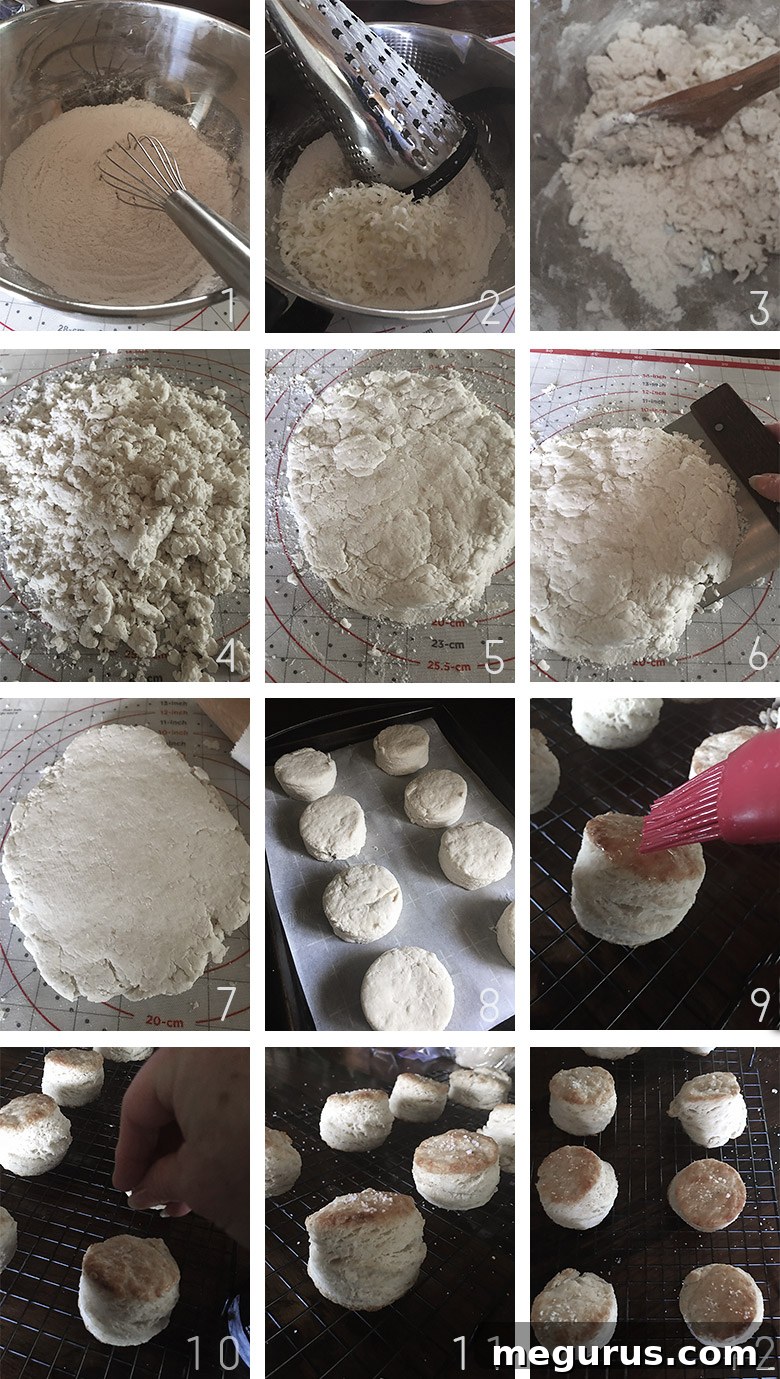
- Prepare Your Butter: The Foundation of Flake. For optimal results, place your 1/2 cup of butter in the freezer for 15-20 minutes before you begin baking. This ensures it stays firm and doesn’t melt prematurely into the dough, which is key for flaky layers. Preheat your oven to 425°F (non-convection setting).
- Combine Dry Ingredients: A Well-Mixed Start. In a large mixing bowl, whisk together the 2 cups of all-purpose flour (spooned and leveled), 1 Tablespoon of baking powder, 1 Tablespoon of white sugar, and 1 teaspoon of salt (reduce to 3/4 tsp if using salted butter). Whisking ensures these ingredients are thoroughly combined and evenly distributed.
- Incorporate the Cold Butter: Creating Pockets of Perfection. Remove the very cold or frozen butter from the freezer. Using a box grater, grate the butter directly into the flour mixture. Once grated, use your fingers or a pastry blender to quickly work the butter into the flour until the mixture resembles coarse crumbs with some pea-sized pieces of butter still visible. The goal is to keep the butter cold and distinct.
- Add Buttermilk: Hydrate with Care. Pour the 3/4 cup of buttermilk into the flour and butter mixture. Stir with a spoon or a flexible spatula until the mixture just comes together and is evenly moistened. Be careful not to overmix! The dough should be shaggy and crumbly, not smooth. If you notice any dry flour at the bottom of the bowl, add an additional splash (about 1-2 tablespoons) of buttermilk and mix just until incorporated. The dough should be moist but not sticky.
- Turn Out and Gather the Dough: Gentle Handling is Key. Lightly flour a clean work surface. Turn the biscuit dough out onto this surface. Gently gather the dough into a loose mound, then flatten it into a rough 1-inch thick round shape. Avoid excessive kneading or handling, as this can develop the gluten and lead to tough biscuits.
- The Folding Technique (Laminating): Building Layers. This step is crucial for achieving those beautiful flaky layers. Using a bench scraper (or a wide spatula if you don’t have one), gently fold one half of the dough circle over the other half. Flatten the folded dough slightly with the bench scraper or the palm of your hand. Rotate the dough a quarter turn, then repeat the folding and flattening process. Repeat this turning, flattening, and folding a total of 2 more times (4 folds in total). This laminates the butter into thin layers within the dough.
- Final Roll and Thickness: Uniformity for Even Baking. After the folding, gently roll the dough with a rolling pin to smooth the top and create an even, 1-inch thick circle. Aim for consistent thickness across the entire round to ensure all biscuits bake evenly.
- Cut Your Biscuits: The “No Twist” Rule. Using a 2 1/2 or 3-inch biscuit cutter (or a glass of similar diameter), cut straight down into the dough with one firm, quick motion. Do not twist the cutter once it hits the work surface. Twisting seals the edges of the biscuit, preventing them from rising properly and forming flaky layers. Arrange the cut biscuits onto a parchment-lined baking sheet, leaving about 1-2 inches of space between each. You can gather the scraps, gently press them together, and re-roll once to cut a few more biscuits, though these second-cut biscuits may not be as flaky.
- Bake to Golden Perfection: Watch for the Rise. Bake the biscuits in your preheated 425°F oven for 12-14 minutes, or until they are beautifully golden brown on top and have risen significantly.
- Finishing Touches: Butter and Salt. As soon as the biscuits come out of the oven, immediately transfer them from the hot pan to a wire cooling rack. While still warm, brush the tops with melted butter. Then, sprinkle a pinch of coarse salt (like Morton’s or Fleur de Sel) over the buttery tops.
- Embrace the Character: Homemade Charm. Don’t worry if your biscuits look a little uneven; that’s part of the charm of homemade baking! Some might rise higher on one side, which simply adds to their rustic appeal.
- Serve Warm and Enjoy: Pull-Apart Perfection. These flaky biscuits are best enjoyed warm from the oven. You’ll find they don’t even need a knife; they’ll effortlessly pull apart in the middle, revealing all those glorious layers. Serve with extra butter, jam, honey, or alongside your favorite savory meal.
Expert Tips for Unforgettable Flaky Buttermilk Biscuits
Baking perfect biscuits is an art, and these insider tips will elevate your biscuit-making game, ensuring consistently flaky and tender results.
- The Golden Rule of Cold Butter: Freezing your butter for 15-20 minutes before you start baking is paramount. The colder the butter, the slower it melts in the oven, creating more steam and thus more distinct, flaky layers. Butter that’s too warm will melt into the flour too quickly, resulting in a denser, less flaky texture.
- Grating Butter: A Game Changer: Grating cold or frozen butter is a fantastic technique because it creates tiny, evenly distributed pieces of butter throughout the dough. This maximizes the potential for flakiness. While grating can be a bit tricky (watch your knuckles!), speed is essential to prevent the butter from warming up. If you feel it took too long, simply pop the bowl with the flour and grated butter into the freezer for a few minutes to rechill before proceeding.
- Hydration is Key, But Don’t Overdo It: The dough’s consistency is crucial. You want a crumbly, evenly moist mixture that just comes together, but it shouldn’t be sticky. After stirring in the initial amount of buttermilk, check the bottom of your bowl for any dry patches of flour. If you find some, add a small splash (a tablespoon at a time) of additional buttermilk until all the flour is hydrated. A slightly wetter dough is better than a dry one, but avoid making it too wet, which can lead to dense biscuits.
- Handle with Care: Avoid Warm Hands: The warmth from your hands can quickly melt the butter in the dough, undoing all your efforts to keep it cold. Using a bench scraper for folding the dough is highly recommended as it minimizes direct hand contact. If you don’t have a bench scraper, use a sturdy spatula or a wide knife to gently fold and flatten the dough.
- Achieving Your Preferred Height: This recipe aims for tall, impressive biscuits, which means rolling the dough to a 1-inch thickness. If you prefer a slightly thinner biscuit or want to yield a few more from your batch, you can roll the dough a bit thinner, perhaps to 3/4 inch. Just be aware that thinner biscuits will bake faster.
- Efficient Cutting for Maximized Yield: When cutting your biscuits, be as efficient as possible. Place your cutter close to previous cuts, minimizing the space between each biscuit. This allows you to get the most rounds out of your initial dough. While you can gather and re-roll scraps, these “second-generation” biscuits are often slightly tougher and less flaky than the first-cut ones because the dough has been handled more.
- The “No Twist” Biscuit Cutter Rule: This is arguably one of the most critical tips for flaky biscuits. When cutting, press your biscuit cutter straight down into the dough and lift it straight up. Never twist the cutter. Twisting seals the edges of the biscuit, preventing the layers from separating and rising beautifully during baking.
- Brushing with Butter: Top Only! When brushing the baked biscuits with melted butter, be meticulous. Apply the butter only to the tops of the biscuits. Avoid letting it drip down the sides. If butter (or any liquid) seals the sides, it can inhibit the steam from escaping and prevent the formation of those wonderful flaky layers.
- Embrace Imperfection (or “Biscuit Character”): Don’t fret if your biscuits emerge from the oven looking a little uneven, especially if they are thicker. This often happens when one side rises slightly more than the other. It’s a hallmark of homemade biscuits and adds to their rustic charm – consider it their unique “biscuit character”!
- Cooling Quickly: Prevent Over-Browning: To prevent the bottoms of your freshly baked biscuits from over-browning or becoming tough, remove them from the hot baking sheet immediately after taking them out of the oven. Transfer them to a wire cooling rack to allow air circulation and stop the cooking process.
- Finishing Salt for Extra Flavor: A sprinkle of coarse finishing salt (such as sea salt flakes like Fleur de Sel, or even a good quality Kosher salt like Morton’s) over the warm, butter-brushed tops adds a delightful textural contrast and enhances the overall flavor.
- Don’t Overmix: The Enemy of Tenderness: Overmixing the dough develops the gluten, leading to tough, chewy biscuits instead of tender, flaky ones. Mix just until the ingredients are combined and no dry flour remains.
- Check Your Baking Powder: Old baking powder loses its leavening power. To test if it’s still good, put a teaspoon in a small bowl and pour 1/4 cup of hot water over it. If it fizzes immediately, it’s still active. If not, it’s time to replace it.
Troubleshooting Common Buttermilk Biscuit Problems
Even experienced bakers can encounter hiccups. Here are solutions to common biscuit dilemmas:
- Biscuits are Tough and Chewy: This is almost always due to overworking the dough. Too much kneading develops gluten, making the biscuits tough. Ensure you mix just until combined and handle the dough minimally during folding and cutting.
- Biscuits Didn’t Rise or Aren’t Flaky:
- Warm Butter: If your butter wasn’t cold enough, it melted into the flour too quickly, preventing steam pockets from forming.
- Old Baking Powder: Inactive baking powder won’t create the necessary lift.
- Twisting the Cutter: Sealing the edges with a twist prevents proper rise and layer separation.
- Overmixing: As mentioned, this inhibits flakiness.
- Biscuits are Dry and Crumbly: Not enough liquid is usually the culprit. Add buttermilk gradually until the dough is moist but not sticky. Sometimes, spooning too much flour into your measuring cup can also lead to a dry dough.
- Biscuits Brown Too Quickly: Your oven might be running hot, or the biscuits might be too thin. Use an oven thermometer to verify temperature, and ensure your dough is rolled to the recommended thickness.
Serving Suggestions and Perfect Pairings
Buttermilk biscuits are incredibly versatile and can be enjoyed in countless ways, from breakfast to dinner:
- Classic Breakfast & Brunch: Serve warm with generous dollops of butter, your favorite fruit jams, preserves, or honey. They are also fantastic with sausage gravy, fried chicken, or scrambled eggs.
- Savory Companions: Biscuits are the ideal accompaniment to hearty main courses. Pair them with a comforting chili, a rich beef stew, a creamy chicken pot pie, or alongside roasted meats. They absorb gravies and sauces beautifully.
- Barbecue Essential: Bring a basket of these flaky wonders to your next barbecue! They’re perfect with pulled pork, grilled chicken, or any smoky, savory dish.
- Creative Sandwiches: Split them open and fill with fried chicken, ham and cheese, or even a veggie burger for a unique twist.
Storage and Reheating Your Homemade Biscuits
While best enjoyed fresh, you can store and reheat homemade buttermilk biscuits to extend their deliciousness.
- Room Temperature: Once completely cooled, store biscuits in an airtight container at room temperature for 1-2 days.
- Refrigeration: For longer storage, refrigerate in an airtight container for up to 5 days.
- Freezing (Baked Biscuits): To freeze baked biscuits, allow them to cool completely. Wrap each biscuit individually in plastic wrap, then place them in a freezer-safe bag or container. They can be frozen for up to 2-3 months.
- Freezing (Unbaked Biscuits): You can also freeze cut, unbaked biscuits! Arrange them on a parchment-lined baking sheet and freeze until solid (about 1-2 hours). Once frozen, transfer them to a freezer-safe bag. When ready to bake, place frozen biscuits on a baking sheet (no need to thaw) and bake at 425°F for 18-20 minutes, or until golden brown.
- Reheating:
- Oven: This is the best method for restoring crispness. Preheat oven to 350°F (175°C). Place biscuits on a baking sheet and heat for 5-10 minutes, or until warmed through.
- Microwave: While quicker, microwaved biscuits can become soft and lose their crispness. Heat in 15-second intervals until warm.
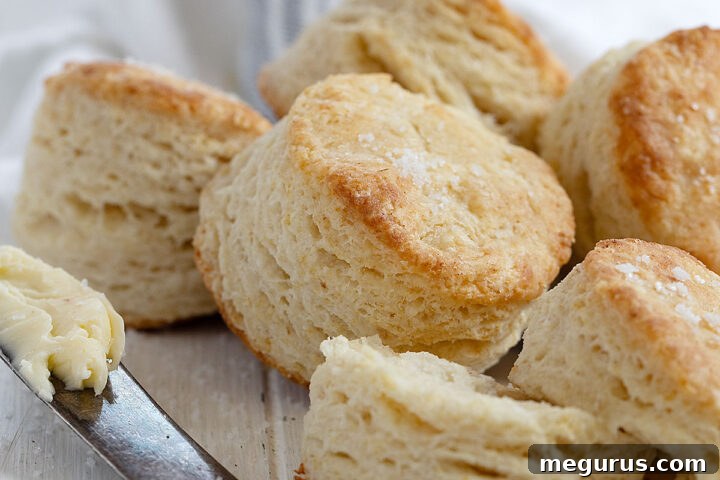
Classic Flaky Buttermilk Biscuits
These classic, flaky buttermilk biscuits are the perfect side to any meal, whether for breakfast, lunch, or dinner. Master the art of biscuit making with this detailed recipe and all my best tips!
Prep Time: 15 mins | Cook Time: 15 mins | Total Time: 30 mins | Yield: 8 biscuits
Ingredients
- 2 cups all-purpose flour, spooned and levelled
- 1 Tablespoon baking powder
- 1 Tablespoon white sugar
- 1 teaspoon salt (reduce to 3/4 tsp if using salted butter)
- 1/2 cup butter, very cold or frozen for 15-20 minutes before using (salted or unsalted)
- 3/4 cup buttermilk, plus more, as needed (see Note 1 below)
- Melted butter, for brushing tops after baking
- Coarse salt, for topping after brushing with butter
Equipment
- Parchment paper (recommended)
- Bench Scraper (recommended)
- Box grater
- 2 1/2 or 3-inch biscuit cutter
- Wire cooling rack
Instructions
- Prepare for Baking: Pop the 1/2 cup of butter into the freezer for 15-20 minutes for best results. Preheat your oven to 425°F (non-convection setting). Line a baking sheet with parchment paper.
- Combine Dry Ingredients: In a large bowl, whisk together the flour, baking powder, sugar, and salt until well combined.
- Incorporate Butter & Buttermilk: Grate the very cold butter directly into the flour mixture. Quickly toss to coat the butter. Add the 3/4 cup buttermilk and mix with a spoon until the mixture just comes together and is evenly moist. If there’s still dry flour at the bottom, add a splash (1-2 tablespoons) more buttermilk until hydrated. The dough should be shaggy and moist, but not sticky.
- Fold and Flatten the Dough: Turn the dough out onto a lightly floured work surface. Gather it gently into a rough 1-inch thick round. Using a bench scraper, fold one half of the circle over the other. Flatten slightly. Rotate the dough 1/4 turn, then fold in half again. Repeat this folding and turning two more times (a total of 4 folds). Finally, gently roll the dough into a uniform 1-inch thick circle using a rolling pin.
- Cut the Biscuits: Using your biscuit cutter, press straight down into the dough with a firm motion, without twisting. Place the cut biscuits onto the prepared baking sheet, leaving an inch or two between each. Gather and gently re-roll scraps once to cut any remaining biscuits.
- Bake and Finish: Bake for 12-14 minutes, or until the biscuits are golden brown and well-risen. Immediately remove them from the hot pan to a wire cooling rack. While warm, brush the tops generously with melted butter, then sprinkle with coarse salt. Serve warm.
Notes
- Homemade Buttermilk: If you don’t have buttermilk, make your own by stirring together 3/4 cup of whole milk (or 2% milk) with 2 1/4 teaspoons of lemon juice or white vinegar. Let it stand for 10 minutes before using.
- Mastering Biscuits: Refer to the “Expert Tips for Unforgettable Flaky Buttermilk Biscuits” section above the recipe card for detailed insights and troubleshooting advice.
Cuisine: American, Canadian | Course: Side Dish | Author: Jennifer Maloney
Nutrition Information (per biscuit):
Serving: 1 biscuit, Calories: 237kcal, Carbohydrates: 27g, Protein: 4g, Fat: 13g, Saturated Fat: 8g, Cholesterol: 33mg, Sodium: 418mg, Potassium: 215mg, Fiber: 1g, Sugar: 3g, Vitamin A: 392IU, Calcium: 99mg, Iron: 2mg