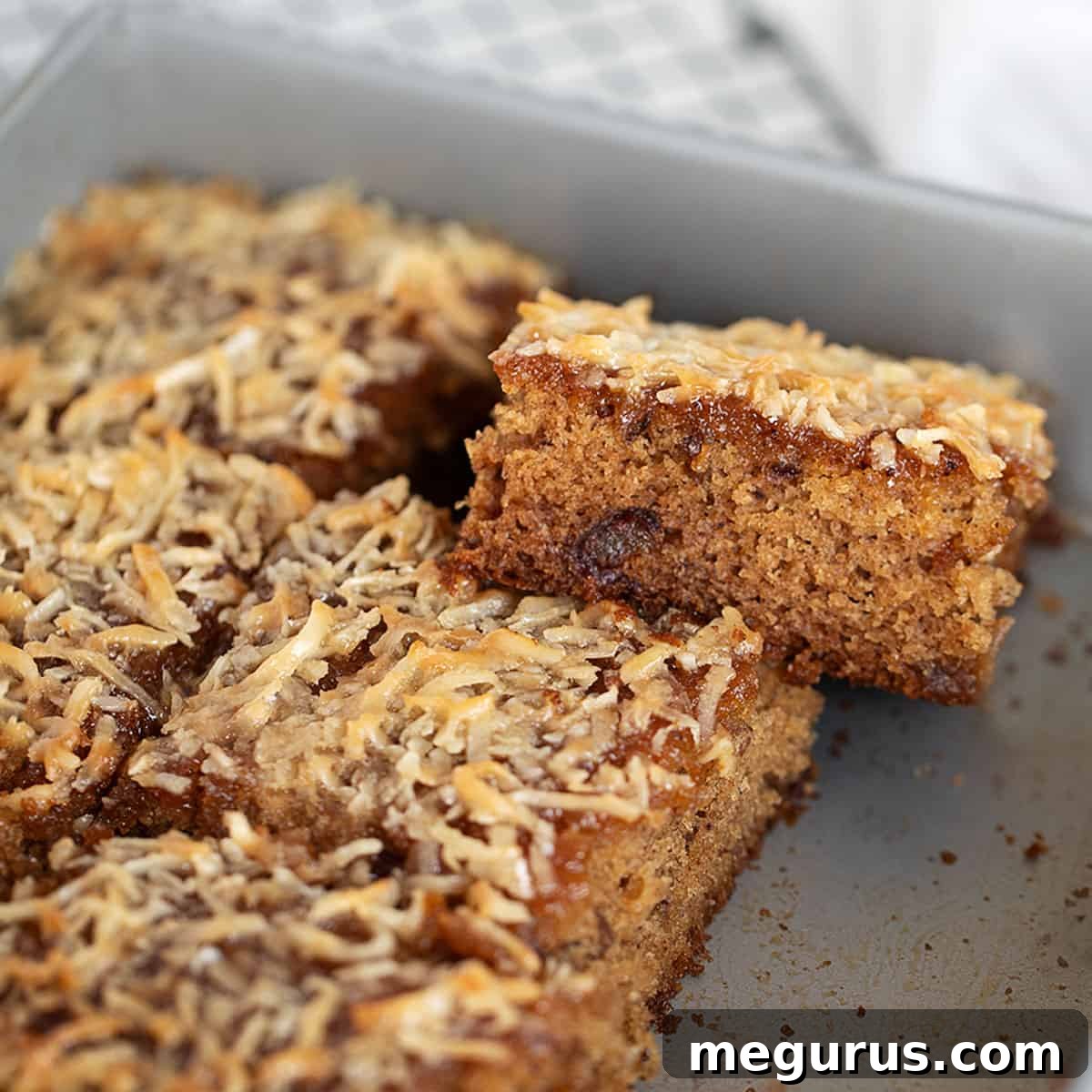
Delight in the sweet nostalgia of a true Canadian classic with this exquisite Queen Elizabeth Cake. This beloved dessert features a tender, moist date cake base, beautifully complemented by a rich, bubbly topping of brown sugar, butter, and toasted coconut. It’s a treat that promises to bring warmth and comfort to any occasion, whether enjoyed with a quiet cup of tea or shared amongst loved ones at a special gathering.
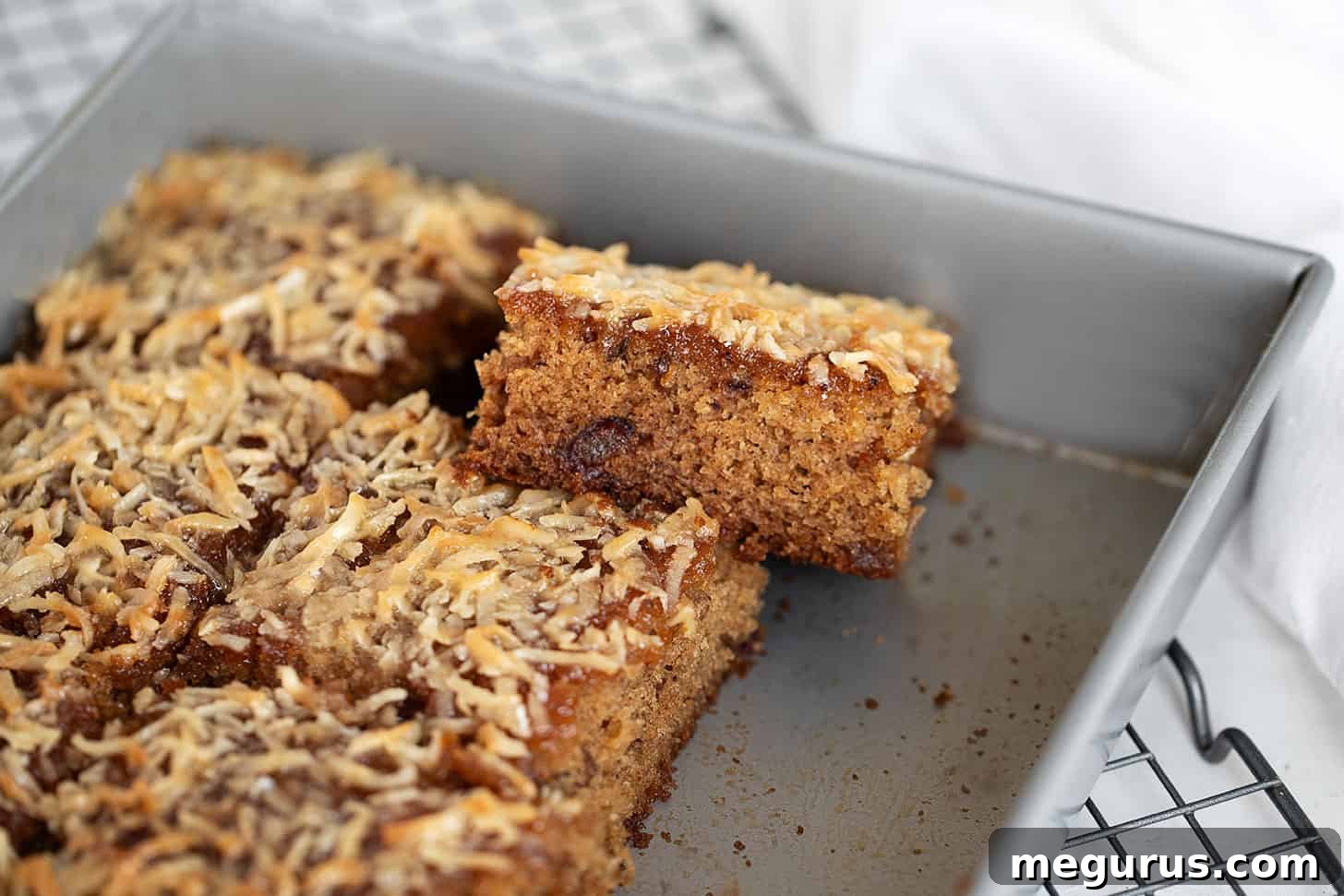
Despite its regal name, the Queen Elizabeth Cake holds a special place in Canadian culinary heritage. This delectable date cake gained immense popularity across Canada in the early 1950s, coinciding with the coronation of Queen Elizabeth II. Its enduring appeal has ensured it remains a cherished staple in homes and bakeries many decades later. It’s more than just a cake; it’s a slice of history, offering a taste of tradition with every forkful.
Why You’ll Fall in Love with This Queen Elizabeth Cake
There are countless reasons why this Queen Elizabeth Cake isn’t just a recipe, but a tradition worth adopting:
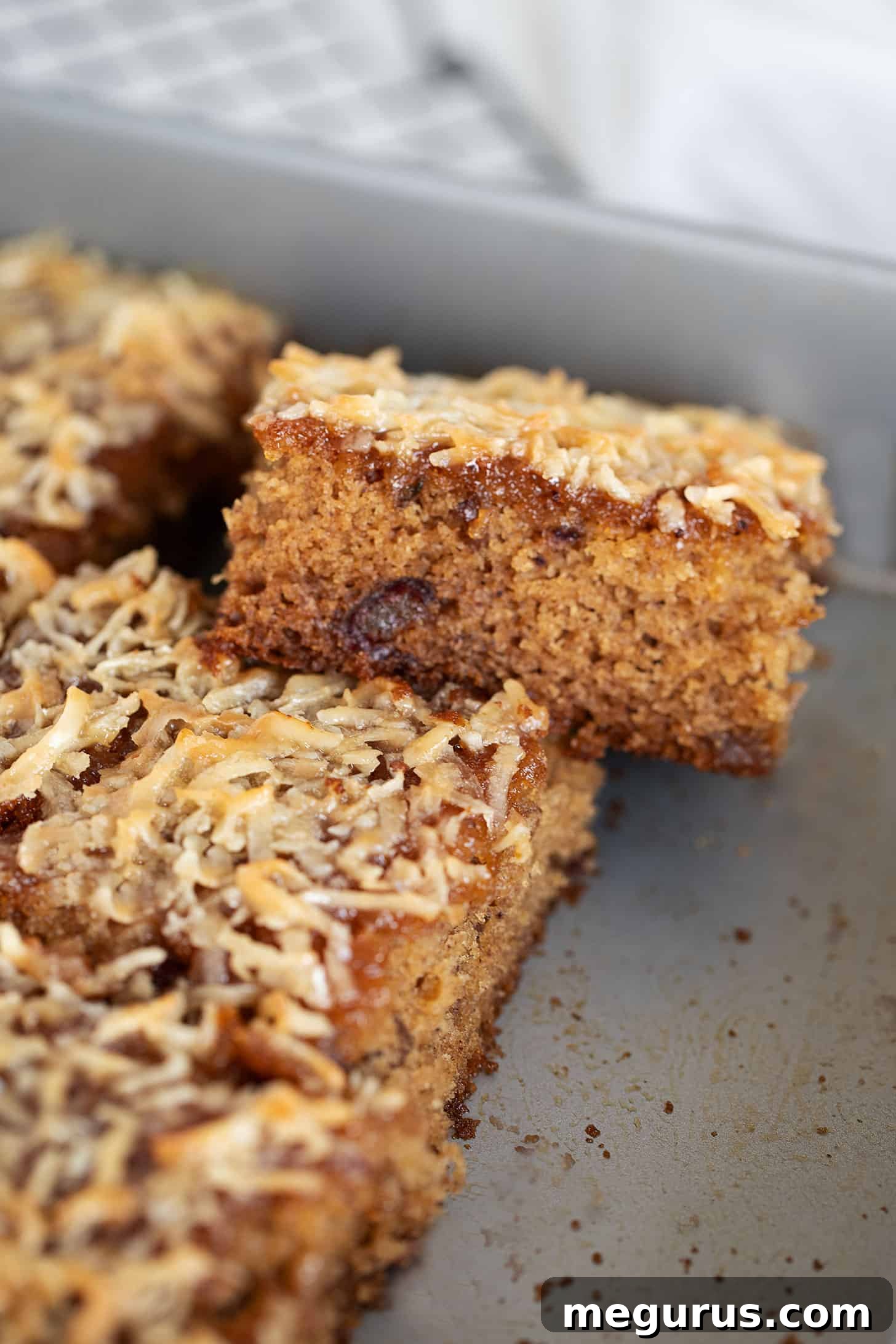
- A Symphony of Textures: The cake itself is incredibly moist and tender, thanks to the pureed dates, which also impart a rich, caramel-like sweetness. This soft base provides a perfect contrast to the signature topping – a gloriously golden, slightly chewy, and intensely flavorful blend of brown sugar, butter, and coconut that is broiled to perfection.
- Unforgettable Flavor Profile: While some compare it to the cake component of a sticky toffee pudding, our Queen Elizabeth Cake stands apart with its unique broiled coconut topping. This caramelized coconut layer offers a delightful sweetness and a hint of tropical aroma that perfectly balances the earthy, sweet notes of the date cake. It’s a comforting flavor that evokes warmth and nostalgia.
- Remarkably Moist and Keeps Well: One of the greatest attributes of this cake is its incredible ability to retain moisture. It stays fresh and delicious for several days when stored at room temperature, making it an ideal candidate for making ahead. This makes entertaining a breeze or allows you to savor slices throughout the week without sacrificing quality.
- Effortless Elegance: This cake exudes a simple elegance, making it suitable for both casual family desserts and more formal occasions. Its rustic charm and irresistible aroma will captivate everyone who tries it.
- Perfect Pairing: Enjoy a slice with your morning coffee, as an afternoon pick-me-up with a cup of tea, or as a delightful dessert after dinner. Its versatile nature means it pairs wonderfully with a variety of beverages and can even be served with a scoop of vanilla ice cream for an extra indulgence.
Key Ingredients & Thoughtful Substitutions
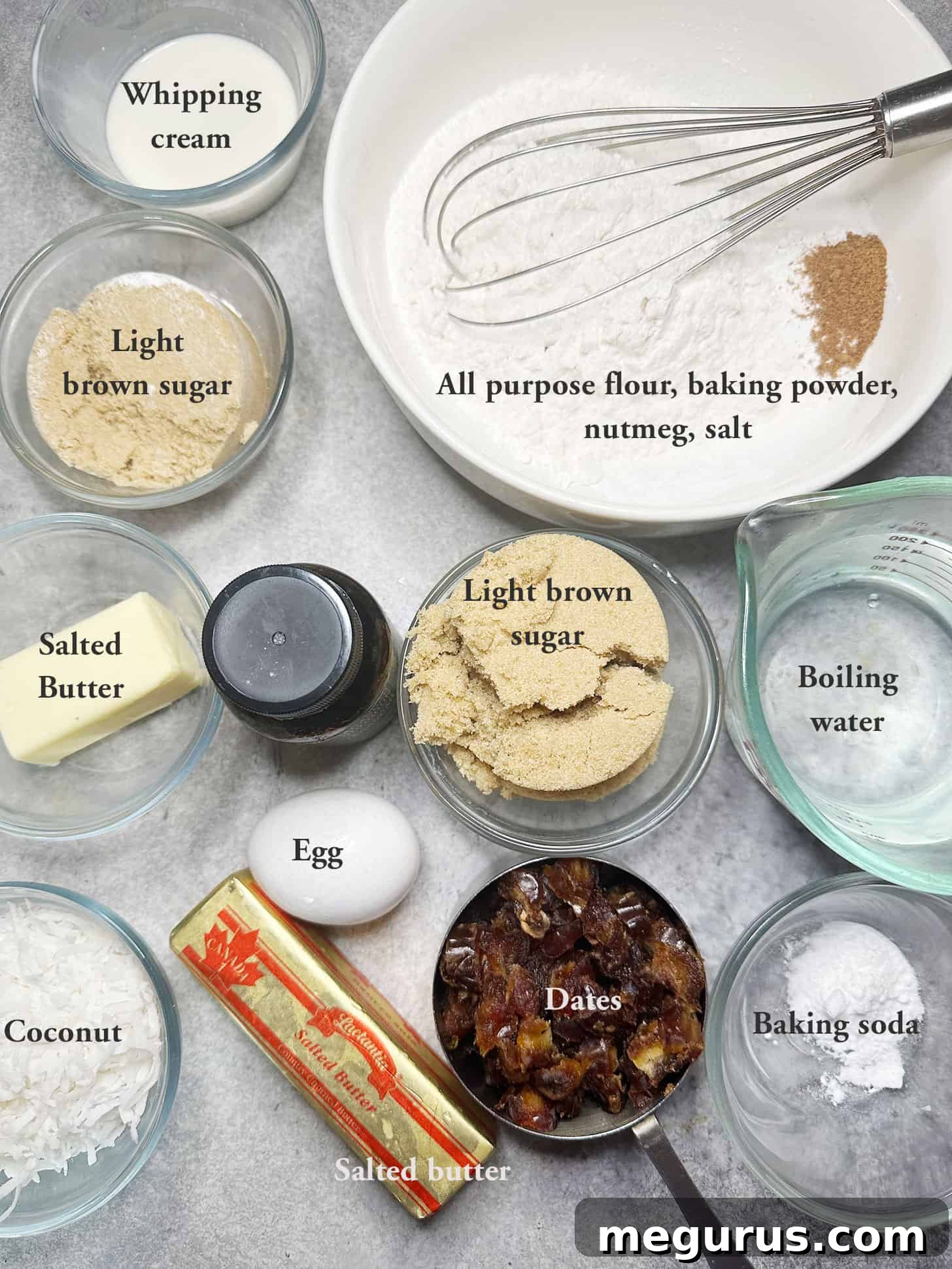
Crafting the perfect Queen Elizabeth Cake begins with understanding its core components:
Dates: The heart of this cake! Dates provide natural sweetness, deep flavor, and crucial moisture that contributes to its tender crumb.
- Type: While any good quality cooking dates will work beautifully, you don’t necessarily need the most expensive variety. Standard block cooking dates from the baking aisle are perfectly acceptable and deliver excellent results.
- Medjool Dates: If you’re looking for an extra level of richness and a slightly chewier texture, Medjool dates are a fantastic choice. They are larger, softer, and more caramel-like in flavor. However, remember to **pit them thoroughly** before chopping!
- Preparation: The key is to chop the dates finely. This ensures they soften properly when soaked in boiling water with baking soda, melting into the cake batter to create that signature moist texture.
Coconut: A non-negotiable for the iconic broiled topping. The coconut provides texture, flavor, and contributes to the golden, caramelized crust.
- Sweetened vs. Unsweetened: You have the flexibility to use either sweetened or unsweetened shredded coconut. I personally lean towards sweetened coconut for that extra layer of sugary goodness and a more pronounced caramelized flavor when broiled. If using unsweetened, you might find the topping slightly less sweet, which some prefer.
- Shredded Texture: I highly recommend sticking with shredded coconut rather than flaked. Shredded coconut creates a more uniform and visually appealing topping, achieving that beautiful, cohesive golden crust that is characteristic of a traditional Queen Elizabeth Cake. Its finer texture also allows it to melt into the butter-sugar mixture more seamlessly.
Brown Sugar: Used in both the cake and the topping, brown sugar is crucial for its molasses notes, which deepen the flavor and contribute to moisture. In the topping, it caramelizes beautifully under the broiler, creating that irresistible crust.
Butter: Essential for richness and tenderness in the cake, and for creating the luscious, bubbly foundation of the topping. Ensure it’s at room temperature for the cake batter for optimal creaming.
Baking Soda & Baking Powder: These leavening agents work in harmony to give the cake its light and airy texture. The baking soda specifically reacts with the acidic dates to ensure proper rise and a tender crumb.
Nutmeg: A subtle hint of freshly grated or high-quality ground nutmeg elevates the flavor profile of the date cake, adding warmth and a touch of spice that complements the dates beautifully. Don’t underestimate its role!
Vanilla Extract: A splash of vanilla enhances all the other flavors, bringing a roundness and depth to both the cake and its sweet topping.
Step-by-Step Visual Guide
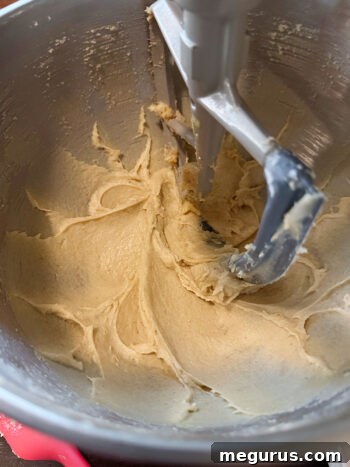
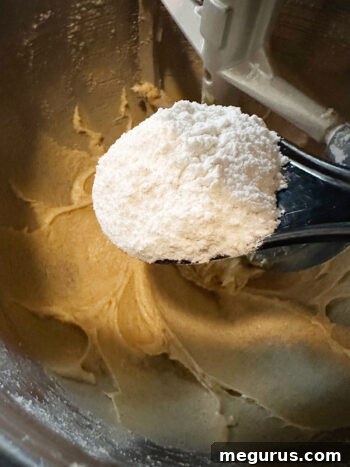
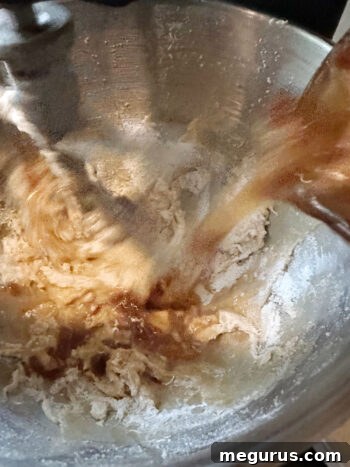
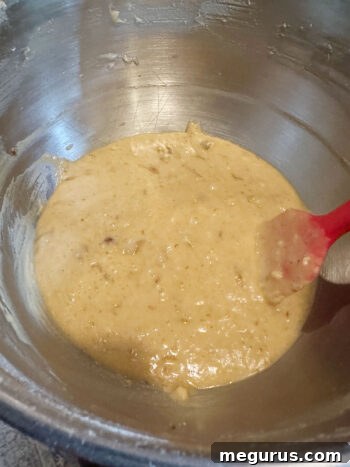
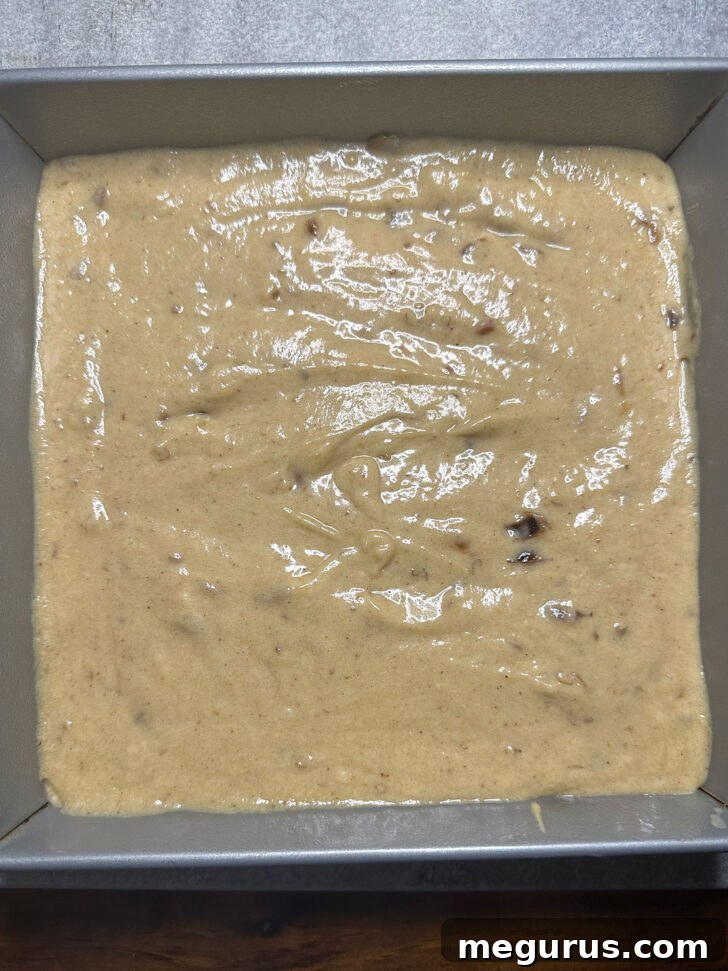
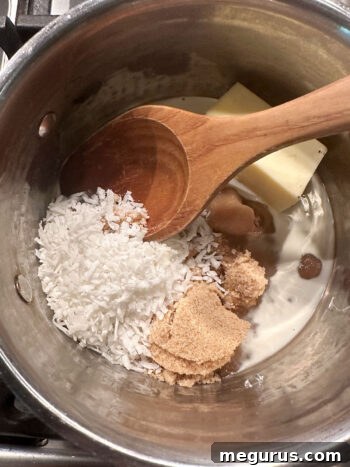
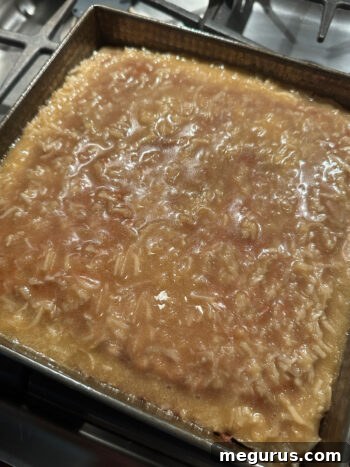
Follow these illustrative steps to ensure your Queen Elizabeth Cake turns out perfectly every time. Each image captures a crucial stage of the baking process, guiding you from preparation to that glorious final broiled topping.
Recipe Video
For those who prefer a visual guide, this short video walks you through the entire process of making your Queen Elizabeth Cake, from preparing the date mixture to broiling that irresistible coconut topping. Watch the steps come alive and gain confidence in your baking journey!
A video tutorial for making Queen Elizabeth Cake would typically appear here.
Expert Baking Tips for Queen Elizabeth Cake
- Effortless Date Chopping: Chopping sticky dates can be a bit of a chore, but it’s a necessary step to ensure they break down and soften beautifully in the boiling water. For easier handling, lightly oil your knife or kitchen scissors. Many find kitchen scissors incredibly efficient for snipping dates into small pieces directly over the bowl. Aim for finely chopped pieces so they almost dissolve into the cake batter, creating a seamlessly moist texture.
- The Parchment Paper Secret: If you plan to transfer your cake from the baking pan to a serving plate, lining the bottom of your pan with parchment paper is a brilliant trick. Cut a piece of parchment paper to fit snugly in the bottom of the pan after greasing it. However, it is absolutely critical that no parchment paper extends *beyond* the edges of the cake or pan. Since the topping is broiled, any exposed parchment could easily catch fire. Safety first!
- Broiler Vigilance is Key: The broiling stage for the topping is swift and demands your undivided attention. It typically takes only a minute or two to transform from bubbly to a gorgeous golden brown, but it can go from perfect to burnt in a matter of seconds. Do not walk away! Stand by the oven and watch it constantly. If your oven has both a ‘Hi’ and ‘Lo’ broiler setting, opt for the ‘Lo’ setting. This provides more gentle, controlled heat, reducing the risk of scorching and giving you a bit more leeway to achieve that ideal caramelized finish.
- Pan Size Matters: While a 9-inch square pan is traditional for this recipe, adaptability is a baker’s best friend. If you don’t have one, a 10-inch round pan will work perfectly. A springform pan of that size is often ideal for easy removal. Keep in mind that a larger or differently shaped pan might affect baking time slightly; always rely on the visual cues and a cake tester for doneness.
- Room Temperature Ingredients: For the cake batter, ensure your butter and egg are at room temperature. Room temperature butter creams with sugar more effectively, creating a light and airy base, while a room temperature egg incorporates more smoothly into the mixture, resulting in a more uniform batter.
- Don’t Overmix the Batter: Once you start adding the flour and date mixtures, mix just until combined. Overmixing can develop the gluten in the flour too much, leading to a tough, dry cake. A light hand will ensure a tender, soft crumb.
- Testing for Doneness: To check if your cake is fully baked, insert a wooden skewer or toothpick into the center. If it comes out clean or with a few moist crumbs attached, the cake is ready. If it’s still wet, continue baking for a few more minutes and test again.
Making Ahead, Storing, and Freezing
One of the many charms of the Queen Elizabeth Cake is its exceptional keeping quality, making it a fantastic choice for preparing in advance or enjoying over several days.
- Making Ahead: This cake is a dream for busy schedules. Prepare it a day or two before you plan to serve, and its flavors will often deepen and become even more delightful. The moisture from the dates ensures it remains incredibly fresh.
- Storing: Store the cooled cake, covered tightly with plastic wrap or in an airtight container, at room temperature for up to 3-4 days. While refrigerating isn’t strictly necessary and can sometimes dry out cakes, if your kitchen is particularly warm, you may opt to refrigerate it, bringing it back to room temperature before serving for optimal flavor and texture.
- Freezing: Queen Elizabeth Cake freezes beautifully for longer storage. To freeze, ensure the cake is completely cooled. You can freeze it whole, half, or in individual slices. Wrap the cake tightly in plastic wrap, then an additional layer of aluminum foil, or place it in a freezer-safe airtight container. It will keep well in the freezer for up to 2 months. Thaw frozen cake overnight in the refrigerator, then bring it to room temperature before serving.
Top Tip for Success
The initial step of combining the chopped dates with boiling water and baking soda is more crucial than it seems, and proper timing here can make all the difference. This mixture absolutely needs to cool completely to room temperature before you incorporate it into your cake batter. Rushing this step and adding warm dates to your butter and sugar mixture can cause the butter to melt, leading to a greasy, dense cake. Typically, this cooling process takes about 30 minutes to an hour. I strongly recommend starting your date mixture first and allowing it to cool while you gather and prepare your other ingredients. Don’t even begin creaming your butter and sugar until the date mixture is thoroughly cooled.
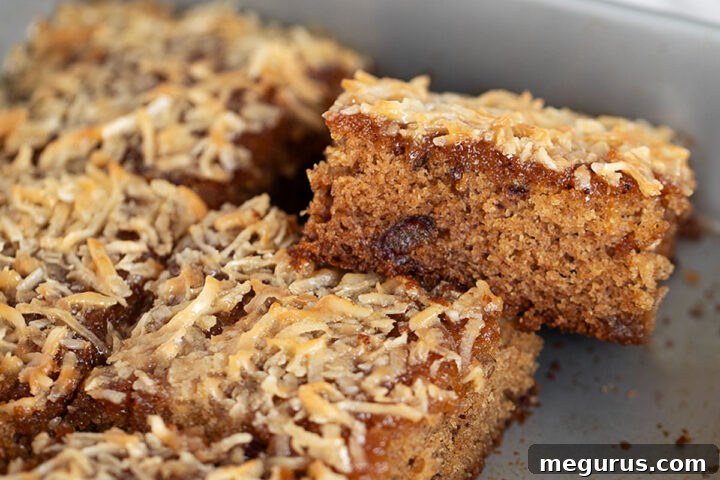
Get the Recipe: Queen Elizabeth Cake
Deliciously moist date cake, crowned with a rich brown sugar, butter, and coconut broiled topping. This Canadian classic stays incredibly moist for days!
Pin This
Leave a Review
Ingredients
For Cake:
- 1 cup pitted dates, chopped and packed
- 1 teaspoon baking soda
- 1 cup boiling water
- 1/2 cup salted butter, at room temperature
- 1 cup light brown sugar, packed
- 1 large egg
- 1 teaspoon vanilla extract
- 1 1/2 cups all-purpose flour, spooned and levelled
- 1 teaspoon baking powder
- 1/2 teaspoon nutmeg
- 1/2 teaspoon salt
Topping:
- 1/2 cup light brown sugar, packed
- 1/4 cup butter
- 3 Tablespoons heavy whipping cream, 35% b.f.
- 1/2 cup sweetened shredded coconut, packed
Instructions
- At least 1 hour ahead: Add the boiling water and baking soda to a small bowl. Stir in the chopped dates to combine. Allow this mixture to stand and cool completely to room temperature before you begin preparing the cake batter. This ensures the dates soften properly and prevents the warm liquid from affecting other ingredients.
- Preheat your oven to 350°F (175°C), ensuring it’s not a fan-assisted setting. Position an oven rack in the center.
- Lightly grease a 9-inch square or 10-inch round metal cake pan. For easy removal, you can line the bottom of the pan with parchment paper, but be absolutely certain no parchment extends beyond the rim of the pan. This is crucial as the cake will be broiled later, and exposed parchment could pose a fire hazard. Set the prepared pan aside.
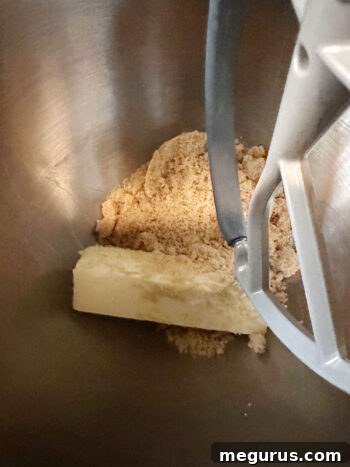
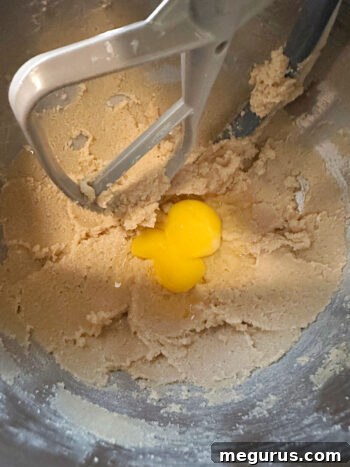
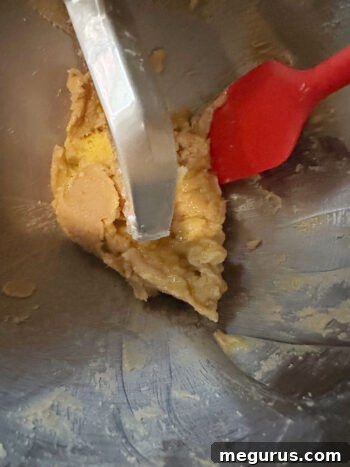
- In a large mixing bowl, using an electric beater, or in the bowl of a stand mixer fitted with the paddle attachment, beat the room temperature butter and 1 cup of light brown sugar together. Cream until the mixture is light, fluffy, and smooth, which typically takes about 2 minutes. Beat in the large egg until fully incorporated. Pause to scrape down the sides of the bowl with a spatula to ensure all ingredients are evenly mixed, then beat in the vanilla extract.
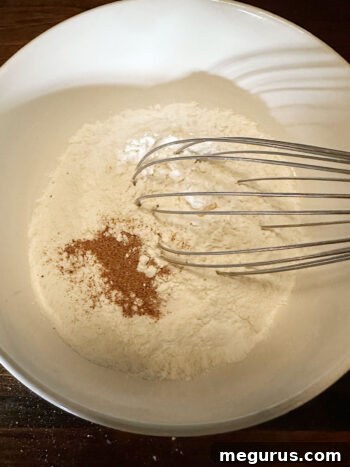
- In a separate medium-sized bowl, whisk together the all-purpose flour, baking powder, nutmeg, and salt until well combined. Gradually add this dry mixture to the butter mixture, alternating with the cooled date mixture (including any remaining liquid from the dates). Begin and end with the flour mixture, making three additions of flour and two of the date mixture. Mix just until combined after each addition; avoid overmixing.
- Spoon the finished cake batter into your prepared pan and gently smooth the top with a spatula. Bake in the preheated oven for approximately 25-35 minutes, or until the cake is firm to a light touch and a wooden skewer or cake tester inserted into the center comes out clean. Once baked, remove the cake from the oven and immediately switch your oven to the broiler setting. If your broiler has ‘Hi’ and ‘Lo’ options, select the ‘Lo’ setting for better heat control.
- While the cake is baking or almost done, begin preparing the topping. In a heavy-bottomed saucepan, combine the 1/2 cup brown sugar, 1/4 cup butter, heavy whipping cream, and shredded coconut. Place the saucepan over medium heat and bring the mixture to a rolling boil. Once boiling, reduce the heat slightly and allow it to boil gently for precisely 1 minute, stirring continuously. This brief boil helps the sugars dissolve and creates a rich, syrupy base for the topping.
- Pour the hot topping mixture evenly over the warm, freshly baked cake. Carefully transfer the cake back into the oven, placing it on the center rack directly under the broiler. Broil for 1 to 2 minutes, watching it **extremely closely**. The topping will bubble and turn a beautiful golden brown. Do not wander off, as it can go from golden to burnt in an instant. The topping can be quite bubbly under the broiler, making it hard to gauge the exact color; it’s perfectly fine to pull it out briefly to assess the browning, then return it for a few more seconds if needed.
- Once the topping is perfectly golden and bubbly, carefully remove the cake from the oven. Allow the cake to cool completely in the pan on a wire rack before slicing and serving. Cooling fully allows the topping to set properly and the cake to finish melding its flavors.
Notes
Note 1: Date Selection For the ultimate Queen Elizabeth Cake, I often reach for Medjool dates due to their superior softness and rich caramel notes. However, remember they require pitting! If Medjool dates are out of budget or hard to find, standard honey dates or even the convenient block of pitted cooking dates from the baking aisle are excellent alternatives that will still yield a delicious, moist cake. For Medjools, approximately 10 average-sized dates will yield about 1 cup chopped and packed.
Note 2: Nutmeg Potency The strength of nutmeg can vary significantly. If you are using freshly ground nutmeg or a new jar, its flavor will be much more potent than older, pre-ground nutmeg. You might consider slightly reducing the amount to 1/4 teaspoon, especially if you prefer a more subtle spice profile or if your nutmeg is exceptionally fresh. Taste is subjective, but a fresh grind always packs a punch!
This splendid cake is renowned for its excellent keeping qualities. It remains wonderfully moist at room temperature for several days when stored in an airtight container. For longer enjoyment, it freezes beautifully for up to two months, allowing you to savor this classic treat whenever a craving strikes.
Don’t forget to review the detailed tips and ingredient insights provided above the recipe card! You’ll find valuable advice on substitutions, variations, and techniques to help you master this delightful dessert. The step-by-step photos and video (if available) are also excellent resources to guide you through each stage of the baking process.
Calories: 336kcal,
Carbohydrates: 50g,
Protein: 3g,
Fat: 15g,
Saturated Fat: 10g,
Polyunsaturated Fat: 1g,
Monounsaturated Fat: 4g,
Trans Fat: 0.5g,
Cholesterol: 50mg,
Sodium: 305mg,
Potassium: 198mg,
Fiber: 1g,
Sugar: 37g,
Vitamin A: 451IU,
Vitamin C: 0.1mg,
Calcium: 56mg,
Iron: 1mg
Tried this recipe?
If you enjoyed this recipe, please leave a star rating and comment. It helps others to find it!