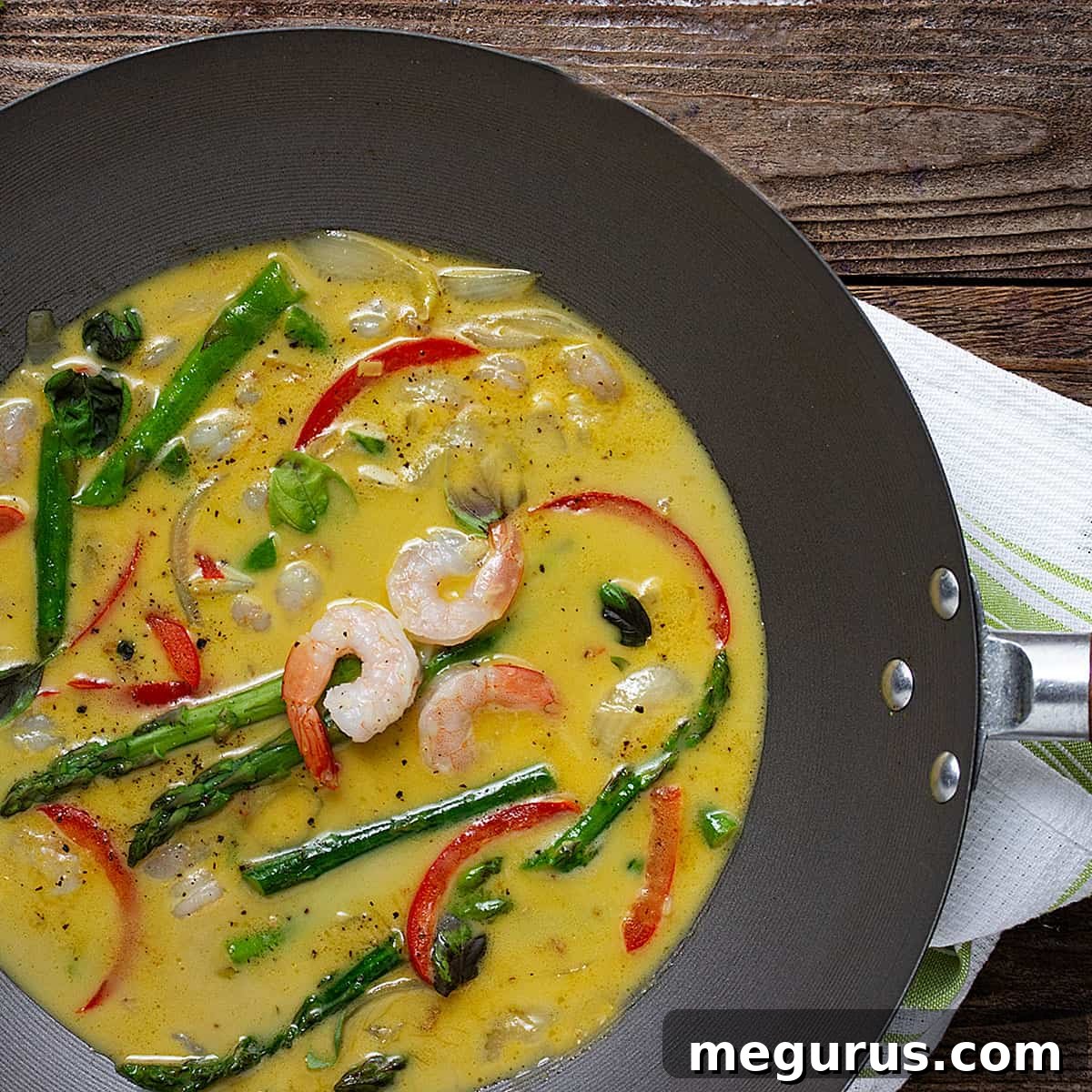
Welcome to a culinary adventure that promises big flavors in record time! Imagine a vibrant, aromatic dish that transports your taste buds to the heart of Thailand, all while being incredibly simple to prepare in a single pan. This delightful Thai Green Curry Shrimp with Asparagus isn’t just a meal; it’s a weeknight revelation. Loaded with zesty green curry, succulent shrimp, and tender-crisp asparagus, it’s a symphony of flavors ready to grace your table in about 15 minutes. Perfect for those busy evenings when you crave something exotic yet effortlessly quick, this recipe will quickly become a cherished favorite in your repertoire.
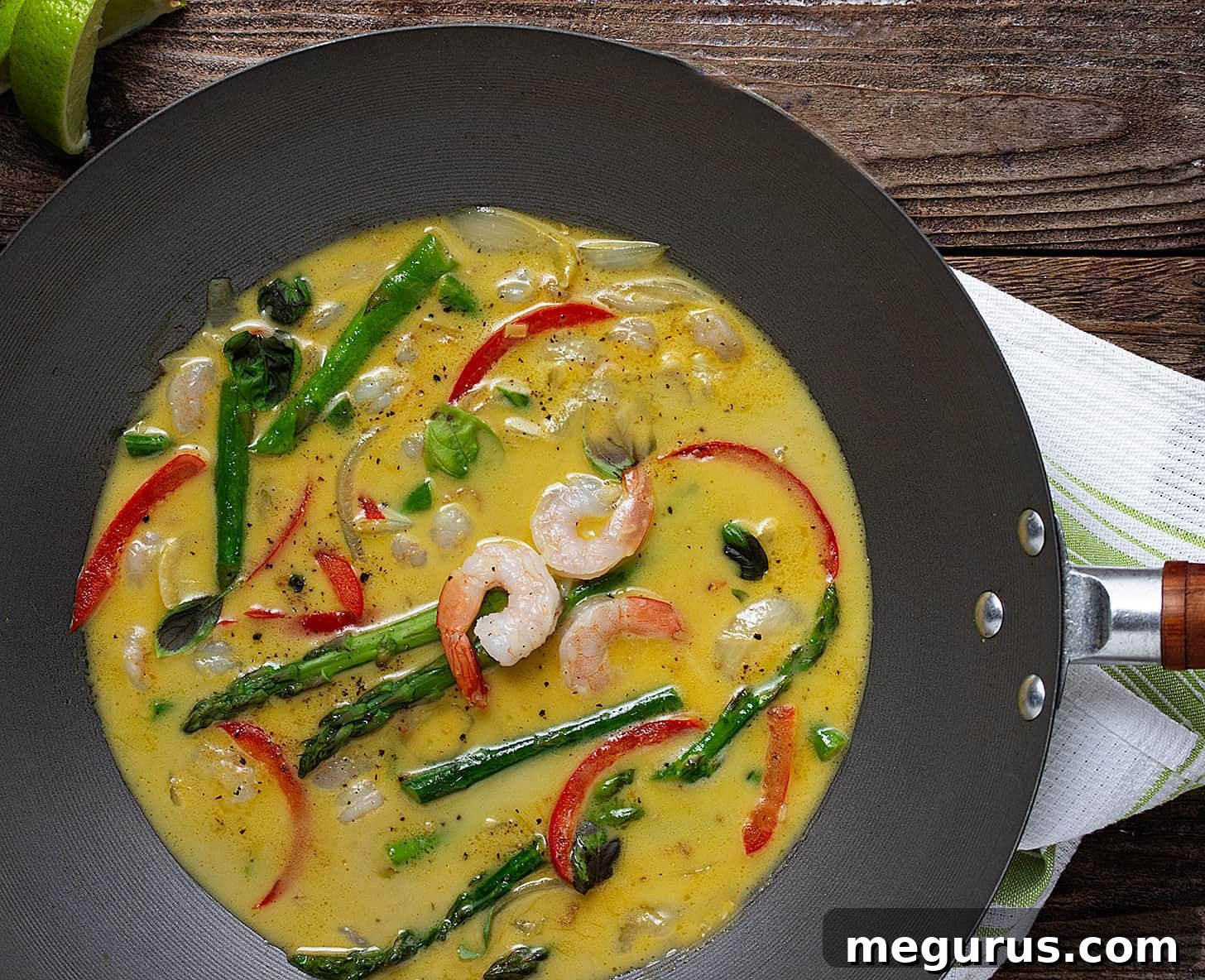
Delicious One-Pan Thai Green Curry Shrimp with Asparagus: A 15-Minute Weeknight Wonder
Are you constantly searching for dinner ideas that are both exciting and easy on a busy schedule? Look no further than this incredibly flavorful Thai Green Curry Shrimp with Asparagus. This recipe stands out as a true culinary gem, offering a perfect balance of spicy, sweet, savory, and tangy notes that are characteristic of authentic Thai cuisine. What makes it even better is its remarkable speed – from prep to plate in under 20 minutes, using just one pan! It’s an ideal solution for a satisfying, wholesome, and exotic meal without the fuss.
Why You’ll Love This Quick & Easy Thai Green Curry Shrimp Recipe
There are countless reasons to fall in love with this vibrant Thai green curry. It’s more than just a recipe; it’s an experience designed for modern lifestyles:
- Unbeatable Speed and Convenience: In a world where time is a luxury, this recipe shines. Requiring only about 15 minutes from start to finish, it’s faster than most takeout options and considerably healthier. The one-pan cooking method also means minimal cleanup, a bonus everyone appreciates after a long day.
- Explosion of Authentic Flavor: Despite its rapid preparation, this curry doesn’t compromise on taste. The robust Thai green curry paste, combined with creamy coconut milk, aromatic ginger and garlic, and savory fish sauce, creates a deeply complex and authentic flavor profile that will tantalize your palate.
- Healthy and Wholesome: Packed with lean protein from shrimp and fiber-rich asparagus, this dish is a powerhouse of nutrition. Coconut milk provides healthy fats, while fresh vegetables contribute essential vitamins and minerals, making it a guilt-free indulgence.
- Versatile and Customizable: While shrimp and asparagus are a stellar combination, this recipe is incredibly adaptable. Feel free to swap proteins, add extra vegetables, or adjust the spice level to suit your preferences. It’s a flexible framework for countless delicious meals.
- Impressive Yet Effortless: Whether you’re cooking for family or entertaining guests, this Thai Green Curry Shrimp makes an impressive statement without requiring advanced culinary skills. It’s a fantastic way to introduce vibrant, international flavors into your home cooking with minimal effort.
Key Ingredients for Your Flavorful Thai Green Curry
Shrimp: The Star Protein
Shrimp is the ideal choice for this fast-cooking curry due to its delicate flavor and quick cooking time. You can use either fresh or frozen shrimp. If using frozen, there’s no need to thaw them beforehand; they can go directly into the pan, making this dish even more convenient. Opt for peeled and deveined shrimp for ease. While some prefer to keep the tails on for presentation, removing them makes for easier eating in a curry.
Asparagus: The Perfect Green Complement
Asparagus adds a delightful earthy flavor and a pleasing crisp-tender texture that beautifully contrasts with the creamy curry. You’ll need about 10-12 spears. A crucial step for perfectly cooked asparagus in this quick dish is blanching it briefly before adding it to the curry. This ensures it’s tender enough without overcooking the other ingredients. Look for bright green spears with firm stalks and tightly closed tips.
Thai Green Curry Paste: The Heart of the Flavor
The green curry paste is undoubtedly the star of this dish, providing its signature flavor and vibrant color. High-quality paste is key here. While green curry paste offers a specific aromatic and spicy profile, you can absolutely substitute with red or yellow Thai curry paste if that’s what you have on hand or prefer. Red curry paste tends to be spicier, while yellow curry paste is often milder and features turmeric prominently.
Creamy Coconut Milk: Achieving Richness
Coconut milk is essential for creating the rich, creamy base of this Thai curry. You can choose between full-fat or light coconut milk. Full-fat milk will yield a richer, thicker sauce, while light coconut milk will result in a slightly thinner, less caloric curry. For an extra boost of flavor and texture, don’t forget to spoon off some of the thick cream from the top of an undisturbed can of full-fat coconut milk to bloom the curry paste.
Aromatic Essentials: Onion, Bell Pepper, Ginger, Garlic
These foundational aromatics build the layers of flavor that make this curry so irresistible. Sliced onion and bell pepper provide a sweet and savory base, softening beautifully in the pan. Freshly minced ginger adds a warm, spicy zing, while finely chopped garlic contributes its unmistakable depth. Together, they create a fragrant foundation for the curry paste and coconut milk.
The Umami Touch: Asian Fish Sauce
Asian fish sauce might seem intimidating to newcomers, but it’s a non-negotiable ingredient in authentic Thai cuisine. It doesn’t make the dish taste “fishy”; instead, it provides a crucial savory, umami depth that balances the other flavors and ties the entire curry together. A little goes a long way in adding that authentic Thai complexity.
Fresh Herbs & Citrus: Basil and Lime
Fresh Thai basil or regular basil leaves, added at the end, infuse the curry with a final burst of herbaceous freshness. Its slightly peppery, anise-like notes are classic in Thai dishes. A squeeze of fresh lime juice just before serving brightens the entire dish, cutting through the richness of the coconut milk and enhancing all the other flavors.
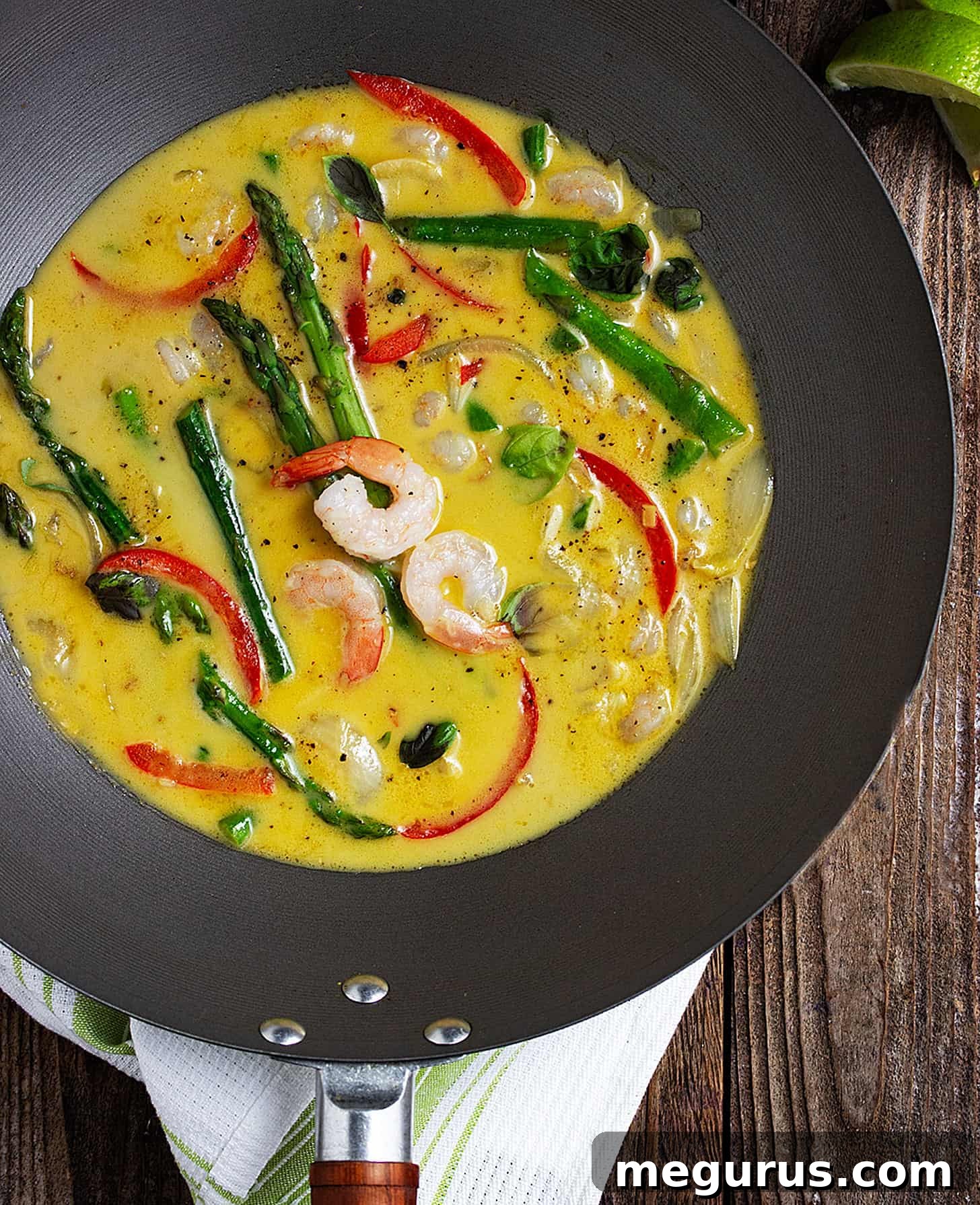
Mastering Your Thai Green Curry: Essential Recipe Tips
While this Thai Green Curry Shrimp with Asparagus is designed for simplicity, a few key tips can elevate your cooking experience and ensure a perfect outcome every time:
- Mise en Place is Key: “Mise en place” is a French culinary term meaning “everything in its place.” For a dish that cooks this quickly, having all your ingredients prepped, measured, and ready to go before you even turn on the stove is paramount. Slice your onions and bell peppers, mince your ginger and garlic, measure out your curry paste and liquids, and blanch your asparagus. This organized approach guarantees a smooth and stress-free cooking process, allowing you to add ingredients to the pan precisely when needed.
- Wok vs. Skillet: This dish can be cooked successfully in either a hot wok or a deep skillet. A wok, with its sloped sides, is ideal for stir-frying as it allows for efficient movement of ingredients and even heat distribution. However, a large, deep non-stick skillet works just as well. The key is to ensure your cooking vessel is adequately hot to achieve a quick sear and prevent the ingredients from steaming rather than stir-frying.
- Blanching Asparagus for Perfection: Don’t skip the blanching step for the asparagus. Asparagus needs a little extra cooking time to become tender-crisp. By blanching it briefly beforehand, you ensure it reaches the perfect texture without requiring longer cooking in the curry, which could overcook the shrimp. You can blanch it quickly in the microwave (as described in the recipe) or in boiling water.
- Adjusting Spice Levels: Thai green curry paste can range in spiciness depending on the brand. If you prefer a milder curry, start with less paste and add more to taste. For those who enjoy a fiery kick, feel free to increase the amount of curry paste or even add a pinch of red pepper flakes or sliced fresh chilies with the aromatics.
- Understanding Sauce Consistency: Traditional Thai curries often have a thinner, more brothy consistency compared to Indian curries. This allows them to be easily soaked up by rice or noodles. If you prefer a slightly thicker sauce, you can let it simmer for a minute or two longer, or for a more substantial thickening, mix a teaspoon of cornstarch with a tablespoon of cold water and stir into the simmering sauce at the very end.
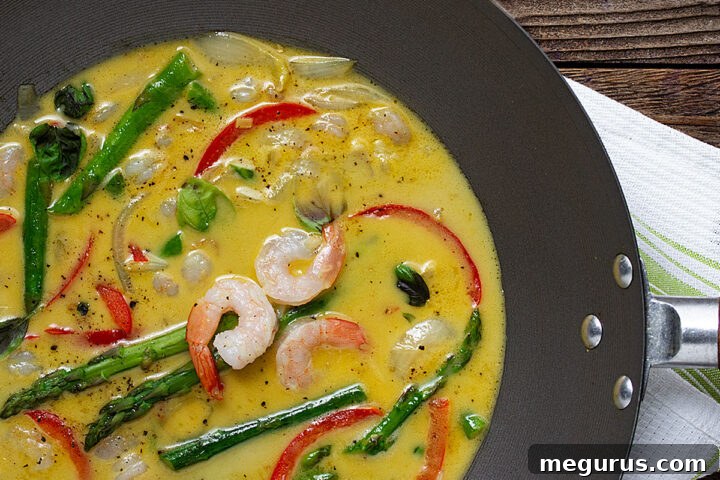
Thai Green Curry Shrimp with Asparagus
A remarkably quick, easy, and incredibly flavorful one-pan dish, perfect for busy weeknights. This Thai Green Curry with succulent shrimp and tender asparagus comes together in just about 15 minutes, making it an ideal choice for a satisfying and healthy meal. Best served over steamed rice or rice noodles.
Prep Time: 5 minutes | Cook Time: 10 minutes | Total Time: 15 minutes
Yield: 4 servings
Ingredients
- 2 Tablespoons cooking oil
- 1 small onion, sliced
- 1 red bell pepper, seeded and cut into thin strips
- 2 teaspoons fresh ginger, peeled and minced or ginger paste
- 2 cloves garlic, finely chopped
- 3 Tablespoons Thai green curry paste (can also use red or yellow Thai curry paste)
- 13.5 oz. can full-fat or lite coconut milk
- 3/4 cup chicken broth
- 2 Tablespoons Asian fish sauce
- 10-12 spears asparagus, blanched and cut into 2 to 3-inch pieces
- 8 oz. frozen cooked or raw shrimp, peeled, deveined and trimmed of tails
- Fresh Thai or regular basil leaves, for garnish
- 1 lime, cut into wedges, for serving
- Salt and pepper, to taste
Instructions
- Prepare Asparagus: To blanch the asparagus, arrange the spears flat on a microwave-safe plate and cover tightly with plastic wrap. Microwave on high for 60-90 seconds until the asparagus is crisp-tender. Alternatively, bring a small amount of water to a boil in your wok or skillet, quickly blanch the asparagus for 1-2 minutes, then remove and cool. Once cooled slightly, cut the blanched asparagus into 2-3 inch pieces and set aside. Discard any boiling water if using the wok method.
- Pre-cook Preparations: Given the rapid cooking time of this recipe, it is highly recommended to have all ingredients prepped, measured, and readily at hand before you begin cooking. This “mise en place” will ensure a smooth and efficient process.
- Sauté Aromatics and Curry Paste: Heat the cooking oil in a wok or a deep skillet over medium-high heat. Add the sliced onion and red bell pepper. If you are using raw shrimp, add them to the pan now and cook briefly until they just start to turn pink. If using pre-cooked shrimp, you will add them in a later step. Sauté the vegetables, stirring frequently, for 2-3 minutes until they begin to soften. Stir in the minced fresh ginger and chopped garlic, cooking for an additional 30-45 seconds until fragrant. Add the Thai green curry paste to the pan and continue to stir-fry for another 30-45 seconds, allowing the paste to bloom and release its full aroma.
- Build the Curry Sauce: If using full-fat coconut milk, carefully spoon a few tablespoons of the thick cream from the top of the can into the pan. Stir this cream vigorously with the curry paste for about 30 seconds; this step helps to develop a deeper flavor. Then, pour in the remainder of the coconut milk, chicken broth, and Asian fish sauce. Add the blanched and chopped asparagus pieces to the mixture. Bring the curry to a gentle bubble, then reduce the heat slightly and let it simmer, stirring occasionally, for approximately 3 minutes to allow the flavors to meld.
- Add Shrimp (if cooked) and Season: If you reserved pre-cooked shrimp, add them to the simmering curry now. Cook for just a few minutes, stirring gently, until the shrimp are thoroughly warmed through. Taste the curry and adjust seasonings as desired, adding salt and pepper to taste. If you prefer a more intense curry flavor or extra heat, you can stir in an additional teaspoon or two of green curry paste. Please note that traditional Thai curries are typically thinner in consistency than many Western-style curries, which is perfect for soaking into rice.
- Serve: Carefully ladle the vibrant Thai Green Curry Shrimp and Asparagus into individual serving bowls. Garnish generously with fresh Thai or regular basil leaves, which add a beautiful aroma and fresh flavor. Serve immediately with fresh lime wedges on the side for squeezing over the curry. This dish is wonderfully satisfying when served with fragrant jasmine rice or light rice noodles.
Notes
For additional tips, innovative substitution ideas, and exciting variations to further customize this recipe, be sure to read the detailed sections above and below this recipe card.
Cuisine: Thai | Course: Main Course | Author: Jennifer Maloney
Nutrition Information (per serving): Serving Size: 1 serving, Calories: 223kcal, Carbohydrates: 10g, Protein: 10g, Fat: 15g, Saturated Fat: 7g, Polyunsaturated Fat: 2g, Monounsaturated Fat: 5g, Trans Fat: 0.03g, Cholesterol: 71mg, Sodium: 1123mg, Potassium: 232mg, Fiber: 1g, Sugar: 3g, Vitamin A: 2826IU, Vitamin C: 41mg, Calcium: 62mg, Iron: 1mg
Serving Suggestions & Variations for Your Thai Green Curry
This Thai Green Curry Shrimp and Asparagus is fantastic on its own, but its versatility means you can easily adapt it to your taste or what you have on hand:
- Classic Pairing: The most traditional way to enjoy this curry is with a generous serving of perfectly steamed jasmine rice. The fluffy grains absorb the rich, aromatic sauce beautifully. For a lighter option, rice noodles or vermicelli also make an excellent base.
- Low-Carb Options: If you’re looking to reduce your carbohydrate intake, serve this curry over cauliflower rice, spiralized zucchini noodles, or even just a bed of fresh spinach that will wilt slightly under the warm curry.
- Add More Vegetables: This curry is incredibly forgiving and welcomes additional vegetables. Consider tossing in some sliced bamboo shoots, snow peas, green beans, broccoli florets, or even some small cubes of eggplant or zucchini during the last few minutes of simmering. For heartier vegetables like carrots, blanch them alongside the asparagus.
- Protein Swaps: Not a fan of shrimp, or simply want to try something different? This green curry base works wonderfully with other proteins. Cubed chicken breast or thighs, thinly sliced pork, firm tofu, or even white fish fillets are excellent alternatives. Adjust cooking times accordingly; chicken or tofu might need a few extra minutes to cook through.
- Boost the Heat: For chili lovers, thinly sliced bird’s eye chilies can be added with the ginger and garlic, or a drizzle of chili oil can be added at the table.
- Herbaceous Twist: While basil is traditional, a sprinkle of fresh cilantro or mint at the end can offer a different fresh dimension.
Storage and Reheating Tips
Having leftovers of this delicious Thai Green Curry Shrimp is a rare treat. Here’s how to store and reheat it to maintain its wonderful flavor:
- Cooling: Allow the curry to cool down to room temperature within two hours of cooking. Do not leave it out for longer than this to prevent bacterial growth.
- Refrigeration: Transfer the cooled curry to an airtight container. It can be stored safely in the refrigerator for up to 2-3 days. Note that the shrimp might become slightly firmer upon reheating.
- Freezing: While technically possible, freezing is generally not recommended for dishes with shrimp and coconut milk. Shrimp can become rubbery, and coconut milk can sometimes separate upon thawing, affecting the texture. If you must freeze, consume within 1-2 months for best quality. Thaw overnight in the refrigerator before reheating.
- Reheating: The best way to reheat this curry is gently on the stovetop over medium-low heat. Add a splash of water or chicken broth if the sauce has thickened too much. Stir occasionally until heated through. Avoid boiling vigorously, especially if reheating shrimp, as this can make it tough. Microwave reheating is also an option, but do so in short bursts, stirring in between, to ensure even heating and prevent overcooking.
Frequently Asked Questions (FAQs) About Thai Green Curry Shrimp
- What is the difference between green, red, and yellow curry paste?
- Thai curry pastes are distinguished by their primary chili color and blend of aromatic herbs and spices. Green curry paste (Gaeng Keow Wan) gets its color and heat from fresh green chilies, often combined with kaffir lime zest, galangal, lemongrass, and basil, making it one of the spicier Thai curries. Red curry paste (Gaeng Phet) uses dried red chilies, resulting in a deeper, often equally spicy, and earthier flavor profile. Yellow curry paste (Gaeng Garee) is milder and richer, deriving its color from turmeric and often featuring Indian-influenced spices like cumin and coriander, alongside the standard Thai aromatics.
- Can I make this recipe vegetarian or vegan?
- Absolutely! To make this recipe vegetarian or vegan, simply substitute the shrimp with firm tofu (pressed and lightly fried until golden for best texture) or a variety of mushrooms. Replace the chicken broth with vegetable broth, and ensure your green curry paste is vegan-friendly (some contain shrimp paste, so check the label). Omit the fish sauce and use a vegan alternative like tamari or soy sauce, or a pinch of salt and a squeeze of lime juice for flavor balance.
- How can I adjust the spice level?
- The spiciness of this curry primarily comes from the green curry paste. To make it milder, start with 1-2 tablespoons of curry paste and taste before adding more. You can also add a touch more coconut milk to mellow out the heat. For a spicier version, increase the amount of curry paste up to 4 tablespoons, or add a few fresh bird’s eye chilies (sliced or whole) while sautéing the aromatics.
- Is it better to use fresh or frozen shrimp?
- Both fresh and frozen shrimp work well for this recipe. If using fresh shrimp, ensure they are thoroughly peeled and deveined. For frozen shrimp, the beauty of this recipe is that you can add them directly from the freezer to the pan without thawing, saving valuable time. This makes it an incredibly convenient option for a quick weeknight meal. Just ensure they are fully cooked through and turn pink.
More Irresistible Shrimp Recipes to Explore
Discover More Delicious Shrimp Dishes!
This Thai Green Curry Shrimp with Asparagus is a testament to how quickly you can create a truly spectacular meal. It’s a harmonious blend of quick preparation, vibrant flavors, and healthy ingredients, making it an ideal choice for any day of the week. Don’t let its speed fool you; every bite is packed with the rich, aromatic complexity that defines authentic Thai cuisine. So, gather your ingredients, fire up your wok, and get ready to enjoy a weeknight dinner that feels like a special occasion. Happy cooking!