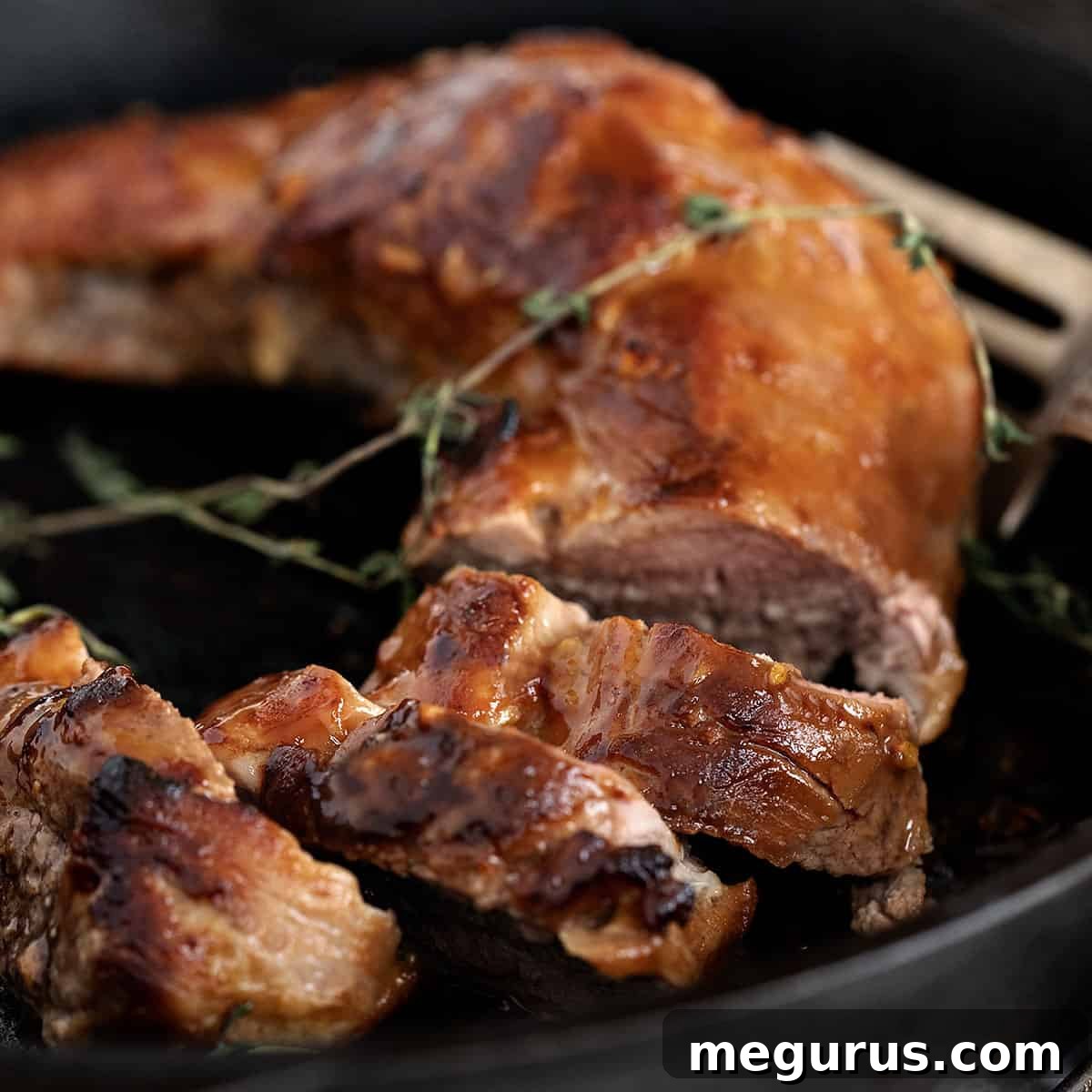
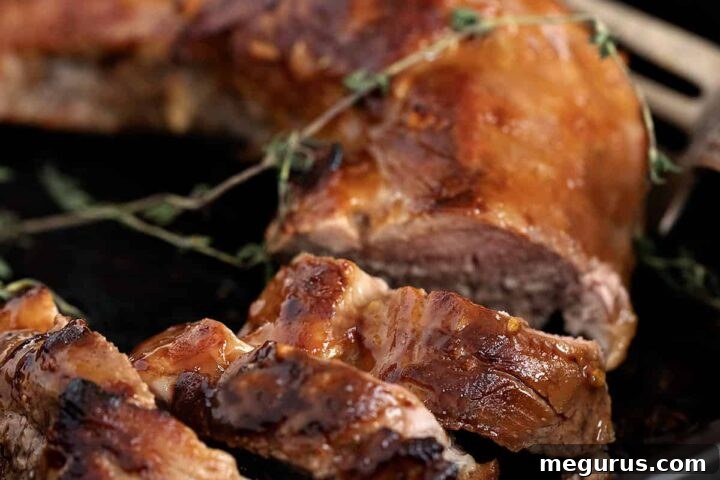
Unlock the secret to incredibly flavorful and tender pork with this unbelievably easy and versatile marinade recipe. Whether you’re planning a sizzling barbecue or a comforting oven-baked dinner, this marinade is your go-to for perfectly seasoned pork tenderloin, juicy pork chops, or any cut of pork. Prepare to transform your weeknight meals and special occasions into culinary delights!
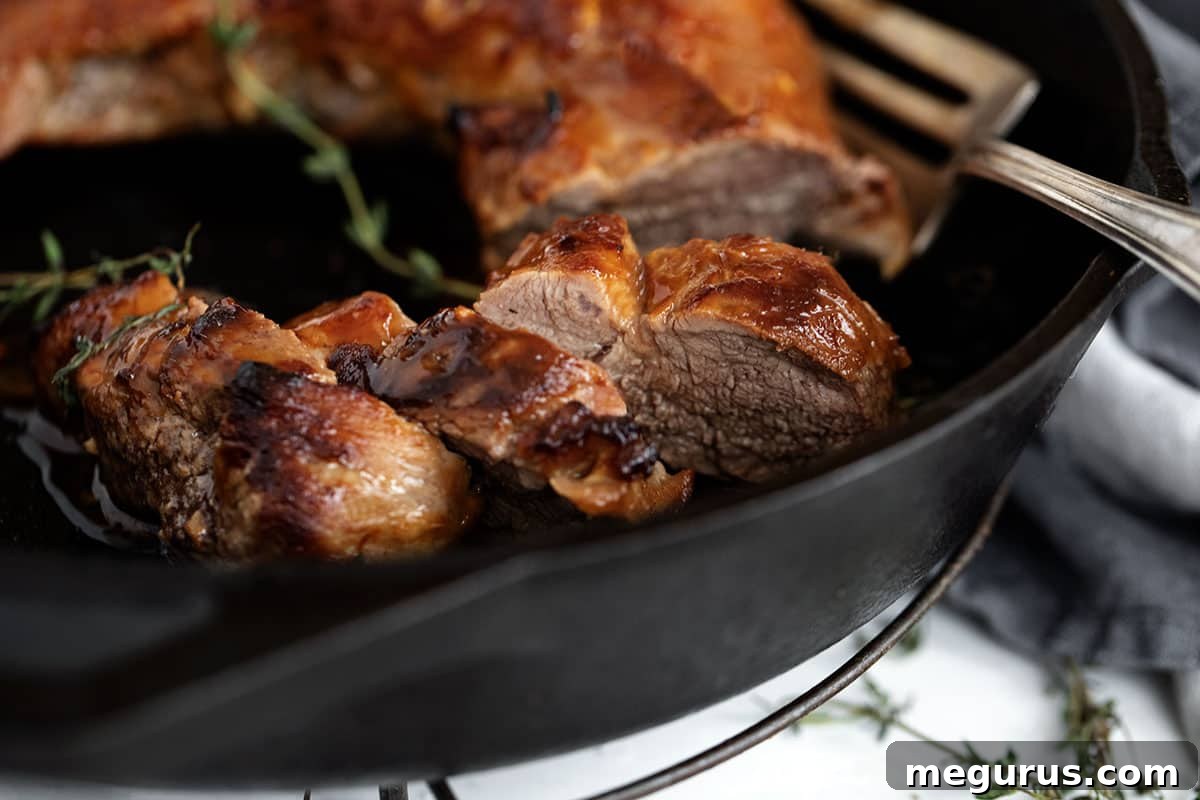
Why This Simple Pork Marinade Will Become Your Favorite
In the culinary world, a good marinade can be the difference between an ordinary meal and an extraordinary one. This particular pork marinade recipe stands out for its simplicity, robust flavor, and incredible versatility. Here’s why you’ll find yourself reaching for it again and again, making it an indispensable part of your cooking repertoire:
- Effortless Preparation: This is truly an easy pork marinade. With just a handful of common pantry staples – soy sauce, Dijon mustard, honey, and fresh garlic – you can whip it up in mere minutes. The formula is so straightforward that you’ll remember it by heart after just one try, making meal prep quick and stress-free. It’s the perfect solution for busy evenings.
- Flexible Marinating Times: Life gets busy, and sometimes you need quick solutions, while other times you have hours to spare for deeper flavor development. This marinade is incredibly forgiving, allowing you to infuse delicious flavor into your pork for as little as 15 minutes, or for an extended period of up to 24 hours. This flexibility makes it perfect for last-minute dinner decisions or planned culinary projects.
- Minimal Ingredients, Maximum Flavor: You don’t need a pantry full of exotic spices to create profound, restaurant-quality flavor. This marinade relies on just three core ingredients, plus fresh minced garlic, to create a beautifully balanced profile that is both savory and subtly sweet, with a hint of tang. It’s a testament to how simple, high-quality ingredients can combine to create complex and satisfying tastes.
- Flavorful, Not Overly Saucy: Unlike some marinades that can result in a thick, overpowering sauce, this recipe delivers deep flavor directly into the pork without making it overly “saucy.” It allows the natural taste of the pork to shine through, while the marinade’s sugars caramelize beautifully during cooking, creating a delectable, glossy crust. This process also helps to lock in moisture, ensuring every bite is wonderfully juicy and tender.
- Adaptable to Any Pork Cut: Whether you prefer the lean elegance of pork tenderloin, the robust flavor of bone-in pork chops, the convenience of boneless pork chops, or hearty pork steaks, this marinade is perfectly suited for them all. Its universally appealing flavor profile enhances any cut, making it a reliable choice for all your pork dishes, regardless of thickness or bone content.
- Perfect for Grilling or Baking: This versatile marinade performs exceptionally well in various cooking methods. It’s an outstanding choice for the BBQ grill, where it contributes to beautiful sear marks and a smoky char that elevates the flavor. It’s equally impressive when cooked in the oven, ensuring evenly cooked, moist pork every time, making it adaptable to any kitchen setup or weather condition.
Essential Ingredients and Smart Substitutions for Your Pork Marinade
Crafting the perfect marinade starts with understanding its core components and how they contribute to the overall flavor. This recipe leverages simple, accessible ingredients to create a powerful and balanced flavor base. Let’s dive into each one and explore useful substitutions to ensure you can make this delicious marinade anytime.
Soy Sauce: The Salty and Umami Foundation
Soy sauce is a cornerstone of this marinade, providing essential saltiness and a rich umami depth that permeates the pork, making it savory and moreish. For the best results and to precisely control the overall sodium content of your dish, I highly recommend using low-sodium soy sauce. This choice allows the other delicate flavors of the marinade to shine without the risk of making the dish overly salty, especially if you plan to reduce some of the reserved marinade for basting or serving. While regular soy sauce will certainly work, be mindful of its higher salt content. If you opt for regular soy sauce, I strongly suggest a very light hand when seasoning the pork with any additional salt, particularly the first time you make it, until you can accurately assess the final saltiness to your personal preference. For those on a gluten-free diet or with sensitivities, tamari is an excellent gluten-free alternative that maintains the desired savory and umami profile without compromising flavor.
Dijon Mustard: The Tangy and Pungent Kick
Dijon mustard is a crucial player in this marinade, contributing a delightful tanginess and a subtle, complex pungency that beautifully complements the sweetness of honey and the savory depth of soy sauce. Its creamy texture also helps to emulsify the marinade, ensuring all the ingredients are well-blended and that the mixture adheres evenly to the pork for consistent flavor distribution. If you find yourself without Dijon mustard, regular yellow prepared mustard is a perfectly acceptable substitute and will still yield a delicious result, though the flavor profile will be slightly milder. In fact, most mustards you have and enjoy can work here. That said, I generally tend to avoid grainy mustards for this particular recipe, as I personally prefer a smooth marinade that creates an even, sleek coating on the meat. However, if you enjoy the texture and robust flavor of grainy mustard, feel free to experiment – it certainly won’t ruin the marinade and may offer an interesting twist.
Honey: The Natural Sweetener and Caramelizer
Honey serves a dual purpose in this marinade: it not only adds a lovely, natural sweetness that expertly balances the savory and tangy elements but also significantly aids in caramelization during cooking. This contributes to that desirable golden-brown, slightly sticky crust that enhances both flavor and texture. For this recipe, any regular, runny honey will do the trick. It’s generally best to use a mild, neutral-flavored honey. Be cautious with heavily flavored or overtly floral honeys, such as buckwheat or lavender honey, as their strong profiles might overpower or clash with the delicate balance of the other marinade ingredients. If you’re looking for a suitable substitute, maple syrup is an excellent choice, offering a similar sweetness with its own distinct, complementary earthy and woody notes.
Garlic: The Aromatic Essential
Fresh garlic is truly best for this marinade, lending an irresistible aromatic depth and pungent kick that ties all the flavors together and awakens the palate. Finely minced fresh garlic will infuse the pork with a vibrant, robust taste. While I personally am not a fan of garlic powder for marinades, as I find its flavor less nuanced and fresh, if it’s your preferred option or all you have available, you can use approximately 1/4 teaspoon of garlic powder. Just be absolutely certain to use garlic powder and NOT garlic salt, as garlic salt would introduce an excessive amount of sodium, making the marinade unpleasantly salty. If you’re not a fan of garlic, or need to omit it for dietary reasons, this marinade will still be very delicious and flavorful thanks to the other strong components.
Optional Enhancements for an Even Richer Flavor Profile
While the core ingredients create a fantastic marinade on their own, consider these thoughtful additions to customize your marinade further and introduce subtle new dimensions of flavor:
- Freshly Ground Black Pepper: A pinch of freshly ground black pepper adds a subtle warmth and aromatic complexity, enhancing the overall savory profile without adding heat.
- Toasted Sesame Oil: A teaspoon of toasted sesame oil can introduce a wonderful nutty aroma and a distinct Asian-inspired depth, complementing the soy sauce beautifully. Add it towards the end of mixing.
- Fresh Ginger: A small amount of freshly grated ginger (about 1 teaspoon) complements the garlic and soy sauce exquisitely, adding a zesty, fresh, and slightly pungent note that brightens the marinade.
- Red Pepper Flakes: For those who appreciate a touch of heat, a quarter teaspoon of red pepper flakes can provide a pleasant kick without overpowering the other flavors, adding a subtle warmth to the marinade.
Crafting Your Perfect Pork Marinade: A Simple Step-by-Step Guide
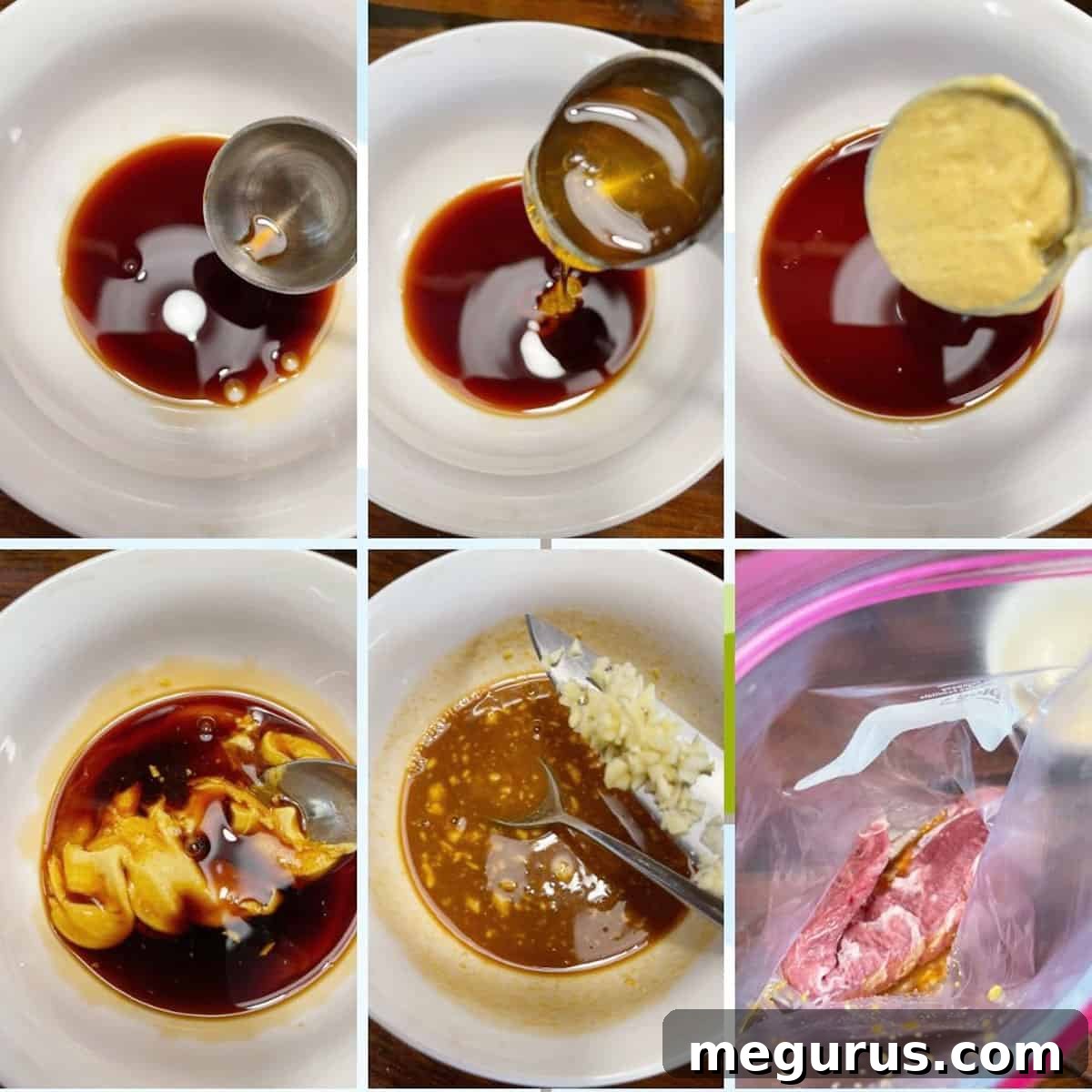
Making this marinade is incredibly simple, requiring minimal effort for maximum flavor payoff. Follow these straightforward steps to prepare your pork for a delicious transformation, whether for grilling or baking.
- Gather and Combine the Core Ingredients: In a small mixing bowl or a liquid measuring cup, carefully combine the measured amounts of low-sodium soy sauce, creamy Dijon mustard, and runny honey. These three ingredients form the essential backbone of our flavorful marinade.
- Infuse with Aromatic Garlic: Introduce the finely minced fresh garlic to the mixture. The garlic will gradually infuse the marinade with its vibrant, pungent, and savory notes, enhancing the depth of flavor significantly.
- Whisk Until Smooth and Integrated: Using a whisk or a fork, vigorously stir all the ingredients together until they are thoroughly combined and the mixture achieves a smooth, uniform consistency. Ensure the honey is fully dissolved and completely incorporated into the liquids, creating a homogeneous marinade.
- Prepare for Marinating: Carefully transfer the freshly made marinade into a suitable, non-reactive container for your pork. A zip-lock style plastic bag is highly recommended as it allows for excellent surface contact and easy tossing of the meat. Alternatively, you can use a shallow glass pan or a non-reactive bowl (it’s important to avoid metal pans for marinating, as the acids in the marinade can potentially react with the metal).
- Add the Pork: Place your chosen cut of pork – whether it’s a tenderloin, pork chops, or steaks – gently into the bag or container with the prepared marinade.
- Ensure Even Coating: Once the pork is in the marinade, seal the bag securely (or cover the bowl/pan tightly with plastic wrap). Gently massage the bag or toss the pork within the container to ensure every surface of the meat is thoroughly and evenly coated with the marinade. This crucial step guarantees consistent flavor distribution throughout the pork.
- Marinate for Optimal Flavor: For quick meals, you can marinate the pork at room temperature for up to 30 minutes, ensuring it’s not left out longer for food safety. For a deeper, more infused flavor, refrigerate the pork and marinate for a minimum of 2 hours, and up to 24 hours. Many cooks find that marinating for around 8 hours strikes the perfect balance, making it ideal to set the pork in the morning for a deliciously flavorful dinner. Remember, longer marinating times (within the safe limit) allow for greater flavor penetration into the meat.
Mastering the Cook: BBQ Grill vs. Oven Baking for Marinated Pork
Once your pork has absorbed the delicious flavors of the marinade, the next step is to cook it to perfection. Both the BBQ grill and the oven offer excellent results, each imparting unique characteristics to the finished dish. Choose the method that best suits your preference, available equipment, and the weather conditions.
Cooking Marinated Pork in the Oven: For Consistent Tenderness
Baking pork in the oven provides a consistent, controlled heat environment, making it a reliable and foolproof method for achieving tender, juicy results every time. This method is particularly forgiving and works wonderfully regardless of outdoor conditions.
- Preheat Your Oven Accurately: Begin by preheating your oven to a robust 425°F (220°C). A hot oven is essential for quickly searing the exterior of the pork during the initial phase, which helps to lock in the precious juices and build flavor.
- Prepare Your Skillet: Select an oven-safe skillet, such as a high-quality cast-iron pan, which is excellent for retaining and distributing heat evenly. Heat a small amount of cooking oil (like olive oil, canola oil, or avocado oil) over medium-high heat on your stovetop until it shimmers and just begins to smoke lightly.
- Sear the Pork for Flavor and Crust: Carefully remove the pork from the marinade, allowing any excess liquid to drip back into the container. It’s important to reserve the remaining marinade for basting later. Place the pork into the hot skillet and sear it on all sides until it develops a beautiful golden-brown crust. This crucial searing step is vital for building a deep, rich flavor and appealing texture.
- Transfer to Oven: Once the pork is nicely seared on all sides, carefully transfer the entire oven-safe skillet directly to your preheated oven.
- Baste and Cook to Perfection: As the pork bakes, regularly baste or brush it with the reserved marinade. This step is key to adding an extra layer of flavor and ensuring the pork remains moist throughout the cooking process. Continue cooking until the internal temperature of the pork reaches 140-145°F (60-63°C) when measured with an instant-read thermometer inserted into the thickest part of the meat (avoiding bones). Cooking times will naturally vary based on the initial thickness and size of your pork cut, typically ranging from 15 to 25 minutes for tenderloin or thicker chops.
- Rest Before Serving: Once the pork reaches the desired internal temperature, immediately remove it from the oven. Transfer it to a clean cutting board and allow it to rest, loosely tented with foil, for 5-10 minutes. This critical resting period allows the muscle fibers to relax and the juices to redistribute evenly throughout the meat, resulting in incredibly tender, moist, and flavorful pork. Resist the urge to slice it too soon!
Grilling Marinated Pork on the BBQ: For Smoky Char and Outdoor Flavor
Grilling adds an undeniable smoky flavor and beautiful char marks, making it the perfect method for summer cookouts or anyone who loves that distinctive outdoor cooking taste and crispy exterior.
- Preheat Your Grill Adequately: Preheat your BBQ grill to medium-high heat. Ensure the grates are thoroughly cleaned to prevent sticking and to achieve those desirable, sharp sear marks.
- Prepare the Pork for Grilling: Remove the pork from the marinade, letting any excess liquid drip off. Just like with oven cooking, be sure to reserve the remaining marinade for basting during the grilling process.
- Sear on Direct Heat: Place the pork directly on the hottest part of the grates (direct heat) to sear and brown all sides quickly. This initial searing creates a flavorful crust and an attractive exterior.
- Move to Indirect Heat: After achieving a good sear, move the pork to the upper rack or a cooler part of the grill (indirect heat). This allows the pork to cook through gently without burning the exterior.
- Baste and Cook to Temperature: Close the grill lid to allow for even cooking and to trap the smoky flavors. Baste the pork regularly and generously with the reserved marinade. Continue grilling until the internal temperature of the pork reaches 140-145°F (60-63°C). Depending on the thickness of the pork, this usually takes about 10-15 minutes on indirect heat.
- Rest and Serve: Just like oven-cooked pork, it is crucial to always allow grilled pork to rest for 5-10 minutes after removing it from the grill before slicing and serving. This ensures maximum juiciness and tenderness, allowing the flavors to settle and intensify.
Achieving Perfectly Juicy Pork: Essential Cooking Guidelines for Success
The key to truly delicious pork is mastering the cooking temperature and avoiding overcooking, which is the most common culprit behind dry, tough meat. Modern cooking standards and culinary wisdom now allow for a slightly lower internal temperature, resulting in pork that is wonderfully tender, moist, and incomparably juicy.
The Golden Temperature: 145°F (63°C)
Gone are the days when pork had to be cooked to a dry, unappetizing 160°F (71°C). The USDA now officially recommends cooking whole cuts of pork to an internal temperature of 145°F (63°C), followed by a brief resting period. At this recommended temperature, the pork will have a beautiful, slightly rosy-pink interior, which is not only perfectly safe to consume but also the hallmark of optimal juiciness and tenderness. If you plan to allow your pork to rest for 5 minutes after removing it from the heat source (which is highly recommended), you can actually pull it off the grill or out of the oven when it reaches 140°F (60°C). The phenomenon of “carryover cooking” means the residual heat will naturally bring the internal temperature up to the ideal 145°F (63°C) during that crucial resting period.
The Instant-Read Thermometer: Your Best Friend in the Kitchen
An instant-read meat thermometer is not just a kitchen gadget; it is an invaluable and essential tool for achieving perfectly cooked pork every single time. It completely eliminates guesswork, allowing you to hit that sweet spot of 145°F (63°C) with precision, thereby preventing the common pitfalls of dry, overcooked meat. Always insert the thermometer into the thickest part of the meat, being careful to avoid any bones, as bone proximity can lead to an inaccurate temperature reading. Investing in a good instant-read thermometer will truly elevate your pork cooking game.
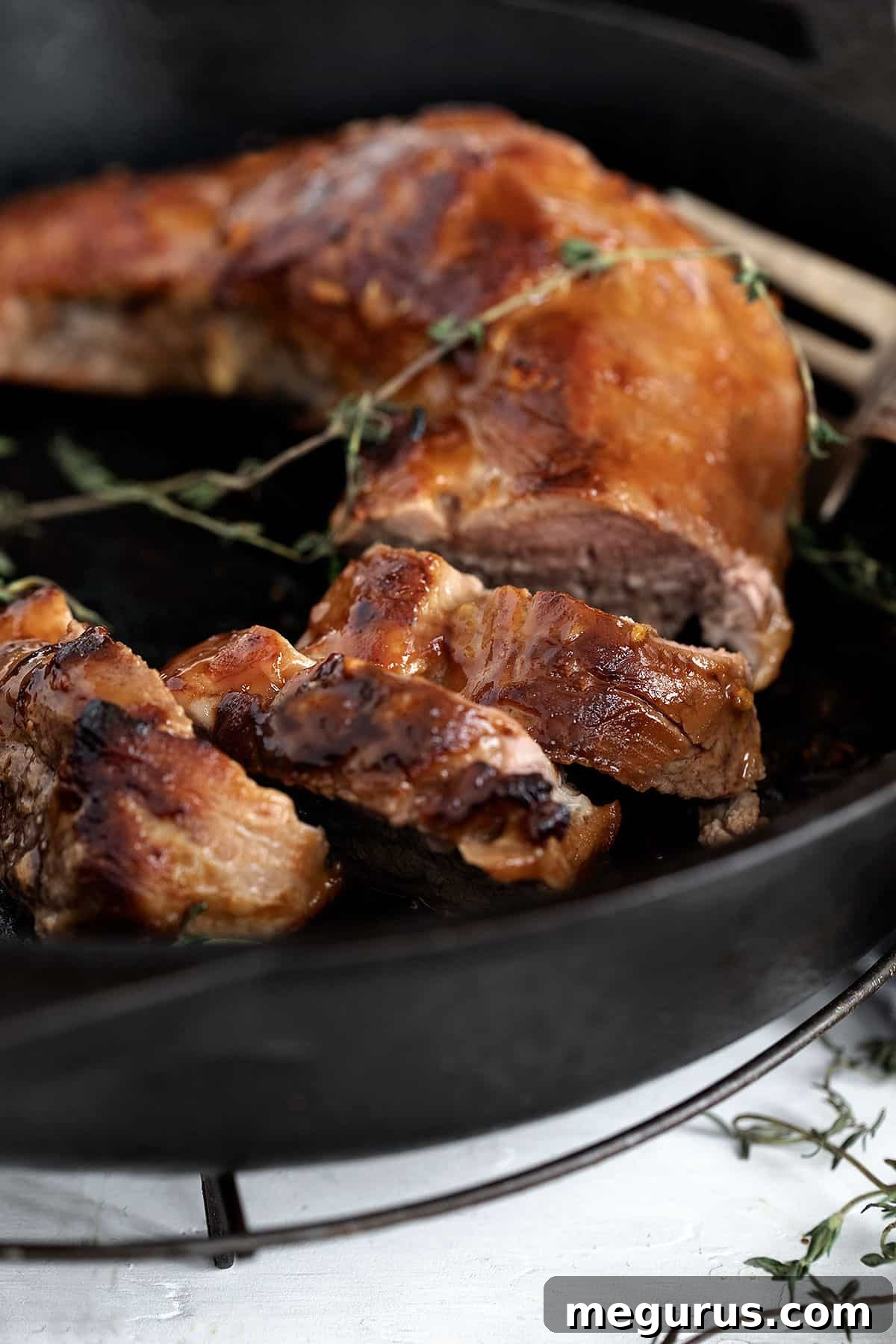
Important Food Safety Tips for Marinating and Cooking Pork
Ensuring food safety is paramount when working with raw meat and marinades. Following these simple yet critical guidelines will help you prepare and enjoy your marinated pork safely, minimizing any potential risks.
- Refrigeration is Absolutely Key: Raw pork should never be left to marinate at room temperature for more than 30 minutes. The warm environment can encourage rapid bacterial growth. Therefore, any marinating time exceeding 30 minutes must occur in the refrigerator, where cooler temperatures inhibit bacterial activity. You can safely marinate pork in the fridge for up to 24 hours. While longer marinating times can infuse more flavor, marinating for excessively long periods (beyond 24 hours) can sometimes alter the texture of the meat, making it mushy, so sticking to the recommended maximum is best.
- Safe Basting Practices: It is perfectly safe to use the marinade that the pork has been marinating in to baste or brush the pork while it cooks on the grill or in the oven. The high heat of the cooking process will effectively cook the marinade along with the pork, eliminating any potential bacteria. Basting with the reserved marinade during cooking not only adds incredible flavor but also helps to keep the pork moist and tender. Ensure the marinade comes into contact with the heat for a sufficient amount of time.
- Never Use Uncooked Marinade Post-Cooking: This is a crucial food safety point. Never, under any circumstances, use any uncooked marinade that has come into contact with raw pork to brush over or serve with the pork after it has finished cooking. At this stage, the raw marinade will not have a chance to reach a safe cooking temperature, and consuming it could pose a significant health risk due to potential bacteria from the raw meat.
- Handling Leftover Marinade Safely: If you wish to use any leftover marinade as a serving sauce for your cooked pork, it must be thoroughly cooked first to ensure it is safe for consumption. To do this, transfer the remaining marinade to a small saucepan and bring it to a vigorous, rolling boil over medium-high heat. Allow it to boil for at least 2-3 minutes. This intense heating process will effectively destroy any harmful bacteria, making it safe to serve as a delicious and flavorful accompaniment to your perfectly cooked pork.
Easy 3-Ingredient Pork Marinade: Your Go-To Recipe!
An incredibly simple yet delicious pork marinade, perfect for creating juicy pork tenderloin or flavorful pork chops. This recipe is your secret weapon for quick, easy, and undeniably tasty meals that impress every time. Prepare to elevate your pork dishes with minimal effort!
Pin This Recipe
Leave a Review
Prep Time: 5 mins
Cook Time: 30 mins
Total Time: 35 mins
Yield: 4 servings
Ingredients for the Marinade
- 3 Tablespoons low-sodium soy sauce (highly recommended for best flavor control)
- 3 Tablespoons Dijon mustard (or regular prepared yellow mustard for a milder tang)
- 3 Tablespoons runny honey (or maple syrup for an alternative sweetness)
- 1 clove garlic, finely chopped or minced (fresh is best for vibrant flavor)
Step-by-Step Instructions
- This foundational recipe is sufficient for one pork tenderloin (approximately 1-1.5 lbs), a pair of large pork chops, or three to four center-cut, boneless pork chops. If you are preparing a larger quantity of pork, feel free to easily double or even triple the marinade ingredients as needed.
- In a small mixing bowl or a liquid measuring cup, combine the soy sauce, honey, and Dijon mustard. Add the finely minced garlic to the mixture and whisk everything together vigorously until the marinade is smooth, homogeneous, and all ingredients are fully incorporated.
- Pour the prepared marinade over your chosen cut of pork. This can be done in a shallow glass bowl or, for maximum surface contact and ease, a resealable plastic bag (such as a zip-lock type). Toss or gently massage the pork within the marinade to ensure every surface is thoroughly coated. Cover the bowl with plastic wrap or seal the bag tightly.
- Marinate the pork for a minimum of 15 minutes at room temperature for a quick flavor boost. For a deeper, more infused flavor, refrigerate the pork and allow it to marinate for anywhere from 2 to 24 hours. Remember that any marinating period exceeding 30 minutes must be done in the refrigerator for food safety. The longer the marination time (up to 24 hours), the more pronounced the flavors will be.
- To cook using the stovetop/oven method: Preheat your oven to 425°F (220°C). In an oven-safe skillet (a cast-iron skillet is ideal for its heat retention), heat a small amount of cooking oil over medium-high heat on your stovetop until it’s shimmering. Remove the pork from the marinade, allowing any excess to drip back into the bag or bowl, and reserve the remaining marinade for basting. Place the pork into the hot skillet and sear it on all sides until nicely browned. Transfer the skillet directly to the preheated oven. Baste/brush the pork regularly and generously with the reserved marinade while it cooks. Continue cooking until the internal temperature of the pork reaches 140-145°F (60-63°C), typically about 15-25 minutes, depending on the pork’s size and thickness. Once cooked, allow the pork to rest for 3-5 minutes on a cutting board before slicing and serving; this crucial step ensures maximum juiciness.
- To cook on a BBQ grill: Preheat your BBQ grill to medium heat. Remove the pork from the marinade, letting excess drip back, and reserve the remaining marinade for basting. Place the pork on the grates closest to the heat to grill briefly, allowing it to brown thoroughly on all sides. Once seared, move the pork to the upper rack or a cooler section of the grill (indirect heat). Close the lid, and baste/brush the pork regularly and generously with the reserved marinade. Continue cooking until the internal temperature of the pork reaches 140-145°F (60-63°C), which typically takes about 10-15 minutes on indirect heat, depending on the pork’s size and thickness. As with oven cooking, allow the pork to rest for 3-5 minutes before slicing and serving to preserve its juiciness.
Chef’s Notes & Food Safety
General Guidance for Cooking Pork:
It’s crucial to avoid overcooking pork, as this is the primary cause of dry and tough meat. Current cooking standards recommend that whole cuts of pork only need to be cooked to an internal temperature of 145°F (63°C), a significant change from the previous 160°F (71°C) guidelines. For the juiciest results, if you plan to let the pork rest for 5 minutes after removing it from the heat, you can safely pull it off the oven or grill when it reaches 140°F (60°C). The residual heat (carryover cooking) will naturally bring its temperature up to the ideal 145°F (63°C) during the resting period.
Pork cooked to 145°F (63°C) will exhibit a wonderfully juicy texture with a slight hint of pink in the center, which is perfectly safe and highly desirable for optimal tenderness and flavor. An instant-read meat thermometer is an indispensable tool for accurately checking the internal temperature of the pork and ensuring you stop the cooking process at just the right moment, thereby preventing it from becoming dry. Always take the temperature reading in the very center of the thickest part of the meat, avoiding any bones.
Food Safety Notes:
Marinate pork in the refrigerator for any period longer than 30 minutes at room temperature. The maximum safe marinating time in the refrigerator is 24 hours. Marinating for too long can sometimes change the texture of the meat, making it mushy.
It is perfectly safe to use the marinade that the pork has been marinating in to baste or brush the pork with as it cooks, both in the oven and on the grill. The heat from the cooking process will thoroughly “cook” the marinade, eliminating any potential bacteria. However, it is critically important never to use uncooked marinade that has been in contact with raw pork on the pork once it is out of the oven or off the grill, as it will not have a chance to cook through. If you wish to use any leftover marinade as a serving sauce, the only safe solution is to transfer it to a saucepan or microwave-safe bowl and heat it to a rolling boil for at least 2-3 minutes. At this point, it would be safe to use on the pork after cooking.
Please note: The nutritional information provided below is calculated for the marinade ingredients only, as listed, and does not include the pork itself or any additional ingredients.
Cuisine: American, Canadian
Course: Main Course, Dinner
Author: Jennifer Maloney
Nutrition Information (Marinade per serving):
- Serving: 1 serving
- Calories: 64 kcal
- Carbohydrates: 15g
- Protein: 2g
- Fat: 1g
- Saturated Fat: 1g
- Polyunsaturated Fat: 1g
- Monounsaturated Fat: 1g
- Trans Fat: 1g
- Sodium: 879mg
- Potassium: 57mg
- Fiber: 1g
- Sugar: 13g
- Vitamin A: 8 IU
- Vitamin C: 1mg
- Calcium: 12mg
- Iron: 1mg
If you enjoyed crafting this delightful recipe, we encourage you to leave a star rating and comment! Your feedback helps others discover and enjoy this fantastic pork marinade too.
Explore More Delicious Pork Recipes to Love!
If you’ve enjoyed the simplicity and incredible flavor of this easy pork marinade, your culinary journey with pork doesn’t have to end here! We have a host of other incredible pork recipes that promise to tantalize your taste buds and inspire your culinary adventures. From sophisticated tenderloin dishes perfect for special occasions to quick and hearty pork chop preparations ideal for weeknights, there’s something here for every palate and occasion. Dive into these delightful recipes and discover new, exciting ways to enjoy pork at its very best. Happy cooking!