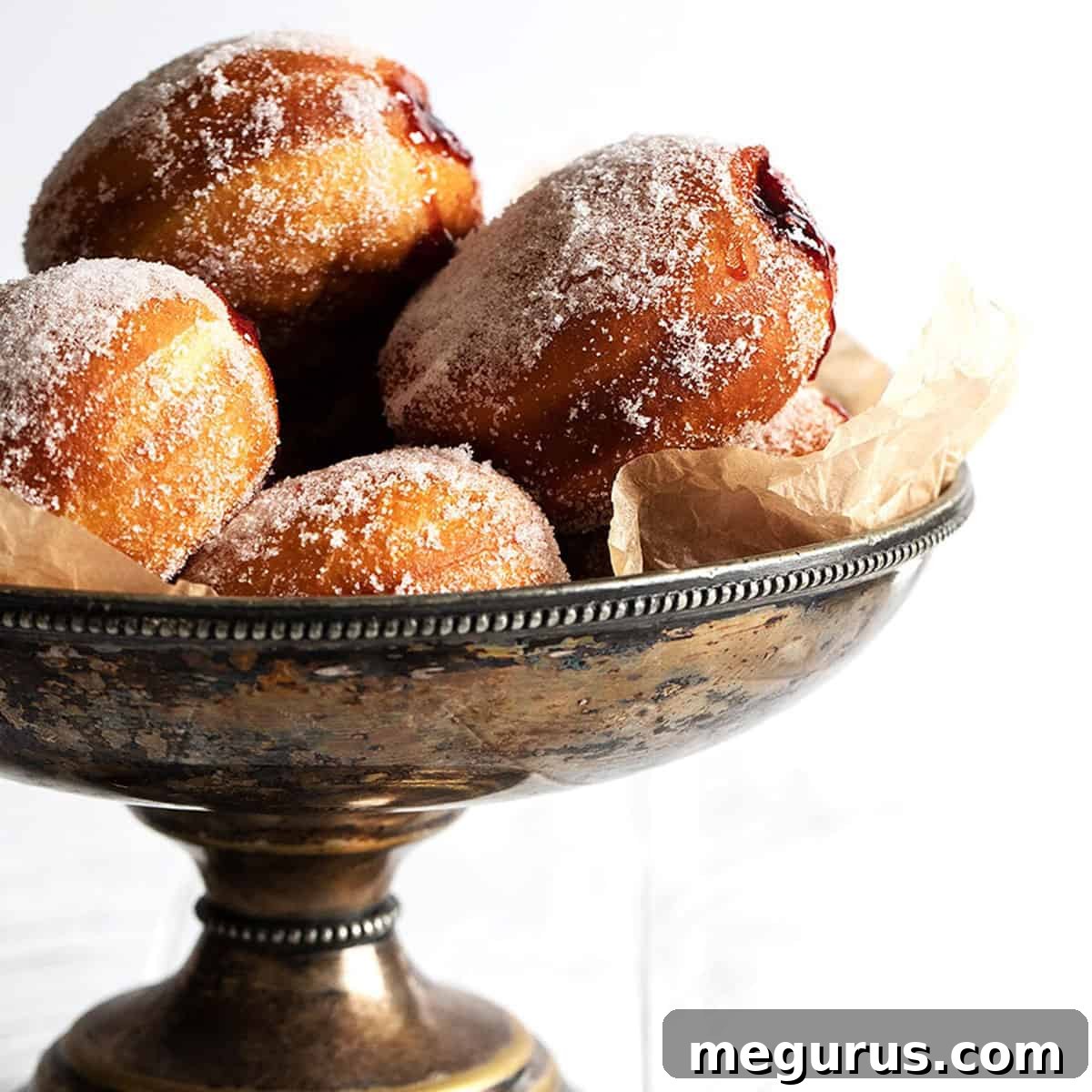
Indulge in Tradition: The Authentic Polish Pączki Recipe for Fat Tuesday
There’s nothing quite like a homemade batch of authentic Polish Pączki to celebrate the final days before the solemnity of Lent begins. These delectable Polish donuts are a time-honored tradition, most notably enjoyed on Fat Tuesday or Fat Thursday in February, offering a last delicious hurrah of rich flavors before the fasting season. This recipe guides you through creating these perfectly puffy, fruit-filled delights, ensuring your celebration is as authentic and delicious as possible.
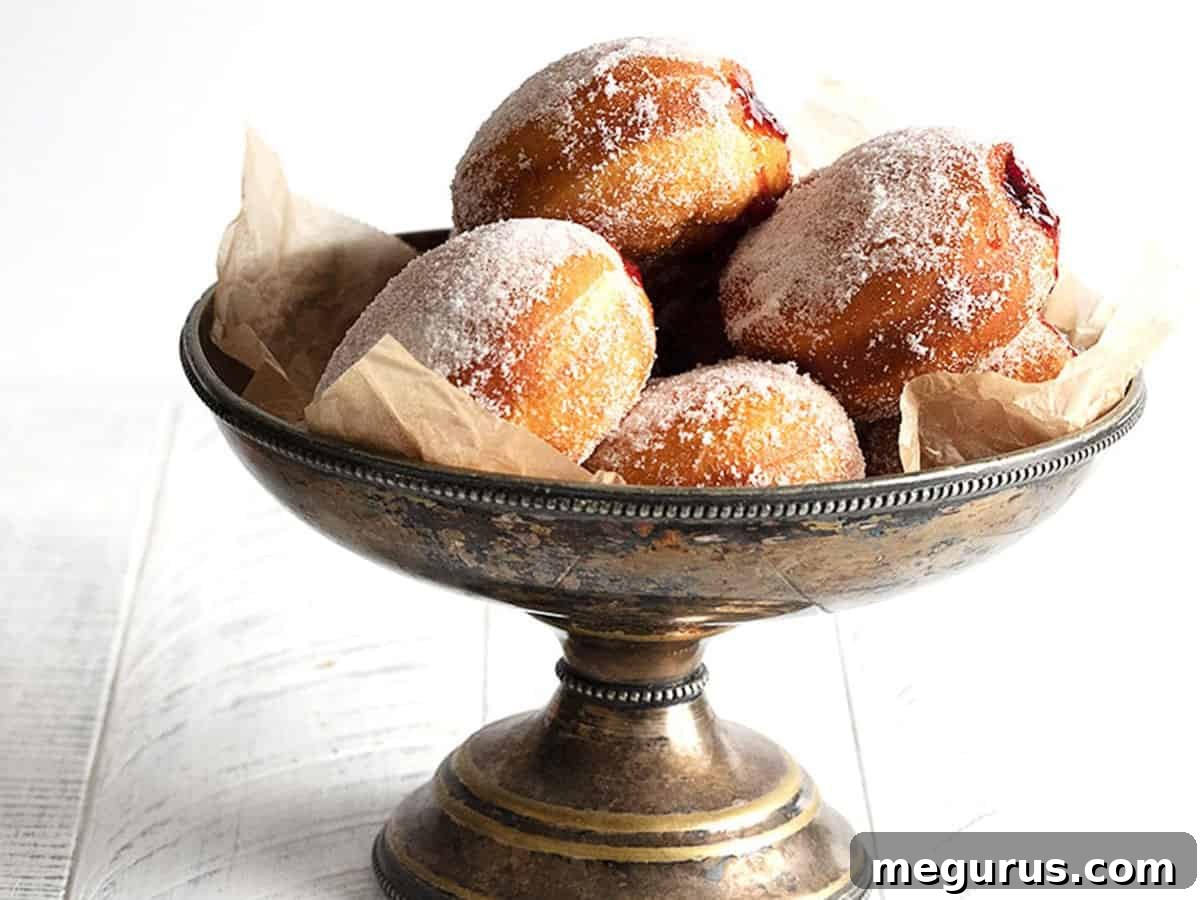
When the vibrant spirit of Fat Tuesday or Mardi Gras sweeps across the globe, many cultures have their own unique culinary traditions. For Poles, and Polish communities worldwide, this celebration is synonymous with Pączki Day! These aren’t just any donuts; they are a truly special, rich, and indulgent treat that makes for a perfectly decadent splurge before the Lenten fast. Their heritage is deeply rooted in utilizing all remaining rich ingredients like eggs, sugar, and fats before a period of abstinence, making them a delicious symbol of feasting.
What Exactly are Pączki? A Dive into Polish Donut History and Delights
Pączki (pronounced “POONCH-key” or “PAUNCH-key” in North America, with slight regional variations) are much more than typical donuts. While they share the basic concept of fried dough, Pączki are distinctively rich and dense, yet incredibly airy when properly made. The dough is uniquely enriched with a generous amount of eggs, fats (like butter or lard), sugar, and often milk, giving them a more substantial and luxurious texture compared to a lighter, American-style donut. After frying to a beautiful golden brown, these spherical delights are typically filled with an array of sweet fillings and finished with a dusting of powdered sugar, granulated sugar, or a delicate glaze.
The Rich Tradition and Variety of Pączki Fillings
The choice of filling is where much of the Pączki magic lies. In Poland, traditional fillings often feature stewed plum jam (powidła śliwkowe) or wild rose hip jam (dżem z róży). These classic choices reflect the availability of fruits and preserves made during the harvest season. However, the versatility of Pączki allows for a wide range of delicious options. You’ll frequently find them filled with other fruit jams such as strawberry, raspberry, blueberry, or apple. For those who prefer a creamy indulgence, prune filling, poppy seed filling, or a luscious Bavarian cream are popular choices, adding another layer of decadence to these already rich pastries. The key is to choose a filling that is thick enough to pipe cleanly into the donut but still smooth and enjoyable to eat.
When Do We Eat Pączki? Fat Thursday vs. Fat Tuesday
The timing of Pączki consumption is steeped in tradition, varying slightly between Poland and North America. In Poland, Pączki are traditionally eaten on Tłusty Czwartek, or “Fat Thursday,” which falls on the last Thursday before Ash Wednesday, marking the start of Lent. This day is a joyous occasion for indulging in rich foods. Historically, making Pączki was a practical way to use up all the lard, sugar, eggs, and fruit preserves in the house before the fasting requirements of Lent. In North America, particularly in communities with large Polish populations, “Paczki Day” often takes place on Fat Tuesday (Mardi Gras or Shrove Tuesday), the day immediately preceding Ash Wednesday. Interestingly, some vibrant communities celebrate on both Fat Thursday and Fat Tuesday, extending the festive indulgence!
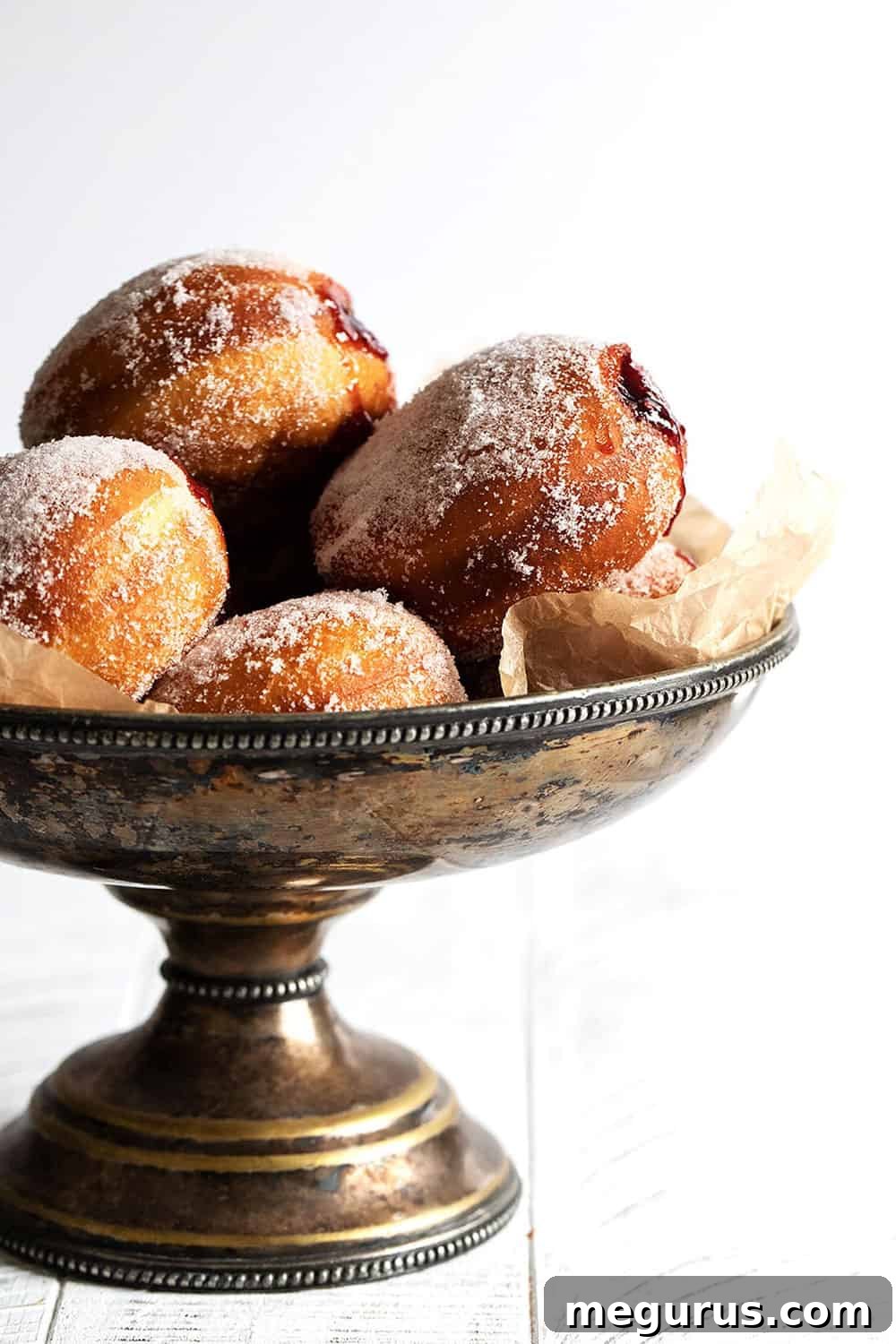
Crafting Your Pączki: Essential Ingredients and Smart Substitutions
Creating perfect Pączki starts with understanding the role of each ingredient and making smart choices. Here’s a breakdown of what you’ll need and potential substitutions to ensure success:
- Yeast: You have flexibility here. Both active dry yeast and instant yeast (like SAF Brand, a popular choice for bakers) work wonderfully. Just be sure to avoid “rapid rise” or “quick rise” yeasts for this recipe, as they can alter the rising time and final texture. Proper yeast activation is crucial for light and airy Pączki.
- Flour: Regular all-purpose flour is ideal for Pączki. While I personally prefer unbleached all-purpose flour for its slightly higher protein content and lack of chemical bleaching, standard bleached all-purpose flour will also yield excellent results. The key is to use just enough flour to create a moist but not sticky dough, avoiding a dense or dry Pączki.
- Milk: For the richest flavor and most tender crumb, whole milk (typically 3-3.5% butterfat, known as Homo milk in Canada) is highly recommended. The fat content contributes significantly to the Pączki’s signature richness and soft texture. Scalding and then cooling the milk is important for activating the yeast correctly and improving dough structure.
- Filling: The world is your oyster when it comes to Pączki fillings! My personal favorite is a vibrant raspberry jam, but any good quality fruit jam, such as blueberry, cherry, or strawberry, will be delightful. Apple jam or compotes offer a comforting flavor, and for a creamier option, Bavarian cream is always a hit. Regardless of your choice, ensure the filling has the right consistency—not too thin (which would make it runny) and not too thick (which would be difficult to pipe).
- Oil for Frying: A neutral-tasting oil with a high smoke point is essential for deep-frying Pączki to golden perfection. Vegetable oil is a reliable choice, but canola oil, sunflower oil, or even peanut oil would work well. Avoid oils with strong flavors or low smoke points, as they can burn easily and impart an undesirable taste.
- Other Essentials: Don’t forget eggs (specifically large egg yolks for richness), granulated white sugar for sweetness, butter for tenderizing the dough, a touch of vanilla for aroma, and salt to balance the flavors.
Tip! For those seeking to replicate the most traditional Pączki experience, some authentic recipes include a small amount of high-proof alcohol, such as vodka or rum, in the dough. Adding about 1-2 tablespoons of vodka with the eggs is believed to enhance the flavor, prevent excessive oil absorption during frying, and contribute to a wonderfully light and airy texture. It’s a subtle addition that can make a noticeable difference!
A Visual Guide: Step-by-Step Pączki Preparation
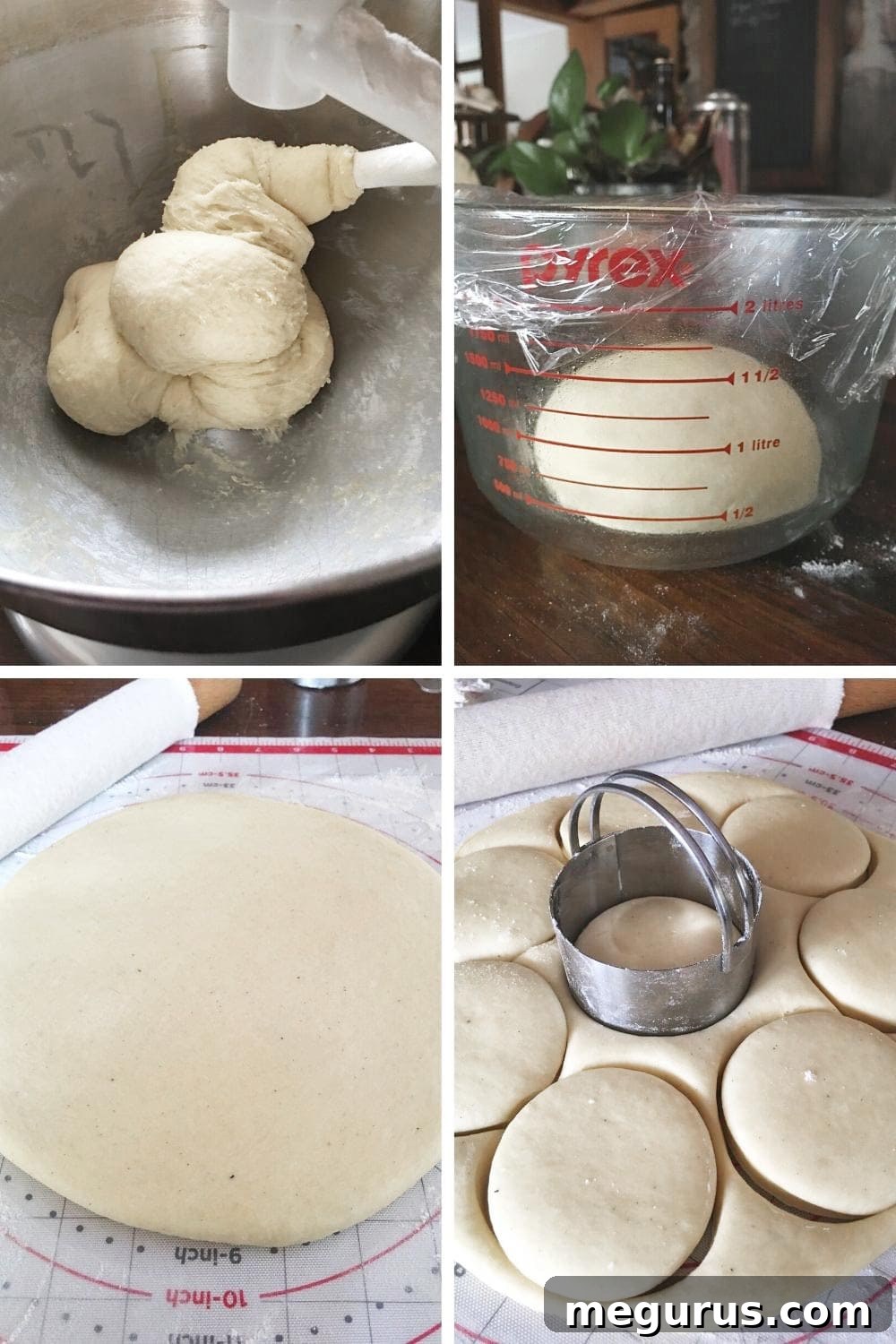
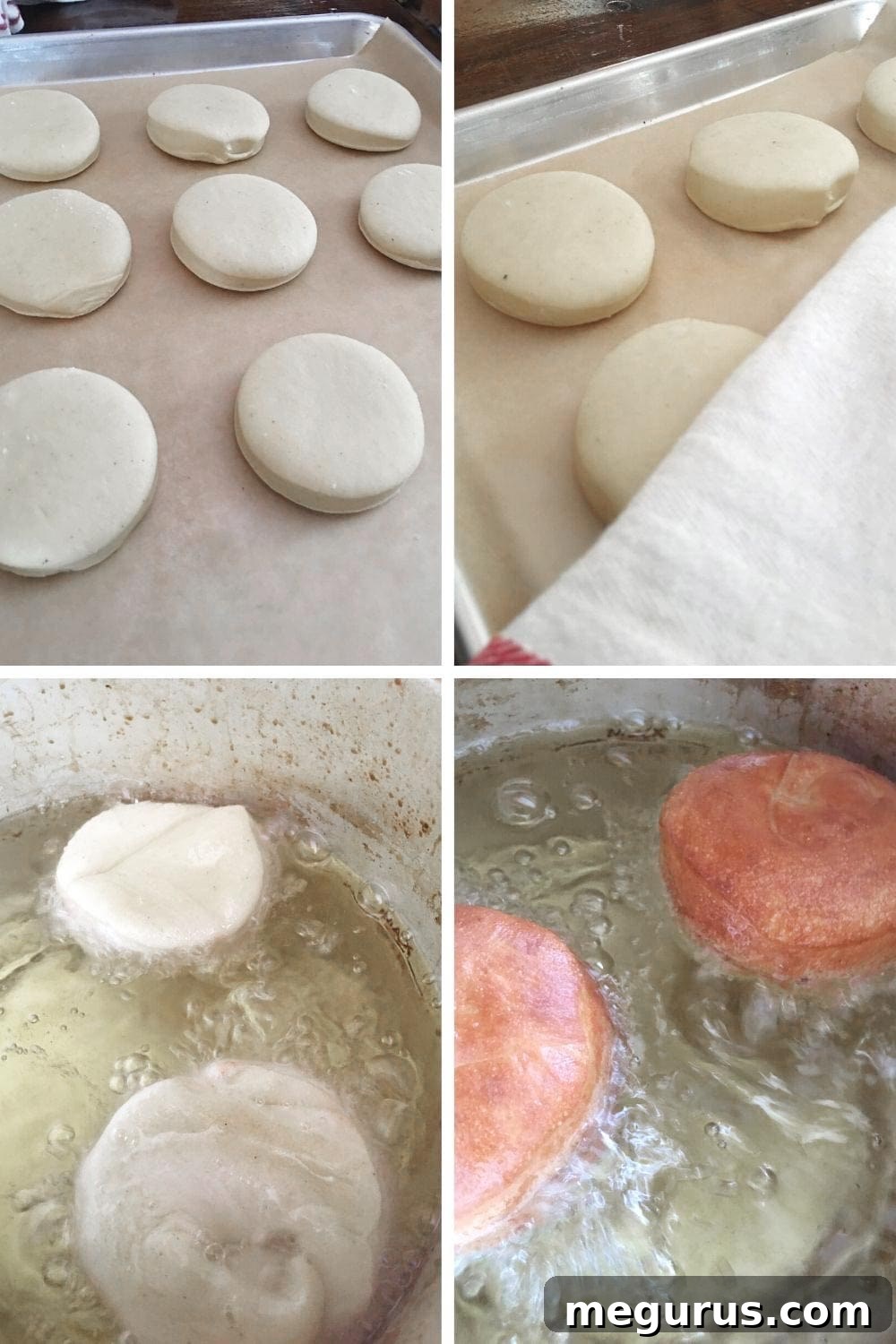
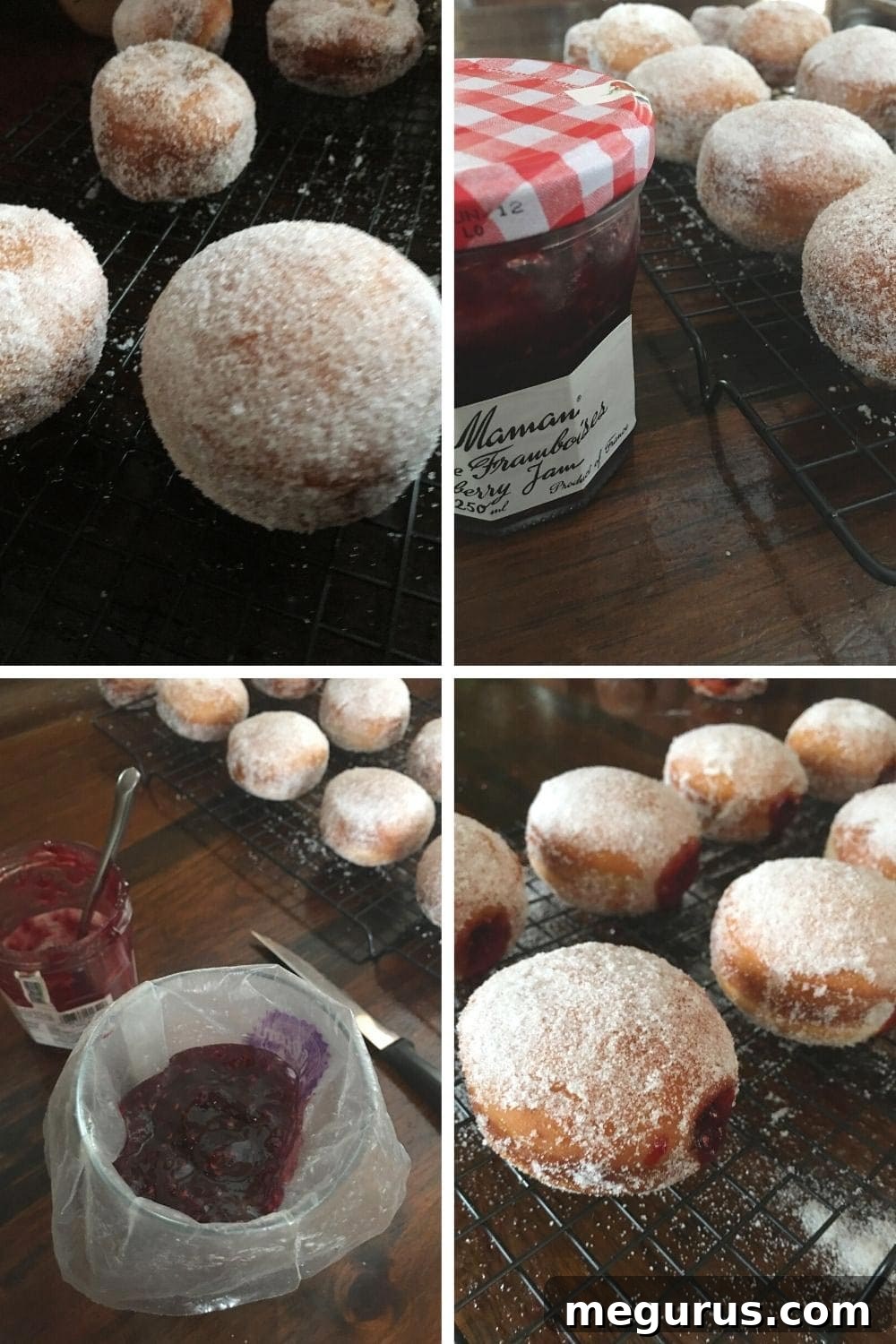
Sometimes, seeing is believing, and a visual overview can be incredibly helpful when mastering a new recipe. The following photos provide a quick visual summary of the Pączki-making process. For precise measurements and detailed instructions, always refer to the complete recipe card below.
Mastering Pączki Frying: Expert Tips for Perfect Polish Donuts
Achieving perfectly fried Pączki requires a bit of attention to detail, but with these expert tips, you’ll be frying like a pro:
- Choosing Your Coating: The finishing touch on your Pączki is entirely up to personal preference! I adore the satisfying crunch of Pączki rolled in granulated sugar, but a delicate glaze made from icing sugar and a touch of milk is also a popular choice. For a simple and elegant finish, a dusting of icing or confectioners’ sugar works beautifully. No matter how you dress them, these fried delights are an utterly delicious and indulgent treat.
- Frying Equipment and Safety First: While a dedicated deep fryer certainly simplifies the process by maintaining a consistent oil temperature and offering enhanced safety, it’s by no means essential. A deep, heavy-bottomed pot (like a Dutch oven) with high sides works perfectly. The most critical tool, however, is a reliable portable thermometer to constantly monitor the oil temperature. Safety is paramount when deep frying: always keep a lid handy to smother any potential oil fires (simply cover the pot), and ensure children and pets are kept well away from the hot oil.
- The Critical Importance of Oil Temperature: This is arguably the most crucial aspect of perfect Pączki. If your oil is too hot, the exterior will brown rapidly while the interior remains raw or undercooked. Conversely, if the oil isn’t hot enough, the dough will absorb too much oil, resulting in greasy and heavy Pączki instead of light and fluffy ones. Aim for a consistent temperature of 360°F (180°C). Use your thermometer diligently, and avoid overcrowding the pot, as adding too many Pączki at once will drastically lower the oil temperature. Fry them in small batches to maintain optimal heat.
- Timing Your Coating for Perfection: For the best adherence and crunch, Pączki rolled in granulated sugar should be coated while they are still warm, immediately after removing them from the fryer and draining briefly. The residual heat helps the sugar melt slightly and cling beautifully. If you’re opting for powdered sugar, however, wait until the Pączki have cooled completely to prevent the sugar from melting and disappearing. For the freshest look, powdered sugar is best added just before serving.
- Adjusting to Your Fryer’s Quirks: Every deep fryer and stovetop setup is a little different. While 360°F (180°C) is a good starting point, don’t hesitate to adjust the temperature slightly up or down as needed to find the “sweet spot” for your specific equipment. Pay attention to how quickly they brown and ensure they are cooked through. A test Pączki (perhaps an imperfectly cut one) is always a good idea to check cooking consistency before frying the entire batch.
- Optimal Dough Handling and Proofing: Yeast is a living organism, and its activity is sensitive to temperature. Ensure your milk is lukewarm (around 105°F / 40°C) when activating the yeast, not too hot or cold. For proofing, a warm, draft-free environment is key. If your kitchen is cool, you can proof dough in a slightly warmed oven (turned off!) or a sunny spot. Don’t rush the rising process; allow the dough to double in size for the best texture.
Storing Your Homemade Pączki: Enjoying Them Beyond “Paczki Day”
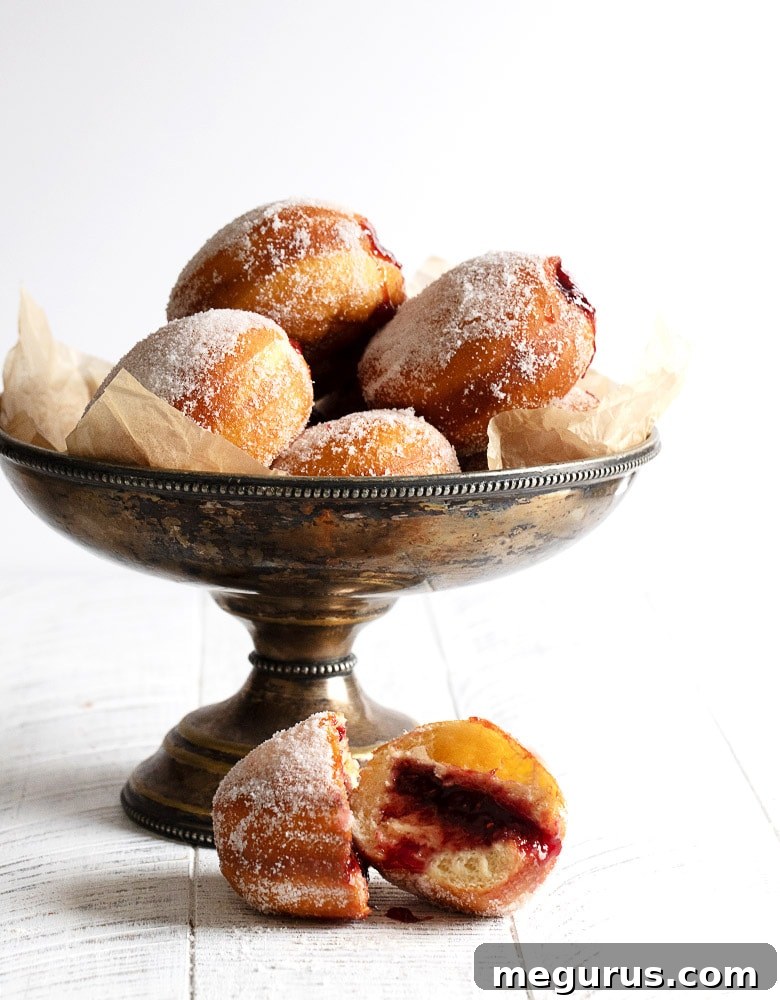
While Pączki are undeniably at their absolute best when fresh out of the fryer, warm and fragrant, they are still wonderfully delicious the next day. To maintain their quality, avoid wrapping them too tightly, as this can cause the sugar coating to become moist and sticky. For longer preservation, Pączki freeze beautifully! To freeze, allow them to cool completely, then wrap each Pączki individually in plastic wrap and place them in an airtight freezer-safe bag or container. They will keep well in the freezer for up to 3 months. When you’re ready to enjoy, simply thaw them on the counter for about 30 minutes, or gently warm them in a low oven for a few minutes for a taste of fresh-fried goodness.
Authentic Polish Paczki Recipe
Paczki are a traditional Polish treat, perfect for Fat Thursday or Fat Tuesday. These rich, fried donuts can be coated in granulated sugar, powdered sugar, or a thin glaze, and filled with your favorite jam or custard. This recipe yields 10-12 delicious paczki.
Prep Time: 30 mins | Cook Time: 30 mins | Rising Time: 2 hrs 20 mins | Total Time: 3 hrs 20 mins
Yield: 10-12 paczki
Print Recipe |
Pin This |
Leave a Review
Ingredients
- 2 1/4 tsp (7 g) dry active or instant yeast (not rapid or quick-rise yeast)
- 1 cup (227 ml) whole milk (3% b.f.) scalded and cooled to lukewarm
- 2 large egg yolks
- 1/4 cup (50 g) granulated white sugar
- 2 Tbsp butter, melted
- 1/2 tsp vanilla extract
- 1/2 tsp salt
- 3 – 3 1/2 cups (360 – 420 g) all-purpose flour (use only as much as needed for a moist, non-sticky dough)
- Oil, for frying (e.g., vegetable, canola)
- White Granulated Sugar, for dusting after frying
- Jam or custard, for filling (suggested: Raspberry, Blueberry, Cherry or Strawberry Jam)
Instructions
- In a small saucepan, gently heat the milk until it’s steaming and small bubbles form around the edges (about 180°F / 82°C). Do not boil. Remove from heat and allow it to cool down to a lukewarm temperature (about 105°F / 40°C). This step is crucial; ensure the milk has cooled properly, as overly hot milk can kill the yeast.
- In a large mixing bowl or the bowl of a stand mixer, dissolve the yeast in the lukewarm milk. Let it stand undisturbed for 5 minutes. Then, add 1 cup of the all-purpose flour, mix briefly, and allow this mixture to stand for another 20-30 minutes, or until it becomes very bubbly and foamy, indicating active yeast.
- While the yeast mixture is proofing, beat the egg yolks in a small separate bowl until they are light in color and fluffy.
- To the bubbly yeast mixture, add the melted butter and granulated sugar, and mix until well combined. Stir in the salt and vanilla extract. Incorporate the beaten egg yolks. Gradually add the remaining flour, small increments at a time, mixing until you achieve a soft, moist dough that is no longer sticky.
- Transfer the dough to a lightly floured work surface and knead gently for about 1 minute. Add a small amount of extra flour if the dough is sticking to your hands or the surface. Form the kneaded dough into a smooth ball.
- Lightly grease a clean bowl, place the dough ball inside, and turn it once to coat. Cover the bowl with plastic wrap and let the dough rise in a warm, draft-free place until it has doubled in size. Be patient, as this dough can be a slow riser, sometimes taking up to 90 minutes for the first proof.
- Once doubled, gently deflate the dough and transfer it to a lightly floured cutting board. Using a rolling pin, carefully roll the dough into a circle approximately 1/2-inch thick. Using a 3-inch biscuit cutter, cut out circles of dough. Place these cut circles onto a parchment-lined baking sheet, cover them with a clean tea towel, and let them rise again until doubled in size (this second rise usually takes about 30 minutes). *Optional: You can re-roll dough scraps to cut more paczki, though these may not be as perfectly shaped. Use one of these “uglier” pieces as a test donut to check your oil temperature.
- Meanwhile, heat your frying oil to a consistent 360°F (180°C) in a deep fryer or a large, heavy pot. Carefully place 2-3 paczki at a time into the hot oil (do not overcrowd the pot, as this lowers the oil temperature). Fry until they are golden brown on one side, then flip them using chopsticks or tongs and fry the other side until deeply golden. Ensure they cook all the way through without rushing. Remove the fried paczki to a wire cooling rack for about 30 seconds, then immediately roll them in granulated sugar while they are still warm. Let them cool completely on the rack.
- Once the paczki have cooled, use a sharp knife or skewer to gently poke a small hole in the side of each donut. Using a pastry bag fitted with a large plain tip, pipe your chosen jam or custard filling generously into the center of each paczki.
- Paczki are truly best enjoyed when freshly made, but any delicious leftovers can be frozen for up to 3 months.
Notes
For additional helpful guidance, including more in-depth tips on frying and dough handling, as well as step-by-step photos, please refer to the detailed sections above the recipe card.
Cuisine: Polish | Course: Snack | Author: Jennifer Maloney
Nutrition Information (per serving): Serving: 1 serving, Calories: 227 kcal, Carbohydrates: 40 g, Protein: 6 g, Fat: 4 g, Saturated Fat: 2 g, Polyunsaturated Fat: 0.4 g, Monounsaturated Fat: 1 g, Trans Fat: 0.1 g, Cholesterol: 46 mg, Sodium: 146 mg, Potassium: 95 mg, Fiber: 1 g, Sugar: 6 g, Vitamin A: 159 IU, Vitamin C: 0.002 mg, Calcium: 42 mg, Iron: 2 mg
Tried this recipe? If you enjoyed this recipe, please consider leaving a star rating and comment. It helps others discover it!