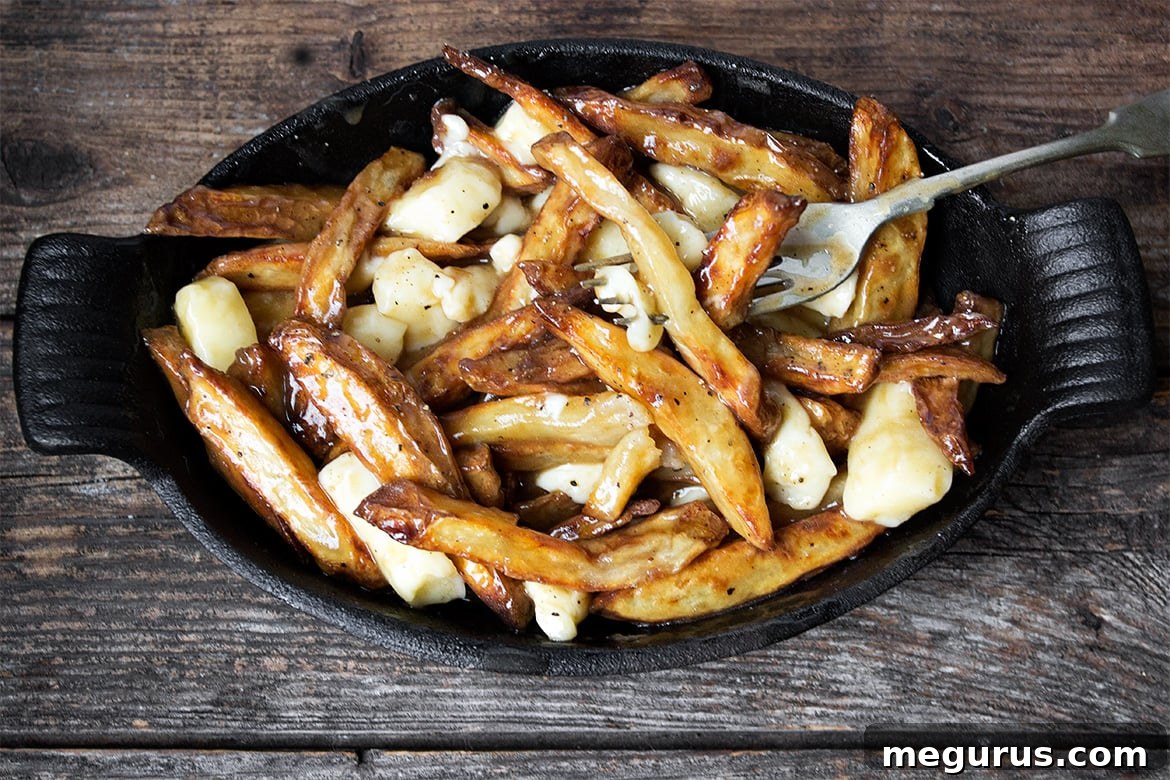
Welcome to the definitive guide to crafting authentic Canadian Poutine right in your own kitchen! Beyond just a recipe, we’ll delve into the heart of what makes this iconic dish truly special, exploring its rich history, the critical components, and insider tips to ensure your homemade poutine is nothing short of perfection. Prepare to master the art of crispy fries, rich gravy, and those signature squeaky cheese curds – a truly quintessential Canadian experience!
For any Canadian food enthusiast, Poutine holds a sacred place in our culinary landscape. It’s more than just a dish; it’s a cultural emblem, a comfort food staple, and an irresistible combination that has captured hearts worldwide. If you’ve ever savored its harmonious blend of golden fries, luscious gravy, and melted cheese curds, you already understand its magic. For those new to this delightful creation, you’re in for a treat. This comprehensive guide will equip you with all the knowledge and techniques needed to recreate this classic dish with genuine Canadian authenticity.
What Exactly is Poutine? Unpacking Canada’s Iconic Dish
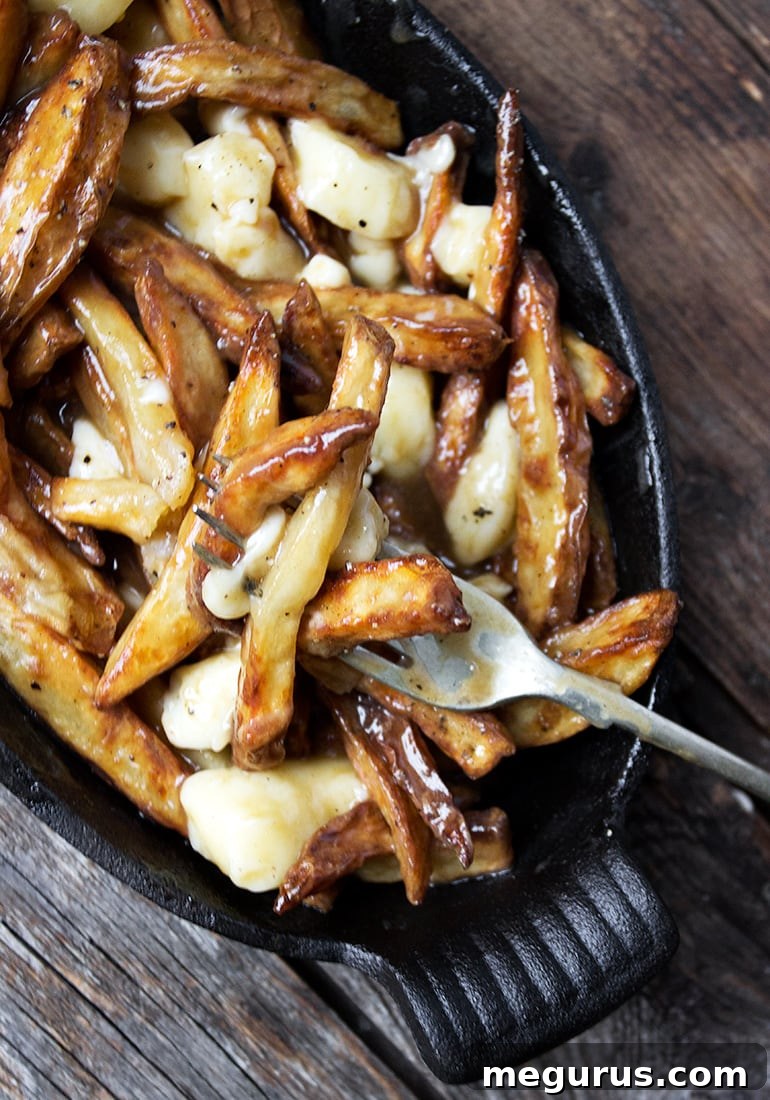
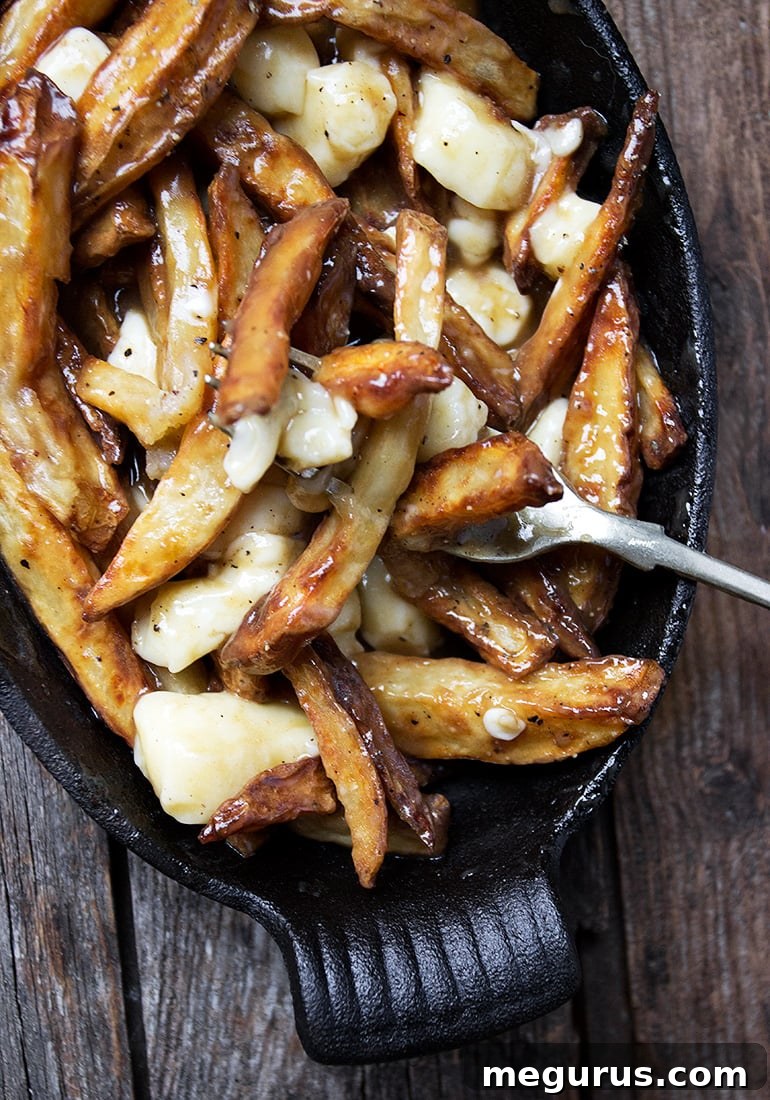
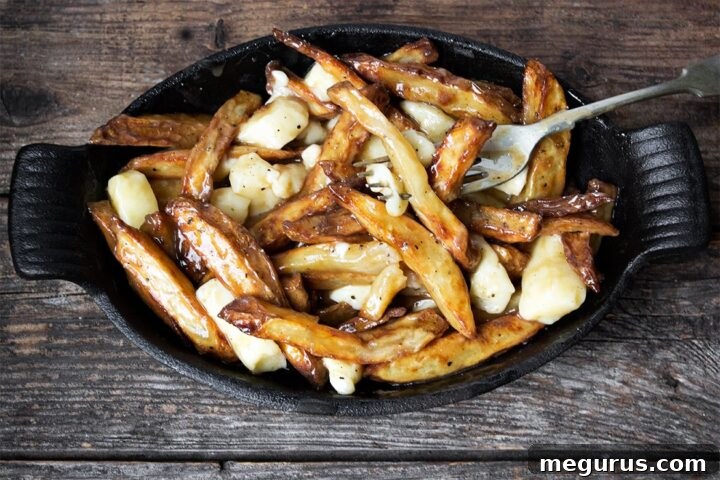
Poutine, at its core, is a deliciously simple yet incredibly satisfying dish originating from Quebec, Canada. It’s a culinary trinity comprised of three humble ingredients: hot, crispy French fries, a generous smothering of savory brown gravy, and an abundance of fresh cheese curds. When these elements come together, magic happens. The heat from the fries and gravy gently melts the curds, creating pockets of gooey, stretchy cheese that still retain a slight “squeak” when bitten. It’s a texture and flavor profile that’s uniquely Canadian and utterly addictive.
While often associated with late-night cravings or fast-food joints, authentic poutine elevates these simple ingredients into a gourmet experience. Its popularity has transcended Canadian borders, inspiring countless variations and interpretations, but the classic combination remains king. Understanding each component is key to achieving that perfect homemade version.
The Essential Ingredient: What Cheese to Use for Poutine?
When it comes to authentic poutine, the cheese curds are non-negotiable. They are the soul of the dish, providing that signature texture and subtle dairy flavor that sets poutine apart. Cheese curds are essentially solid pieces of curdled milk, separated from the whey during the cheesemaking process. Fresh curds are crucial because they retain their shape and a unique “squeak” when eaten, particularly when warm. As they absorb the heat from the fries and gravy, they soften and become delightfully gooey without completely dissolving, offering a pleasant textural contrast.
While cheese curds can come in various colors, for poutine, you absolutely want **white cheddar cheese curds**. These are traditionally uncolored and offer the purest flavor and appearance for classic poutine. Look for them at local dairies, specialty cheese shops, or even in the dairy section of larger supermarkets. The fresher, the better!
Substitute for Cheese Curds in Poutine: Practical Alternatives
Finding genuine cheese curds can sometimes be a challenge outside of Canada, especially if you don’t live near a dairy-producing region. While no substitute will perfectly replicate the unique texture and “squeak” of fresh curds, the closest possible alternative for a truly satisfying poutine experience would be **torn chunks of a full-fat block mozzarella cheese**. It’s important to use the low-moisture, block mozzarella that you would typically shred for pizza, NOT fresh mozzarella (like bocconcini or buffalo mozzarella) which has too much moisture and a different melting property.
The key here is to tear the mozzarella into chunks, rather than shredding it. Shredded cheese will melt too quickly and completely blend into the gravy, losing that distinct textural element that makes poutine so special. You want discernible pieces of cheese that soften and stretch, creating those wonderful pockets of gooey goodness. Some good-sized cheese curds can be as big as your baby finger, and it’s that substantial chunkiness that contributes significantly to the poutine experience.
Many might consider cheddar as a substitute since cheese curds are technically cheddar. However, regular block cheddar doesn’t possess the same pliable, soft texture or subtle flavor profile as fresh curds. Curds, even when made from cheddar, have a much more mozzarella-like taste and consistency when warm – soft, mild, and wonderfully squeaky when fresh.
Crafting the Perfect Poutine Gravy
The gravy is the binding force of poutine, enveloping the fries and curds in a rich, savory embrace. Its consistency and flavor are paramount to the overall experience. While many poutine gravies exist, ranging from robust beef-based to lighter chicken versions, the ideal poutine gravy often strikes a harmonious balance between the two. The recipe included below aims for this perfection, offering a deeply flavorful yet not overly heavy gravy that complements rather than overwhelms the other components.
Inspired by the wisdom of French-Canadian culinary experts, such as renowned chef Ricardo, an authentic poutine gravy often incorporates a thoughtful blend of broths. This recipe features a blend of **two-thirds beef stock to one-third chicken stock**. This combination results in a beautifully balanced, rich brown gravy with a complex flavor profile – deeply savory from the beef, with a subtle brightness from the chicken. It creates a robust base without being too heavy or greasy, allowing the other elements of the poutine to shine. The gravy should be thick enough to cling to the fries and cheese, but still pourable and fluid, creating that luscious coating. Achieving this consistency typically involves creating a roux with butter and flour, then slowly whisking in the broth, followed by a cornstarch slurry for final thickening. Proper seasoning, especially freshly ground black pepper, further enhances its depth.
How to Pronounce Poutine: A Quick Linguistic Guide
Understanding the pronunciation of “Poutine” can vary slightly depending on who you ask, particularly between English and French-speaking Canadians. If you’re an English-speaking Canadian, you will almost certainly pronounce it “poo-TEEN,” with a clear emphasis on the last syllable. This pronunciation is widely understood and accepted across most of Canada and internationally.
However, if you find yourself in Quebec, the birthplace of poutine, many French-Canadians might lean towards a pronunciation closer to “poo-TIN,” again with the emphasis on the final syllable. While both are generally intelligible, using the “poo-TIN” pronunciation in Quebec shows a respect for the dish’s origins and local customs. Outside of Quebec, “poo-TEEN” will serve you perfectly well, ensuring you get your delicious order without any confusion.
The Proper Etiquette: How to Eat Poutine
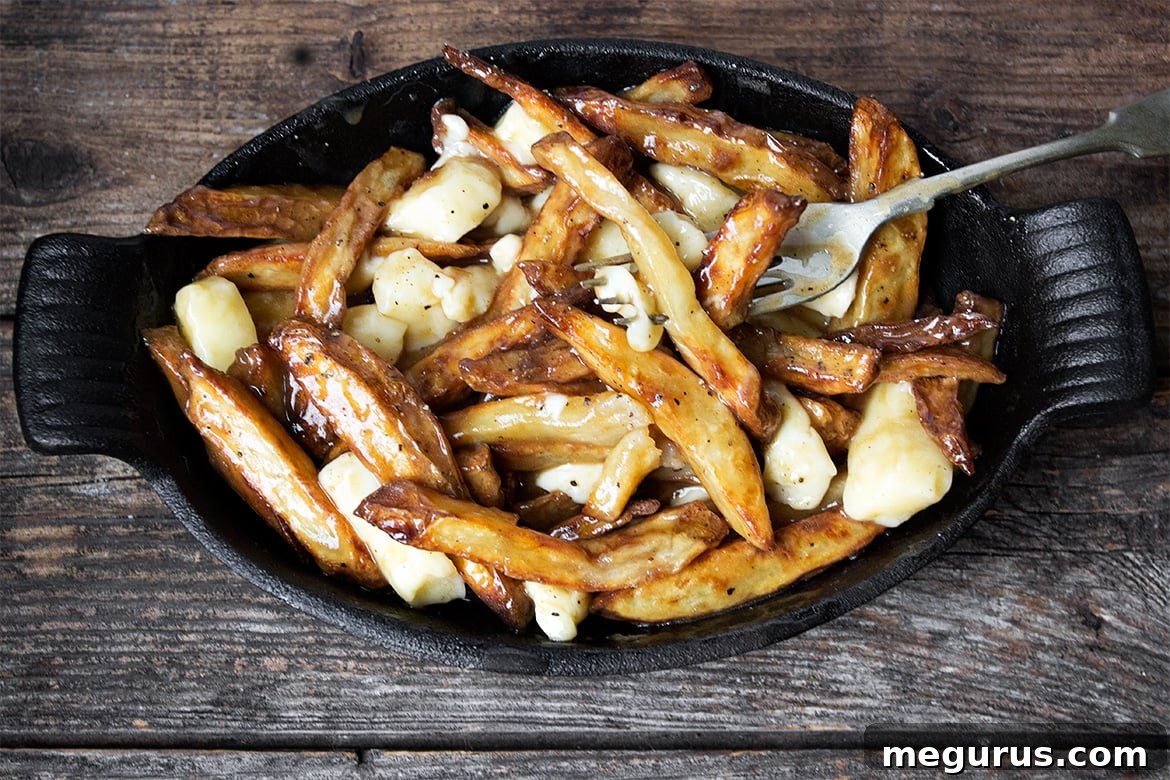
Even for the most staunch hand-eaters of French fries, when poutine is served, there’s only one respectable tool for the job: a fork! The very nature of poutine—crispy fries, smothered in hot gravy, and topped with melting cheese curds—makes it an inherently messy affair if attempted by hand. The rich, viscous gravy and the gooey, stretchy cheese cling to everything, making a fork an absolute necessity for gracefully (or at least, less messily) enjoying every delicious bite. Embrace the fork, and savor the glorious, sloppy deliciousness that is poutine.
Cook’s Notes and Expert Tips for Authentic Canadian Poutine
Achieving poutine perfection at home involves a few nuanced details. Here are some essential cook’s notes and tips to guide you:
- **Broth Choice for Gravy**: While many commercial broths are excellent, some French-Canadian chefs might advocate for canned broth over boxed varieties, citing a particular depth of flavor. However, canned broths can often be higher in sodium. If you opt for canned, definitely taste your gravy before adding any additional salt. You can always add more, but you can’t take it away. For boxed broths, choose a high-quality, low-sodium option to better control the seasoning.
- **Pepper is Key**: Don’t be shy with freshly ground black pepper in your gravy. It adds a subtle warmth and aromatic complexity that truly enhances the overall flavor profile.
- **Frying Oil**: For deep-fried fries, opt for oils with a high smoke point and neutral flavor, such as peanut oil, canola oil, or vegetable oil. Peanut oil, in particular, imparts a wonderfully crisp texture.
- **Potato Preparation**: The double-fry method is crucial for truly crispy fries. Pre-soaking your cut potatoes in cold water for at least an hour (or even several hours) helps remove excess starch, which contributes to a crispier exterior and fluffier interior. Always blot them thoroughly dry before frying to prevent splattering and achieve maximum crispness.
- **Oil Temperature Control**: Using a reliable deep fryer or a heavy-bottomed pot with a good thermometer is vital for maintaining consistent oil temperatures. The first fry at a lower temperature (300°F/150°C) cooks the potatoes through, while the second fry at a higher temperature (375°F/190°C) crisps them to golden perfection.
- **Serving Immediately**: Poutine is a dish designed to be eaten hot and fresh. The moment the hot fries and gravy meet the cheese curds, a race against time begins. Serve your poutine immediately to enjoy the optimal texture of the fries, the warmth of the gravy, and the gooey, squeaky perfection of the cheese curds. Delaying serving will result in soggy fries and fully melted cheese.
- **Variations (Once You Master the Classic)**: While this recipe focuses on the authentic classic, once you’ve perfected the basics, feel free to explore variations. Some popular additions include pulled pork, bacon bits, smoked meat, or even adventurous vegetable toppings. However, always start with the classic to truly appreciate its simple brilliance.
Get the Recipe: Authentic Canadian Poutine
Pin This
Leave a Review
30 mins
30 mins
1 hr
3 people
Ingredients
Poutine Gravy:
- 3 Tbsp cornstarch
- 2 Tbsp water
- 6 Tbsp unsalted butter
- 1/4 cup unbleached all purpose flour
- 20 oz beef broth
- 10 oz chicken broth
- Pepper, to taste
For Deep Fried Fries:
- 2 lbs Russet potatoes (3-4 medium potatoes)
- Peanut or other frying oil
Toppings:
- 1 – 1 1/2 cups white cheddar cheese curds (Or torn chunks of full-fat block mozzarella cheese would be the closest substitution)
Instructions
-
**Prepare the gravy**: In a small bowl, dissolve the cornstarch completely in the water and set this slurry aside. This will be used later to thicken the gravy.
-
In a large saucepan or Dutch oven, melt the unsalted butter over medium heat. Once melted, add the all-purpose flour and whisk continuously to create a roux. Cook the roux, stirring regularly, for about 5 minutes until it turns a lovely golden brown color. This cooking process removes the raw flour taste and adds depth to the gravy.
-
Gradually add the beef and chicken broth to the roux, whisking constantly to prevent lumps. Bring the mixture to a boil, then reduce the heat to a simmer. Stir in about HALF of the cornstarch mixture you prepared earlier. Continue to simmer, stirring, for about a minute. If you desire a thicker gravy, add more of the cornstarch mixture in small increments (1 tablespoon at a time), whisking well after each addition, until your desired consistency is reached. Season generously with freshly ground black pepper. Taste the gravy and add additional salt if necessary, keeping in mind that broths can vary in sodium content. You can prepare the gravy ahead of time and gently re-warm it, or keep it warm on low heat until your fries are ready.
-
**For Deep-Fried Fries**: Begin by preparing your potatoes. Wash and peel the Russet potatoes (peeling is optional, but traditional). Cut them into even 1/2-inch thick sticks. Place the cut potatoes into a large bowl and cover them completely with cold water. Allow them to stand and soak for at least one hour, or ideally several hours, to draw out excess starch. This step is crucial for achieving crispy fries. When you’re ready to cook, heat your oil in a deep fryer or a large, wide, heavy-bottomed cooking pot to 300°F (150°C).
-
Drain the soaked potatoes thoroughly. Place them onto a large sheet of paper towel or a clean kitchen towel. Blot extensively to remove as much excess moisture as possible. Any remaining water can cause the oil to splatter dangerously.
-
Carefully add your blotted fries to the 300°F (150°C) oil. Cook them for 5-8 minutes, or until the potatoes are cooked through and tender but have not yet begun to brown significantly. This first fry cooks the interior of the potato. Remove the potatoes from the oil using a slotted spoon or spider, and scatter them on a wire rack set over a baking sheet to drain. Increase your oil temperature to 375°F (190°C). Once the oil has reached this higher temperature, return the par-cooked potatoes to the fryer. Cook for an additional 3-5 minutes, or until the fries are beautifully golden brown and wonderfully crispy. Remove them to a bowl lined with fresh paper towels to absorb any excess oil.
-
**To Prepare Poutine**: Transfer your hot, freshly fried (or baked) fries into a large, clean bowl. While they are still warm, season them lightly with salt. Immediately add one ladle of hot poutine gravy to the bowl. Using tongs, gently toss the fries in the gravy, ensuring an even coating. Add more gravy, as needed, until most of the fries are generously coated but not completely swimming.
-
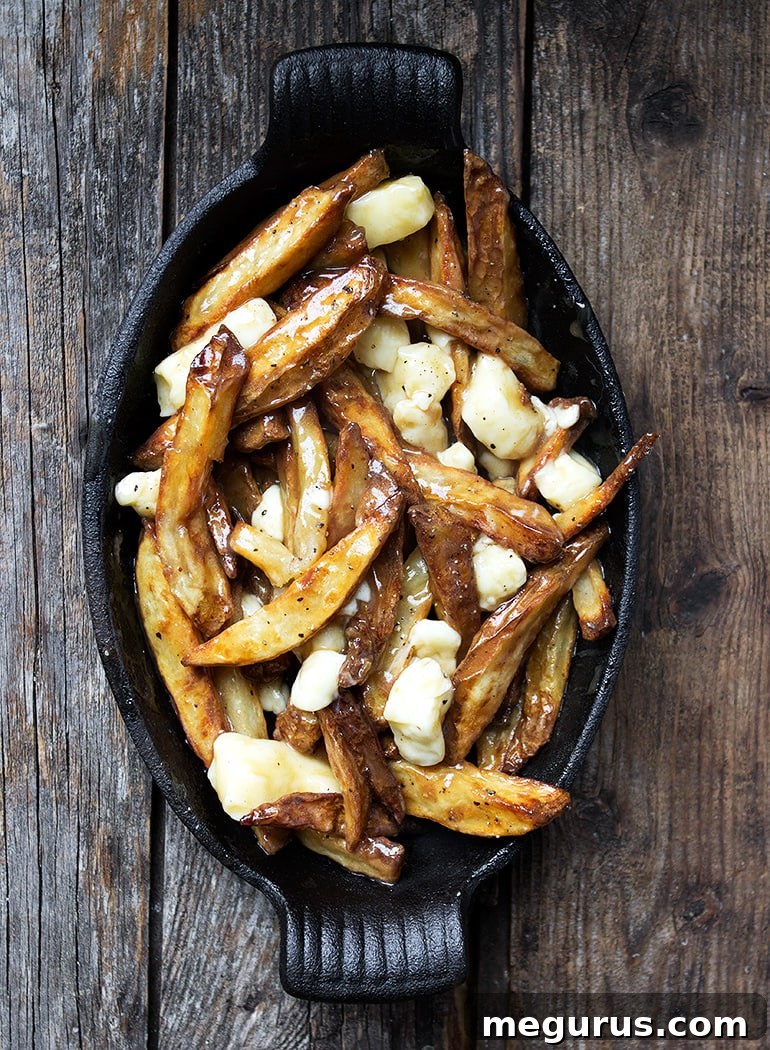
Quickly add the white cheddar cheese curds to the bowl. Toss gently and briefly with the hot fries and gravy. The heat will begin to soften and melt the curds, creating that signature gooey texture. Serve immediately, topped with an extra grind of fresh pepper if desired. Enjoy this authentic Canadian delight without delay!
Notes
For additional insights, helpful hints, and tips on substitutions or variations for this recipe, be sure to revisit the “Cook’s Notes” section above!
Nutrition Information (per serving)
Calories: 528kcal,
Carbohydrates: 70g,
Protein: 10g,
Fat: 24g,
Saturated Fat: 14g,
Cholesterol: 61mg,
Sodium: 1068mg,
Potassium: 1438mg,
Fiber: 4g,
Sugar: 1g,
Vitamin A: 710IU,
Vitamin C: 23.8mg,
Calcium: 63mg,
Iron: 3.6mg
Tried this recipe?
If you enjoyed this recipe, please leave a star rating and comment. It helps others to find it!