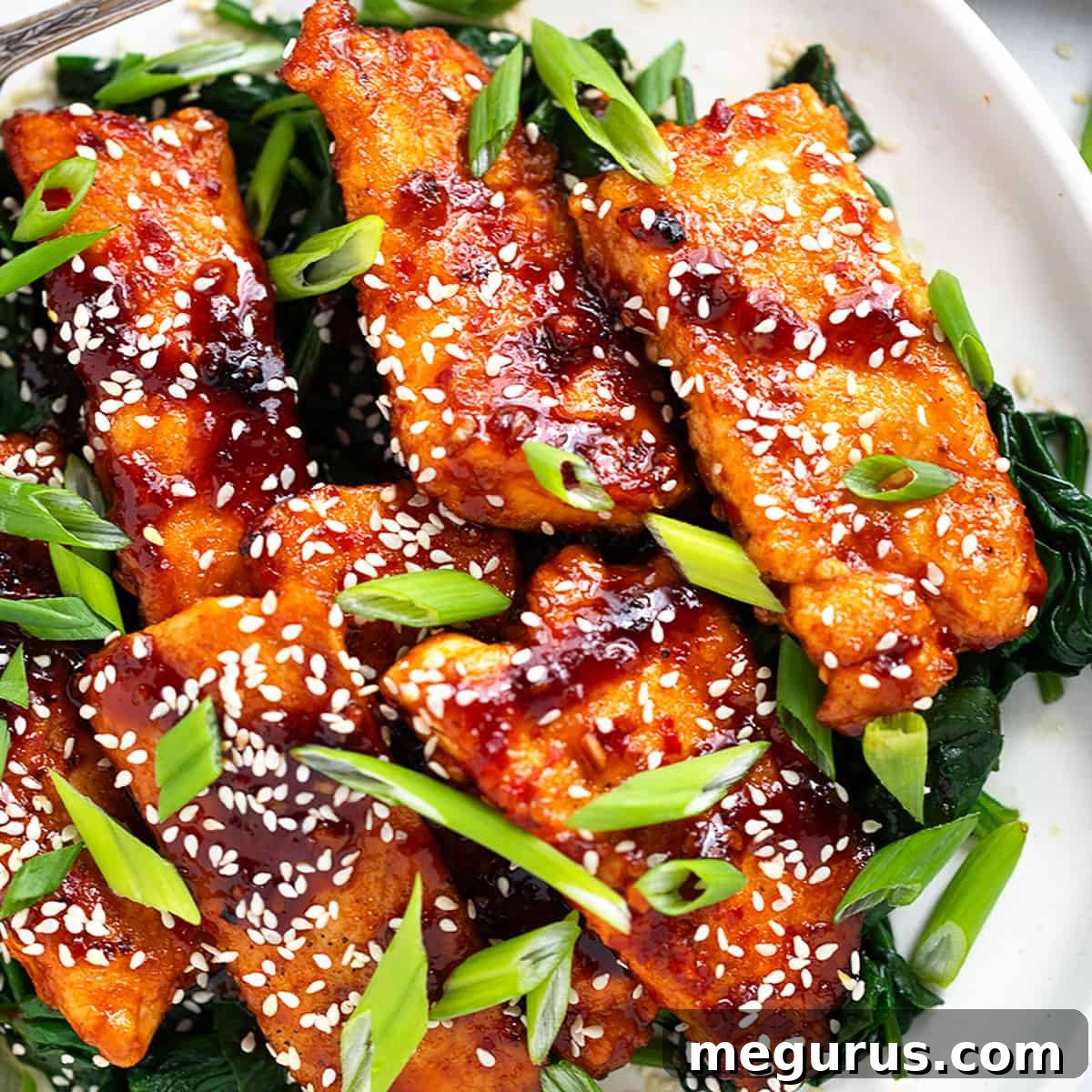
Welcome to your new favorite weeknight dinner solution: Stovetop Sticky Spicy Salmon! This incredibly easy recipe transforms simple salmon fillets into a golden, crispy, and flavor-packed meal in mere minutes. Forget complicated cooking techniques; this dish comes together entirely in a single hot skillet. The salmon is expertly pan-fried until beautifully golden and crisp on the outside, then coated in an irresistible, homemade sticky and spicy sauce that reduces to a thick, syrupy perfection right in the pan. Get ready to elevate your dinner routine with this unbelievably quick and delicious salmon experience.
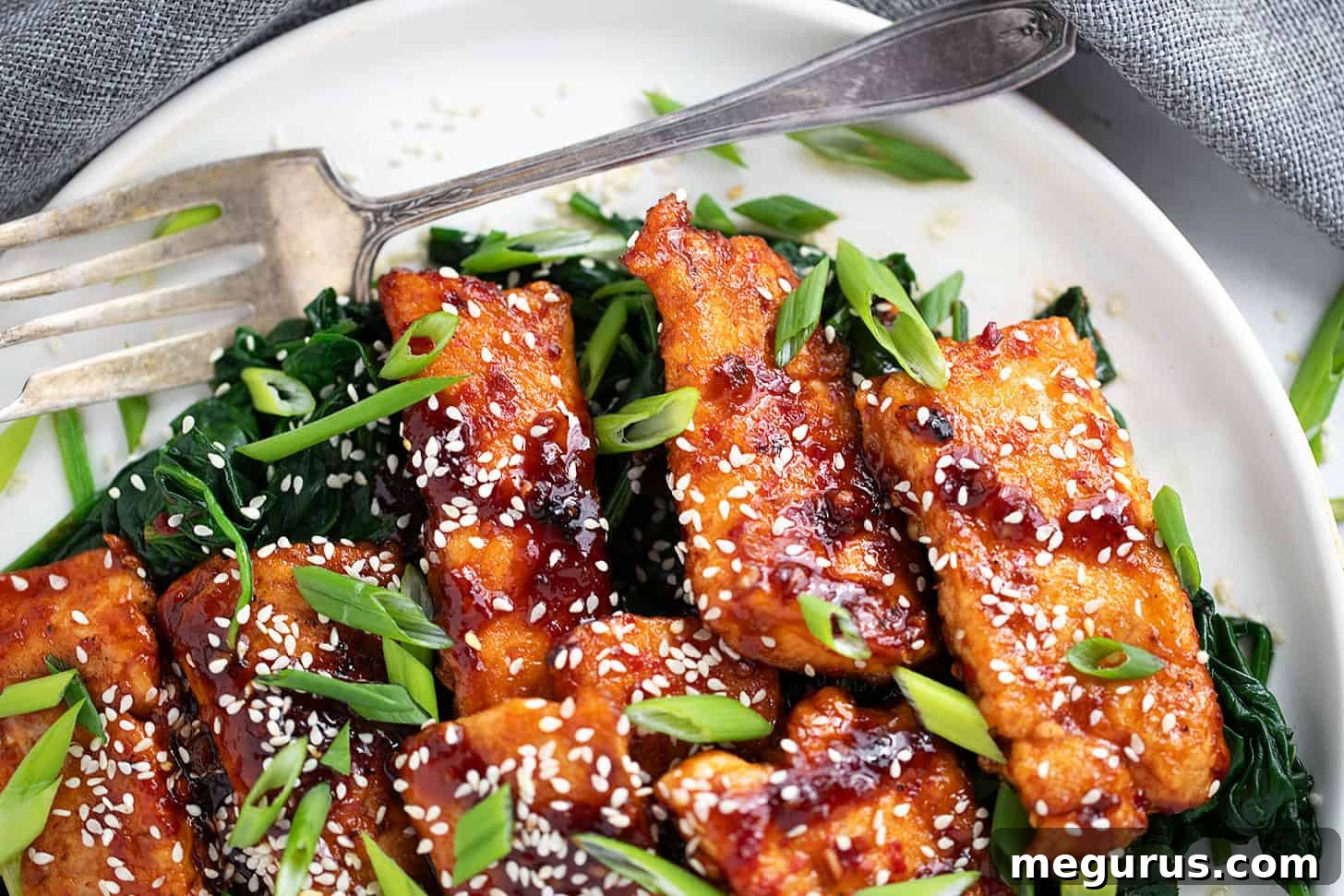
For too long, chicken held the crown as the go-to protein for versatile weeknight meals. But now, it’s undeniably salmon’s turn to shine. If you’re searching for a fresh, exciting, and different way to prepare salmon, look no further! This 20-minute stovetop sticky spicy salmon recipe is an absolute game-changer. It’s the perfect solution for those evenings when time is precious, yet you crave a dinner that delivers bold, unforgettable flavors. This dish doesn’t just save time; it promises a culinary adventure, balancing sweet, savory, and spicy notes in every bite.
The resulting salmon is so rich in flavor and wonderfully tender, it’s perfect served simply. Imagine it alongside a bed of perfectly wilted spinach or vibrant steamed bok choy. For a more substantial meal, add a generous scoop of fluffy rice to transform it into a satisfying and healthy bowl. This recipe truly offers endless possibilities for customization and enjoyment, making it a staple in any busy kitchen.
The Allure of Stovetop Sticky Spicy Salmon
There’s a reason why stovetop cooking is so beloved for its speed and efficiency, and this sticky spicy salmon recipe is a prime example. The direct heat of a hot skillet creates an enviable crispy exterior on the salmon, locking in its natural juices and ensuring a tender, flaky interior. This method is not only fast but also incredibly effective at developing deep flavors. The magic truly happens when the easy-to-make sauce is introduced to the hot pan. It simmers, bubbles, and thickens rapidly, creating a glossy, caramelized coating that clings to every piece of salmon, infusing it with an incredible sweet-and-spicy zest.
Beyond its incredible taste and speedy preparation, salmon itself is a powerhouse of nutrition. Rich in Omega-3 fatty acids, it supports heart health and brain function, making it an excellent choice for a wholesome meal. Its relatively mild flavor also makes it incredibly versatile, capable of pairing beautifully with a wide array of seasonings and sauces. This particular recipe highlights salmon’s adaptability, transforming it with vibrant Asian-inspired flavors that are both comforting and exhilarating.
Essential Ingredients & Savvy Substitutions
Crafting this delicious sticky spicy salmon relies on a few key ingredients, each playing a crucial role in achieving the perfect balance of flavor and texture. Here’s what you’ll need, along with some helpful notes and substitution ideas to ensure your cooking experience is seamless and successful:
Choosing Your Salmon Fillets
The foundation of any great salmon dish is, naturally, the salmon itself. For this particular recipe, we recommend using skinless salmon fillets. If your fillets come with skin, it’s best to remove it before cooking for optimal crispiness and sauce adherence. When selecting your salmon, aim for pieces that are relatively even in thickness. This is especially important for achieving uniform cooking. Fillets with a significantly thicker end and a much thinner end can result in some parts being overcooked and dry while others are still undercooked.
Interestingly, this recipe is a fantastic application for frozen salmon fillets. Once fully thawed, they often have a more consistent, thinner profile compared to some fresh cuts, which can actually be advantageous for even cooking on the stovetop. If you’re using fresh salmon, a center-cut piece or a fillet that has been trimmed to an even thickness will yield the best results. Whether you choose Atlantic, Sockeye, or Coho salmon, ensure it’s high quality and fresh for the best flavor.
Crafting the Sticky, Spicy Sauce
The heart of this dish is its vibrant, multi-layered sauce. Each component contributes to its irresistible sticky and spicy profile:
- Asian Chili Garlic Sauce: This versatile sauce is a cornerstone of our recipe, delivering a fantastic balance of heat, garlic, and savory depth. It’s become widely available in most major grocery stores, often found in the international or Asian foods aisle. Its vibrant red color and chunky texture are instantly recognizable.
- Substitutions for Chili Garlic Sauce: If you can’t find Asian Chili Garlic Sauce, don’t fret! Sriracha is a readily available and excellent alternative, though it tends to be smoother and slightly sweeter. Another popular option is Sambal Oelek, a potent Indonesian chili paste. Be cautious with Sambal Oelek, as it typically carries a significantly bigger heat punch. If substituting with Sambal Oelek, start with a smaller amount than the recipe specifies (e.g., 1-2 tablespoons) and adjust to your preferred spice level.
- Rice Vinegar: Unseasoned rice vinegar is recommended for its mild acidity, which brightens the sauce and cuts through the richness of the salmon and the sweetness of the honey. It adds a crucial tang without overwhelming other flavors.
- Low-Sodium Soy Sauce: Using low-sodium soy sauce allows you to control the overall saltiness of the dish more effectively. If you’re gluten-intolerant, tamari is a perfect gluten-free substitute that offers a similar rich, umami flavor.
- Honey: Honey provides the essential sweetness and contributes significantly to the sauce’s desired sticky and syrupy consistency. It caramelizes beautifully on the salmon, enhancing its golden crust. Maple syrup can be a suitable alternative if you prefer.
- Jarred Minced Ginger (or Ginger Garlic Paste): Ginger adds a warm, aromatic spice that is quintessential to Asian flavors. Jarred minced ginger is a convenient option, or you can use an equal amount of ginger garlic paste for an added layer of aroma. For the freshest flavor, half a teaspoon of freshly grated ginger can be used instead.
The Magic of Cornstarch (and Alternatives)
Our secret to achieving that beautifully crispy exterior on the salmon is cornstarch. When coated thinly and cooked in hot oil, cornstarch creates a light, delicate crust that is wonderfully crisp. It’s superior to flour for this purpose as it creates a lighter, almost translucent coating rather than a dense, bready one.
However, if cornstarch isn’t available, other powdered starches will work well. Consider arrowroot starch, rice flour, potato starch, or tapioca starch. Each of these will help create a crisp coating. In a pinch, you can dredge the salmon with all-purpose flour, but be aware that it will produce a slightly less crisp and perhaps a bit heavier result. The goal is a light, golden crunch that contrasts perfectly with the tender salmon inside.
How to Make Stovetop Sticky Spicy Salmon: Step-by-Step
Making this incredible sticky spicy salmon is surprisingly simple and incredibly rewarding. The process is broken down into a few straightforward steps, ensuring a perfect result every time. For your convenience, here’s a visual summary of the key stages of this recipe:
At a glance: Prepare the flavorful sauce, then cut your salmon into convenient strips. Dredge these salmon pieces in cornstarch for that signature crisp coating, and cook them in a hot skillet until golden and satisfyingly crispy. Finally, add the prepared sauce to the pan, allowing it to bubble and reduce quickly into a thick, syrupy glaze that coats every piece of salmon beautifully.
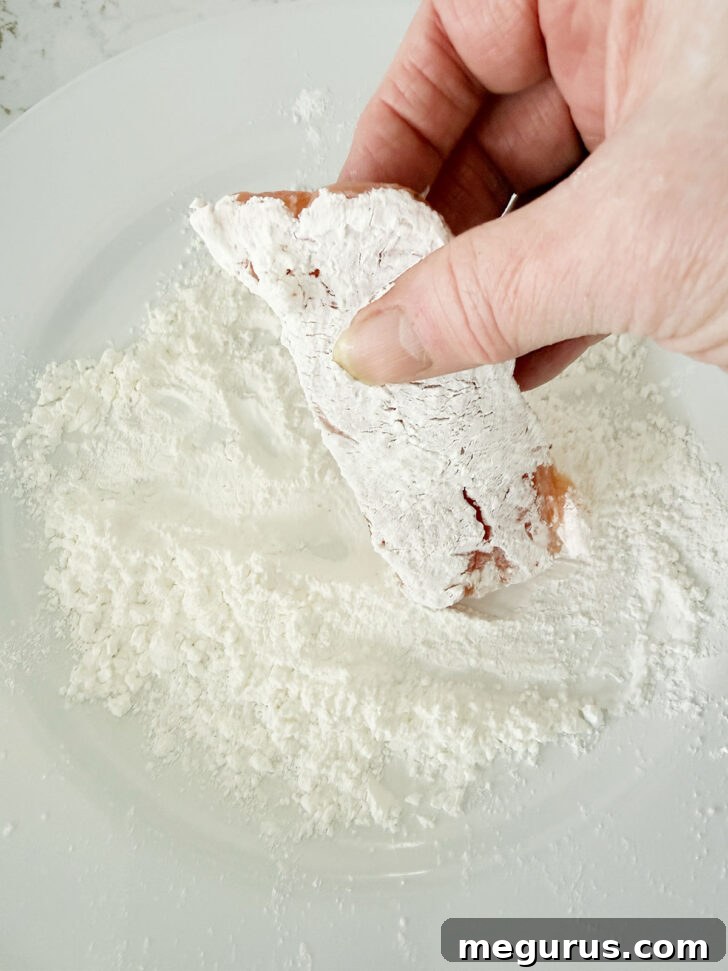
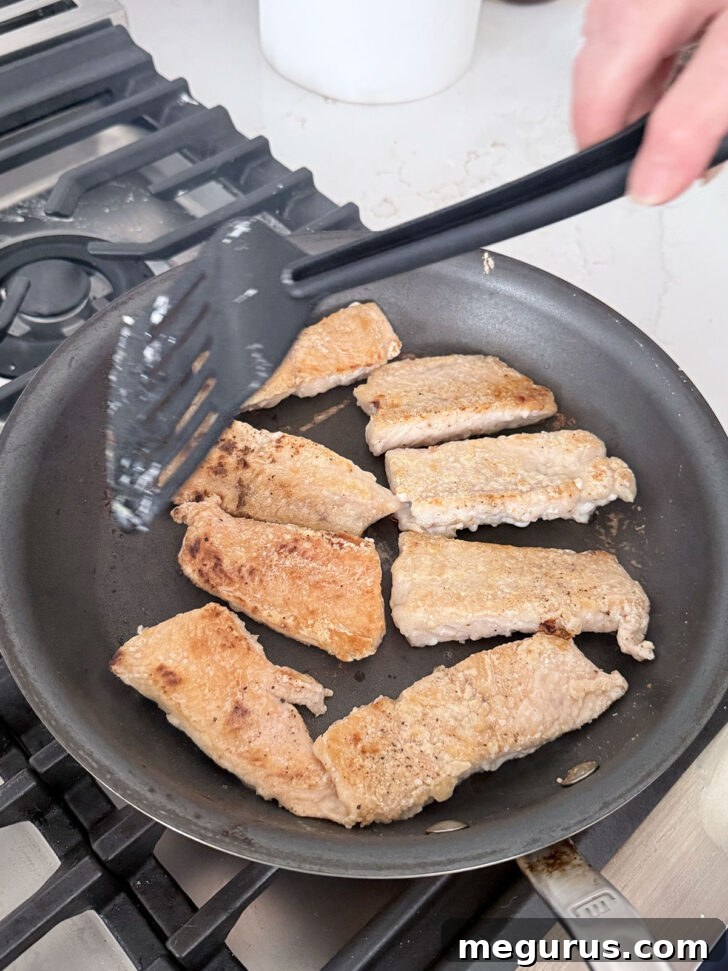
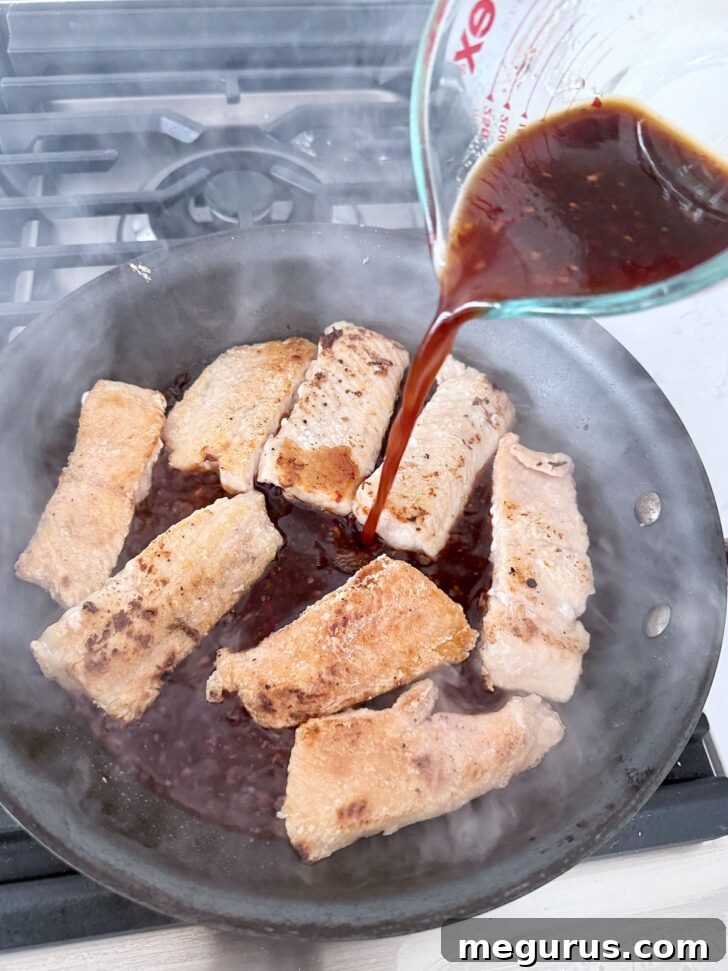
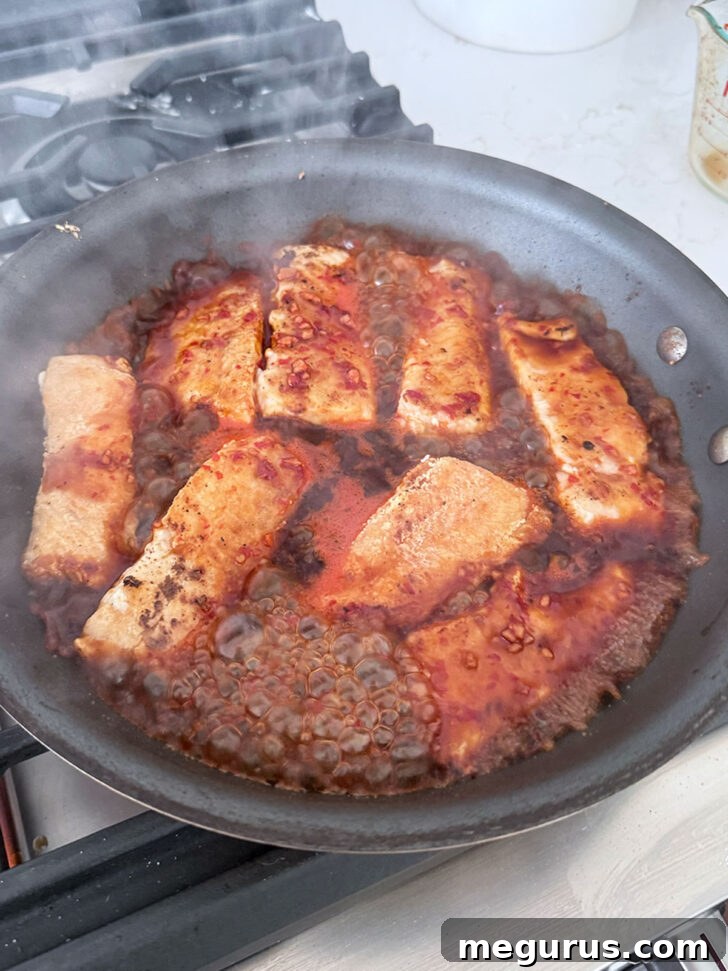
- First, prepare your salmon by cutting it into uniform strips, then thoroughly dredge each piece in cornstarch, ensuring an even coating on all sides. This sets the stage for a wonderfully crispy texture.
- Heat your chosen vegetable oil in a large skillet over medium-high heat. Once the oil is shimmering, carefully add the salmon to the hot pan in a single layer. Cook without disturbing for 2-3 minutes until a beautiful golden and crispy crust forms underneath. Flip each piece and cook for another 2 minutes until the other side is lightly golden and the salmon is nearly cooked through.
- With the salmon perfectly seared, it’s time for the sauce. Pour the prepared spicy sticky sauce directly into the hot skillet. Be ready for it to bubble up quite vigorously at first due to the temperature difference.
- Continue to cook the salmon with the sauce, gently turning the pieces occasionally. Allow the sauce to simmer and reduce. It will quickly thicken into a luscious, syrupy glaze that beautifully coats each piece of salmon, ensuring it’s cooked through and infused with incredible flavor. This typically takes only about 1 minute.
Expert Tips for Stovetop Salmon Success
Achieving perfect sticky spicy salmon every time is easy with a few simple techniques and considerations. Keep these expert tips in mind to ensure your dish is always a resounding success:
- Don’t Crowd the Pan: This is a golden rule for pan-frying. Use a skillet that is large enough to allow your salmon pieces to cook in a single layer with some space between them. Crowding the pan lowers the temperature and steams the salmon instead of searing it, preventing the formation of that desirable crispy crust. If you have a lot of salmon, cook it in batches.
- Turn Your Oven Fan On: Preparing this recipe involves cooking at a higher heat and then adding a liquid sauce to a hot pan. This combination can produce a fair amount of splatter and steam. Turning on your oven fan (or opening a window) beforehand will help manage the fumes and keep your kitchen air clear. Stand back slightly when first adding the sauce, as it will bubble vigorously.
- Ensure Even Thickness: As noted previously, you’ll achieve the best and most consistent results with salmon fillets that are uniformly thick. Avoid pieces that have one very thick end and one very thin end, as these will cook unevenly, leading to some parts being dry and overcooked while others are still raw. If necessary, trim your fillets to a more consistent thickness or butterfly thicker portions.
- Pat Salmon Dry: Before seasoning and dredging, always pat your salmon fillets thoroughly dry with paper towels. Excess moisture on the surface will create steam when it hits the hot oil, hindering the salmon from crisping up effectively. A dry surface is key for a golden, crunchy exterior.
- Monitor Sauce Reduction: The sauce reduces quickly! Keep a close eye on it as it simmers with the salmon. You want it to thicken to a syrupy consistency that clings to the fish, not evaporate completely or burn. Gently turning the salmon pieces ensures they are fully coated.
- Check for Doneness: Salmon is cooked through when it flakes easily with a fork and reaches an internal temperature of 145°F (63°C). Overcooking salmon can make it dry and less enjoyable, so aim for just done.
Elevate Your Meal: Delicious Serving Suggestions
This spicy sticky salmon is so flavorful on its own, but pairing it with the right sides can transform it into a truly magnificent meal. Here are some fantastic serving suggestions to complete your dinner:
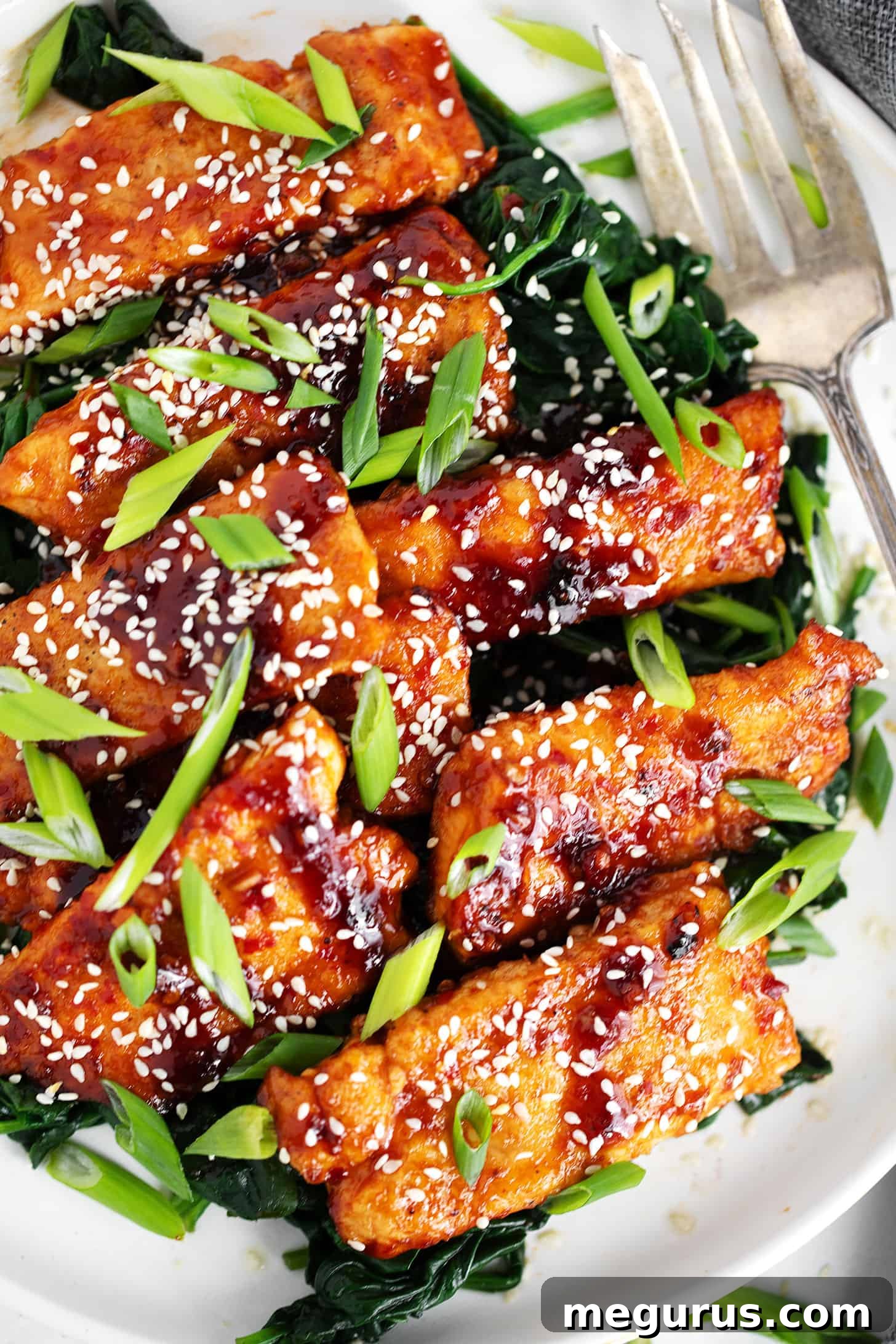
I’ve showcased this delicious salmon served over a bed of tender wilted spinach. To easily recreate this side, simply heat 2 teaspoons of sesame oil (you can use regular or toasted for a nuttier flavor) in a skillet. Add about 10 ounces of fresh spinach and toss continuously until it wilts down to your desired tenderness. Finish with a light drizzle of a teaspoon of rice vinegar and a splash of soy sauce, if you like, for an extra layer of savory tang.
Baby bok choy offers another excellent and complementary side dish. Cut the baby bok choy into quarters lengthwise. You can then wilt it in a skillet using the same method as the spinach. Allow for a slightly longer cooking time than spinach, typically 3-5 minutes, until tender-crisp. Season with a tablespoon of soy sauce for a rich, umami boost.
Steamed or roasted broccoli also makes a wonderful and healthy accompaniment to this salmon. Its slight bitterness and firm texture provide a lovely contrast to the sweet and spicy fish. You can steam broccoli florets until tender-crisp or roast them with a little olive oil, salt, and pepper until slightly caramelized.
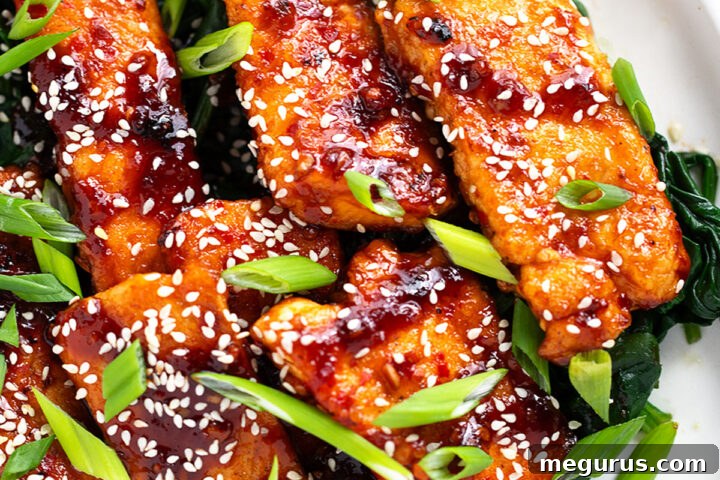
For a hearty and complete meal, consider adding some fluffy white rice or brown rice to the salmon and vegetables. This creates a satisfying “bowl” experience, perfect for soaking up every last drop of that incredible sticky sauce. Other grain options like quinoa or even a quick stir-fried noodle dish would also be excellent choices. Don’t forget a sprinkle of fresh green onions and sesame seeds for garnish and an extra burst of flavor and texture!
Get the Recipe: Stovetop Sticky Spicy Salmon
Pin This
Leave a Review
Ingredients
For the spicy sticky sauce:
- 5 Tablespoons rice vinegar, unseasoned recommended
- 3 Tablespoons low-sodium soy sauce, or tamari
- 2 Tablespoons Asian Chili Garlic Sauce, adjust to taste *see Note 1 below
- 2 Tablespoons honey
- 1 teaspoon jarred minced ginger (or ginger garlic paste), or 1/2 tsp fresh grated ginger
For the salmon:
- 1 lb skinless salmon fillets, fully thawed if frozen, cut into 3 x 1 1/2-inch strips *see Note 2 below
- salt and freshly ground pepper
- 3 Tablespoons cornstarch
- 2 Tablespoons vegetable oil
For garnish:
- green onion, very thinly sliced on a diagonal
- sesame seeds
Instructions
-
This quick and easy salmon is lovely served with steamed or sauteed spinach or bok choy. I love to add a bit of sesame oil to flavor the vegetables. You could also add some rice to the mix and make it a bowl!
-
Begin by making the sauce. In a small bowl or measuring cup, combine all the sauce ingredients: rice vinegar, low-sodium soy sauce, Asian chili garlic sauce, honey, and jarred minced ginger. Stir everything together thoroughly until well combined, then set the sauce aside.
-
Tip! For the best results and crispest salmon, use a skillet that is large enough to accommodate all the salmon pieces in a single layer without crowding. This allows moisture to evaporate efficiently, helping the salmon to crisp up beautifully.
-
Heat the vegetable oil in your large nonstick skillet over medium-high heat until it shimmers.
-
While the oil heats, prepare your salmon. Cut the skinless salmon fillets into roughly 3 x 1 1/2-inch strips as specified in the ingredients list. Pat the salmon pieces thoroughly dry with paper towels, then season them lightly with salt and freshly ground pepper. Spread the cornstarch onto a large plate. Press each salmon piece into the cornstarch, ensuring both sides are fully coated. Carefully place the dredged salmon pieces into the hot oil in the skillet in a single layer. Cook the salmon undisturbed for about 2–3 minutes, until the underside is golden brown and crispy. Then, turn each piece and cook for another 2 minutes until the other side is lightly golden and the salmon is mostly cooked through.
-
Tip! Before pouring the sauce into the hot skillet, turn on your oven fan to high and step back slightly. When the sauce is first added, it will bubble, spatter, and steam quite vigorously. This is normal and will calm down as it begins to cook and thicken.
-
Pour the prepared sauce evenly over the salmon in the skillet. Continue to cook, gently turning the salmon pieces halfway through, until the sauce reduces significantly, thickens to a syrupy consistency, and beautifully coats all the salmon. This final cooking stage typically takes only about 1 minute. The salmon should now be fully cooked, flaking easily with a fork, and reaching an internal temperature of about 145°F (63°C).
-
Serve your delicious sticky spicy salmon immediately, garnished generously with thinly sliced green onion and a sprinkle of sesame seeds for an added touch of freshness and crunch.
Notes
Note 2: For optimal cooking and uniform results, it is best to use salmon fillets that have an even thickness throughout. Avoid fillets that feature one significantly thick end and one thin end. Consistent thickness ensures that all parts of the salmon cook evenly and completely, preventing overcooked dry sections or undercooked raw sections.
More Salmon Recipes to Love!
In conclusion, this Stovetop Sticky Spicy Salmon recipe is more than just a quick meal; it’s an invitation to enjoy vibrant, satisfying flavors on even the busiest of days. Its ease of preparation, combined with the healthy benefits and incredible taste of salmon, makes it a perfect addition to your culinary repertoire. Whether you’re a seasoned home cook or just starting out, you’ll find this dish to be both forgiving and incredibly rewarding. So go ahead, gather your ingredients, fire up your skillet, and prepare to be amazed by how much flavor you can create in just 20 minutes. We’re confident this will become a cherished recipe in your household!