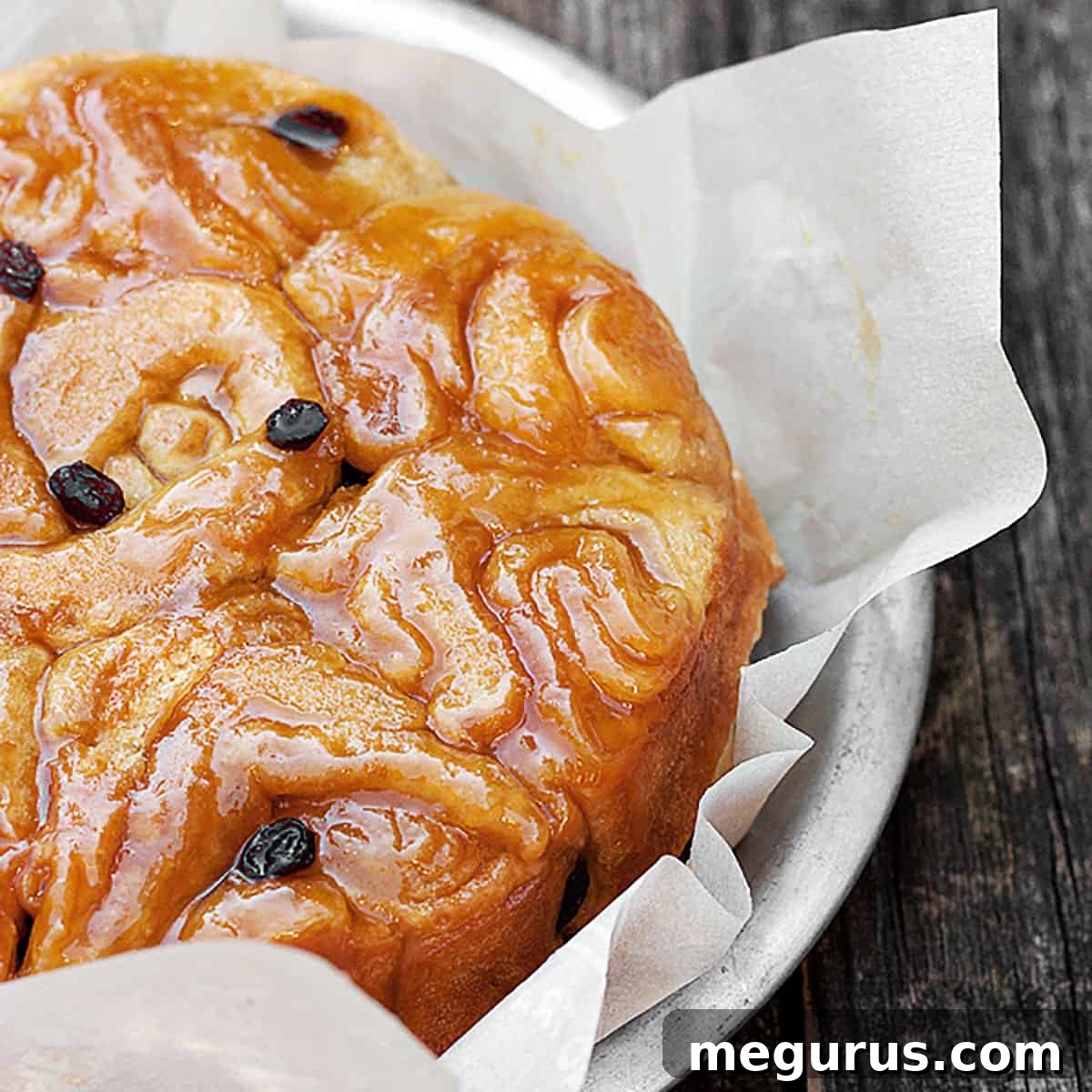
Sink your teeth into these incredibly delicious homemade honey buns, featuring a perfectly yeasted sweet dough crowned with a luscious, sticky honey glaze. They are a truly wonderful treat, ideal for a leisurely breakfast, a decadent brunch spread, or as a delightful accompaniment to an afternoon tea.
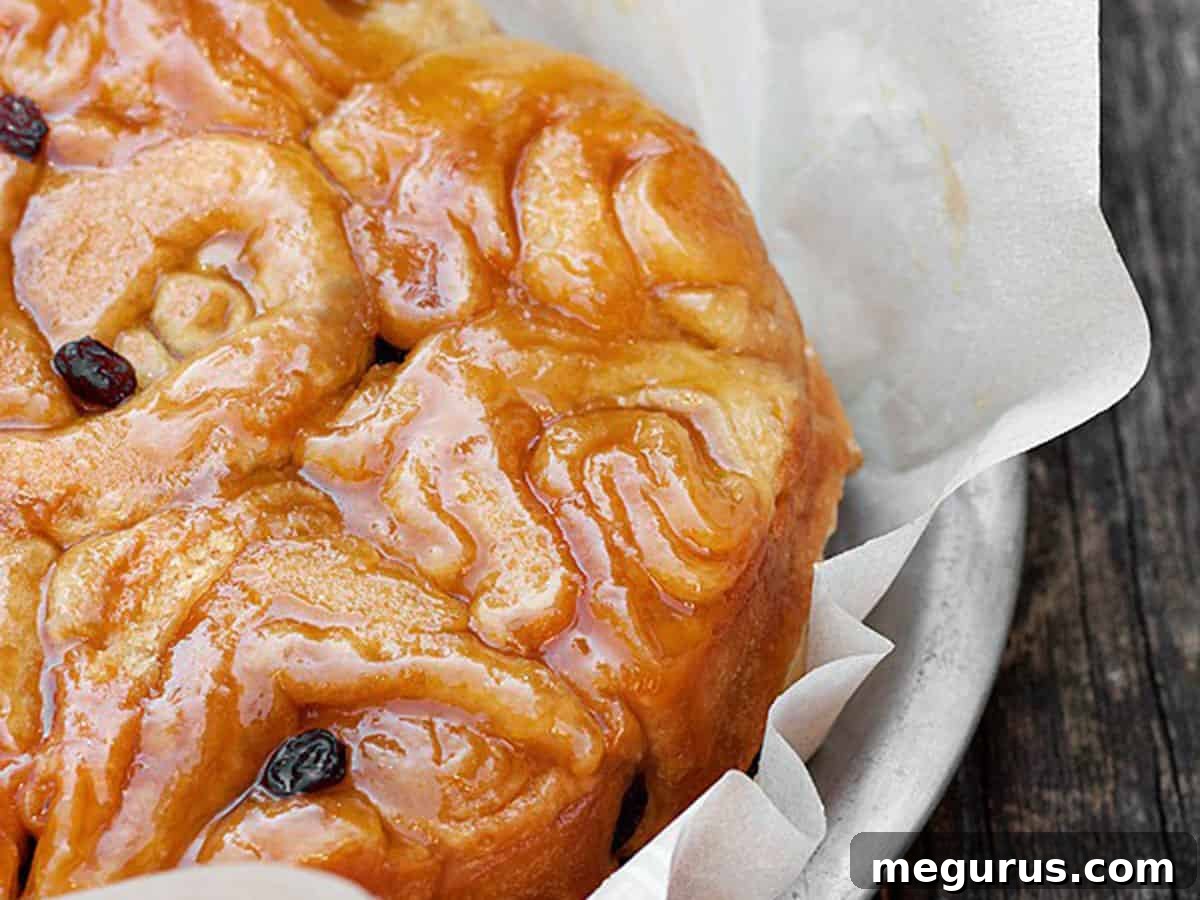
The Joy of Homemade Honey Buns
There’s something uniquely satisfying about the aroma of freshly baked goods wafting from your kitchen, especially when it’s a sweet, comforting treat like these honey buns. On a quiet weekend morning, or whenever a craving for something truly special strikes, these perfectly sweet and utterly delightful buns emerge as the star. While fantastic on their own, they truly shine with the addition of nuts and raisins, offering a delightful textural contrast and a hint of extra depth. I confess, I sometimes start baking only to realize I’m out of a key ingredient – like the nuts this morning! But fear not, even without them, these buns are a joy. However, if you have some on hand, a sprinkle of toasted pecans or walnuts adds a fantastic balance to the sweetness, elevating each bite. Toasting the nuts beforehand takes their flavor to a whole new level, making them even more aromatic and delicious.
Why These Honey Buns Are a Must-Try
These aren’t just any honey buns; they are a labor of love that rewards you with an unmatched taste and texture. Unlike store-bought versions that can often be dry or overly sweet, these homemade beauties boast a tender, pillowy crumb and a naturally sweet flavor profile, enhanced by the rich honey glaze. The yeast dough provides that satisfying chewiness, while the honey infuses every layer with its distinctive, comforting sweetness. They are the perfect way to bring warmth and joy to your table, creating lasting memories with every bite.
Essential Ingredients and Thoughtful Substitutions
Creating the perfect honey bun starts with understanding your ingredients. Each component plays a crucial role in achieving that sought-after flavor and texture. Here’s a detailed look at what you’ll need and how you can adapt the recipe to your pantry or preferences:
Dough Essentials:
- Yeast: You have flexibility here. You can use Active Dry Yeast, which needs to be proofed (activated) in lukewarm water with a pinch of sugar, or Instant Yeast, which can often be mixed directly with dry ingredients, saving a step. For this recipe, we’ll proof the active dry yeast, a common and reliable method. Ensure your yeast is fresh for optimal rise.
- Milk: Opt for 2% or 3% milk. The fat content contributes to a richer, more tender dough. Scalding the milk first (heating it until bubbles appear around the edges, then cooling it) helps to deactivate enzymes that can interfere with gluten development, resulting in a softer, more manageable dough.
- Honey (for the dough): While the main honey flavor comes from the glaze, a touch of honey in the dough subtly enhances its sweetness and moisture, complementing the overall profile.
- Sugar (White & Brown): White sugar provides essential food for the yeast and sweetness. Brown sugar in the filling adds a deeper, molasses-like flavor and moisture, contributing to the sticky texture.
- Salt: A small amount of salt is vital for balancing the sweetness and enhancing the overall flavor of the dough. It also helps control yeast activity.
- Butter: Use unsalted butter, softened to room temperature, for both the dough and the filling. It adds richness, flavor, and tenderness.
- Egg: A large egg adds richness, moisture, and helps bind the dough, contributing to its structure and golden color.
- All-Purpose Flour: Spooned and leveled flour ensures you use the correct amount, preventing a dry or dense bun. Avoid scooping directly from the bag, as this can compact the flour and lead to too much being used.
The Luscious Filling:
- Unsalted Butter (for filling): At room temperature, it creams easily with the other filling ingredients, creating a smooth, spreadable mixture.
- Honey (for filling and glaze): This is where the star ingredient truly shines! Pick a good quality honey whose flavor you love, as it will be front and center. Both liquid and creamed honey work beautifully. Consider local wildflower honey for a unique taste.
- Packed Brown Sugar: This provides that characteristic caramel-like sweetness and helps create the wonderfully sticky texture of the glaze.
- Raisins: Sweet and chewy, they are a classic addition. If you’re not a fan, you can omit them or substitute with dried cranberries or chopped dried apricots for a different twist.
- Pecans or Walnuts: Toasted and chopped, these nuts add a delightful crunch and nutty flavor that perfectly complements the sweetness. Toasting them briefly in the oven enhances their flavor significantly. If you don’t have these, you can omit them or try other nuts like almonds.
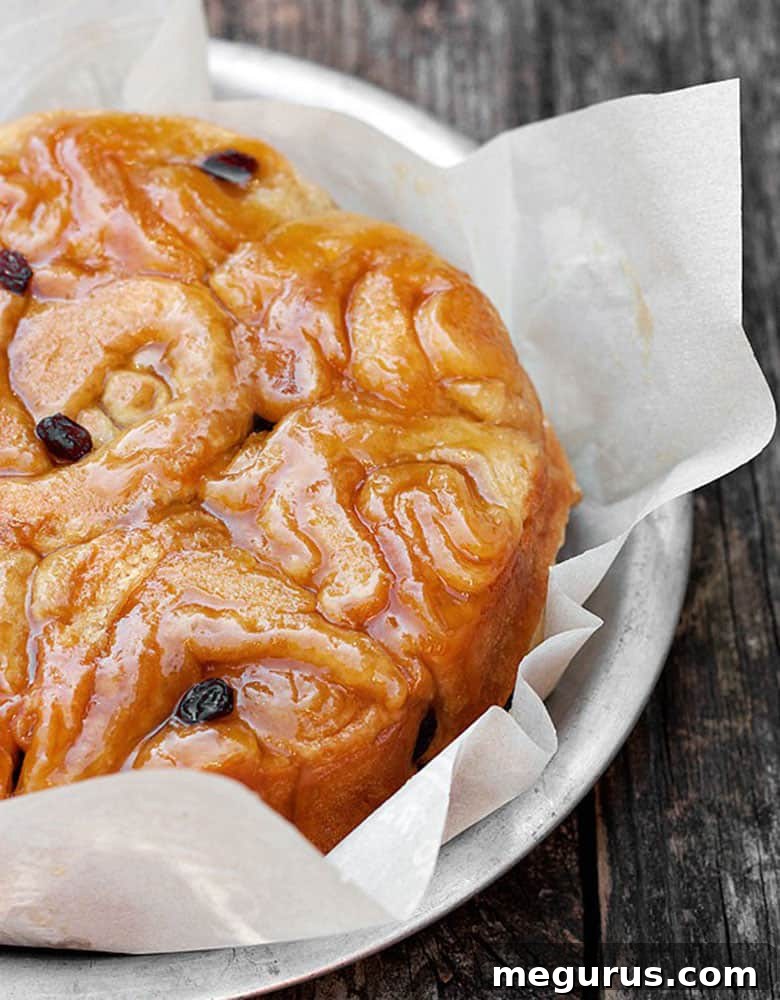
Baking Perfect Honey Buns: Essential Tips for Success
Achieving bakery-quality honey buns at home is entirely possible with a few key considerations. Here are some invaluable tips to guide you through the process:
- Dough Consistency: The amount of dough for these buns is relatively small, which means it might be easier and more satisfying to hand-knead rather than relying solely on a stand mixer. I often start the initial mixing in a stand mixer to bring the ingredients together, then turn the dough out onto a lightly floured counter to finish kneading by hand. This allows you to truly feel the dough’s texture and ensure it reaches the desired smooth, elastic consistency. The dough should be soft, slightly tacky but not sticky, and should spring back when gently poked.
- Proofing the Yeast: Always ensure your active dry yeast is proofed correctly. The lukewarm water should be between 105-115°F (40-46°C). If the yeast doesn’t become foamy within 5-10 minutes, it might be inactive, and you’ll need new yeast.
- Scalding the Milk: This step is important for breaking down enzymes in the milk that can weaken the gluten in your dough, leading to a less elastic and potentially denser bun. Heat the milk gently until small bubbles form around the edges, but don’t let it boil vigorously. Allow it to cool to lukewarm before adding to the yeast mixture to avoid killing the yeast.
- Kneading for Texture: Kneading develops the gluten in the flour, which gives the buns their structure and chewiness. Knead until the dough is smooth, supple, and elastic. This can take 8-10 minutes by hand or 5-7 minutes in a stand mixer with a dough hook. A good test is the “windowpane test”: stretch a small piece of dough thinly; if you can see light through it without it tearing, it’s ready.
- First Rise (Bulk Fermentation): Place the kneaded dough in a lightly greased bowl, turning it once to coat, then cover it tightly with plastic wrap or a damp towel. Let it rise in a warm, draft-free place until doubled in size, usually about 1 hour. This allows the yeast to work its magic, developing flavor and creating an airy texture.
- Honey Butter Perfection: The honey butter filling needs to be spreadable but not too runny. Chilling it briefly after mixing ensures it won’t seep out too much when you roll the dough. It should be soft enough to spread easily but firm enough to hold its shape.
- Rolling and Filling: Roll the dough into an even rectangle. Leave a small border around the edges when spreading the honey butter and sprinkling the add-ins; this helps seal the roll and prevents filling from oozing out during baking.
- Cutting Even Slices: For uniform buns, use a sharp knife or even unflavored dental floss to cut the rolled dough. A serrated knife can also work well.
- Second Rise (Proofing the Buns): After cutting and placing the buns in the pan, cover them again and let them rise until doubled. This final rise is crucial for light, fluffy buns. Don’t rush it!
- Baking Sheet for Safety: Always place your baking pan on a larger baking sheet before putting it in the oven. The honey butter can bubble over, and a baking sheet will catch any spills, saving you from a messy oven cleanup.
- Don’t Overbake: Bake until the buns are golden brown and cooked through. Overbaking can lead to dry buns. If they’re browning too quickly, you can lightly tent them with aluminum foil.
- The Inversion: Inverting the hot buns onto a plate after a brief cooling period allows the glorious honey glaze to cascade over them, ensuring every bun is perfectly coated and wonderfully sticky.
Storing and Freezing for Lasting Enjoyment
These honey buns are best enjoyed fresh and warm, but they store beautifully, allowing you to savor them over several days or even longer.
- Storing Baked Honey Buns: Once cooled, store your homemade honey buns in an airtight container at room temperature for 2-3 days. This helps to maintain their moisture and softness. If you prefer them warm, a quick reheat in the microwave for 15-20 seconds or in a preheated oven (300°F/150°C) for a few minutes will bring them back to life.
- Freezing for Longer: For longer storage, honey buns freeze exceptionally well. You can freeze them in two ways:
- Baked and Cooled: Once the buns have completely cooled, wrap individual buns tightly in plastic wrap, then place them in a freezer-safe bag or container. They can be frozen for up to 3 months. Thaw at room temperature and reheat as desired.
- Unbaked Dough: You can also freeze the formed, unbaked buns after the first rise, before the second rise. Arrange them in the baking pan, cover tightly with plastic wrap and then foil, and freeze. When ready to bake, thaw overnight in the refrigerator, then let them come to room temperature and complete their second rise before baking as usual. This is a great make-ahead option!
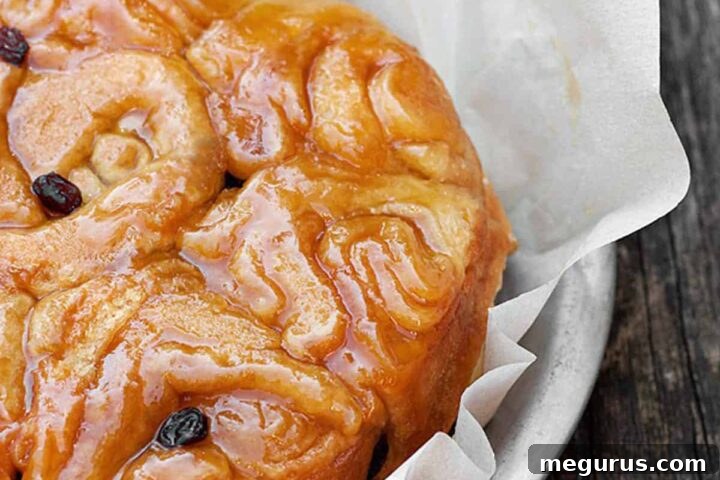
Get the Recipe: Honey Buns
Pin This
Leave a Review
Ingredients
Dough:
- 1 Tablespoon active dry yeast, or 2 1/4 tsp. instant yeast
- 1/2 teaspoon sugar
- 1/4 cup lukewarm water
- 3 Tablespoons white sugar
- 1/2 teaspoon salt
- 2 Tablespoons butter, at room temperature
- 1 large egg
- 1/4 cup scalded milk, *microwave for 45 seconds to 1 minute
- 2 cups all-purpose flour, spooned and levelled
Filling:
- 1/2 cup unsalted butter, at room temperature
- 1/2 cup honey, liquid or creamed, is fine
- 1/2 cup packed brown sugar
- 1/2 teaspoon salt
- 1/2 cup raisins
- 1/2 cup pecans, toasted and chopped, or walnuts
Instructions
-
To prepare the dough, first proof the yeast: In a small bowl, combine the 1 Tablespoon of active dry yeast with 1/2 teaspoon of sugar and 1/4 cup of lukewarm water. Stir gently and let it stand for 5-10 minutes until foamy. This indicates the yeast is active. Meanwhile, scald the milk: heat 1/4 cup of milk in a microwave-safe mug for about 45 seconds to 1 minute, or in a small saucepan over medium heat, until small bubbles appear around the edges. Do not let it boil. Remove the scalded milk from the heat and stir in the remaining 3 Tablespoons of white sugar, 1/2 teaspoon of salt, and 2 Tablespoons of butter. Stir until the butter is completely melted, then set aside to cool until it reaches a lukewarm temperature (around 105°F / 40°C).
-
While the milk mixture cools, prepare your nuts if using: Preheat your oven to 350°F (175°C). Spread the 1/2 cup of pecans or walnuts on a baking sheet and toast them in the preheated oven for 5-7 minutes, or until they are fragrant and lightly golden. Keep a close eye on them to prevent burning. Once toasted, remove from the oven and set aside to cool completely. Once cool, chop them coarsely.
-
In a large mixing bowl, or the bowl of a stand mixer fitted with the dough hook, add the proofed yeast mixture. Verify that the scalded milk mixture has cooled to lukewarm (around 105°F / 40°C) and then add it to the bowl. Crack in the large egg. Begin to stir in one cup of the all-purpose flour and mix thoroughly until well combined. Gradually add more flour, 1/4 cup at a time, mixing after each addition, until the dough comes together, pulls away from the sides of the bowl, and is no longer excessively sticky.
-
Turn the dough out onto a lightly floured surface. Knead the dough vigorously for 8-10 minutes (or 5-7 minutes with a stand mixer) until it becomes smooth, elastic, and satiny to the touch. It should spring back when gently pressed. Once properly kneaded, lightly grease a clean large bowl with butter or cooking spray. Place the dough in the greased bowl, turning it once to coat the entire surface. Cover the bowl tightly with plastic wrap or a clean kitchen towel and let it rise in a warm, draft-free place until it has doubled in size, which typically takes about 1 hour. While the dough is rising, prepare the honey butter filling: In a medium bowl, cream together the 1/2 cup of softened unsalted butter with the 1/2 cup of packed brown sugar and 1/2 cup of honey until smooth and well combined. Chill this mixture in the refrigerator for about 15-20 minutes, or until it is no longer runny but is still spreadable.
-
Once the dough has doubled in size, gently punch it down to deflate it. Turn the dough out onto a lightly floured surface and roll it into an even rectangle, approximately 14 x 7 inches. Carefully spread about 1/2 cup of the prepared honey butter mixture evenly over the rolled-out dough, leaving a 1-inch border around the edges. This border will allow the filling some room to spread as you roll the dough and helps prevent it from oozing out. Sprinkle approximately 1/3 of the raisins and chopped nuts evenly over the honey butter layer. Starting from one of the long sides, carefully roll the dough up tightly, as if making a jelly roll. Pinch the seam closed to seal.
-
In a small saucepan, gently heat the remaining honey butter mixture until it bubbles and becomes smooth and pourable. Pour half of this heated honey butter into the bottom of an 8-inch round baking pan, spreading it evenly. Sprinkle the remaining raisins and chopped nuts over this layer of honey butter in the pan. Using a sharp knife or unflavored dental floss, cut the rolled dough log into eight equal slices. Arrange these slices, cut-side down, into the prepared baking pan. Cover the pan loosely with greased plastic wrap or a clean kitchen towel and let the buns rise again in a warm place until they have nearly doubled in size, approximately 45-60 minutes. While the buns are on their second rise, preheat your oven to 375°F (190°C).
-
Once the buns have risen, place the baking pan with the buns onto a larger baking sheet. This is an important step to catch any honey butter that might bubble over during baking, keeping your oven clean. Pour the remaining heated honey butter evenly over the tops of the risen buns. Bake in your preheated 375°F (190°C) oven for 25 to 30 minutes, or until the buns are golden brown and cooked through. Once baked, remove from the oven and allow them to cool in the pan for about 10 minutes. Then, carefully invert the pan onto a serving plate. The sticky, sweet glaze will cascade over the buns, coating them beautifully. Serve warm and enjoy!
Serving: 1serving,
Calories: 263kcal,
Carbohydrates: 68g,
Protein: 5g,
Fat: 20g,
Saturated Fat: 9g,
Cholesterol: 58mg,
Sodium: 282mg,
Potassium: 173mg,
Fiber: 2g,
Sugar: 36g,
Vitamin A: 475IU,
Vitamin C: 0.6mg,
Calcium: 31mg,
Iron: 2.1mg
Tried this recipe?
If you enjoyed this recipe, please consider leaving a star rating and comment. It helps others to discover and enjoy it too!
More Sweet Buns to Love!
If you’ve fallen in love with these homemade honey buns, you might enjoy exploring other delightful sweet bun recipes. Each offers a unique flavor and baking experience, perfect for expanding your repertoire of homemade treats.