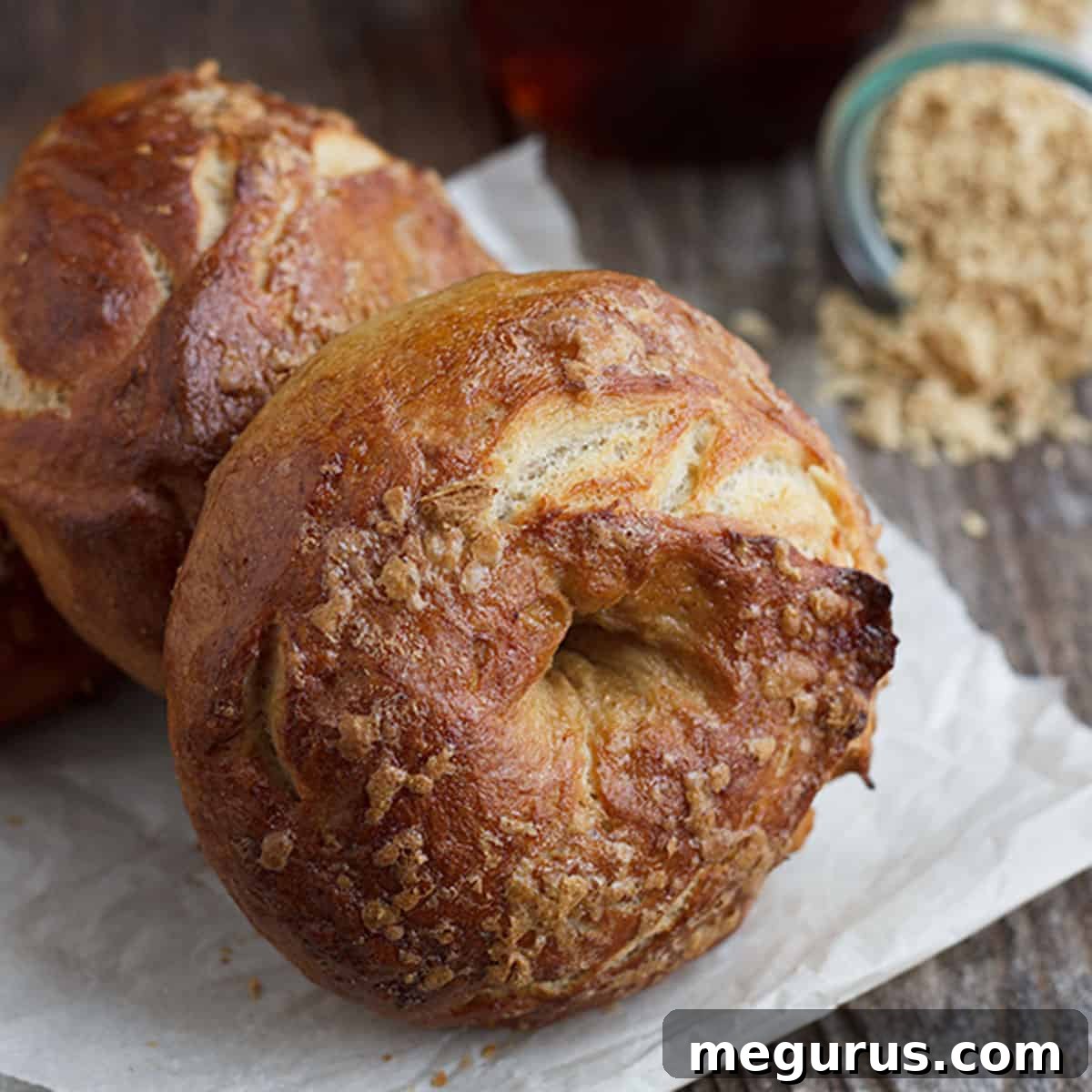
Imagine waking up to the irresistible aroma of freshly baked French Toast Bagels, their golden crust glistening with maple syrup and a delicate dusting of maple or brown sugar. These delightful bagels offer the quintessential morning experience, blending the comforting warmth of classic French toast with the satisfying chewiness of a perfect bagel. It’s a breakfast dream come true, promising a truly intoxicating start to your day.
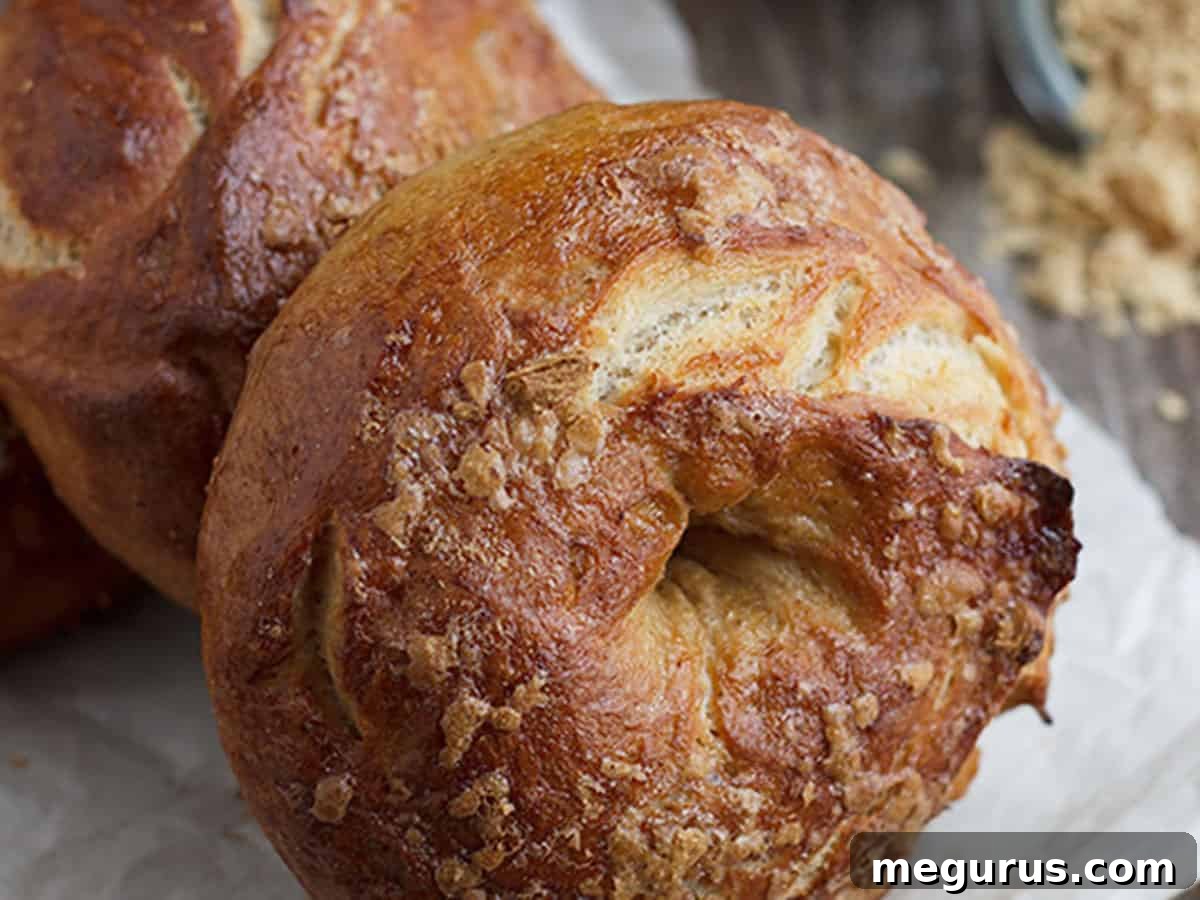
Few things rival the simple pleasure of a warm, buttered French Toast Bagel in the morning. That rich, sweet scent of maple wafting up from the toaster is pure magic, a delicious preview of the treat to come. The delicate balance of melted butter against the subtly sweet, chewy carb creates a symphony of flavors and textures that is consistently perfect. This isn’t just a breakfast item; it’s a sensory experience that elevates your entire morning routine.
The journey to creating these extraordinary French Toast Bagels began quite serendipitously. My sister sparked the idea, mentioning how much she enjoyed a similar bagel she had encountered. Not long after, while rummaging through my pantry, I stumbled upon a forgotten bag of maple sugar flakes. This serendipitous discovery was all the inspiration I needed to embark on a new baking adventure. Combining the beloved flavors of French toast with the satisfying form of a homemade bagel seemed like an inspired (and delicious) next step.
While I often rely on a variation of Peter Reinhart’s renowned bagel recipe, which consistently delivers superb results, it traditionally calls for a two-day baking process. For this particular creation, I was determined to streamline the method, significantly reducing the overall time commitment without compromising on quality. I’m thrilled to report that I succeeded! While still requiring a few hours from start to finish, much of this time is passive, involving rising or chilling periods. The chilling phase after shaping the bagels is notably flexible, allowing you to fit it around your schedule – whether you need time for other tasks or prefer an overnight rise to bake fresh bagels the following morning.
This recipe is designed to bring the joy of homemade bagels to your kitchen with a French toast twist, making it accessible even for those with busy schedules. It transforms the classic breakfast into an exciting new format, perfect for a special weekend brunch or a delightful weekday treat. The unique combination of flavors and textures will undoubtedly make these French Toast Bagels a cherished addition to your recipe repertoire.
Essential Ingredients for Your French Toast Bagels
Crafting the perfect French Toast Bagel begins with selecting the right ingredients. Each component plays a vital role in achieving that signature flavor and texture. Here’s a detailed look at what you’ll need and some helpful substitutions:
Yeast
For this recipe, you have the flexibility to use either **Active Dry Yeast** or **Instant Yeast**. Both will work effectively to give your bagels the necessary lift and chewy texture. If you’re using Active Dry Yeast, remember to proof it first in lukewarm water (around 105°F or 40°C) with a pinch of sugar before adding it to your other ingredients. Instant yeast, on the other hand, can usually be mixed directly with the dry ingredients, simplifying the process. Always ensure your yeast is fresh for optimal results – stale yeast can lead to flat, dense bagels.
Maple Syrup
When it comes to flavor, **real maple syrup** is always the superior choice. Its rich, complex sweetness is integral to the authentic French toast taste we’re aiming for. Opt for a good quality Grade A dark amber or very dark maple syrup for the deepest flavor profile. However, if real maple syrup is unavailable or you’re in a pinch, a good quality maple-flavored syrup can be used as a substitute, though it may not offer the same depth of flavor. This ingredient isn’t just for sweetness; it contributes to the dough’s moisture and the overall aromatic experience.
Maple Sugar
The pièce de résistance for these bagels is the **maple sugar** topping. If you can source maple sugar flakes, they provide an incredibly appealing texture and concentrated maple flavor that truly enhances the “French toast” experience. I often find maple sugar flakes in bulk food stores or specialty health food sections of larger grocery stores. The subtle crunch and intense maple aroma they provide after baking are truly the perfect finishing touch. If maple sugar flakes or granulated maple sugar are difficult to find, don’t despair! Light brown sugar can be used as a perfectly acceptable alternative. While it won’t have the distinct maple flavor, it will still provide a wonderful sweetness and a slightly caramelized crust. Experiment to see which you prefer, but I highly recommend seeking out maple sugar for an unparalleled flavor.
Chef’s Insights and Flavor Crafting
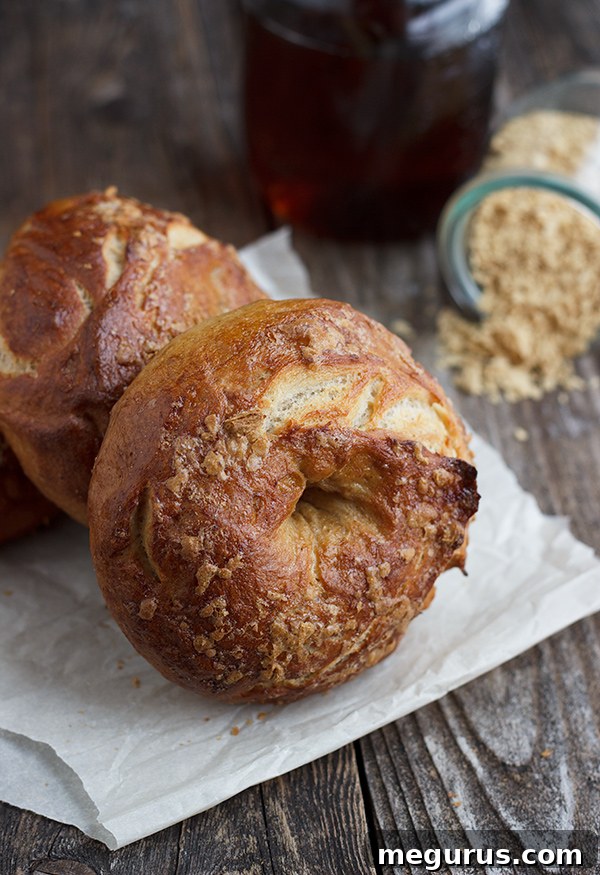
Developing this recipe was an exciting experiment in flavor balancing. To infuse the dough with those beloved French toast characteristics, I incorporated a blend of classic ingredients. Fresh eggs provide richness and structure, while a generous dash of cinnamon adds warmth and aromatic spice. Light brown sugar contributes a gentle sweetness and helps create a tender crumb. A hint of vanilla extract brightens all the flavors, offering that comforting, familiar note. And, of course, a good measure of real maple syrup is key to bringing the maple essence directly into the dough itself. Before these beauties hit the oven, a liberal sprinkling of maple flakes – or brown sugar, if you prefer – goes on top, which caramelizes slightly during baking, forming an irresistible, sweet crust.
What truly surprised and delighted me was how authentically these bagels capture the taste of French toast. Despite the improvisational nature of their creation, the resulting flavor profile is spot-on. Every bite delivers a harmonious blend of sweet, spicy, and chewy, making them an instant favorite. I wouldn’t change a single element of this flavor combination; it’s a testament to how well these ingredients marry within the bagel structure.
Serving, Storing, and Freezing Your Delicious Bagels
While these French Toast Bagels are undeniably delectable at any time, they are truly at their peak when enjoyed as soon as possible after baking. The warmth, the softness of the interior, and the slight crispness of the exterior are unmatched. The beautiful maple sugar topping, which becomes slightly caramelized in the oven, tends to melt and soften a bit over time as the bagels sit. For this reason, if you’re planning to serve them fresh, try to time your baking accordingly.
Should you find yourself with more bagels than you can enjoy immediately (a rare but possible occurrence!), rest assured that they freeze beautifully. To freeze, allow the bagels to cool completely to room temperature. Then, place them in an airtight freezer bag or container, removing as much air as possible to prevent freezer burn. They can be frozen for up to 2-3 months. When you’re ready to enjoy them, simply take a frozen bagel, thaw it at room temperature, and then toast it until warm and slightly crispy. This re-toasting brings back much of their original charm, making them almost as good as fresh from the oven.
Beyond a simple pat of butter, consider serving these French Toast Bagels with a dollop of cream cheese, a slice of crispy bacon, or even fresh berries for an extra special treat. Their versatility makes them a fantastic canvas for both sweet and savory accompaniments, ensuring every breakfast or brunch is a memorable one.
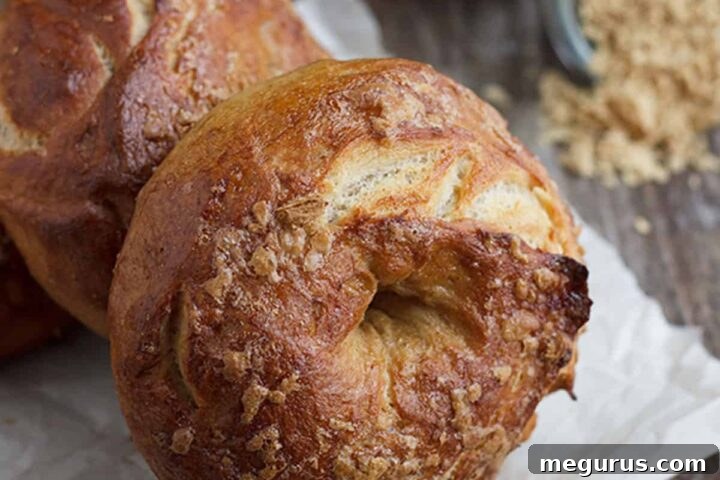
French Toast Bagels
Easy French toast bagels, flavored with real maple syrup and cinnamon and topped with maple sugar (or brown sugar). Makes 8 large – 10 smaller bagels.
Pin This
Leave a Review
35 mins
20 mins
1 hr 45 mins
2 hrs 40 mins
10 bagels
Ingredients
Sponge:
- 1 cup all-purpose or bread flour, spooned and leveled
- 1 cup lukewarm water, about 105F
- 1 teaspoon instant or dry active yeast
Dough:
- 1 1/4 teaspoon instant or dry active yeast
- 1/3 cup light brown sugar, packed
- 1 teaspoon cinnamon
- 1 3/4 teaspoon kosher salt, slightly less if using fine table salt
- 2 large eggs
- 1 1/2 teaspoons vanilla extract
- 1/3 cup maple syrup
- 3 – 3 1/2 cups all-purpose or bread flour, spooned and leveled
For finishing:
- 1 Tablespoon baking soda, for boiling
- 1 large egg, for egg wash
- Maple sugar or light brown sugar, for sprinkling tops
Instructions
-
*If using active dry yeast, proof yeast in the lukewarm water prior to adding to dough.
-
In a large bowl or the bowl of your stand mixer, combine the flour, water and yeast. Using your paddle attachment, mix until well combined. Let stand for 20-30 minutes, until bubbly.
-
*If using active dry yeast, proof yeast in a couple of tablespoons of water before adding. You might need to use a touch more flour.
-
Add the rest of the ingredients, except the flour and mix in with your paddle attachment. Switch to your kneading hook and add 2 cups of the flour. Knead until combined. Continue adding flour 1/4 cup at a time and mixing in, until the dough is smooth, cleans the bowl and is not sticky. Transfer to a greased bowl, cover and let rise until doubled, 1 1/2-2 hours.
-
Remove risen dough to a lightly floured surface and de-gas gently. Cut dough into 8-10 equal-sized pieces and form each into a ball. Let rest a few minutes. Using a floured index finger, poke a hole into the center of each ball and stretch around to form a bagel shape. Place shaped bagels onto a parchment-lined baking sheet. Repeat until all are formed. Cover well with greased (sprayed with cooking oil) plastic wrap and let stand at room temperature for 10-15 minutes, then transfer to the refrigerator. Chill dough for at least 1 hour (can let chill up to 12 hours).
-
Bring water to a boil in a large pot. Pre-heat oven to 425° F. (not fan assisted) with racks in lower 1/3 and upper 1/3 of oven. Line two baking sheets with parchment paper. When water boiling, add 1 Tbsp. baking soda. Remove bagels from the fridge. Add 2-3 bagels to the boiling water. Boil for 1 minute, flip over and boil for 1 minute more. Remove to a parchment lined baking sheet, 4-5 per baking sheet. Repeat until all bagels are boiled.
-
Mix egg with 1 Tbsp. water. Brush each bagel liberally with egg wash and sprinkle tops generously with maple sugar or flakes. Place baking sheets in oven on top and bottom racks. Bake for 10 minutes. After 10 minutes, switch the baking sheets top to bottom and front to back. Bake a further 8-10 minutes, or until golden. Remove to a cooling rack to cool.
Notes
Be sure to read the notes above this Recipe Card, for more tips on making this recipe.
American, Canadian
Bread, Breakfast
Jennifer Maloney
Nutrition Information
- Serving: 1 serving
- Calories: 124 kcal
- Carbohydrates: 24g
- Protein: 2g
- Fat: 1g
- Cholesterol: 49mg
- Sodium: 760mg
- Potassium: 65mg
- Sugar: 13g
- Vitamin A: 70IU
- Calcium: 32mg
- Iron: 0.9mg
If you enjoyed this recipe, please leave a star rating and comment. It helps others to find it!