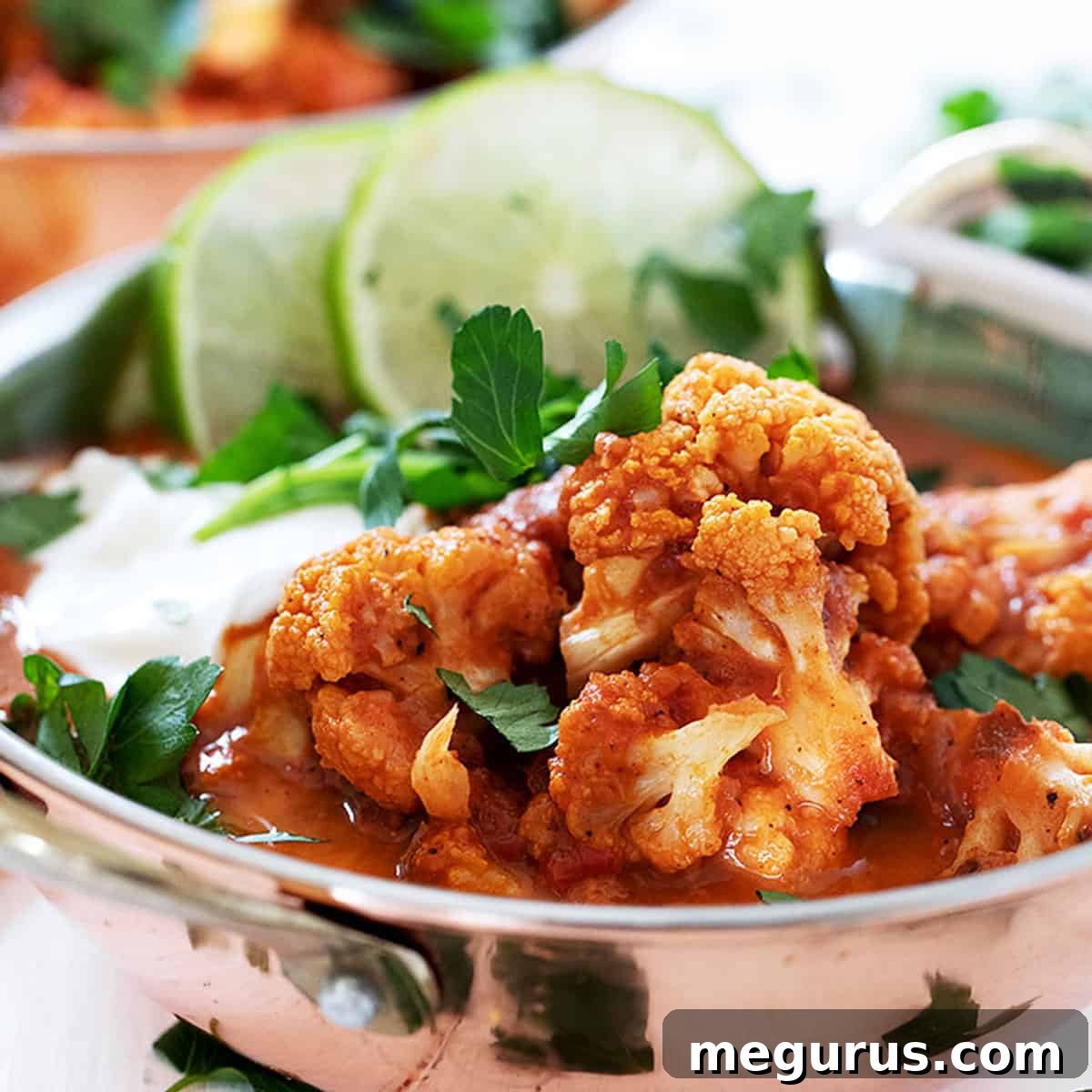
Welcome to the ultimate guide for preparing a truly satisfying and incredibly easy Indian Cauliflower Curry. This dish isn’t just another vegetarian meal; it’s a vibrant, aromatic, and budget-friendly culinary experience that proves pantry cooking can be anything but bland. Whether you’re a seasoned chef or a kitchen novice, this recipe is designed to bring the rich, complex flavors of Indian cuisine right to your dining table with minimal fuss.
In today’s world, where grocery budgets are often tight and the availability of certain ingredients can be unpredictable, versatility in the kitchen is key. That head of cauliflower sitting in your fridge is no longer just a humble side dish; it’s the star of a wholesome, main course meal. This Indian Cauliflower Curry transforms simple, readily available ingredients into a hearty and flavorful centerpiece, perfect for any night of the week.
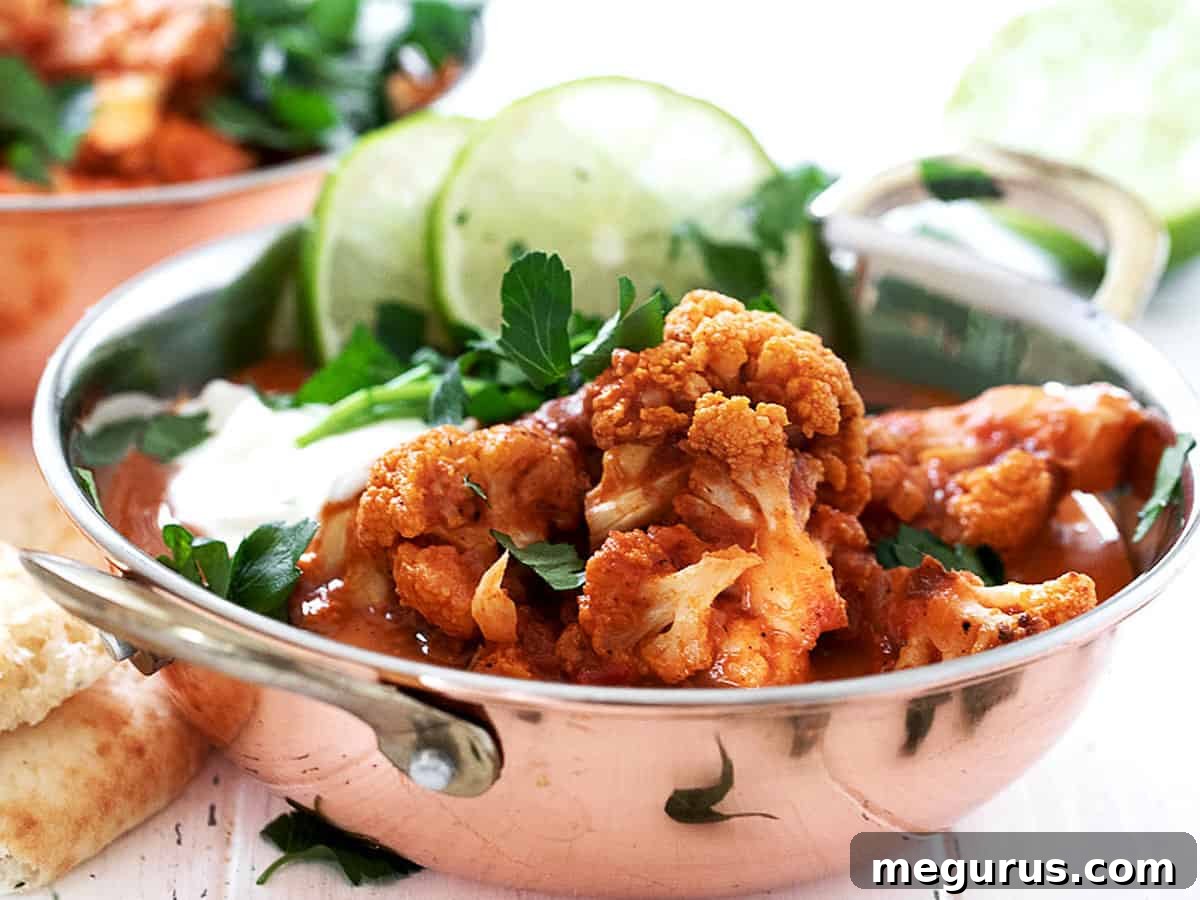
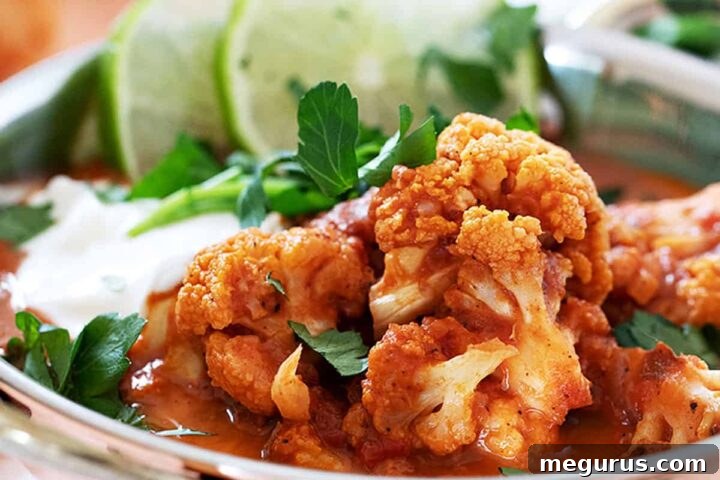
While this dish might look sophisticated in photographs, don’t be fooled by its elegant presentation. At its core, this easy Indian cauliflower curry is a remarkably straightforward recipe, relying on the simplicity of roasted cauliflower combined with a richly spiced tomato base. Think roasted cauliflower, canned crushed tomatoes, onion, garlic, and a selection of fragrant Indian spices. These foundational elements create a deep, comforting flavor profile that will quickly become a family favorite.
One of the beauties of this vegetarian and vegan-friendly curry is its flexibility. While the basic recipe yields a fantastic meal, it also offers plenty of opportunities for customization. Have a few extra ingredients lying around? Feel free to incorporate them! Want to adjust the spice level or add a creamy finish? We’ll cover all the options to help you tailor this incredible Indian cauliflower curry to your exact preferences. Let’s dive into how to create this delicious, healthy, and economical plant-based dinner.
Why You’ll Love This Easy Indian Cauliflower Curry
This isn’t just another recipe; it’s a solution for delicious, healthy eating that caters to modern needs. Here’s why this Indian cauliflower curry deserves a spot in your weekly rotation:
- Budget-Friendly: Cauliflower is an affordable vegetable, especially when bought in season. Combined with pantry staples like canned tomatoes and spices, this meal offers incredible flavor without breaking the bank.
- Healthy & Nutritious: Packed with fiber, vitamins, and antioxidants from the cauliflower and fresh vegetables, this curry is a powerhouse of nutrition. It’s naturally low in calories and high in plant-based goodness.
- Vegetarian & Vegan Friendly: Naturally meatless, this recipe is perfect for those following a vegetarian or vegan diet. It’s hearty enough to satisfy without any animal products.
- Weeknight Winner: With a prep time of just 10 minutes and a total cooking time of around 45 minutes, this recipe is ideal for busy weeknights when you need a quick yet flavorful meal.
- Customizable: From adjusting the spice level to adding extra vegetables or a creamy touch, this recipe is incredibly adaptable to your taste and what you have on hand.
- Bursting with Flavor: The combination of roasted cauliflower and authentic Indian spices creates a depth of flavor that is truly remarkable. It’s comforting, aromatic, and wonderfully satisfying.
Essential Ingredients and Smart Substitutions for Your Cauliflower Curry
Crafting the perfect Indian cauliflower curry begins with selecting fresh, quality ingredients. However, life happens, and sometimes substitutions are necessary. Here are some detailed notes on the key components and how you can adapt them without compromising on flavor.
- Cauliflower: The star of our show!
- Fresh Whole Head: This is highly recommended. Fresh cauliflower roasts beautifully, developing a slight sweetness and tender-crisp texture that holds up well in the curry.
- Fresh Florets: Pre-cut florets are a convenient option if you’re short on time.
- Frozen Cauliflower Florets: In a pinch, frozen cauliflower can work. However, be aware that it tends to be softer once cooked due to its water content, which can affect the overall texture of the curry. If using frozen, there’s no need to roast it first; simply add it directly to the pan with the sauce and cook until tender.
- Canned Tomatoes: The rich base of our curry sauce.
- Canned Crushed Tomatoes: These are ideal for their smooth consistency and robust flavor, providing a perfect sauce base.
- Any Canned Tomatoes: If you only have whole peeled, diced, or stewed tomatoes, no problem! Simply process them down using an immersion blender or a food processor until they reach a crushed consistency. Measure the required amount after blending.
- Spices: The heart and soul of Indian cuisine.
- Individual Spices: This recipe uses a traditional blend of cumin, coriander, paprika, and Tandoori Masala (or Garam Masala). These create a warm, earthy, and aromatic foundation. Ensure your spices are fresh for the best flavor; older spices lose their potency.
- Curry Paste Shortcut: For ultimate convenience, you can replace all the dried individual spices and the tomato paste with 1-2 tablespoons of a good quality Indian curry paste. Options include Tandoori Masala Curry Paste, Butter Chicken Curry Paste, or any general Indian curry paste blend you might have. Adjust the amount to your taste and the paste’s intensity.
- Tomato Paste: A flavor enhancer.
- This optional ingredient deepens the tomato flavor and contributes to the richness of the curry base. When mixed with the dried spices, it creates a rudimentary curry paste, helping the spices bloom and meld together effectively.
- Chicken or Vegetable Broth (or Water): For consistency.
- Broth adds an extra layer of flavor and helps create a looser, saucier curry. Vegetable broth keeps the dish strictly vegan. If you don’t have broth on hand, plain water works perfectly fine without significantly impacting the overall taste.
- Creaminess Options (Optional): For a luxurious texture.
- Heavy Cream or Yogurt: A few tablespoons stirred in at the end provide a silky, rich texture and mellow the spices. Use plain, unsweetened yogurt.
- Coconut Milk/Cream: For a dairy-free and vegan option, coconut milk or cream adds a wonderful richness and a subtle tropical note that complements Indian flavors beautifully. Full-fat coconut milk will give the richest result.
- Brown Sugar or Honey (Optional): To balance acidity.
- A small amount helps to temper the natural acidity of the tomatoes, creating a more balanced and harmonious flavor profile. You can omit it if you prefer a sharper taste or are avoiding added sugars.
- Heat (Optional): For those who love a kick.
- Cayenne Pepper, Red Pepper Flakes, or Kashmiri Chili Powder: Add a pinch or more, depending on your desired spice level. Kashmiri chili powder offers a vibrant red color with a milder heat compared to cayenne.
- Dried Fenugreek Leaves (Methi) (Optional): An authentic touch.
- If you have dried fenugreek leaves (methi) on hand, they are a fantastic addition to almost any Indian curry. They impart a unique, slightly bitter, and sweet aroma that adds complexity. Simply crush them between your palms before adding to release their flavor.
Recommended Garnishes & Serving Companions:
- Plain Yogurt: A dollop adds a cool contrast to the warm spices (omit for vegan).
- Fresh Cilantro: Chopped fresh cilantro brightens the dish with its vibrant herby flavor.
- Lime Slices or Wedges: A squeeze of fresh lime juice adds a zesty finish and enhances the overall flavor.
- Naan Bread or Rice: Essential for soaking up every last drop of the delicious sauce.
Step-by-Step Guide to Crafting Your Indian Cauliflower Curry
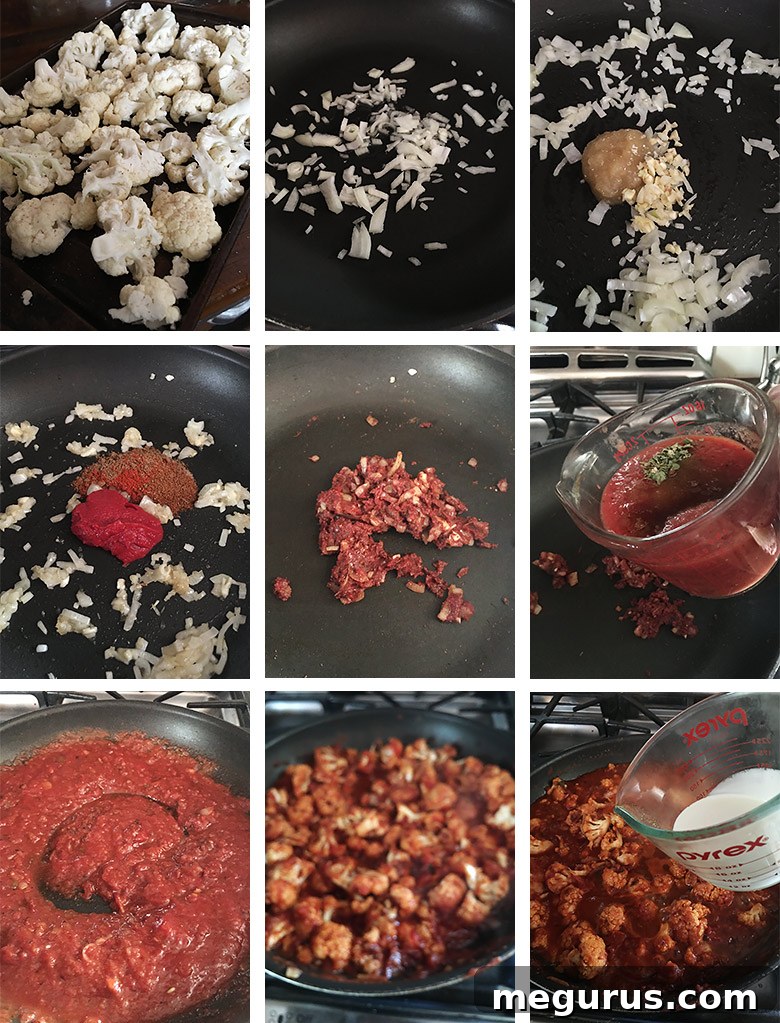
Follow these simple steps to create a rich and flavorful Indian cauliflower curry that will impress your taste buds.
- Prepare and Roast the Cauliflower: Begin by preheating your oven to 400°F (200°C). Carefully trim and core one whole head of fresh cauliflower, then break it into uniform, bite-sized florets. This ensures even cooking. Spread the florets in a single layer on a baking sheet. Drizzle generously with olive oil and season with a good pinch of salt and freshly ground black pepper. Toss everything together to coat the cauliflower evenly. Roast in the preheated oven for approximately 20-30 minutes, or until the cauliflower is tender with slightly browned edges. This roasting step is crucial as it caramelizes the cauliflower, adding depth and a lovely texture to the finished curry. Once roasted, remove from the oven and transfer the florets to a bowl. Set aside. (Tip: This step can be done ahead of time. Allow the roasted cauliflower to cool completely, then refrigerate it in an airtight container for up to 2-3 days.)
- Sauté the Aromatics: While the cauliflower roasts, prepare your aromatics. Finely dice one small onion and mince two cloves of garlic. If using fresh ginger instead of paste, mince 1 teaspoon of fresh ginger. Heat a splash of cooking oil (such as vegetable or canola oil) in a large skillet or Dutch oven over medium heat. Add the diced onion and cook, stirring occasionally, for 3-5 minutes until it softens and becomes translucent.
- Infuse with Ginger and Garlic: Add the finely chopped garlic and ginger paste (or minced fresh ginger) to the skillet. Continue to cook for another minute, stirring constantly, until fragrant. Be careful not to burn the garlic.
- Bloom the Spices and Tomato Paste: If using tomato paste, add 2 tablespoons to the skillet along with the dried spices: 1 teaspoon cumin, 1 teaspoon garam masala or tandoori masala, 1 teaspoon paprika, and 1 teaspoon coriander. Add a pinch of cayenne, red pepper flakes, or Kashmiri chili powder now if you desire extra heat. Cook, stirring continuously, for about 30 seconds to 1 minute. This process, known as “blooming” the spices, toasts them slightly and releases their full aroma and flavor, creating a more complex curry base.
- Incorporate the Tomatoes and Optional Sweetness: Pour 1.5 cups of canned crushed tomatoes into the skillet. If you’re using brown sugar or honey to temper the acidity, add 1 teaspoon now. Also, if you have dried fenugreek leaves (methi), crush 1 teaspoon between your palms and add them to the pan. Stir everything together well, ensuring all the spices are incorporated into the tomato sauce. Bring the mixture to a gentle simmer.
- Add the Roasted Cauliflower: Gently fold the pre-roasted cauliflower florets into the simmering tomato sauce. Stir carefully to coat the cauliflower evenly. Continue to cook for a few minutes, allowing the cauliflower to absorb the wonderful flavors of the sauce. At this point, the curry will be quite thick and chunky.
- Adjust Sauce Consistency and Add Creaminess (Optional): If you prefer a saucier curry, add ½ to ¾ cup of chicken or vegetable broth, or simply water, to the pan. Start with half a cup and add more until you reach your desired consistency; a saucier curry is excellent for dipping bread! For a touch of creamy indulgence, stir in 2-3 tablespoons of heavy cream, plain yogurt, or full-fat coconut milk. Mix thoroughly until well combined and heated through.
- Final Seasoning: Taste your Indian cauliflower curry and adjust the seasoning as needed. Curries often benefit from a generous salting at the end to truly make all the flavors pop. Add salt and pepper to taste, and a little more spice if you desire extra heat. Serve hot.
Top Tips for a Perfectly Flavorful Indian Cauliflower Curry
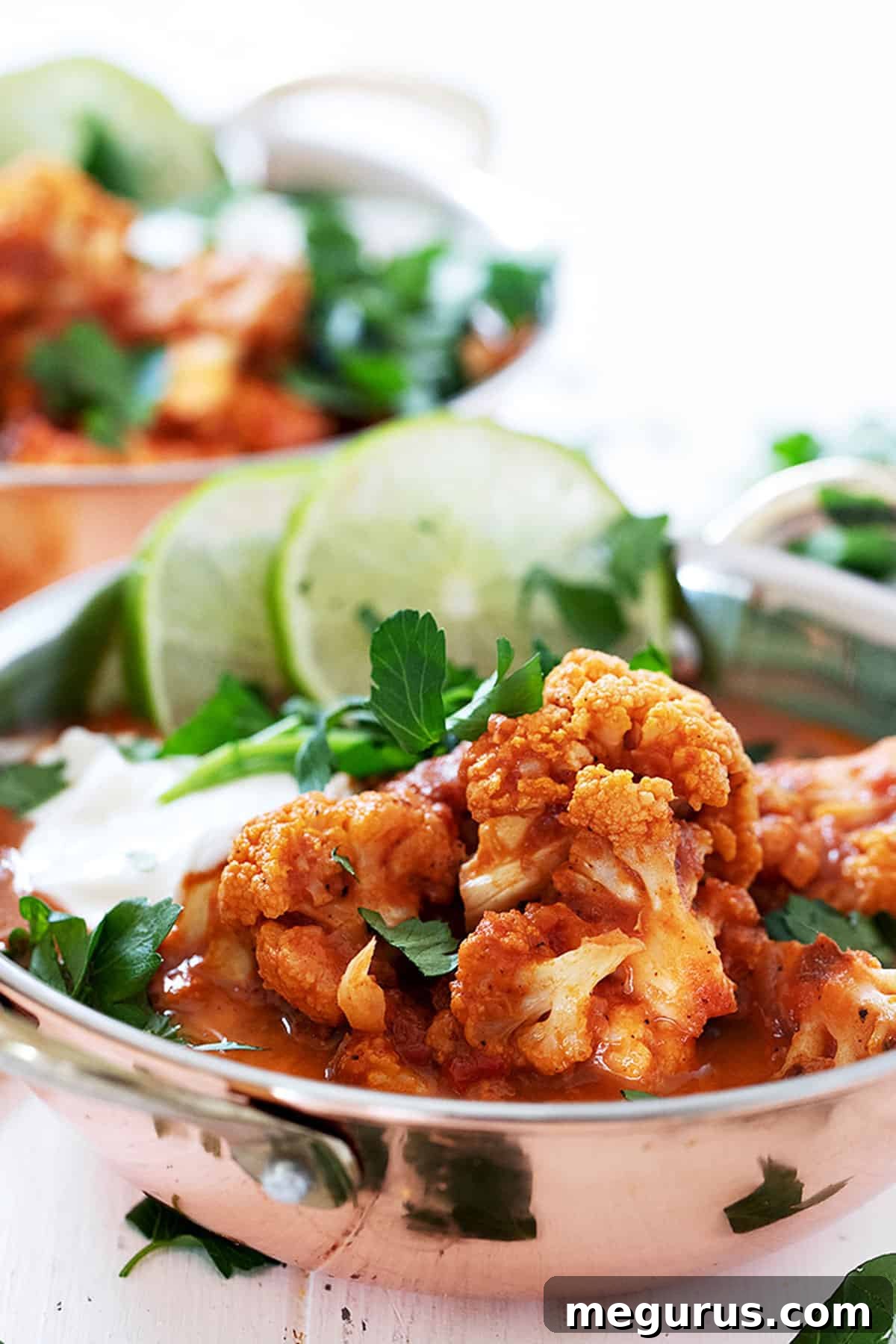
Making a truly memorable curry involves a few key considerations. These tips will help you elevate your Indian cauliflower curry from good to exceptional:
- Mastering the Spice Level: The amount of spice in a curry is profoundly personal. The quantities provided in this recipe represent a minimum level of spicing, designed to be approachable for most palates. If you are a devoted curry aficionado or simply prefer a bolder, more intense flavor, feel free to increase the amounts of cumin, coriander, paprika, garam masala, and especially the cayenne or red pepper flakes to your liking. Don’t be afraid to taste and adjust!
- The Power of Salt: Never underestimate the importance of salt in bringing out the full spectrum of flavors in any dish, especially curries. Once your curry is fully cooked and simmering, take a quick taste. It’s almost always necessary to add an extra pinch or two of salt at this stage. Salt acts as a flavor amplifier, transforming a good curry into an outstanding one. Vegetable curries, in particular, often require generous salting to truly shine.
- Don’t Skip Roasting the Cauliflower: While it might seem like an extra step, roasting the cauliflower beforehand is a game-changer. This process caramelizes the edges of the florets, imparting a nutty sweetness and a slightly firm texture that holds up beautifully in the sauce. This adds a depth of flavor that boiled or steamed cauliflower simply cannot achieve.
- Mise en Place is Your Friend: “Mise en place” is a French culinary term meaning “everything in its place.” Before you even turn on the stove, chop all your vegetables, measure out your spices, and open your cans. This preparation ensures a smooth cooking process, allowing you to add ingredients at precisely the right moment without scrambling.
- Achieving the Right Consistency: The amount of broth or water you add is key to your preferred curry consistency. If you like a thick, chunky curry, add less liquid. For a saucier curry that’s perfect for dipping naan or serving over rice, add more broth gradually until it reaches your desired texture.
- Let It Simmer: After adding the cauliflower and liquid, allow the curry to simmer gently for at least 5-10 minutes. This allows all the flavors to meld together and deepen, making the curry even more delicious.
Ideas for Serving Your Versatile Cauliflower Curry
This Indian cauliflower curry is incredibly versatile and can be enjoyed in numerous ways. Here are some delightful suggestions to inspire your next meal:
- Classic Curry & Rice: Serve it generously over a bed of fluffy basmati rice or brown rice. The rice beautifully soaks up the rich, aromatic sauce.
- Naan Bread Companion: Enjoy it on its own with warm, pillowy naan bread or other flatbreads like roti or chapati for dipping. This is often my personal favorite way to savor every bite!
- Wholesome Rice Bowl: Keep the curry chunky and spoon it over rice with a side of fresh, crisp vegetables like sliced cucumbers, shredded carrots, or cherry tomatoes for a complete and healthy rice bowl.
- Flavorful Tacos or Wraps: Transform your curry into an Indian-inspired taco! Leave it chunky and spoon it into soft tortillas, adding fresh greens, a dollop of yogurt, or a squeeze of lime.
- Protein Boost: While this curry is perfectly satisfying on its own, you can easily add a protein boost. Stir in a can of drained chickpeas, pre-cooked lentils, or pan-fried tofu cubes during the last few minutes of cooking.
- Side Dish with a Twist: While designed as a main, this curry also makes a fantastic, flavorful side dish to grilled chicken or fish for those who enjoy meat alongside vegetables.
- Meal Prep Powerhouse: This curry reheats beautifully, making it an excellent option for meal prepping. Portion it into containers for easy lunches throughout the week.
Recipe Card: Easy Indian Cauliflower Curry
Get the Recipe: Indian Cauliflower Curry
Rated 5 stars from 8 ratings
Pin This
Leave a Review
Ingredients
For roasting the cauliflower:
- 1 head cauliflower, trimmed, cored and broken into bite-sized florets
- Olive oil
- Salt and pepper
For the curry:
- 1/4 cup onion, finely diced
- 2 cloves garlic, finely chopped
- 1 Tablespoon ginger paste, or add 1 tsp fresh minced ginger or 1/2 tsp dried ginger to the other dried spices
- 2 Tablespoons tomato paste, optional
- 1 teaspoon cumin
- 1 teaspoon garam masala or Tandoori masala
- 1 teaspoon paprika
- 1 teaspoon coriander
- Pinch cayenne, red pepper flakes or Kashmiri Chili powder (optional – for some heat)
- 1 teaspoon brown sugar, optional
- 1 teaspoon dried Fenugreek leaves, (optional)
- 1 1/2 cups canned crushed tomatoes, or any canned tomato processed down in a blender or food processor
- 1/2 – 3/4 cup chicken or vegetable broth, or water
- 2-3 Tablespoons cream, yogurt or coconut cream or milk
For garnish/serving:
- Chopped fresh cilantro, optional
- Lime slices or wedges, optional
- Naan bread, for serving
Instructions
-
Roast the cauliflower: Preheat oven to 400F (200C). Remove the core of the cauliflower and break it into bite-sized florets. Scatter evenly on a baking sheet. Drizzle with olive oil and season with salt and pepper. Toss to combine. Roast in preheated oven for about 25 minutes, or until just tender and slightly caramelized. Remove from oven and transfer to a bowl. Set aside. (*You can roast the cauliflower ahead of time, let it cool, and refrigerate until later, if you like).
-
For the curry: Take a moment to chop the onion and garlic and measure out your spices and tomatoes to have them ready to add to the skillet. Heat a splash of cooking oil in a large skillet or Dutch oven over medium heat. Add the onion and cook, stirring, for 3-5 minutes, until tender and translucent. Add the garlic and ginger paste and cook for another 30-60 seconds, stirring constantly, until fragrant. Add the tomato paste (if using) and the dried spices (cumin, garam masala/tandoori masala, paprika, coriander, and cayenne/chili powder if using) and cook, stirring, for 30 seconds to allow the spices to bloom. Add the brown sugar (if using) and Fenugreek leaves (if using) to the crushed tomatoes, then add the crushed tomatoes to the pan. Stir to combine. Bring to a gentle simmer. Add the roasted cauliflower to the pan and cook, stirring, for a few minutes to infuse the cauliflower with flavor. (You can stop here and enjoy these spicy cauliflower bits as they are. If you’d like a saucier curry, proceed to the next steps.)
-
To thin the sauce, add 1/2-3/4 cup chicken or vegetable broth or just some water, to loosen the sauce (start with the lesser amount and use more if you want or need more). If you’d like your curry a little creamy, stir in 2-3 Tbsp of cream, yogurt or coconut cream or milk. Cook for another 5 minutes to allow flavors to meld.
-
Taste your sauce and season with salt, as needed. Generally, some salting at the end is needed to really bring out the flavors. Serve hot, garnished with fresh cilantro and lime wedges if desired.
Notes
Nutritional amounts provided are estimates and do not include garnish toppings or bread for serving.
Refer to the “Top Tips” and “Serving Ideas” sections above the recipe card for more detailed guidance and suggestions for customizing this dish.
Frequently Asked Questions (FAQs) About Indian Cauliflower Curry
Here are some common questions about making this delicious Indian cauliflower curry:
- Can I make this curry spicier? Absolutely! The spice levels in the recipe are a starting point. To make it spicier, you can increase the amount of cayenne pepper, red pepper flakes, or fresh green chilies (finely chopped) added with the aromatics. You can also add a pinch of black pepper.
- Can I use frozen cauliflower? Yes, you can. While fresh cauliflower is preferred for its texture, frozen florets work in a pinch. You don’t need to roast frozen cauliflower; simply add it directly to the simmering sauce in step 6 and cook until tender. Be aware that the texture may be softer.
- Is this recipe suitable for meal prep? Yes, this curry is excellent for meal prep! It stores well in the refrigerator for 3-4 days and reheats beautifully. You can make a large batch and enjoy it throughout the week.
- Can I freeze Indian cauliflower curry? This curry freezes well. Allow it to cool completely, then transfer it to an airtight, freezer-safe container. It can be frozen for up to 3 months. Thaw in the refrigerator overnight before reheating gently on the stovetop or in the microwave. If adding cream or yogurt, it’s best to do so upon reheating, as dairy can sometimes separate when frozen.
- What other vegetables can I add? This curry is very adaptable. Feel free to add other quick-cooking vegetables like peas, chopped bell peppers, spinach (stir in at the very end), or even potatoes (add with the tomatoes and cook until tender).
- I don’t have all the individual spices. Can I still make this? Yes! A quality Indian curry paste can be a lifesaver. Use 1-2 tablespoons of Tandoori Masala, Garam Masala, or any mixed Indian curry paste as a replacement for the individual dried spices and tomato paste. Adjust to your taste.
- How can I make this dish richer? For an even richer curry, increase the amount of cream, yogurt, or coconut milk. You could also stir in a tablespoon of butter (if not vegan) or a teaspoon of ghee at the end of cooking.