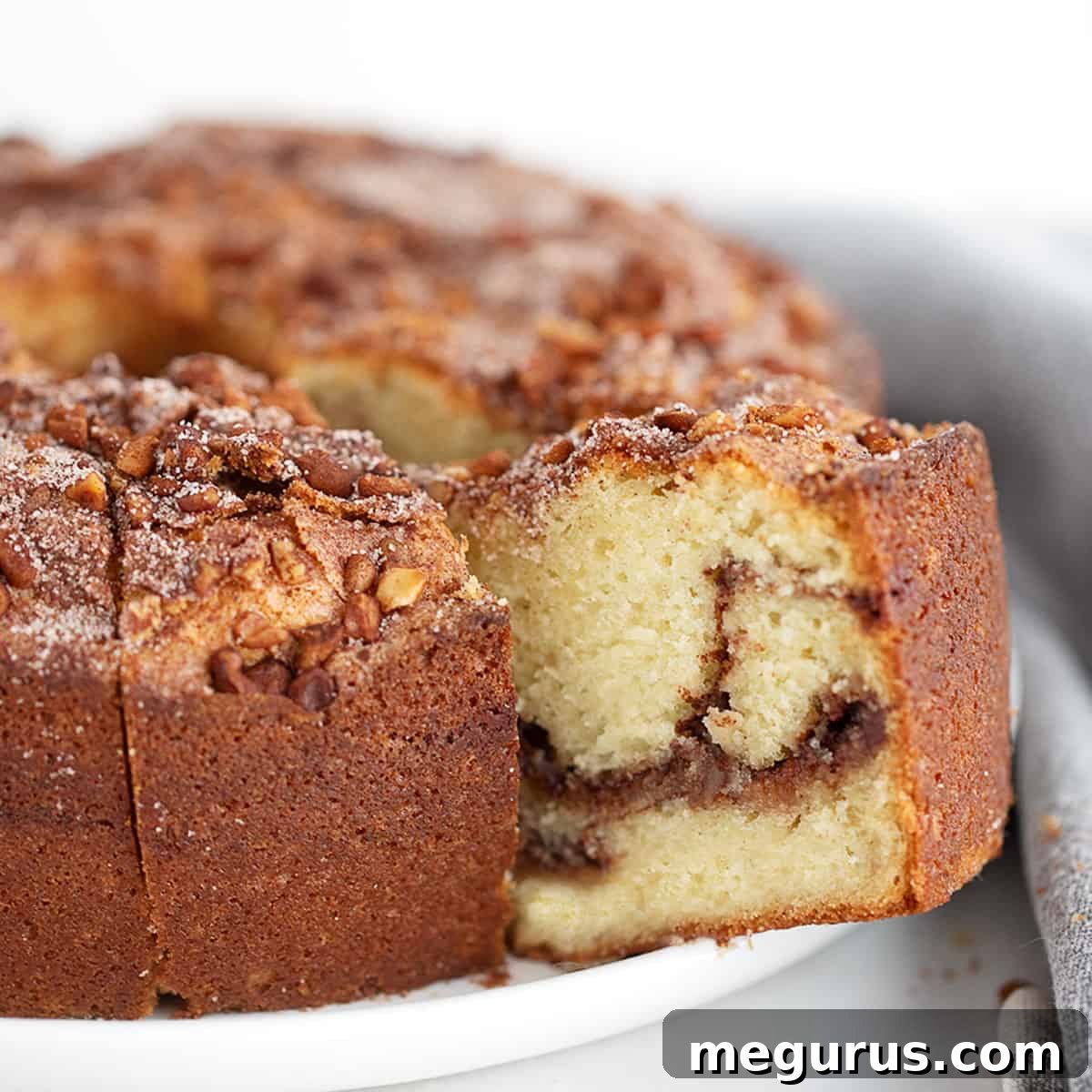
The Ultimate Classic Tube-Pan Sour Cream Coffee Cake: A Recipe for Perfect Moistness and Flavor
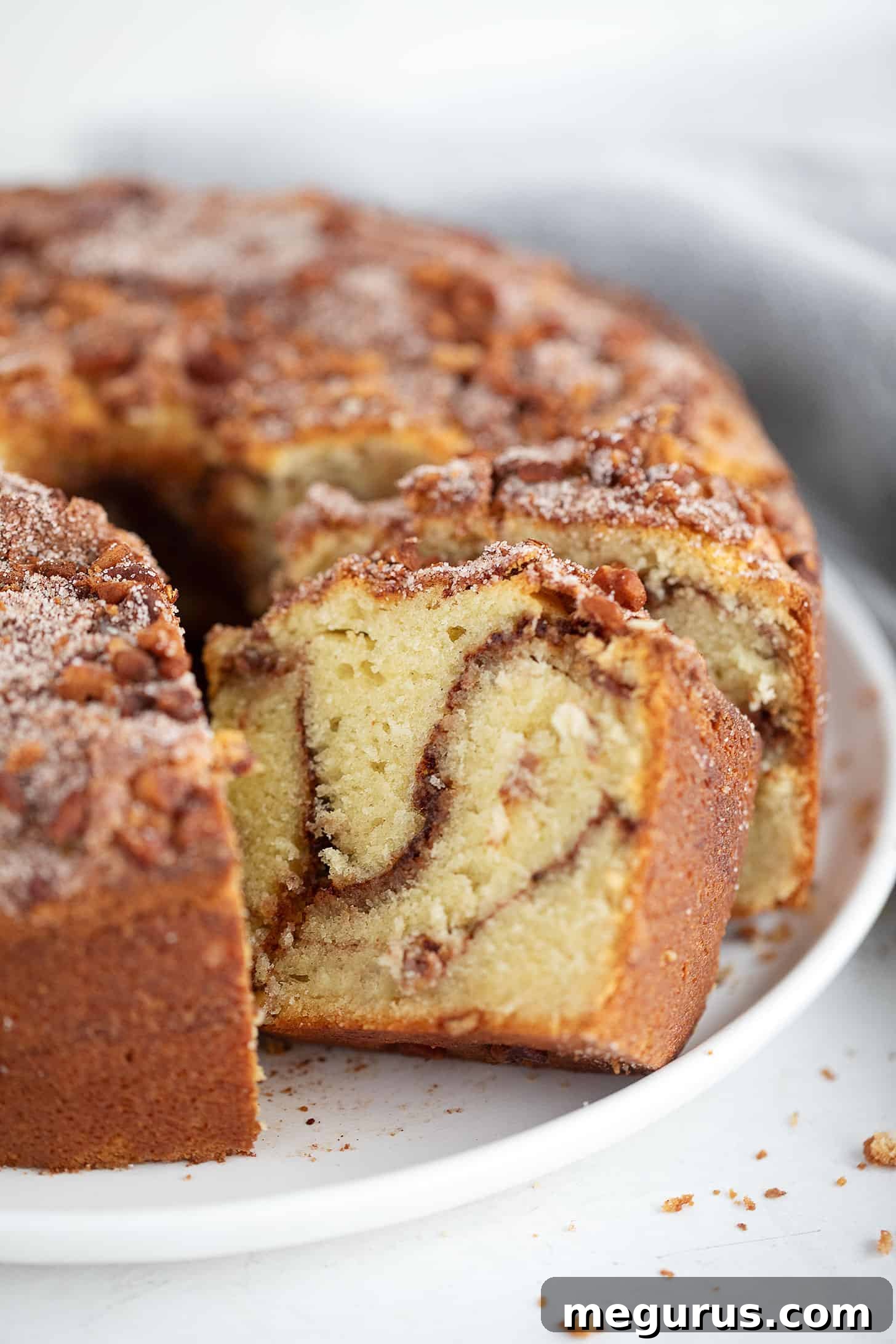
There’s nothing quite like the comforting aroma of a freshly baked coffee cake filling your kitchen. This timeless Classic Tube-Pan Sour Cream Coffee Cake isn’t just a dessert; it’s an invitation to savor life’s simple pleasures. Renowned for its impeccable texture, unparalleled moistness (all thanks to the magic of sour cream!), and a delightfully crisp crust, this cake promises a memorable culinary experience. Each slice reveals a generous swirl of rich brown sugar, aromatic cinnamon, and crunchy walnuts, with an extra layer sprinkled generously on top for an irresistible finish. It’s the kind of homemade treat that transcends any occasion, perfect for leisurely mornings, elegant brunches, or a delightful accompaniment to your afternoon coffee or tea. What’s even better? This magnificent creation stays wonderfully fresh for days on your countertop, making it ideal for continuous enjoyment throughout the week or for effortlessly entertaining guests.
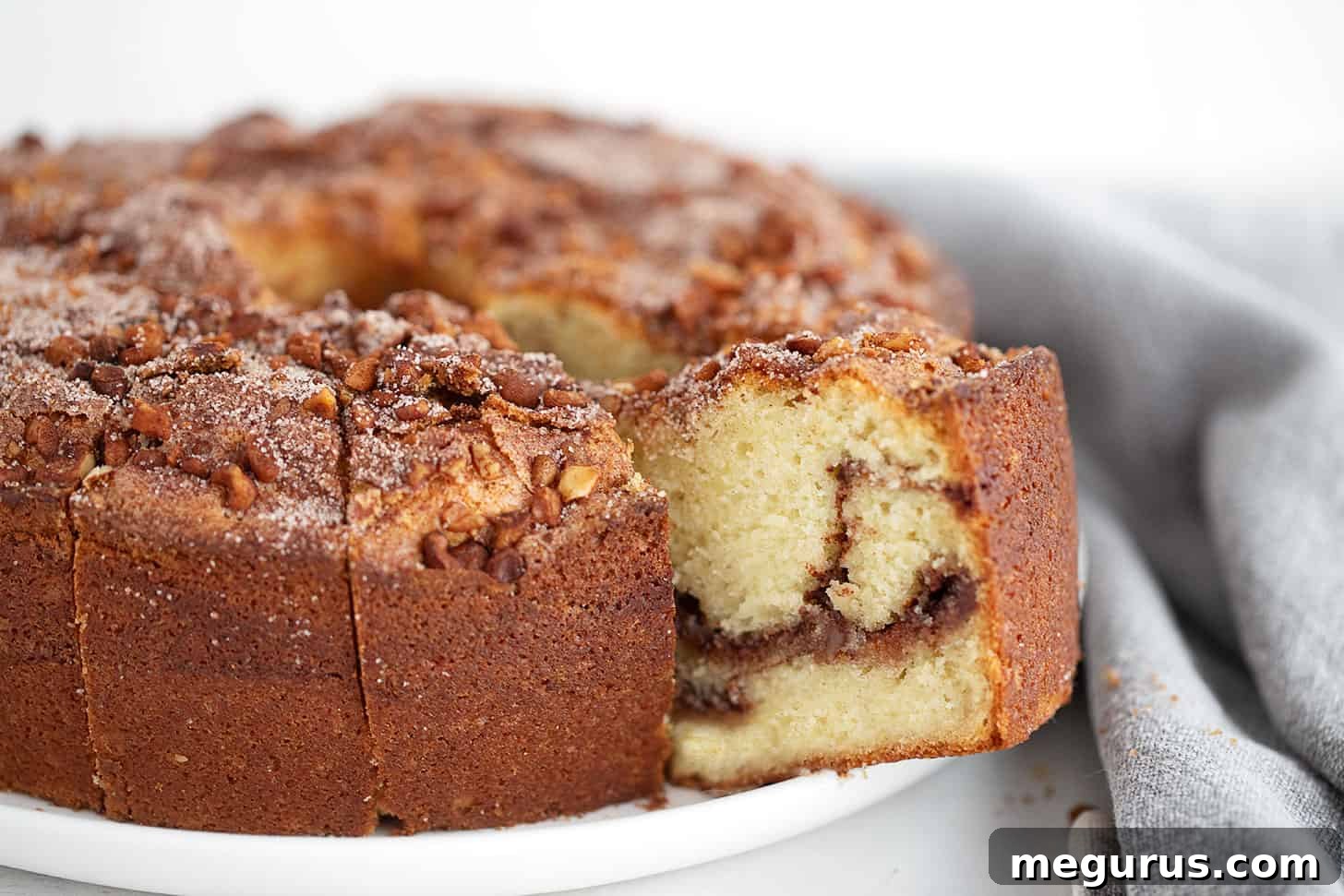
Imagine a gorgeous, golden-brown coffee cake gracing your kitchen counter – it instantly elevates the ambiance. This recipe for a classic sour cream coffee cake not only delivers on taste but also offers a stunning presentation. Baked “right side up” in a tube pan, it develops a beautiful shape and an evenly distributed cinnamon-walnut streusel. The beauty of this recipe lies in its simplicity; the batter comes together quickly and effortlessly, and the versatile cinnamon crumb mixture serves double duty as both a luscious filling and a delightful crunchy topping. Don’t own a tube pan? No problem! We’ve included instructions on how to adapt this recipe for baking delicious loaves, ensuring everyone can enjoy this extraordinary cake. Dive into the detailed guide below to discover how to create this beloved coffee cake masterpiece!
Understanding the Tube Pan: Why It’s Perfect for Your Coffee Cake
While often confused with Bundt pans, a tube pan is distinctly different and offers unique advantages for certain cakes, including this classic sour cream coffee cake. At its core, a tube pan features a central “tube” or cone, which can be found in various shapes, round or square. Think of the iconic pan used for Angel Food Cakes; that’s typically a tube pan. These pans are generally taller than most Bundt pans, designed to accommodate more batter and promote even baking, especially for lighter, airier batters or those with a delicate crumb.
A significant feature of many tube pans is their two-part design, where the bottom and the central tube can be separated from the sides. This construction is incredibly helpful for releasing delicate cakes intact, preventing any sticking or tearing. While one-piece tube pans exist, the two-part variety is often recommended for its ease of use in releasing cakes perfectly. The central tube itself is crucial as it allows heat to penetrate the cake from both the outside and the center, ensuring the cake bakes uniformly and develops a consistent texture throughout, a key factor in the success of this moist coffee cake.
Essential Ingredients and Smart Substitutions for Your Coffee Cake
Achieving the perfect flavor and texture for your sour cream coffee cake starts with understanding the role of each ingredient. Here are a few notes on the key components:
- Butter: For this recipe, you can use either salted or unsalted butter. If you opt for unsalted butter, remember to increase the amount of fine table salt in the batter by an additional 1/2 teaspoon. More importantly, ensure your butter is at room temperature – specifically around 65-68°F (18-20°C). Butter that is too cold won’t cream properly, leading to a dense cake, while butter that’s too soft can result in a greasy texture. Room temperature butter creams beautifully with sugar, incorporating air for a lighter crumb.
- Sour Cream: This is the star ingredient for moistness! Full-fat sour cream is highly recommended as it delivers the richest flavor and the most tender, moist crumb. The higher fat content contributes significantly to the cake’s luxurious texture. While lower-fat sour cream can be used in a pinch, be aware that it might slightly alter the cake’s texture due to the reduced fat content, potentially making it a bit less rich or moist. Ensure your sour cream is also at room temperature to blend smoothly with the other ingredients, preventing curdling and ensuring a consistent batter.
- Walnuts: The crunchy walnuts add a wonderful textural contrast and nutty flavor to the cinnamon swirl. However, if you have nut allergies or simply prefer a nut-free cake, they are completely optional. You can easily omit them without significantly impacting the cake’s overall structure or moistness. Alternatively, feel free to substitute with other chopped nuts like pecans for a different flavor profile.
- Eggs: Like butter and sour cream, eggs should also be at room temperature. This helps them emulsify better with the fat and sugar, creating a more cohesive and smooth batter. Eggs provide structure, richness, and contribute to the cake’s lift and golden color.
- All-Purpose Flour: The foundation of our cake. Precise measurement is key here. Always use the “spoon and level” method: gently spoon the flour into your measuring cup until it overflows, then use a straight edge (like the back of a knife) to level off the excess. Scooping flour directly from the bag can pack it down, leading to too much flour and a dry, dense cake.
- Granulated Sugar: Besides sweetness, sugar plays a vital role in tenderizing the cake and retaining moisture. It also contributes to the beautiful caramelization of the crust.
- Baking Soda: Our leavening agent, which works with the acidic sour cream to create bubbles, giving the cake its lift and airy texture.
- Ground Cinnamon: Essential for that classic coffee cake flavor, used generously in the irresistible cinnamon swirl and topping.
Step-by-Step Guide to Baking Your Classic Tube-Pan Sour Cream Coffee Cake
Baking this delightful coffee cake is a straightforward process, but paying attention to each step ensures a perfect result. Here’s a visual summary of the key stages. For the complete list of ingredients and detailed instructions, refer to the recipe card below.
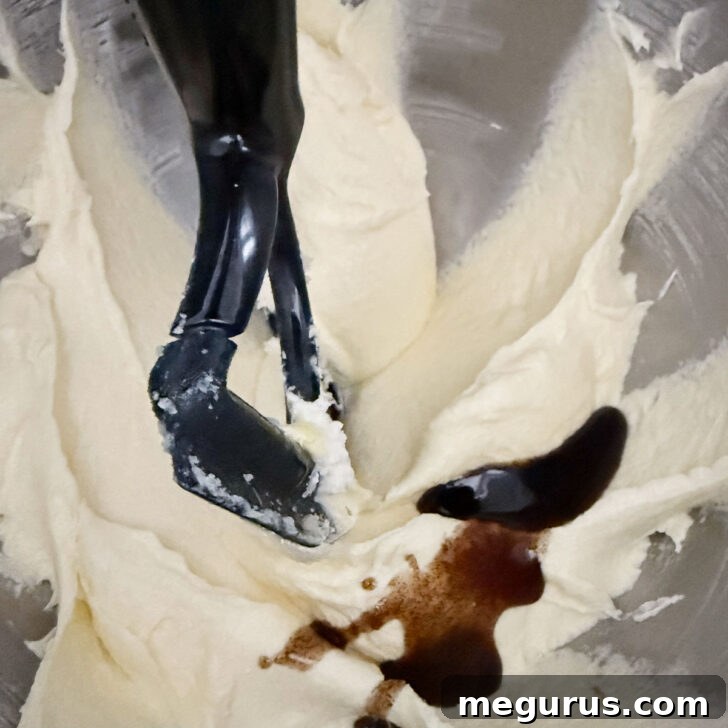
Step 1: Creaming the Foundation. Begin by creaming together the softened butter and granulated sugar until the mixture is light, fluffy, and pale in color. This process incorporates air, crucial for a tender cake. Next, beat in the eggs one at a time, ensuring each is fully incorporated before adding the next, then stir in the vanilla extract for a fragrant base.
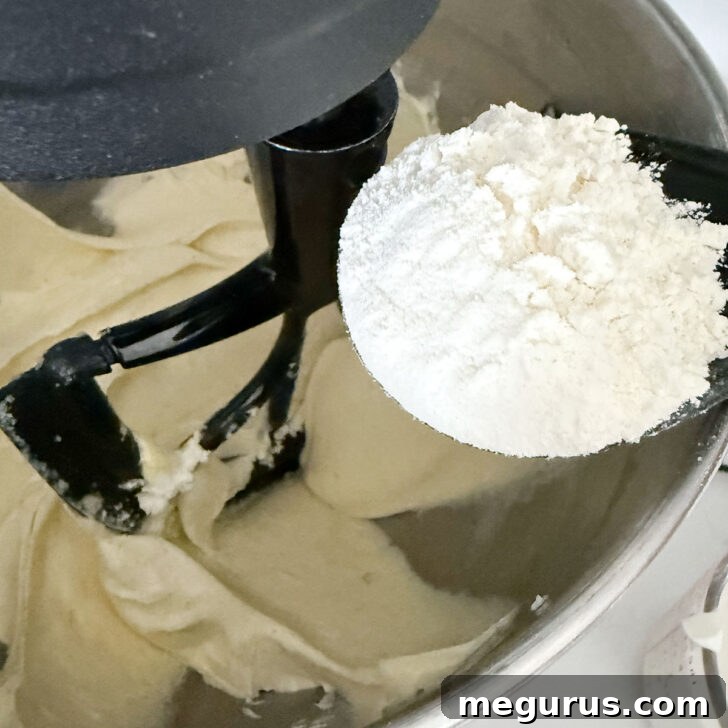
Step 2: Alternating Wet and Dry. With your mixer on a low speed, gradually add the dry flour mixture (flour, baking soda, and salt) alternately with the room-temperature sour cream. Start and end with the flour mixture, mixing just until combined after each addition. This technique helps to maintain a smooth batter and prevents overmixing, which can lead to a tough cake.
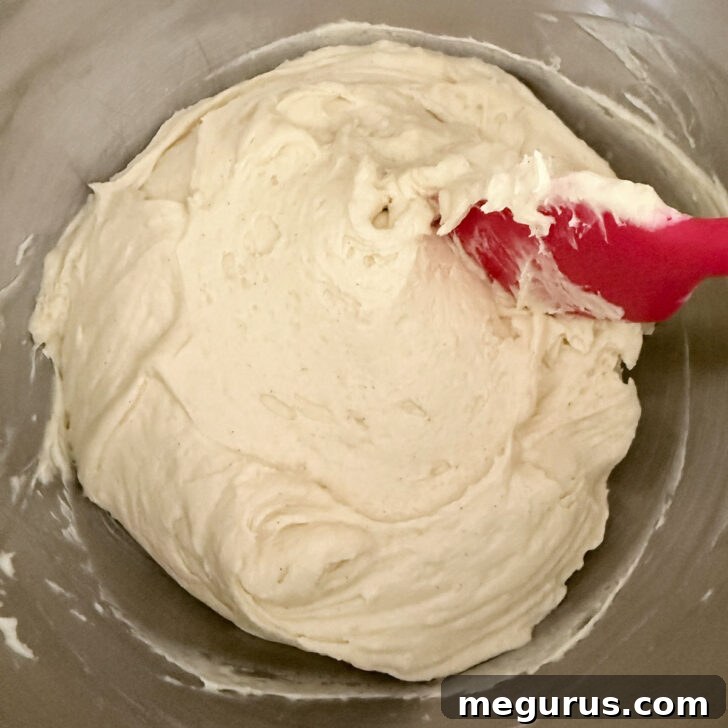
Step 3: The Perfect Batter. Your finished batter should be smooth, homogenous, and beautifully fluffy. Avoid overmixing once all ingredients are added; a few lumps are fine. The goal is to develop a light consistency that will rise perfectly in the oven.
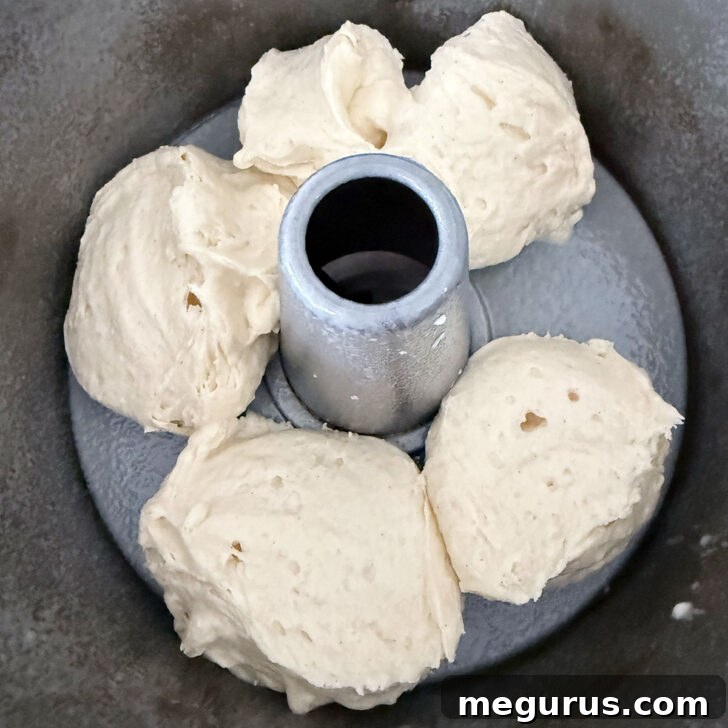
Step 4: Layering the Flavor. Spoon approximately one-third of the delicious coffee cake batter evenly into your well-greased tube pan. This forms the first foundational layer for your cake.
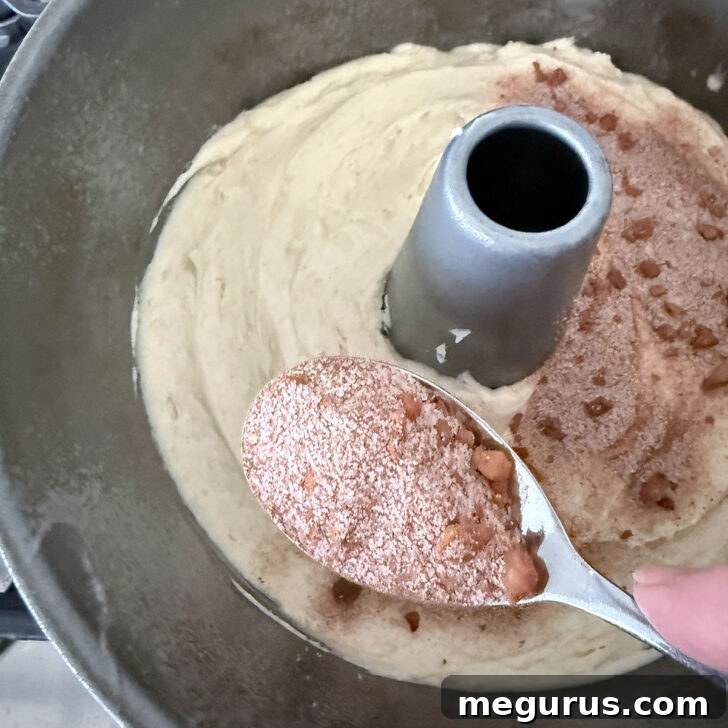
Step 5: The Cinnamon Swirl. Evenly sprinkle one-third of your prepared cinnamon, brown sugar, and walnut mixture over the batter in the pan. This layer will melt into a luscious swirl during baking.
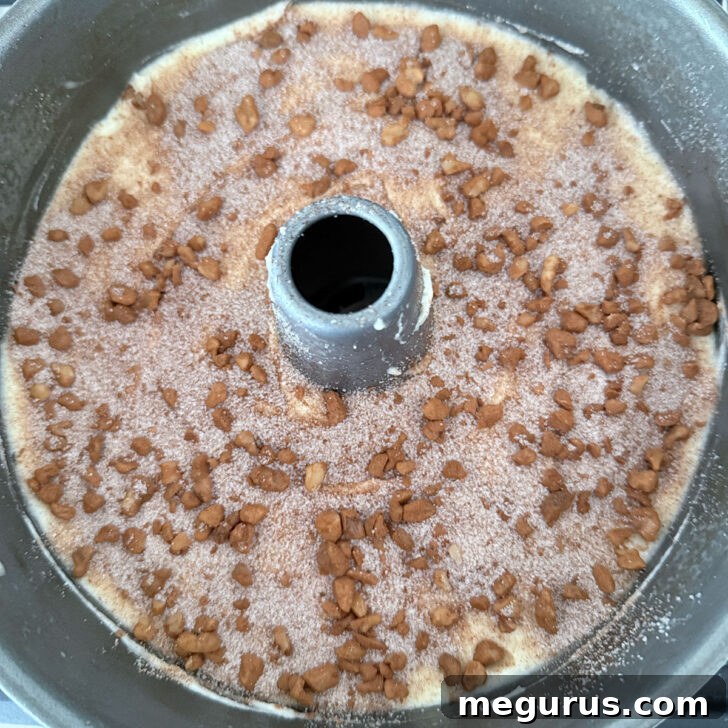
Step 6: Building and Baking. Repeat the layering process two more times, alternating batter and cinnamon mixture. Ensure the final layer is the remaining cinnamon mixture, creating a beautiful streusel topping. Bake until golden brown and a toothpick inserted comes out clean, indicating a perfectly cooked cake.
Expert Tips for Baking Your Best Sour Cream Coffee Cake
Achieving a truly exceptional coffee cake is simple when you follow a few key baking principles. These tips will help you ensure your tube-pan sour cream coffee cake turns out perfectly moist, tender, and flavorful every single time:
- Embrace Room Temperature Ingredients: This is arguably the most crucial tip for any cake. Always ensure your butter, eggs, and sour cream are at proper room temperature (around 65-68°F or 18-20°C). This allows them to emulsify correctly, creating a smooth, cohesive batter that traps air efficiently. Cold ingredients can lead to a lumpy batter and a dense, unevenly textured cake. Remember, “room temperature” for butter isn’t melted; it should be pliable enough to leave an indent with your finger.
- Master the Creaming Process: The initial creaming of butter and sugar isn’t just about mixing; it’s about aeration. Using a stand mixer with a paddle attachment (or a hand mixer) on medium speed (like Speed 4 or 5 on a KitchenAid) for the full specified time (typically 4-5 minutes) is vital. Don’t rush this step! The mixture should become visibly lighter in color and fluffy, indicating that sufficient air has been incorporated, which contributes to the cake’s lift and tender crumb. Scrape down the bowl halfway through to ensure everything is evenly mixed.
- Measure Flour Accurately: Dry, crumbly cakes are often the result of too much flour. Always use the “spoon and level” method for measuring flour. First, fluff the flour in its container. Then, gently spoon the flour into your dry measuring cup until it’s overflowing. Finally, use the flat back of a knife or a straight edge to level off the top, sweeping away any excess. Avoid scooping directly with the measuring cup, as this compacts the flour and adds significantly more than intended.
- Prevent Overmixing: Once you start adding the flour mixture and sour cream, mix only until the ingredients are just combined. Overmixing develops the gluten in the flour, which can lead to a tough, rubbery cake. A few small lumps in the batter are perfectly acceptable and won’t affect the final outcome.
- Understand Your Oven and Pan: Baking times are always estimates. Ovens can vary significantly in temperature, and even the color of your tube pan matters. Darker pans absorb more heat and tend to bake cakes faster than lighter-colored pans. Start checking for doneness a few minutes before the minimum baking time. Use a long, thin wooden skewer or cake tester. Insert it several inches into the cake, halfway between the edge of the pan and the center tube. The cake is done when the tester comes out clean or with only a few moist crumbs attached.
- Proper Cooling is Key: Resist the urge to remove the cake from the pan immediately after baking. Allow it to cool in the tube pan for at least 15 minutes. This cooling period allows the cake to firm up, making it easier to handle and less likely to break during removal. After 15 minutes, follow the instructions in our FAQ for safely removing the cake to a wire rack to cool completely.
- Storage and Freezing: This coffee cake stores beautifully. Once completely cool, wrap it tightly in plastic wrap or place it in an airtight container. It will stay wonderfully fresh at room temperature for up to 3 days. For longer storage, this cake freezes exceptionally well. Wrap individual slices or the entire cooled cake tightly in plastic wrap, then again in aluminum foil. It can be frozen for up to 2 months. Thaw at room temperature or gently warm individual slices for a quick treat.
Frequently Asked Questions About Tube-Pan Coffee Cake
Can I bake this cake in a Bundt pan?
While Bundt pans and tube pans both have a central hole, they are not ideal substitutes for this specific recipe, for a couple of reasons. First, this tube-pan coffee cake is designed to bake “right-side up,” allowing the streusel topping to form a beautiful, crispy crust on top. A Bundt pan bakes “right-side down,” meaning the topping would be at the bottom of the pan, making it impossible to achieve the intended presentation and texture. Secondly, most common 10-cup Bundt pans are typically too small to hold all the batter for this generous recipe, risking overflow in your oven. While a larger 12-cup Bundt pan might accommodate the batter, the inverted baking method remains a fundamental incompatibility for this particular cake’s design.
How do you get the cake out of a tube pan cleanly?
Removing a tube-pan cake can seem daunting, but it’s simple with the right technique. First, allow the cake to cool in the pan for about 15 minutes after baking. This crucial cooling time allows the cake to firm up slightly. Next, gently run a thin knife or offset spatula around the outside edge of the cake and also around the base of the center post to loosen it from the pan. Now, if your pan has a removable bottom, you can simply push up the bottom to lift the cake out. If it’s a one-piece pan or you need extra assurance, cut a hole in the center of a large paper plate (or use a piece of plastic wrap in a pinch) and carefully fit it over the center post/tube, placing it on top of the cake. Then, invert the entire pan, turning the cake upside down so it lands top-down onto the paper plate. Finally, place a wire cooling rack on the “bottom” (now the top) of the removed cake and carefully flip it right-side up to cool completely on the rack.
Can I make this cake as loaves instead?
Absolutely! This versatile recipe works wonderfully when baked as loaves. As written, this recipe will yield two standard 9×5-inch loaves. Simply divide the batter and the cinnamon filling/topping mixture evenly between two well-greased loaf pans. Baking times will be similar to the tube pan, typically ranging from 50-60 minutes, but it’s always best to check frequently towards the end of baking with a toothpick inserted into the center until it comes out clean. This is a fantastic option if you want to enjoy one loaf now and freeze or gift the other! Alternatively, you can halve the entire recipe to make just one perfect loaf.
What if I don’t have sour cream? Are there alternatives?
While full-fat sour cream provides the absolute best results for moistness and flavor, if you find yourself without it, there are a few alternatives. Full-fat plain Greek yogurt can be used as a direct 1:1 substitute. It offers similar tang and fat content, contributing to a wonderfully moist cake. Another option is buttermilk; however, you might need to slightly adjust the dry ingredients or use slightly less liquid if the batter seems too thin, as buttermilk is runnier than sour cream or yogurt. Always ensure your chosen substitute is at room temperature for optimal mixing.
Can I add fresh fruit to this coffee cake?
This sour cream coffee cake is truly a blank canvas for additional flavors. While the classic cinnamon and walnut swirl is delicious, you can certainly incorporate fresh fruit. Berries like blueberries, raspberries, or sliced strawberries work wonderfully. Gently fold about 1 to 1.5 cups of fresh berries into the batter just before layering. Be mindful that fruit adds moisture, so baking time might increase slightly, and the fruit may release some juices. Alternatively, thinly sliced apples or pears tossed with a little extra cinnamon would also be a fantastic addition, especially for a fall-themed treat.
Classic Tube-Pan Sour Cream Coffee Cake Recipe
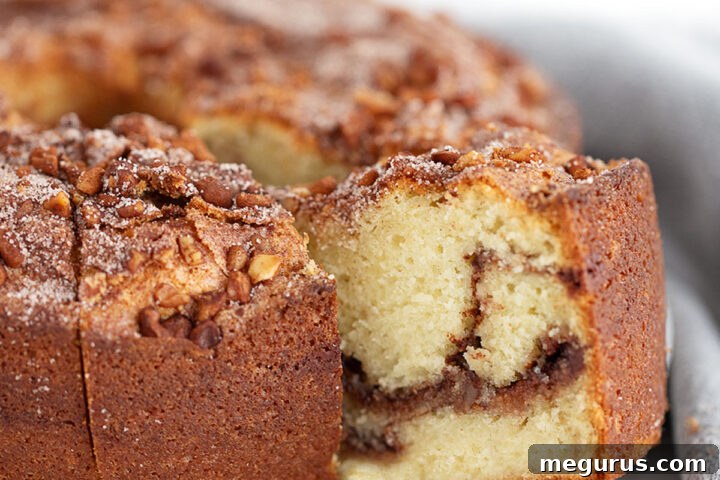
A classic coffee cake that’s baked in a tube pan, for a unique shape and perfect texture. With a cinnamon and brown sugar swirl and topping.
Prep Time: 15 mins
Cook Time: 1 hr
Total Time: 1 hr 15 mins
Yield: 16 servings
Ingredients
For the coffee cake batter:
- 1 cup salted or unsalted butter, at room temperature (increase salt to 1 1/4 tsp if using unsalted butter)
- 2 cups white granulated sugar
- 4 large eggs, at room temperature
- 2 teaspoons vanilla extract
- 3 cups all-purpose flour, spooned and levelled
- 1 teaspoon baking soda
- 3/4 teaspoon fine table salt
- 2 cups sour cream, at room temperature, full-fat sour cream recommended
For the cinnamon swirl and topping:
- 2 Tablespoons ground cinnamon
- 3/4 cup white granulated sugar
- 1/2 cup walnuts, chopped (can omit)
Instructions
Tip: Room temperature butter is 65-67F. Be sure not to over-soften. Remember to take the eggs and sour cream out of the fridge at the same time so they are room-temperature, too.
- Preheat the oven to 350F (non-convection/not fan-assisted). Grease a 10″ x 4″ tube pan well with cooking or baking spray. (If using a one-piece tube pan, you may want to line the bottom of the pan with parchment paper for easier removal.) Set aside.
- In a medium bowl, whisk together the flour, baking soda and salt for the batter. Set aside.
- In a large bowl with an electric beater or in the bowl of a stand mixer fitted with the paddle attachment, cream the butter and 2 cups of sugar together at medium speed (about Speed 4 or 5 on a Kitchenaid mixer) until light and fluffy, 4-5 minutes, scraping down the bowl once halfway through. Add the eggs, one at a time, beating well after each addition. Beat in the vanilla.
- With the mixer on low, add the flour mixture alternately with the sour cream, beating just enough after each addition to keep the batter smooth.
- Spoon one-third batter into the greased 10-inch tube pan. Combine the cinnamon, walnuts and 3/4 cup sugar in a small bowl. Sprinkle one-third of the cinnamon mixture over the batter in the pan. Repeat the layers twice, ending with the last of the cinnamon mixture on top of the cake.
- Bake at 350°F until a toothpick inserted in the center of the cake (halfway between the tube and the outside edge) comes out clean, 55-65 minutes. Test regularly towards the end of baking to avoid over-baking. Cool the cake in the pan for 15 minutes before removing from the pan to a wire rack to cool completely. (See Notes below for tips on removing the cake from the tube pan.)
- Store the cake well wrapped at room temperature for up to 3 days. This cake will also freeze well for up to 2 months.
Notes
Tips!
No tube pan? Make it as loaves, instead. This recipe will make two 9×5-inch loaves, dividing the batter and filling/topping between the two loaves. (Enjoy one now and freeze or gift the other!) Or halve the recipe and make one loaf. Baking should be similar or just slightly reduced (50-60 minutes), but watch closely and test regularly to avoid over-baking.
This recipe doesn’t translate well to a Bundt pan, as a Bundt pan bakes right-side down. I also suspect that all the batter may not fit into a standard 10″ Bundt pan (though it may fit in a 12″ Bundt pan).
How to get the cake out of a tube pan?
Cool the cake for about 15 minutes. Run a knife around the outside of the cake and center post. Cut a hole in the center of a large paper plate (or use plastic wrap, in a pinch) and fit it over the center post/tube of the pan on top of the cake. Turn the cake upside down so that it comes out top-down on the paper plate. Place a cooling rack on the bottom of the removed cake and turn it right side up to cool.
Nutrition Information
- Serving: 1 serving
- Calories: 404kcal
- Carbohydrates: 56g
- Protein: 6g
- Fat: 18g
- Saturated Fat: 10g
- Polyunsaturated Fat: 3g
- Monounsaturated Fat: 5g
- Trans Fat: 0.5g
- Cholesterol: 87mg
- Sodium: 222mg
- Potassium: 129mg
- Fiber: 1g
- Sugar: 35g
- Vitamin A: 520IU
- Vitamin C: 0.3mg
- Calcium: 69mg
- Iron: 2mg