Simply Perfect Coconut Macaroons: Your Easy, Gluten-Free, No-Condensed-Milk Recipe
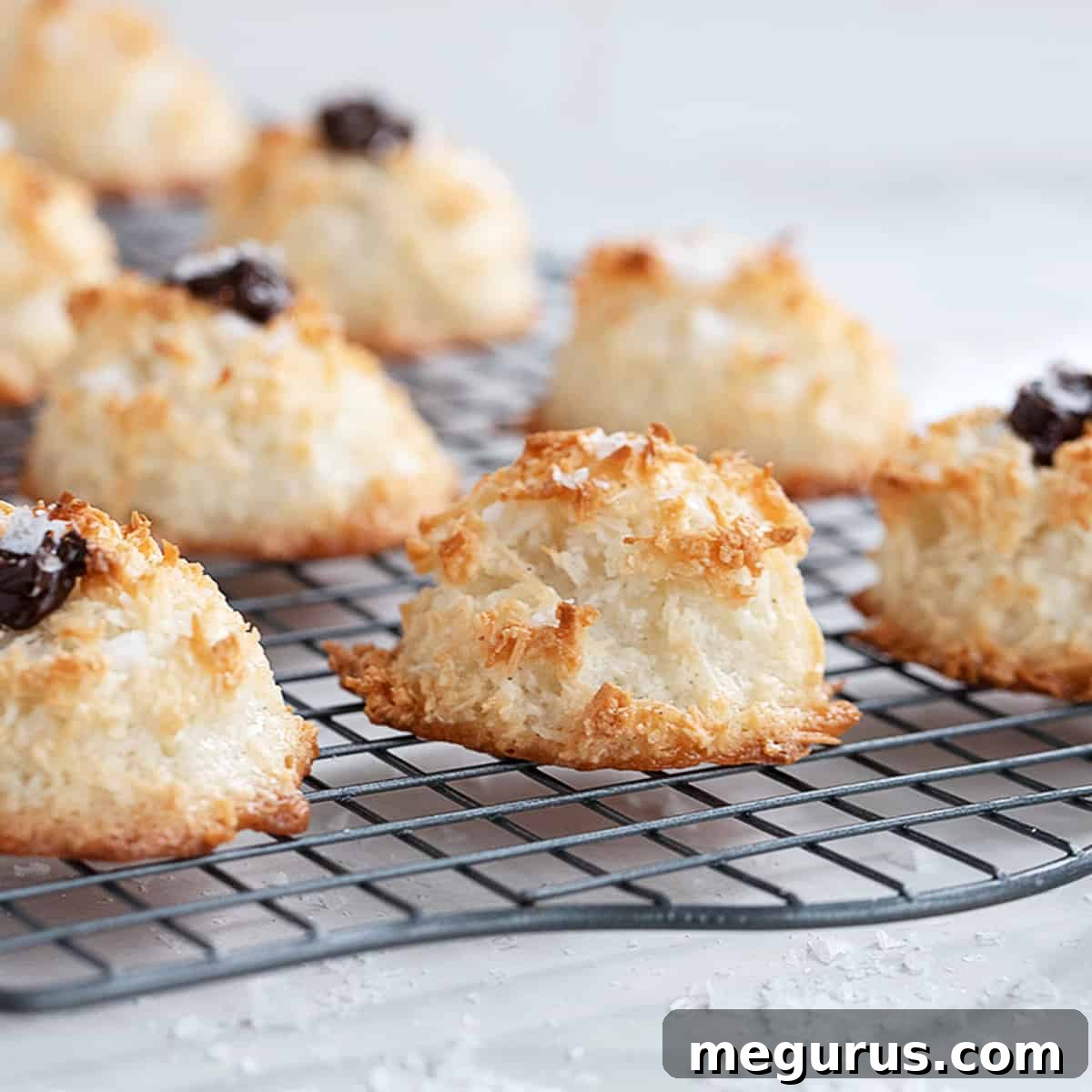
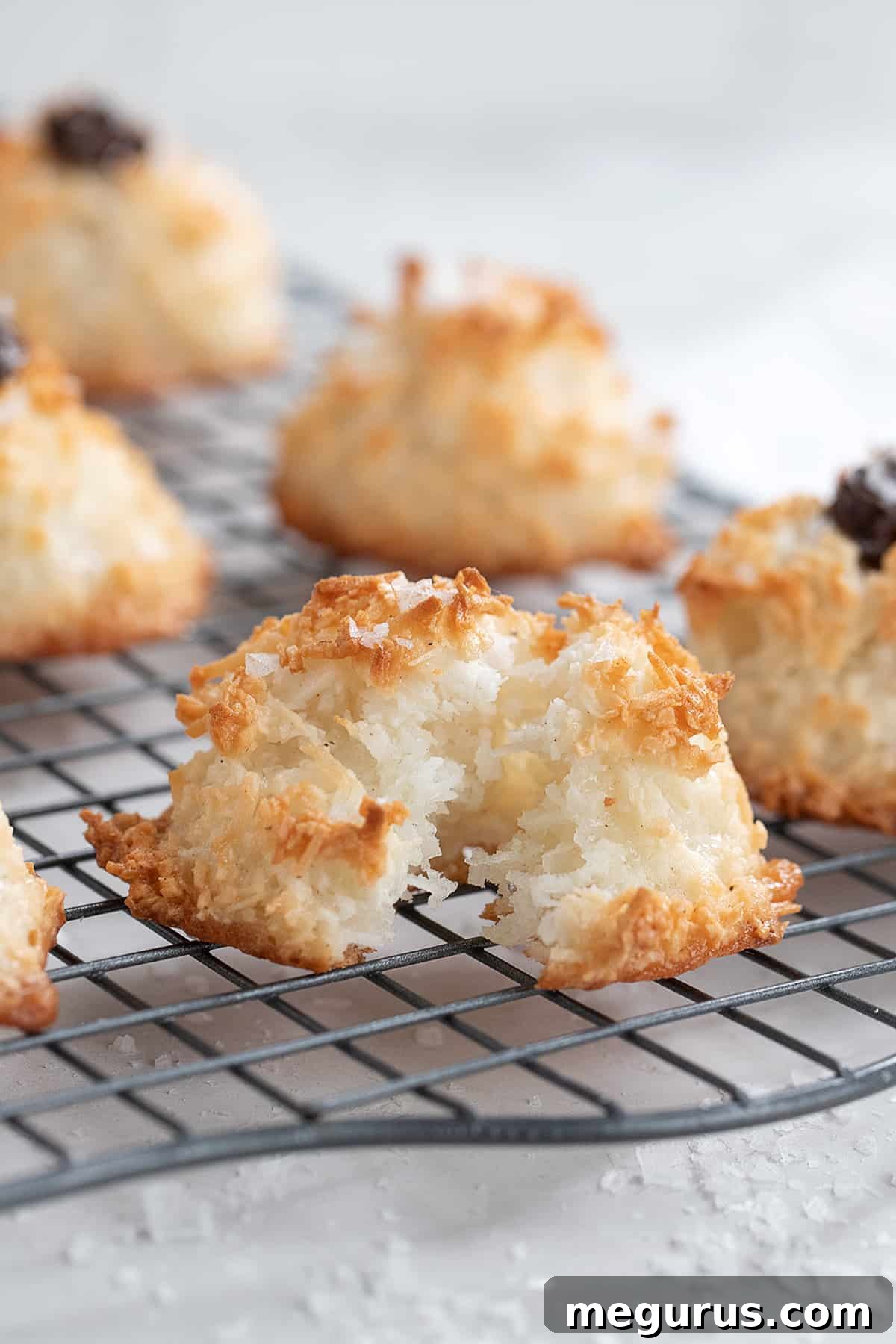
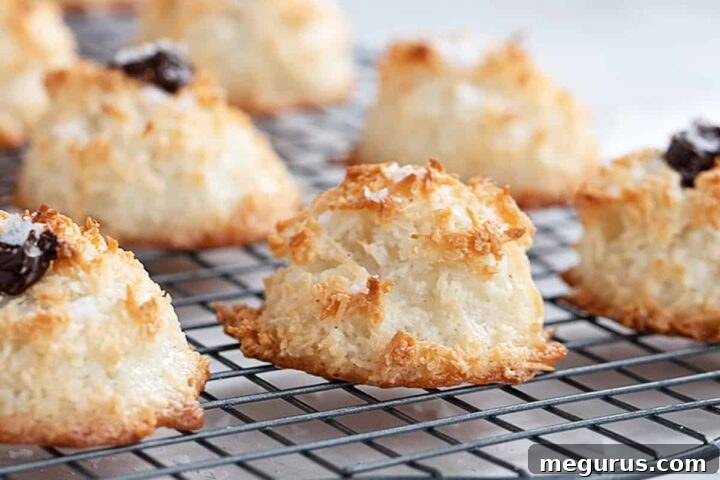
Discover the secret to making the most beautiful and irresistibly delicious coconut macaroons right in your own kitchen! Crafted without condensed milk, these macaroons are the ultimate treat for any coconut enthusiast. Whether you enjoy them plain, sprinkled with a touch of finishing salt, or dipped in luscious chocolate, these naturally gluten-free delights promise a perfect balance of crispy exterior and moist, chewy interior.
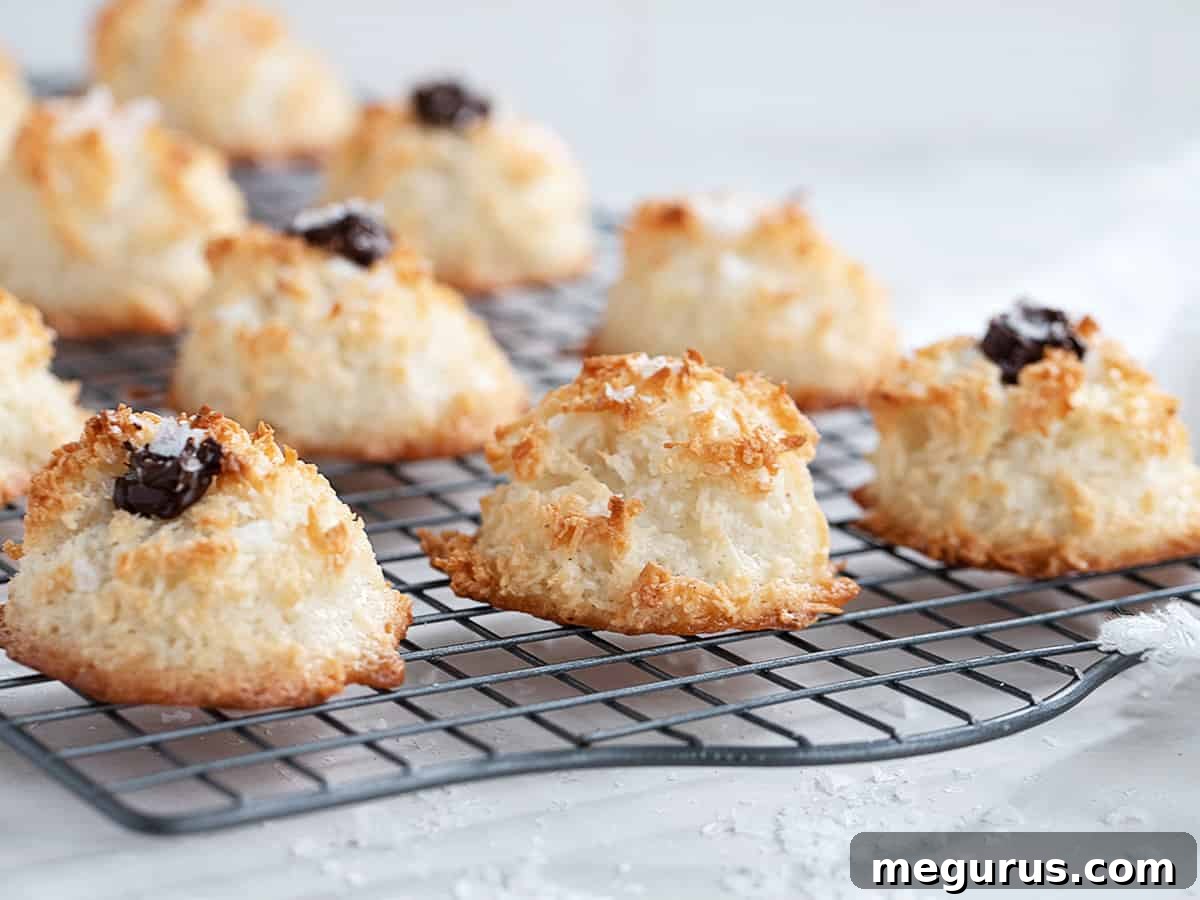
Are you a true coconut lover, always on the hunt for that perfect, melt-in-your-mouth experience? Look no further! This recipe for classic coconut macaroons is so simple and satisfying, it might just inspire you to drop everything and start baking. Imagine biting into a macaroon that is wonderfully toasted and crispy on the outside, giving way to a rich, moist, and delightfully chewy center. Each bite offers just the right amount of sweetness, making these a truly sublime dessert.
What sets these macaroons apart is their elegant simplicity. Unlike many recipes that rely on sweetened condensed milk, ours achieves its signature texture and flavor through a straightforward combination of shredded coconut, egg whites, a hint of sugar, and pure vanilla extract. It’s a minimal ingredient list that yields maximum flavor. While we might have been a bit dramatic in suggesting you drop everything, we assure you, these macaroons are worth prioritizing. They are incredibly versatile too; a delicate sprinkling of finishing salt elevates the flavor profile, creating a delightful sweet and salty contrast. For the chocolate aficionados, a few chocolate chips placed on top right out of the oven will melt into a luxurious, gooey topping, marrying the tropical notes of coconut with the rich depth of chocolate.
Essential Ingredients for Flawless Macaroons
Crafting the perfect coconut macaroon begins with selecting the right ingredients and understanding how each contributes to the final masterpiece. This recipe prides itself on its simplicity, using core components that deliver outstanding flavor and texture without the need for sweetened condensed milk, which often makes macaroons overly sweet and dense. Here’s a closer look at what you’ll need and potential substitutions to tailor them to your taste.
Key Ingredients & Smart Substitutions
- Coconut: The star of the show! You have options here. You can use either sweetened shredded coconut for a classic, sweeter profile, or unsweetened shredded coconut if you prefer more control over the sugar content. For a slightly different texture and visual appeal, unsweetened coconut chips can also be used if you can find them. Shredded coconut creates a denser, more cohesive macaroon, while chips can offer a more rustic, varied texture. Always ensure your coconut is fresh for the best flavor.
- Egg Whites: You’ll need four large egg whites for this recipe. Egg whites are crucial for binding the macaroons together and creating that desired crispy exterior and chewy interior. They provide structure and a delicate lightness. Separating eggs can be done easily by hand or with an egg separator. Don’t fret about the leftover yolks; we’ve included some fantastic ideas below for how to use them, preventing any food waste!
- White Sugar: Sugar isn’t just for sweetness; it plays a vital role in creating the “glue” that holds these cookies together and contributes to their golden-brown finish. While you can adjust the amount of sugar to suit your palate, some quantity is essential for the structural integrity of the macaroons. For optimal control over sweetness, especially if you plan to add a salty garnish, start with unsweetened coconut and the lower end of the suggested sugar range (1/2 cup), then incrementally adjust upwards to achieve your desired sweetness.
- Pure Vanilla Extract: Vanilla is a classic flavor enhancer that beautifully complements the tropical notes of coconut. Pure vanilla extract offers a rich, aromatic depth. If you have it on hand, vanilla bean paste can also be a wonderful substitute, providing a more intense vanilla flavor and speckles of vanilla bean throughout the macaroons. Avoid artificial vanilla flavor if possible, as it lacks the complexity of pure extract.
- Salt: A small amount of salt in the batter helps to balance the sweetness and bring out the full flavor of the coconut and vanilla. For an extra dimension, a coarse finishing salt like Fleur de Sel, sprinkled on top after baking, creates a delightful sweet and salty contrast that truly makes these macaroons shine.
Mastering Macaroon Making: A Step-by-Step Guide
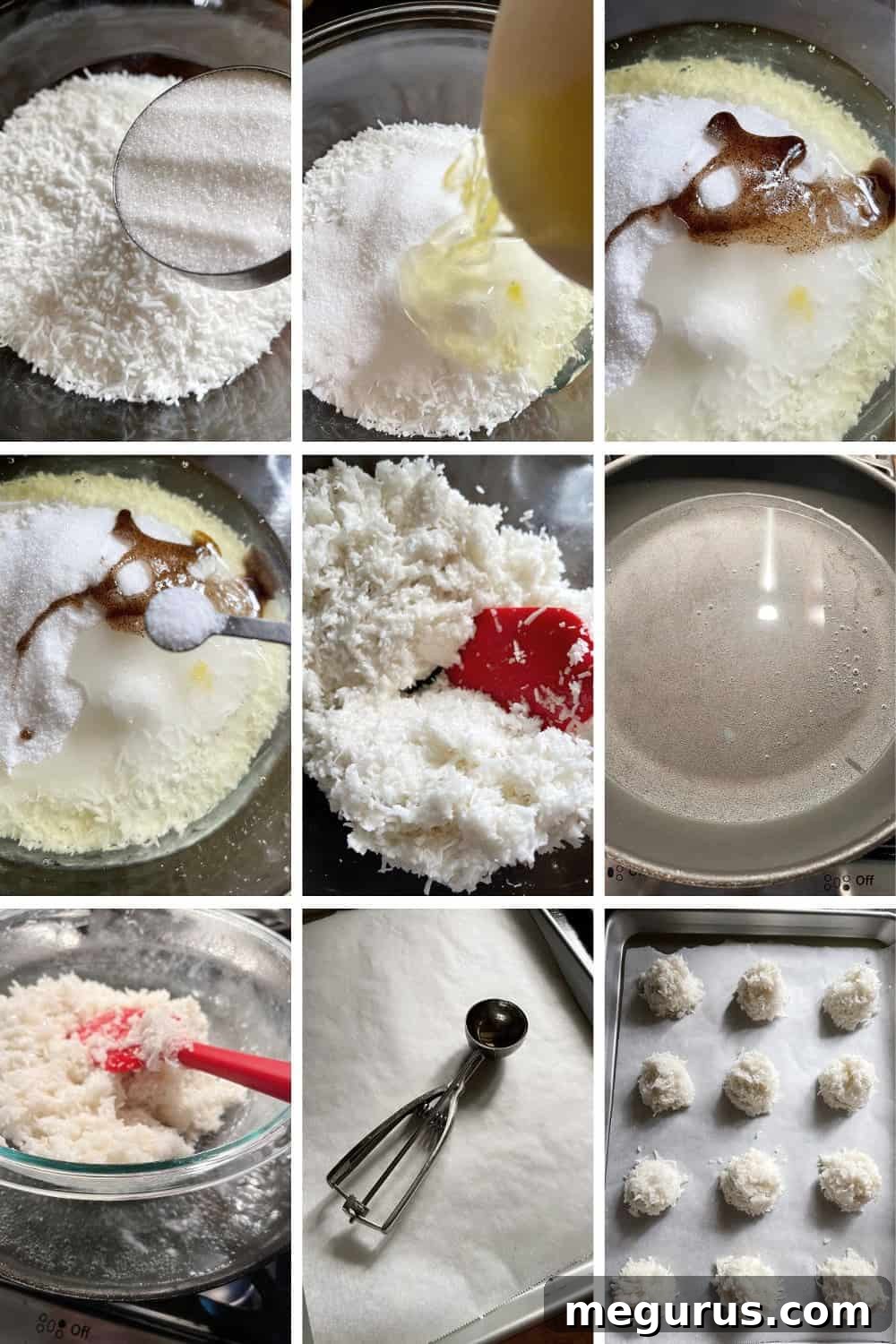
Creating these delightful macaroons is surprisingly straightforward, and the process is quite forgiving. The key to their signature texture lies in a simple stovetop heating technique that sets them apart. Follow these detailed steps to achieve perfect, bakery-quality coconut macaroons in your own kitchen.
- Prepare Your Baking Sheet: Begin by lining a large cookie sheet with parchment paper or a silicone baking mat (like a Silpat). This prevents sticking and ensures easy removal of your delicate macaroons once baked.
- Combine Ingredients: In a large heatproof mixing bowl (preferably stainless steel, as it conducts heat more efficiently, though a glass bowl will also work), combine all the main ingredients: the shredded coconut, egg whites, granulated sugar, pure vanilla extract, and salt. Stir everything together thoroughly with a spatula until the mixture is well-combined and homogenous.
- The Gentle Heating Method: Set your mixing bowl directly over a wide skillet containing about an inch or two of barely simmering water. This creates a double boiler effect. Continuously stir the coconut mixture, making sure to scrape the bottom and sides of the bowl to prevent any parts from sticking or cooking too quickly. Continue heating and stirring until the mixture becomes very hot to the touch and the egg whites have visibly thickened, transforming from translucent to opaque. This process typically takes about 7 to 10 minutes. If using a glass bowl, expect it to take a little longer due to slower heat transfer. This heating step is crucial as it slightly cooks the egg whites, helping to bind the macaroons and achieve their characteristic chewiness.
- Resting the Mixture: Once the mixture is hot and thickened, remove the bowl from the skillet. Allow the batter to stand at room temperature for at least 30 minutes. This resting period allows the flavors to meld beautifully and gives the coconut a chance to absorb some of the moisture, resulting in a more cohesive and flavorful macaroon. While the mixture rests, you can preheat your oven.
- Preheat Your Oven: Position an oven rack in the center of your oven and preheat it to 350°F (175°C). Ensure you’re using the regular bake setting, not a fan-assisted or convection mode, which can sometimes dry out or brown macaroons too quickly.
- Portion and Shape: Once the batter has rested, use a 2-inch scoop or two tablespoons to portion out about 12 equally sized macaroons onto your prepared baking sheet. Leave about 2 inches of space between each macaroon to allow for slight spreading. For a perfectly uniform shape, you can gently tap the scooped mixture onto the baking sheet or use a plastic egg separator to help mold them before releasing.
- Initial Bake for Structure: Place the baking sheet in the preheated oven. Bake for approximately 5 minutes, or just until the tips of the coconut begin to show a slight golden color. This initial high-temperature bake helps to set the macaroons’ structure. Remember to rotate the pan from front to back halfway through this short baking time to ensure even browning.
- Finishing Bake for Golden Perfection: After the initial 5 minutes, significantly lower the oven temperature to 300°F (150°C). Continue baking for an additional 15 minutes, or until the macaroons develop a beautiful cream and golden color, with their edges deepening to a rich brown. Keep a close eye on them during this stage, as ovens vary, and coconut can scorch quickly. Again, rotate the pan halfway through for consistent results.
- Garnish and Cool: As soon as the macaroons come out of the oven, transfer the entire parchment liner or the pan to a wire cooling rack. This is the perfect moment to add any garnishes. If using finishing salt, sprinkle it evenly over the warm macaroons. For chocolate toppings, place chocolate chips or pieces on top of the hot macaroons; they will melt naturally within 5-10 minutes. You can then use a skewer to gently swirl the melted chocolate. If you desire toasted almond slices, spread them on a separate cookie sheet and pop them into the hot oven for a few minutes right after removing your macaroons. Allow the macaroons to cool completely on the rack before carefully peeling the parchment away from each cookie. This ensures they firm up and prevent breakage.
- Enjoy Fresh or Store: While these macaroons are absolutely irresistible on the day they are baked, boasting a perfectly crisp exterior and soft, moist interior, they also store wonderfully. Although the crispy edges may soften slightly over time, the cookies remain deliciously chewy.
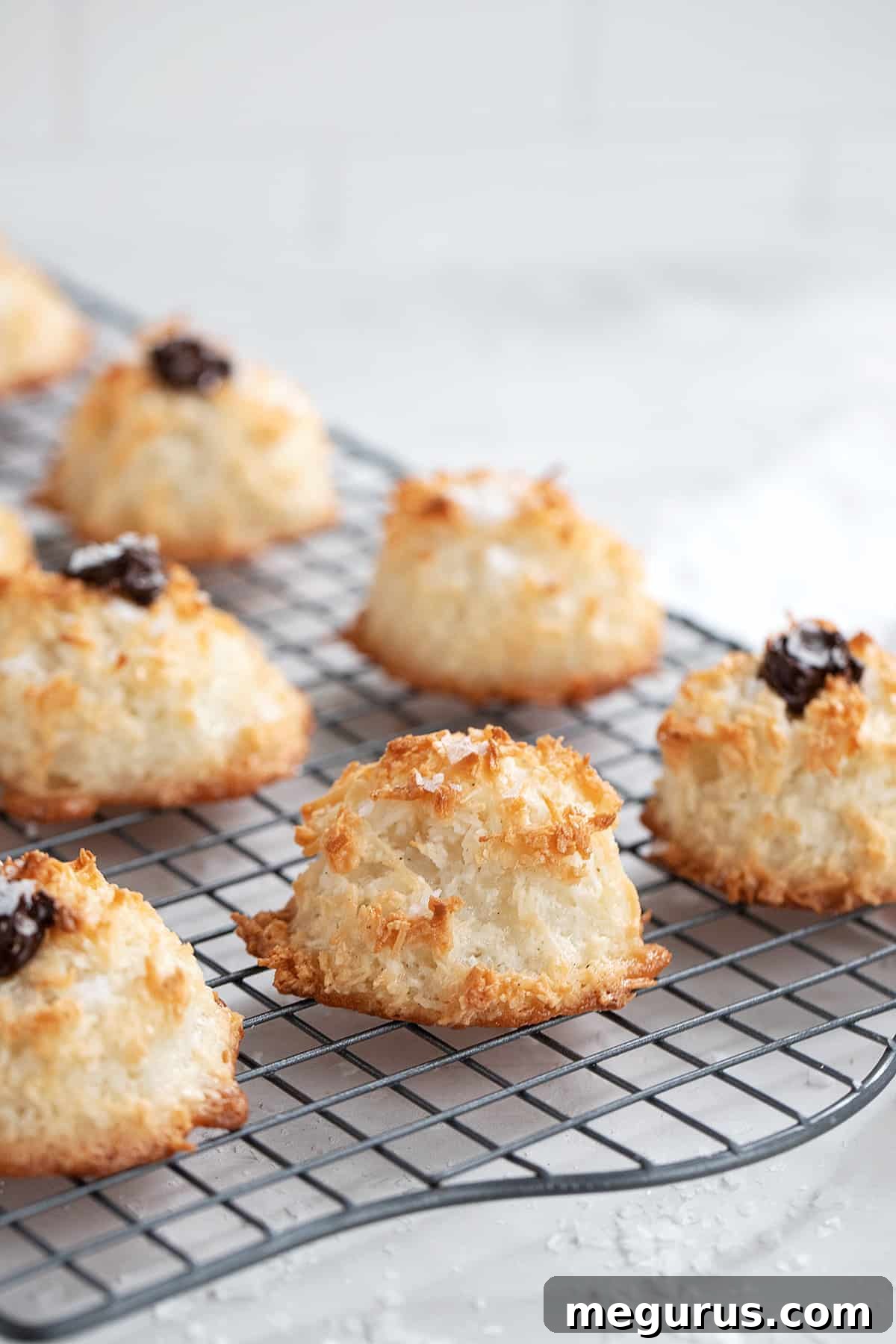
Pro Tips for Perfect Coconut Macaroons Every Time
Even though this recipe is designed for simplicity, a few expert tips can elevate your coconut macaroons from delicious to absolutely extraordinary. Mastering these small details will ensure consistently perfect results every time you bake.
- Choosing Your Bowl Wisely: When it comes to heating your macaroon mixture on the stovetop, the type of bowl you use can affect efficiency. A stainless steel bowl is often preferred because it heats up more quickly and evenly, ensuring the egg whites cook gently without scrambling. If you opt for a glass bowl, which is perfectly acceptable, be mindful that it will take longer to heat, and you should ensure the simmering water in your skillet doesn’t boil too vigorously. Gentle heat is key to preventing the mixture from sticking or burning.
- Preventing Scorched Coconut: Toasted coconut adds a wonderful depth of flavor, but scorched coconut can quickly ruin your batch. Always keep a close eye on your macaroons as they bake, especially during the latter part of the baking process. If you notice them browning too rapidly or becoming too dark, don’t hesitate to lower the oven temperature by 25°F (about 15°C) or even pull them out a minute or two early. Every oven is different, so learning yours is part of the baking journey.
- The Magic of Finishing Salt: While macaroons are inherently sweet, the addition of a coarse finishing salt, like Fleur de Sel or Maldon sea salt, immediately after they come out of the oven is a game-changer. The delicate crunch and burst of savory saltiness create an exquisite contrast with the sweet, chewy coconut, truly making the flavors sing. This sweet and salty combination is where macaroons truly shine, elevating them from a simple cookie to a gourmet treat.
- Chocolate Dipping Perfection: For an extra layer of indulgence, consider dipping the cooled macaroons in melted chocolate. After they’ve cooled completely, melt your favorite chocolate (dark, milk, or white) in a double boiler or microwave. Dip the bottom half of each macaroon, allowing any excess chocolate to drip off, then place them on parchment paper to set. For a professional touch, you can also drizzle chocolate artistically over the tops instead of a full dip.
- Achieving the Ideal Texture: The perfect macaroon has a crispy, slightly chewy exterior and a moist, soft interior. The heating process on the stovetop helps achieve this by gently cooking the egg whites and dissolving the sugar, creating a stable, chewy base. Don’t skip the 30-minute resting period, as this allows the coconut to fully hydrate, leading to a more tender and moist crumb.
- Flavor Variations: Don’t be afraid to experiment with other flavor enhancers. A hint of almond extract can complement the coconut beautifully, or a touch of lemon or orange zest can add a bright, citrusy zing. You can also mix in miniature chocolate chips directly into the batter before baking for chocolate throughout the cookie.
Storing Your Delicious Coconut Macaroons
Once you’ve baked a batch of these exquisite coconut macaroons, you’ll want to ensure they stay fresh and delicious for as long as possible. Luckily, they are quite easy to store, and in some cases, can even be prepared ahead of time.
- Room Temperature Storage: There’s no need to refrigerate these delightful treats. Coconut macaroons will maintain their quality wonderfully when stored in an airtight container at room temperature. They will remain fresh and delicious for about 4 to 5 days. While their crisp edges might soften slightly over time, their wonderful chewy texture and rich flavor will persist.
- Freezing for Later: For longer storage, coconut macaroons freeze beautifully. Once completely cooled, arrange them in a single layer in an airtight freezer-safe container or freezer bag, separating layers with parchment paper to prevent sticking. They can be frozen for up to 1 month. When you’re ready to enjoy them, simply thaw them at room temperature for an hour or two. Freezing is a great way to always have a batch of these irresistible cookies on hand for an unexpected craving or impromptu guests.
Don’t Waste a Drop: Ideas for Leftover Egg Yolks
After separating the four egg whites for your macaroons, you’ll find yourself with four perfectly good egg yolks. It would be a shame to let them go to waste! Here are some fantastic and easy ideas to put those leftover yolks to good use, ensuring nothing is wasted in your kitchen:
- Explore More Recipes: For a comprehensive list of creative uses, check out our dedicated post: “What to Do with Leftover Egg Yolks.” You’ll find 8 delightful recipes, from rich custards to decadent sauces, that will perfectly utilize your extra yolks.
- Enrich Breakfasts: The simplest way to use extra yolks is to simply slip one or two into your morning omelette or frittata. They will add extra richness, color, and flavor, transforming a standard breakfast into something more luxurious.
- Whip Up a Custard: Egg yolks are the foundation of many creamy desserts. Use them to make a quick vanilla custard or a batch of luscious crème brûlée. Their emulsifying properties give these desserts their silky smooth texture.
- Homemade Mayonnaise or Hollandaise: If you’re feeling adventurous, these yolks are perfect for making homemade mayonnaise or a classic hollandaise sauce. These rich sauces are incredibly flavorful and elevate any dish they accompany.
- Carbonara Sauce: For a savory delight, a traditional Italian pasta carbonara uses egg yolks to create its signature creamy, rich sauce. It’s a quick and satisfying meal that’s perfect for a weeknight.
- Lemon Curd: Bright and tangy, homemade lemon curd is another excellent use for egg yolks. It’s perfect as a spread, a filling for tarts, or simply enjoyed by the spoonful.
Alice Medrich’s Simply Perfect Coconut Macaroons Recipe
Experience these delightful, gluten-free coconut treats. Crispy on the outside, chewy inside, and perfectly sweet.
Prep Time: 15 mins
Cook Time: 20 mins
Total Time: 35 mins
Yield: 12 cookies
Ingredients
- 4 large egg whites
- 3 cups sweetened or unsweetened shredded coconut (or 3 1/2 cups unsweetened dried coconut chips)
- 1/3 – 2/3 cup white sugar (use 1/3 – 1/2 cup for sweetened coconut and 1/2 – 2/3 cup for unsweetened coconut, to taste)
- 2 teaspoons pure vanilla extract or vanilla bean paste
- 1/4 teaspoon salt
For Garnish (optional):
- Fleur de Sel or other coarse finishing salt
- Toasted almond slices
- Chocolate chips or pieces
Instructions
- Line a cookie sheet with parchment paper or a Silpat.
- Combine all ingredients (except garnish items) in a large heatproof mixing bowl (preferably stainless steel).
- Set the bowl directly in a wide skillet of barely simmering water. Stir the mixture with a spatula, scraping the bottom, until very hot to the touch and egg whites have thickened slightly and turned from translucent to opaque (about 7-10 minutes).
- Set the batter aside for 30 minutes to allow flavors to meld.
- Preheat oven to 350° F (175° C) (regular bake setting, not fan assisted). Position rack in the center of the oven.
- Using 2 tablespoons of batter, make heaps of mixture 2 inches apart on the lined cookie sheet. (You can use a plastic egg separator to help shape the cookies and then tap onto the baking sheet).
- Bake for about 5 minutes, just until the coconut tips begin to color, rotating the pan from front to back halfway through the baking time to ensure even baking.
- Lower the temperature to 300° F (150° C) and bake for about 15 minutes more, until the cookies are a beautiful cream and gold color, with deeper brown edges. Watch regularly and rotate the pan from front to back halfway through the baking time.
- Set the pan or just the liner on a rack to cool. Sprinkle with salt, if using. If topping with chocolate, place your chocolate chips on top as soon as they’ve come out of the oven and let them melt on their own for 5-10 minutes, then use a skewer to stir them a bit on top. If you’d like to top with some toasted almonds as well, spread on a cookie sheet and pop into the hot oven to toast right after you take your macaroons out. Let cookies cool completely before gently peeling the parchment away from each cookie.
- The cookies are best on the day they are baked. The exterior is crisp and chewy and the interior soft and moist. Although the crispy edges will soften, the cookies remain delicious stored in an airtight container for 4 to 5 days.
Notes
- Adjust the added sugar based on taste and whether you are starting with sweetened or unsweetened coconut. For sweetened coconut, somewhere between 1/3 – 1/2 cups is suggested. We generally use 1/2 cup, especially if salting the tops heavily. For unsweetened coconut, try between 1/2 cup and 2/3 cup, to taste.
- Nutritional information provided is based on using sweetened coconut and 1/2 cup of sugar.
Cuisine: International
Course: Dessert, Snack
Author: Jennifer Maloney
Nutrition Information (per serving):
- Serving: 1 cookie
- Calories: 153 kcal
- Carbohydrates: 19g
- Protein: 2g
- Fat: 8g
- Saturated Fat: 7g
- Polyunsaturated Fat: 1g
- Monounsaturated Fat: 1g
- Sodium: 117mg
- Potassium: 95mg
- Fiber: 1g
- Sugar: 18g
- Vitamin C: 1mg
- Calcium: 4mg
- Iron: 1mg
Tried this recipe? If you enjoyed these macaroons, please consider leaving a star rating and comment on the original blog post. It helps others to find it!
Print Recipe |
Pin This Recipe |
Leave a Comment
More Irresistible Coconut Creations to Explore!
If you loved these simply perfect coconut macaroons, you’ll surely enjoy these other delightful coconut-themed recipes. From creamy puddings to decadent pies, there’s something for every coconut enthusiast to discover!