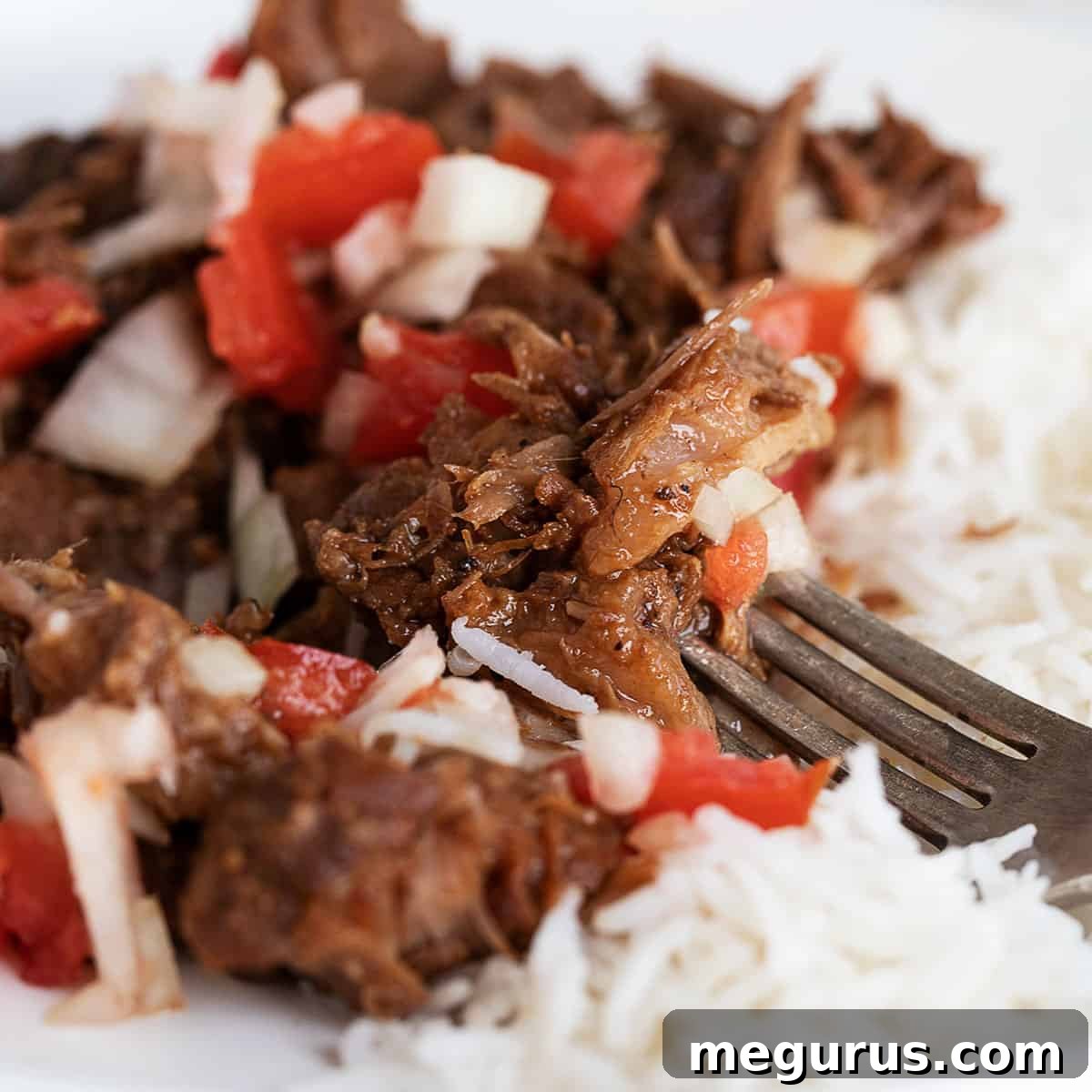
Discover the culinary heart of the Philippines with this incredibly easy and utterly delicious Classic Filipino Pork Adobo recipe. A perfect way to transform pork shoulder or pork butt into a succulent, fork-tender meal bursting with flavor, ready to enjoy in just about 90 minutes.
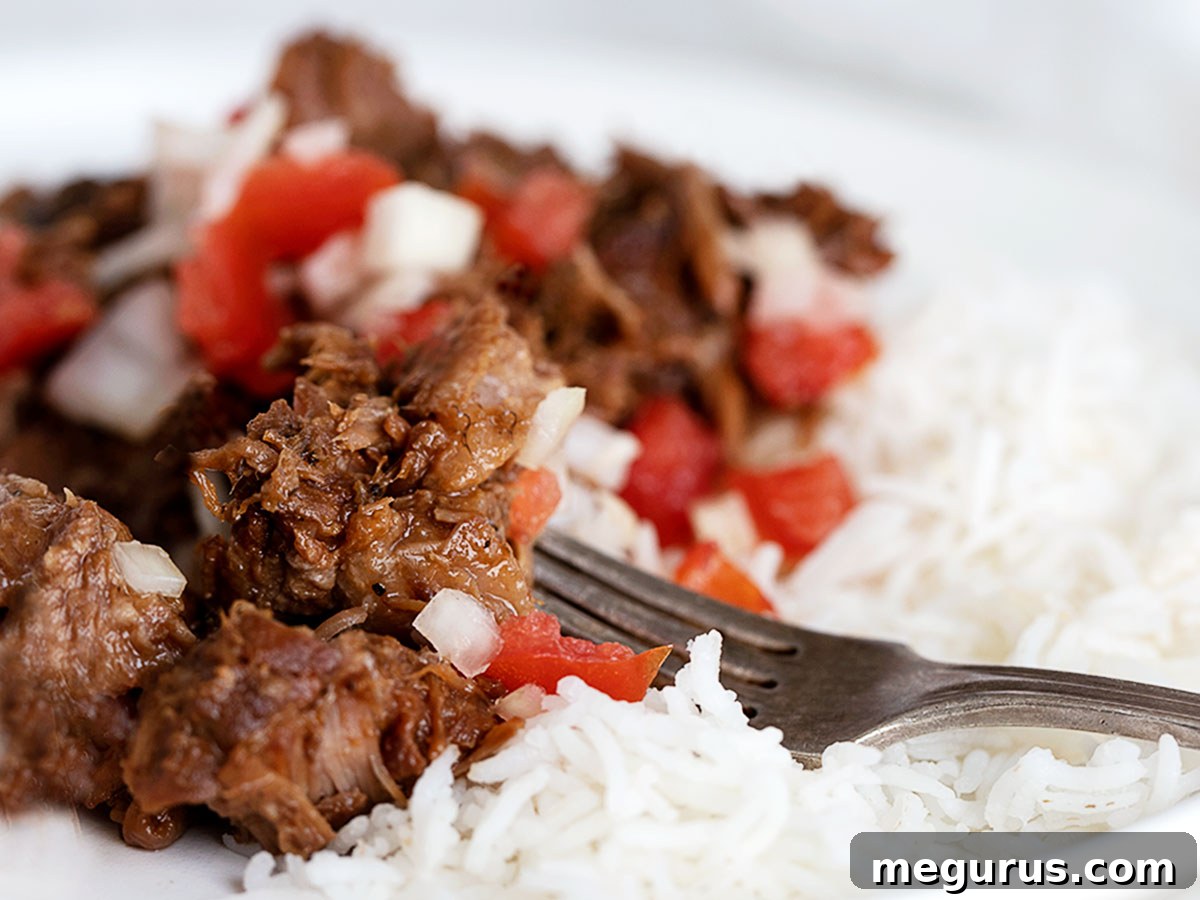
Filipino Pork Adobo isn’t just a dish; it’s a national treasure, deeply woven into the fabric of Filipino culture and cuisine. This simple yet profound stew, celebrated for its unique balance of salty, sour, and savory notes, offers a delightful culinary journey. For those wondering what else to create with that versatile pork shoulder beyond the usual pulled pork, this Classic Filipino Pork Adobo recipe provides a fantastic answer.
Our slow-cooked pork dish is a symphony of flavors, where tender meat absorbs a rich marinade of soy sauce, vinegar, garlic, and bay leaves. It’s a testament to how humble ingredients can create an extraordinary meal. Not only is it incredibly flavorful, but it also cooks up relatively quickly for a braised dish, becoming perfectly fork-tender in approximately 1.5 hours. The beauty of adobo lies in its simplicity and the readily available ingredients, making it a perfect meal for any day of the week, whether you’re craving comfort food or exploring global flavors.
The Heart of Filipino Cuisine: Understanding Adobo
Adobo, derived from the Spanish word “adobar” meaning marinade, refers to a cooking process that involves stewing meat, seafood, or vegetables in vinegar, soy sauce, garlic, and black peppercorns. While many cultures have their versions of ‘adobo,’ the Filipino rendition stands distinct. It’s characterized by its signature tangy and savory profile, often with a subtle hint of sweetness, which develops into a deeply satisfying sauce. This method of cooking not only infuses the ingredients with incredible flavor but also acts as a natural preservative, a valuable trait in a tropical climate before refrigeration was common. This recipe aims to bring the authentic, comforting taste of this beloved Filipino staple right to your kitchen.
Ingredients and Substitutions for Perfect Pork Adobo
Creating an authentic and delicious Pork Adobo begins with selecting the right ingredients. Each component plays a vital role in achieving that characteristic Filipino flavor profile. Here’s a detailed guide to the essential ingredients and potential substitutions:
Pork: The Foundation of Flavor and Texture
For this recipe, you’ll primarily use either pork shoulder (also known as pork butt or Boston butt) or a true pork butt roast. Both cuts are excellent choices due to their marbled fat content and connective tissues, which break down during slow cooking to yield incredibly tender and flavorful results. While some variations of adobo use pork belly for its rich fattiness, I personally lean towards pork shoulder for a slightly less rich but equally satisfying dish, as it typically has a bit less fat. If pork shoulder is available, it’s my top recommendation.
When using a fattier cut like pork butt, you might consider pre-cooking the pork pieces briefly to render off some of the excess fat. Simply brown the pork in a hot pan before adding the other ingredients, then spoon off any accumulated fat. This step is optional with pork shoulder, but it can prevent the sauce from becoming overly heavy or greasy for those who prefer a lighter consistency. Remember, while fat contributes to flavor, too much can overpower the dish. Remove any large, unapperendered pieces of fat or bones before cutting the pork into 1 1/2-2 inch cubes to ensure even cooking and a pleasant eating experience.
Garlic: The Aromatic Powerhouse
Fresh garlic cloves are non-negotiable for the best Pork Adobo. The pungent, aromatic notes of fresh garlic are absolutely essential and cannot be replicated by pre-minced or powdered versions. Aim for 6-8 cloves, lightly smashed. Smashing the cloves releases their potent oils and allows their flavor to infuse more deeply into the sauce as the pork simmers. This simple preparation step makes a significant difference in the final taste.
Bay Leaves: The Subtle Enhancer
Don’t underestimate the role of bay leaves. These aromatic leaves impart a subtle, almost herbal undertone that is a hallmark of authentic adobo. They contribute to the dish’s complexity and depth of flavor. Omitting them would mean missing a crucial layer of taste that defines this classic Filipino stew. Four bay leaves are typically sufficient to achieve the desired aromatic profile.
Peppercorns: A Hint of Pungency
For optimal results, I highly recommend using smashed whole peppercorns. Crushing whole peppercorns just before adding them releases their fresh, pungent oils, which provide a more vibrant and aromatic kick compared to pre-ground pepper. However, if whole peppercorns are not readily available, coarsely ground black pepper will still work effectively. The aim is to have noticeable specks and bursts of pepper flavor throughout the dish.
Soy Sauce: The Savory Anchor
Low-sodium soy sauce is almost a requirement for this recipe. Adobo inherently has a savory, salty profile, and using regular soy sauce can easily lead to an overly salty dish, making it difficult to enjoy. Low-sodium varieties allow you to control the saltiness more effectively while still delivering that essential umami depth. If regular soy sauce is your only option, use a slightly reduced amount and be prepared to balance the increased saltiness with an optional tablespoon of brown sugar at the end of cooking.
Vinegar: The Tangy Counterpoint
The vinegar is key to Adobo’s distinctive sour tang. You have a couple of options here: white distilled vinegar or apple cider vinegar. My personal preference leans towards apple cider vinegar, particularly natural, unfiltered varieties like Bragg’s. I find that apple cider vinegar offers a slightly fruitier and more mellow tang that beautifully complements the pork and soy sauce. However, white distilled vinegar provides a sharper, cleaner sourness, which is also traditional. Feel free to experiment with both to discover which flavor profile you prefer for your Adobo.
Water: The Braising Liquid
A simple cup of water is added to the pot to ensure there’s enough liquid for the pork to simmer and become tender without drying out. As the dish cooks uncovered later, this water, combined with the other liquids, reduces to create that rich, concentrated sauce.
Brown Sugar (Optional): For Balance
A tablespoon of brown sugar is an optional but highly recommended addition, especially if your adobo tastes a bit too salty or tart. Stirred in at the very end, it helps to round out and balance the strong salty and sour flavors, adding a subtle sweetness that makes the dish even more harmonious and appealing. It’s a secret weapon for perfecting the flavor balance.
Step-by-Step Photos
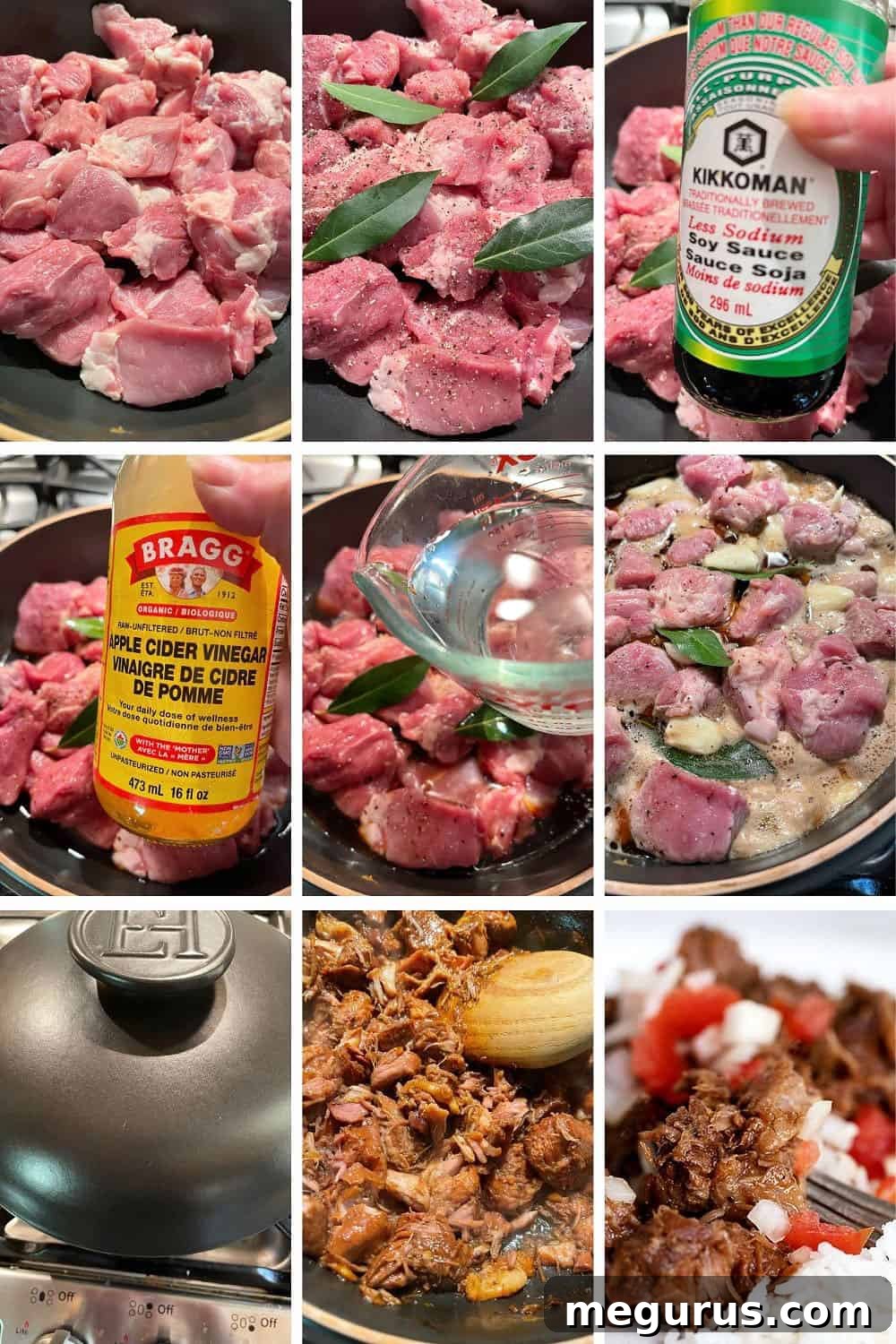
Visual aids can make any recipe easier to follow. Observe the key stages of cooking through these step-by-step photos, from preparing the pork to the simmering process, helping you visualize each step as you create your own delicious Pork Adobo.
Recipe Video
While a video demonstration is not currently available, a visual guide to preparing this Classic Filipino Pork Adobo will be added here soon, offering an even more comprehensive walkthrough of the cooking process.
Recipe Tips & Tricks for the Best Adobo
- Pork Preparation and Fat Management: As mentioned, I sometimes skip pre-browning the pork when using pork shoulder, as it works perfectly fine without it and keeps the process simple. However, if you’re using pork butt, which can be fattier, I tend to pre-brown the pieces first. This allows me to cook off some of the extra fat beforehand, which can then be easily spooned off and discarded, preventing the final sauce from becoming overly rich. This step is a matter of personal preference and the specific cut of pork you’re using.
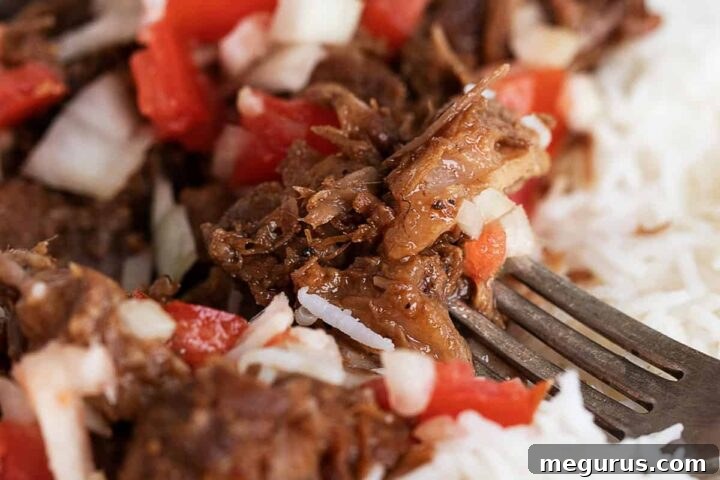
- Pork Texture Preferences: You have flexibility with the pork’s final texture. You can either leave the pork in substantial chunks, as depicted in the accompanying photos, or you can shred it, similar to how you would prepare pulled pork. Even when left in chunks, the slow simmering process ensures that the pork pieces become beautifully fork-tender, practically melting in your mouth. Shredding offers a different mouthfeel and can be great for alternative serving suggestions like tacos or sandwiches.
- Achieving the Perfect Sauce Consistency: The beauty of Adobo often lies in its rich, slightly reduced sauce. After the initial covered simmering, cooking the Adobo uncovered for the final 30-45 minutes allows the sauce to concentrate and thicken slightly. Keep an eye on it to ensure it doesn’t reduce too much or dry out. If you prefer a thicker sauce, you can remove the pork and reduce the liquid further over higher heat until it reaches your desired consistency.
- Make-Ahead & Leftovers: Adobo is one of those magical dishes that often tastes even better the next day! The flavors have more time to meld and deepen, resulting in a richer experience. It’s an excellent make-ahead meal for meal prep or entertaining. Store leftovers in an airtight container in the refrigerator for up to 3-4 days. It also freezes well for up to 2-3 months; simply thaw overnight in the fridge and reheat gently on the stovetop or in the microwave.
Top Tip! Mastering the Salt Balance
Here’s a crucial piece of advice for perfectly balanced Adobo: hide your salt shaker before you even begin this recipe! Seriously, this dish typically requires no additional salt beyond what the soy sauce provides. Using low-sodium soy sauce is highly recommended to prevent the finished dish from becoming excessively salty. The combination of soy sauce and vinegar already delivers a robust savory and tangy profile.
If, after all your efforts, you find the dish a little too salty for your palate, don’t despair. A simple solution is to stir in an additional tablespoon of brown sugar at the end of cooking. The sweetness from the sugar will help to temper and balance the saltiness, harmonizing the flavors. Also, keep in mind that the Adobo might taste quite potent on its own, but once it’s paired with plain rice, which acts as a neutral canvas, or complemented by the fresh tomato and onion garnish, the flavors tend to balance out beautifully. The garnish’s freshness provides a welcome counterpoint to the rich, savory pork.
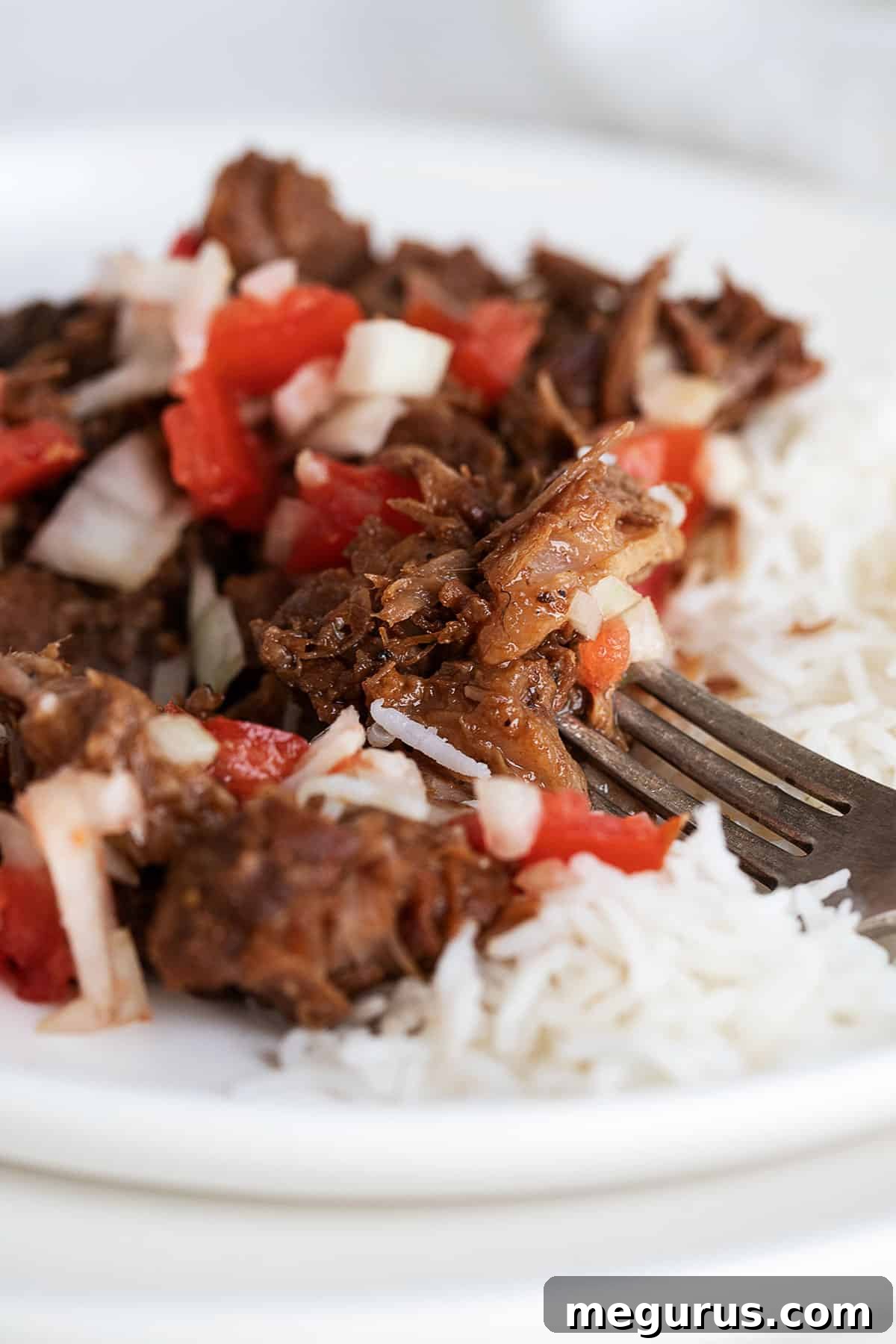
What to Serve with Pork Adobo: Pairing Perfection
Pork Adobo is incredibly versatile, pairing wonderfully with a variety of sides, both traditional and innovative, to create a complete and satisfying meal. Here are some of the best ways to enjoy this classic Filipino dish:
- Traditional Garnish: Fresh Tomato and Onion: Most traditionally, Pork Adobo is garnished simply with finely chopped fresh tomato and onion, prepared in equal parts. The bright, crisp freshness of this simple topping provides a delightful contrast to the rich, salty, and sour pork, cutting through its richness and adding a refreshing bite. This classic pairing is highly recommended for an authentic experience.
- The Essential Rice Companion:
- Plain Steamed Rice: The most common and arguably the best accompaniment for Adobo is a generous serving of plain steamed white rice. The rice acts as a perfect absorbent canvas for the rich, flavorful adobo sauce, soaking up all the delicious juices.
- Filipino Garlic Fried Rice (Sinangag): For an elevated experience, consider serving your Adobo with Filipino Garlic Fried Rice. This flavorful rice dish, typically made with day-old rice, plenty of minced garlic fried until fragrant, and a pinch of salt, adds another layer of aromatic goodness that perfectly complements the Adobo.
- Non-Traditional Sides for a Western Twist: While not traditional, Pork Adobo also pairs surprisingly well with rustic, buttery mashed potatoes (my term for mashed potatoes made with the skins left on, offering extra texture and nutrients). A simple green vegetable, such as steamed green beans or sautéed spinach, can also provide a fresh counterpoint to the savory pork.
- Creative and Untraditional Uses for Adobo: Don’t limit your Adobo to just rice!
- Adobo Tacos: Shred the tender adobo pork and use it as a flavorful filling for tacos, topped with the same fresh onion and tomato garnish, perhaps with a squeeze of lime.
- Adobo Sandwiches: Treat it like pulled pork and pile it onto toasted buns. A smear of garlic aioli or a dollop of a fresh slaw would make an exceptional sandwich.
- Atsara (Papaya Relish): For an authentic Filipino accompaniment that adds a fantastic sweet and tangy crunch, seek out Atsara. This traditional Filipino relish, made from pickled unripe papaya, carrots, bell peppers, and spices, offers a vibrant, acidic counterpoint that cuts through the richness of the Adobo beautifully. It’s an excellent way to elevate any dish you make with your Pork Adobo.
Get the Recipe: Classic Filipino Pork Adobo
Pin This
Leave a Review
5 minutes
1 hour 30 minutes
1 hour 35 minutes
4
servings
Ingredients
- 1 1/2 – 2 lbs pork shoulder or pork butt roast, large pieces of fat and any bone removed *see Note 1
- 6-8 cloves garlic, lightly smashed
- 4 bay leaves
- Coarsely ground black pepper , or smashed whole peppercorns
- 1/3 Cup low-sodium soy sauce
- 1/3 cup distilled white or unfiltered cider vinegar, *see Note 2
- 1 cup water
- 1 Tbsp brown sugar, optional, stirred in at end
Instructions
-
Prepare the pork by removing and discarding any large pieces of fat and any bone, then cut the pork into 1 1/2-2” inch pieces. It is crucial NOT to salt the meat at this stage, as the soy sauce will provide ample seasoning.
-
Place the prepared pork cubes into a heavy-bottom pan or skillet that has a tight-fitting lid. Add the smashed garlic, bay leaves, coarsely ground pepper (or smashed peppercorns), low-sodium soy sauce, vinegar, and water. Avoid stirring the mixture at this point. Bring the liquid to a boil over medium-high heat. Once boiling, reduce the heat to medium-low, cover the pan tightly, and let it gently simmer for 45 minutes, allowing the flavors to meld and the pork to tenderize.
-
After 45 minutes, remove the lid and give the mixture a good stir. Continue to cook UNCOVERED for an additional 30-45 minutes. During this phase, most of the liquid will cook off and reduce, concentrating the flavors into a rich sauce. Keep an eye on it to prevent drying out. Once the sauce has reduced to your desired consistency, carefully take out and discard the bay leaves. If you are using brown sugar to balance the flavors, stir it in at the very end of cooking until dissolved.
-
By this point, the pork should be incredibly fork-tender. You can choose to leave the pork in the cooked chunks, or for a different texture, you can easily break them up or shred them directly in the pot using two forks. If the mixture appears too dry after reduction, simply add a splash of water to the pot and stir gently to loosen the sauce and warm it through.
-
Serve your Classic Filipino Pork Adobo hot. It is traditionally garnished with fresh, finely chopped tomato and onion (using equal parts of each) and served alongside steaming plain rice or flavorful Filipino Garlic Fried Rice. For a creative twist, use the shredded adobo pork like pulled pork on a toasted bun, complemented by fresh tomato and onion, and perhaps a dollop of garlic aioli for an extra layer of flavor.
Notes
- While pork shoulder is my preference for its balance of fat and meat, pork butt is also an excellent choice and will yield delicious results. Consider pre-browning pork butt if you wish to render excess fat.
- My preferred vinegar for this recipe is natural, unfiltered apple cider vinegar (such as Bragg’s) due to its slightly milder, fruitier tang. However, traditional distilled white vinegar can also be used, offering a sharper sour note. Both are authentic choices.
For additional insights, substitution suggestions, and helpful cooking techniques, be sure to refer to the detailed sections above this Recipe Card. You’ll find expanded tips on ingredients and step-by-step photos that can guide you through the process.
Filipino
Main Course
Jennifer Maloney
Tried this recipe?
If you enjoyed this recipe, please leave a star rating and comment. It helps others to find it!
Storage and Make-Ahead Tips for Adobo
One of the many wonderful qualities of Pork Adobo is how well it stores and often tastes even better the next day! This makes it an ideal dish for meal prepping or for entertaining guests, as you can prepare it in advance, allowing the flavors to deepen and meld.
- Refrigeration: Store leftover Pork Adobo in an airtight container in the refrigerator for up to 3-4 days. The vinegar in the sauce acts as a natural preservative, helping to keep it fresh.
- Freezing: Adobo freezes exceptionally well. Once completely cooled, transfer it to freezer-safe containers or heavy-duty freezer bags, removing as much air as possible. It can be stored in the freezer for up to 2-3 months without significant loss of quality. Thaw overnight in the refrigerator before reheating.
- Reheating: Gently reheat Adobo on the stovetop over medium-low heat, stirring occasionally, until it is warmed through. You may need to add a splash of water or broth if the sauce has thickened too much during storage. It can also be reheated in the microwave, covered, until hot.
- Benefits of Making Ahead: Preparing Adobo a day or two in advance allows the pork to fully absorb the savory and tangy flavors of the sauce, resulting in a more complex and satisfying taste. The sauce also tends to thicken slightly and become richer in texture as it rests.
Variations and Customizations: Making Adobo Your Own
While the classic Pork Adobo is perfect as is, it’s also a wonderfully adaptable dish that lends itself to various customizations and regional variations. Feel free to experiment and make it your own:
- Adobo with Chicken (Adobong Manok): A very popular variation involves using chicken pieces (often drumsticks and thighs) instead of pork. The cooking process remains largely the same, resulting in tender, flavorful chicken bathed in the classic adobo sauce. You can even combine chicken and pork for a mixed meat adobo.
- Adobo with Coconut Milk (Adobong Gata): For a creamier, richer sauce with a subtle sweetness, some regions, particularly in the Bicol region, add coconut milk to their adobo. This creates a luxurious texture and a slightly different flavor profile that many find irresistible. Add about 1/2 to 1 cup of coconut milk during the uncovered simmering phase.
- Spicy Adobo (Adobong Maanghang): If you enjoy a kick, incorporate some heat into your adobo. You can add a few bird’s eye chilies (siling labuyo) or a sliced serrano pepper along with the garlic. Adjust the quantity according to your spice preference.
- Adding Vegetables: While not traditional in the classic version, some home cooks like to add vegetables towards the end of the cooking process. Green beans, potatoes (cut into chunks), or bell peppers can be simmered briefly in the sauce until tender-crisp.
- Sweet Adobo: For those who prefer a sweeter adobo, increase the amount of brown sugar, or even add a splash of honey or a sweet soy sauce (like Kecap Manis) to taste. This variation offers a delightful contrast to the tartness of the vinegar.
- Experiment with Vinegar: Beyond white and apple cider vinegar, you could try cane vinegar, a popular choice in the Philippines, for a slightly different nuance in acidity and flavor.
Frequently Asked Questions About Pork Adobo
- What is Filipino Adobo?
- Filipino Adobo is a traditional cooking method and dish where meat (most commonly pork or chicken), seafood, or vegetables are stewed in a distinctive blend of vinegar, soy sauce, garlic, black peppercorns, and bay leaves. It’s renowned for its unique salty, sour, and savory flavor profile.
- Why is Adobo so popular in the Philippines?
- Adobo is considered the national dish of the Philippines due to its pervasive presence across the archipelago and its historical significance. Its cooking method, originally a preservation technique using vinegar and salt, was well-suited for the tropical climate. Moreover, its delicious and comforting flavor, adaptability to local ingredients, and ease of preparation have made it a beloved staple in Filipino households.
- Can I use chicken instead of pork in this recipe?
- Absolutely! Chicken Adobo (Adobong Manok) is another incredibly popular variation. You can substitute pork with bone-in, skin-on chicken pieces (such as drumsticks and thighs) and follow the same cooking instructions. The cooking time might be slightly shorter for chicken, so adjust accordingly until the chicken is tender and cooked through.
- How do I make Adobo less salty if it’s too potent?
- If your Adobo turns out too salty, the best way to balance it is by adding a tablespoon or two of brown sugar at the end of cooking. The sweetness will temper the saltiness. Serving it with plain rice and the fresh tomato and onion garnish also helps to mellow the flavors. Avoid adding more water unless absolutely necessary, as it can dilute the rich taste.
- Can I make Pork Adobo in a slow cooker or Instant Pot?
- Yes, Adobo can be adapted for both slow cookers and Instant Pots. For a slow cooker, combine all ingredients and cook on low for 6-8 hours or on high for 3-4 hours, then uncover for the last hour to reduce the sauce. For an Instant Pot, combine ingredients, pressure cook for about 15-20 minutes with a natural release, then use the sauté function to reduce the sauce to your desired consistency.
- How long does Pork Adobo last in the refrigerator?
- Properly stored in an airtight container, Pork Adobo can last for 3-4 days in the refrigerator. In fact, many people find its flavors deepen and improve after a day or two, making it an excellent dish for meal preparation.
Final Thoughts on This Filipino Masterpiece
This Classic Filipino Pork Adobo recipe is more than just a meal; it’s an invitation to experience the warmth and richness of Filipino home cooking. With its tender pork, aromatic garlic, and the perfect balance of salty and sour, this dish promises a deeply satisfying culinary experience. Whether you’re a seasoned chef or a beginner in the kitchen, the straightforward steps and accessible ingredients make it a perfect choice for anyone looking to bring authentic Filipino flavors to their table. Embrace the simplicity, savor the complexity, and enjoy every fork-tender bite of this timeless classic. We encourage you to try this recipe, share it with loved ones, and perhaps even leave a review to help others discover the joy of homemade Pork Adobo!