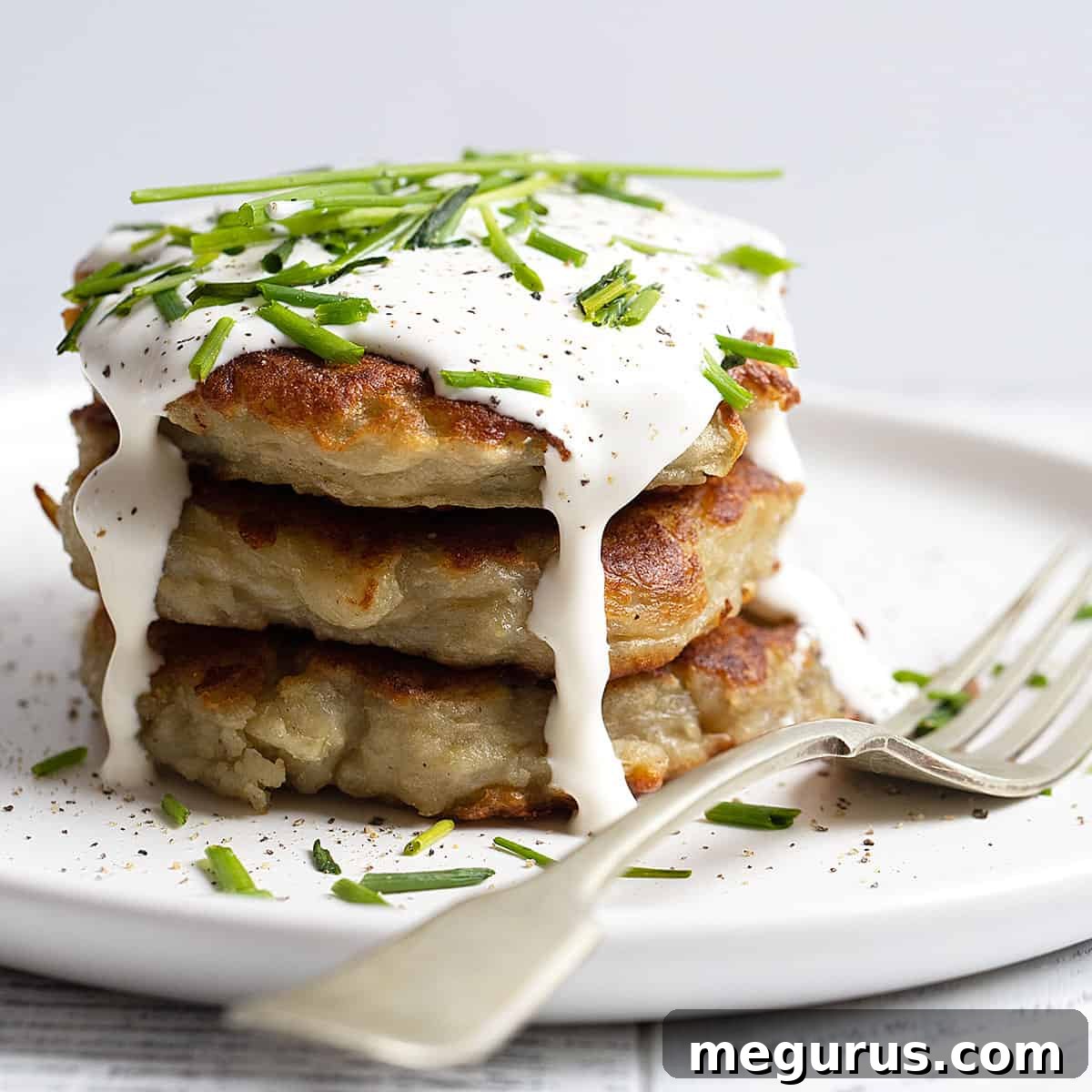
Journey into the heart of Irish culinary tradition with Boxty, a beloved potato cake that perfectly blends simplicity with incredibly satisfying flavor. This traditional Irish delight is crafted from a unique combination of creamy cooked, mashed potatoes and crisp, raw shredded potato, artfully bound together with flour and rich buttermilk. The resulting thick, savory batter is then skillet-fried to golden perfection, creating a dish that’s both wonderfully crispy on the outside and tenderly soft within. More than just a potato pancake, Boxty embodies the resourcefulness and comforting spirit of Irish cooking, offering a versatile treat that can elevate any meal from breakfast to dinner.
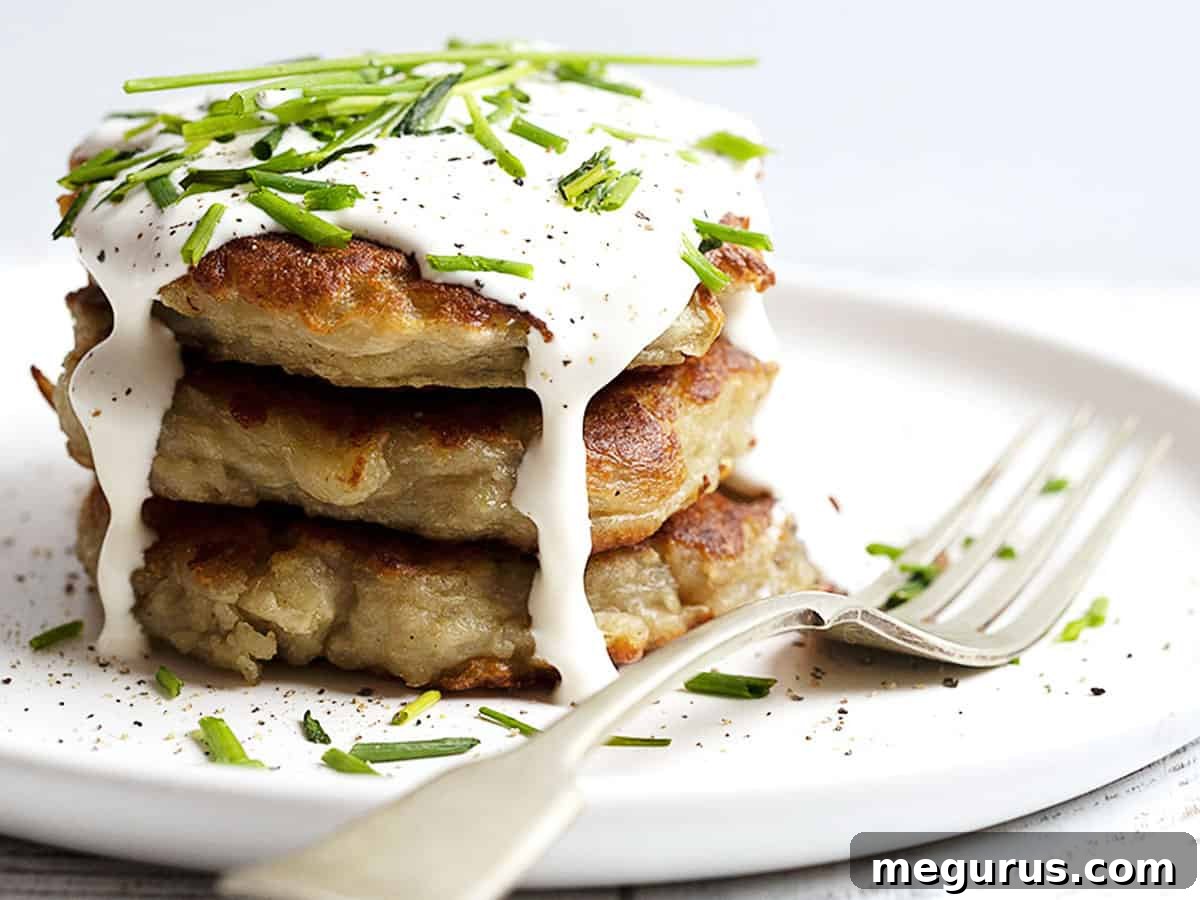
Discovering Boxty: A Traditional Irish Delight
Boxty, an iconic staple of Irish cuisine, holds a special place in the hearts and on the plates of many across the Emerald Isle. The name “boxty” itself is thought to derive from the Irish phrase “bacstaí” or “arán bocht tí,” meaning “poor house bread,” a testament to its humble origins and the clever use of readily available ingredients—potatoes. While a traditional Irish potato recipe, the beauty of Boxty lies in its regional diversity; indeed, you’ll find about as many different Boxty recipes as there are Irish households, each with its own cherished twist.
Historically, Boxty was a means to stretch ingredients and provide a substantial meal, particularly in counties like Cavan, Leitrim, Fermanagh, and Donegal, where it remains a deeply ingrained culinary tradition. It’s more than just a potato pancake; it’s a cultural touchstone, often enjoyed during festive occasions like St. Patrick’s Day, but equally cherished as an everyday comfort food. The unique characteristic that sets Boxty apart from other potato dishes globally is its distinctive texture, achieved by combining both cooked and raw potato. This ingenious blend yields a pancake that is simultaneously fluffy and slightly chewy, offering a depth of flavor and satisfying bite that is truly unparalleled.
Our featured version perfectly embodies this classic approach, leaning heavily into the potato’s natural goodness. It masterfully marries the smooth consistency of mashed potatoes with the textural intrigue of raw, grated potatoes, creating a batter that’s rich in potato character. A minimal amount of flour and buttermilk acts as the binder, ensuring the potato remains the star of the show. Whether pan-fried in charming small rounds “on the griddle” or as one impressive, large round “on the pan,” the result is always a golden, irresistible potato cake that beckons you to take a bite.
Why You’ll Love This Boxty Recipe
This particular Boxty recipe stands out for its straightforward approach and delicious outcome. It offers the perfect balance of textures and flavors, making it accessible for home cooks while delivering an authentic Irish experience. You’ll appreciate how easily it comes together, transforming simple ingredients into a versatile dish that can be customized to suit any mealtime. The combination of raw and cooked potato ensures a depth of flavor and a unique, satisfying chewiness that will quickly make this a household favorite.
Essential Ingredients for Authentic Boxty
Crafting the perfect Boxty begins with selecting the right ingredients. Each component plays a vital role in achieving that signature texture and flavor. Here’s a closer look at what you’ll need and some helpful notes for substitutions:
- Russet Potatoes: These large, starchy baking potatoes are the backbone of our Boxty. You will need a total of 18 ounces (approximately 1 pound, 2 ounces). Russets are ideal because their high starch content contributes to both the fluffy texture of the mashed portion and the binding quality of the raw grated potato. If you don’t have a kitchen scale, a single large russet potato often weighs around 12-16 ounces, so you might need one large and one medium potato to reach the desired weight. For visual reference, imagine enough potatoes to comfortably fill about two medium-sized hands when raw.
- All-Purpose Flour: This acts as a crucial binder, helping to hold the potato mixture together. Its neutral flavor ensures the potato remains the dominant taste.
- Baking Soda: A small amount of baking soda helps to give the Boxty a slight lift and a tender crumb, ensuring it isn’t too dense.
- Fine Salt: Essential for seasoning the potatoes and enhancing all the flavors. Always taste and adjust to your preference.
- Buttermilk: Buttermilk is key for both flavor and texture. Its acidity reacts with the baking soda to create a light texture, while its tangy profile adds a wonderful depth to the potato cakes. You will need approximately 1/2 cup, though the exact amount may vary based on the moisture content of your potatoes.
- Cooking Oil: A neutral-flavored oil such as canola, vegetable, or grapeseed oil is perfect for frying the Boxty to a beautiful golden brown without imparting unwanted flavors.
Buttermilk Substitution: If you don’t have buttermilk on hand, don’t fret! You can easily make your own substitute. Simply add 1 1/2 teaspoons of lemon juice or white vinegar to 1/2 cup of regular milk (dairy or non-dairy). Stir gently and let it sit for about 5-10 minutes until it slightly curdles. This “soured” milk will mimic the properties of buttermilk perfectly.
Crafting Your Boxty: A Step-by-Step Guide
Making Boxty is a rewarding culinary experience. Follow these steps carefully to achieve perfectly golden and delicious Irish potato cakes:
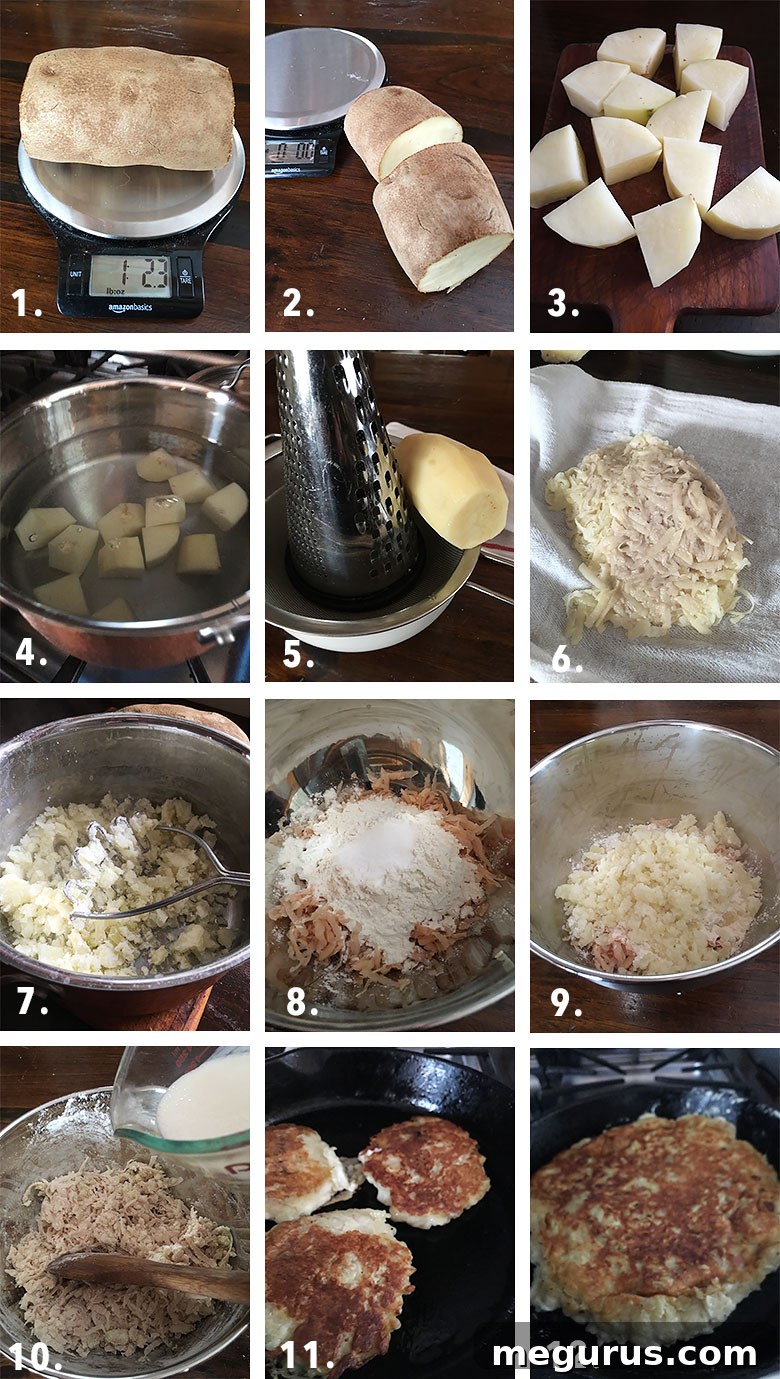
- Prepare Your Workspace: Begin by preheating your oven to 300°F (150°C) using a regular bake setting (not convection or fan-assisted). Have a baking sheet nearby. This warm oven will be your holding place for cooked Boxty batches, keeping them warm and crisp while you finish frying the rest.
- Potato Preparation – Part 1 (Mashed Potatoes): Start by peeling a total of 18 ounces (1 lb, 2 oz) of russet potatoes. Divide them into two equal 9-ounce portions. Take one of these 9-ounce portions and cut it into roughly 1-inch cubes. Place these cubed potatoes into a medium saucepan filled with generously salted water. Bring the water to a rolling boil, then reduce the heat slightly and cook until the potatoes are fork-tender, which typically takes about 15 minutes. Drain the cooked potatoes thoroughly and return them to the empty, warm saucepan. Mash them until smooth. Measure out 1 cup of the mashed potatoes and set it aside; any remaining mashed potato can be discarded or saved for another use.
- Potato Preparation – Part 2 (Grated Raw Potatoes): Now, take the second 9-ounce portion of peeled potato. Using a box grater, shred this potato into fine strands. This raw grated potato is crucial for Boxty’s distinctive texture.
- Remove Excess Moisture: Once grated, the raw potato will contain a lot of moisture, which needs to be removed to prevent soggy Boxty. Place the shredded potato onto a clean tea towel, a double layer of cheesecloth, or even a sturdy coffee filter. Gather the edges and squeeze out as much liquid as you possibly can. Be firm, but careful! You’ll be surprised how much water comes out. After squeezing, you should have approximately 1 1/4 cups of grated potato. A quick note: Russet potatoes can sometimes turn pink when grated and exposed to air. This is a completely normal enzymatic reaction and doesn’t affect the taste or safety of your Boxty. Also, be aware that the potato starch may permanently stain your tea towel, so choose one you don’t mind getting marked, or opt for cheesecloth.
- Combine the Ingredients: In a large mixing bowl, add your squeezed raw grated potatoes. Sprinkle the all-purpose flour, baking soda, and fine salt over them. Stir everything together thoroughly, ensuring that the shredded potato is well coated with the dry ingredients. Next, add the reserved 1 cup of mashed potatoes to this mixture. Stir again until both the raw and mashed potatoes are uniformly combined.
- Achieve the Right Consistency: Gradually add the buttermilk to the potato mixture, starting with half and adding more as needed. Mix until you achieve a consistency similar to stiff, firm mashed potatoes – it should be thick enough to hold its shape when spooned, not runny. You might use all the buttermilk, or slightly less, depending on your potatoes’ moisture content.
- Frying Your Boxty Rounds: Heat a heavy-bottomed skillet (cast iron works wonderfully) over medium-high heat until it’s hot. Lightly brush the skillet with cooking oil. Using a spoon, drop heaping spoonfuls of the potato batter into the hot skillet, leaving some space between each. With the back of your spoon, gently flatten each dollop into a round disc, roughly 2 to 2 1/2 inches in diameter. Depending on your pan size, you can usually cook 2-4 rounds at a time.
- Patience is Key for Cooking: Immediately reduce the heat under the skillet to medium-low. This is crucial for ensuring the raw potato cooks through without burning the exterior. Cook the Boxty until the underside is very golden brown and crisped, which will take about 3-4 minutes per side. Flip them carefully and cook the other side for another 3-4 minutes. Do not rush this step! Since these potato cakes contain raw potato, they need adequate time to cook thoroughly from the inside out. For best results and to ensure even cooking, I recommend flipping the Boxty a total of 3-4 times, gently adjusting the heat to keep it golden, not overly dark.
- Keep Warm and Serve: As each batch of Boxty cooks, transfer the golden-brown potato cakes to your prepared baking sheet in the warm oven. This keeps them hot and slightly crisp while you continue frying the remaining batter. Continue until all the Boxty is cooked.
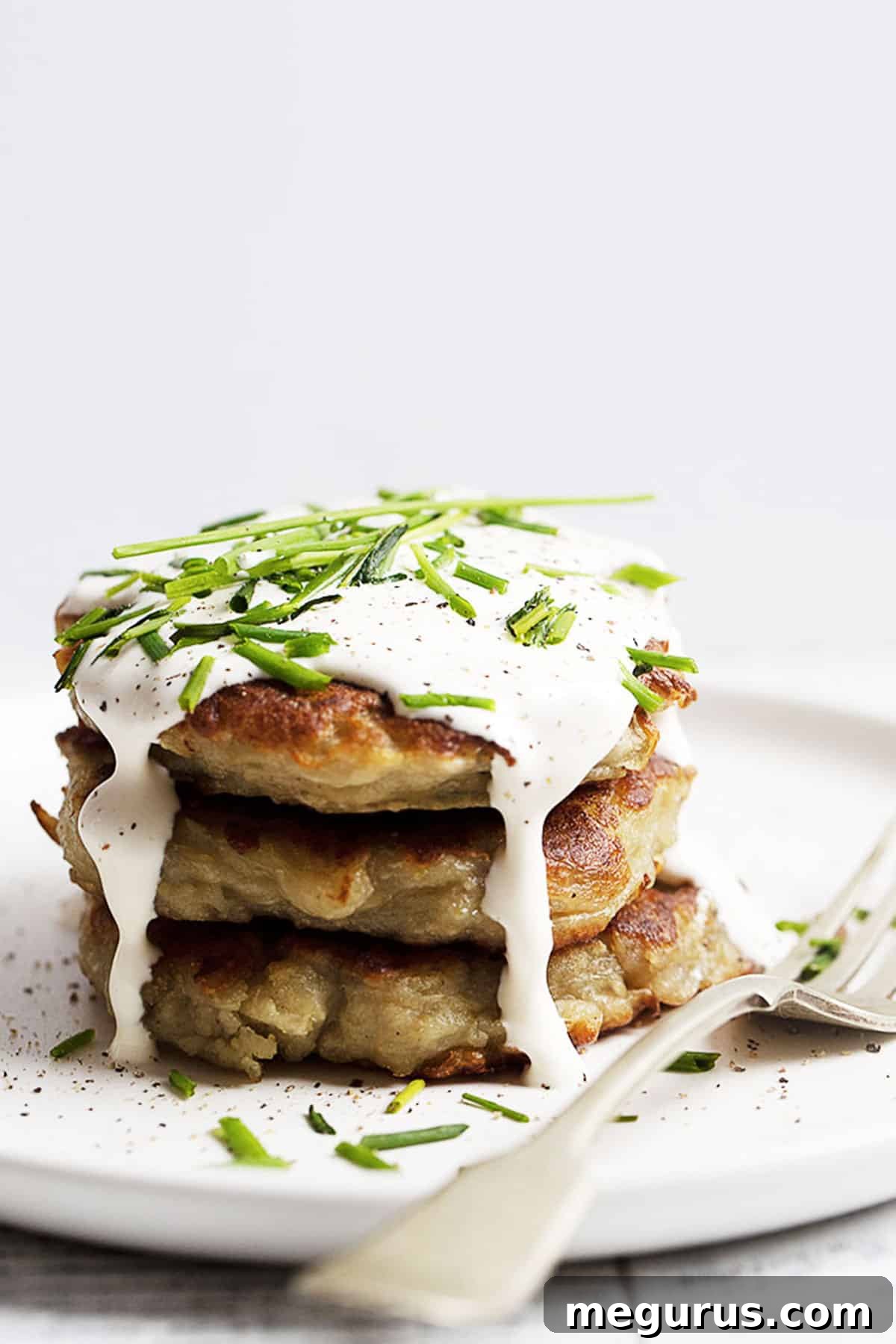
- Yield and Serving: This recipe typically yields 6-8 Boxty, depending on the size you make them. Serve your freshly cooked Boxty plain for a simple treat, or elevate them with various toppings. They are fantastic as part of a hearty breakfast plate alongside crispy bacon and fried eggs, topped with a dollop of sour cream and fresh green onions, or even with luxurious crème fraîche and finely chopped chives. A simple fried egg placed directly on top of a Boxty makes for a wonderful anytime meal.
Expert Tips for Perfect Boxty Every Time
- Handling Grated Potatoes: As mentioned, the starch in grated potatoes can leave a permanent stain on fabric. If you’re using a tea towel you care about, consider using cheesecloth or a coffee filter, or simply squeeze the moisture out very well by hand, wearing gloves if you prefer.
- Using Leftover Mashed Potatoes: If you happen to have pre-made mashed potatoes (even if they’re already buttered and salted), you can absolutely use them! Simply use 1 cup of your leftover mashed potatoes in place of cooking the cubed potatoes. You might want to slightly reduce the amount of added salt in the Boxty batter to compensate for any seasoning already in your mashed potatoes.
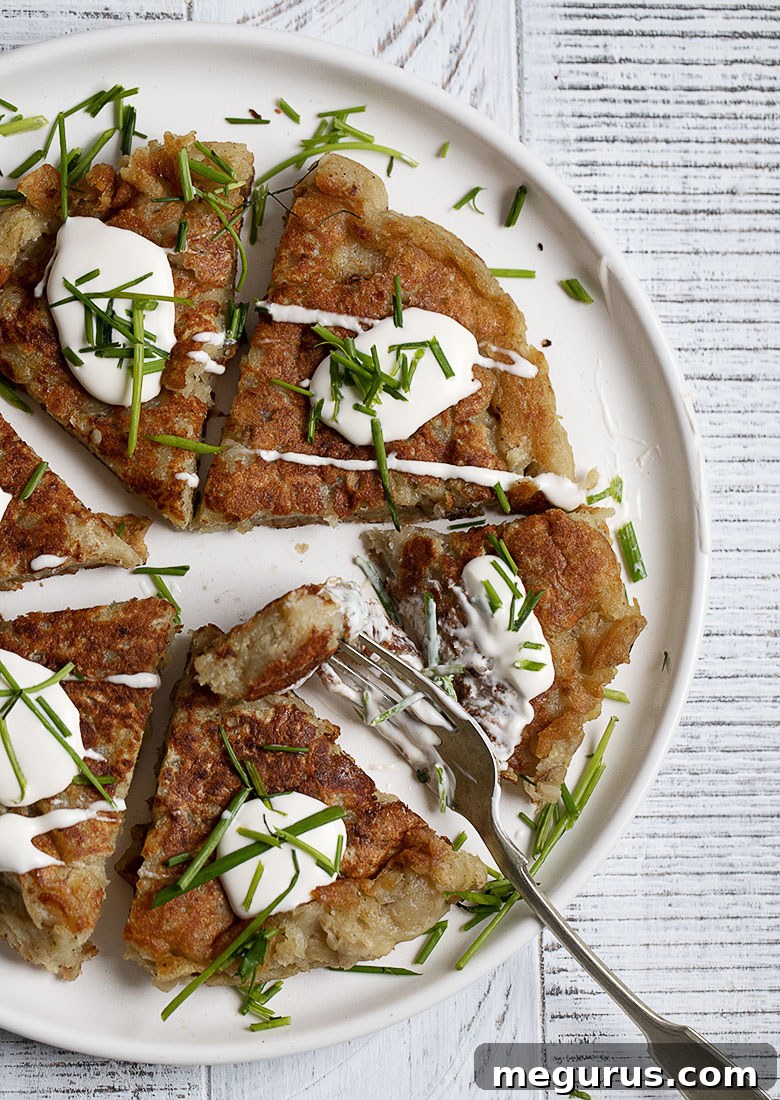
- Making “Boxty on the Pan” (One Large Potato Cake): Instead of small rounds, you can opt to make one large potato cake. This style, known as “Boxty on the Pan,” is a traditional way to enjoy it. For this larger version:
- When spreading the batter in the pan, don’t push it all the way to the edges. Leave a small gap to give yourself room to get a spatula underneath for flipping.
- Patience is even more critical here. Allow the underside to cook and set thoroughly and beautifully golden brown before attempting to flip it. A well-cooked first side will ensure it doesn’t break apart when you turn it over.
- Mastering Heat Management: This is arguably the most crucial tip for Boxty success. The potato mixture is dense, and the raw potato within needs time to cook through completely. Rushing the cooking process on high heat will result in burned exteriors and raw interiors. Stick to a medium-low heat setting. Be patient, allowing each side to cook for the full 3-4 minutes. Flipping them 3 or 4 times throughout the cooking process helps ensure even browning and thorough cooking without burning the outside before the inside is ready.
- Achieving the Perfect Golden Crust: For that irresistible crispy, golden-brown exterior, ensure your skillet is adequately oiled and hot when you first drop the batter. Once the cakes are in, adjust to medium-low heat to cook slowly. The oil helps with browning, and proper heat management prevents scorching while promoting a beautiful crust.
Here is “boxty on the pan,” cooked as one large round and then artfully cut into wedges for a communal serving experience, perfect for sharing.
Serving Suggestions and Culinary Pairings
Boxty’s versatility makes it a fantastic addition to almost any meal. While often associated with breakfast, these savory potato cakes shine in many roles:
- Classic Breakfast & Brunch: Serve Boxty alongside traditional Irish breakfast components like crispy bacon, savory sausages, black pudding, and perfectly fried or poached eggs. Its hearty nature makes it an excellent alternative to toast or hash browns.
- Savory Toppings: A simple dollop of sour cream or crème fraîche, garnished with fresh chives or green onions, is a perennially popular choice.
- Lunch or Light Dinner: Top warm Boxty with smoked salmon and a sprinkle of dill for an elegant touch, or with leftover pulled pork or corned beef for a more substantial meal.
- Appetizer Perfection: Cut larger Boxty into bite-sized pieces and serve them with various dips, such as a creamy onion dip, a spicy aioli, or even a classic apple sauce for a surprising sweet-savory combination.
- Accompaniment to Hearty Dishes: Boxty makes an excellent side dish for stews, roasted meats, or even a simple grilled chicken or fish. It’s particularly good with dishes that have a rich sauce, as it’s perfect for soaking up every last drop.
Storing and Reheating Your Boxty
Boxty is best enjoyed fresh from the pan, but leftovers can be stored and reheated. Allow any cooked Boxty to cool completely, then store them in an airtight container in the refrigerator for up to 3-4 days. To reheat, you can gently warm them in a non-stick skillet over medium-low heat until heated through and crispy again, or reheat them in a toaster oven or air fryer for a few minutes until warmed and crisped. Microwaving is an option for convenience but may result in a softer texture.
Frequently Asked Questions About Boxty
- What does “Boxty” mean? The word “Boxty” is believed to come from the Irish “bacstaí” or “arán bocht tí,” which translates to “poor house bread,” reflecting its humble origins as a nutritious and filling dish made from inexpensive ingredients.
- Can I use other types of potatoes? While russet potatoes are highly recommended for their starch content which yields the best texture, you can experiment with other starchy varieties. Waxy potatoes are generally not ideal as they don’t mash as fluffy and might result in a gummier texture when grated raw.
- Can Boxty be made gluten-free? Yes, you can modify this recipe to be gluten-free by substituting the all-purpose flour with a good quality gluten-free all-purpose flour blend (ensure it contains xanthan gum or add a tiny pinch). The rest of the ingredients are naturally gluten-free.
- How is Boxty different from other potato pancakes like Latkes or Hash Browns? The primary difference lies in the unique combination of both raw, grated potatoes and cooked, mashed potatoes. Latkes (Jewish potato pancakes) are typically made solely from raw grated potatoes, while hash browns are also primarily raw, shredded, or diced potatoes. Boxty’s dual potato preparation gives it a distinct texture – a delightful mix of fluffy and chewy.
- Can I prepare the potato mixture ahead of time? You can prepare and mash the cooked potatoes in advance. However, it’s best to grate and squeeze the raw potatoes and mix the batter just before cooking. Raw grated potatoes tend to oxidize and turn brown quickly, even when squeezed.
The Nutritional Goodness of Potatoes
Potatoes often get a bad rap, but they are a surprisingly nutritious vegetable. Rich in vitamins and minerals, especially Vitamin C, Vitamin B6, potassium, and manganese, potatoes also provide a good source of dietary fiber, particularly when consumed with their skins. They offer sustained energy, making Boxty a truly hearty and satisfying meal component.
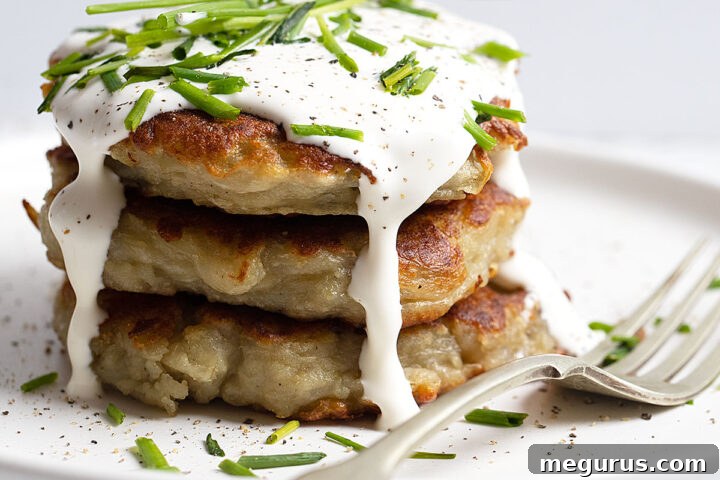
Get the Recipe: Boxty Irish Potato Cakes
Traditional Irish potato cakes known as Boxty, made using a mixture of cooked, mashed potatoes and raw, grated potato, fried in a hot skillet in small (or one large) rounds until golden brown.
Pin This
Leave a Review
Prep Time: 10 mins
Cook Time: 30 mins
Total Time: 40 mins
Yield: 8 servings
Ingredients
- 18 oz russet (baking) potatoes, (1 lb, 2 oz)
- 3/4 cup all purpose flour
- 1 teaspoon baking soda
- 1/2 teaspoon fine salt
- 1/2 cup buttermilk, approximately *see Note 1
- Cooking oil
Instructions
- Preheat oven to 300F. (regular bake/not fan assisted) and have a baking sheet handy (for popping cooked boxty into the oven while you cook a second batch).
- Start a medium saucepan of salted water to boil. Peel your potatoes.
- Take 9 oz. of the potatoes and cut into 1-inch pieces. Add these potatoes to your saucepan of water. Bring to a boil, then cook until tender, about 15 minutes. Drain and return the potatoes to the pan and mash. Measure out 1 cup of mashed potatoes and set aside. Discard any bit of extra mashed potatoes.
- Take another 9 oz. potato and shred with a box grater. Note! Potatoes may permanently stain the tea towel, so either don’t use one you care about staining or use an alternate method ie: squeezing by hand. Place shredded potato onto a clean tea towel, coffee filter or doubled up cheesecloth and squeeze out all the moisture in the potatoes. Measure out your potatoes. You should have about 1 1/4 cups.
- Add the shredded potatoes to a medium bowl. Sprinkle with flour, baking soda and salt and stir well to combine and coat the shredded potato well with flour. Stir in the reserved mashed potatoes until combined. Add as much buttermilk as is needed to form the texture of firm mashed potatoes (I generally need to use about all of it).
- Heat a heavy skillet over medium-high heat until hot. Brush with cooking oil. Drop a heaping spoonful of the potato mixture into the skillet. Using the back of a spoon, spread and flatten out the mixture into a roughly 2 – 2 1/2-inch round. Repeat adding 2 or 3 more rounds to the skillet, depending on the size of your pan. Lower heat under the skillet to somewhere around medium-low. Cook until the underside is very golden, then flip and cook the other side. Don’t rush it. Keep the skillet hot enough, but not too hot, so that the inside has a chance to cook. Figure on 3-4 minutes per side, depending on how thick they are. Remember that you have raw potato inside that needs time to cook. I like to flip the potato cakes 4 times total, just to be sure they are well cooked through.
- Remove cooked boxty to baking sheet and pop into the warm oven while you cook another batch.
- Will make 6-8 boxty, depending on the size. Serve on their own, as part of a breakfast plate with bacon and eggs, topped with sour cream and green onion, Creme Fraîche and chives or topped with a fried egg.
Notes
*Note 1: Make your own buttermilk substitute by combining 1/2 cup regular milk with 1 1/2 tsp lemon juice or white vinegar. Stir and let stand 10 minutes before using.
Your grated potatoes may turn pink once they are exposed to the air. It’s a normal reaction of the potato enzymes reacting to oxygen. They are odd looking but perfectly safe to eat.
Instead of small rounds, you can use the batter to make one large potato cake. A couple of extra notes for the large version: 1) Don’t spread the batter to the edge of the pan, so you have room to flip it. 2) Allow the underside to cook/set well before trying to flip it.
Nutritional information does not include any toppings.
Be sure to read the Ingredient and Cook’s Notes above the recipe card for more tips for making this recipe.
Cuisine: Irish
Course: Side Dish
Author: Jennifer Maloney
Nutrition (per serving): Serving: 1 serving, Calories: 102kcal, Carbohydrates: 21g, Protein: 3g, Fat: 1g, Saturated Fat: 1g, Cholesterol: 2mg, Sodium: 301mg, Potassium: 299mg, Fiber: 1g, Sugar: 1g, Vitamin A: 25IU, Vitamin C: 4mg, Calcium: 27mg, Iron: 1mg
More Irish Inspired Recipes to Love!