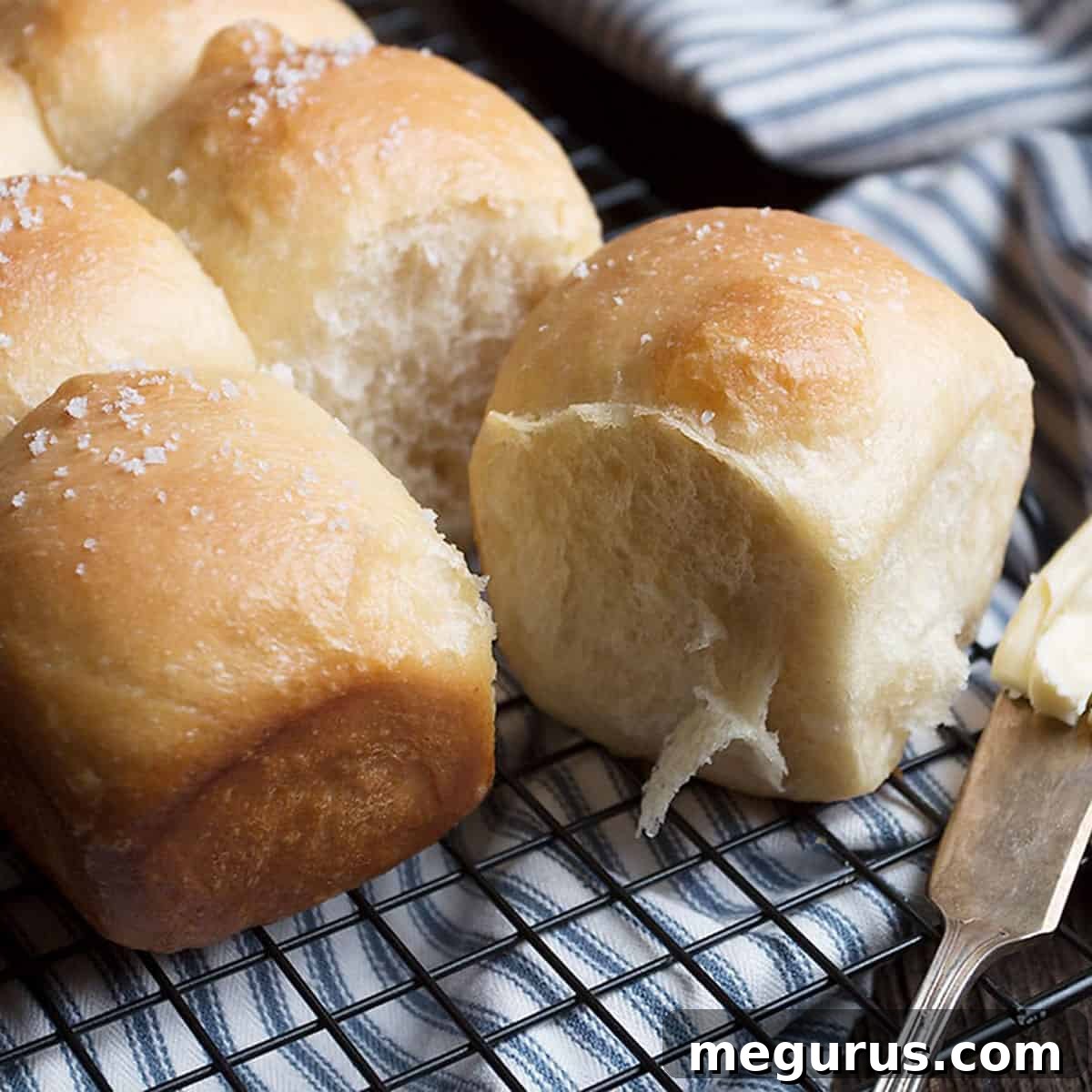
Colicchio’s Parker House Rolls: A Masterpiece of Buttery Perfection
Embark on a culinary journey to create the most exquisite dinner rolls you’ll ever taste: Colicchio’s Parker House Rolls. These aren’t just any rolls; they are a testament to the beauty of slow baking, delivering a richness and buttery tenderness that elevates any meal. While they demand a generous investment of your time, every moment spent in their creation is profoundly rewarded. Imagine pulling these golden-brown beauties, still warm and fragrant, straight from your oven, their crust delicately crisp and their interior cloud-soft. This recipe transforms simple ingredients into an unforgettable experience, making these rolls best enjoyed fresh and warm.
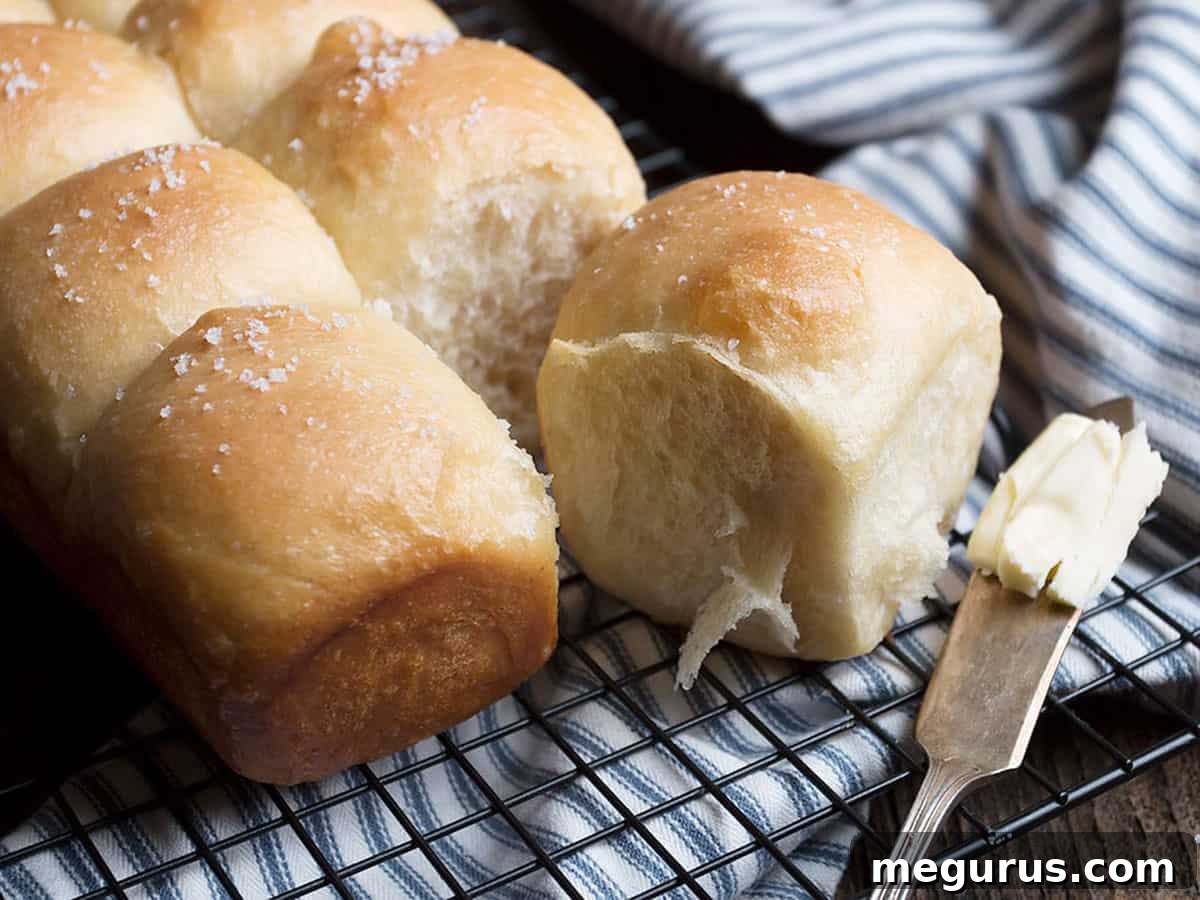
The Inspiration: A Taste of Vegas Luxury
My first encounter with these legendary dinner rolls was through my sister, who had just returned from a trip to Las Vegas. She recounted a memorable dining experience at one of Tom Colicchio’s acclaimed restaurants, where these rolls were served warm in charming cast-iron dishes to every table. Her enthusiasm was palpable; she raved about their exceptional flavor and texture, describing them as the highlight of what was undoubtedly a fantastic meal. Her vivid description sparked an immediate curiosity within me. If a simple bread roll could leave such a lasting impression amidst a fine dining experience, it was certainly a recipe worth exploring and recreating at home.
Indeed, these are the kind of rolls that I affectionately dub “take all day, but are totally worth it” rolls. They truly are an artisanal project, requiring patience and dedication. If your aim is to have them emerge from the oven, glistening and perfectly warm, just in time for your dinner table, then planning to start them early in the day is essential. This extended preparation time isn’t a drawback; rather, it’s the secret to their profound depth of flavor and incredibly tender crumb. Every step of the process, from mixing to the multiple rises, contributes to the unparalleled quality that makes these rolls a true culinary treat.
The Art of Slow Fermentation: Why Patience Pays Off
The secret to the exquisite taste and texture of these Parker House rolls lies in their unique method of preparation, particularly the three distinct long rises the dough undergoes. This prolonged fermentation process is not merely a formality; it’s a cornerstone of artisanal bread making. Each rise allows the yeast ample time to work its magic, developing complex flavors that simply cannot be achieved with quicker methods. This slow development of the dough’s gluten structure also results in an incredibly soft, airy interior, while contributing to a slightly chewy crust.
Beyond the internal structure and flavor, the finishing touches are equally crucial. A generous brushing of warm, melted butter over the freshly baked rolls is non-negotiable. This not only enhances their rich, dairy flavor but also contributes to their signature lustrous sheen. A sprinkle of flaky finishing salt on top provides a delicate contrast, adding a subtle crunch and a pop of savory flavor that perfectly balances the sweetness of the bread and the richness of the butter. These steps transform a simple roll into a luxurious experience, making them a worthy centerpiece on any dinner table.
When I first encountered this recipe, one aspect immediately stood out: the significant time commitment involved to produce a modest batch of just 8 rolls. In a world often focused on efficiency and bulk production, this approach might seem counterintuitive. However, it quickly became clear that these Colicchio Parker House rolls are not designed for mass consumption but for peak enjoyment. Their absolute best state is when they are served warm, fresh from the oven, with a final brush of melted butter. This recipe champions quality over quantity, encouraging you to savor each moment of the baking process and each bite of the final product. It’s about creating a special experience, rather than simply making a large batch of bread. The reward for your patience is a deeply satisfying, incredibly flavorful roll that truly melts in your mouth.
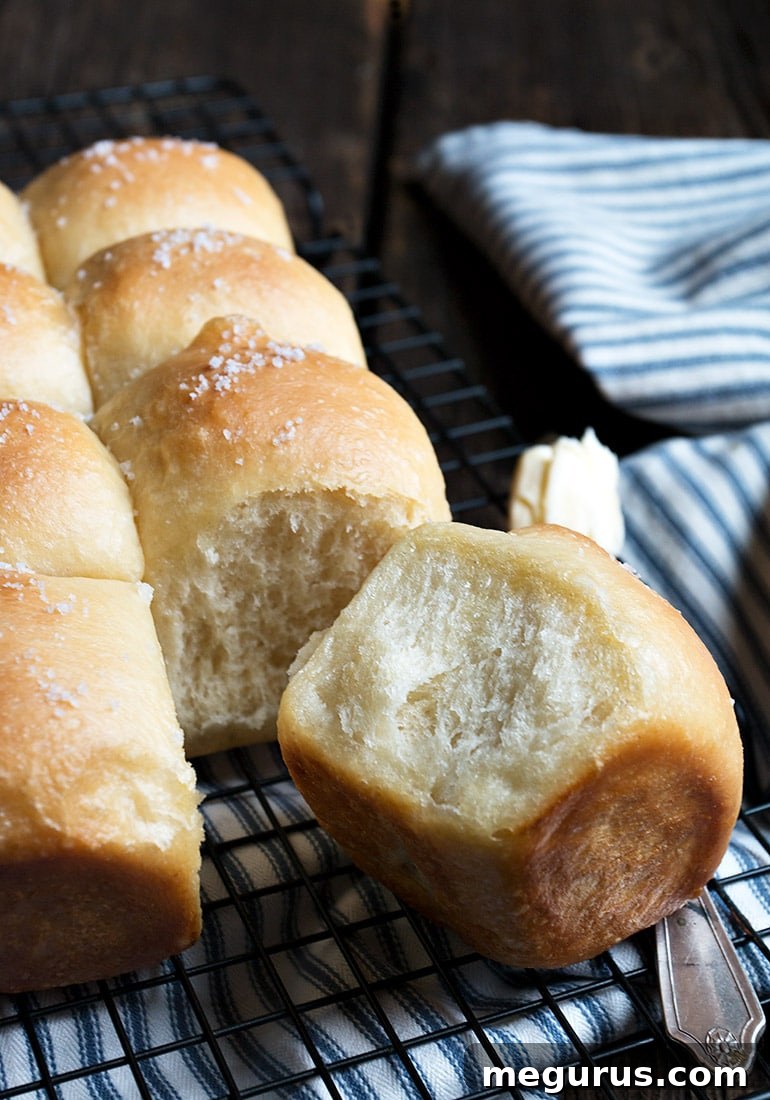
Expert Recipe Tips for Flawless Parker House Rolls
-
Embrace the Process: Patience is Your Best Ingredient
The most critical tip for these rolls is to approach the recipe with an abundance of patience. These rolls rise very slowly, and the precise timing will fluctuate significantly depending on the ambient temperature of your kitchen. Do not rush the rising process; allow at least 2 hours for each of the three rises, totaling a minimum of 6 hours of dedicated rising time. It’s essential to trust your visual cues over the clock—the dough is ready when it has truly doubled in size, no matter how long it takes. For accurate measurement, I highly recommend using an 8-cup glass measuring cup during the first rise; this makes it incredibly easy to observe when the dough has achieved double its initial volume.
-
Precision in Portions: Weighing Your Dough
To ensure uniformity in size and an even bake, I strongly advocate for weighing your dough before dividing it. Once the final dough is ready, weigh the entire mass, then simply divide that total weight by 8 (or your desired number of rolls). Use a kitchen scale to measure out each individual dough ball precisely. This method guarantees that all your finished rolls will be consistently sized, leading to a professional appearance and uniform cooking, preventing smaller rolls from overbaking while larger ones remain undercooked.
-
Choosing the Right Pan for the Perfect Shape
The original recipe suggested making 12-14 smaller dough balls, but I found the resulting rolls to be somewhat diminutive. For a more satisfying, generously sized, and beautifully tall roll, I discovered that baking 8 rolls snugly in a standard 9×5-inch loaf pan yields optimal results. The confined space encourages them to rise upward, creating that desirable height. If, however, you prefer smaller rolls or wish to accommodate more servings, you can certainly opt for 12-14 dough balls and bake them in an 8×8-inch square pan instead, which will produce a different, yet still delicious, aesthetic.
-
The Magic of Barley Malt: A Baker’s Secret
You’ll notice that the recipe includes a small, yet significant, amount of Barley Malt. This ingredient is a true game-changer for flavor and texture. I was pleasantly surprised to find barley malt syrup in the natural/organic food section of my local (even small-town!) grocery store, and it’s also readily available online through retailers like Amazon. Once opened, store it in the refrigerator where it has an exceptionally long shelf life, making it a valuable pantry staple. If you’re an avid baker, especially of bagels, you’ll find barley malt to be an indispensable addition. In these Parker House rolls, it imparts a subtle, distinctive depth of flavor and a lovely golden hue that is absolutely worth seeking out. It truly elevates the rolls from good to extraordinary, contributing to that authentic, rich bakery taste.
Understanding Barley Malt Syrup: The Flavor Enhancer
Barley malt syrup is a distinctively unrefined sweetener, derived from malted barley. It is celebrated for being the key ingredient that bestows upon New York-style bagels their characteristic robust flavor and delightful chewy texture. Unlike many other sweeteners, malt syrup presents itself as a dark brown, thick, and wonderfully sticky liquid, boasting a potent and unmistakable “malty” flavor profile. It offers a nuanced sweetness that is approximately half as intense as that of refined white sugar, allowing other flavors to shine without being overwhelmed. Its unique composition contributes to superior browning in baked goods and helps to create a tender, moist crumb, making it an invaluable asset in this Parker House roll recipe for achieving that depth of taste and perfect consistency.
Barley Malt Syrup Substitutes: When You Can’t Find the Original
While barley malt syrup offers a unique flavor that truly enhances these rolls, if you find yourself unable to locate it, a suitable substitute can be found in molasses. For the best results, I recommend using about two-thirds as much molasses as the specified barley malt syrup. It is crucial to opt for a “fancy” molasses, which is lighter in flavor and color, rather than “blackstrap” molasses, which has a much stronger, more bitter taste that could overpower the delicate flavors of the rolls. This substitution will still provide some of the rich, deep notes and moistness that the barley malt contributes, ensuring your rolls are still incredibly delicious.
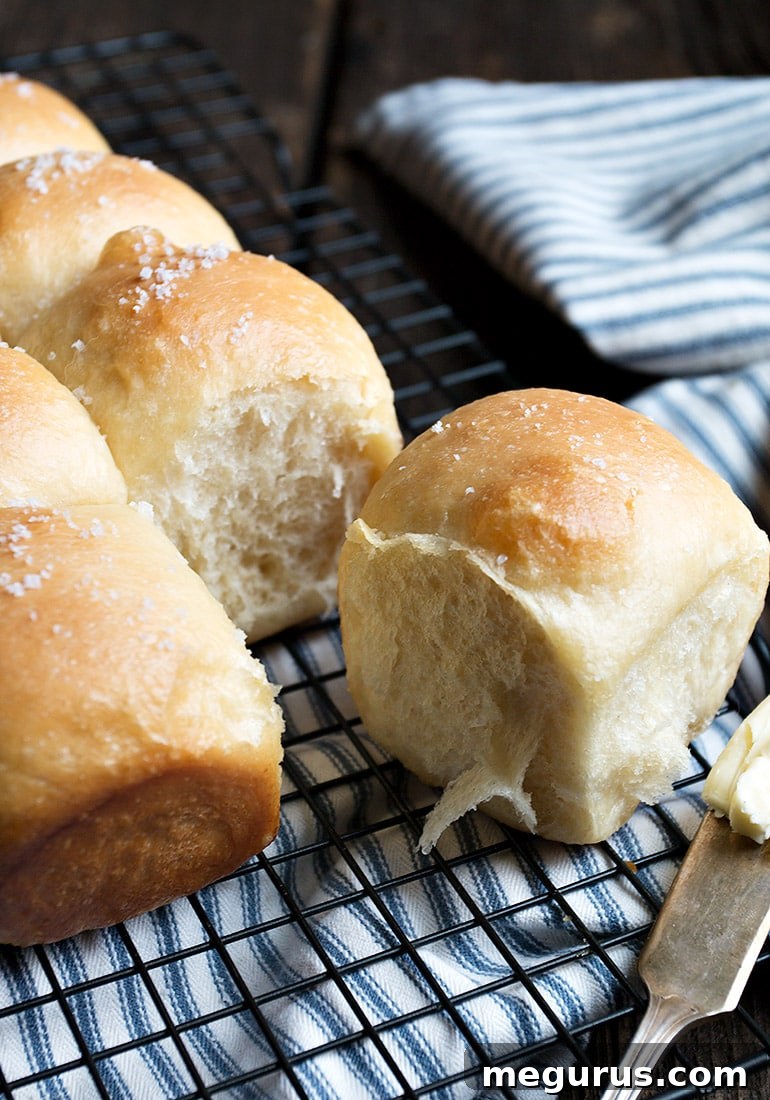
Mastering the Art of Shaping: Achieve Bakery-Perfect Rolls
Achieving perfectly shaped rolls isn’t just about aesthetics; it also contributes to an even rise and bake. This simple yet effective shaping technique will help you create beautiful, uniformly smooth balls of dough. Begin by portioning your dough into equal-sized pieces, ideally by weighing them as previously suggested. Take one piece of dough and place it on a lightly floured surface. Using your thumbs and forefingers, gently stretch the sides of the dough from the 9 o’clock and 3 o’clock positions outwards by about an inch. Then, fold these stretched edges underneath the dough, pinching them firmly together where they meet at the bottom. Repeat this process by stretching the dough from the 12 o’clock and 6 o’clock positions, again folding and pinching the edges underneath. Finally, flip the entire dough ball over and give it a final pinch underneath to seal all the seams. The goal is to create a taut, smooth top surface. This surface tension is vital as it allows the rolls to hold their shape beautifully and rise with a lovely structure during baking, resulting in a professional, appealing finish.
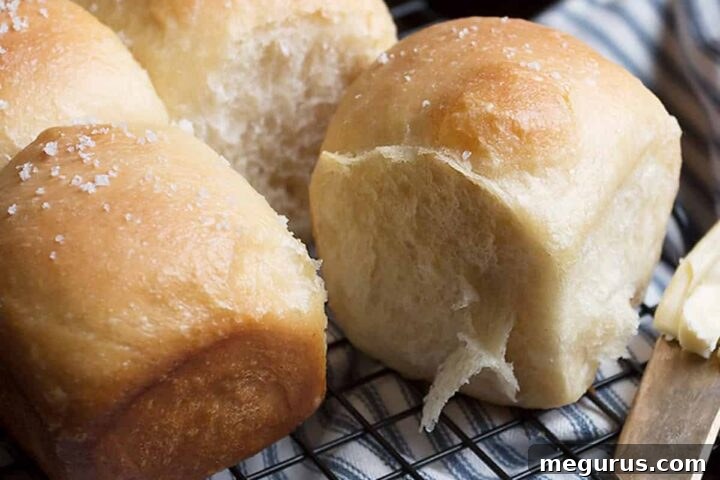
Get the Recipe: Colicchio’s Parker House Rolls
Rich, buttery dinner rolls, these delicious rolls are best enjoyed warm from the oven!
Rated 4.86 stars from 7 ratings
Pin This
Leave a Review
Prep Time: 20 mins
Cook Time: 25 mins
Rising Time: 6 hrs
Total Time: 45 mins (excluding rising time)
Yield: 8 rolls
Ingredients
Dough:
- 3/4 cup warm milk, about 110F
- 1 teaspoon instant or dry active yeast
- 1 teaspoon Barley malt, or 2/3 tsp molasses
- 2 cups all purpose flour, spooned and levelled
- 1 1/4 teaspoons coarse Kosher salt, or 1 tsp fine table salt *reduce if using salted butter
- 2 1/2 Tablespoons unsalted butter, softened
Topping:
- Melted butter, for brushing
- Finishing Salt, such as Fleur de Sel or Maldon’s
Instructions
-
Stir together milk, yeast, and malt syrup in a large bowl or the bowl of a stand mixer fitted with a kneading hook. Let sit until foamy, about 10 minutes. In a medium bowl, whisk together flour and salt. Add to milk mixture along with softened butter and stir with a wooden spoon or mix with mixer until a dough forms. Knead 5-6 minutes, adding additional flour as needed, to produce a smooth, moist dough.
-
Remove to a greased bowl. Cover with plastic wrap and let rise until doubled in size, about 2 – 3 hours. *Trust your eyes here and not the clock. You will want to let the dough rise until it has doubled in size, however long that takes. I find it helpful to rise in an 8-cup glass measuring cup, so it’s easy to see when it has doubled.
-
Punch down dough and let rise again until doubled again, about 2 hours (or until doubled in size).
-
Meanwhile, melt a bit of butter and brush on a 9×5-inch loaf pan. Set aside.
-
Remove dough to a floured surface and divide into 8-10 equal sized pieces. Form pieces into balls and place into the buttered 9 x 5-inch loaf pan. (4 or 5 rows of two rolls, spaced evenly in the pan). Cover pan with a clean tea towel and let rise until puffy and about doubled, about 2 hours more.
-
Preheat oven to 350F. When rolls are risen, brush with melted butter and bake in preheated oven for 25-30 minutes, or until golden. Remove from oven. Let stand a minute, then remove from pan to a cooling rack. Brush with more melted butter and sprinkle tops with finishing salt. Remove from pan and serve warm.
Notes
Be sure to read the “Cook’s Notes” in the original post, for more tips, options, substitutions and variations for this recipe!
Cuisine: American, Canadian
Course: Bread
Author: Jennifer Maloney
Nutrition (per 1 roll serving):
Calories: 163kcal, Carbohydrates: 25g, Protein: 4g, Fat: 4g, Saturated Fat: 2g, Cholesterol: 11mg, Sodium: 374mg, Potassium: 68mg, Fiber: 1g, Sugar: 1g, Vitamin A: 150IU, Calcium: 31mg, Iron: 1.5mg
Tried this recipe? If you enjoyed this recipe, please leave a star rating and comment. It helps others to find it!
Serving Suggestions and Storage Tips
Once you’ve baked your batch of Colicchio’s Parker House Rolls, their warm, buttery aroma will fill your kitchen, making them almost impossible to resist. These rolls are phenomenal simply as they are, hot from the oven with a generous spread of butter. However, their versatility means they can complement a wide array of dishes. They are an impeccable accompaniment to any holiday feast, from Thanksgiving turkey to Christmas ham, adding a touch of rustic elegance. For everyday meals, pair them with hearty stews, comforting soups, or a perfectly roasted chicken. You can even slice them horizontally and use them as delightful mini slider buns for special occasions.
Should you find yourself with any leftovers (a rare occurrence!), these rolls can be stored at room temperature in an airtight container for up to 2-3 days. To revive their fresh-baked glory, a quick reheat in a warm oven (around 300°F or 150°C) for 5-10 minutes, or a brief moment in the microwave, will restore their softness and warmth. For longer storage, the rolls can be frozen in an airtight freezer bag for up to one month. Thaw them at room temperature, then reheat as described above for a nearly fresh-baked experience.
Troubleshooting Common Baking Challenges
Even experienced bakers can encounter challenges, especially with yeast dough. Here are a few common issues and how to address them:
- Dough Not Rising: The most common culprits are old or inactive yeast, or milk that is too hot (killing the yeast) or too cold (slowing it down too much). Always check your yeast’s expiration date and ensure your milk is around 105-115°F (40-46°C). A warm, draft-free environment is also crucial for rising.
- Dry or Tough Rolls: This often indicates too much flour was added during kneading, or the dough was over-kneaded. A moist, supple dough is key. Adjust flour incrementally and stop kneading once the dough is smooth and elastic.
- Dense Rolls: Insufficient rising time can lead to dense rolls. Ensure the dough has truly doubled in volume for each rise. Patience here is paramount.
- Rolls Spreading Too Much: If your rolls spread rather than rise, the dough might be too wet, or they might be over-proofed. Ensure you’ve followed the flour measurements carefully and observe the dough’s “puffiness” during the final rise—it should be puffy but not overly airy.
With these tips and a little practice, you’ll be baking Colicchio’s Parker House Rolls like a pro, much to the delight of your family and guests. Happy baking!