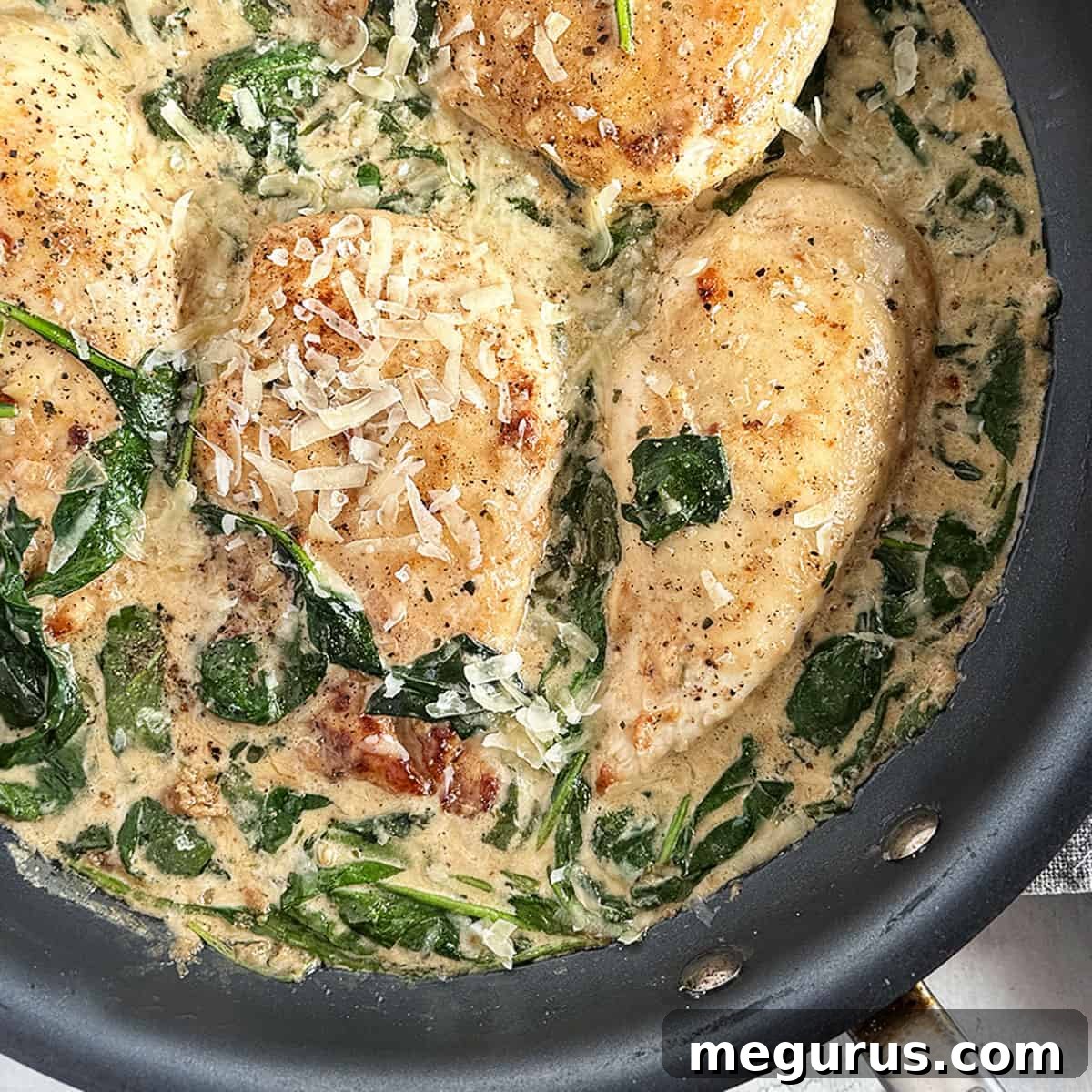
Transform your weeknight dinner routine into an extraordinary culinary experience with this exquisite Chicken Florentine recipe. Imagine tender chicken breast cutlets, lightly coated in a savory Parmesan crust, pan-seared to golden perfection. Then, these succulent pieces are nestled into a rich, creamy sauce, infused with white wine, cream cheese, and vibrant fresh spinach, all crowned with a generous sprinkle of extra Parmesan. This classic Italian-American dish isn’t just delicious; it’s surprisingly quick, coming together in about 30 minutes on your stovetop, making it the ideal choice for a special meal without the fuss.
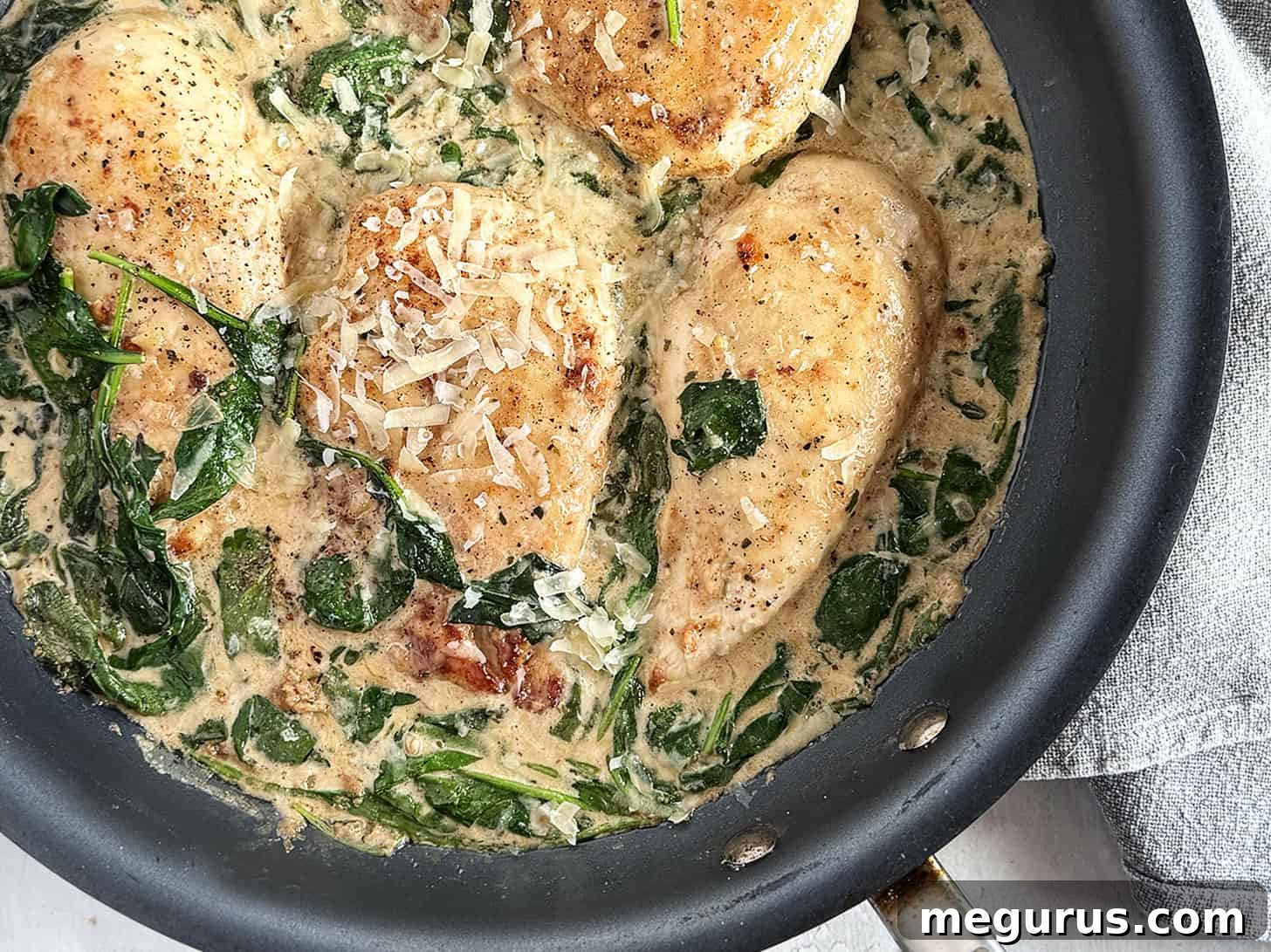
Whenever the craving for a comforting yet elegant meal strikes, Chicken Florentine consistently delivers. Its harmonious blend of flavors—savory chicken, earthy spinach, and a luxurious creamy sauce—is universally adored. It offers a touch of indulgence, perfect for those moments when you want to treat yourself and your loved ones to something truly memorable. Pair it with a side of creamy mashed potatoes, fluffy rice, or even a crusty baguette to soak up every last drop of that incredible sauce, creating a truly fabulous chicken dinner experience.
Why You’ll Love This Chicken Florentine Recipe
This Chicken Florentine isn’t just another dinner recipe; it’s a culinary triumph that brings gourmet flavor to your everyday table. Here’s why it’s destined to become a staple in your kitchen:
- Effortlessly Elegant: Despite its impressive presentation and rich flavor, this dish is incredibly straightforward to prepare, making it perfect for both weeknight meals and special occasions.
- Quick & Convenient: From start to finish, you’re looking at about 30 minutes of cooking time. Ideal for busy evenings when you want something satisfying without spending hours in the kitchen.
- Creamy Indulgence: The luscious sauce, crafted with white wine, heavy cream, and cream cheese, provides a velvety smooth texture and deep, savory notes that are utterly irresistible.
- Nutrient-Rich Spinach: Packed with fresh baby spinach, this dish cunningly incorporates a healthy dose of greens, balancing the richness of the sauce with fresh, earthy flavors.
- Versatile Pairing: It pairs beautifully with a variety of sides, from classic mashed potatoes and rice to pasta or a simple green salad, allowing you to customize your meal.
- Crowd-Pleaser: The classic combination of chicken, spinach, and a creamy sauce ensures this dish is a hit with nearly everyone, even picky eaters!
- Flavorful Chicken: The Parmesan-crusted chicken cutlets boast a fantastic golden-brown sear, locking in moisture and adding an extra layer of texture and taste.
The Classic Flavors of “Florentine Style”
The term “Florentine” in culinary contexts typically refers to dishes prepared “in the style of Florence” and almost always involves spinach. This classic combination is believed to have originated with Catherine de’ Medici, an Italian noblewoman who became Queen of France in the 16th century. It is said that when she moved from Florence to France for her marriage, she brought her Italian chefs with her, insisting that they prepare dishes using spinach, a beloved vegetable from her homeland. Hence, any dish featuring spinach, particularly when combined with a creamy sauce or cheese, adopted the “Florentine” designation, signifying its elegant and delicious preparation.
Ingredients for Your Perfect Chicken Florentine
Crafting the perfect Chicken Florentine begins with selecting the right ingredients. Here’s a closer look at what you’ll need and some helpful notes for substitutions:
- Chicken Breast Cutlets: These are boneless, skinless chicken breasts sliced horizontally into thinner pieces. This ensures quicker cooking and a more tender result. If your grocery store doesn’t carry pre-cut cutlets, simply buy full boneless, skinless chicken breasts and carefully slice them in half crosswise yourself. Aim for uniform thickness for even cooking.
- All-Purpose Flour & Grated Parmesan Cheese: This dynamic duo creates a light, flavorful coating for the chicken. The flour helps achieve a beautiful golden-brown crust, while the Parmesan adds a salty, nutty depth and enhances the crispiness. You’ll need extra grated Parmesan for serving, so don’t be shy!
- Salt and Freshly Ground Black Pepper: Essential seasonings to enhance the natural flavors of the chicken and the sauce. Season generously, tasting as you go.
- Olive Oil & Butter: A combination of these fats provides the perfect medium for searing the chicken and building the sauce base. Olive oil offers a higher smoke point, while butter adds rich flavor and helps with browning.
- Shallot & Garlic: These aromatic vegetables form the flavor foundation of the creamy sauce. Shallots offer a milder, sweeter onion flavor, while garlic provides a pungent, savory kick. Fine dicing ensures they soften and meld seamlessly into the sauce.
- Dry White Wine: A splash of dry white wine (like Pinot Grigio, Sauvignon Blanc, or Chardonnay) is crucial for deglazing the pan, adding depth, acidity, and a sophisticated flavor profile to the sauce. If you prefer not to use alcohol, an equal amount of chicken broth works as a excellent substitute.
- Chicken Broth: Provides a savory liquid base for the sauce, helping to balance the richness of the cream and cheese. Use low-sodium chicken broth to better control the salt content of your dish.
- Dried Basil & Oregano Leaves: These classic Italian herbs infuse the sauce with aromatic warmth. If you have fresh herbs on hand, you can certainly use them – about 1 tablespoon of chopped fresh basil and oregano for every teaspoon of dried.
- Heavy Whipping Cream (35% B.F.): This is key for creating a truly luxurious and thick sauce. Its high fat content prevents it from curdling and contributes to a rich, smooth finish. For a slightly lighter sauce, half-and-half cream can be used, though the texture will be less decadent.
- Cream Cheese (Full-Fat, at Room Temperature): Cream cheese adds incredible body, tang, and creaminess to the sauce. It’s vital that it’s at room temperature (or even slightly warmed) before adding to prevent the sauce from splitting. Full-fat cream cheese yields the best texture and flavor, but a light version can be used for a reduced-fat option.
- Fresh Baby Spinach (Packed): The signature ingredient for any Florentine dish! You’ll need a substantial amount, as it wilts down significantly. Baby spinach is preferred for its tender leaves and mild flavor. While fresh is highly recommended, thawed and thoroughly squeezed frozen spinach can be used in a pinch.
Equipment You’ll Need
To whip up this delightful Chicken Florentine, you won’t need an extensive array of kitchen gadgets. Here’s a list of the essential tools:
- Large Skillet or Dutch Oven: A heavy-bottomed skillet (preferably cast iron or stainless steel) with high sides, large enough to comfortably hold all the chicken cutlets in a single layer, is ideal. A Dutch oven also works beautifully.
- Cutting Board & Sharp Knife: For preparing the chicken, shallots, and garlic.
- Shallow Plate or Dish: For dredging the chicken in the flour and Parmesan mixture.
- Tongs: Essential for handling and flipping the chicken in the hot pan.
- Whisk: To ensure the sauce is perfectly smooth and lump-free.
- Measuring Cups & Spoons: For accurate ingredient quantities.
Step-by-Step Guide: How to Make Chicken Florentine
Creating this magnificent Chicken Florentine is simpler than you might think. Follow these steps for a perfect meal every time:
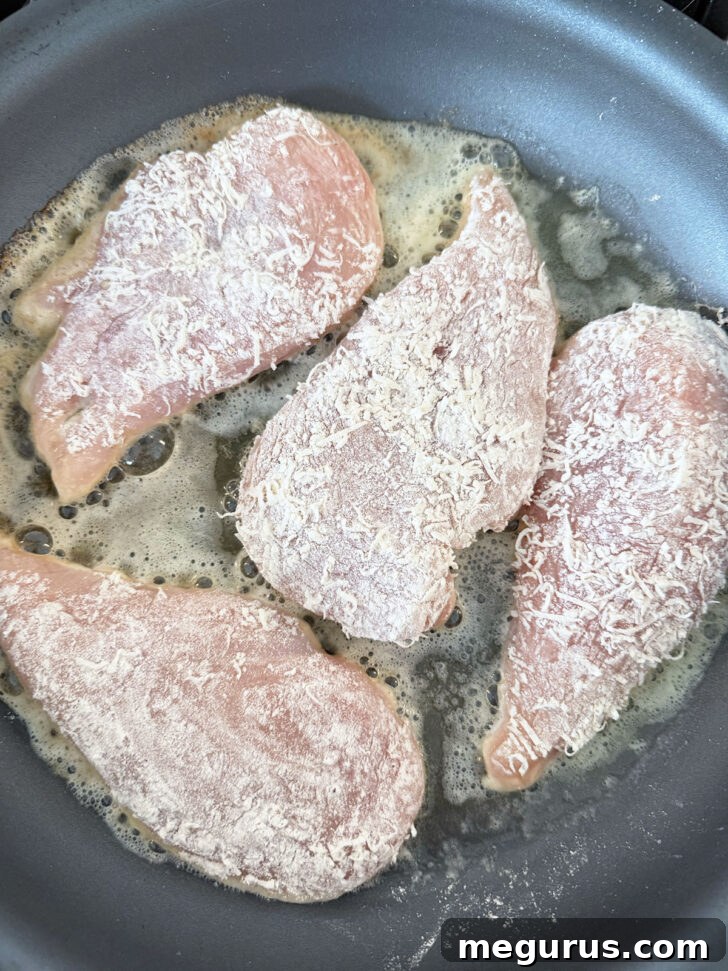
- Prepare the Chicken Coating: On a large, shallow plate, combine the all-purpose flour and grated Parmesan cheese. Season generously with salt and pepper, then stir everything together until well mixed.
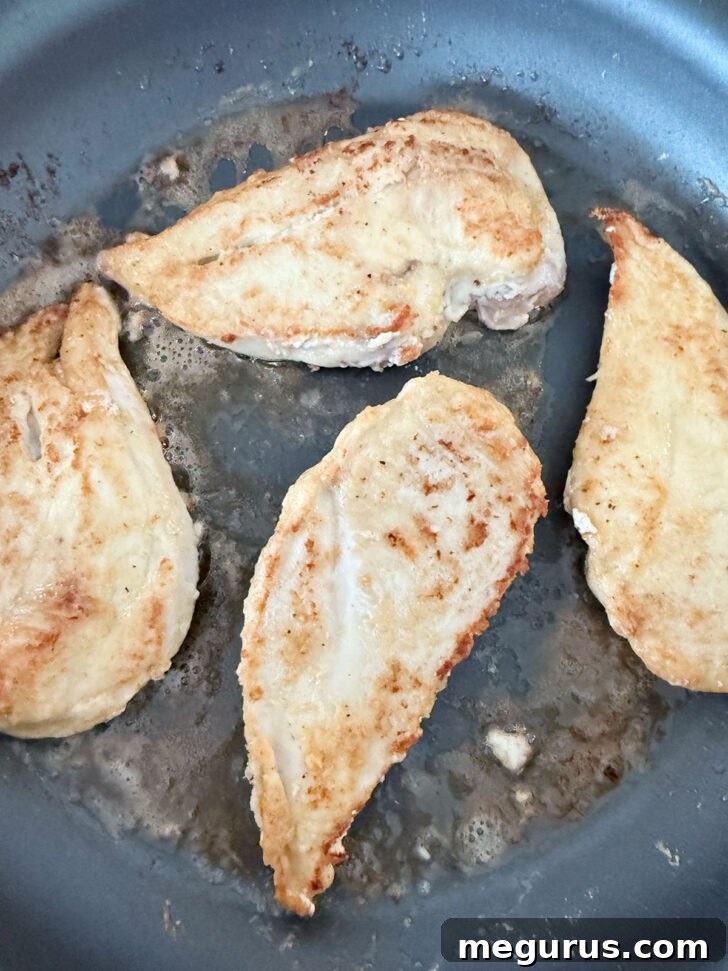
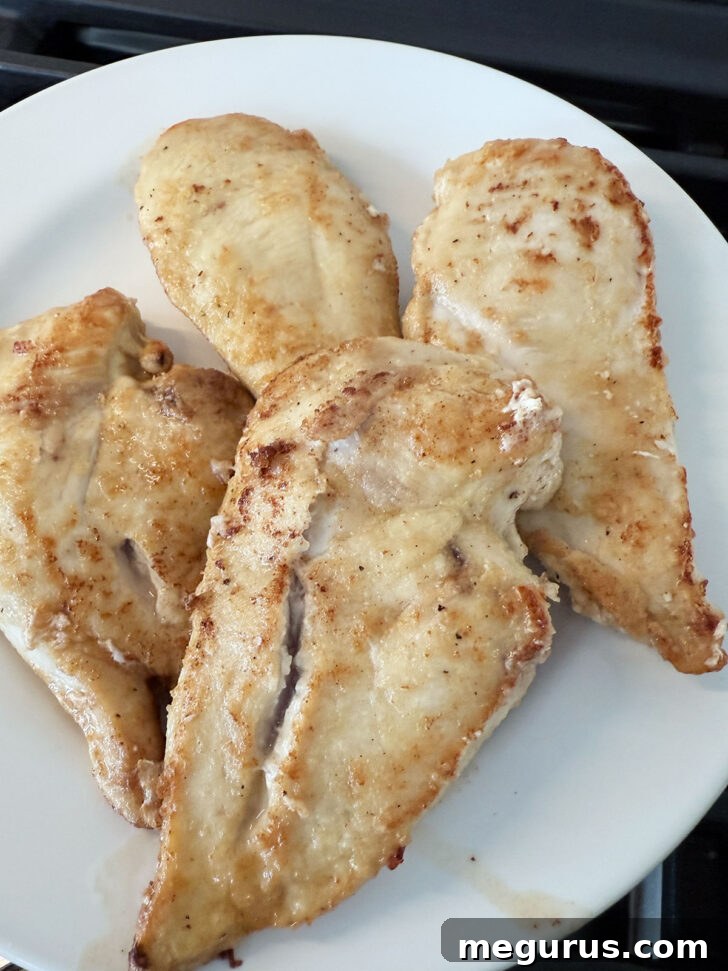
- Sear the Chicken: Heat 1 tablespoon of olive oil and 2 tablespoons of butter in a large skillet over medium heat until the butter is melted and sizzling. Dredge each chicken breast cutlet thoroughly in the flour and Parmesan mixture, ensuring an even coating on both sides. Carefully place the coated chicken into the hot skillet in a single layer, being careful not to overcrowd the pan (cook in batches if necessary). Sear until beautifully golden brown on one side, about 3-4 minutes, then flip and brown the other side for another 3-4 minutes. The chicken will not be cooked through at this stage; it will finish cooking in the sauce. Remove the seared chicken cutlets from the skillet and set them aside on a clean plate.
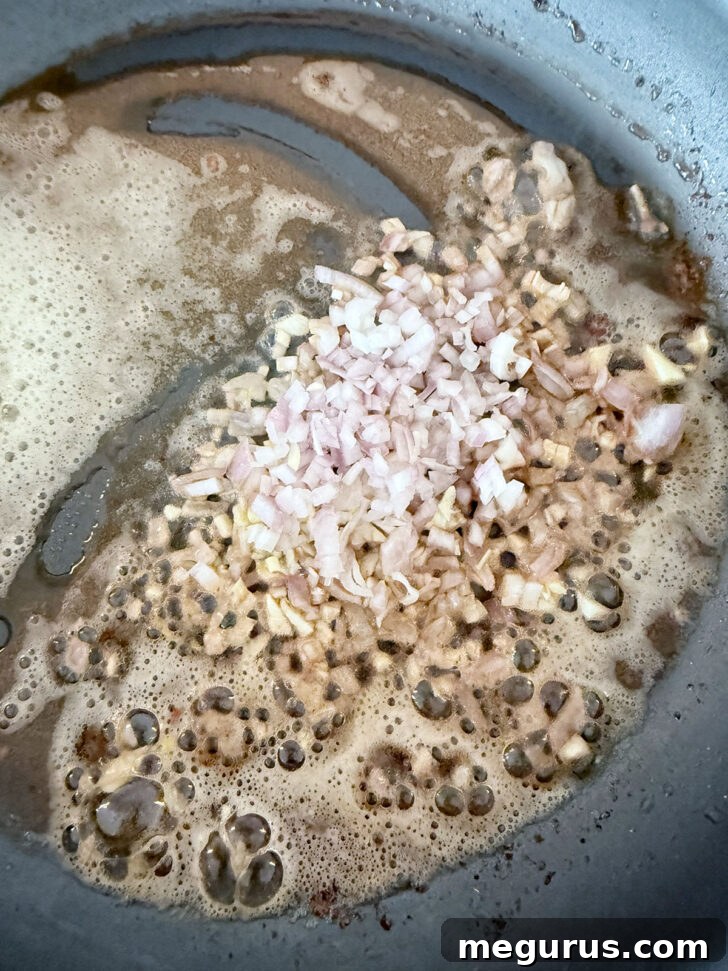
- Sauté Aromatics: To the same skillet (no need to clean it, those browned bits are flavor!), add another 2 tablespoons of butter and let it melt. Add the finely diced shallot and garlic, along with a pinch of salt. Cook, stirring frequently, for about 2 minutes until the shallot and garlic have softened and become fragrant.
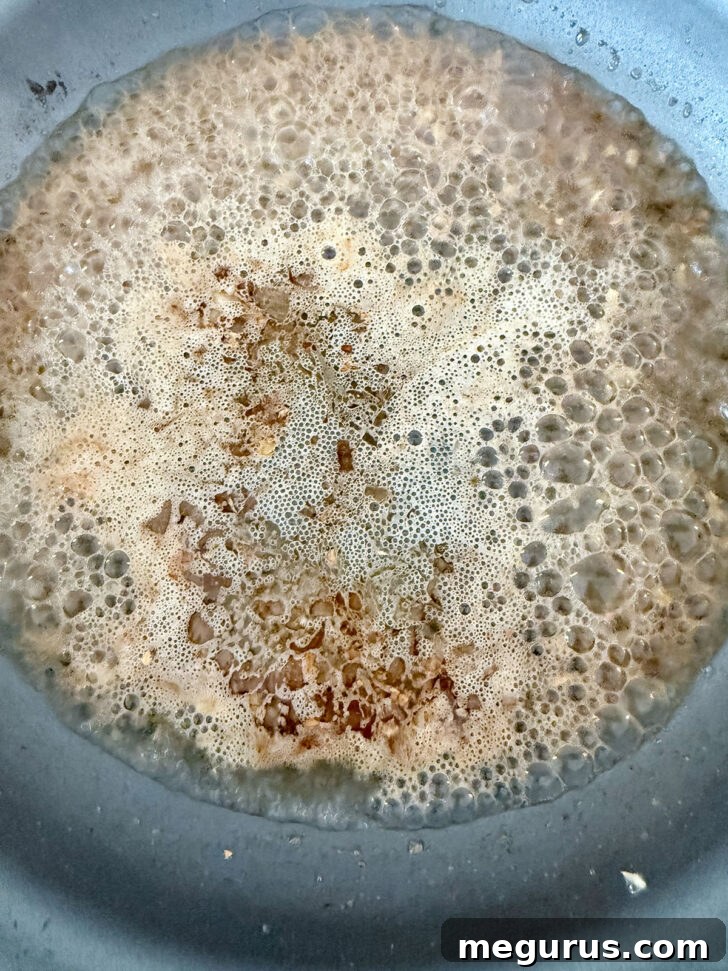
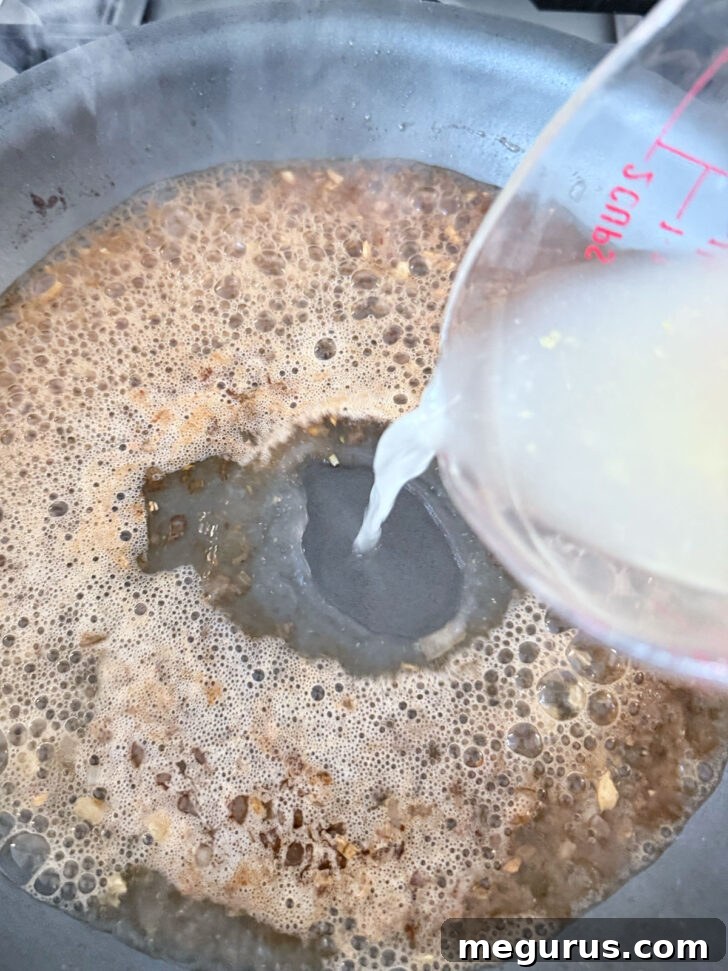
- Deglaze the Pan: Pour the dry white wine into the skillet. Bring it to a boil and let it simmer vigorously for 1 minute to cook off the alcohol and concentrate the flavors. Use a wooden spoon to scrape up any browned bits from the bottom of the pan; these are packed with flavor!
- Build the Sauce Base: Add the chicken broth, dried basil, and dried oregano to the skillet. Stir well and continue to simmer until the liquid has reduced by about half, which should take approximately 3 minutes.
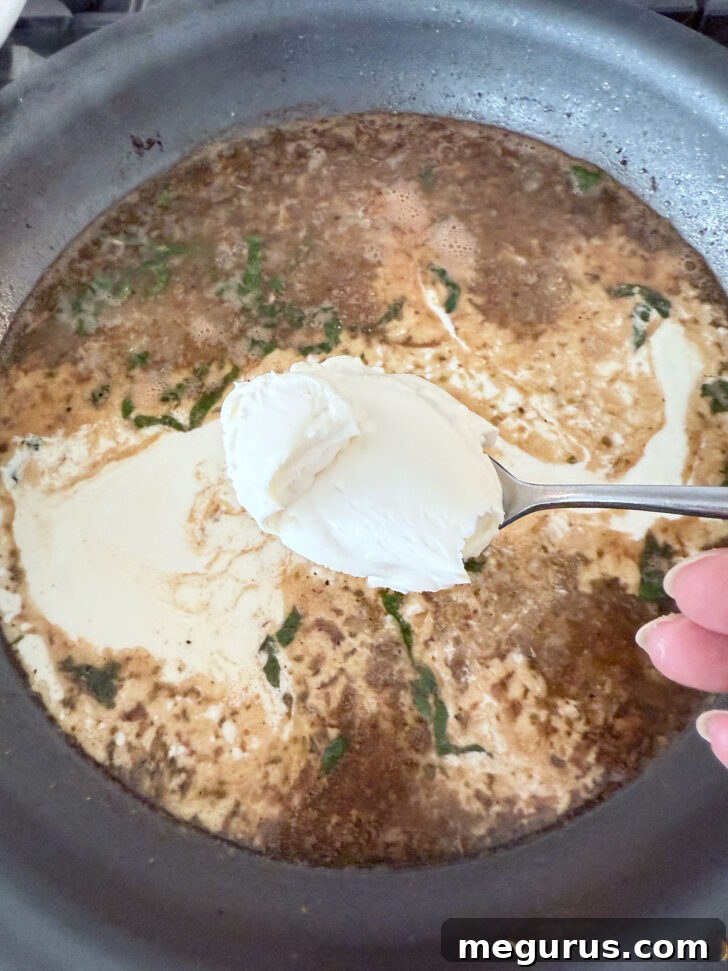
- Create the Creamy Sauce: Add the heavy cream and the softened cream cheese to the skillet. Stir continuously, using a whisk if needed, to ensure the cream cheese melts completely and the sauce becomes smooth and uniform.
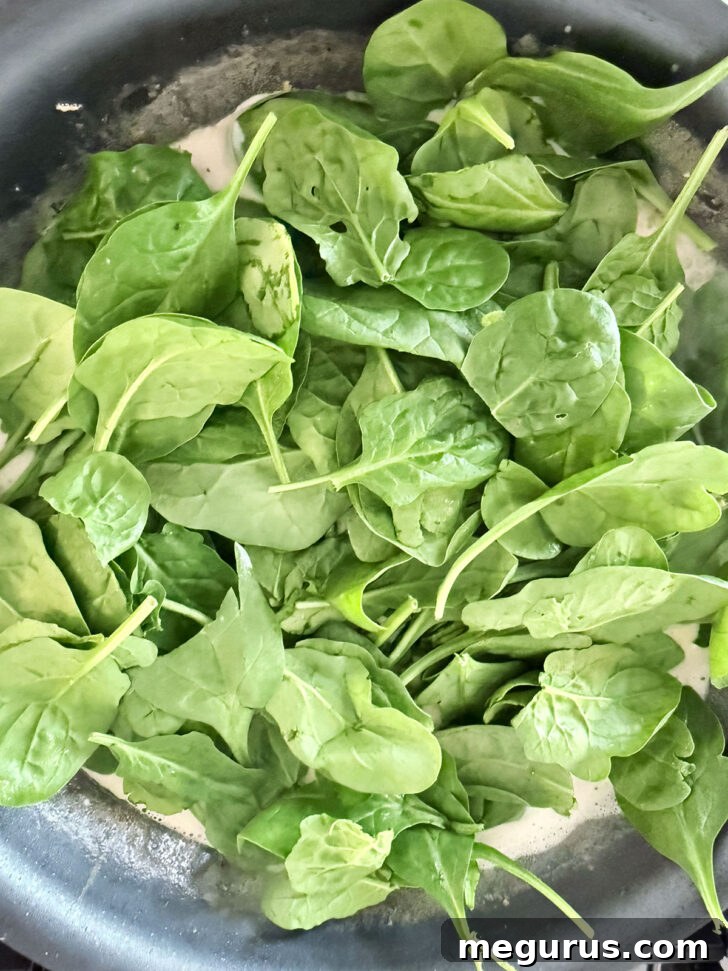
- Add the Spinach: Introduce the fresh baby spinach to the skillet. Stir it into the creamy sauce until it is fully coated and just begins to wilt, which typically takes about 1 minute. You want the spinach to be tender but still vibrant green.
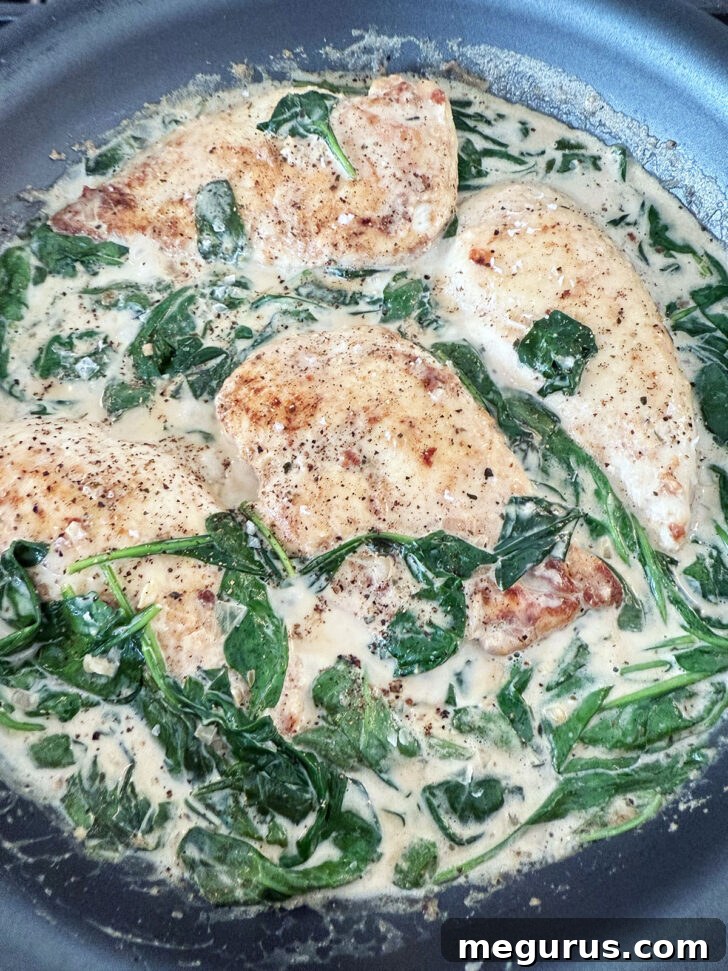
- Finish Cooking the Chicken: Gently return the seared chicken breasts to the pan, along with any accumulated juices from the plate (these juices add even more flavor!). Let the chicken simmer in the sauce for an additional 4 to 5 minutes, or until it is completely cooked through and the internal temperature reaches 165°F (74°C).
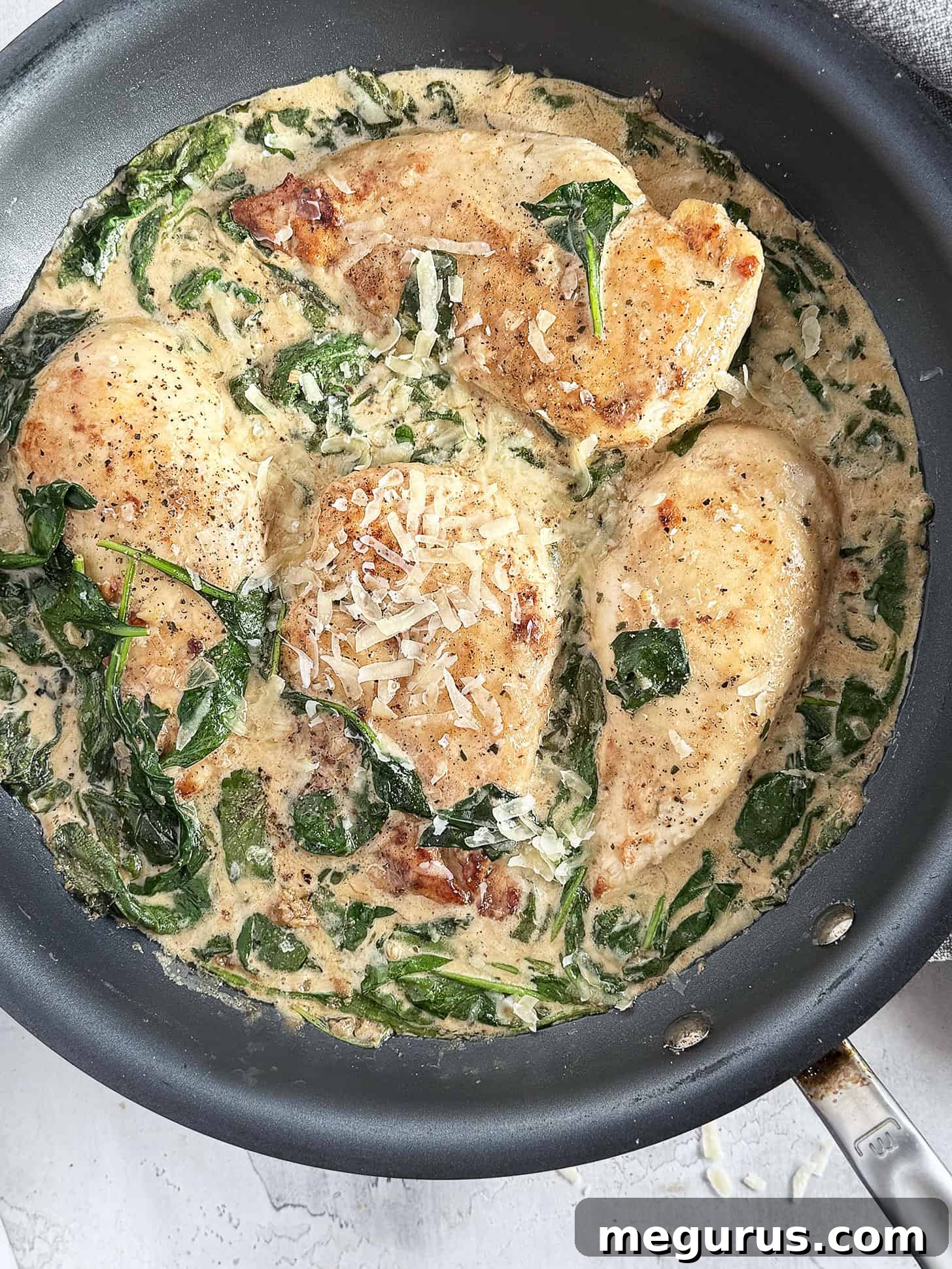
- Season and Serve: Taste the sauce and adjust seasonings with more salt and pepper as needed. Remove the skillet from the heat and serve your delicious Chicken Florentine immediately, garnished with a generous sprinkle of freshly grated Parmesan cheese.
Expert Tips for the Best Chicken Florentine
Achieving a restaurant-quality Chicken Florentine at home is easy with these insider tips:
- Chicken Cutlet Preparation: If you’re slicing your own chicken breasts, aim for uniform thickness (about ½-inch). Often, one half of a sliced breast will be neater than the other. Feel free to reserve the less uniform halves for other recipes like chicken tenders or diced chicken for stir-fries, and use the “prettier” cutlets for this dish. This ensures a consistent cook and presentation.
- Room Temperature Cream Cheese is Key: Never add cold cream cheese directly to a hot sauce. This can cause it to seize and split, resulting in a grainy texture. Always let your cream cheese come to room temperature for at least 30 minutes, or gently warm it in a microwave for 10-15 seconds until slightly softened before adding it to the skillet.
- Balancing Richness: As written, this recipe yields a wonderfully rich and indulgent sauce, perfectly balanced by the ample fresh spinach. If you prefer a lighter dish, you can successfully substitute heavy cream with half-and-half and use light cream cheese.
- Thickening a Lighter Sauce: When opting for lighter cream and cream cheese, the sauce might be thinner than desired. To remedy this, prepare a quick cornstarch slurry: whisk together 2 tablespoons of cornstarch with 2 tablespoons of cold water. Drizzle this mixture slowly into the simmering sauce, stirring constantly, until it reaches your preferred thickness.
- Avoid Overcrowding the Pan: When searing the chicken, ensure there’s enough space between each cutlet. Overcrowding lowers the pan’s temperature, leading to steamed rather than beautifully browned chicken. Cook in batches if necessary.
- Don’t Skip Deglazing: Those browned bits at the bottom of the pan after searing the chicken are packed with flavor, known as “fond.” Deglazing with white wine and scraping them up is crucial for developing the rich, complex taste of the sauce.
- Serving Freshly Cooked: Chicken Florentine is best enjoyed immediately after cooking when the sauce is perfectly creamy and the chicken is tender.
- Make-Ahead & Reheating: If you need to prepare it in advance, store the cooled chicken and sauce in an airtight container in the refrigerator for up to 2-3 days. Reheat gently over low heat on the stovetop, adding a splash of chicken broth or water if the sauce appears too thick. Be cautious not to overheat or cook for too long, as this can dry out the chicken.
- Adjust Seasoning: Always taste the sauce before serving and adjust salt and pepper to your preference. Remember that Parmesan cheese also contributes a salty flavor.
Delicious Serving Suggestions for Chicken Florentine
Chicken Florentine is a complete meal on its own, but it truly shines when paired with the right accompaniments that complement its rich, creamy flavors. Here are some fantastic serving ideas:
- Potatoes: Creamy mashed potatoes, whether classic buttery or infused with roasted garlic, are a perfect match. Their smooth texture and ability to soak up the sauce make them an ideal side. Roasted or crispy smashed potatoes also offer a delightful textural contrast.
- Rice: A simple bed of fluffy white rice, brown rice, or even a delicate wild rice pilaf provides a neutral canvas that allows the bold flavors of the Florentine sauce to stand out. It’s a comforting and absorbent choice.
- Pasta: Tossed with a light pasta like fettuccine, linguine, or penne, the creamy sauce coats each strand beautifully, transforming the dish into a hearty pasta meal.
- Crusty Bread: Don’t underestimate the power of a warm, crusty baguette or artisanal bread. It’s perfect for soaking up every last drop of the exquisite sauce. Garlic bread or cheese bread can add an extra layer of flavor.
- Additional Vegetables: While the dish boasts plenty of spinach, you might want to add another vegetable for extra color and nutrients. Green vegetables like steamed or roasted broccoli, broccolini, asparagus, or crisp green beans are excellent choices that won’t overpower the main course. A simple side salad with a light vinaigrette can also offer a refreshing counterpoint.
- Wine Pairing: A dry white wine, such as a crisp Pinot Grigio, a unoaked Chardonnay, or a Sauvignon Blanc, would perfectly complement the creamy sauce and chicken.
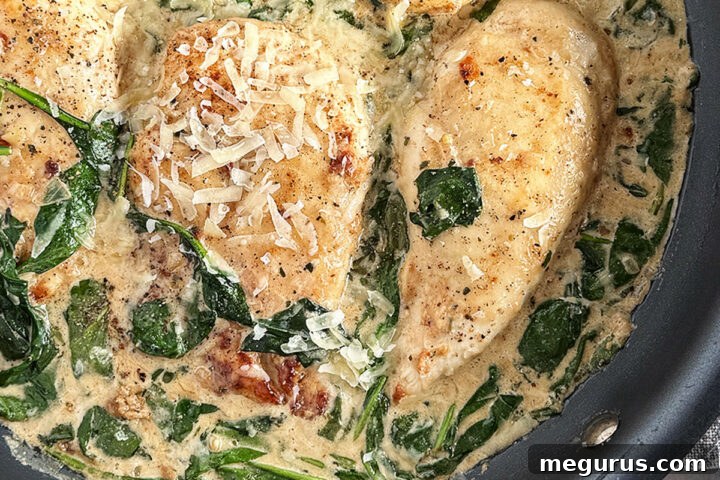
Get the Recipe: Classic Chicken Florentine
Pin This
Leave a Review
Ingredients
- 1/4 cup all-purpose flour
- 1/4 cup Parmesan cheese, grated, plus more for serving
- Salt and pepper to taste
- 1 Tablespoon olive oil
- 2 Tablespoons butter, divided (for chicken)
- 4 thin-cut boneless skinless chicken breast cutlets, about 1 pound
- 2 Tablespoons butter, divided (for sauce)
- 1 medium shallot, finely diced
- 2 cloves garlic, finely diced
- 1/2 cup dry white wine, or substitute more chicken broth
- 1/2 cup chicken broth
- 1 teaspoon dried basil leaves, or 1 Tablespoon chopped fresh basil
- 1 teaspoon dried oregano leaves, or 1 Tablespoon chopped fresh oregano
- 1/2 cup heavy whipping cream, 35% b.f.
- 2 oz cream cheese, at room temperature
- 4 cups baby spinach, packed (about 6 oz)
Instructions
-
Add the flour and Parmesan cheese to a large plate. Sprinkle with salt and pepper and stir together well. Set aside.
-
Heat a large pan over medium heat. Add the olive oil and 2 Tablespoons of butter to the pan. Melt and stir together. Dredge each chicken breast cutlet in the flour and Parmesan mixture, evenly coating the chicken on both sides. Add the chicken to the hot skillet and cook until golden brown, then flip and brown the other side, about 3-4 minutes on each side. Remove the chicken to a plate (the chicken will not be cooked through at this point).
-
To the same skillet, add another 2 Tablespoons of butter to the pan and let it melt. Add the shallot, garlic and a pinch of salt to the pan and cook, stirring until the shallot is softened and garlic is softened, about 2 minutes.
-
Add the wine to the skillet and allow the wine to boil for 1 minute to cook off the alcohol. Add the chicken broth, basil and oregano and stir, scraping the browned bits from the bottom of the pan. Allow the mixture to simmer until the liquid has reduced by about half, about 3 minutes.
-
Tip! It’s important that the cream cheese not be cold when added to the skillet, as it may split in the sauce. I like to add the cream cheese to a small bowl and microwave it for 10-15 seconds before adding it to the skillet.
-
Add the heavy cream and the cream cheese to the skillet and stir, allowing the cream cheese to soften and melt. Use a whisk if needed to smooth the sauce well. Add the baby spinach to the skillet and stir until it is coated by the cream sauce and the spinach is beginning to wilt, about 1 minute.
-
Return the chicken breasts to the pan, together with any juices on the plate and simmer until the chicken is cooked through, about 4 to 5 minutes. Season the skillet with a bit more salt and pepper. Remove from heat and serve immediately with freshly grated Parmesan on top.
Notes
Note 1: Chicken breast cutlets are boneless, skinless chicken breasts that have been cut in half crosswise into two thin cutlets. Some grocery stores sell pre-sliced cutlets or you can buy the full chicken breasts and slice them yourself.
Tips! If cutting the chicken into cutlets from a large chicken breast, you’ll find that the top half is lovely and neat, while the bottom half not so much. I like to use just the neat top halves for this dish (so I start with 4 full chicken breasts), and I freeze the bottom parts for another dish. They are perfect for chicken tenders or to dice up for other recipes.
As written, the sauce leans a bit rich, though the plentiful spinach balances that nicely. That’s great if that’s what you’re after. If you’re looking for a lighter dish, though, you can swap the heavy cream with half-and-half cream and use light cream cheese, if you like.
If lightening up the dish with lighter cream and cream cheese, you may want to thicken the sauce at the end of cooking with a quick cornstarch slurry. Simply mix 2 Tablespoons of cornstarch with 2 Tablespoons of cold water. Drizzle into the simmering sauce a bit at a time, stirring, until the sauce thickens to your desired level.
This dish is best enjoyed freshly cooked, but if you need to make it ahead, refrigerate well-covered, then reheat over low heat, adding a splash of chicken broth to the skillet if the sauce needs to be loosened. Be careful not to overheat or heat too long to avoid over-cooking the chicken.
Be sure to read the notes above this Recipe Card for more tips, substitution suggestions, and step-by-step photos that you might find helpful.
Serving: 1 serving, Calories: 509kcal, Carbohydrates: 12g, Protein: 31g, Fat: 35g, Saturated Fat: 19g, Polyunsaturated Fat: 2g, Monounsaturated Fat: 11g, Trans Fat: 0.5g, Cholesterol: 155mg, Sodium: 409mg, Potassium: 736mg, Fiber: 1g, Sugar: 2g, Vitamin A: 3884IU, Vitamin C: 11mg, Calcium: 170mg, Iron: 2mg
Tried this recipe? If you enjoyed this recipe, please leave a star rating and comment. It helps others to find it!
Adapted from a NYT Cooking/Dan Pelosi recipe
Frequently Asked Questions (FAQs) About Chicken Florentine
Can I use frozen spinach instead of fresh?
Yes, you can use frozen spinach in a pinch. However, you must thaw it completely and squeeze out as much excess water as possible. This is crucial to prevent your sauce from becoming watery. Keep in mind that fresh baby spinach offers a more vibrant flavor and texture.
What if I don’t have white wine?
No problem! An equal amount of chicken broth can be substituted for the dry white wine. While the wine adds a subtle acidity and depth of flavor, chicken broth will still provide a delicious savory base for your sauce.
How can I make the sauce thicker?
If your sauce is not as thick as you’d like, especially if you opted for lighter cream or cream cheese, you can easily thicken it with a cornstarch slurry. Mix 2 tablespoons of cornstarch with 2 tablespoons of cold water until smooth. Gradually whisk this slurry into the simmering sauce until it reaches your desired consistency. Be careful not to add too much at once, as it thickens quickly.
Can I make Chicken Florentine ahead of time?
Chicken Florentine is best enjoyed fresh. However, you can make it ahead and store it in an airtight container in the refrigerator for 2-3 days. When reheating, do so gently over low heat on the stovetop. You might need to add a splash of chicken broth or water to loosen the sauce. Be careful not to overheat to prevent the chicken from drying out or the sauce from separating.
Can I add other vegetables to this dish?
Absolutely! While spinach is traditional, you can certainly add other vegetables. Sliced mushrooms, sun-dried tomatoes, or even roasted red peppers would make delicious additions. Add them after sautéing the shallots and garlic, or with the spinach, depending on their cooking time.
Is this dish gluten-free?
As written, this recipe uses all-purpose flour for coating the chicken, so it is not gluten-free. To make it gluten-free, substitute the all-purpose flour with a gluten-free all-purpose flour blend or almond flour for coating the chicken.