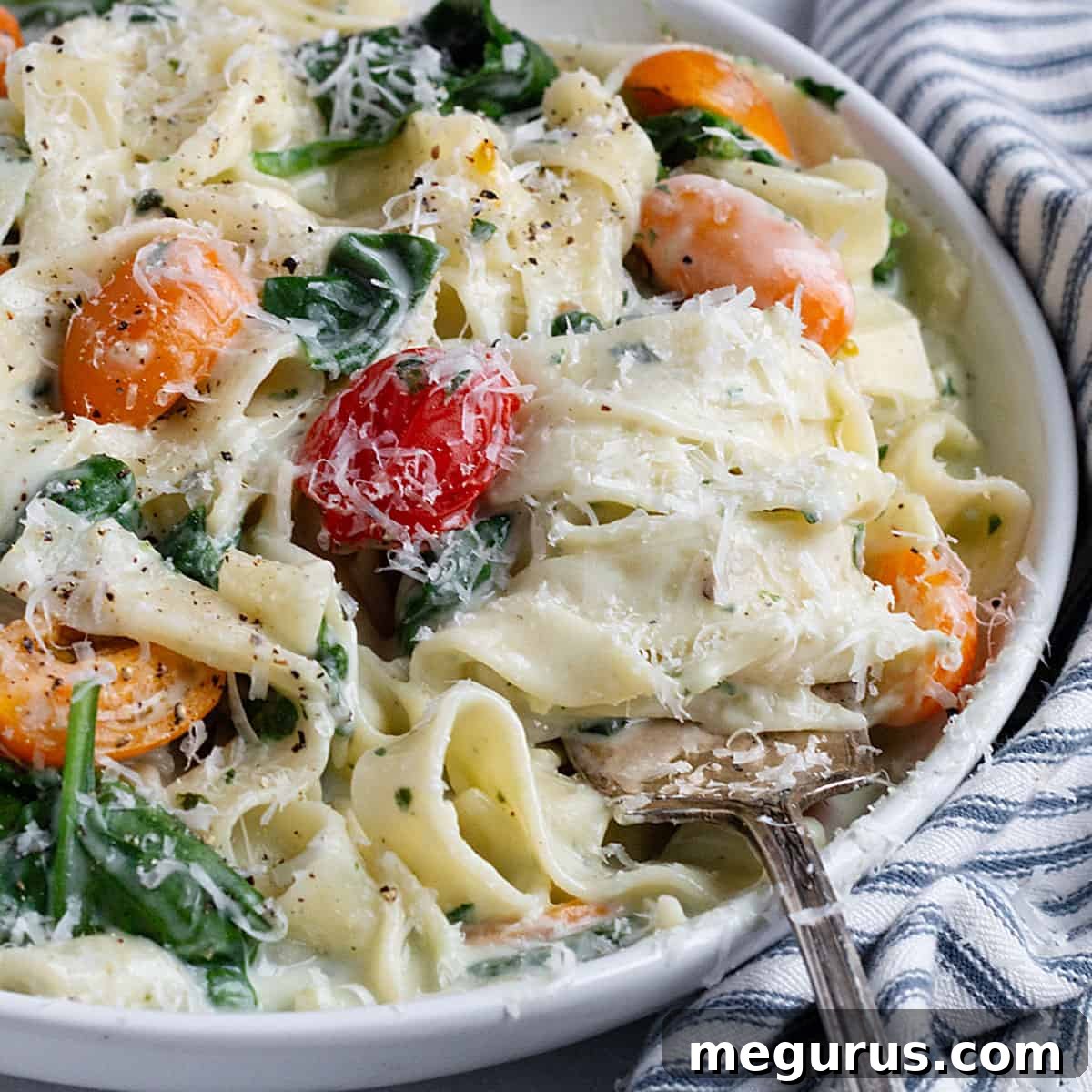
Discover the ultimate weeknight delight with this incredibly easy, creamy goat cheese pasta, brimming with fresh spinach and vibrant tomatoes. It’s the perfect dish for those moments when you crave comforting pasta draped in a luscious, tangy sauce, all prepared in virtually one pot.
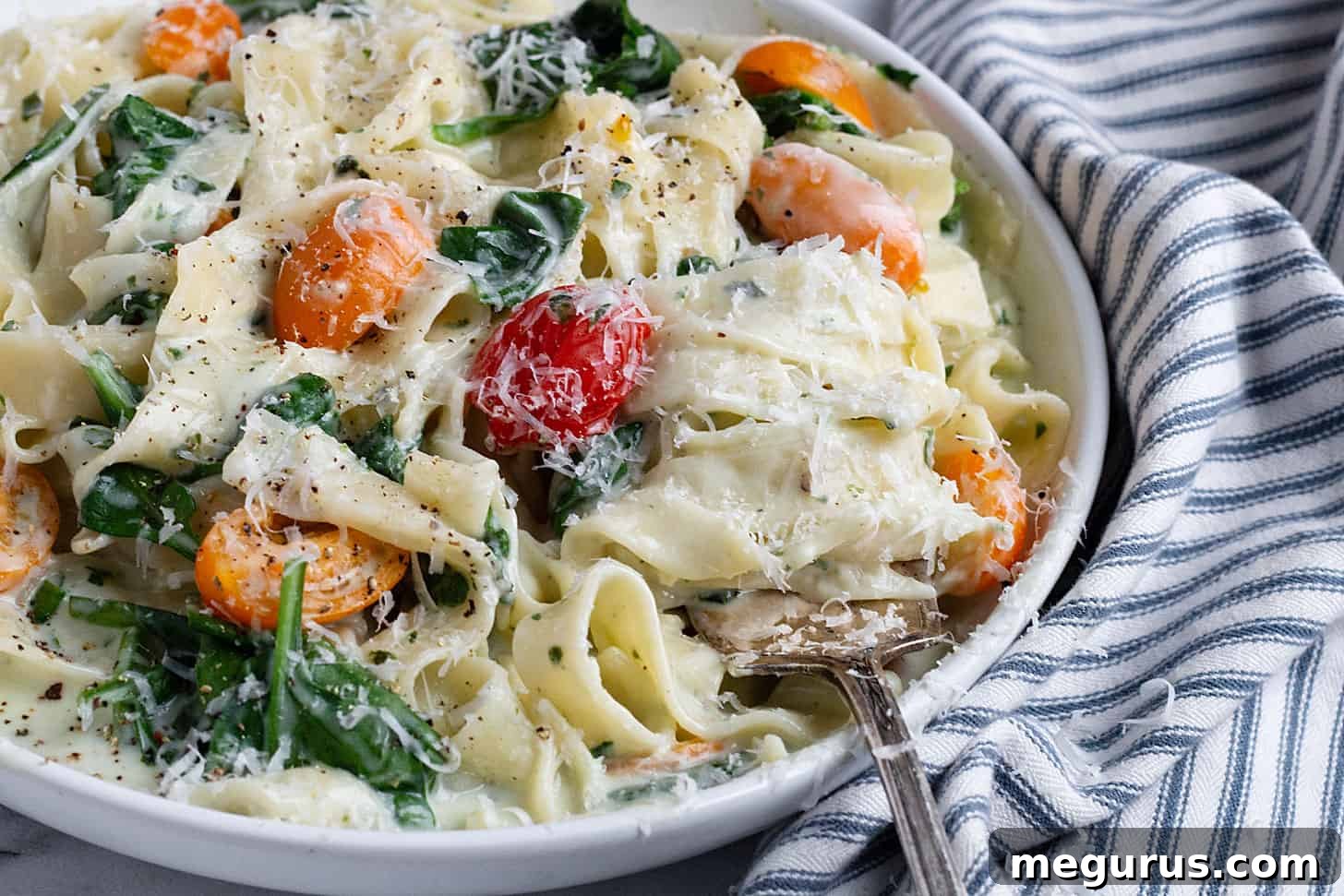
Why This Creamy Goat Cheese Pasta Will Become Your New Favorite
There are countless reasons to fall in love with this Creamy Goat Cheese Pasta with Spinach and Tomatoes. It’s more than just a meal; it’s a delightful culinary experience that combines sophisticated flavors with effortless preparation. When I’m in the mood for a pasta dish that’s both rich and refreshingly light, this recipe is my absolute go-to. Think of it as a sophisticated, vegetable-packed cousin to your childhood mac and cheese, elevated with the distinctive tang of goat cheese.
Goat cheese holds a special place in my heart – its unique, subtly earthy, and undeniably tangy flavor profile is simply unparalleled. Naturally, I sought a way to integrate this beloved cheese into a creamy pasta sauce. The challenge, however, is that goat cheese on its own doesn’t quite yield that velvety, pourable sauce texture we often desire. This is where cream cheese steps in as our secret weapon. It harmoniously blends with the goat cheese, providing a luxurious creaminess while echoing that delightful tang, creating a perfectly balanced and utterly irresistible sauce base.
What truly makes this dish shine is the generous addition of fresh, vibrant produce. Heaps of tender baby spinach wilt into the warm pasta, adding a gentle sweetness and a boost of nutrients. Bursting cherry tomatoes, halved and tossed in at the end, introduce bright pops of color and juicy freshness that cut through the richness of the cheese. The result is a spectacular meatless pasta dish that is incredibly satisfying as a main course. Its light yet fulfilling character also makes it an ideal side dish, particularly perfect for complementing grilled meats during warmer summer evenings. This pasta isn’t just delicious; it’s versatile, quick, and packed with flavor, making it a staple for any home cook.
Key Ingredients for an Unforgettable Dish and Smart Substitutions
Crafting this delightful creamy goat cheese pasta relies on a few core ingredients, each playing a crucial role in developing its signature flavor and texture. Understanding these components and their potential substitutions can help you tailor the dish to your preference and what you have on hand.
Goat Cheese: The Tangy Star
For this recipe, you’ll need a small log of plain goat cheese, often referred to as chèvre. Its distinctive tangy, slightly earthy flavor is what elevates this pasta from good to extraordinary. If you’re feeling adventurous or want to add another layer of complexity, consider using an herbed goat cheese – varieties infused with garlic and herbs like chives or rosemary can add a wonderful aromatic dimension. When selecting, look for a fresh, soft goat cheese that will easily melt into the sauce.
Cream Cheese: The Creaminess Enhancer
While goat cheese provides the primary flavor, cream cheese is essential for achieving that luxurious, velvety sauce consistency. You’ll need just under half of a standard 8 oz (226g) block of cream cheese. Its mild, smooth profile perfectly complements the sharper notes of goat cheese, ensuring the sauce is rich and decadent without being overly pungent. Full-fat cream cheese is recommended for the best texture and flavor, but a reduced-fat version can be used if preferred, though it may result in a slightly thinner sauce.
Tomatoes: Bursts of Freshness
Cherry tomatoes are truly ideal for this pasta. Their small size means they burst with sweetness and juice when gently warmed, adding a delightful counterpoint to the creamy sauce. I often opt for a mix of colors – red, yellow, and orange cherry or grape tomatoes – not only for their varied subtle flavors but also for a visually stunning dish. If cherry tomatoes aren’t available, grape tomatoes work perfectly. In a pinch, finely diced ripe Roma tomatoes could also be used, though they might not offer the same sweet burst.
Spinach: A Verdant Addition
Tender baby spinach is a fantastic inclusion, wilting beautifully into the hot pasta to add color, nutrients, and a subtle earthiness. Its delicate texture ensures it doesn’t overpower the other flavors. If spinach isn’t your favorite, or you’re looking for a slight variation, you can easily substitute it with other leafy greens. Watercress offers a peppery kick, while arugula provides a bolder, slightly bitter note that can be quite pleasant with the creamy sauce. Even finely chopped kale, massaged briefly to tenderize, could work for a heartier option.
Pasta: The Canvas for Our Sauce
I’ve found pappardelle pasta to be a wonderful choice for this dish due to its broad, flat ribbons that perfectly cling to the rich sauce. However, the beauty of this recipe lies in its adaptability. Feel free to use any long pasta like fettuccine, linguine, or spaghetti, or shorter shapes such as penne, rigatoni, or fusilli. The key is to choose a pasta you enjoy and have on hand. Don’t hesitate to use gluten-free pasta if needed; just ensure you cook it according to package directions for the best results.
Fresh Herbs (Basil & Parsley): Aromatic Depth
The recipe calls for coarsely chopped fresh basil and parsley, which infuse the sauce with vibrant, aromatic notes. These fresh herbs are crucial for lifting the overall flavor profile. Don’t skimp on them! If you don’t have both, using just basil or just parsley will still yield a delicious result. Other fresh herbs like chives or dill could also offer interesting variations.
Milk: The Liquid Base
Milk forms the liquid foundation of our creamy sauce. Whole milk or even half-and-half will provide the richest, most luxurious texture. For a slightly lighter sauce, you can use 2% milk, but avoid skim milk as it may not provide enough richness. Dairy-free alternatives like unsweetened almond milk or oat milk can also be used, though they might alter the flavor and consistency slightly.
All-Purpose Flour: The Gentle Thickener
A small amount of all-purpose flour is used to gently thicken the sauce, ensuring it coats the pasta beautifully. It creates a subtle roux with the melted cheeses and milk. If you need a gluten-free option, a cornstarch slurry (1 tablespoon cornstarch mixed with 2 tablespoons cold water) can be added towards the end of cooking, or use a gluten-free all-purpose flour blend.
Lemon Juice: A Bright Finish
Just a tablespoon of fresh lemon juice is added at the end, providing a crucial touch of brightness and acidity that cuts through the richness of the cheese and awakens all the flavors. Don’t skip this step – it truly makes a difference!
Seasoning: The Foundation of Flavor
Salt, freshly ground black pepper, and a pinch of red pepper flakes are essential. The red pepper flakes add a subtle warmth and hint of spice, complementing the creamy sauce beautifully. Adjust the amount to your preferred spice level, or omit if you prefer no heat.
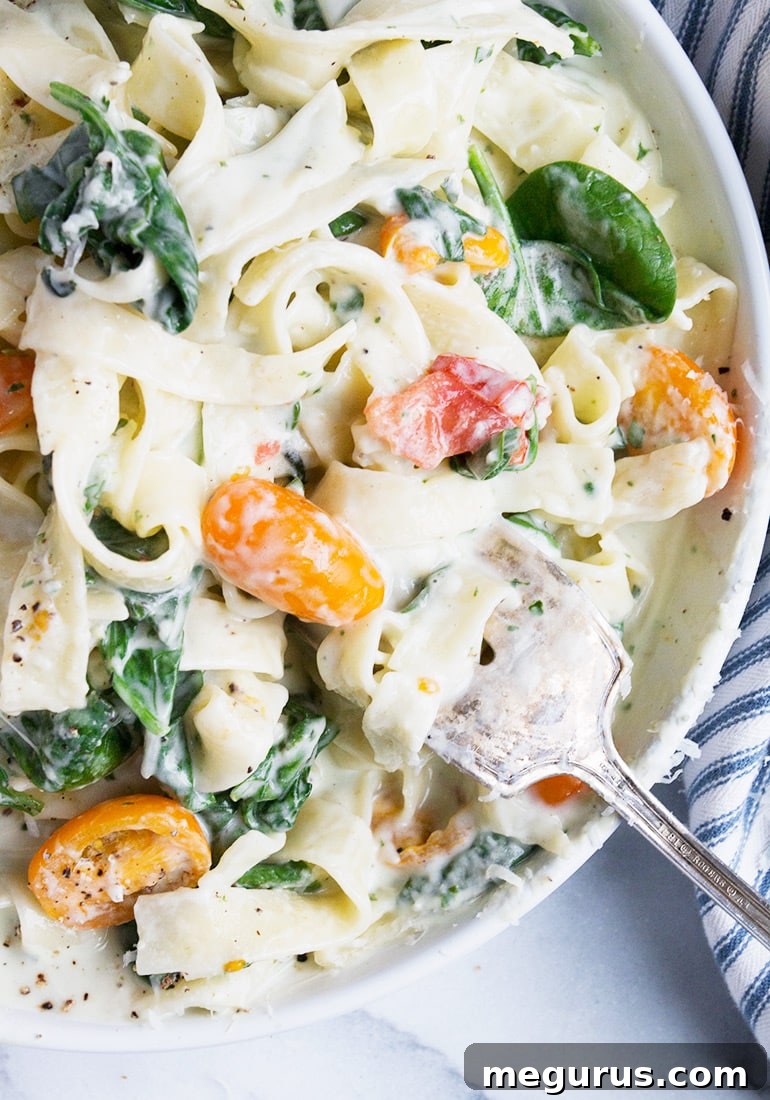
Mastering Your Pasta: Pro Tips for Success
Over the years, my approach to cooking pasta has evolved to incorporate a few key techniques that consistently yield the most flavorful and satisfying pasta dishes. These aren’t complicated tricks, but rather simple steps that make a significant difference in the final outcome of your creamy goat cheese pasta.
-
Generously Salt Your Pasta Water: The Ocean Secret
This is perhaps the most fundamental rule for delicious pasta. Think of your pasta as a blank canvas waiting to absorb flavor. If the cooking water isn’t adequately seasoned, your pasta will taste bland, regardless of how flavorful your sauce is. The goal is for your pasta water to “taste like the ocean” – meaning it should be noticeably salty. Don’t be shy; use at least 1-2 tablespoons of salt for a large pot of water. This ensures the pasta itself is seasoned from the inside out, creating a more cohesive and delicious dish. -
Marry Your Pasta and Sauce in the Pot (with Pasta Water Magic)
Instead of simply draining your pasta in a colander and then adding it to the sauce, adopt this restaurant-style technique. As soon as your pasta is cooked al dente (meaning it’s firm to the bite but cooked through), use a spider strainer or tongs (for long pasta) to scoop it directly from the boiling water into your hot sauce. This method offers several advantages. Firstly, adding hot pasta to the hot sauce helps the pasta more readily absorb the rich flavors of the sauce. Secondly, and crucially, it keeps the starchy pasta cooking water readily available. This cloudy, flavorful water is liquid gold – it’s perfect for thinning your pasta sauce if it becomes too thick or “tight,” helping it achieve the ideal silky consistency. Just be sure to drain the pasta well in your spoon or spider strainer before adding it to avoid watering down your sauce too much, unless that’s your intention. -
Finish Cooking Together in a Hot Skillet: The Flavor Infusion Step
The perfect pasta dish isn’t truly complete until the pasta and sauce have had a chance to meld and harmonize in a hot pan just before serving. After you’ve transferred the hot pasta to your sauce, place the skillet or saucepan back over medium heat. Cook, stirring constantly, for at least 2-3 minutes. This final cooking stage allows the pasta to soak up even more of the sauce’s flavors, creating a deeper, more integrated taste. During this time, take the opportunity to taste the sauce and pasta together. This is your chance to adjust the seasoning – perhaps a little more salt, pepper, or a pinch of red pepper flakes. If the sauce thickens too much during this step, a splash of that reserved pasta cooking water will quickly loosen it up to your desired consistency. Don’t rush this step; it’s where the magic truly happens.
Making Ahead and Reheating for Convenience
While this Creamy Goat Cheese Pasta is undoubtedly at its best when enjoyed fresh, straight from the pan, leftovers can certainly be saved and reheated for another delightful meal. The inherent creaminess of the sauce does tend to diminish slightly as it chills and rests in the refrigerator, becoming thicker and less fluid. To restore its lovely texture for reheating, simply add a splash of water or milk to the pasta before warming it gently on the stovetop over low heat or in the microwave. Stir frequently until it’s heated through and the sauce has regained its desired luscious consistency. Store any leftovers in an airtight container in the refrigerator for up to 2-3 days.
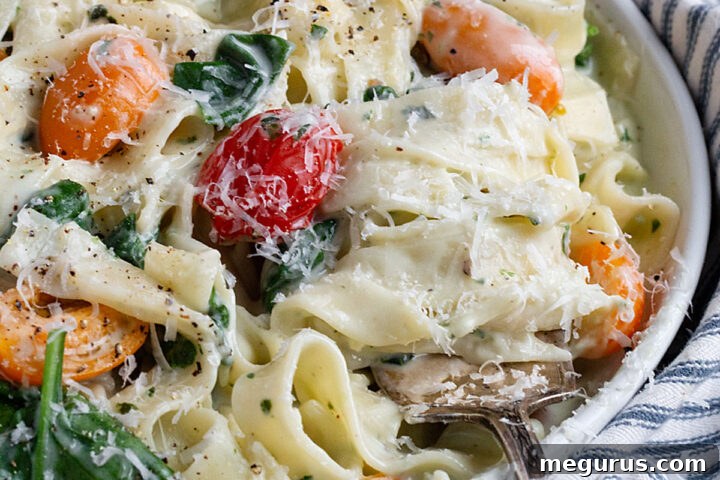
Get the Recipe: Creamy Goat Cheese Pasta with Spinach and Tomatoes
Ingredients
- 1 lb pappardelle pasta, or other long pasta
- 3 oz goat cheese
- 3 oz cream cheese
- 2 cups milk
- 1/2 cup basil and parsley, coarsely chopped, lightly packed
- 3 Tablespoons all-purpose flour
- 1 Tablespoon lemon juice
- 1/2 teaspoon salt, plus more to taste
- Freshly ground pepper
- Pinch red pepper flakes
- 2 cups baby spinach, lightly packed
- 8-10 cherry tomatoes, halved
- Freshly grated Parmesan cheese, for serving
Instructions
-
Boil pasta in a large pot of generously salted boiling water according to package directions, typically about 11 minutes, or until al dente. Reserve about 1 cup of pasta water before draining.
-
Meanwhile, combine goat cheese, cream cheese, milk, fresh herbs (basil and parsley), all-purpose flour, lemon juice, salt, and red pepper flakes in a blender. Blend until the mixture is fairly smooth and well combined.
-
Place the baby spinach in a colander. When the pasta is cooked, carefully pour some of the hot pasta water over the spinach to wilt it slightly. Set the wilted spinach aside. Continue to drain the pasta well, but remember to scoop it directly into your sauce later, rather than letting it sit in the colander.
-
Pour the blended cheese mixture into the now empty pasta pot (or a large, deep skillet) and return to medium heat. Cook, stirring constantly with a whisk or spoon, for about 5 minutes or until the sauce begins to bubble gently and thickens to a creamy consistency.
-
Add the cooked pasta directly from the pot to the hot sauce. Stir constantly for another 2-3 minutes, allowing the pasta to heat through and become thoroughly coated with the delicious sauce. Taste and adjust the seasoning with additional salt and pepper as needed. Finally, stir in the halved cherry tomatoes and the wilted spinach until just combined and warmed through. Serve immediately, garnished with a few extra cherry tomato halves and generous gratings of fresh Parmesan cheese.
Notes
Frequently Asked Questions About This Creamy Goat Cheese Pasta
Here are answers to some common questions you might have about making this delicious pasta dish:
Q: Can I make this dish completely dairy-free?
A: Achieving the exact creamy tang of goat cheese and cream cheese with dairy-free alternatives can be challenging, but it is possible to adapt the recipe. Look for dairy-free cream cheese brands and a plant-based chèvre alternative. For the milk, unsweetened almond milk or oat milk work well. Be aware that the flavor profile will be different, but you can still create a delicious plant-based creamy pasta.
Q: Can I use frozen spinach instead of fresh?
A: Yes, you can! If using frozen spinach, make sure to thaw it thoroughly and squeeze out as much excess water as possible. This step is crucial to prevent the sauce from becoming watery. You’ll likely need less frozen spinach than fresh, as it reduces significantly in volume – approximately 1 cup of thawed, squeezed frozen spinach would be equivalent to 2 cups of fresh baby spinach.
Q: What kind of goat cheese is best for this recipe?
A: A plain, fresh, soft goat cheese log (chèvre) is ideal. Its mild tanginess and creamy texture blend perfectly into the sauce. While herbed goat cheeses can be used for a flavor twist, avoid very aged or hard goat cheeses, as they won’t melt into the sauce as smoothly.
Q: Is this truly a “one-pot” pasta?
A: This recipe is designed for maximum ease and minimal cleanup, effectively acting as a “one-pot sauce” system. While the pasta is boiled in a separate pot, the sauce is made in that same pot once the pasta is removed. The final assembly, where the pasta and sauce marry, also happens in that single pot. So, it’s a “one-pot for the sauce and assembly” approach, streamlining the process significantly compared to using multiple pots and pans.
Q: Can I add a protein to this pasta?
A: Absolutely! This creamy goat cheese pasta is incredibly versatile. Cooked chicken (shredded or diced), sautéed shrimp, or even baked salmon would be fantastic additions. For a plant-based protein boost, consider adding chickpeas, white beans, or pan-fried tofu. Incorporate your chosen protein during the last few minutes of the sauce and pasta cooking step to ensure it’s heated through.
Q: How can I adjust the spice level?
A: The recipe calls for a pinch of red pepper flakes, which adds a very subtle warmth. If you prefer more heat, feel free to increase the amount to 1/4 or 1/2 teaspoon, or even more, to taste. For less spice, you can simply omit them.
Conclusion: Your New Weeknight Obsession Awaits!
This Creamy Goat Cheese Pasta with Spinach and Tomatoes is more than just a meal; it’s an experience of sophisticated comfort, quick convenience, and undeniable flavor. It effortlessly combines the tangy allure of goat cheese with the silken richness of cream cheese, brightened by fresh spinach and juicy tomatoes. Whether you’re seeking a quick weeknight dinner, a delightful vegetarian main, or a versatile side dish, this recipe delivers on all fronts.
Armed with our expert tips, you’re now ready to craft a pasta dish that’s perfectly seasoned, impeccably sauced, and utterly delicious. So go ahead, gather your ingredients, and prepare to indulge in a bowl of creamy, dreamy pasta that promises to satisfy your cravings and impress your taste buds. Don’t just make dinner, create a memorable meal!