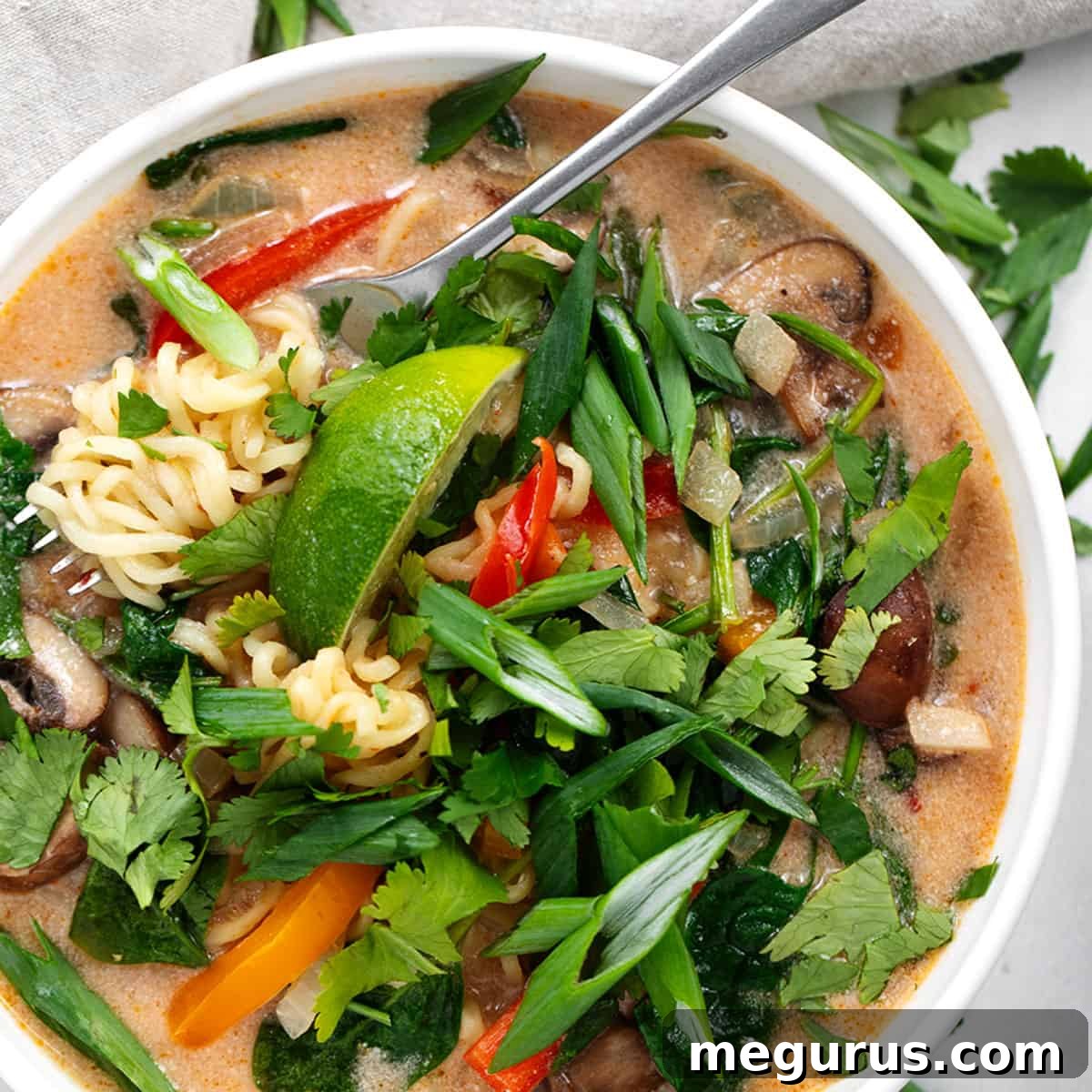
Craving a bowl of intensely flavorful, comforting noodles with an exotic twist? Look no further than this sensational Spicy Thai Coconut Curry Ramen. This recipe masterfully blends the rich, creamy texture of coconut milk with the vibrant, aromatic spices of Thai red curry paste, creating a broth that’s both invigorating and deeply satisfying. Packed with fresh vegetables like crisp bell peppers, tender mushrooms, and nutrient-rich spinach, and featuring springy ramen noodles, this dish offers a symphony of tastes and textures that will transport your palate straight to the bustling streets of Thailand, all from the comfort of your kitchen.
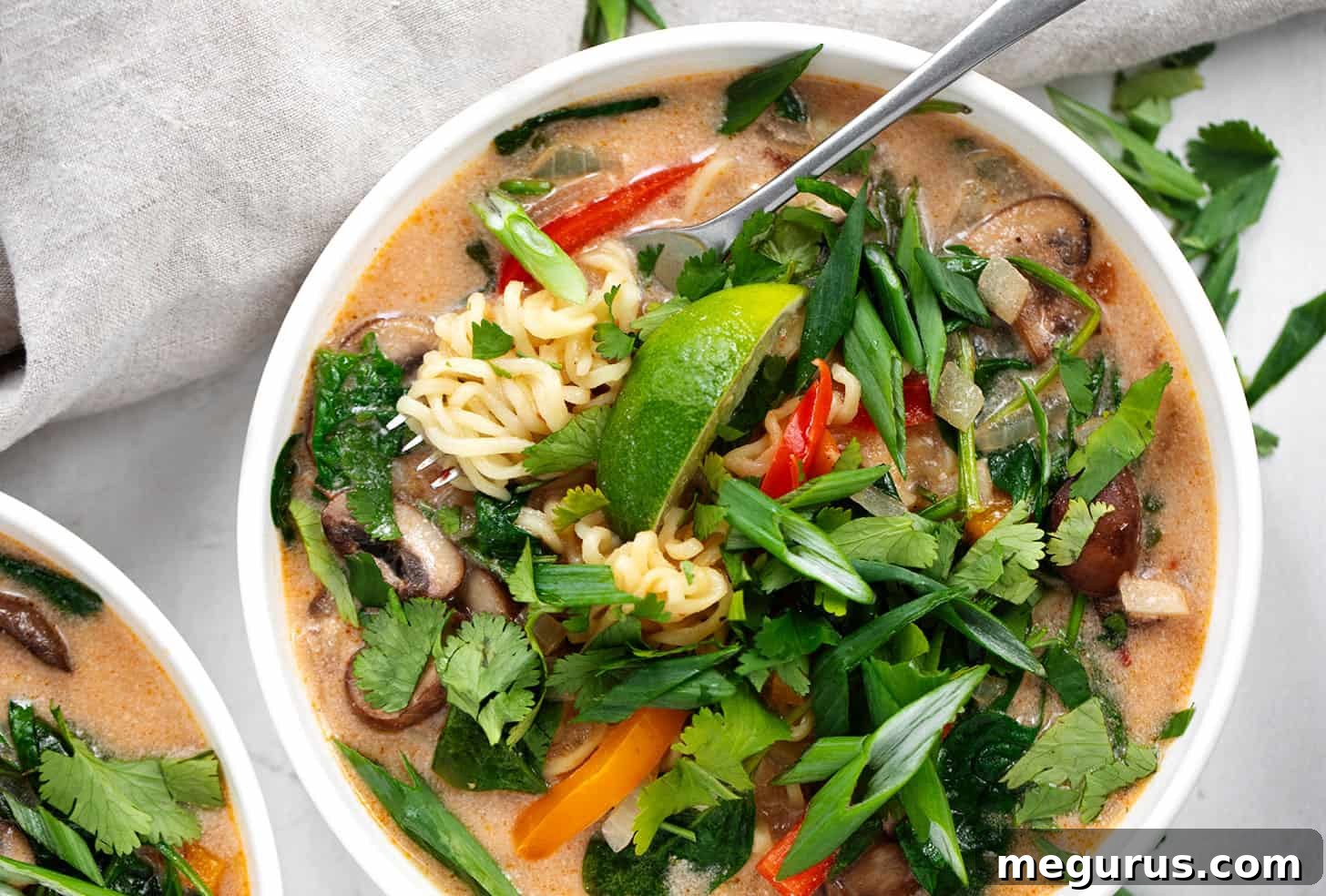
If you’re in the mood for an exciting noodle dish that delivers on both spice and incredible depth of flavor, this recipe is guaranteed to impress. It’s an ideal choice for busy weeknights when you desire something quick, healthy, and exceptionally delicious. The spicy coconut milk broth, infused with the complex notes of Thai red curry paste and brightened by an array of fresh vegetables, creates an unforgettable culinary experience that’s truly a big bowl of flavor!
What is Thai Coconut Curry Ramen?
Thai Coconut Curry Ramen is a delightful fusion dish that marries the slurp-worthy appeal of Japanese ramen with the bold and fragrant flavors of Thai curry. Instead of a traditional tonkotsu or miso base, the broth is crafted from rich coconut milk and spicy Thai red curry paste, offering a creamy, slightly sweet, and fiery foundation. It’s typically loaded with various vegetables and often a protein, creating a wholesome and deeply satisfying meal. This particular recipe focuses on a vibrant vegetable medley, making it a fantastic option for a plant-forward meal that doesn’t compromise on taste.
Why You’ll Love This Spicy Coconut Ramen Recipe
- Explosion of Flavors: From the creamy coconut to the zesty lime and fiery curry paste, every spoonful is a journey for your taste buds.
- Quick & Easy: Despite its gourmet taste, this ramen comes together in under an hour, making it perfect for weeknight dinners.
- Highly Customizable: Easily adapt the spice level, add your favorite proteins, or swap out vegetables to suit your preferences.
- Wholesome & Nutrient-Rich: Packed with fresh vegetables and a nourishing broth, it’s a meal you can feel good about.
- Comfort in a Bowl: Warm, spicy, and incredibly satisfying, it’s the ultimate comfort food for any season.
Key Ingredients and Smart Substitutions
Understanding the role of each ingredient and knowing potential substitutions can elevate your cooking experience and allow for flexibility in the kitchen. Here’s a closer look at the stars of this Thai Coconut Curry Ramen:
Ramen Noodles
For this recipe, any instant ramen noodles will do perfectly. The beauty here is that we’re harnessing the fantastic texture of the noodles while creating our own flavorful broth. Simply discard the seasoning package that comes with them – we won’t be needing it for our gourmet ramen. Look for packages that contain just the dried noodle blocks. Fresh ramen noodles can also be used for an even more authentic texture, following their package cooking instructions.
Coconut Milk
Coconut milk is the foundation of our creamy, luscious broth. You have the option to use either regular (full-fat) or reduced-fat coconut milk. Full-fat coconut milk will yield a richer, creamier broth, which is highly recommended for maximum indulgence. Reduced-fat versions will still provide a great flavor but with a slightly thinner consistency. Always shake the can well before opening to ensure the cream and liquid are thoroughly combined.
Thai Red Curry Paste
Thai red curry paste is the heart and soul of the Thai-inspired flavor in this dish. Its complex blend of red chilies, lemongrass, galangal, kaffir lime zest, and other aromatics provides a perfect balance of spicy, savory, and tangy notes. While red curry paste is generally considered the best choice for its robust flavor profile, yellow or green curry pastes can be used in a pinch. Yellow curry paste offers a milder, earthier flavor, while green curry paste tends to be spicier and brighter. Experiment to find your favorite!
Sambal Oelek
This is where the “spicy” in our spicy coconut ramen truly comes from, allowing you to perfectly tailor the heat level to your taste. Sambal Oelek is an Indonesian chili paste known for its clean, fresh chili flavor and minimal other ingredients. You can easily adjust the amount added to achieve your desired level of heat, from a gentle warmth to an intense fiery kick. If Sambal Oelek isn’t available, Asian Chili Garlic Paste is an excellent substitute, though you may need to add a bit more to achieve the same intensity of spiciness. In a real pinch, Sriracha will also work, but note that it has a slightly sweeter and tangier profile.
Assorted Vegetables
This recipe calls for red bell peppers, mushrooms, and spinach, which provide a wonderful array of colors, textures, and nutrients. Bell peppers add a sweet crunch and vibrant color, mushrooms contribute an earthy umami depth, and spinach wilts beautifully into the broth, adding freshness and iron. However, feel free to get creative with what you have on hand or what’s in season. Other fantastic additions include carrots (julienned or thinly sliced), bok choy, snap peas, bamboo shoots, corn, or even broccoli florets.
Lemongrass Paste
Lemongrass paste introduces a bright, citrusy, and slightly gingery aroma that is essential to authentic Thai flavors. Look for it in tubes in the fresh herb section of your grocery store for convenience. If you prefer to use fresh lemongrass stalks, be sure to bruise them thoroughly (e.g., by smashing with the back of a knife) and thinly slice the tender inner parts before adding to the broth to release their maximum flavor. You can also add whole bruised stalks to simmer in the broth, removing them before serving.
Other Flavor Enhancers
- Fish Sauce: A small amount adds a crucial umami depth and savory balance, a staple in Southeast Asian cuisine.
- Worcestershire Sauce: While not traditionally Thai, it adds another layer of savory complexity and a subtle tang that complements the curry.
- Tomato Paste: Provides richness and helps to thicken the broth slightly, adding a deeper color and flavor.
- Cornstarch: Used to create a slurry with the curry paste mixture, helping it to blend seamlessly into the broth and give it a velvety texture.
- Lime Juice: A squeeze of fresh lime juice at the end brightens all the flavors, adding essential acidity and zest.
How to Create Your Thai Coconut Curry Ramen: A Visual Guide
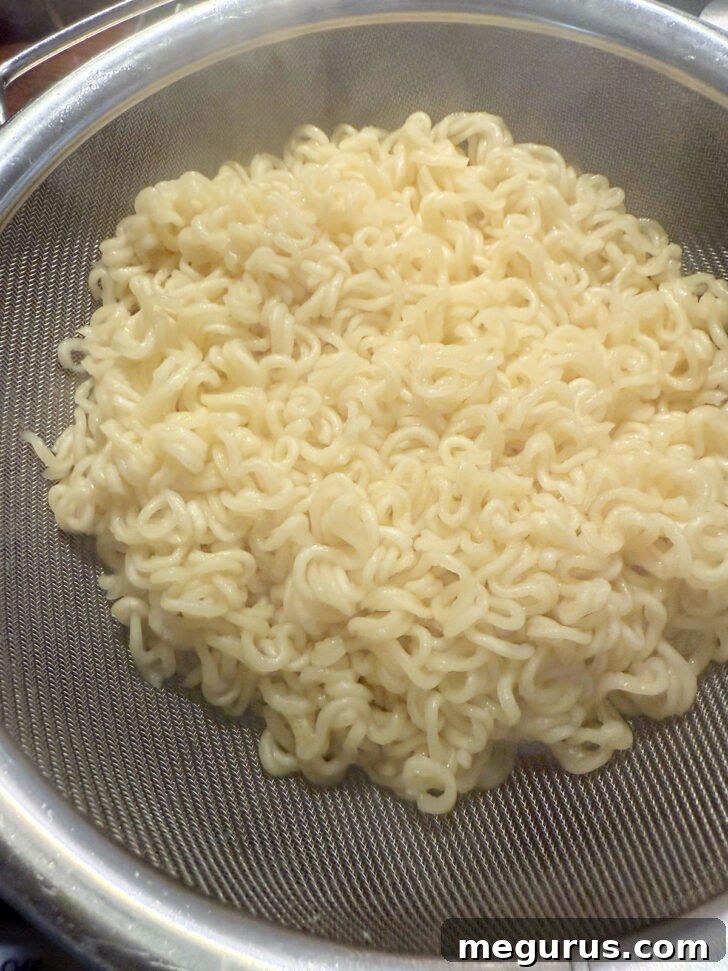
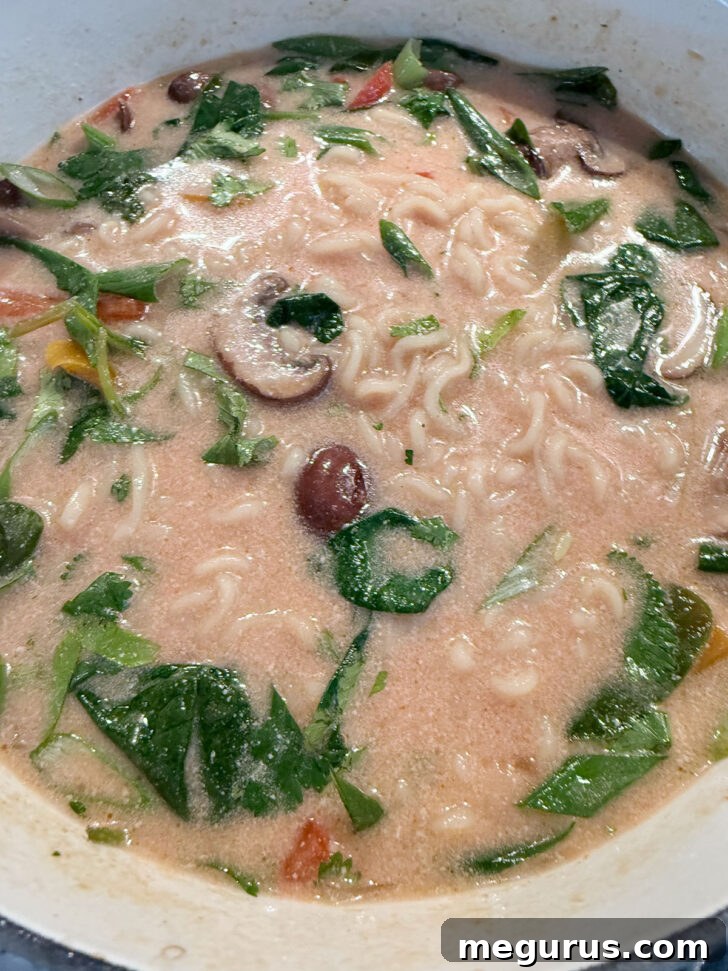
Crafting this flavorful ramen is a straightforward process. Here’s a visual summary of the key steps. For precise measurements and detailed instructions, refer to the full recipe card below.
Expert Tips for Perfect Thai Coconut Curry Ramen
- Whisk the Curry Paste Mixture Thoroughly: When adding the mixture of red curry paste, Sambal Oelek, tomato paste, and cornstarch to the soup, ensure you whisk it vigorously. This prevents lumps and helps it blend seamlessly into the broth for a smooth, uniform texture and flavor.
- Control the Spice Level: Sambal Oelek is your secret weapon for heat! Start with the recommended amount, then taste and adjust. For a milder ramen, reduce it; for a fiery kick, add more in small increments until you reach your perfect spice tolerance. Remember, Asian Chili Garlic paste might require a slightly larger quantity for the same heat.
- Broth Consistency is Key: If you enjoy a very brothy ramen, don’t hesitate to add a bit more chicken broth to the pot towards the end of cooking. Similarly, if your soup thickens too much, a splash of broth will bring it back to the ideal consistency.
- Season Generously and Taste Often: The true magic of this ramen comes from balanced seasoning. Taste the soup at the end of cooking and add salt and freshly ground black pepper as needed. A generous salting can really bring out the full depth of the Thai flavors. A final squeeze of lime juice is also crucial for brightness.
- Noodle Timing: Cook your ramen noodles just before serving to ensure they are perfectly al dente. Overcooked noodles can become mushy and absorb too much broth, affecting the dish’s overall texture and reducing the broth amount.
- Consider Your Garnish: Fresh garnishes like sliced green onions, cilantro, and lime wedges aren’t just for looks. They add fresh flavors and textures that complement the rich broth beautifully. Don’t skip them!
Making Ahead and Storing Your Ramen
This Thai Coconut Curry Ramen is best enjoyed fresh, but thoughtful preparation can allow you to savor it later. The key to successful make-ahead and storage is to keep the noodles separate from the broth until serving.
- Soup Base: The coconut curry broth can be prepared entirely ahead of time and stored in an airtight container in the refrigerator for 2-3 days. This allows the flavors to meld and deepen.
- Noodles: Cook the ramen noodles fresh just before serving. If you cook them ahead of time and store them with the soup, they will absorb too much liquid and become soggy.
- Reheating: Gently reheat the soup base on the stovetop over medium-low heat, stirring occasionally. If it has thickened during storage, thin it with a bit more chicken broth or water until it reaches your desired consistency. Once the soup is hot, cook your fresh noodles, drain them, and combine directly in serving bowls or briefly in the pot.
- Leftovers: If you have leftover ramen already combined, it can still be stored in the refrigerator for up to 1-2 days. Be aware that the noodles will soften and absorb more broth. You may need to add a splash of extra broth when reheating to restore some of the liquid.
Get the Recipe: Thai Coconut Curry Ramen
Pin This
Leave a Review
Ingredients
- 2 Tablespoons cooking oil, such as vegetable or canola oil
- 8 oz mushrooms, white or cremini, sliced
- 1/2 cup onion, diced
- 1/2 medium red or orange bell pepper, cored and seeded then sliced into thin 2-inch strips
- 3 1/2 – 4 cups chicken broth, plus more, if needed
- 14 oz can coconut milk
- 1 teaspoon fish sauce
- 1 teaspoon Worcestershire sauce
- 1 teaspoon lemongrass paste, or 1-2 stalks lemongrass, optional
- 1 – 1 1/2 Tablespoons red curry paste
- 1-2 teaspoons Sambal Oelek, or Asian Garlic Chili Paste/Sriracha, to taste
- 3 Tablespoons tomato paste
- 1 Tablespoon cornstarch
- 2-3 handfuls baby spinach
- Juice from 1/2 a lime
- Salt and freshly ground pepper, season well, as needed
- 8 oz (240 g) dry ramen noodles, boiled per package instructions
For garnish:
- Sliced green onions, fresh cilantro, lime wedges
Instructions
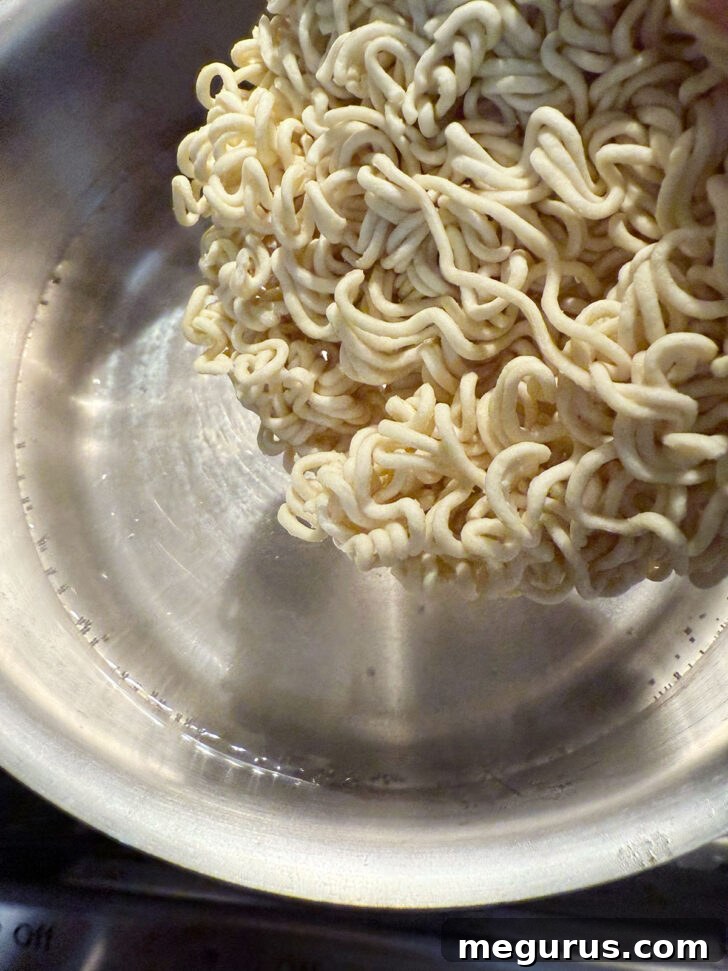
- Start a large pot of water to boil for cooking the ramen noodles. Remove the dried ramen from the package and have it ready. DISCARD THE SEASONING PACK (or save it for another use.)
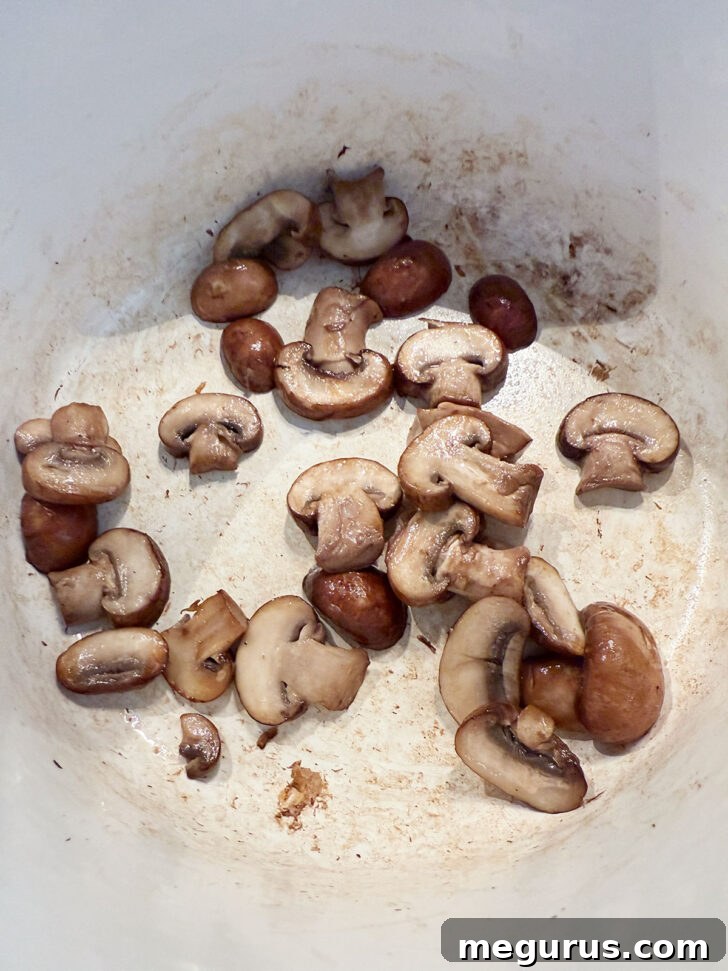
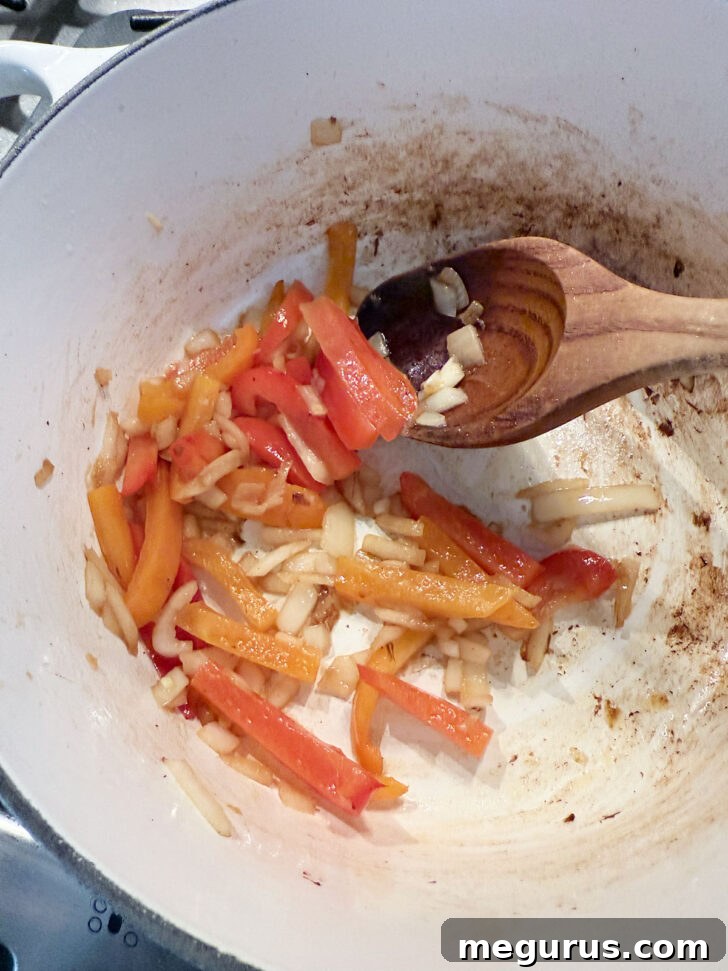
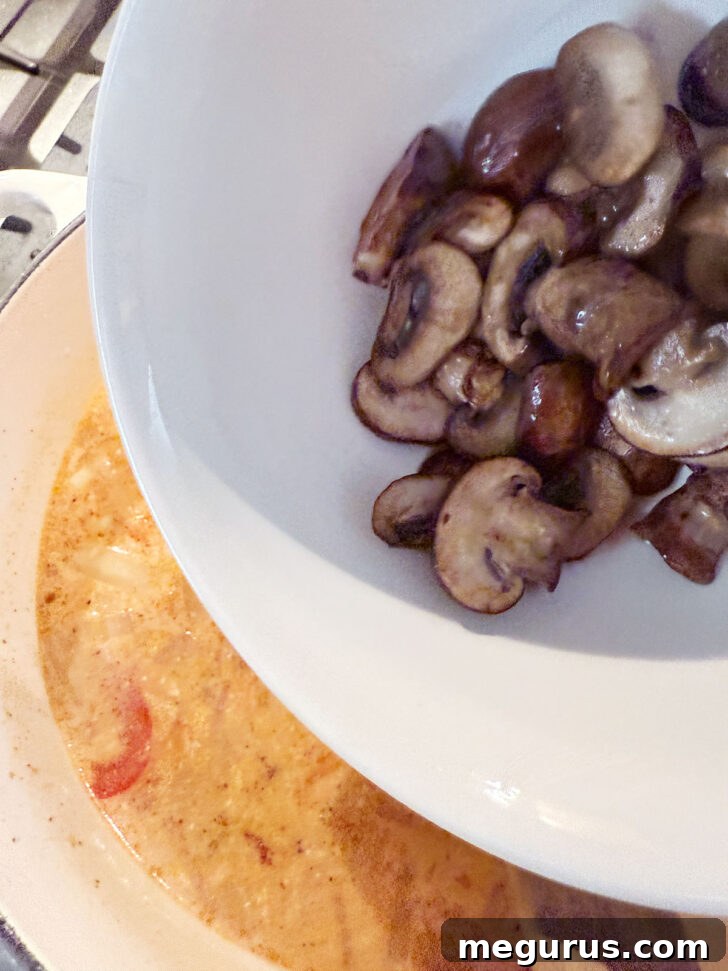
- Heat the oil in a large soup pot over medium heat. Add the mushrooms and cook, stirring, until golden about 4-5 minutes. Remove the mushrooms to a bowl. Add a splash more oil to the pot, if needed. Add the onion and bell pepper and cook, stirring, until softened, 3-4 minutes.
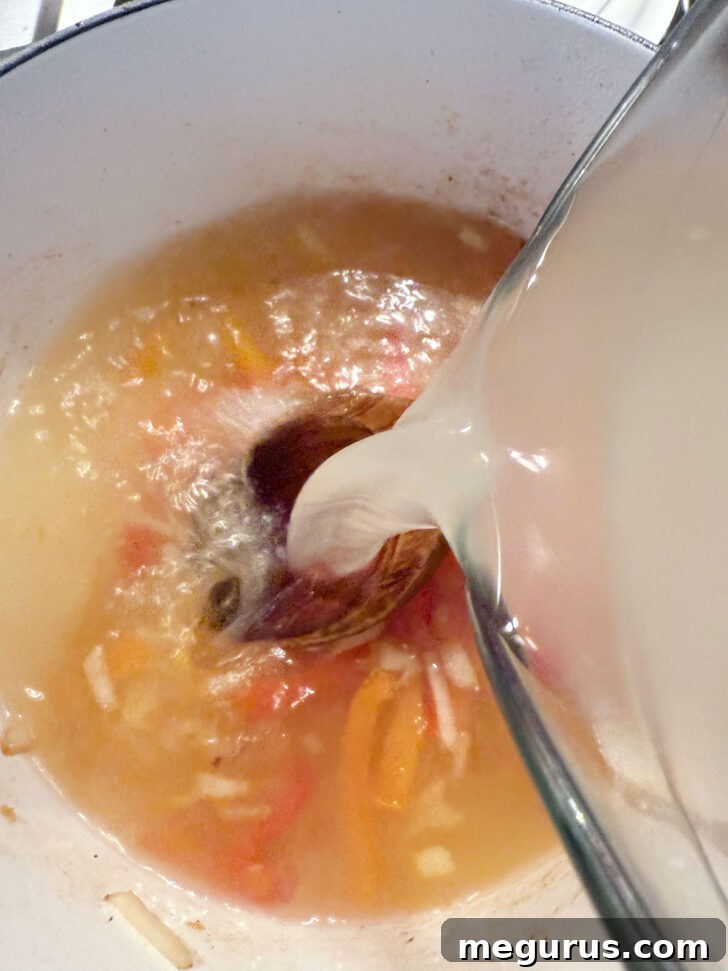
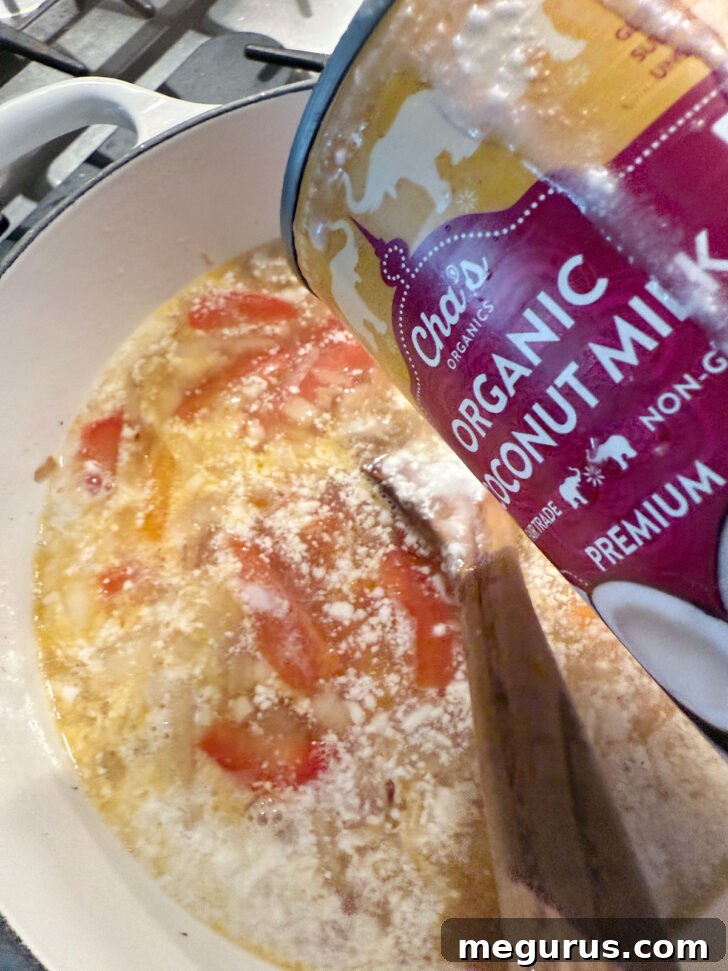
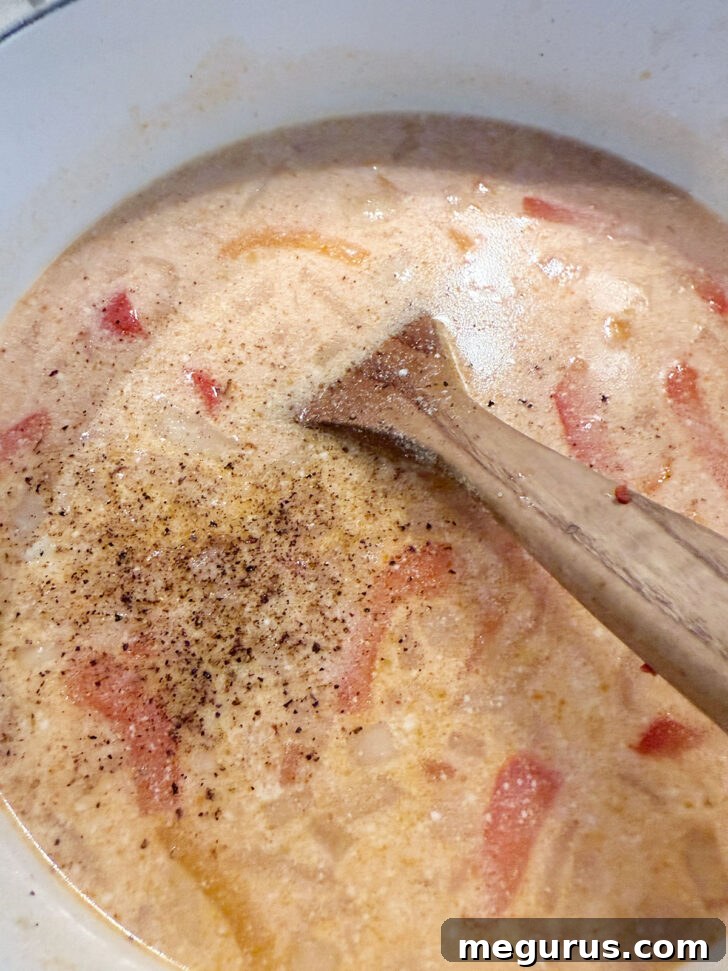
- Add the chicken broth to the pot. (Start with the lesser amount and add more if needed or if you prefer a more brothy ramen). Add the coconut milk, fish sauce, Worcestershire sauce and lemongrass paste. Season with a bit of salt and pepper. Stir to combine well.
- Tip! It is the Sambal Oelek that brings the spicy to this ramen. Adjust the amount to your spice tolerance. If substituting Asian Chili Garlic sauce, you will need to add a bit more to get the same spiciness.
- In a small bowl, stir together the red curry paste, Sambal Oelek, tomato paste and cornstarch. Add this mixture to the soup and use a whisk to make sure it incorporates well into the soup. Simmer the soup while you cook the ramen.
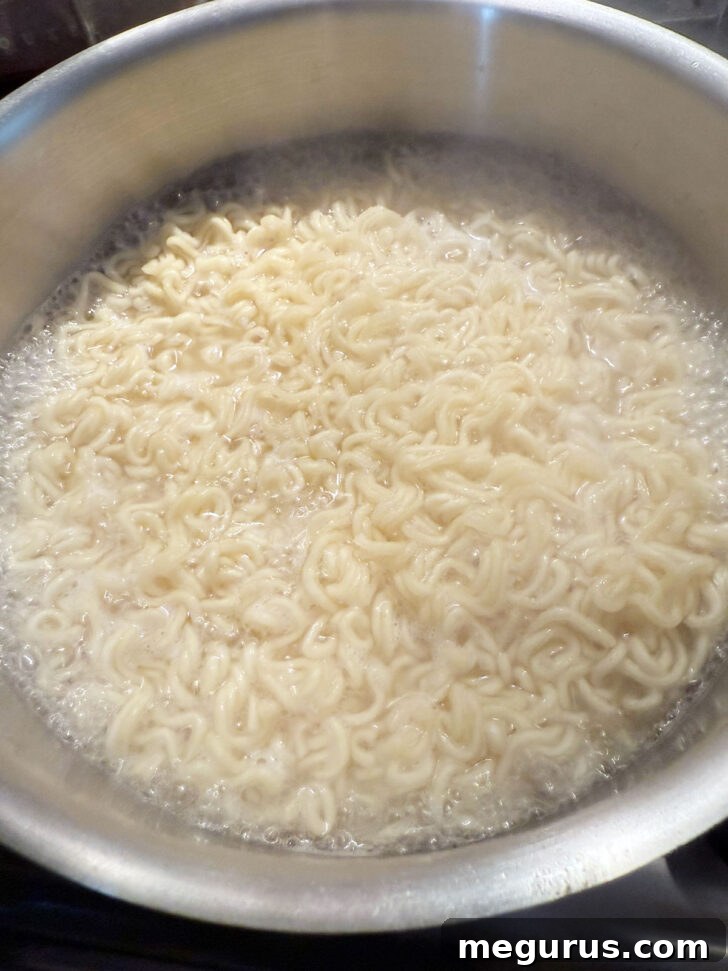
- Add a bit of salt to the boiling water, then add the dried ramen blocks. Cook according to package instructions (generally 3-4 minutes).
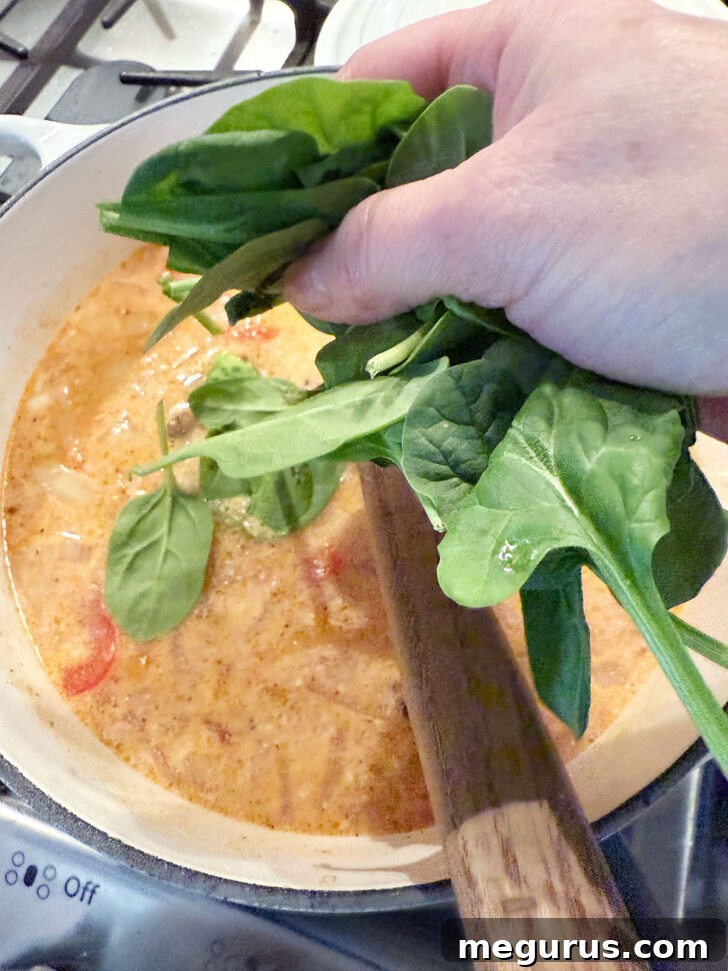
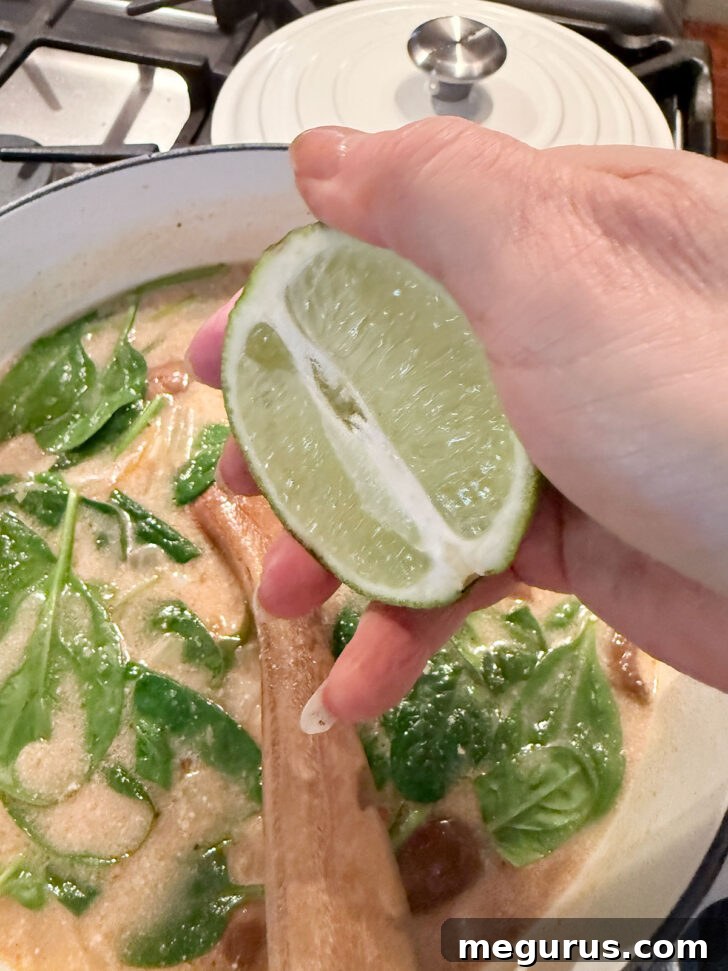
- While the ramen cooks, finish the soup by adding the baby spinach and lime juice. Stir in and let cook briefly to wilt the spinach and blend the flavors.
- Taste the broth and add additional salt, as needed (I find it needs a generous salting to bring out the best in all the flavors.) Add additional Sambal Oelek as well if you’d like it a bit spicier. If the soup becomes too thick or you prefer more broth, add a bit more chicken broth to the pot.
- Tip! You can make just the soup part ahead and refrigerate. Rewarm later and spoon over freshly boiled and drained ramen.
- When the ramen noodles are cooked, drain and add to the soup.
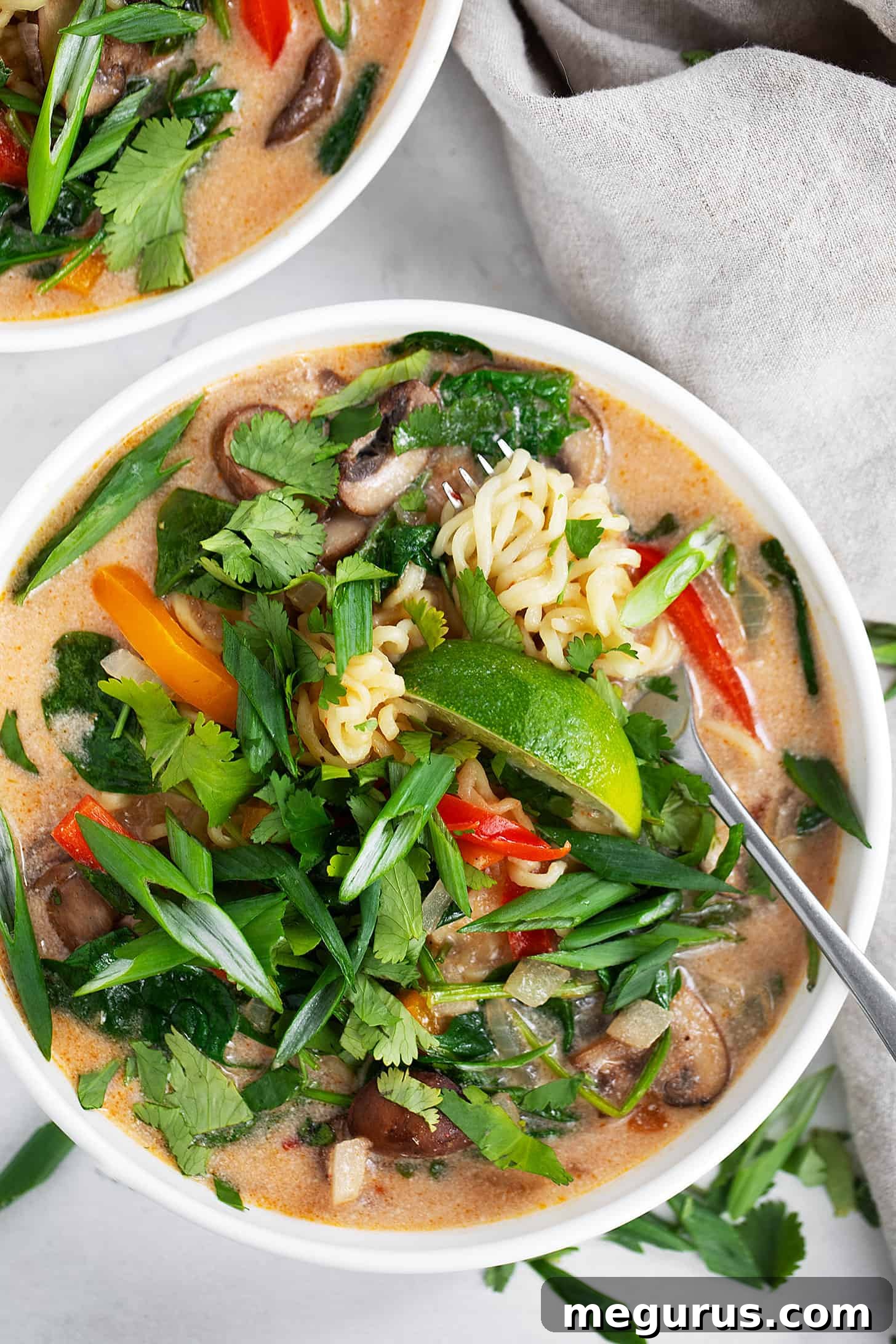
- Serve by using tongs to transfer the noodles to a bowl and spoon the broth overtop. Garnish with sliced green onions, chopped cilantro and lime wedges, for drizzling.
Notes
If you enjoy a brothy ramen bowl, you can add a bit more chicken broth to the pot.
Taste the soup at the end of cooking and add salt and freshly ground pepper, as needed. You can also add a bit more Sambal Oelek at the end if you’d like it spicier.
Be sure to read the notes above this recipe card, for more tips on making this recipe. You’ll also find substitution suggestions and step-by-step photos that you might find helpful.
Frequently Asked Questions About Thai Coconut Curry Ramen
Here are some common questions you might have when making this delicious ramen:
Can I make this ramen vegetarian or vegan?
Absolutely! To make this dish vegetarian, simply swap the chicken broth for a high-quality vegetable broth. For a fully vegan version, ensure your red curry paste does not contain shrimp paste (many brands offer vegan options) and omit the fish sauce, replacing it with an equal amount of soy sauce or a vegan “fish” sauce substitute for umami depth.
What other vegetables can I add?
This recipe is highly adaptable! Feel free to add thinly sliced carrots, bok choy, snow peas, green beans, or even some corn kernels. Tofu or tempeh can also be added for extra plant-based protein. Add harder vegetables earlier with the onions and bell peppers, while softer greens like bok choy or spinach can be added towards the end.
Can I add protein to this ramen?
Yes, adding protein will make it even heartier. Sliced cooked chicken (rotisserie or pan-fried), shrimp, or thinly sliced beef or pork are excellent choices. Tofu or tempeh are also great plant-based additions. Cook your protein separately and add it to the bowls just before serving to prevent it from overcooking or becoming tough.
How can I make the broth thicker or thinner?
The cornstarch in the recipe helps to give the broth a slight body. If you prefer a thicker broth, you can create another small slurry with 1 teaspoon of cornstarch mixed with 1 tablespoon of cold water and whisk it into the simmering broth until desired consistency is reached. For a thinner, more brothy ramen, simply add more chicken or vegetable broth until it’s just right.
Is Thai red curry paste very spicy?
The spiciness of Thai red curry paste can vary significantly between brands. Generally, red curry paste has a moderate to high level of heat. Our recipe also includes Sambal Oelek, which gives you direct control over the final spice level. Always taste your curry paste before adding it generously, and remember you can always add more heat, but it’s harder to remove it!
Conclusion
This Spicy Thai Coconut Curry Ramen offers a delightful escape into a world of vibrant flavors and comforting textures. It’s a testament to how simple ingredients, combined thoughtfully, can create a truly memorable meal that satisfies both the craving for warmth and a desire for bold, exotic tastes. Whether you’re a seasoned chef or a home cook looking for a new adventure, this recipe promises an easy-to-follow path to a gourmet ramen experience. So gather your ingredients, fire up your stove, and prepare to indulge in a bowl that’s rich, spicy, and utterly irresistible. Enjoy the journey of flavors!