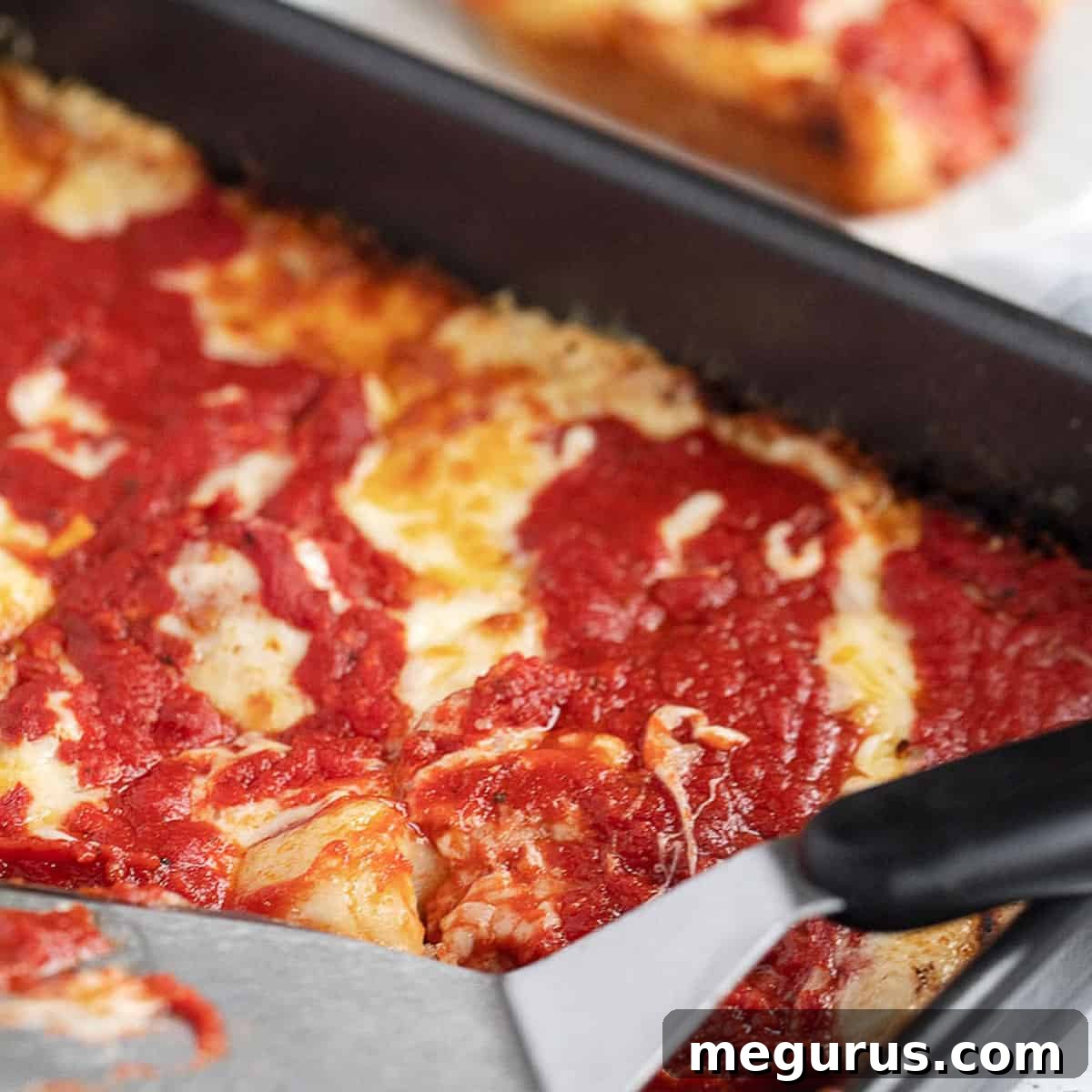
Embark on a culinary journey to recreate the iconic Detroit-style pizza right in your own kitchen. This guide will walk you through crafting its signature airy crust, achieving those irresistible crispy cheese edges, layering generous amounts of savory pepperoni, and finishing with its distinctive sauce-on-top presentation. Prepare for a pizza experience unlike any other, promising a delightful blend of textures and bold flavors.
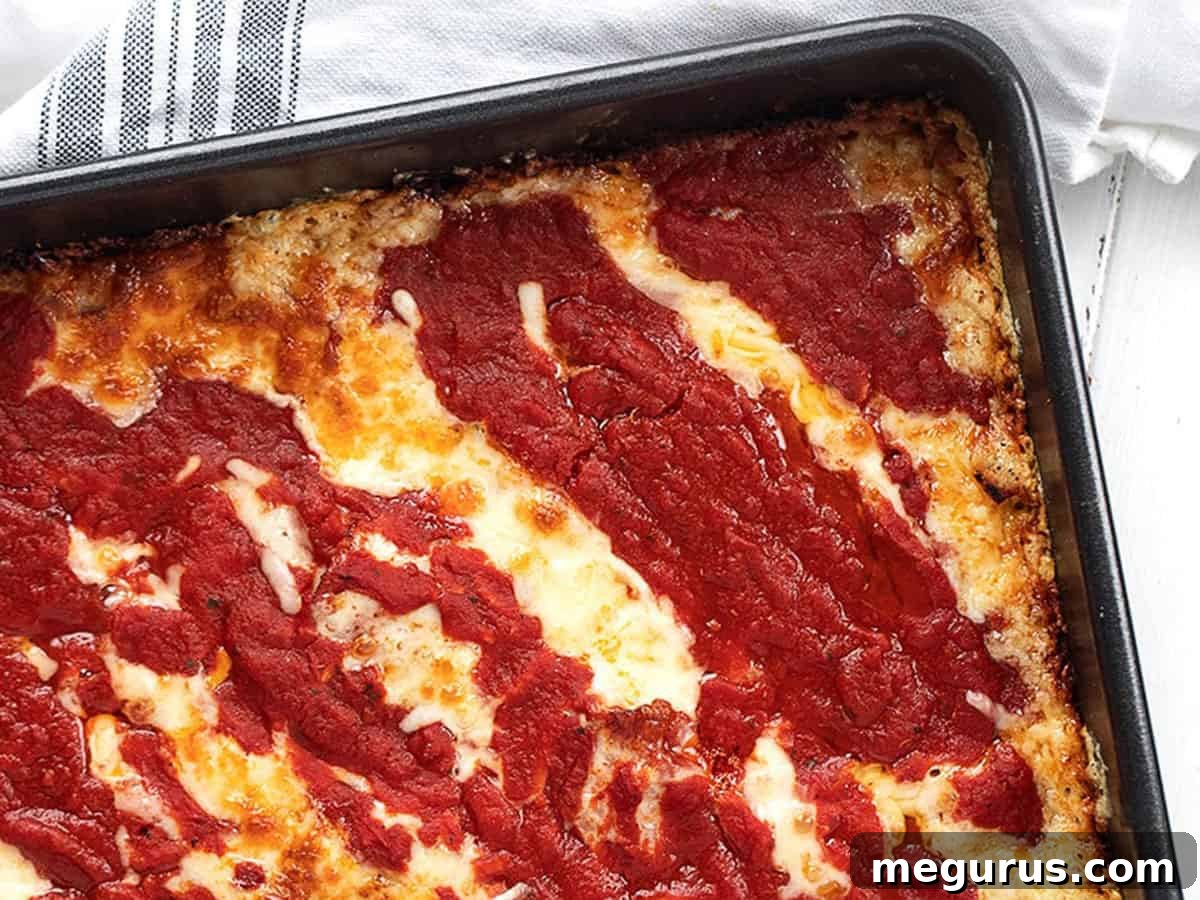
Mastering the Art of Detroit-Style Pizza at Home
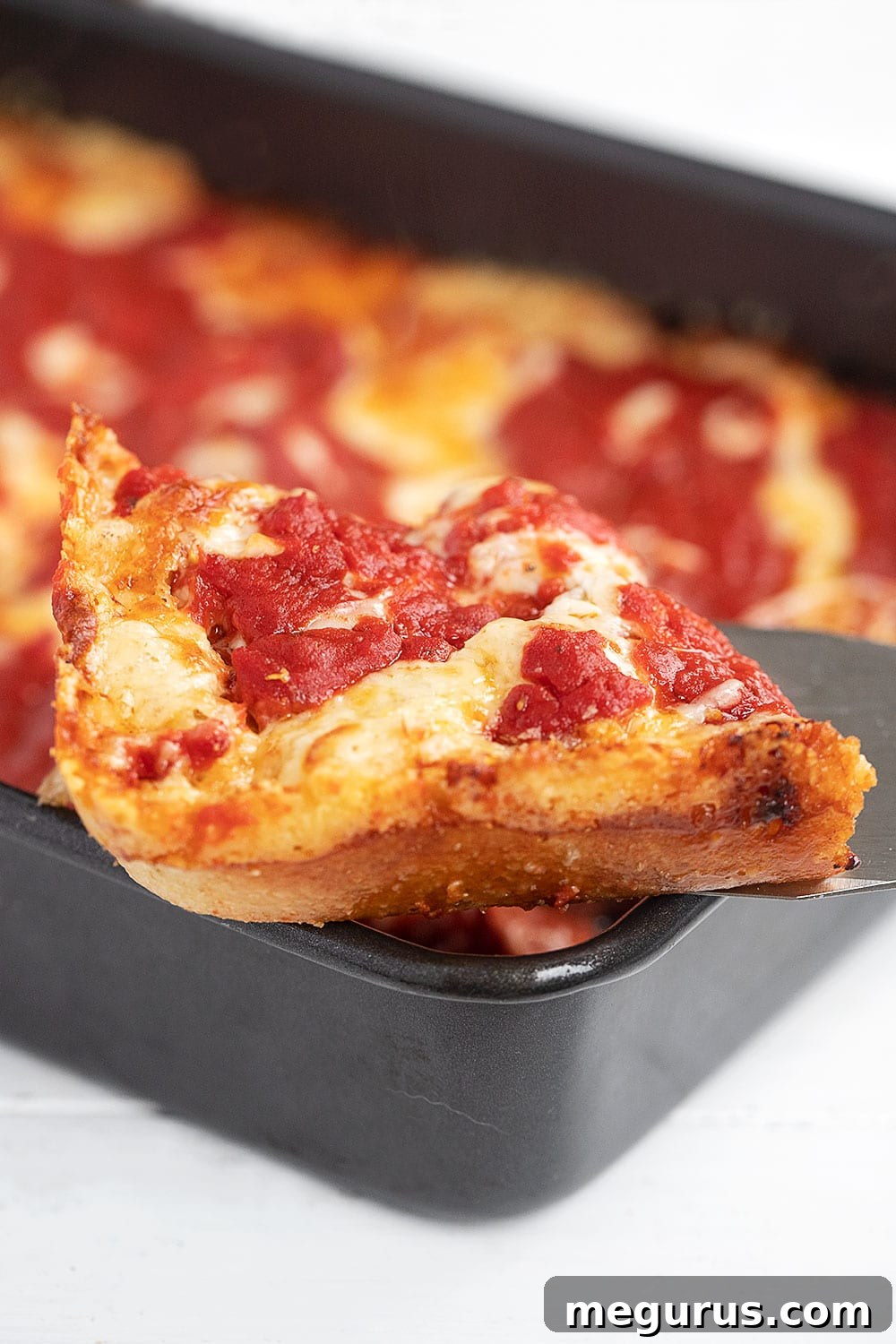
While New York and Chicago pizzas have long dominated the spotlight, Detroit-style pizza is rapidly gaining widespread adoration, and for excellent reasons. Its unique construction and flavor profile offer a refreshing departure from its more famous counterparts. At its heart lies a dough that defies expectations: thicker than a traditional crust, yet remarkably light and airy, reminiscent of a focaccia or a Sicilian-style pizza. This distinctive texture is foundational to the Detroit experience.
But the unique characteristics don’t stop there. Unlike most pizzas where toppings are layered in a conventional order, Detroit pizza flips the script. Savory pepperoni slices are typically placed directly on the dough, forming a protective and flavorful layer beneath the cheese. And speaking of cheese, a generous amount is not just layered but strategically placed, particularly around the perimeter, to create the signature crispy, caramelized cheese crust known as “frico.” Finally, the vibrant tomato sauce is spooned on top, often in stripes or dollops, ensuring its fresh flavor shines through.
Traditionally, this deep-dish delight is baked in a rectangular, heavy-duty steel pan, which is generously oiled to contribute to the crust’s incredible crispness and golden-brown bottom. The result is a pizza that’s served in substantial square slices, offering a satisfying bite with every piece. While dedicated Detroit pizza pans are available for the truly committed, a standard metal 9×13-inch cake pan or similar rectangular baking dish will serve as an excellent substitute, allowing you to achieve remarkable results at home.
What Makes a Detroit-Style Pizza Unique?
Detroit-style pizza stands out with several key characteristics that distinguish it from other pizza styles:
- Rectangular Pan Bake: It’s always baked in a sturdy rectangular steel pan, giving it its signature shape and contributing to its deep-dish nature.
- Square Slices: Served in generous, often square or rectangular pieces, making it perfect for sharing.
- Thick, Airy Crust: The dough is thick but incredibly light and airy, with a texture similar to focaccia or Sicilian pizza, achieved through high hydration and a slow rise.
- Crispy, Caramelized Cheese Edges (Frico): A hallmark feature, this golden-brown, crunchy cheese perimeter is traditionally made with Brick cheese, though other high-fat cheeses can create a similar effect.
- Pepperoni Below the Cheese: Pepperoni slices are typically placed directly on the dough, underneath the cheese, which keeps them juicy and prevents burning.
- Abundant Cheese Layers: Expect a generous quantity of cheese, both spread across the base and piled high to create that delicious frico crust.
- Sauce on Top: The pizza sauce is spooned over the cheese and toppings, allowing its fresh, bright flavor to be a finishing touch rather than a hidden layer.
Essential Ingredients and Smart Substitutions
The success of your homemade Detroit-style pizza hinges on understanding and selecting the right ingredients. Here’s a detailed look at what you’ll need and how to approach substitutions:
Crafting the Perfect Dough
For the quintessential Detroit pizza dough, you will primarily need all-purpose flour, water, instant or active dry yeast, and salt. The type of yeast used here is crucial: opt for conventional instant yeast (like SAF Brand) or active dry yeast. Avoid “rapid-rise” or “quick-rise” instant yeasts, as their accelerated action can sometimes compromise the desired light, airy texture that develops through a slower fermentation process. The dough for this pizza is uniquely high in hydration, making it very wet and sticky. This high water content is key to creating the signature open crumb structure and soft interior, even with a thicker crust.
The Heart of the Pizza: Cheese Selection
The choice of cheese is perhaps the most defining element of Detroit-style pizza, primarily due to the coveted crispy, caramelized edges, or “frico.”
- Brick Cheese: This is the gold standard for authentic Detroit pizza. Hailing from Wisconsin, Brick cheese is a semi-hard cheese with a mild, slightly nutty, and tangy flavor. Its high fat content and excellent melting properties make it perfect for achieving that rich, buttery, and incredibly crispy frico around the edges. If you have access to Brick cheese, it should absolutely be your first choice for an authentic experience.
- Substitutions: If Brick cheese proves elusive in your area, don’t despair! A blend of low-moisture mozzarella and provolone is a highly recommended and readily available substitute. Mozzarella offers superb melt, while provolone contributes a sharper, more complex flavor. For an added layer of flavor and exceptional crispiness, incorporating old white cheddar into your cheese blend is another fantastic option, especially for the cheese that forms the edge. While its flavor profile differs from Brick cheese, cheddar’s ability to crisp up beautifully makes it a strong contender for achieving that crucial frico effect. Ensure all cheeses are shredded from a block for the best melt and texture, avoiding pre-shredded options that often contain anti-caking agents.
The Bright Finishing Touch: Pizza Sauce
The sauce for Detroit-style pizza is often applied on top after the cheese, making its flavor a prominent part of each bite. You have two main routes for the sauce:
- Homemade Sauce: For a fresh and vibrant sauce, you’ll need a can of high-quality crushed tomatoes, fresh garlic, dried oregano, a pinch of red pepper flakes for a subtle kick, a touch of sugar to balance acidity, and salt. Cooking this briefly allows the flavors to meld without losing their fresh character.
- Store-Bought Option: If time is short, a good quality canned pizza sauce is perfectly acceptable. Brands like Mutti™ are often favored for their rich tomato flavor and quality ingredients, offering a convenient yet delicious alternative. The key is a sauce that is bright and flavorful, complementing the richness of the cheese and crust without overpowering it.
Toppings: Simplicity is Key
For a truly traditional Detroit-style pizza, sliced pepperoni is the topping of choice, placed directly on the dough. Its fat renders during baking, infusing the crust with incredible flavor. While pepperoni is classic, don’t hesitate to explore other options if you wish to personalize your pizza:
- Alternatives: Cooked and crumbled sausage or bacon can make excellent additions, adding depth and savory notes.
- A Word of Caution: Regardless of your chosen toppings, remember that less is often more with Detroit-style pizza. Overloading the dough with too many heavy or excessively wet toppings can weigh down the delicate, airy crust, potentially compromising its signature light texture. Aim for balance to ensure the dough remains the star of the show.
Step-by-Step Guide: How to Make Detroit Style Pizza
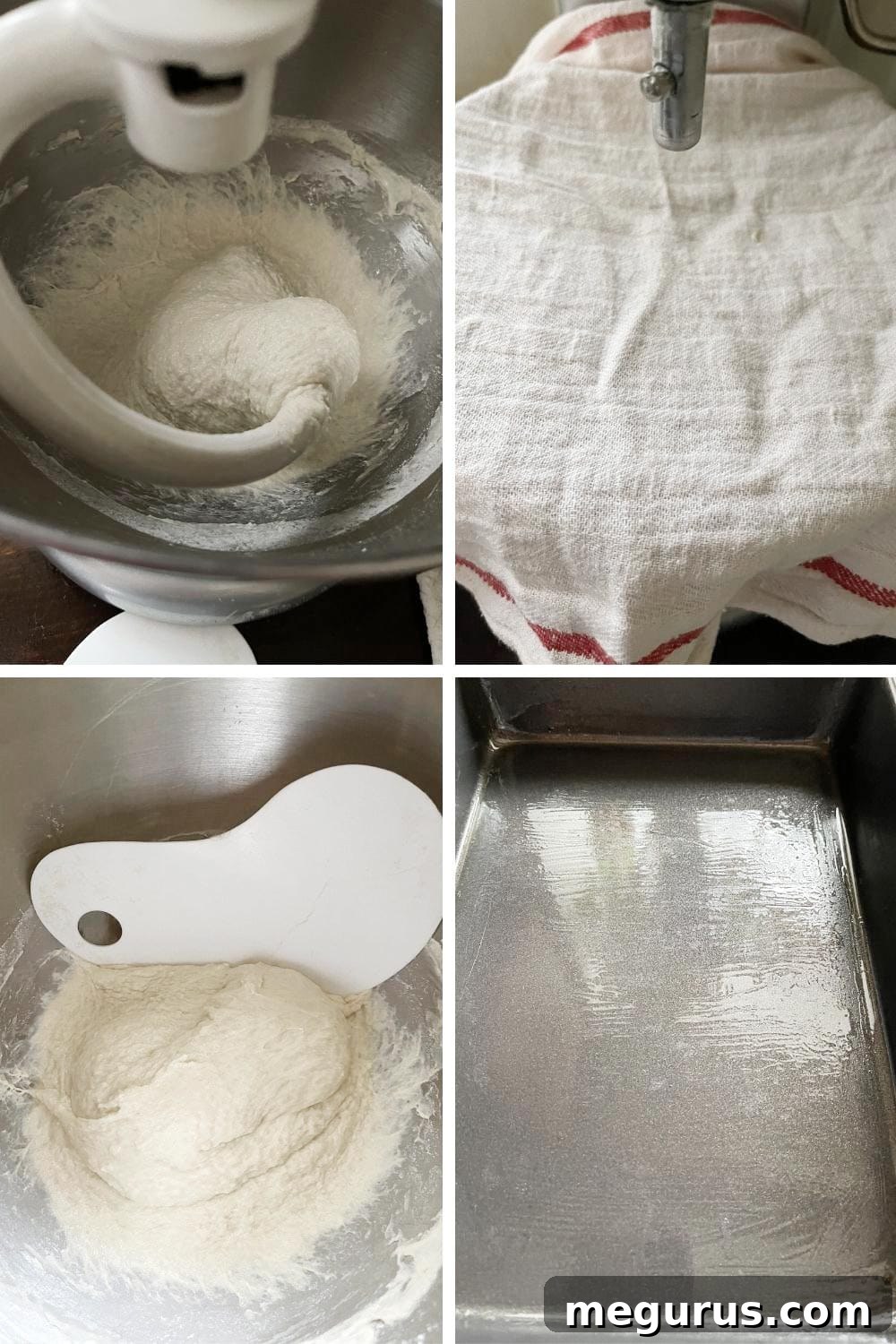
Creating Detroit-style pizza at home is a rewarding experience. This visual summary offers an overview; always refer to the detailed recipe instructions for the best results.
Step 1: Preparing the High-Hydration Dough
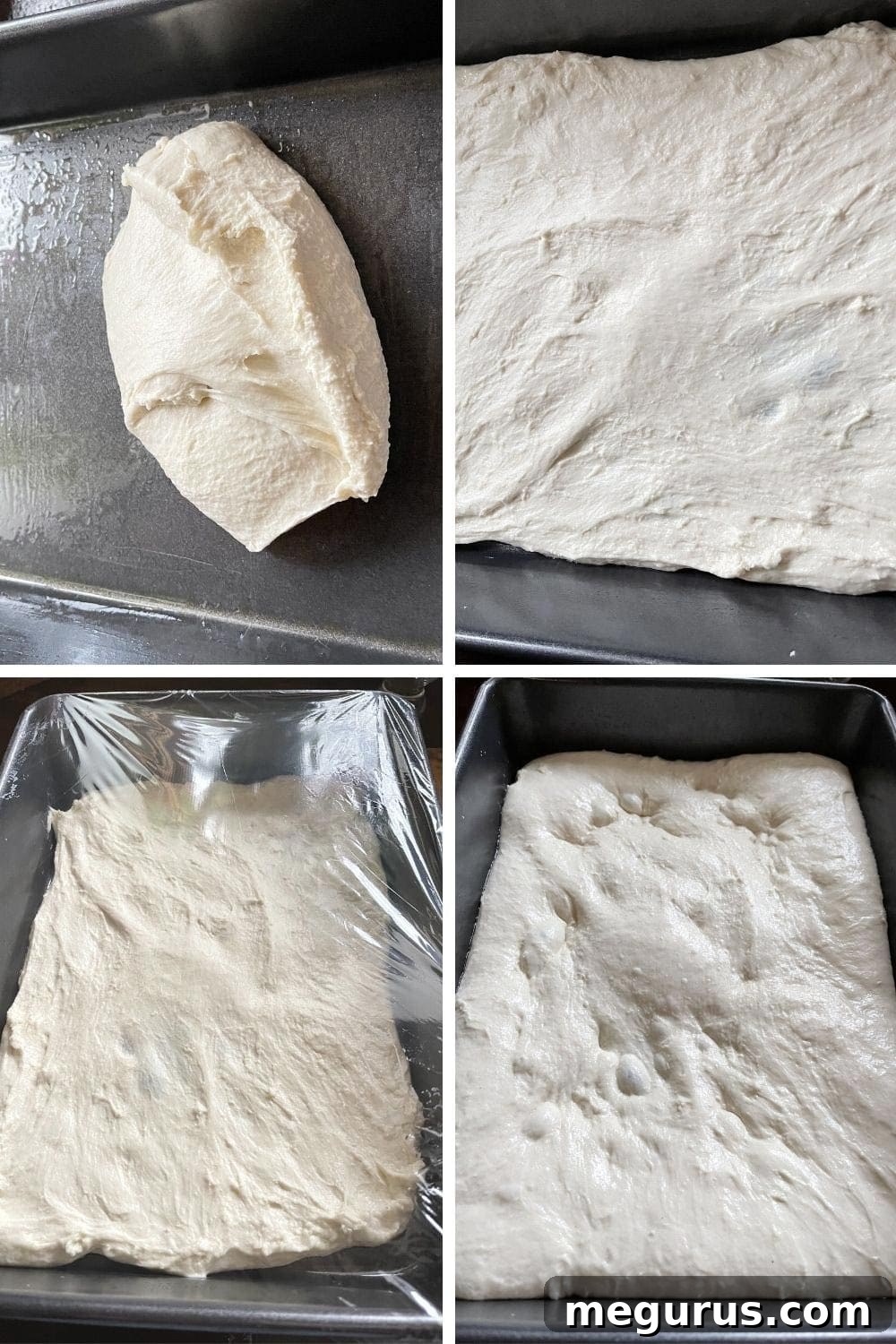
The journey begins with the dough, ideally 4-5 hours before you plan to enjoy your pizza. This dough is exceptionally wet, which is intentional for its signature airy texture, meaning it won’t be kneadable by hand in the traditional sense. Instead, we harness the power of a stand mixer fitted with a dough hook. Mix for about 6-8 minutes; this gentle action is sufficient to develop enough gluten for structure without overworking the delicate dough. Once mixed, cover the bowl with a clean tea towel and allow the dough to rest for 20 minutes. This short rest allows the gluten to relax, making the dough slightly easier to handle for the next stage.
Step 2: Spreading and The Crucial Rise
After the initial rest, generously oil your chosen rectangular baking pan (a 9×13-inch metal pan works wonderfully). Due to the dough’s moisture, lightly oiling or wetting your fingers will prevent sticking as you gently press and spread the dough to cover the entire bottom of the pan. If the dough resists and springs back, take a short break (5-10 minutes) to let it relax further before trying again. Patience here is key. Once spread evenly, cover the pan loosely with plastic wrap and set it aside at room temperature for a long, slow rise, ideally 3-4 hours. This extended proofing time is paramount for developing the light, open crumb and airy texture that Detroit pizza is celebrated for.
Step 3: Artful Topping and Baking to Perfection
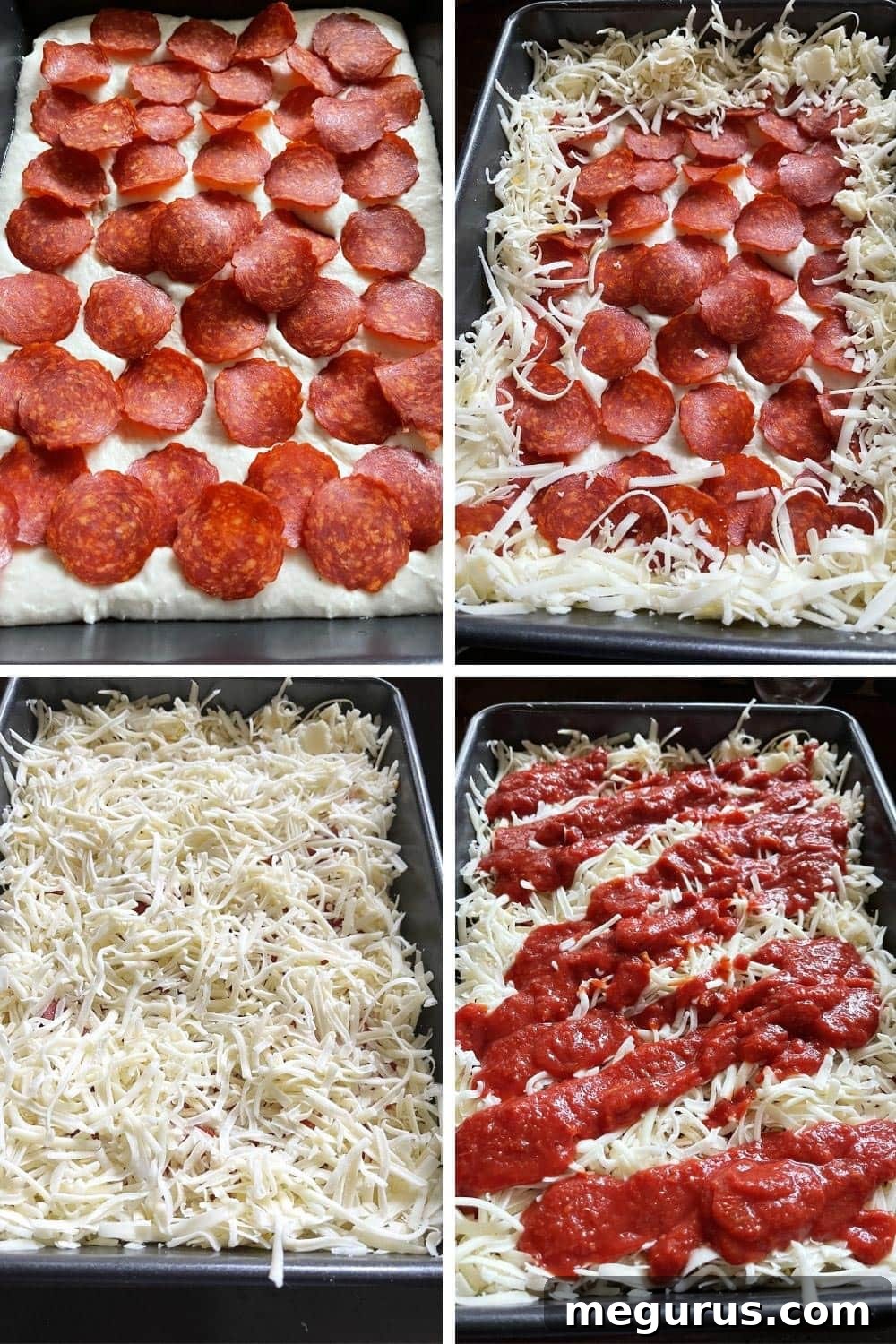
Once your dough has beautifully risen and filled the pan, it’s time for the signature layering. First, arrange an even layer of pepperoni slices directly onto the dough, covering most of the surface. Next, create a “wall” of your chosen edge cheese (Brick, old white cheddar, or a mix) around the pan’s perimeter. This strategic placement is what creates the crispy, caramelized frico. Then, fill the center with your main cheese blend (a mix of old white cheddar, mozzarella, and provolone is highly recommended). Finally, the sauce is applied last: pour generous dollops or stripes over the cheese, ensuring some cheese remains exposed. This prevents the sauce from steaming the cheese and allows it to caramelize properly.
Preheat your oven to 425°F (220°C) and ensure the oven rack is placed on the *lowest* position. This provides direct heat to the pan, creating that irresistibly crispy bottom crust. Bake for approximately 25-30 minutes, or until the crust is deep golden brown and cooked through. Baking times can vary, so prioritize doneness over strict timing. Once baked, let the pizza rest in the pan for 8-10 minutes. This crucial resting period allows the cheese to set and the crust to firm up, making for easier slicing and serving. Then, slice into generous squares and savor your homemade Detroit masterpiece!
Expert Tips for Detroit Pizza Success!
- Pan Alternatives: If you don’t own a 10×14 or 9×13-inch metal baking pan, you can easily divide the dough and toppings between two 8×8-inch square pans. This is a great way to make two smaller pizzas or experiment with different topping combinations.
- Handling Wet Dough Without a Stand Mixer: The high hydration of Detroit pizza dough can be challenging without a stand mixer. However, several effective hand-kneading techniques exist for wet dough, such as the ‘stretch and fold’ method. Resources like baking blogs and culinary sites offer excellent visual guides on how to work a very wet dough by hand, developing gluten effectively without traditional kneading.
- Patience During Spreading: When spreading the dough into the baking pan, you might find it elastic and resistant. If it’s fighting you, simply cover the pan and walk away for 5 to 10 minutes. This rest period allows the gluten strands to relax, making the dough much more pliable and easier to press into shape. Don’t force it; patience pays off.
- Don’t Rush the Rise: The long rising time (3-4 hours) at room temperature is absolutely critical for Detroit-style pizza. This extended proofing period allows the yeast to work its magic, developing the complex flavors and the incredibly light, airy texture that is the hallmark of this pizza. Resist the temptation to shorten this step.
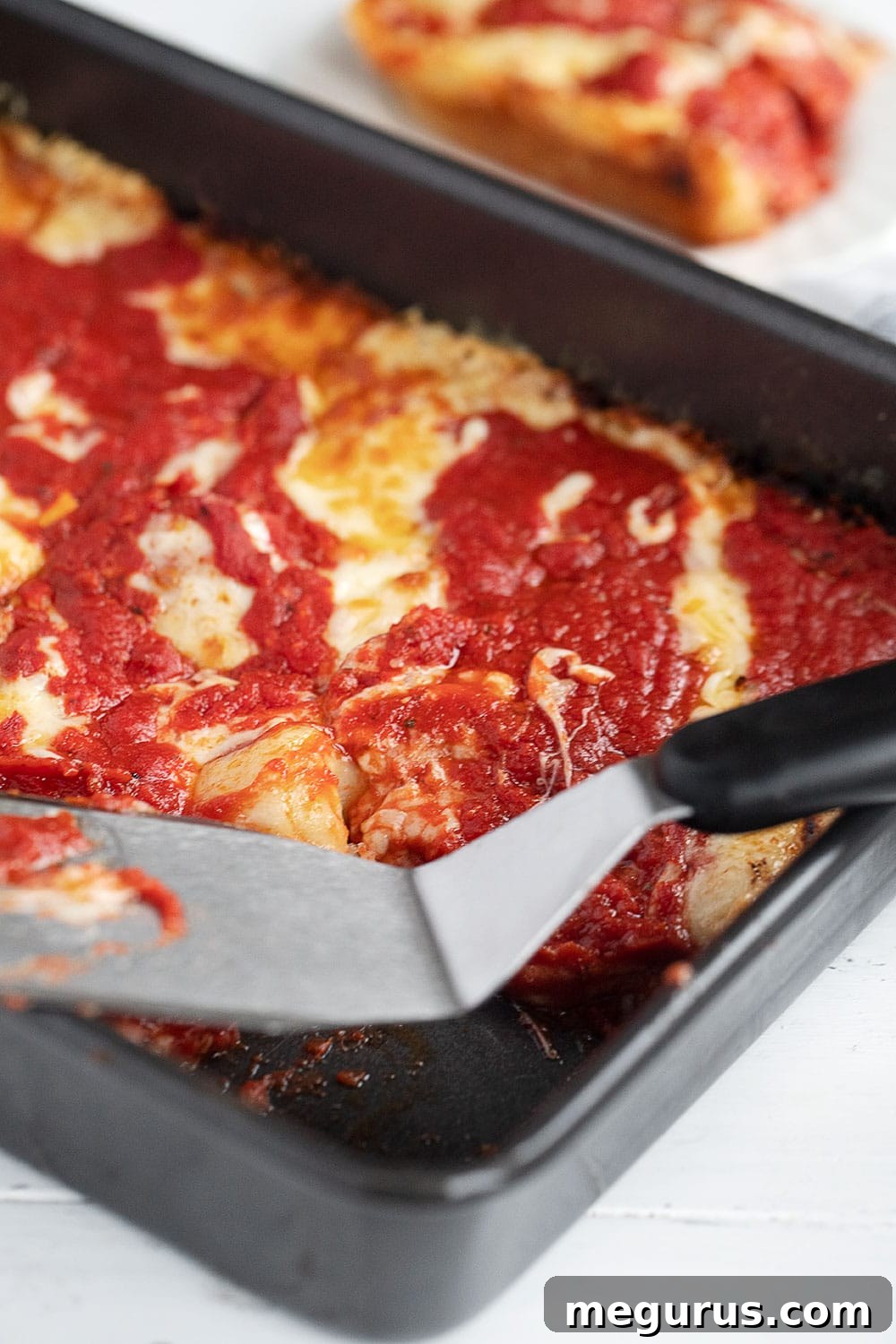
- Ensuring a Cooked Crust: Baking time can vary considerably depending on your specific oven and the material/color of your baking pan. The most disappointing outcome is an undercooked crust. Always err on the side of baking longer rather than pulling it out too soon. To check for doneness, carefully lift an edge of the pizza with a spatula; the underside should be a deep, rich golden brown. If it’s pale, return it to the oven for a few more minutes until it reaches the desired color and crispness.
Detroit Deep Dish Pizza
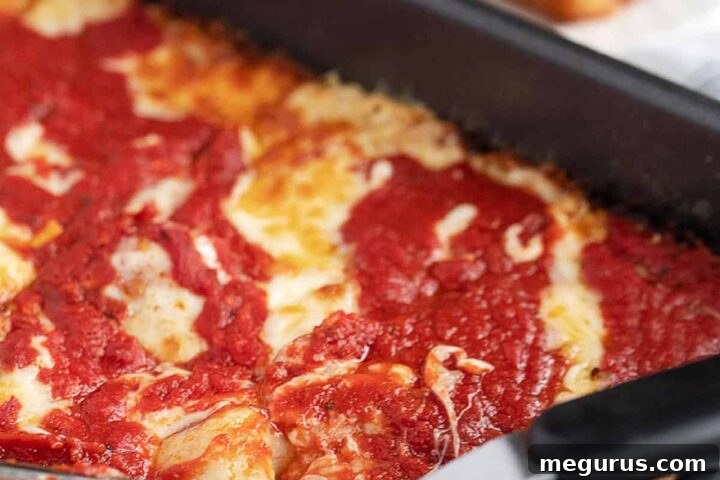
Experience the joy of making delicious Detroit pizza at home, complete with an incredibly airy crust, a savory pepperoni layer nestled at the bottom, rich sauce on top, and an abundance of perfectly melted cheese with crispy caramelized edges.
Pin This
Prep Time: 20 mins
Resting and Rising Time: 3 hrs 20 mins
Total Time: 3 hrs 40 mins
Yield: 12 servings
Ingredients
For the Detroit pizza dough:
- 1 cup (205g) lukewarm water, about 105°F (40°C)
- 1/2 tsp active dry or instant yeast
- 2 1/4 cups (273g) all-purpose flour, spooned and leveled
- 3/4 teaspoon fine salt
For pizza sauce: (or use 400ml/14oz of your favorite store-bought pizza sauce)
- 1 Tablespoon olive oil
- 1 clove garlic, chopped
- 3 Tablespoons tomato paste
- 14 oz (400 ml) can crushed tomatoes
- 1/2 teaspoon white granulated sugar
- 1/4 teaspoon salt
- 1/2 teaspoon dried oregano leaves
- 1/2 teaspoon dried basil leaves
- Pinch red pepper flakes, optional
For the toppings:
- 4-5 oz (125g) Pepperoni slices
- 2 cups Brick cheese or old white cheddar, shredded and packed (for the edges)
- 3 cups additional shredded cheese, mozzarella, provolone, white cheddar mix recommended (for the center)
Instructions
- Make the dough: In the bowl of a stand mixer fitted with a kneading hook, add the lukewarm water and yeast, stir, and let stand for a few minutes until activated. Add the flour and salt, then mix until the flour is just moistened. Knead with the dough hook on Speed 2 for 6-8 minutes. The dough will remain very moist and sticky, gathering only slightly around the bottom of the hook, as it’s not designed for traditional hand-kneading. Cover the bowl with a clean tea towel and let the dough rest for 20 minutes. If you are making the dough without a mixer, combine ingredients in a large bowl and use a spatula or sturdy spoon to mix thoroughly. Refer to the ‘Expert Tips’ section above for guidance on working with wet dough by hand, then cover and rest the dough for 20 minutes as instructed.
- For the pizza sauce (if making your own): Heat olive oil in a medium saucepan. Add chopped garlic and cook, stirring, for about 45 seconds until fragrant. Stir in the tomato paste and cook for another 45 seconds, or until it slightly darkens, enhancing its flavor. Add the crushed tomatoes, sugar, salt, oregano, basil, and optional red pepper flakes, stirring to combine. Bring the mixture to a boil, then reduce heat to low, cover, and simmer for 20-30 minutes, allowing the flavors to meld and deepen. Remove the lid; if a thicker sauce is desired, continue to cook uncovered for a few more minutes. Allow to cool completely before applying to the pizza. This sauce can be made ahead of time and refrigerated in an airtight container.
- Once the dough has rested, generously brush a 10×14 or 9×13-inch metal baking pan (with at least 2-inch high sides) with 2 teaspoons of olive oil. Using a silicone bowl scraper or rubber spatula, transfer the sticky dough into the oiled pan. Lightly oil or wet your fingers, then gently press and stretch the dough to cover the entire bottom surface of the pan. If the dough resists or retracts, pause for 5 minutes to let it relax, then resume spreading. Once the dough is evenly spread, cover the pan with plastic wrap and allow it to rise at room temperature for at least 3 hours, with 4 hours being preferable for optimal airiness.
- Preheat your oven to 425°F (220°C). Ensure the oven rack is positioned on the lowest level; this is crucial for achieving a crispy bottom crust. Do not use a convection or fan-assisted setting, as it can dry out the crust.
- After the dough has fully risen, carefully remove the plastic wrap. Arrange the pepperoni slices in an even layer directly over the dough, overlapping slightly to cover the surface almost entirely. Next, create a “wall” by sprinkling a row of Brick cheese (or old white cheddar) along the outside edge of the pan. Then, fill the center of the pizza with your additional shredded cheese mix (mozzarella, provolone, white cheddar recommended). Finally, pour about 2 cups of the prepared pizza sauce over the top of the cheese layer in a zig-zag pattern or two distinct lines, ensuring that some cheese remains exposed to crisp up.
- Bake the pizza on the bottom oven rack of the preheated 425°F oven for approximately 25-30 minutes, or until the dough is thoroughly cooked and the edges are deeply golden and caramelized. Baking times can vary by individual oven and the specific size/material of your baking pan, so it’s always best to cook longer if in doubt rather than risk an undercooked crust. To verify doneness, carefully remove the pizza from the oven and use a spatula to gently lift an edge; the bottom of the crust should be a rich, golden brown. If not, return it to the oven for additional baking time.
- Let the pizza stand in the pan for 8-10 minutes to allow the cheese to set and the crust to firm slightly before slicing into generous squares and serving.
Notes
For additional helpful tips on making this pizza and step-by-step photos that complement these instructions, please refer to the “Expert Tips for Detroit Pizza Success!” section above the recipe card.
Cuisine: American
Course: Main Course
Author: Jennifer Maloney
Nutrition Information (per serving):
- Serving: 1 serving
- Calories: 320 kcal
- Carbohydrates: 23g
- Protein: 18g
- Fat: 18g
- Saturated Fat: 9g
- Trans Fat: 1g
- Cholesterol: 45mg
- Sodium: 738mg
- Potassium: 241mg
- Fiber: 2g
- Sugar: 2g
- Vitamin A: 492IU
- Vitamin C: 4mg
- Calcium: 363mg
- Iron: 2mg
Tried this recipe?
If you enjoyed this recipe, please consider leaving a star rating and comment. Your feedback helps others discover and enjoy this delicious pizza!