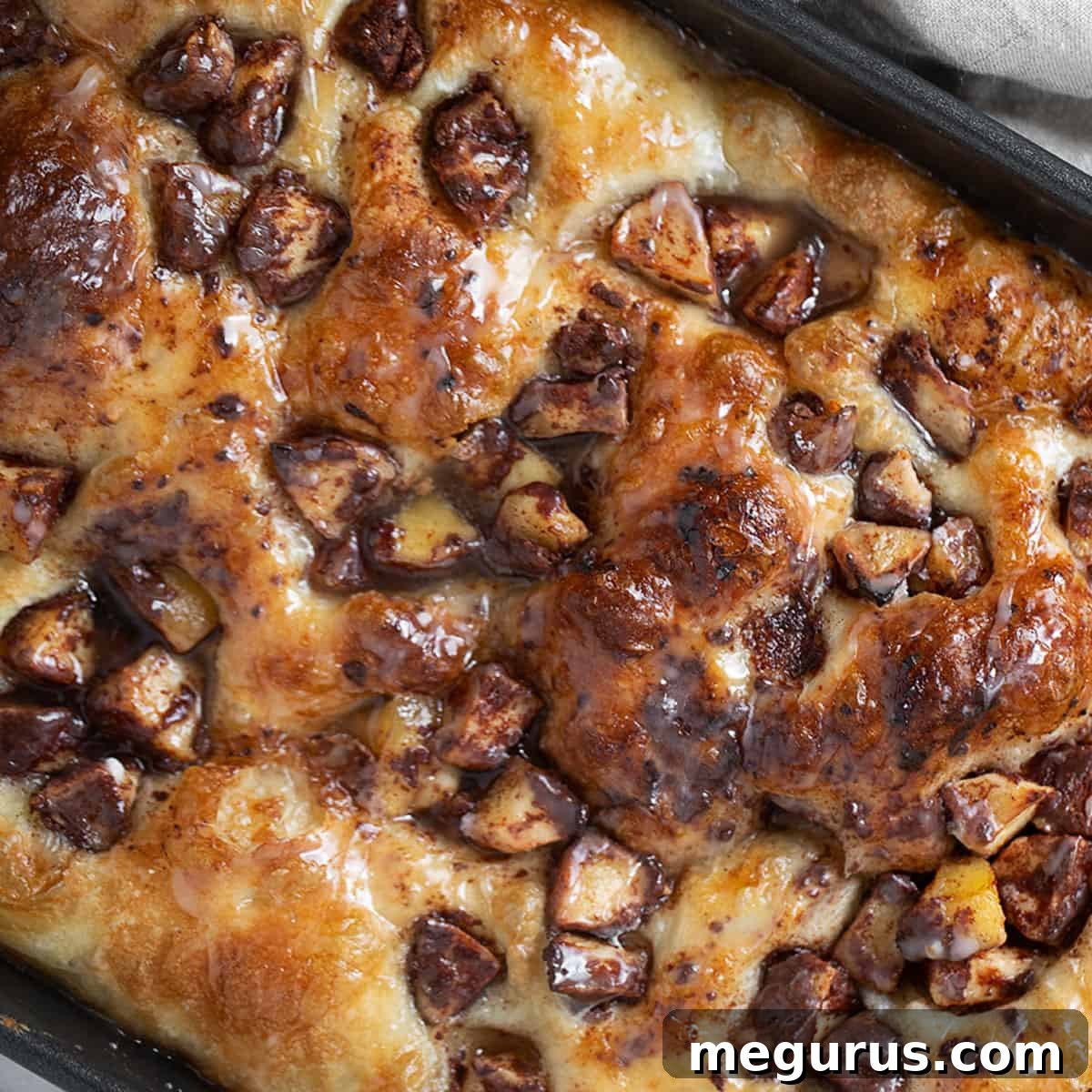
Imagine the irresistible flavors of your favorite apple fritters – the tender, cinnamon-spiced apple chunks enveloped in a light, sweet batter, all finished with a luscious, classic glaze. Now, picture all of that delectable goodness infused into a perfectly airy focaccia, baked to golden perfection without a single drop of deep-fry oil. Welcome to the world of Apple Fritter Focaccia, a delightful autumnal treat that captures the essence of fall in every bite.
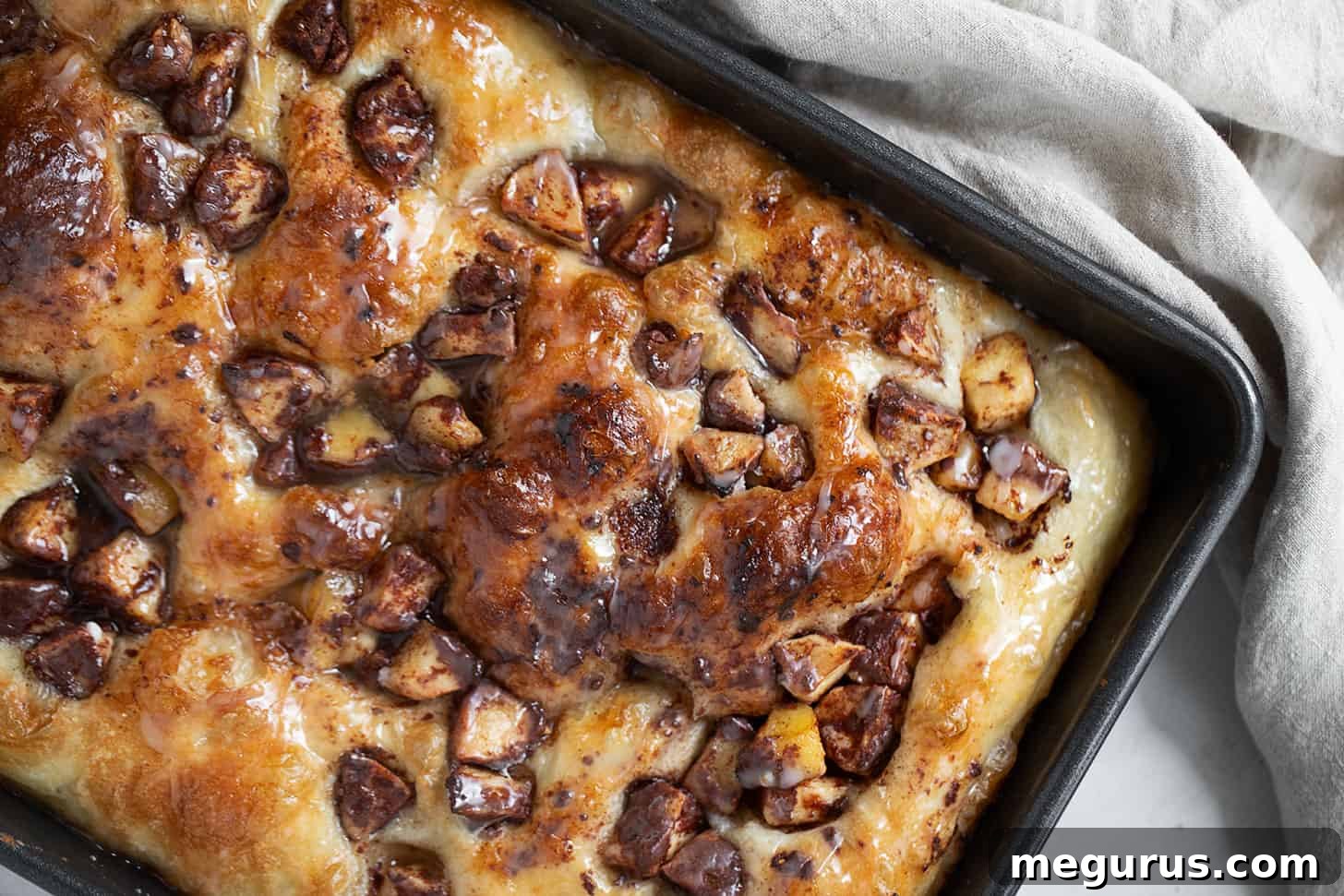
For years, I’ve cherished my traditional deep-fried apple fritter recipe, a true classic that delivers that unmistakable doughnut-like texture. However, I understand that deep-frying isn’t for everyone. If you’re seeking a way to savor those beloved apple fritter flavors without the mess and fuss of a deep fryer, this innovative apple fritter focaccia is tailor-made for you. It’s a revelation, offering a healthier yet equally satisfying alternative that will quickly become a cherished addition to your fall baking repertoire.
Unveiling the Apple Fritter Focaccia: A Deep Dive into a No-Fry Fall Treat
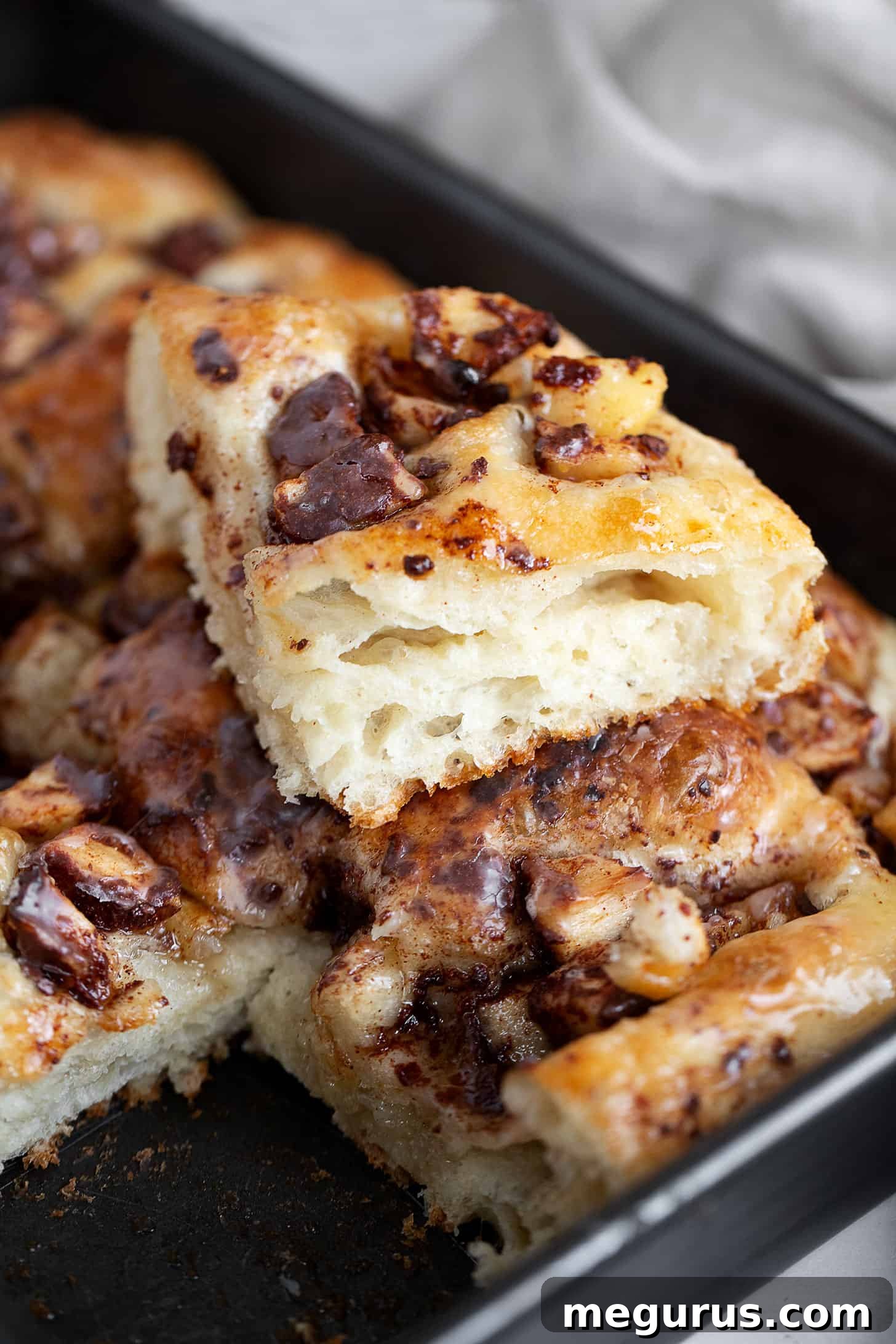
This baked apple fritter focaccia brings you astonishingly close to the authentic experience of a deep-fried fritter, but with a unique focaccia twist. The secret lies in the generous amount of oil used in the baking pan, which allows the focaccia to develop an incredibly crispy, almost fried exterior as it bakes. This creates a remarkable contrast with the soft, fluffy interior. Each square boasts a lightly crisp, sweetly glazed top, while the inside remains wonderfully light and tender, infused with the same vibrant apple and spice mixture found in traditional fritters. It’s the perfect harmony of textures and flavors, making it an ideal fall dessert or a delightful breakfast pastry.
The Allure of Apple Fritters, Reimagined
Apple fritters hold a special place in many hearts, evoking cozy memories of crisp autumn days, warm spices, and juicy apples. The classic combination of sweet apples, fragrant cinnamon, and a delicate glaze is simply irresistible. This focaccia reimagines that beloved profile, transforming it into an accessible, baked good that everyone can enjoy. By transferring the core elements of a fritter – the sweet apple chunks, warm spices, and a simple sugar glaze – to a versatile focaccia base, we create a less daunting baking project without compromising on taste. It’s an ideal recipe for those looking to expand their baking skills beyond traditional breads and explore creative flavor combinations.
Why Choose Baked Focaccia Over Deep-Fried?
Beyond the obvious benefit of avoiding deep-frying, this no-fry apple fritter alternative offers several advantages. Firstly, it’s significantly less messy. No splattering oil, no large pots to clean, and no specialized equipment needed beyond a standard baking pan. Secondly, the baking process yields a different, yet equally appealing, texture. The focaccia’s characteristic chewy crumb, combined with the crispy bottom and soft top, provides a sophisticated mouthfeel that differs from, but doesn’t detract from, the fritter experience. It’s also often perceived as a lighter option, making it a guilt-free indulgence. This recipe proves that you don’t need a deep fryer to achieve extraordinary apple fritter flavor and a truly satisfying treat.
Essential Ingredients for Your Apple Fritter Focaccia
Crafting the perfect apple fritter focaccia relies on a few key ingredients. Understanding their role and potential substitutions will help ensure your baking success.
Understanding Your Focaccia Dough Ingredients
- Bread Flour (aka Strong Flour): This is highly recommended for focaccia dough due to its higher protein content, which develops more gluten. More gluten means a chewier, more elastic dough, resulting in that signature airy, open crumb structure characteristic of great focaccia. While you can use all-purpose flour in a pinch, you might need to adjust the amount slightly to achieve the correct dough consistency, and the final texture might be a bit less robust.
- Yeast (Instant vs. Active Dry): Instant yeast, such as SAF, is preferred because it can be mixed directly into the dry ingredients without prior proofing. This streamlines the dough-making process. If you only have active dry yeast, it’s crucial to proof it first. This involves dissolving the yeast in lukewarm water with a pinch of honey or sugar and letting it sit for about 10 minutes until foamy, ensuring it’s active before adding it to your flour mixture.
- Oil (Neutral Cooking Oil): While classic focaccia typically calls for olive oil, this recipe specifically uses a neutral-tasting cooking oil like vegetable oil, canola oil, or sunflower oil. This substitution is intentional, as a neutral oil allows the distinct apple and cinnamon flavors of the “fritter” component to shine through without the robust, earthy notes of olive oil. This subtle change helps channel the familiar taste profile of traditional apple fritters more effectively.
- Honey or White Sugar: A small amount of sweetener in the dough acts as food for the yeast, helping it activate and produce carbon dioxide, which gives the focaccia its rise and airy texture. Both honey and white sugar work equally well for this purpose, with honey potentially adding a very subtle hint of flavor.
- Fine Table Salt: Salt is essential in bread making. It not only enhances the flavor of the dough but also helps to regulate the yeast activity, preventing it from rising too quickly and contributing to a better crumb structure.
Selecting the Perfect Apples for Your Fritter Focaccia
- Apples (Firm & Tart): The choice of apple is critical for both flavor and texture. A firm, tart, or somewhat tart apple is the ideal candidate. The tartness provides a delightful contrast to the sweet glaze, preventing the overall dish from being overly sweet. Moreover, firm apples hold their shape beautifully during baking, ensuring you get lovely chunks of apple throughout the focaccia rather than a mushy filling. Granny Smith is a popular super-tart option, but I often prefer red-skinned tart apples like Pink Lady, Empire, Cortland, Northern Spy, or Braeburn. Essentially, any apple you would typically use for a pie will work wonderfully here.
- Lemon Juice: A splash of fresh lemon juice serves two important purposes for the apples. Firstly, it brightens their flavor, enhancing their natural tartness. Secondly, and perhaps more importantly, it helps prevent the diced apples from browning as they sit, ensuring they look as appealing as they taste in your finished focaccia.
Crafting the Signature Fritter Glaze
- Icing/Confectioners’ Sugar: This finely powdered sugar forms the base of our classic fritter glaze, creating a smooth and sweet coating.
- Light Corn Syrup: This is a key ingredient in the glaze, even in a small amount. As an invert sugar, light corn syrup plays a crucial role in preventing the granulated sugar in the glaze from crystallizing. This ensures a beautifully smooth, shiny, and non-gritty glaze. “Light” refers to its clear color, which won’t affect the glaze’s appearance. If you don’t have corn syrup, honey or golden syrup can be used as substitutes, though they will impart a subtle flavor difference to the glaze.
- Fine Table Salt: A tiny pinch of salt in the glaze helps to balance the sweetness, enhancing the overall flavor profile.
- Vanilla Extract: Vanilla is a classic complement to apples and cinnamon, adding depth and warmth to the glaze. Use a good quality pure vanilla extract for the best flavor.
- Water & Granulated Sugar: These are boiled together to create a simple sugar syrup that, when combined with the icing sugar, forms the liquid base of the glaze. This hot syrup helps dissolve the icing sugar completely, ensuring a smooth consistency.
Step-by-Step Guide to Making Apple Fritter Focaccia
Follow these detailed steps to create your own irresistible apple cinnamon focaccia. Paying attention to the resting and rising times is key to achieving that perfect airy texture.
Part 1: Preparing the Focaccia Dough
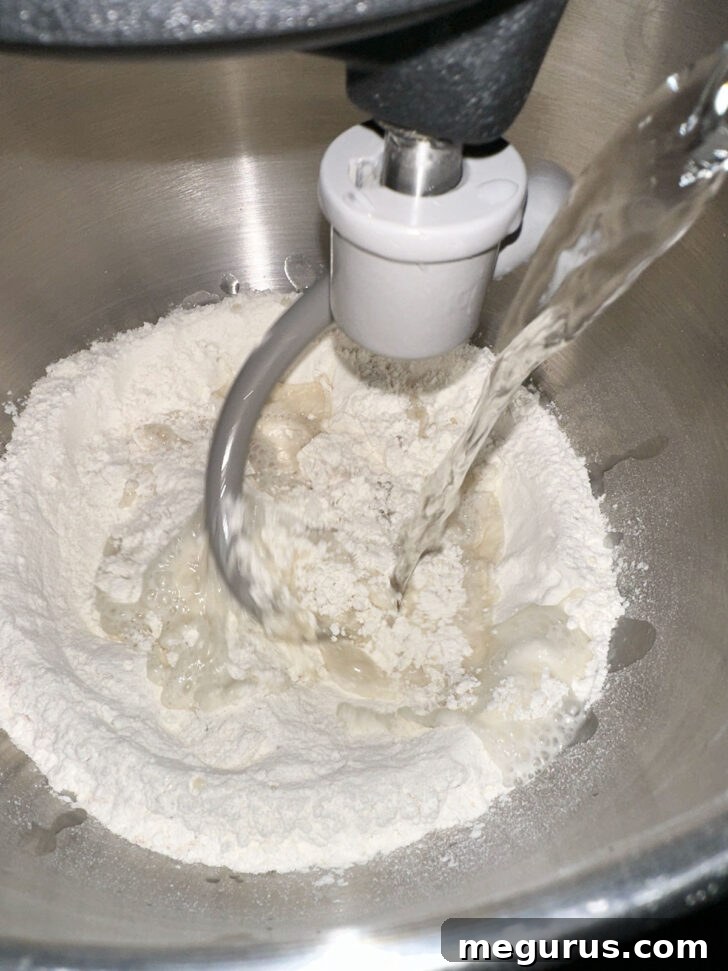
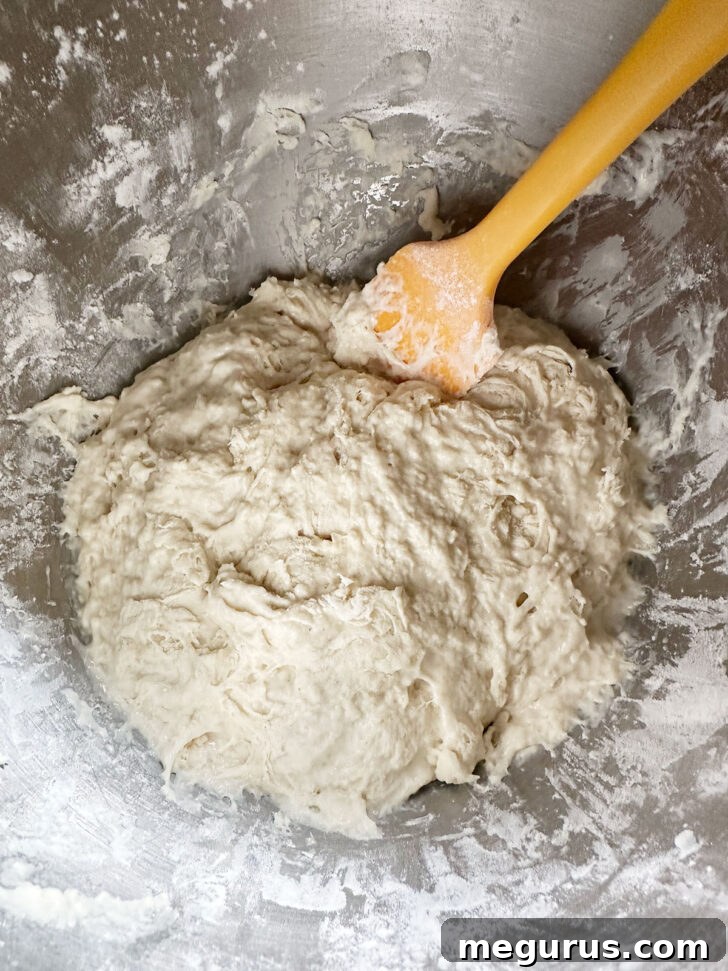
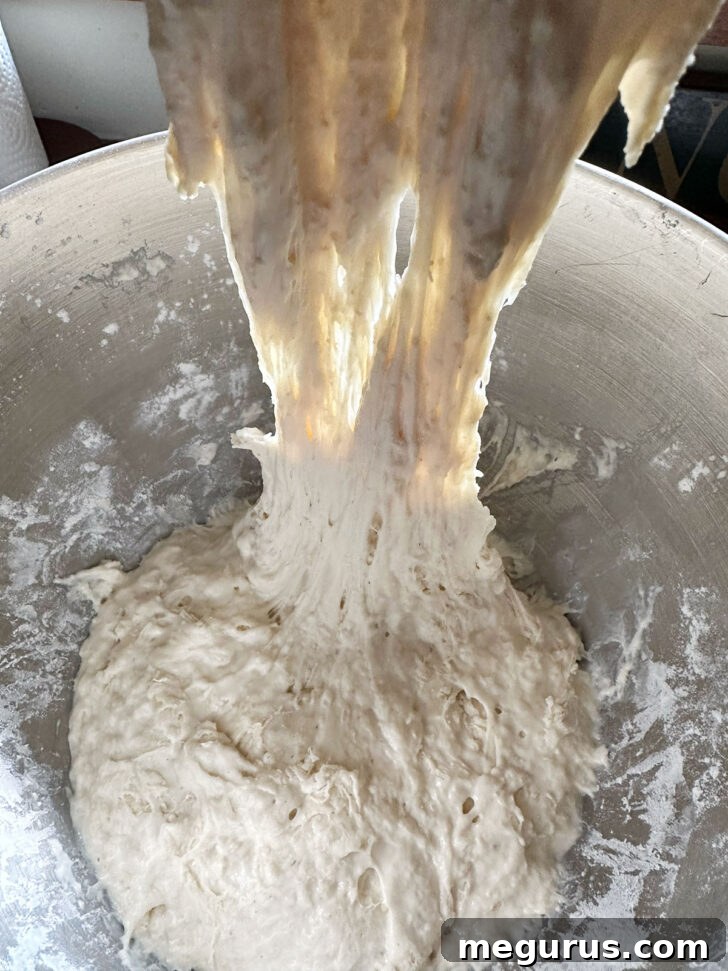
- Combine and Rest: Begin by combining all the focaccia dough ingredients – bread flour, lukewarm water, instant yeast, vegetable oil, honey (or sugar), and salt – in a large mixing bowl or the bowl of a stand mixer. Stir them until just combined; the dough will be quite wet and shaggy, which is perfectly normal for focaccia. Cover the bowl with a clean tea towel and let it rest for 15 minutes. This initial rest allows the flour to hydrate fully.
- Stretch and Fold: After the first rest, perform a series of “stretches and folds” directly in the bowl (refer to the “Expert Tips” section for a detailed guide on this technique). This gentle method helps develop gluten without traditional kneading. Cover the dough again and let it rest for another 15 minutes. Repeat the stretch and fold process once more.
- Initial Rise: After the second set of stretches and folds, cover the bowl again and let the dough rise at room temperature for one hour. During this time, the yeast will begin to work, and the dough will start to expand.
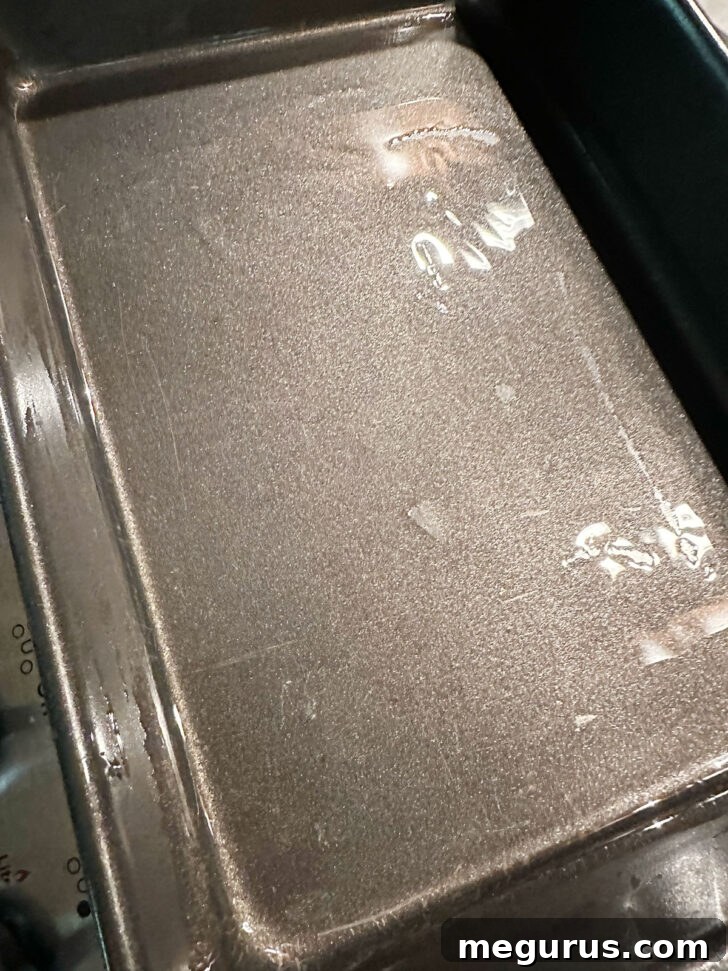
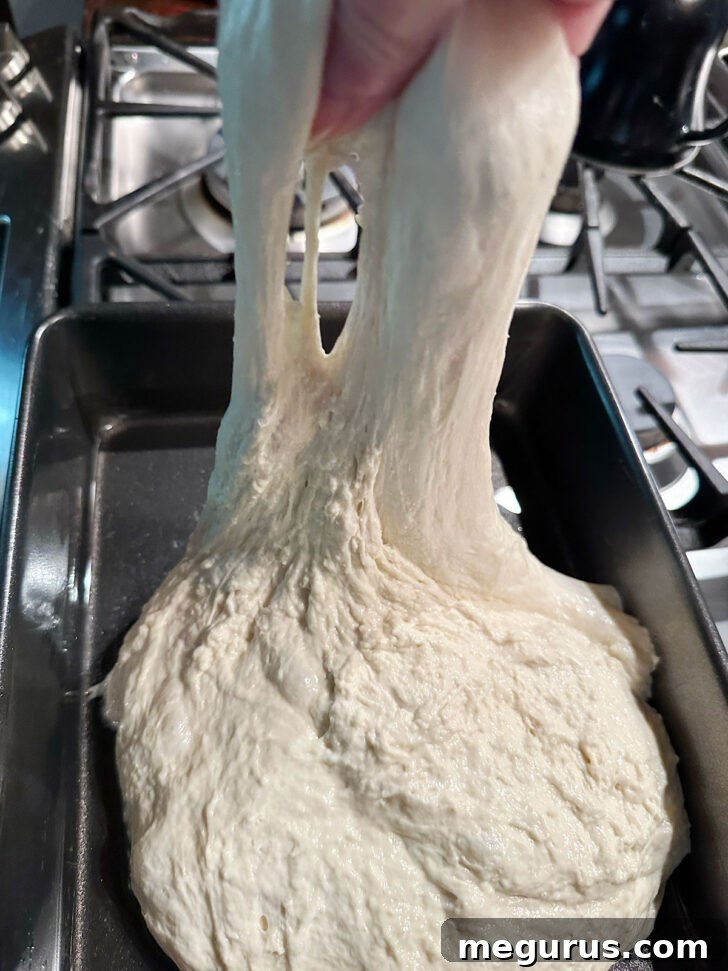
- Oil the Pan: While the dough is on its initial rise, generously oil a 9×13-inch metal baking pan with about 2 tablespoons of neutral cooking oil, ensuring the bottom and sides are well coated. This oil contributes to the crispy “fried” texture of the focaccia’s base.
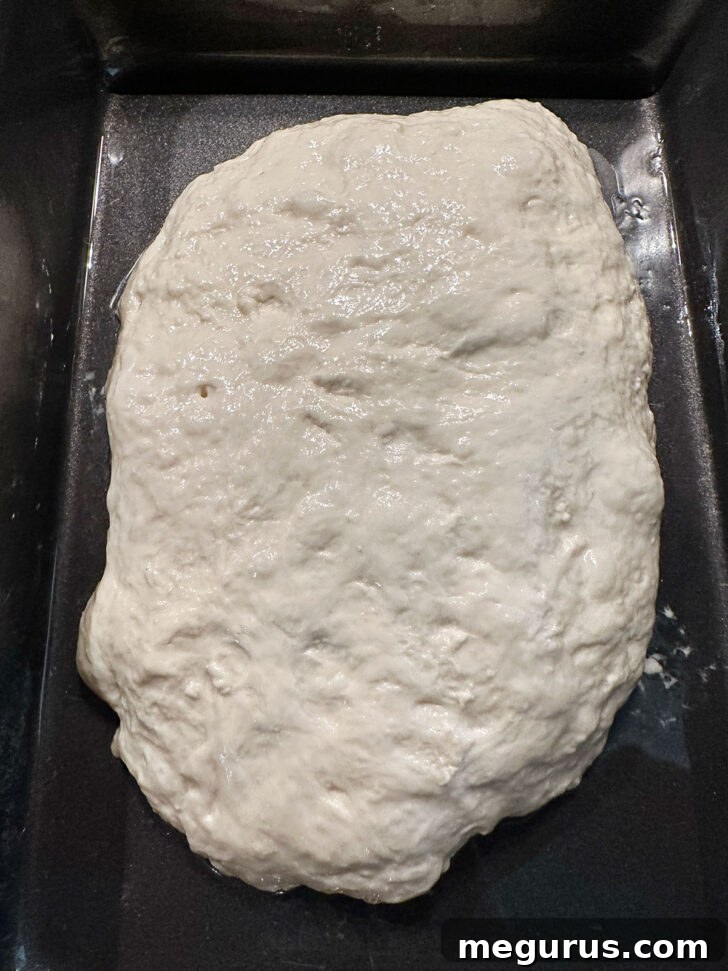
- Shape in Pan: Gently pour the risen dough into the prepared pan. Perform another round of stretches and rough shaping directly in the pan, folding it over itself a few times. Then, flip the dough so that the smooth side faces up. Don’t worry about stretching it to fill the entire pan yet; it will naturally spread as it continues to rise.
- Second Rise: Cover the pan (either with a large baking sheet or plastic wrap) and allow the dough to undergo its final rise for an hour and a half. This longer proof will let the dough fully relax and expand to mostly fill the pan, creating that signature focaccia volume and airiness.
Part 2: Crafting the Cinnamon Apple Topping
While your focaccia dough is on its second rise, you’ll prepare the fragrant cinnamon apple topping.
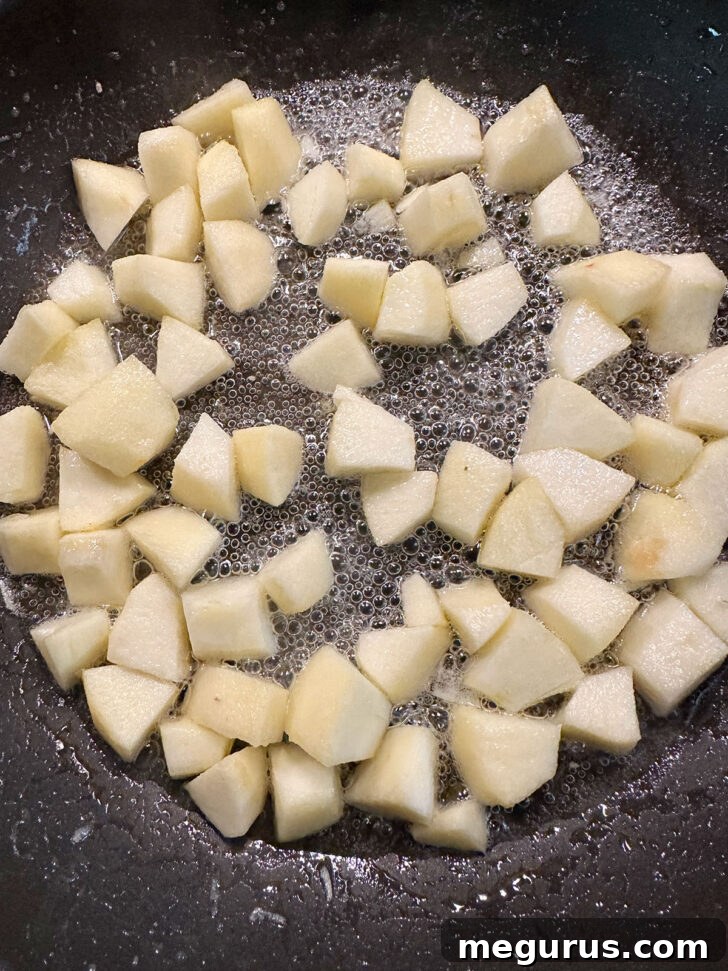
- Cook the Apples: In a skillet over medium heat, combine the diced apples, white granulated sugar, and lemon juice. Cook, stirring frequently, until the apples have softened and most of the liquid has evaporated. This usually takes about 5 minutes. The goal is tender, not mushy, apples.
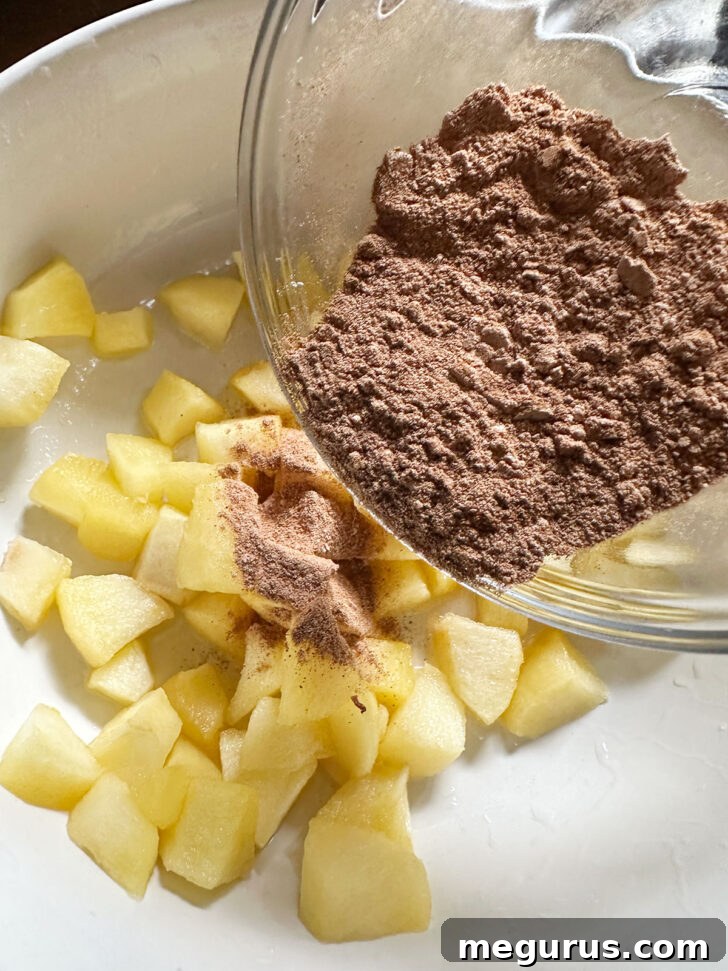
- Flavor with Cinnamon Sugar: Remove the cooked apples to a bowl. In a separate small bowl, mix together the ground cinnamon and all-purpose flour. Sprinkle this cinnamon-flour mixture over the warm apples.
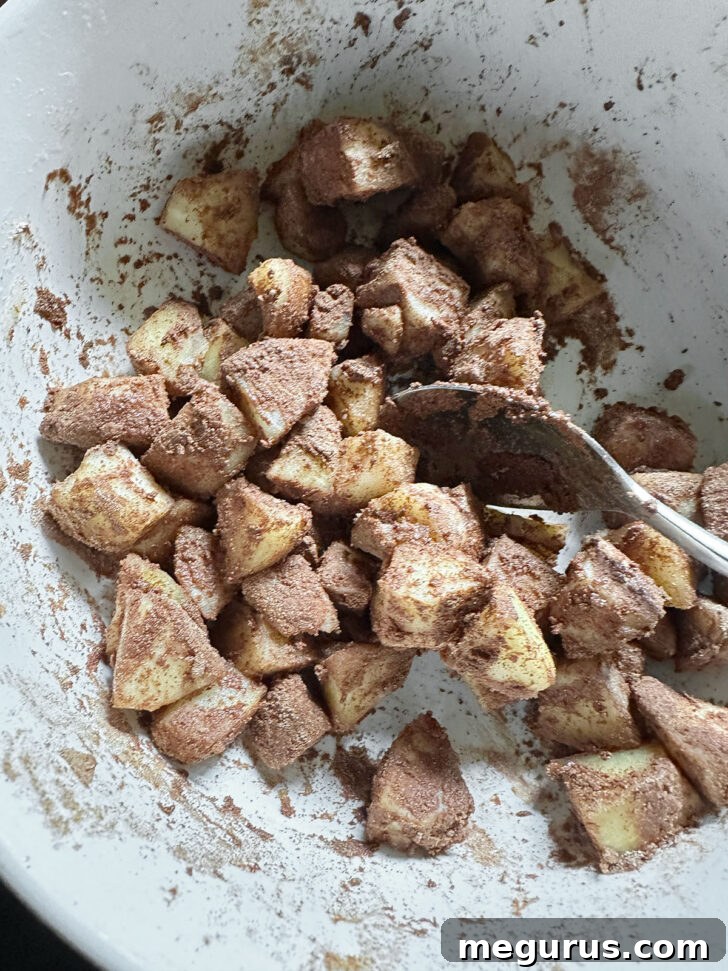
- Set Aside: Stir everything together thoroughly to ensure the apples are evenly coated with the cinnamon-sugar mixture. Set the bowl aside while you continue with the focaccia.
Part 3: Assembling and Baking Your Focaccia
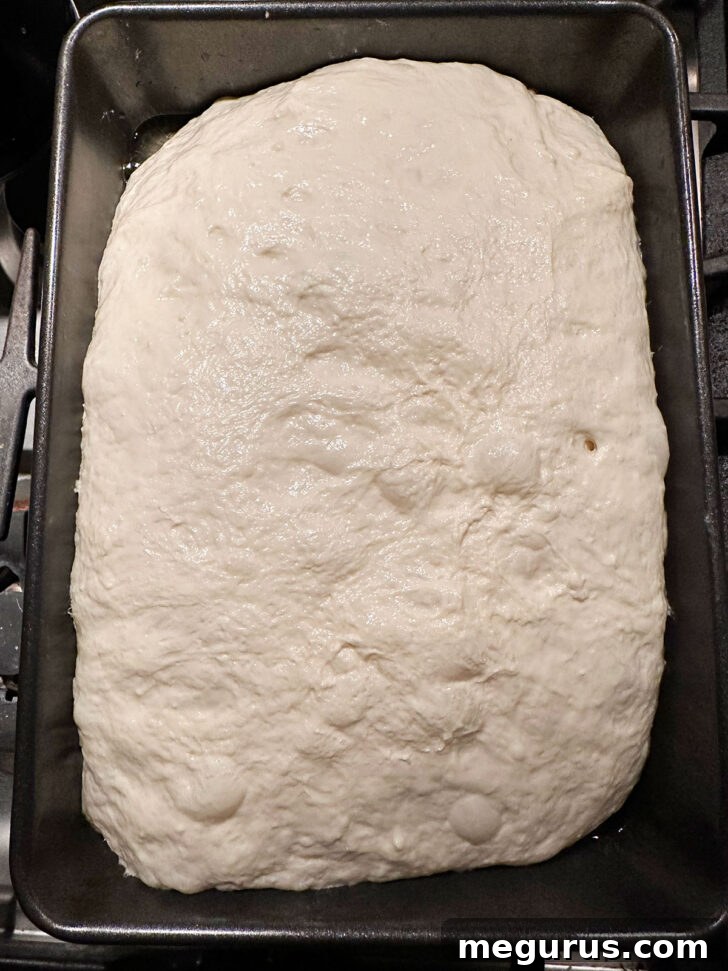
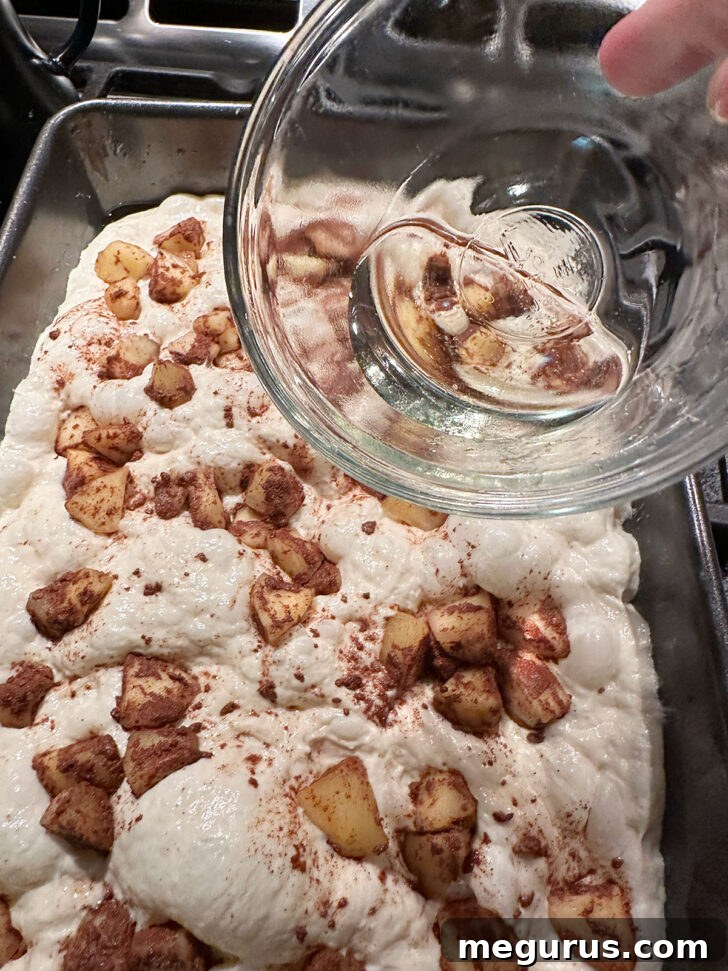
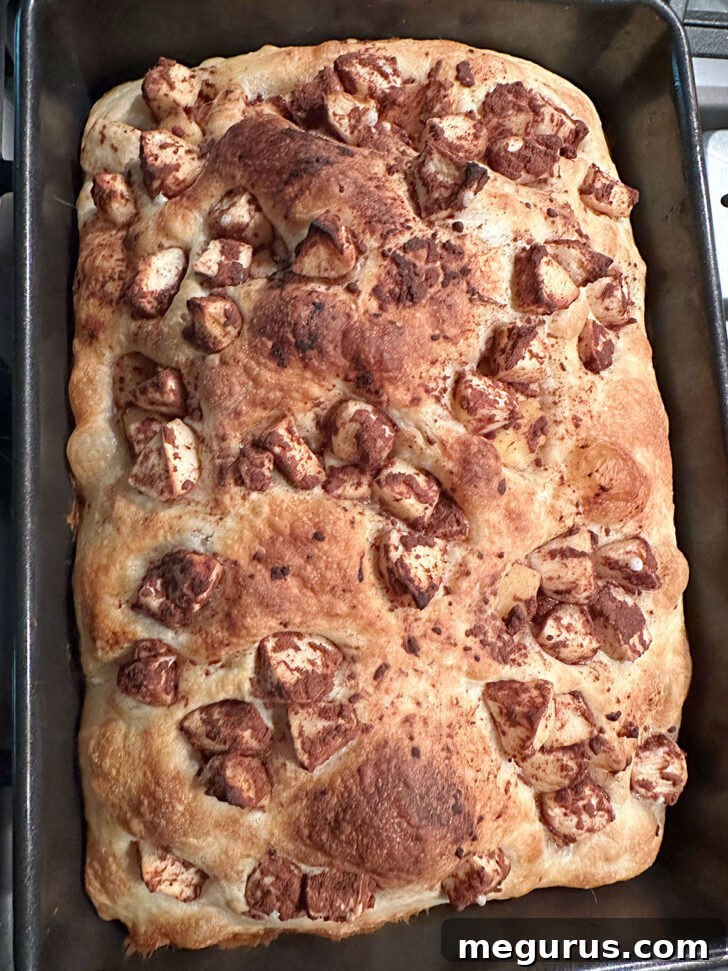
- Final Dough Expansion: By this point, your focaccia dough should have risen beautifully, expanded to largely fill the baking pan, and appear wonderfully airy.
- Add Topping and Dimple: Preheat your oven to 425°F (non-convection/not fan-assisted). Scatter the prepared cinnamon apples evenly over the top of the risen dough. Using oiled fingertips, gently but firmly make many dimples across the surface of the dough, pushing the apple pieces down into the dough as you go. This classic focaccia technique creates pockets for oil and air, enhancing the texture. Drizzle a little more vegetable oil over the top of the dough before baking.
- Bake to Golden Perfection: Place the focaccia in the preheated oven and bake for 19-23 minutes, or until the top is a deep golden brown and the edges are beautifully crispy. While the focaccia is baking, prepare your fritter glaze.
Part 4: Preparing and Applying the Fritter Glaze
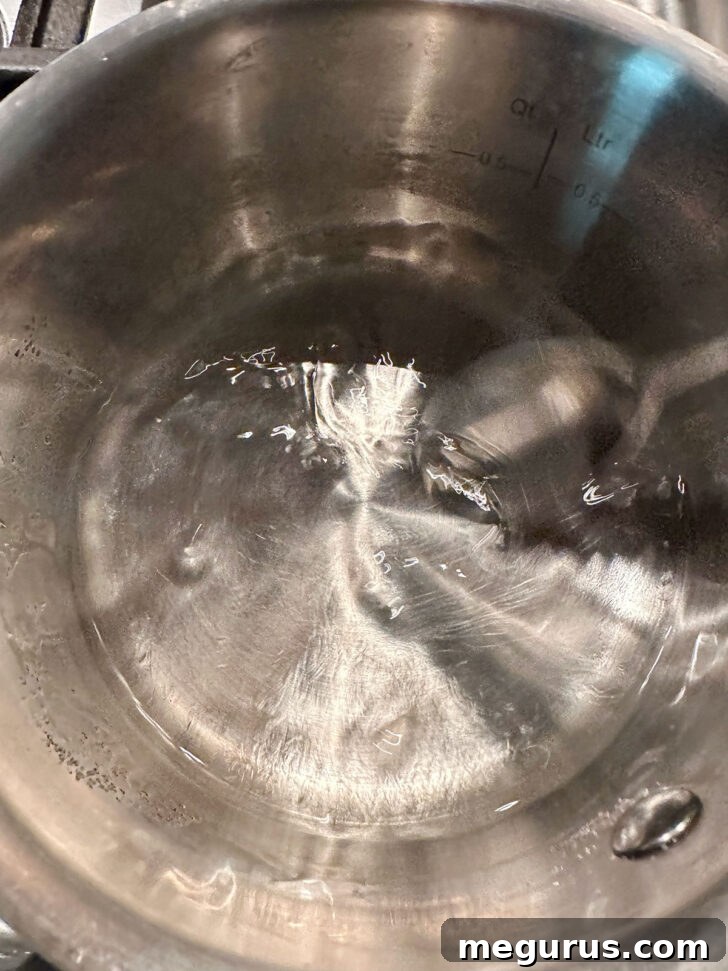
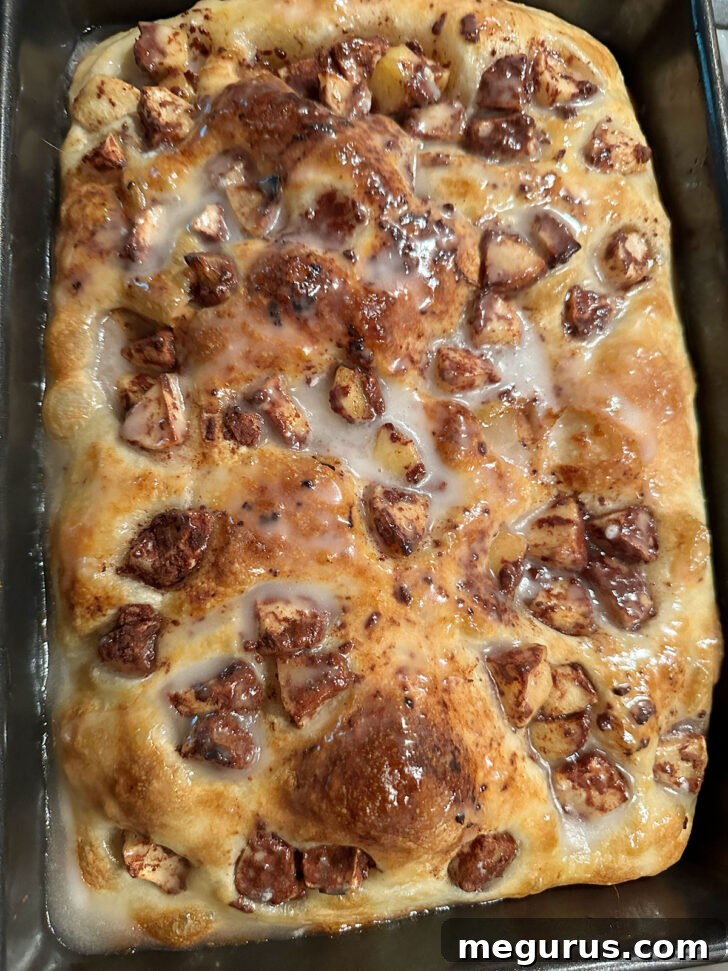
- Boil Syrup Ingredients: In a small saucepan, bring the water and white granulated sugar to a boil over high heat. Reduce the heat to medium and let it simmer for just 1 minute. This creates a simple sugar syrup base for the glaze.
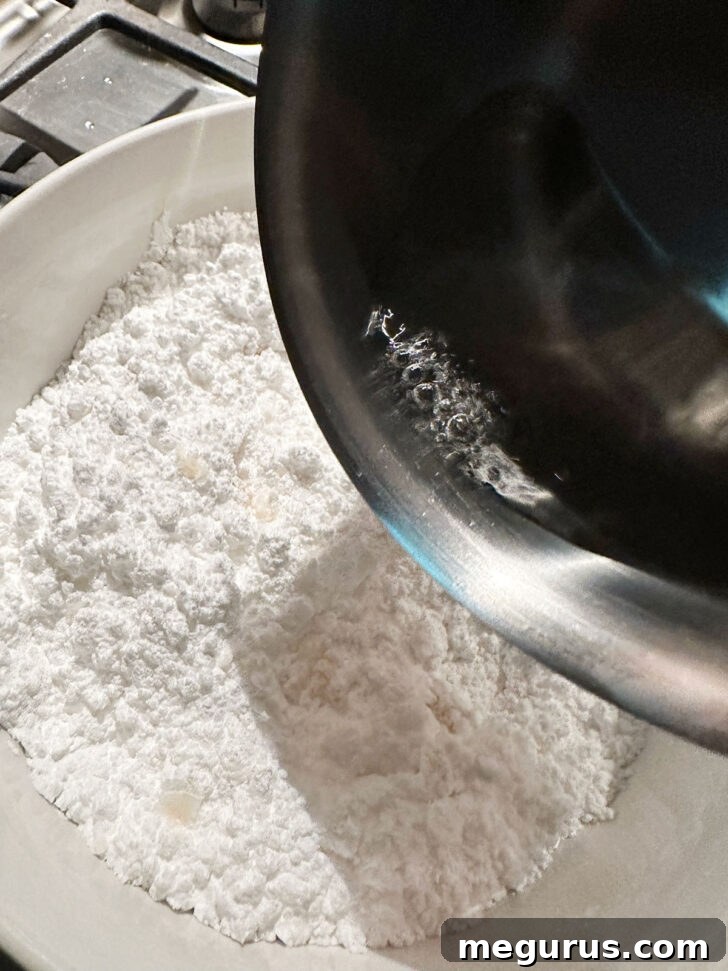
- Whisk the Glaze: In a medium bowl, combine the icing sugar, light corn syrup, salt, and vanilla extract. Pour the hot sugar syrup mixture into this bowl and immediately whisk vigorously until all the icing sugar is completely dissolved and the mixture is perfectly smooth, with no lumps remaining. Cover the glaze with plastic wrap to prevent a skin from forming and set it aside until your focaccia is ready.
- Glaze and Serve: Once the focaccia is out of the oven, allow it to rest in the pan for about 5 minutes. Then, pour the prepared fritter glaze evenly over the warm focaccia. Use the back of a spoon or an offset spatula to spread the glaze to cover the entire top surface. Let the focaccia cool further, allowing the glaze to set completely, before slicing it into squares and serving this amazing easy focaccia recipe.
Expert Tips for Focaccia Success
Working with focaccia dough can feel a bit different from other bread doughs, but it’s remarkably forgiving. The key is to embrace its wetness:
Mastering the “Stretch and Fold” Technique: Focaccia dough is purposefully very wet and sticky, meaning it’s not meant for traditional kneading. Instead, we use the “stretch and fold” method, which is a gentle way to develop gluten and build structure. Here’s how to do it effectively right in your mixing bowl:
- Grab an Edge: Reach your hand under one side of the dough at the edge of the bowl.
- Pull Up to Stretch: Gently pull the dough straight up, stretching it upwards as far as it will comfortably go without tearing.
- Fold Over: Fold the stretched dough back over the main dough ball in the center of the bowl.
- Rotate and Repeat: Rotate your bowl a quarter turn (90 degrees) and repeat the stretch and fold process. Continue this for a total of four stretches and folds, working your way around the entire circumference of the bowl.
Don’t stress about doing it perfectly; the dough will improve with each resting and folding cycle. This process builds strength and elasticity gradually, leading to a beautifully airy crumb without the intense effort of kneading.
Yeast Activation: If using active dry yeast instead of instant yeast, it’s crucial to activate it first. Combine it with the lukewarm water (around 105°F) and a teaspoon of honey or sugar. Stir gently and let it sit for 5-10 minutes until a foamy layer forms on the surface. This indicates the yeast is active and ready to work. If no foam appears, your yeast may be old or the water temperature was incorrect, and it’s best to start with new yeast.
The Importance of Oil: Don’t be shy with the oil! Focaccia thrives on it. The oil in the pan prevents sticking, creates a delicious crispy crust, and contributes to the overall rich flavor. A generous drizzle over the top before baking also adds moisture and promotes a beautiful golden finish.
Serving, Storing, and Freezing Your Apple Fritter Focaccia
This apple fritter focaccia is incredibly versatile and delicious in many contexts. Knowing how to properly serve and store it will help you enjoy every last crumb.
Best Ways to Enjoy
While this focaccia is utterly delightful warm from the oven, allowing the glaze to set makes it easier to cut into perfect squares. Serve it for a special weekend breakfast or brunch, accompanied by a cup of coffee or tea. It also makes an exceptional fall dessert or a comforting afternoon snack. The combination of sweet apples, cinnamon, and the bread-like base makes it satisfying any time of day. Consider warming individual slices gently in a toaster oven for a few minutes to revive its crispy edges and soft interior, making it taste freshly baked.
Storage Solutions
For the best experience, this apple fritter focaccia is truly at its peak on the day it’s baked. The crust is at its crispiest, and the interior is at its fluffiest. However, it remains quite delicious on the second day. To store, simply cover it well with plastic wrap or place it in an airtight container at room temperature. This will help maintain its freshness and prevent it from drying out.
Freezing for Later Indulgence
If you find yourself with leftovers or wish to prepare this treat ahead of time, this focaccia freezes exceptionally well. Once completely cooled and the glaze has fully set, slice the focaccia into individual serving squares. Wrap each piece tightly in plastic wrap, then place them in a freezer-safe bag or airtight container. It can be frozen for up to 3 months without compromising much on quality. To enjoy, simply thaw individual pieces at room temperature or gently reheat them in a toaster oven or conventional oven until warmed through. This makes it an excellent option for meal prepping desserts or having a quick, comforting treat on hand.
Apple Fritter Focaccia Recipe
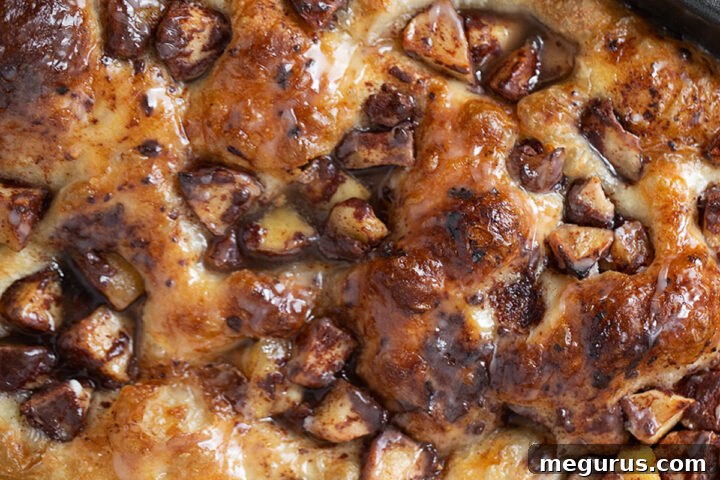
Light and airy focaccia, topped with cinnamon-coated apple chunks and a classic fritter glaze – a baked delight capturing all the flavors of traditional apple fritters.
Average rating: 5 stars from 7 ratings
Pin This
Leave a Review
Prep Time: 20 mins
Cook Time: 30 mins
Resting and Rising Time: 3 hrs
Total Time: 3 hrs 50 mins
Yield: 20 servings
Ingredients
For the focaccia dough:
- 4 cups (500 g) bread flour, spooned and levelled
- 1 3/4 cup (420 ml) lukewarm water, about 105°F
- 2 teaspoons (6 g) Instant yeast *see Note 1 below for using Active dry yeast
- 1 Tablespoon (15 ml) vegetable oil, or similar neutral-tasting oil
- 1 teaspoon (5 g) honey or white sugar
- 1 1/2 teaspoons (8 g) fine table salt
For the pan:
- 2 Tablespoons vegetable oil
For the cinnamon apples:
- 2 medium tart apples, peeled, cored and cut into 1/2-inch pieces (*see Note 2 below)
- 1/4 cup white granulated sugar
- 2 teaspoons lemon juice
- 4 teaspoons ground cinnamon
- 1 Tablespoon all-purpose flour
For the fritter glaze:
- 2 cups icing/confectioners/ sugar
- 1/2 teaspoon light corn syrup, or honey or golden syrup
- 1/4 teaspoon fine table salt
- 1/4 teaspoon vanilla extract
- 1 Tablespoon white granulated sugar
- 1/3 cup (80 ml) water
Equipment
- 9×13-inch metal baking pan
- Large bowl or stand mixer with kneading hook
- Skillet
- Small saucepan
- Medium bowl
Instructions
Tip! For best results, use a kitchen scale and weigh the ingredients with the weight measurements and a metric measuring cup for measuring the liquid.
For the focaccia:
- In a large bowl or the bowl of a stand mixer fitted with the kneading hook, mix together the lukewarm water, instant yeast, vegetable oil, honey and salt. Add in the flour and stir together until well combined. Cover the bowl with a tea towel and let rest for 15 minutes. Stretch and fold the dough (see Notes below for how to stretch and fold). Cover the bowl again and rest another 15 minutes. Do another series of stretches and folds. Cover with the towel again and let rise for one hour.
- Add the oil to the bottom of a 9×13-inch metal baking pan and use a brush to evenly spread over the bottom of the pan. Pour the dough into the greased pan, then stretch and fold the dough in the pan, top over bottom, bottom over top, then flip it over so that the smooth side is out. Roughly shape the dough into a rectangle but don’t stretch it to fill the pan. It will spread on its own as it rises. (See step-by-step photos in the main article to see how much of the pan it should fill before it rises.) Use a large baking sheet placed on top of the baking pan as a cover and let the dough rise for an hour and a half. (Alternatively, cover the baking pan with plastic wrap.)
- While the focaccia is rising, prepare the cinnamon apples.
For the cinnamon apples:
- Place the diced apples, sugar and lemon juice into a skillet over medium heat. Cook, stirring often, until all the liquid has evaporated and the apples are softened, about 5 minutes. Remove to a bowl. Stir together the cinnamon and flour in a small bowl, then add to the apples. Stir to coat well and set aside.
For baking:
- Preheat the oven to 425°F (non-convection/not fan-assisted). After the second proof, scatter the cinnamon apples overtop of the dough, then using oiled fingertips, make lots of dimples in the dough, pushing the apples into the dough as you work. Drizzle with a bit more vegetable oil overtop of the dough.
- Bake in the preheated oven for 19-23 minutes or until deep golden. While the focaccia is baking, prepare the glaze.
For the fritter glaze:
- Add the icing sugar, corn syrup, salt and vanilla to a medium bowl and stir together. Set aside. In a small saucepan, bring the water and white granulated sugar to a boil over high heat then reduce the heat to medium and simmer for 1 minute. Add the sugar syrup mixture to the bowl with the icing sugar and whisk until all the sugar has been incorporated and the mixture is smooth. (You don’t want any lumps 🙂 Cover with plastic wrap and set aside until needed.
- When the focaccia is out of the oven, allow it to rest for 5 minutes, then pour the glaze overtop. Use the back of a spoon to spread the glaze to cover the entire top of the focaccia. Allow the focaccia to cool further and the glaze to set before cutting into squares to serve.
Notes
How to stretch and fold the dough: You can stretch and fold the dough right in the mixing bowl. Simply grab the dough around the edge, pull it straight up to stretch it, then lay it down across the top of the dough. Rotate the bowl a quarter turn and repeat the stretch and fold. Rotate, stretch and fold 2 more times, for a total of 4 stretches and folds around the whole of the bowl.
Note 1: For Active Dry yeast, add the yeast to the lukewarm water and the honey (or sugar). Stir and let stand 10 minutes before adding to the bowl with the other dough ingredients.
Note 2: Tart apples include Granny Smith, Pink Lady, Braeburn, Empire, Courtland or any other apple that you might use for an apple pie.
Cuisine: American, Canadian
Course: Snack, Dessert
Author: Jennifer Maloney
Nutrition Information (per serving):
- Serving: 1 serving
- Calories: 185kcal
- Carbohydrates: 37g
- Protein: 4g
- Fat: 3g
- Saturated Fat: 0.4g
- Polyunsaturated Fat: 1g
- Monounsaturated Fat: 1g
- Trans Fat: 0.01g
- Sodium: 207mg
- Potassium: 59mg
- Fiber: 2g
- Sugar: 17g
- Vitamin A: 12IU
- Vitamin C: 1mg
- Calcium: 10mg
- Iron: 0.3mg
If you enjoyed this recipe, please consider leaving a star rating and comment. It helps others to find it!