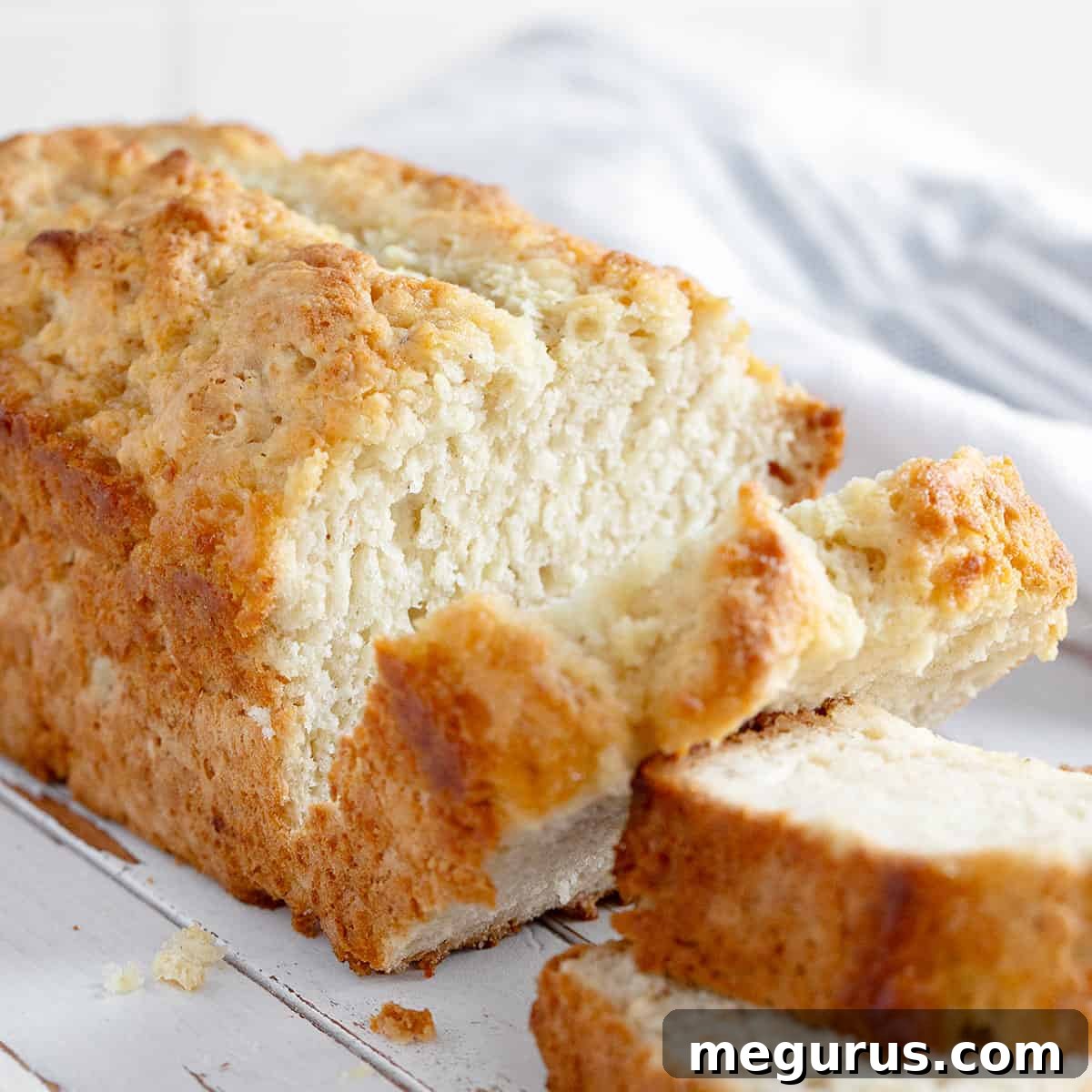
Effortless Honey Butter Beer Bread: Your Go-To No-Yeast Recipe for Cozy Meals
Forget the fuss of yeast and lengthy proofing! This delightful Honey Butter Beer Bread is a true baking revelation, offering a wonderfully tender and flavorful loaf without a single packet of yeast. It’s the ultimate quick bread, perfect as a warm companion to hearty winter soups, savory stews, or a spicy chili. Sweetened naturally with golden honey and infused with a subtle beer essence, this bread transitions from mixing bowl to your table in just about an hour, ready to be enjoyed with a generous slather of butter.
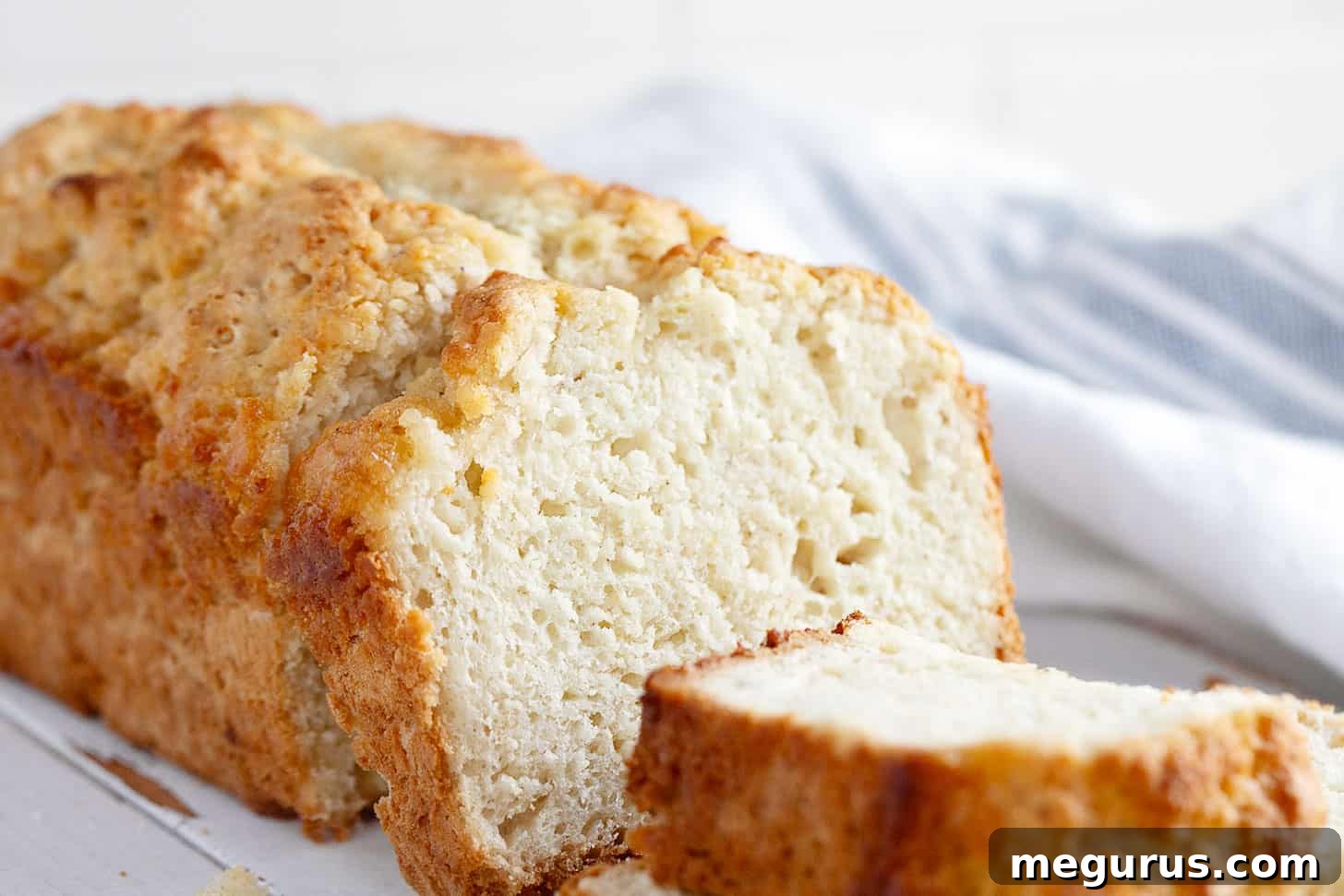
Beer bread stands out as an exceptional no-yeast bread, particularly cherished during the cooler months. Its rustic charm and satisfying texture make it an instant favorite. My personal take, this Honey Butter Beer Bread, adds a touch of irresistible sweetness that perfectly complements its savory undertones. Simple, comforting, and incredibly easy to prepare, it’s a staple you’ll find yourself baking again and again. Just add a dollop of butter and savor every bite!
What Makes Beer Bread So Special?
Beer bread is a unique and beloved quick bread that uses beer as its primary leavening agent, eliminating the need for traditional yeast. The carbonation and natural activators in beer react with baking powder in the flour mixture, creating a light, airy crumb and a distinct, rich flavor profile. This method makes it incredibly approachable for novice bakers and a fantastic option when you’re short on time or don’t want to deal with the intricacies of yeast activation and proofing schedules. It’s a testament to simple ingredients coming together to create something truly delicious.
Why You’ll Adore This Honey Butter Beer Bread Recipe
- Effortless Baking: No yeast means no waiting for dough to rise, making it an incredibly fast and straightforward recipe. Perfect for impromptu meals or last-minute potlucks.
- Perfectly Balanced Flavor: The sweetness of honey beautifully balances the subtle tang and malty notes from the beer, creating a uniquely comforting taste that appeals to everyone.
- Versatile Pairing: This bread is an ideal accompaniment to a wide range of dishes, from hearty stews and creamy soups to your favorite chili or even as a base for sandwiches.
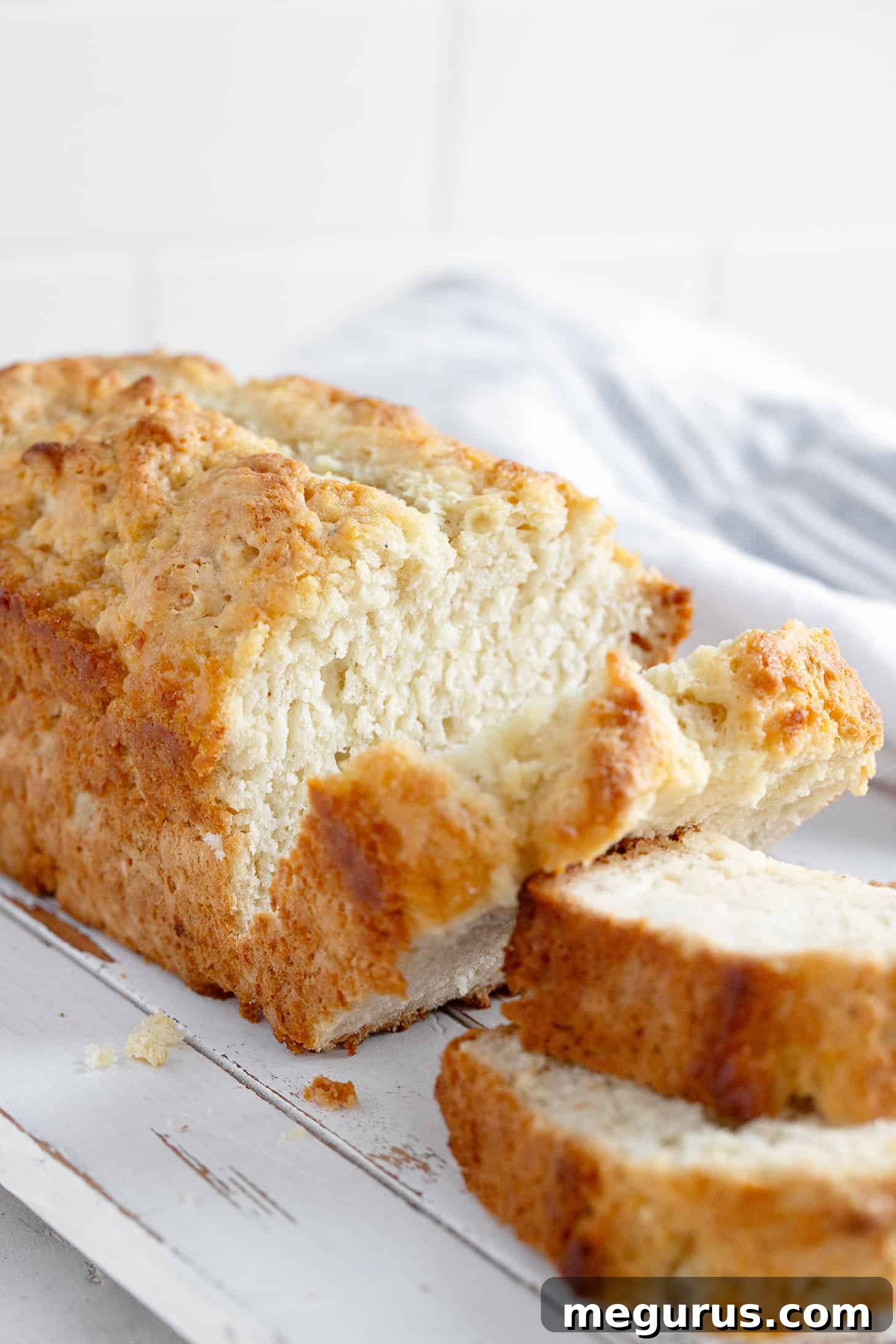
- Crispy Crust, Tender Crumb: The honey butter brushed over the top creates a wonderfully golden, slightly crispy crust, while the inside remains moist and tender.
- Warm, Homemade Comfort: There’s nothing quite like the aroma and taste of freshly baked bread. This recipe delivers that cozy, homemade feeling with minimal effort.
Essential Ingredients and Clever Substitutions
Understanding the role of each ingredient can help you achieve the best results and confidently make adjustments.
Beer – The Heart of Beer Bread
It wouldn’t be beer bread without the star ingredient! While almost any beer can technically be used, the choice of beer significantly impacts the final flavor. For a nuanced, universally appealing taste that isn’t overtly “beery,” I highly recommend opting for a lighter lager, ale, or pilsner. These varieties contribute a gentle maltiness and fermentation notes without overpowering the honey and butter. For instance, I used Coor’s Light because it was readily available, and the result was perfectly balanced – approachable even for those who aren’t avid beer drinkers. Darker beers like stouts or porters will yield a much richer, deeper, and more pronounced beer flavor, which can be fantastic if that’s what you’re aiming for, but might not be as universally loved. If you prefer a non-alcoholic version, you can substitute with non-alcoholic beer or even sparkling water, though the flavor profile will be different.
Honey – The Sweet Counterpart
Any good quality liquid honey will work wonders in this recipe. Its natural sweetness provides a beautiful contrast to the beer and savory notes, creating that irresistible honey butter crust. However, it’s wise to avoid overly fragrant or strongly flavored honeys (like some buckwheat or heather honeys) as their intense aroma might clash with the beer rather than blend harmoniously. A mild clover or wildflower honey is usually a safe and delicious bet. For a different sweet note, you could experiment with maple syrup, but be aware it will impart its distinct flavor profile to the bread.
Salt – The Flavor Enhancer
Please, do not underestimate or skimp on the salt! It might seem like a substantial amount at first glance, and there’s often a temptation to reduce it, but salt is absolutely crucial in quick breads like this. It plays a vital role in enhancing all the other flavors – the sweetness of the honey, the subtleties of the beer, and the richness of the butter. More importantly, it provides a critical balance, preventing the bread from tasting flat or overly sweet. Think of it as the conductor of the flavor orchestra. If you enjoy a touch of extra sparkle, a sprinkle of flaky finishing salt (like Maldon) on the warm loaf after it comes out of the oven can add a delightful textural and flavor crunch.
Flour, Baking Powder & Butter – The Foundation
Standard all-purpose flour forms the structure of our bread. Make sure to spoon and level it for accurate measurement. Baking powder is the primary leavening agent that works with the beer to give the bread its rise and texture. And, of course, butter—melted and combined with honey—not only enriches the dough but also creates that delectable, golden crust.
A Step-by-Step Visual Guide to Making Honey Beer Bread
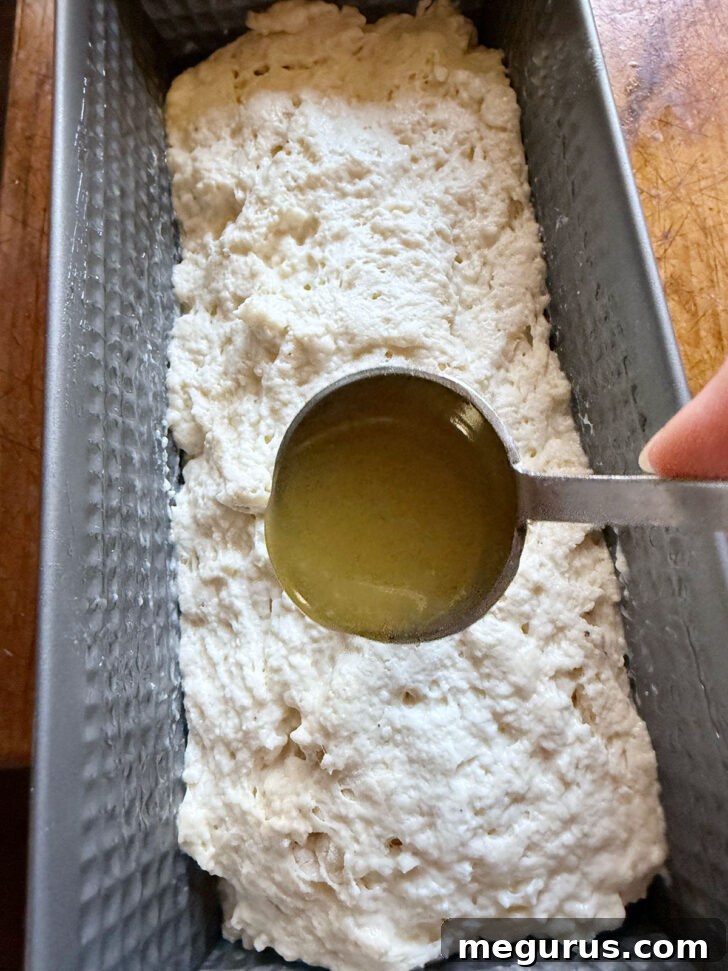
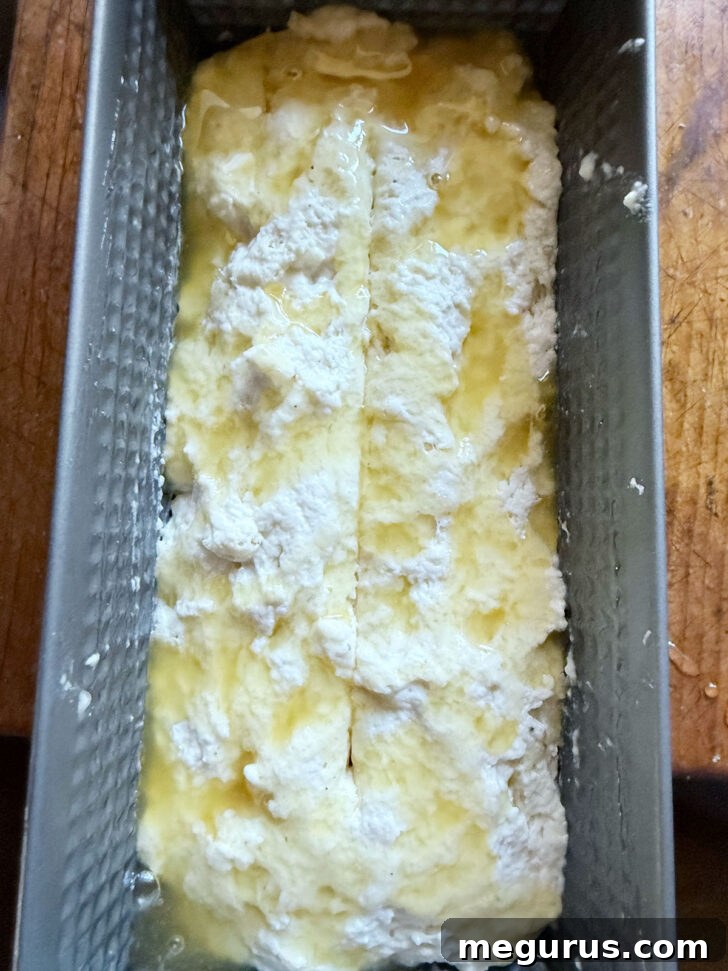
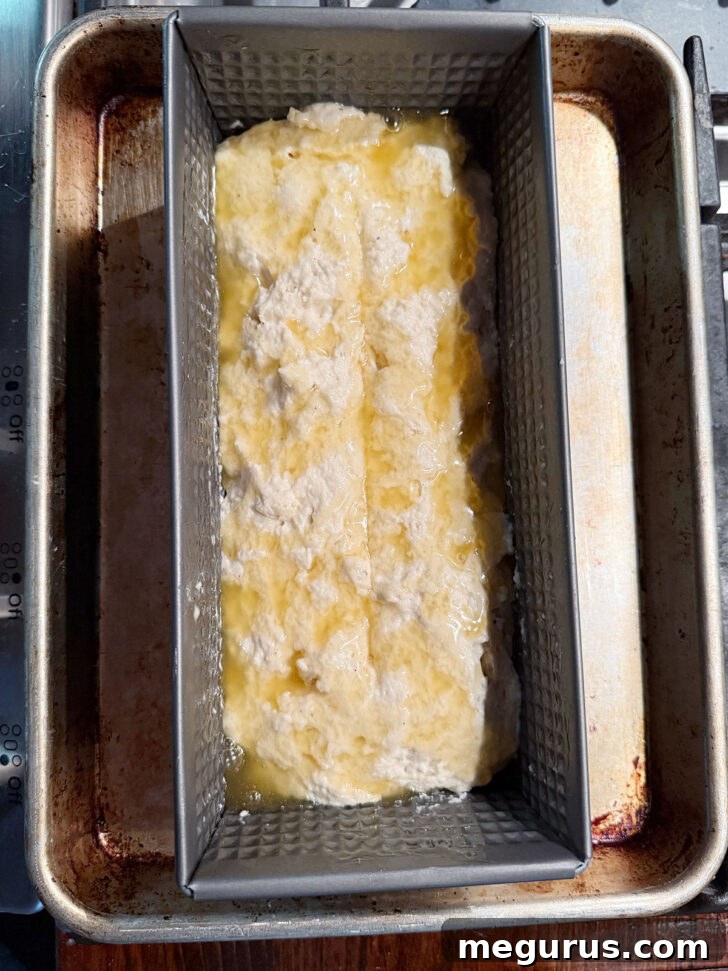
Crafting this quick and flavorful bread is a joy. Follow these visual steps to guide you through the process. For the complete list of ingredients and precise measurements, please refer to the detailed recipe card below.
Expert Tips for Baking Perfect Beer Bread Every Time!
- Choosing Your Loaf Pan: This recipe is designed for flexibility. You can use either a 4×10-inch loaf pan (which was used here for a slightly flatter, wider loaf) or a more standard 8 1/2 x 4 1/2-inch loaf pan. Be aware that the baking time will be slightly longer for the smaller, deeper 8×4 loaf pan (add about 5-10 minutes) to ensure the center is fully cooked. If using a glass loaf pan, reduce your oven temperature by 25°F (to 350°F / 175°C) as glass retains heat more aggressively.
- The Indispensable Role of Salt: As highlighted earlier, do not be tempted to reduce the amount of salt. In quick breads, salt isn’t just for seasoning; it’s a critical flavor balancer and enhancer. It brings out the subtle sweetness of the honey and the complex notes of the beer, creating a harmonious and delicious profile. A little finishing salt sprinkled on top after baking can also add a delightful texture and burst of flavor.
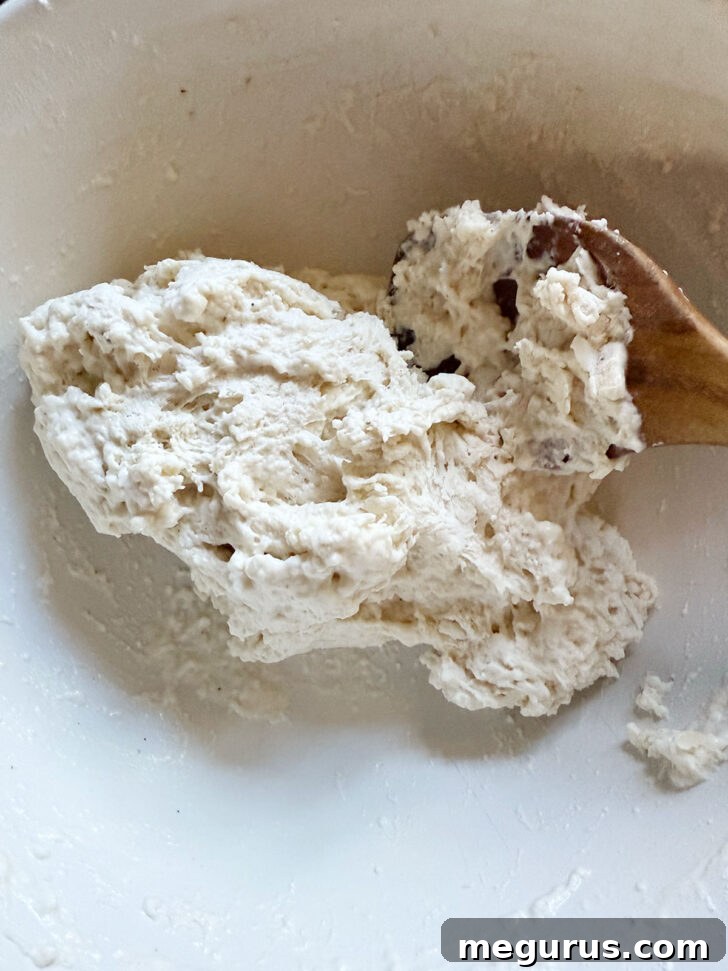
- Achieving the Right Dough Consistency: Beer bread dough is very much like biscuit dough – the amount of liquid (beer in this case) needed can vary slightly based on factors like flour type, humidity, and how precisely your flour was measured. The goal is a dough that is “just moistened,” where all the dry flour has been incorporated but it’s not overly wet or sticky. Add the beer gradually, stirring just until the dough comes together. Avoid overmixing, as this can lead to a tough bread.
- The “Controlled Crack” Trick: The optional step of slashing the top of the dough with a greased bench scraper is a secret to achieving a beautiful, rustic top crust. This shallow cut allows the bread to expand predictably as it bakes, creating an appealing, even split rather than an uncontrolled tear. While it doesn’t work perfectly every time, it significantly increases your chances of a picture-perfect loaf!
- Don’t Overmix: Just like with muffins or scones, overmixing beer bread dough can develop the gluten too much, resulting in a tough and chewy texture. Mix just until the ingredients are combined and no dry flour remains. A few lumps are perfectly fine.
- Serve Warm for Best Experience: While delicious at room temperature, beer bread truly shines when served warm, especially with an extra pat of butter. The warmth enhances all the flavors and textures.
Serving Suggestions: Beyond the Bowl
While this Honey Butter Beer Bread is a natural companion for cozy soups, stews, and chili, its versatility extends far beyond. Try it:
- With Brunch: Toast slices lightly and serve with scrambled eggs, bacon, and a drizzle of extra honey.
- As a Sandwich Base: Its sturdy yet tender crumb holds up beautifully to savory fillings like pulled pork, roast beef, or even a simple cheese and tomato.
- Alongside a Cheese Board: The subtle sweetness and savory notes make it a great pairing for various cheeses, especially sharp cheddar or creamy brie.
- With Roasted Meats: Serve thick slices alongside roasted chicken, pork loin, or even a holiday turkey for an unexpected and delicious side.
- Simply Toasted: A warm slice, buttered and perhaps with a sprinkle of flaky sea salt, is a perfect snack any time of day.
Storing and Freezing Your Beer Bread
Beer bread, like most quick breads, is absolutely at its peak flavor and texture on the day it’s baked, especially when enjoyed warm with a generous smear of butter. However, any leftovers can be stored and even frozen with ease.
- Room Temperature Storage: To keep it fresh for a couple of days, store leftover beer bread in an airtight container at room temperature. This will prevent it from drying out too quickly.
- Reheating: If you wish to warm up a previously baked loaf, simply wrap it loosely in aluminum foil and place it in a 350°F (175°C) oven for about 8-10 minutes, or until heated through.
- Freezing for Later: Beer bread freezes exceptionally well! Once cooled completely, wrap the loaf or individual slices tightly in plastic wrap, then an additional layer of aluminum foil. It can be frozen for up to 3 months. When you’re ready to enjoy, thaw at room temperature or re-heat directly from frozen (loosely wrapped in foil) in a moderate oven until warmed through.
Frequently Asked Questions (FAQ) About Beer Bread
Here are answers to some common questions about making and enjoying beer bread:
Does beer bread taste strongly of beer?
Not typically, especially if you use a lighter lager or pilsner as recommended. The alcohol in the beer mostly evaporates during baking, leaving behind a subtle malty flavor and a slight tang that enhances the bread’s depth without tasting overtly alcoholic. It usually adds a rich, yeasty-like quality rather than a distinct beer flavor.
Can I make beer bread with non-alcoholic beer?
Absolutely! If you prefer to avoid alcohol or simply don’t have regular beer on hand, non-alcoholic beer works perfectly. The carbonation and flavor notes will still contribute to the bread’s rise and taste, yielding a delicious, family-friendly loaf.
Can I add cheese or herbs to this recipe?
Yes, beer bread is incredibly versatile! You can easily fold in about 1 cup of shredded cheese (like sharp cheddar or Gruyere) and/or 1-2 tablespoons of fresh chopped herbs (rosemary, thyme, chives) with the dry ingredients before adding the wet components. This transforms it into a savory masterpiece, perfect for garlic bread or alongside a hearty pasta dish.
What if I don’t have baking powder?
Baking powder is essential for this no-yeast bread as it’s the primary leavening agent. There isn’t a direct substitute that would provide the same lift and texture. It’s best to ensure you have baking powder on hand for this recipe.
Recipe Card: Honey Butter Beer Bread
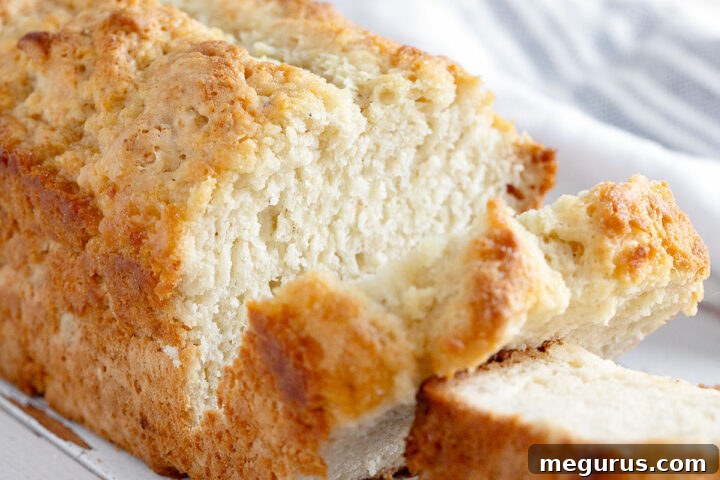
Honey Butter Beer Bread
No yeast is required for this easy and delicious honey butter beer bread. A great sidekick for soups, stews or chili.
Pin This
Leave a Review
Ingredients
Honey Butter:
- 1/4 cup (67 g) salted butter
- 3 Tablespoons honey
For the dough:
- 3 cups (375 g) all-purpose flour, spooned and levelled
- 1 Tablespoon baking powder
- 1 1/2 teaspoons fine salt
- 1/2 teaspoon ground pepper (optional, for a subtle kick)
- 12 oz (355 ml) beer, *see Note 1 below
- 4 Tablespoons honey butter, from above
For topping before baking:
- 2 Tablespoons honey butter
Instructions
- Preheat your oven to 375°F (190°C) for non-convection ovens. Have ready a 4×10-inch or 8 1/2 x 4 1/2-inch metal loaf pan. (If using a glass loaf pan, reduce the oven temperature to 350°F / 175°C).
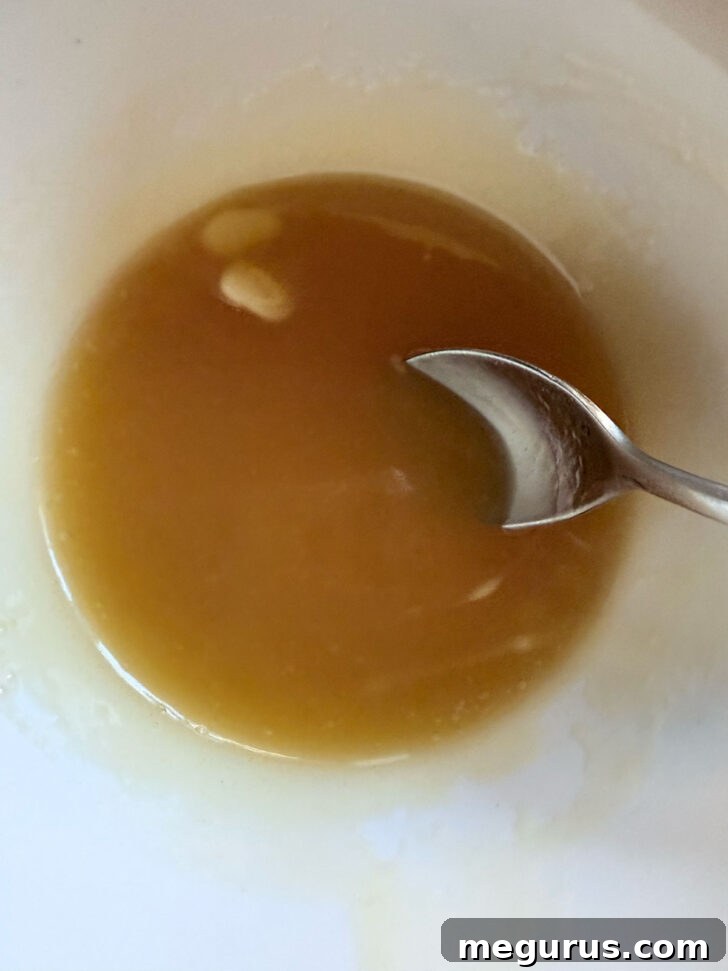
- Prepare the honey butter: In a small microwave-safe bowl or saucepan, gently melt together the honey and butter just until the butter is liquid and fully combined.
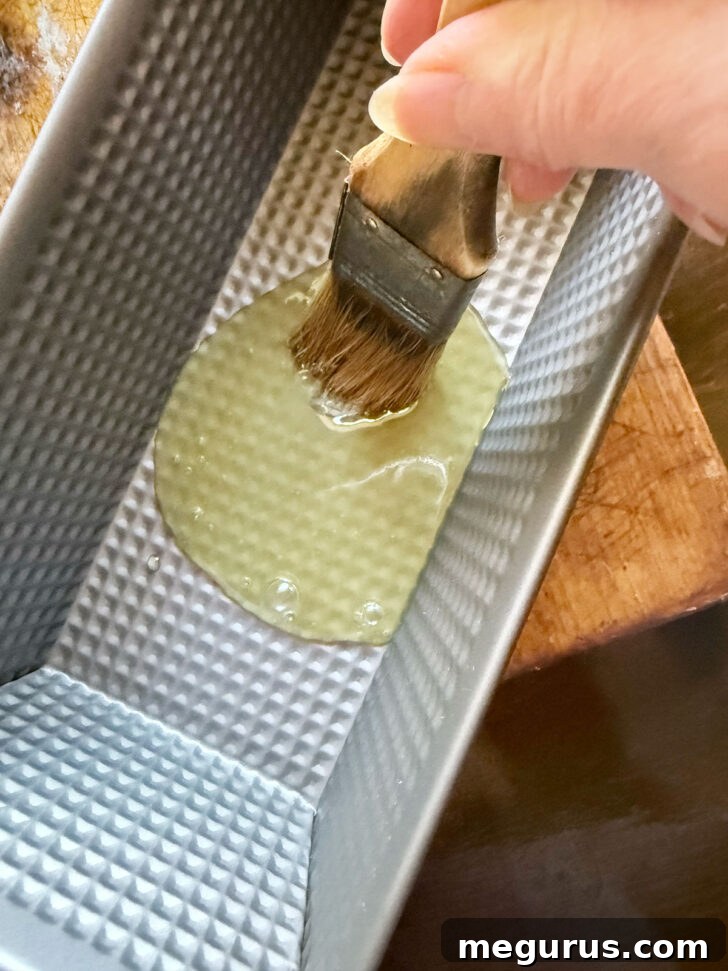
- Spoon 2 tablespoons of the melted honey butter mixture into your chosen loaf pan. Use a pastry brush to thoroughly coat the bottom and sides of the pan. Set aside the remaining honey butter.
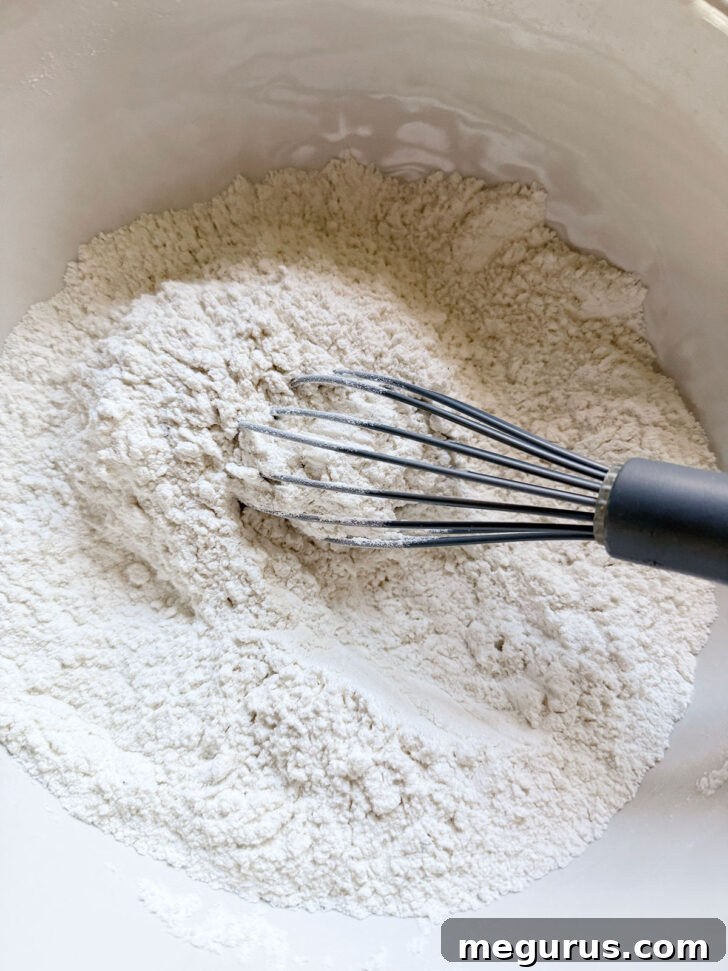
- In a large mixing bowl, whisk together the flour, baking powder, salt, and ground pepper (if using) until well combined.
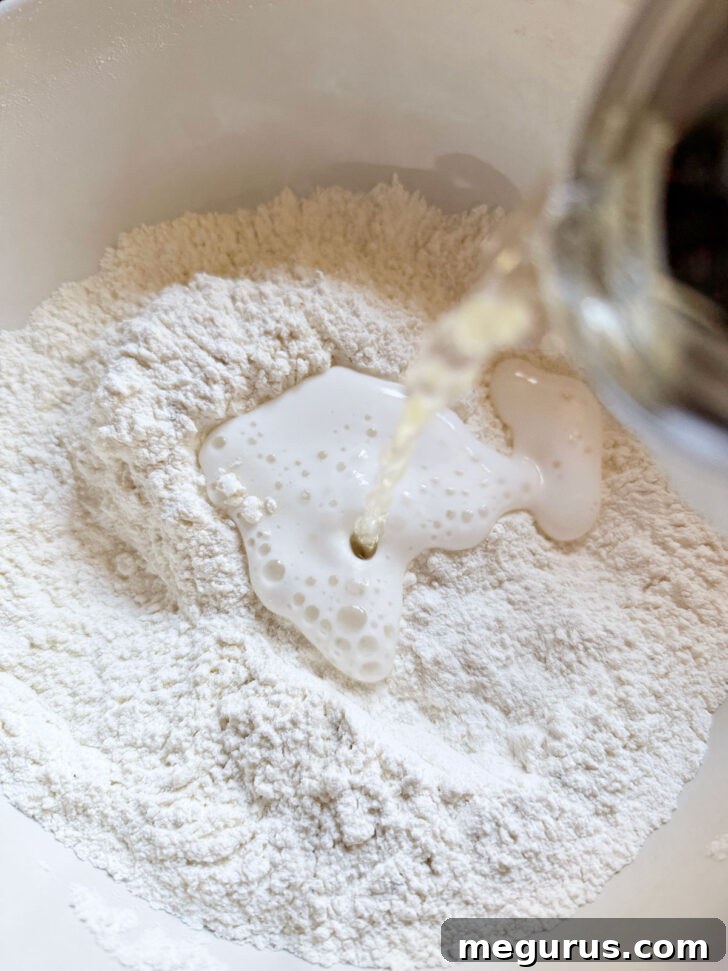
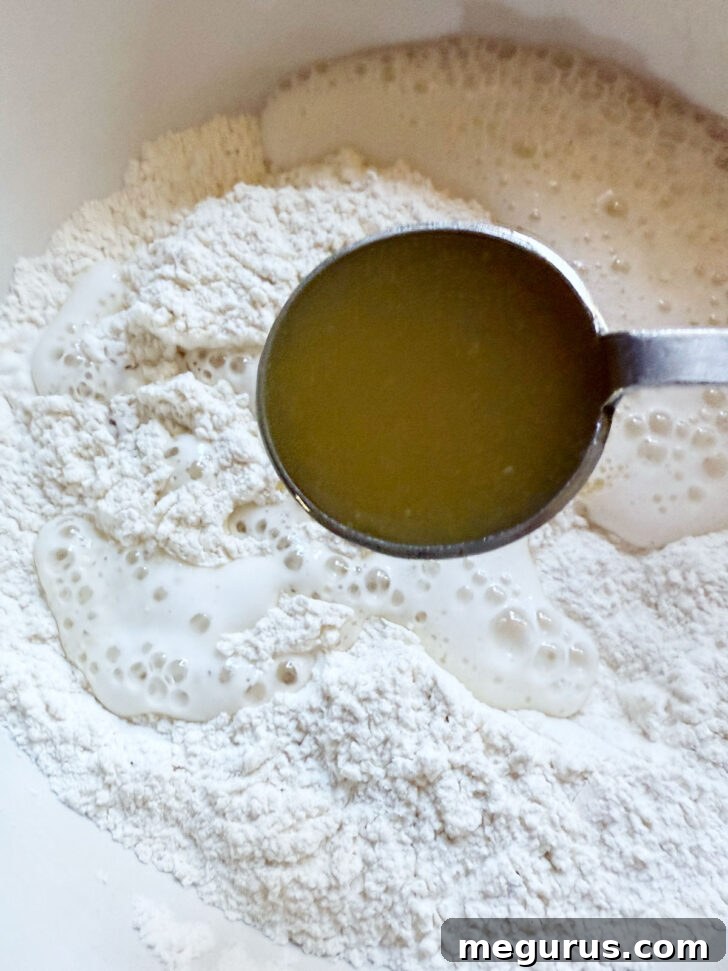
- Pour about half (approximately 6 oz) of the beer into the dry flour mixture, along with 4 tablespoons of the prepared honey butter mixture. Using a wooden spoon or spatula, stir just until the ingredients begin to come together.
- Gradually add more of the beer, a bit at a time, stirring gently after each addition. Continue until the dough is just moistened and no dry pockets of flour remain. Be careful not to overmix; a slightly shaggy dough is perfect. You may not need the entire 12 oz of beer, so judge by consistency.
- Spoon the dough into the prepared loaf pan, spreading it evenly and mounding it slightly in the center.
- Drizzle the remaining 2 tablespoons of honey butter over the top of the loaf.
- Optional Tip: For a beautiful controlled crack on top, spray a bench scraper lightly with cooking spray (or brush with melted butter). Insert it lengthwise into the center of the loaf, pressing down about 3/4 to 1 inch. This guides the bread’s expansion during baking.
- Place the loaf pan on a baking sheet (this catches any potential butter overflow, keeping your oven clean).
- Bake for 45-50 minutes for a 4×10-inch loaf pan, or 50-60 minutes for an 8 1/2 x 4 1/2-inch loaf pan. The bread is done when a toothpick inserted into the center comes out clean.
- Remove from the oven and let cool in the pan for 5-10 minutes. Then, run a knife around the edges to loosen and carefully transfer the loaf to a wire rack to cool completely.
- Serve warm with extra butter, if desired. Store leftovers in an airtight container at room temperature for up to 2 days, or freeze for up to 3 months.
Notes
Note 1: For a mild flavor, I recommend a lighter lager, ale, or pilsner beer. I used Coor’s Light here. Darker beers will result in a more pronounced beer flavor. For non-alcoholic, use non-alcoholic beer or sparkling water.
Consider sprinkling a little flaky finishing salt (such as Maldon’s) on top of the loaf right after it comes out of the oven for an extra pop of flavor and texture.
For additional insights, substitution suggestions, and helpful step-by-step photos, be sure to read the detailed tips and sections above this Recipe Card.
Nutrition Facts (per serving – approx. 12 servings per loaf):
- Serving: 1 serving
- Calories: 177 kcal
- Carbohydrates: 30g
- Protein: 3g
- Fat: 4g
- Saturated Fat: 2g
- Polyunsaturated Fat: 0.3g
- Monounsaturated Fat: 1g
- Trans Fat: 0.2g
- Cholesterol: 10mg
- Sodium: 324mg
- Potassium: 147mg
- Fiber: 1g
- Sugar: 4g
- Vitamin A: 119 IU
- Vitamin C: 0.03mg
- Calcium: 51mg
- Iron: 2mg
Tried this recipe? If you enjoyed this recipe, please leave a star rating and comment. It helps others to find it!