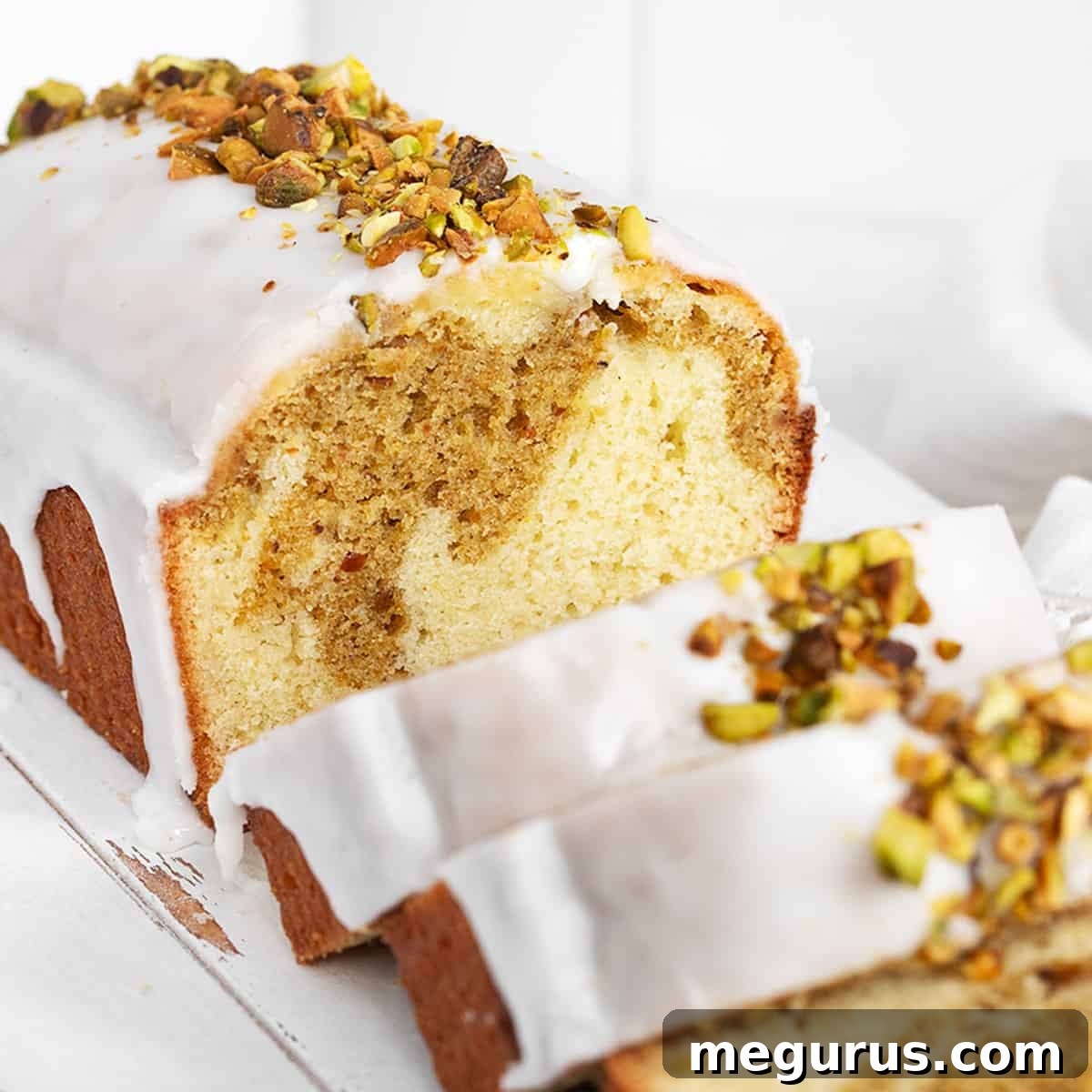
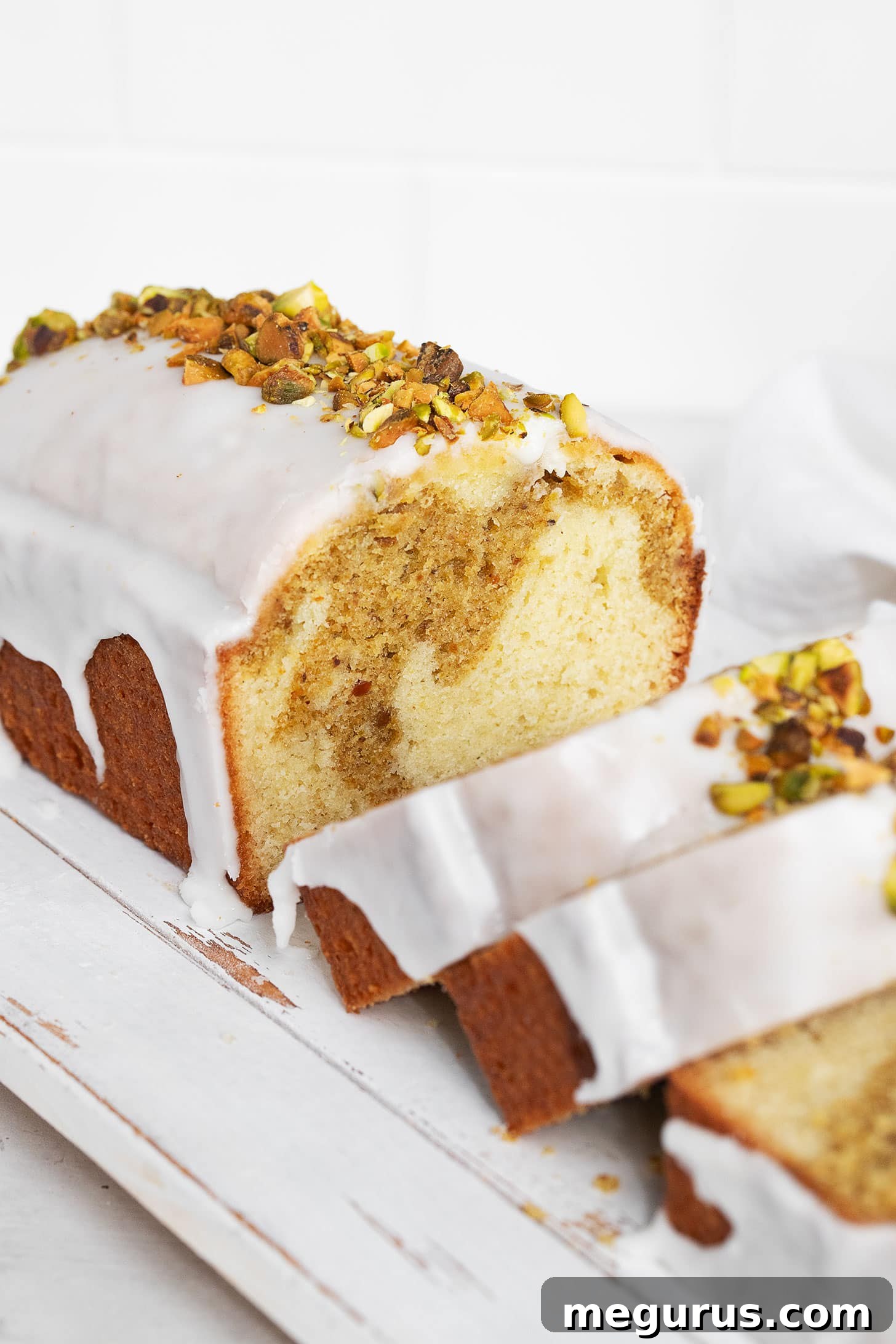
Embark on a culinary journey to create the most enchanting Lemon Pistachio Loaf Cake, a dessert that promises to captivate both the eyes and the palate. This exquisite recipe delivers a beautifully moist and tender pound cake, featuring an alluring green pistachio-flavoured swirl woven throughout. The crowning glory is a bright, tangy lemon glaze that drizzles elegantly over the top, finished with a generous sprinkle of finely chopped pistachios for an irresistible crunch and added visual appeal. Perfect for any occasion, from a sophisticated brunch to a comforting afternoon tea, this loaf cake offers a harmonious blend of nutty, sweet, and zesty notes in every single bite. It’s an accessible recipe that yields impressively gourmet results, making you feel like a master baker.
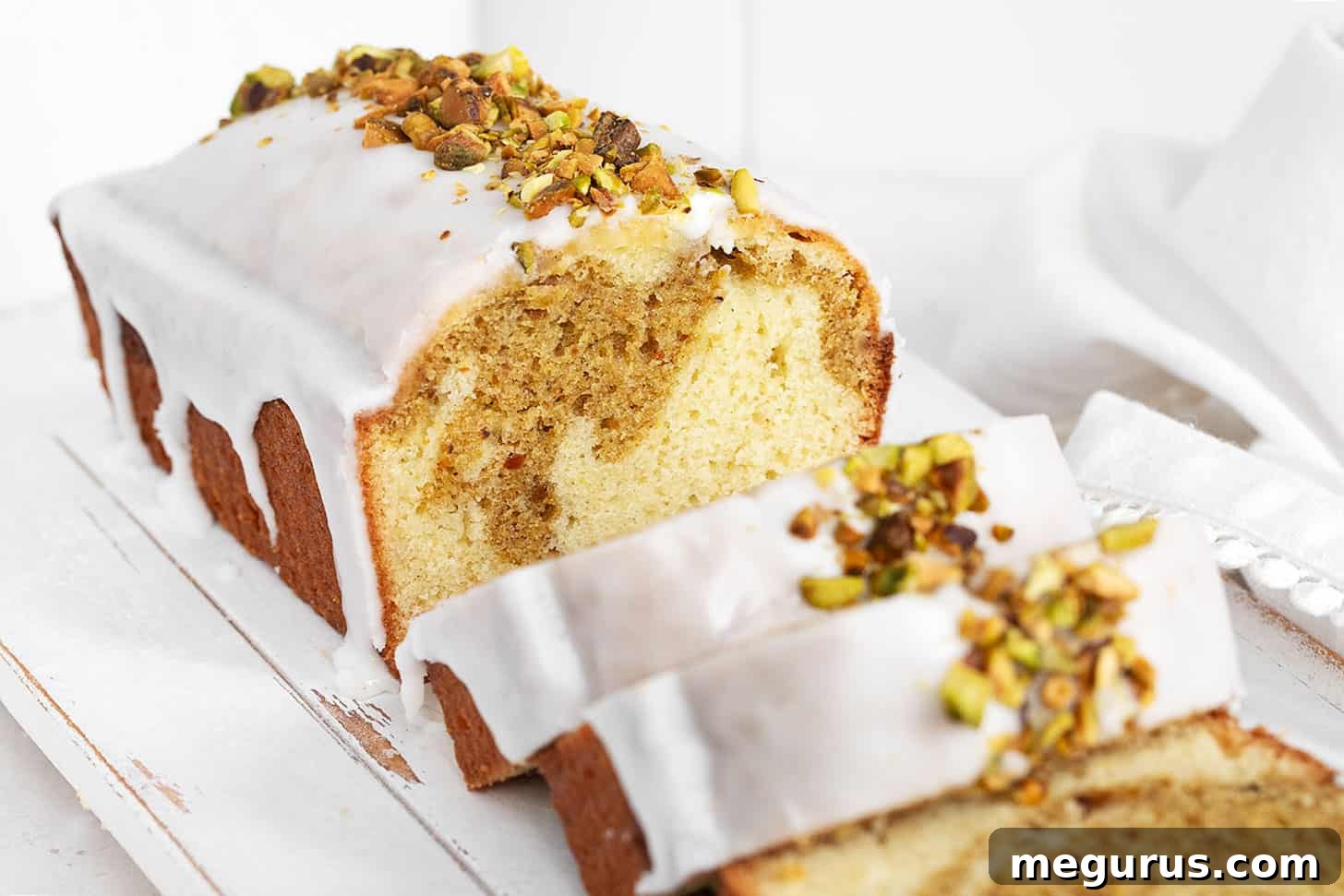
Beyond its stunning appearance, this pistachio loaf is a symphony of textures and flavours. The pound cake base ensures a dense yet supremely moist crumb, a hallmark of comforting homemade baking. The pistachio swirl doesn’t just add a striking colour; it infuses the cake with a delicate, earthy nuttiness that pairs exquisitely with the bright, citrusy notes of the lemon glaze. Each element is carefully balanced to create a sophisticated treat that’s surprisingly straightforward to prepare. We’ll guide you through each step, ensuring you achieve a perfectly baked loaf that’s tender, flavourful, and utterly delightful. Prepare to impress your family and friends with this gorgeous and incredibly delicious Lemon Pistachio Loaf Cake.
Essential Ingredients and Strategic Substitutions for Your Loaf Cake
Success in baking often hinges on understanding your ingredients and how they contribute to the final product. For this Lemon Pistachio Loaf Cake, a few key components are paramount for achieving its signature moistness, tender crumb, and vibrant flavour profile. Here’s a deeper dive into the main ingredients and potential substitutions:
Pistachios: The Star of the Show
To streamline your baking process, it’s highly recommended to start with shelled pistachios. You have the flexibility to use either unsalted or lightly salted varieties. If you opt for salted pistachios, remember to adjust the amount of added salt in the main cake batter to avoid an overly salty taste. Raw pistachios are ideal as they offer the most authentic pistachio flavour, which will truly shine through in the cake and swirl. While shelling pistachios yourself can be meditative, pre-shelled options are a fantastic time-saver. For the most visually appealing swirl, seek out pistachios with a naturally bright green hue.
Sour Cream: The Key to Unmatched Moisture
This ingredient is a game-changer for achieving an incredibly moist and tender crumb. For the absolute best results, always opt for full-fat sour cream (typically around 14% butterfat). The rich fat content is essential for creating the luxurious texture characteristic of a premium pound cake, and it also contributes to the cake’s longevity, keeping it fresh for longer. Using lower-fat sour cream or fat-free alternatives will significantly impact the cake’s texture, potentially leading to a drier, less tender loaf. In a pinch, full-fat plain yogurt, particularly Greek yogurt, can be used as a substitute. However, be aware that even full-fat Greek yogurt generally has a lower fat percentage (around 5%) compared to sour cream, which may subtly alter the final moistness and density. Ensure your sour cream (or yogurt) is at room temperature before incorporating it into the batter, as this helps prevent clumping and ensures a smooth, emulsified mixture.
Lemon: The Zesty Counterbalance
The bright, fresh flavour of lemon is indispensable for the tangy glaze that perfectly complements the rich pistachio. You will need at least one fresh lemon to extract the juice for the glaze. There’s truly no substitute for freshly squeezed lemon juice; bottled varieties often lack the vibrant acidity and aromatic punch that elevates this cake. Consider grating a bit of lemon zest into your main cake batter (in addition to the glaze) for an extra layer of citrus aroma that beautifully permeates the cake itself. The lemon’s acidity cuts through the sweetness and richness, providing a refreshing finish to each bite.
Butter: The Foundation of Flavour and Structure
As with any classic pound cake, high-quality unsalted butter is fundamental. Using unsalted butter allows you to precisely control the overall salt content in your recipe. It is absolutely crucial that your butter is at true room temperature—ideally around 67°F (19-20°C). This specific temperature is vital for the creaming process, where butter and sugar are beaten together to incorporate air. Properly creamed butter and sugar form a light, fluffy base that gives the cake its lift and tender structure. If your butter is too cold, it won’t cream effectively, resulting in a dense cake. If it’s too warm or melted, it can lead to a greasy, heavy texture. Allow it to sit out for at least an hour or two to reach the ideal consistency.
Flour, Leavening, and Other Staples:
All-purpose flour forms the structural backbone of this loaf. Accurate measurement, using the “spoon and level” method, is key to avoiding a dry or tough cake. Baking soda and baking powder are your leavening agents, working in harmony to create a beautiful rise and an airy crumb. Ensure these are fresh for maximum effectiveness. Vanilla extract enhances all the flavours, adding a warm, sweet undertone. Always choose a good quality vanilla for the best aromatic contribution. And, as always, a touch of salt brings all the flavours into balance, preventing the cake from being overly sweet and enhancing the nutty notes of the pistachios.
Crafting Your Masterpiece: A Detailed Guide to Lemon Pistachio Loaf Cake
Baking this Lemon Pistachio Loaf Cake is a rewarding journey. Follow these steps carefully to ensure a perfectly baked, beautifully swirled, and exquisitely glazed masterpiece. While this section provides expanded details, always refer to the complete recipe card below for precise measurements and comprehensive instructions.
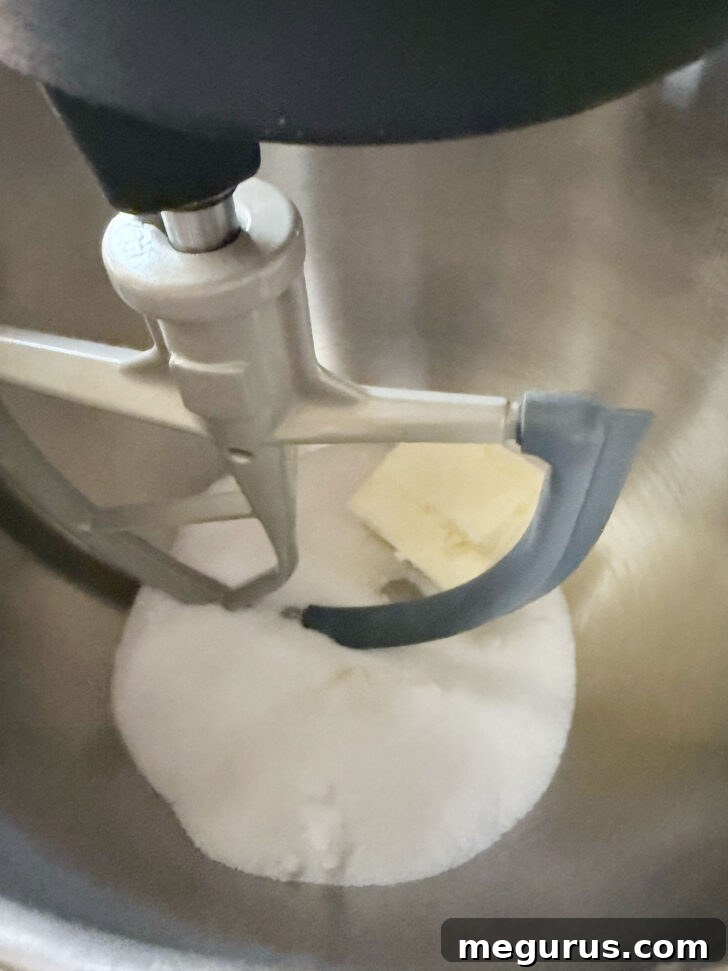
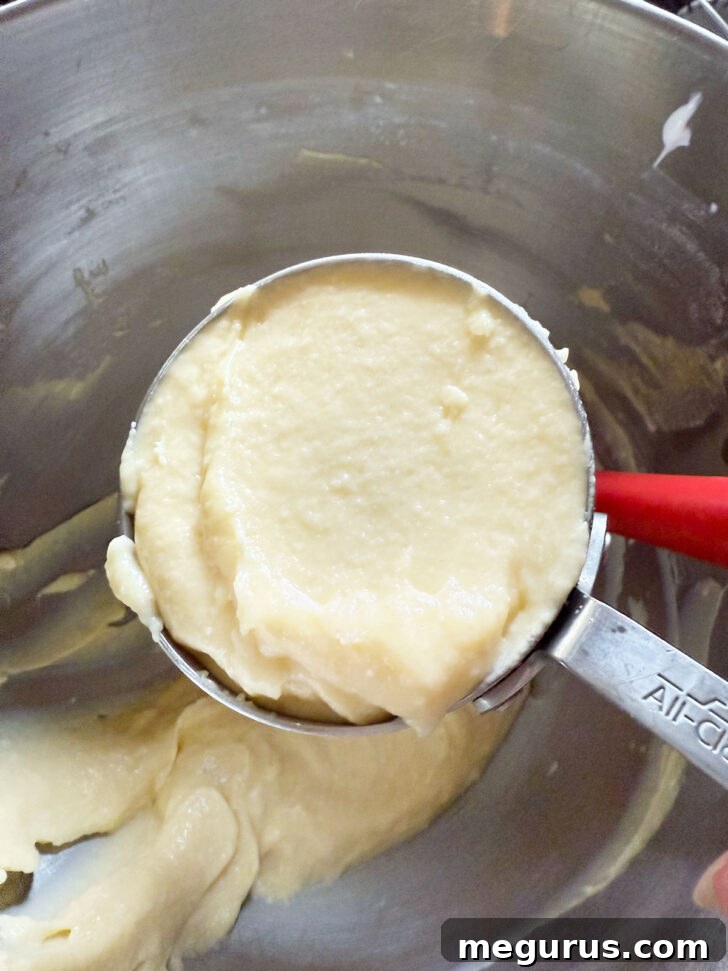
- Prepare and Cream: Begin by preheating your oven to 325°F (160°C) – ensure it’s a non-convection or fan-assisted setting for even baking. Thoroughly grease and flour your preferred loaf pan (either an 8.5 x 4.5-inch or a 4 x 10-inch). In a large bowl using an electric mixer, or in the bowl of a stand mixer fitted with the paddle attachment, cream together the softened, room-temperature butter and granulated sugar. Beat on medium speed for a full 3 minutes, or until the mixture becomes noticeably light in color and fluffy. This aeration is crucial for a tender cake. Incorporate the large eggs one at a time, beating well after each addition and stopping to scrape down the sides of the bowl frequently to ensure uniform mixing. Finally, beat in the vanilla extract until just combined.
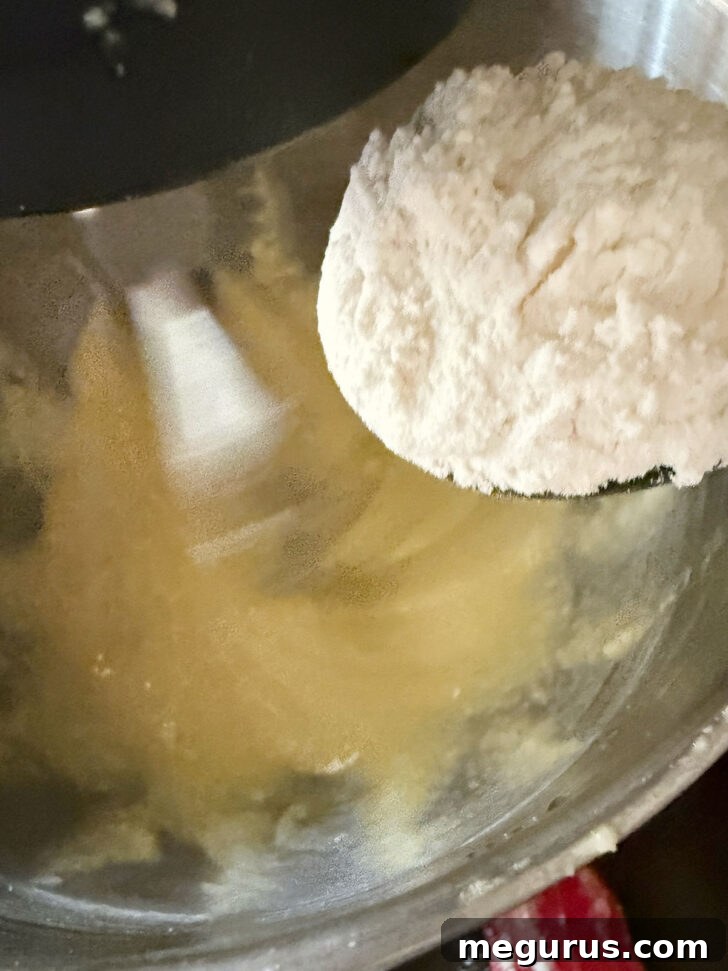
- Combine Dry and Wet Ingredients: In a separate medium bowl, whisk together your dry ingredients: the accurately measured all-purpose flour, salt, baking soda, and baking powder. Gradually add approximately half of this flour mixture to the wet butter-sugar-egg mixture, mixing on low speed until just barely combined. Next, gently fold in the room-temperature full-fat sour cream. Finish by adding the remaining half of the flour mixture, mixing on low speed only until no dry streaks of flour are visible. Be very careful not to overmix the batter at this stage, as excessive mixing can develop the gluten in the flour, leading to a tough and dry cake.
- Reserve Batter for the Pistachio Swirl: Once your luscious plain cake batter is ready, measure out precisely 1 cup of it and transfer this portion to a separate medium bowl. This reserved batter will form the base for our vibrant and flavourful pistachio swirl, adding a beautiful marbled effect to the finished loaf. Set it aside while you prepare the pistachio component.
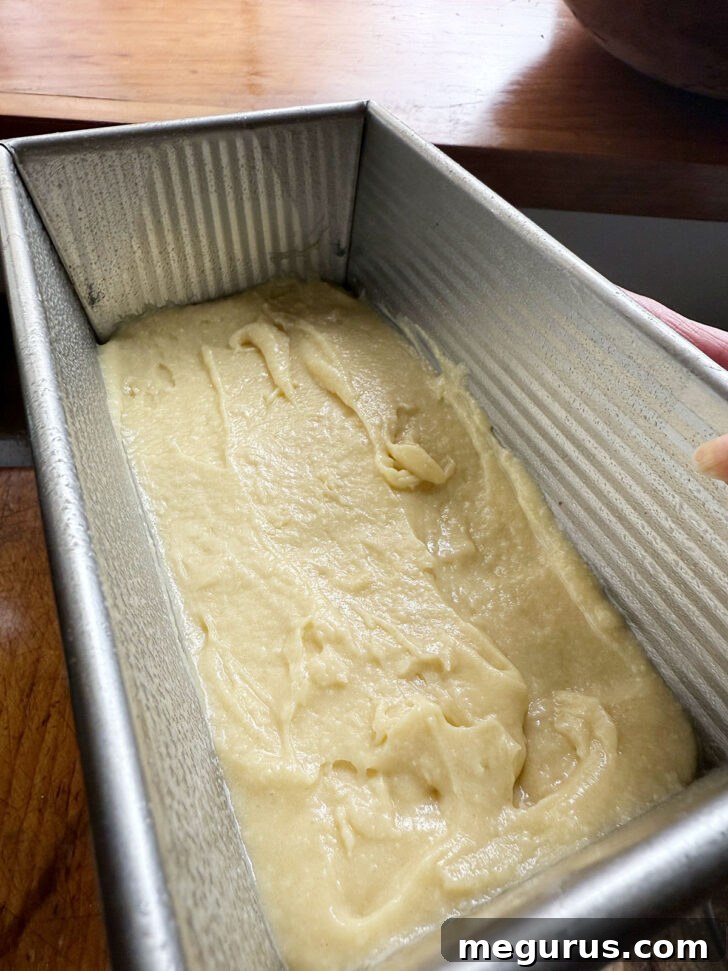
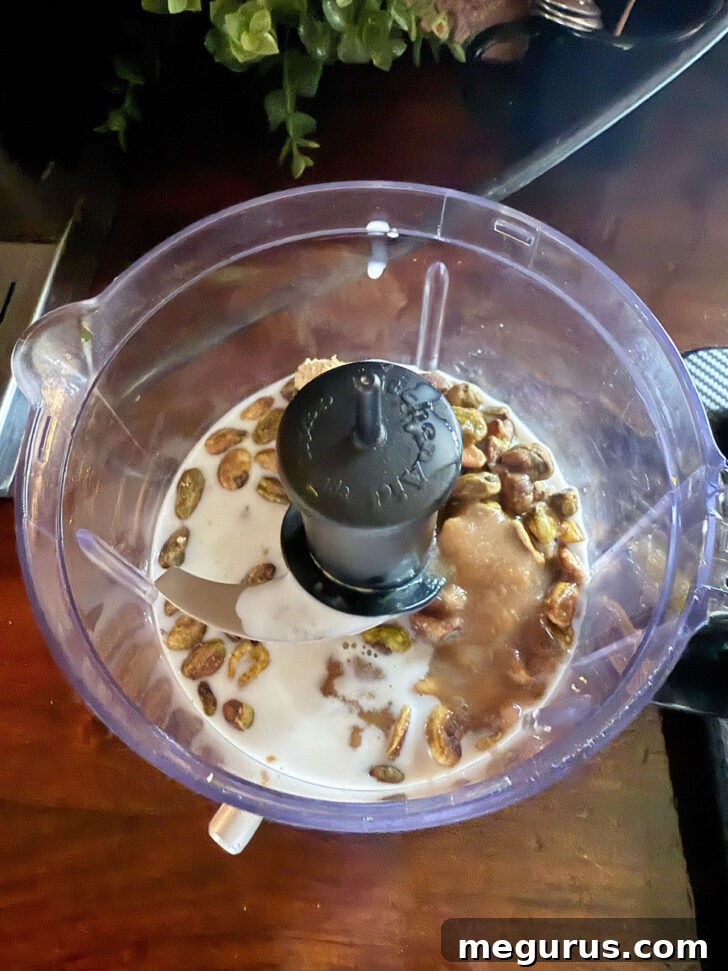
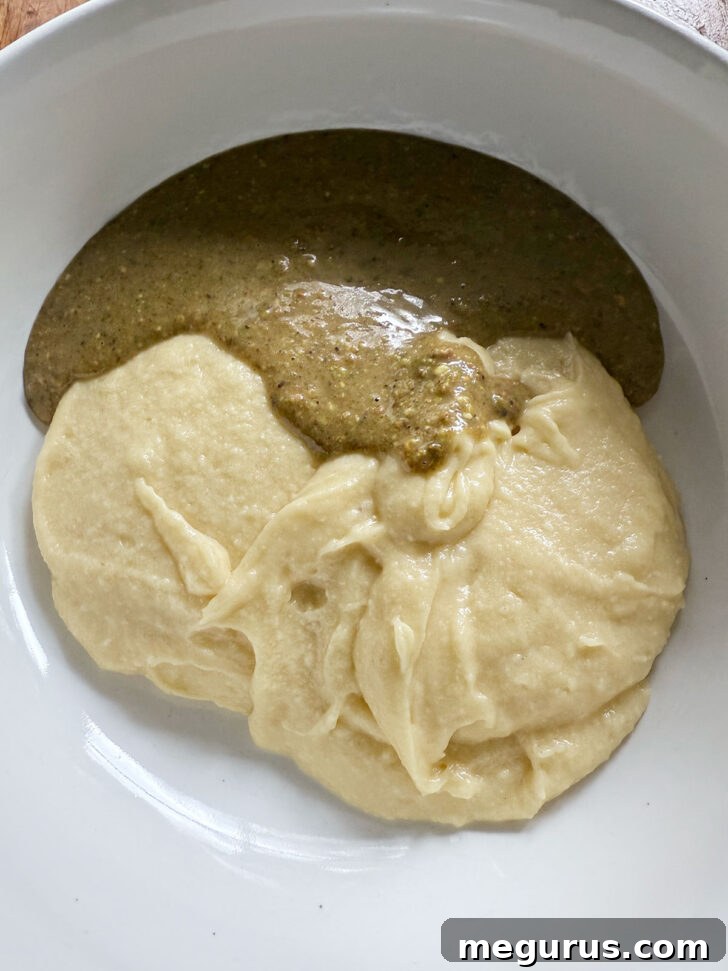
- Establish the Loaf Base: With a spoon or small spatula, carefully spread a thin, even layer of the plain batter (from the larger batch, not the reserved cup) into the very bottom of your prepared loaf pan. This initial layer creates a solid foundation for the subsequent marbled layers and helps ensure the loaf releases cleanly after baking.
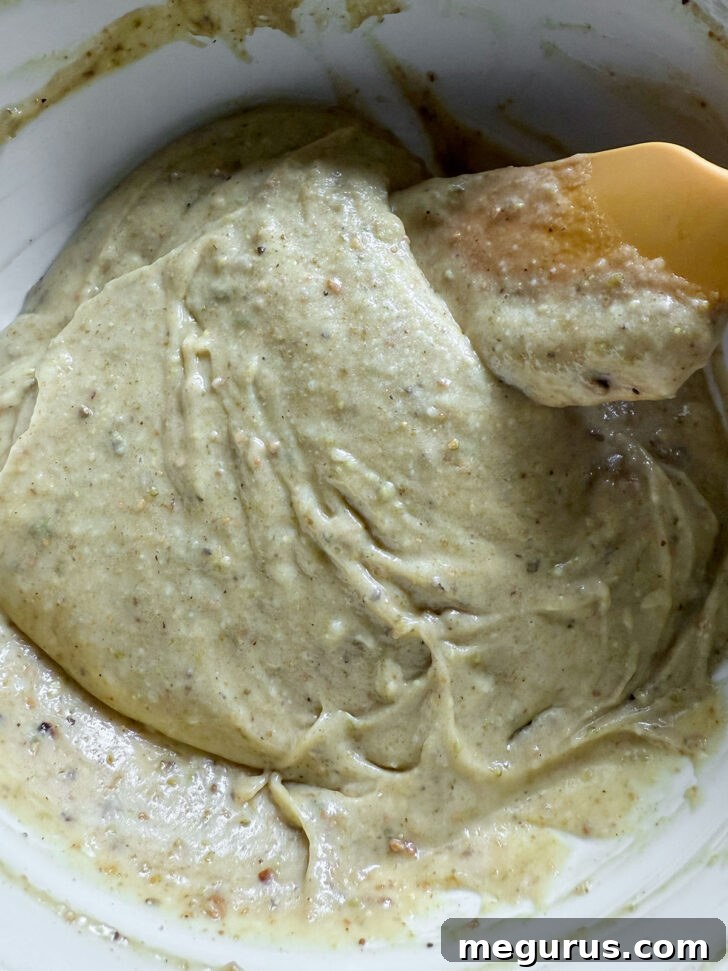
- Craft the Pistachio Swirl Mixture: Now, create the star of the show! In a food processor, combine the shelled pistachios, brown sugar, and milk. Process the mixture thoroughly until it transforms into an incredibly smooth, vibrant green paste. You may need to pause and scrape down the sides of the food processor bowl several times to ensure all the pistachios are finely ground and fully incorporated, creating an intensely flavoured and colourful addition to your cake.
- Combine Pistachio with Reserved Batter: Gently add the freshly processed pistachio mixture into the 1 cup of reserved plain batter. Using a rubber spatula, carefully fold the two mixtures together until they are just combined. The aim is to create distinct green swirls within the plain batter, not to achieve a uniform colour. Overmixing here will diminish the beautiful marbled effect you’re aiming for.
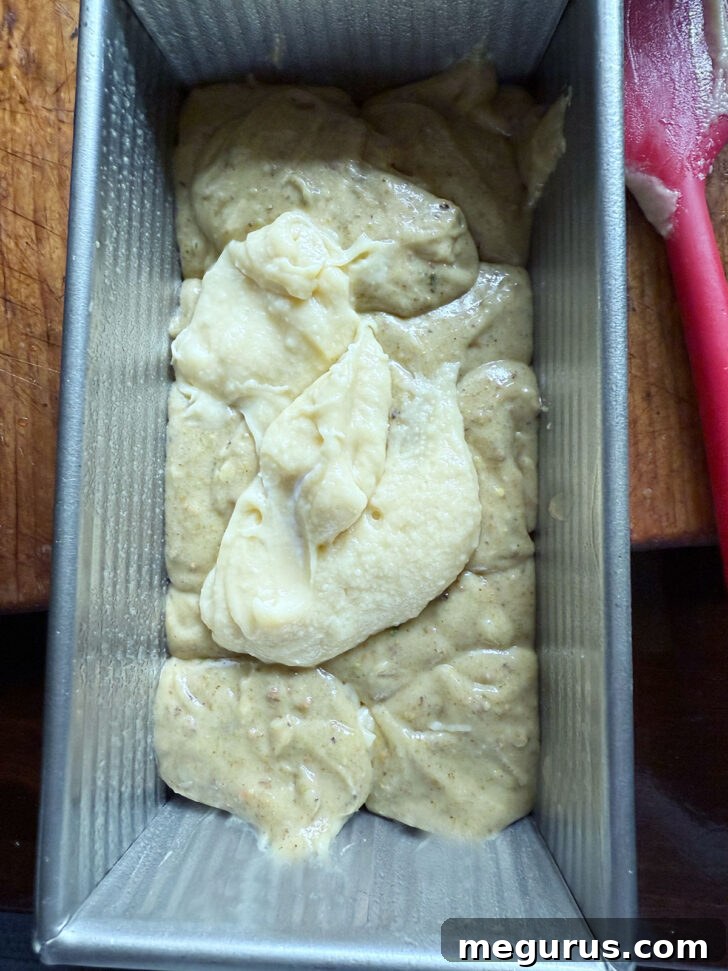
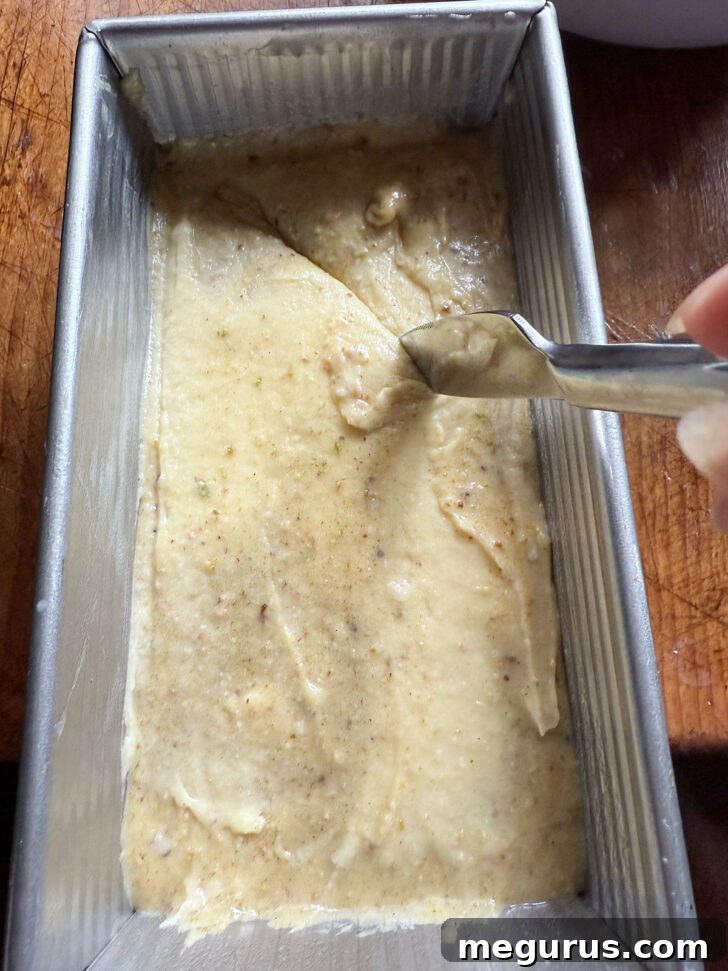
- Final Batter Assembly: At this point, you should have two distinct batters: the larger portion of plain pound cake batter and the smaller portion with the pistachio swirl. Your loaf pan should have a thin layer of plain batter already at the bottom.
- Layer and Swirl for Marbling: Now, for the artistic part! Using a spoon, alternate dropping dollops of the plain batter and dollops of the pistachio-swirled batter into the prepared loaf pan. Distribute them somewhat evenly across the pan. Once all the batter is transferred, finish with a thin top layer of plain batter and gently smooth it out. To create the marble effect, insert a long skewer or a thin knife into the batter and run it through a few times – either lengthwise, or from side to side. Just three purposeful strokes lengthwise or 4-5 side-to-side strokes should suffice. Avoid over-swirling, as this will blend the colours too much, losing the distinct marble pattern.
- Bake, Cool, and Glaze to Perfection: Carefully transfer the loaf pan to your preheated oven. Bake for approximately 55-65 minutes, or until a wooden skewer or toothpick inserted into the very center of the loaf comes out clean. (Note: A 4×10-inch pan typically cooks slightly faster, around 55-60 minutes, while an 8.5×4.5-inch pan may take closer to 65 minutes or a few minutes longer.) Once baked, allow the loaf to cool in its pan for about 10 minutes before gently running a knife around the edges and inverting it onto a wire cooling rack. Crucially, let the loaf cool completely to room temperature before applying the glaze. Any residual warmth will cause the glaze to melt and soak into the cake, rather than sitting beautifully on top. Once cooled, prepare your zesty lemon glaze (instructions detailed below) and generously spoon it over the top, allowing some to artfully drip down the sides. Immediately sprinkle with the chopped pistachios for an added layer of texture and visual appeal. Allow the glaze to set for at least 30 minutes before slicing and indulging in your homemade masterpiece.
Expert Baking Tips for a Flawless Lemon Pistachio Loaf Every Time
Achieving a bakery-quality loaf cake is within your reach with these tried-and-true baking tips. Pay attention to these details, and you’ll be rewarded with a consistently perfect Lemon Pistachio Loaf.
- The Indispensable Role of Room Temperature Ingredients: This is arguably the most crucial tip for any successful cake. Ingredients like butter, eggs, and sour cream must be at true room temperature (around 67°F or 19-20°C). When all ingredients are at a similar temperature, they emulsify beautifully, creating a smooth, homogenous batter that traps air effectively during mixing. This aeration results in a lighter, more tender, and consistently moist crumb. Remember to remove these items from your refrigerator at least 45-60 minutes before you begin any mixing.
- Recognizing True Room Temperature Butter: Your butter should be soft enough to yield to a gentle finger press, leaving a slight indent, but it should not be greasy, shiny, or so soft that your finger pushes through easily. If it’s too cold, it won’t cream properly; if it’s too warm (starting to melt), it will result in a dense, heavy cake with a greasy texture. If your kitchen is very warm, consider cutting the butter into smaller cubes to help it come to temperature faster, but be careful not to let it get too soft.
- Mastering the Creaming Process: Properly creaming butter and sugar together is fundamental for the texture of a pound cake. This process, ideally done at medium speed (typically speed 4 or 5 on a stand mixer), incorporates essential air into the mixture. You’ll know it’s done when the mixture is visibly lighter in color and fluffy, usually after 3 to 5 minutes of beating. Don’t shorten this step! It creates tiny air pockets that expand during baking, contributing significantly to the cake’s rise and tender crumb. Always remember to scrape down the sides and bottom of your mixing bowl at least once or twice during this process to ensure everything is evenly combined.
- Precision in Flour Measurement – The “Spoon and Level” Method: Inaccurate flour measurement is a common culprit for dry, dense cakes. Never scoop flour directly from the bag with your measuring cup, as this compacts the flour, adding far more than intended. Instead, first, gently stir the flour in its container to aerate it. Then, lightly spoon the flour into your dry measuring cup until it’s overflowing. Use the straight edge of a knife or a flat ruler to level off the top, sweeping away any excess. This “spoon and level” technique ensures you use the correct amount of flour every time, guaranteeing a tender and moist final product.
- The Right Loaf Pan Makes a Difference: While a standard 8.5 x 4.5-inch loaf pan is perfectly suitable for this recipe, for those who bake loaf cakes frequently, a 4 x 10-inch loaf pan is a fantastic investment. This slightly narrower and longer pan yields a taller loaf, which produces more elegant, beautiful slices that are particularly impressive for serving. Be mindful that baking times can vary slightly depending on your pan size; a narrower loaf may bake a few minutes faster. Always rely on the skewer test for doneness.
- Achieving the Ideal Lemon Glaze Consistency: For that beautifully thick, opaque white glaze that cascades down the sides of your loaf, consistency is paramount. The glaze should be thicker than you might instinctively prepare it. A good test is to drizzle a spoonful back into the bowl: it should slowly, almost luxuriously, blend back into itself over several seconds. If it holds its shape rigidly, it’s too thick (add a tiny drop more lemon juice); if it disappears back into the mixture immediately, it’s too thin (gradually whisk in more powdered sugar). This perfect consistency ensures a generous, vibrant topping that sets beautifully without merely soaking into the cake.
- The Art of Patience: Complete Cooling is Key: Resisting the urge to glaze a warm cake is critical. Even slight warmth will cause your perfectly mixed lemon glaze to melt, becoming runny and translucent, and it will soak into the cake rather than forming a distinct, lovely layer on top. Always allow your loaf cake to cool completely to room temperature on a wire rack—this can take several hours—before attempting to apply the glaze.
Making Ahead, Storing, and Freezing Your Lemon Pistachio Loaf Cake
One of the many convenient aspects of this Lemon Pistachio Loaf Cake is its excellent keeping quality, making it an ideal candidate for preparing in advance for special occasions or simply to enjoy over several days. Proper storage techniques are crucial for maintaining its delightful moistness and flavour.
Storing at Room Temperature:
Once your loaf cake has completely cooled and the lemon glaze has fully set (this usually takes at least 30 minutes, but can be longer), transfer it to an airtight container. Store it at room temperature, away from direct sunlight or heat. When stored correctly, your loaf will remain wonderfully fresh and moist for up to 3 days. A cake dome, a large resealable plastic container, or even wrapping it tightly in plastic wrap before placing it in a container works effectively. Generally, for unglazed or glazed pound cakes, refrigeration can sometimes dry out the crumb, so room temperature storage is preferred for short-term enjoyment.
Freezing for Extended Enjoyment:
This Lemon Pistachio Loaf Cake freezes exceptionally well, allowing you to savour a slice of its delightful flavour whenever a craving strikes, even months later. For optimal results, it is highly recommended to freeze the loaf without the glaze. The delicate texture of the lemon glaze can sometimes become watery, sticky, or otherwise compromised during the freeze/thaw cycle, affecting both its appearance and texture upon thawing. To freeze, ensure the completely cooled, unglazed loaf is wrapped very tightly in several layers of plastic wrap, followed by an additional layer of heavy-duty aluminum foil. This double-layer protection is vital for preventing freezer burn and maintaining freshness. The cake can be safely stored in the freezer for up to 3 months.
When you’re ready to enjoy, simply remove the wrapped loaf from the freezer and let it thaw at room temperature for several hours, or preferably overnight, still in its wrapping. Once fully thawed, you can then prepare a fresh batch of the vibrant lemon glaze and apply it, along with a sprinkle of fresh chopped pistachios, just before serving. If you absolutely must freeze the cake with the glaze already applied, wrap it as meticulously as possible, but be prepared for a slightly altered glaze texture upon thawing. Regardless of whether it’s glazed or not, this method ensures you always have a delicious, homemade treat on hand.
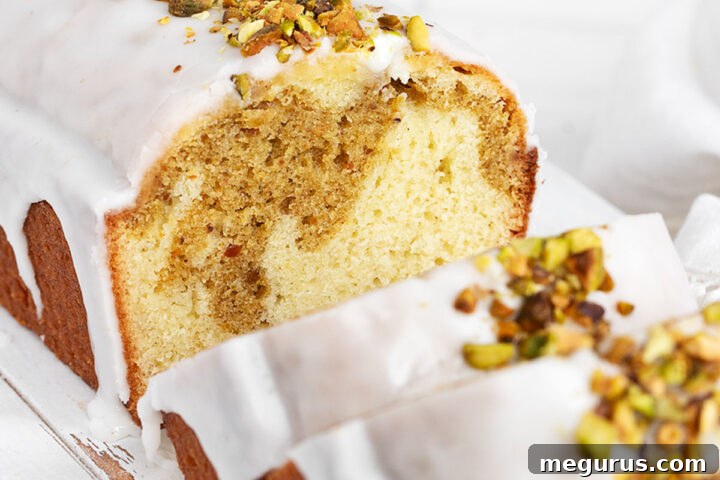
Get the Recipe: Lemon Pistachio Loaf
An utterly delightful pistachio loaf cake, combining a classic pound cake base with a vibrant pistachio-flavoured swirl, generously topped with a zesty lemon glaze and crunchy pistachios.
Pin This
Leave a Review
Prep Time: 15 mins
Cook Time: 1 hr
Total Time: 1 hr 15 mins
Yield: 10 servings
Ingredients
For the Loaf Cake:
- 1/2 cup (113 g) salted butter, at room temperature
- 1 cup (190 g) white granulated sugar
- 3 large eggs, at room temperature
- 2 teaspoons vanilla extract, or vanilla bean paste
- 1 1/2 cups (180 g) all-purpose flour, spooned and levelled
- 1/4 teaspoon salt
- 1/4 teaspoon baking soda
- 1/4 teaspoon baking powder
- 1/3 cup (75 ml) full-fat sour cream, at room temperature
For the Pistachio Swirl:
- 1/2 cup (50 g) pistachios, shelled, raw or lightly salted
- 3 Tablespoons brown sugar
- 1/4 cup (60 ml) milk
For the Lemon Glaze and Topping:
- 1 cup (65 g) icing/confectioners’ sugar
- 2 Tablespoons lemon juice, plus more as needed
- 1/4 cup pistachios, chopped
Instructions
- Preheat oven to 325°F (160°C) – non-convection. Grease and flour an 8 1/2 x 4 1/2-inch or 4 x 10-inch loaf pan. Set aside.
- In a large bowl, cream together the room-temperature butter and sugar until light and fluffy (about 3 minutes on medium speed). Beat in the eggs one at a time, scraping down the bowl as needed. Beat in the vanilla.
- In a medium bowl, whisk together the flour, salt, baking soda, and baking powder. Add half of the flour mixture to the butter mixture, then add the sour cream, then add the rest of the flour mixture, mixing just until combined. Do not overmix.
- Remove 1 cup of the plain batter to a separate medium bowl.
- For the pistachio swirl, combine the 1/2 cup pistachios, brown sugar, and milk in a food processor. Process until very smooth. Gently fold this pistachio mixture into the reserved 1 cup of batter.
- Spread a thin layer of the remaining plain batter into the bottom of the prepared loaf pan. Drop alternating spoonfuls of the plain and pistachio batters into the pan. Top with a thin layer of the remaining plain batter and smooth the top. Use a long skewer or knife to make a few swirls (3 strokes lengthwise or 4-5 side-to-side) for a marbled effect.
- Bake in the preheated oven for 55-65 minutes, or until a tester inserted into the center comes out clean. (4×10 inch pan: 55-60 minutes; 8.5×4.5 inch pan: 65+ minutes).
- Allow the loaf to cool in the pan for about 10 minutes, then carefully remove it to a wire rack to cool completely. Ensure it is fully cool before glazing.
- Glaze Tip: For a thick, opaque white glaze, ensure its consistency is such that when dripped from a spoon, it very slowly blends back into itself. If it’s too thin, add more icing sugar; if too thick, add a tiny bit more lemon juice.
- To make the glaze, add the icing sugar to a small bowl. Gradually add lemon juice, stirring well, until the desired consistency is reached.
- Spoon the glaze down the center of the cooled loaf, gently coaxing it towards the edges for elegant drips. You may not need all the glaze. While the glaze is still wet, sprinkle the chopped pistachios on top.
- Allow the glaze to set for at least 30 minutes before slicing and serving.
Notes
Essential Baking Tips:
For the best results, always start with room temperature butter, eggs, and sour cream. Remove them from the fridge 45-60 minutes before you begin baking.
Accurate flour measurement is vital for a moist pound cake. Stir your flour first to aerate it, then spoon it lightly into your measuring cup, overfilling slightly. Use the back of a knife to level off the excess. This “spoon and level” method prevents over-measurement.
I highly recommend using full-fat sour cream for supreme moistness and an improved shelf-life. Its high fat content (approx. 14%) significantly contributes to the tender crumb. While Greek yogurt can be substituted, its lower fat content (approx. 5%) will affect the cake’s moistness and how long it stays fresh.
Cuisine: American, Canadian
Course: Dessert
Author: Jennifer Maloney
Nutrition Information (Approximate Per Serving)
Serving: 1 slice (approx. 1/10 of loaf)
- Calories: 357 kcal
- Carbohydrates: 47 g
- Protein: 6 g
- Fat: 17 g
- Saturated Fat: 8 g
- Polyunsaturated Fat: 2 g
- Monounsaturated Fat: 6 g
- Trans Fat: 0.4 g
- Cholesterol: 85 mg
- Sodium: 186 mg
- Potassium: 175 mg
- Fiber: 1 g
- Sugar: 31 g
- Vitamin A: 462 IU
- Vitamin C: 1 mg
- Calcium: 47 mg
- Iron: 2 mg
Tried this recipe? If you loved making and tasting this Lemon Pistachio Loaf, please consider leaving a star rating and comment below. Your valuable feedback not only helps us but also guides other bakers in discovering this wonderful recipe!
Discover More Delicious Loaf Cake Recipes!