
Transforming last night’s culinary triumph into an equally impressive meal is an art form every home chef masters. Our recipe for Leftover Roast Beef Yorkshire Pudding, elegantly served directly from a hot skillet with a zesty horseradish sauce, is a testament to this philosophy. This dish isn’t just about repurposing ingredients; it’s about elevating them into a comforting, robust, and utterly delicious dinner that feels both new and nostalgically familiar. Forget mundane leftovers; embrace a quick, easy, and satisfying meal that will have everyone asking for seconds.

If you recently savored our herb and mustard sirloin tip roast beef recipe, you likely have some delicious remnants waiting to be transformed. This article provides the perfect solution: a delightful and effortless way to enjoy any leftover roast beef and its accompanying savory gravy. We’ll guide you through creating a simple skillet Yorkshire pudding, topping it with your warmed roast beef and gravy, and finishing it with an easy, homemade horseradish sauce that perfectly complements the rich flavors of the beef.
Why This Leftover Roast Beef and Yorkshire Pudding Recipe Shines
This dish is more than just a convenient way to use up leftovers; it’s a gourmet experience disguised as a simple weeknight meal. Here’s why it deserves a spot in your culinary repertoire:
- Effortless Transformation: It takes minimal effort to turn yesterday’s feast into today’s gourmet delight. The components come together quickly, making it ideal for busy evenings.
- Unbeatable Comfort: Few dishes evoke the same sense of warmth and coziness as a perfectly puffed Yorkshire pudding, especially when it’s generously laden with tender roast beef and luscious gravy. It’s the ultimate comfort food experience.
- Flavor Harmony: The robust flavor of roast beef, the depth of rich gravy, the airy texture of Yorkshire pudding, and the bright, spicy kick of horseradish sauce create a symphony of tastes and textures that are simply irresistible.
- Economical & Sustainable: Reducing food waste is both environmentally friendly and budget-smart. This recipe ensures that no precious roast beef goes to waste, maximizing every bit of your original meal.
- Impressive Presentation: Serving this meal directly from a sizzling cast-iron skillet creates a rustic and appealing presentation that’s sure to impress your family or guests with minimal fuss.
Essential Ingredients for Your Skillet Creation
Creating this magnificent leftover roast beef and Yorkshire pudding dish relies on a few key components. Here’s a closer look at what you’ll need and some helpful notes:
The Heart of the Meal: Leftover Roast Beef and Gravy
This recipe is truly designed for leftover roast beef and gravy. The tender, already-cooked beef and the rich, flavorful gravy are the stars that make this dish so easy and satisfying. Aim for thinly sliced or roughly chopped pieces of beef that can be easily warmed through and distributed over the Yorkshire pudding.
- No Gravy? No Problem! If your original roast didn’t yield enough gravy, or you’re starting with just leftover beef, don’t despair. A high-quality store-bought beef gravy can be an excellent substitute. Look for brands with natural ingredients and robust flavor to complement your beef. Alternatively, you can quickly whip up a simple gravy using beef broth, a roux (flour and butter), and seasonings.
The Perfect Accompaniment: Horseradish Sauce
A creamy, piquant horseradish sauce cuts through the richness of the beef and gravy, adding a delightful zing. The beauty of homemade horseradish sauce is its customizability.
- Adjusting the Spice: Horseradish varieties can vary significantly in their heat level. We recommend starting with the minimum amount specified in the recipe, then tasting and gradually adding more until it reaches your desired level of spiciness. Freshly grated horseradish offers the most potent flavor, but prepared horseradish (from a jar) works perfectly well and is more commonly available.
- Creamy Base: The sauce typically uses a base of sour cream and mayonnaise, offering a smooth texture and tangy counterpoint to the horseradish. A dash of Worcestershire sauce adds depth and umami.
The Golden Foundation: Skillet Yorkshire Pudding
The Yorkshire pudding is surprisingly simple to make, especially when baked in a single skillet, creating a large, fluffy base for your toppings.
- Flour: All-purpose flour forms the structure of the pudding. Sift it for the lightest texture.
- Milk and Eggs: For the best rise and texture, it’s crucial that your milk (2% or 3% is recommended) and large eggs are at room temperature. This helps create a smooth batter and prevents temperature shock when introduced to the hot pan, which can hinder the puff.
- Salt: Essential for seasoning the batter.
- Cooking Oil: A high smoke point oil like vegetable or canola oil is ideal for preheating the skillet and achieving that signature crispy exterior.
Step-by-Step Guide to Crafting Your Delicious Dinner
Follow these straightforward steps to turn your leftovers into a spectacular skillet meal:
- Preheat the Skillet and Oven: Place your cast-iron skillet (or any oven-proof skillet of similar size) into the oven and preheat the oven to 400°F (200°C). Allowing the skillet to heat up with the oven is crucial for achieving that signature puff in your Yorkshire pudding.
- Prepare the Yorkshire Pudding Batter: While the oven and skillet are heating, prepare your batter. In a blender, food processor, or using an immersion blender, combine the room-temperature flour, milk, eggs, and a pinch of salt. Blend until the mixture is completely smooth and free of lumps. This can also be done by hand with a whisk, ensuring a smooth consistency.
- Heat the Oil: Once the oven has reached temperature, carefully remove the very hot skillet from the oven. Add one tablespoon of cooking oil to the pan. Using a pastry brush or carefully tilting the pan, spread the oil evenly across the bottom and slightly up the sides of the skillet. The oil should be shimmering hot.
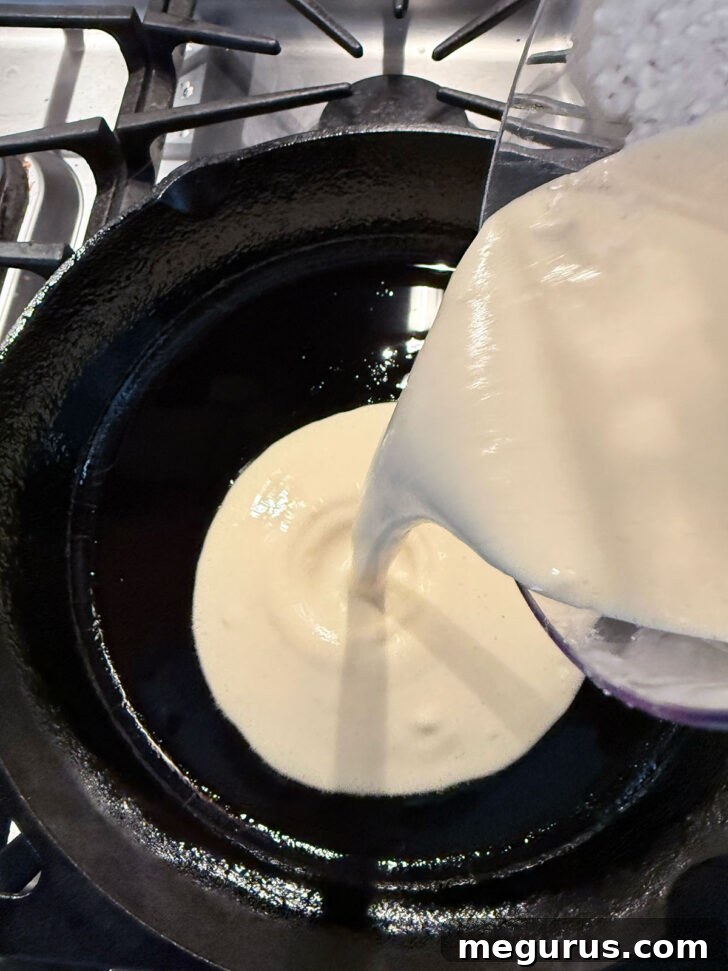
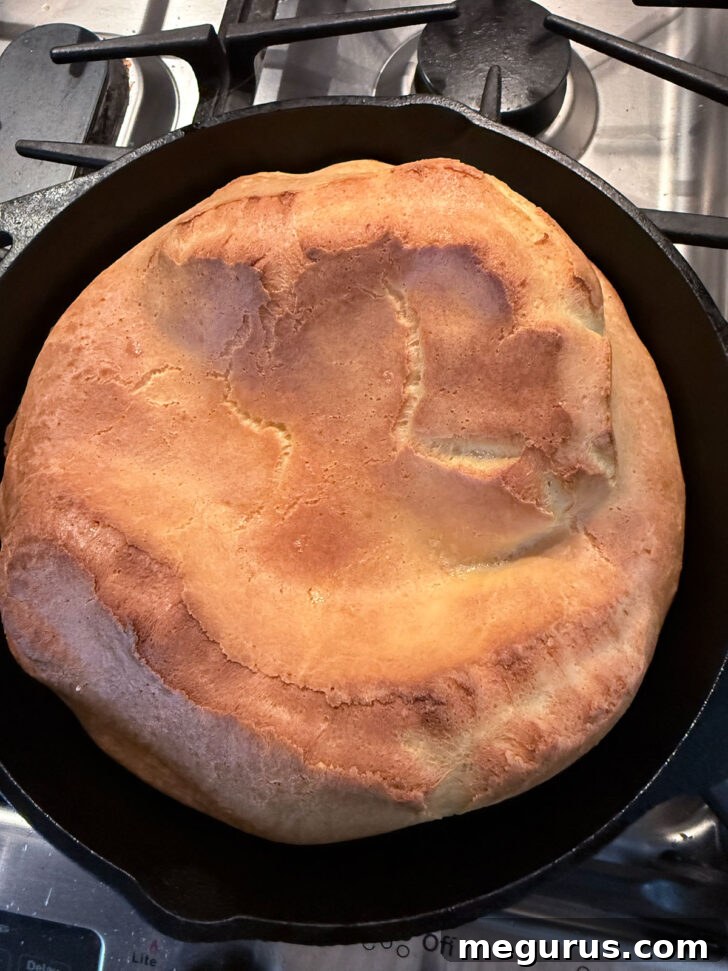
- Pour and Bake: Immediately pour the prepared Yorkshire pudding batter into the hot, oiled pan. Carefully return the skillet to the preheated oven. Bake for approximately 25-30 minutes, or until the Yorkshire pudding is beautifully puffed, golden brown, and cooked through. Resist the urge to open the oven door during the first 20 minutes of baking, as this can cause the pudding to deflate.
- Prepare Toppings and Sauce: While the Yorkshire pudding is baking, gently rewarm your sliced or chopped leftover roast beef and gravy. This can be done in a saucepan on the stovetop over low heat, or briefly in the microwave. For the horseradish sauce, combine sour cream, mayonnaise, a dash of Worcestershire sauce, and your desired amount of horseradish in a small bowl. Season with salt and freshly ground pepper to taste.
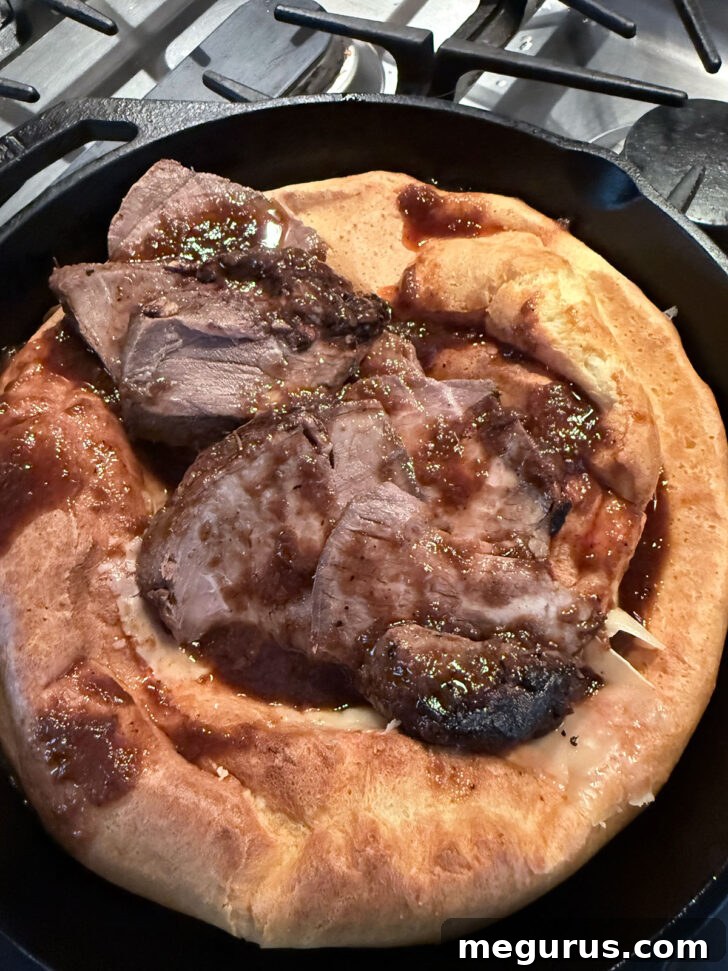
- Assemble and Serve: Once the Yorkshire pudding is golden and puffed, carefully remove it from the oven. It will naturally deflate slightly as it cools. Generously spoon the warmed roast beef and gravy over the top of the Yorkshire pudding. Drizzle liberally with the prepared horseradish sauce. For a fresh finish, garnish with chopped fresh parsley or a sprinkle of peppery baby arugula. Serve immediately and enjoy this spectacular, comforting meal straight from the skillet.
Pro Tips for the Perfect Leftover Roast Beef Yorkshire Pudding
- Room Temperature Ingredients for Yorkshire Pudding: For the most impressive rise and best texture, ensure your milk and eggs are at room temperature. Take them out of the refrigerator 30-40 minutes before you plan to make the batter. This helps prevent temperature shock when the batter hits the hot pan.
- The Mighty Cast-Iron Skillet: A 10-inch cast-iron skillet is ideal for baking the Yorkshire pudding. Its exceptional heat retention ensures an even bake and a fantastic puff. If you don’t have one, any oven-safe skillet of similar size or even a metal pie plate will work, but be aware that heat retention might differ, potentially affecting the pudding’s rise slightly. For a larger 12-inch skillet, consider doubling the Yorkshire pudding batter ingredients to adequately fill the pan.
- Rewarming Roast Beef and Gravy: Your roast beef can be rewarmed either directly in the gravy on the stovetop or wrapped in foil and placed in the oven alongside the Yorkshire pudding during its final minutes. The gravy can be microwaved or heated in a saucepan until simmering gently.
- Customizing Your Horseradish Sauce: Always start with the minimum amount of horseradish and taste as you go. Different brands and preparations of horseradish can vary wildly in strength. You can also experiment with a squeeze of lemon juice or a hint of Dijon mustard for extra flavor complexity.
- Garnishing for Flavor and Flair: While chopped fresh parsley adds a classic touch and bright color, don’t limit yourself! Peppery baby arugula or even finely chopped chives would also offer a wonderful flavor contrast and visual appeal.
- No Leftovers? No Problem! If you’re craving this dish but don’t have leftover roast beef, you can still make it! Simply use thick-sliced, high-quality deli roast beef and a good store-bought beef gravy. Warm them thoroughly before topping your Yorkshire pudding.

Making Ahead and Storage Tips
While this dish is best enjoyed fresh from the oven, a few components can be prepared in advance to streamline your cooking process, and leftovers can be stored:
- Yorkshire Pudding Batter: The batter can be made up to an hour in advance and kept at room temperature. For longer storage (up to 24 hours), refrigerate it, but ensure it returns to room temperature before baking for the best rise.
- Horseradish Sauce: This sauce can be prepared a day or two ahead and stored in an airtight container in the refrigerator. Its flavors will meld beautifully over time.
- Rewarming Yorkshire Pudding: If you bake the Yorkshire pudding ahead of time, leave it loosely covered with foil at room temperature. To rewarm, pop it into a 350°F (175°C) oven for a few minutes until heated through and slightly crisped again.
- Storing Leftovers: Any assembled leftovers should be stored in an airtight container in the refrigerator for up to 24 hours. Keep in mind that the Yorkshire pudding will lose some of its crispness upon storage and reheating, but the flavors will remain delicious. Reheat gently in the oven or microwave.
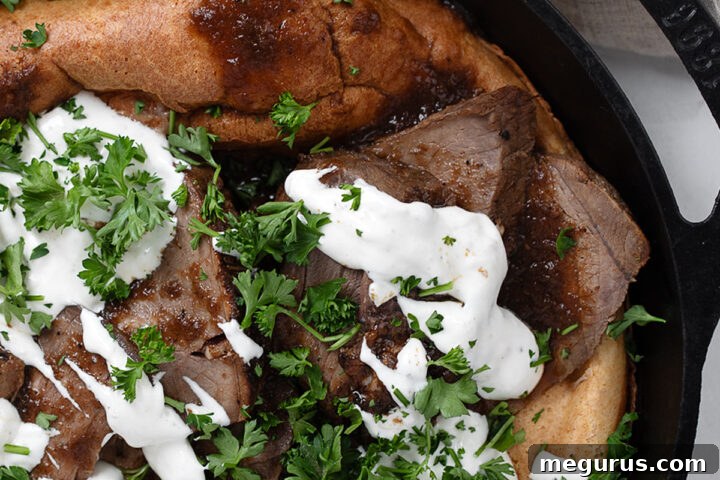
Leftover Roast Beef and Yorkshire Pudding
Turn your leftover roast beef and gravy into this quick, easy, and incredibly satisfying dinner, served atop a fluffy skillet Yorkshire pudding with a vibrant horseradish sauce.
Pin This Recipe
Prep Time: 1 hour 55 minutes
Cook Time: 30 minutes
Total Time: 2 hours 25 minutes
Yield: 4 servings
Ingredients
For the Yorkshire Pudding:
- 1 Tablespoon vegetable or canola oil
- 1 cup all-purpose flour
- 1 cup milk (2 or 3% milk recommended, at room temperature)
- 2 large eggs (at room temperature)
- 1/2 teaspoon salt
For the Pan:
- 1 Tablespoon cooking oil (such as vegetable oil or canola oil)
For the Horseradish Sauce:
- 1/4 cup sour cream
- 2 Tablespoons mayonnaise
- Dash Worcestershire sauce
- 1/2 – 1 Tablespoon horseradish (adjust to taste)
- Salt and freshly ground pepper (to taste)
For Topping:
- 1/2 lb leftover cooked roast beef (sliced or chopped and rewarmed)
- 1 cup leftover beef gravy (warmed)
- Chopped parsley (for garnish)
Instructions
- Prepare for Yorkshire Pudding: For the best results, ensure your milk and eggs are at room temperature by taking them out of the fridge 30-40 minutes in advance. Place your 10-inch cast-iron skillet (or similar oven-safe skillet) into the oven and preheat the oven to 400°F (200°C – non-convection). Allow the skillet to preheat with the oven as you prepare the batter.
- Make the Batter: In a blender, food processor, or using an immersion blender, combine the 1 tablespoon of vegetable or canola oil, all-purpose flour, milk, eggs, and 1/2 teaspoon of salt until completely smooth.
- Heat the Pan: When the oven has preheated, carefully remove the intensely hot skillet. Add the 1 tablespoon of cooking oil to the pan and use a pastry brush to spread the oil around the pan’s bottom and sides. The oil should be shimmering hot.
- Bake the Yorkshire Pudding: Pour the smooth Yorkshire batter into the hot pan, then immediately return the skillet to the oven. Bake for approximately 30 minutes, or until the Yorkshire pudding is beautifully puffed, deeply golden brown, and cooked through. Avoid opening the oven door during baking to ensure a good rise.
- Prepare Horseradish Sauce: While the Yorkshire pudding is baking, prepare the horseradish sauce. In a small bowl, whisk together the sour cream, mayonnaise, Worcestershire sauce, and starting with 1/2 tablespoon of horseradish. Season generously with salt and freshly ground pepper. Taste and add more horseradish as desired for your preferred spice level. Set aside at room temperature, or refrigerate if preparing further in advance.
- Rewarm Toppings: Gently rewarm your sliced or chopped roast beef and beef gravy. This can be done in a microwave or a small saucepan over low heat until hot.
- Assemble and Serve: Once the Yorkshire pudding is baked, remove it from the oven. It will naturally begin to deflate. Spoon the warmed roast beef and gravy over the entire surface of the Yorkshire pudding. Drizzle liberally with the prepared horseradish sauce. Garnish with chopped fresh parsley before serving immediately, directly from the skillet.
Notes
- No Leftover Roast Beef? You can still make this delicious dish! Simply substitute thick-sliced deli roast beef and your favorite store-bought beef gravy, ensuring they are warmed through before topping.
- Garnish Alternatives: While chopped parsley is classic, consider baby arugula for a peppery kick or finely chopped chives for a mild onion flavor that complements the beef and sauce beautifully.
- Adjust Horseradish to Taste: Always sample your horseradish sauce and adjust the amount of horseradish according to your personal preference and the strength of your specific horseradish product.
Cuisine: American, Canadian
Course: Main Course
Author: Jennifer Maloney
Nutrition (per serving): Calories: 367kcal, Carbohydrates: 32g, Protein: 22g, Fat: 16g, Saturated Fat: 4g, Polyunsaturated Fat: 5g, Monounsaturated Fat: 6g, Trans Fat: 0.04g, Cholesterol: 141mg, Sodium: 1538mg, Potassium: 357mg, Fiber: 1g, Sugar: 4g, Vitamin A: 302IU, Vitamin C: 26mg, Calcium: 274mg, Iron: 3mg
Tried this recipe? If you enjoyed this recipe, we’d love for you to leave a star rating and comment! Your feedback helps others discover and love this dish too.