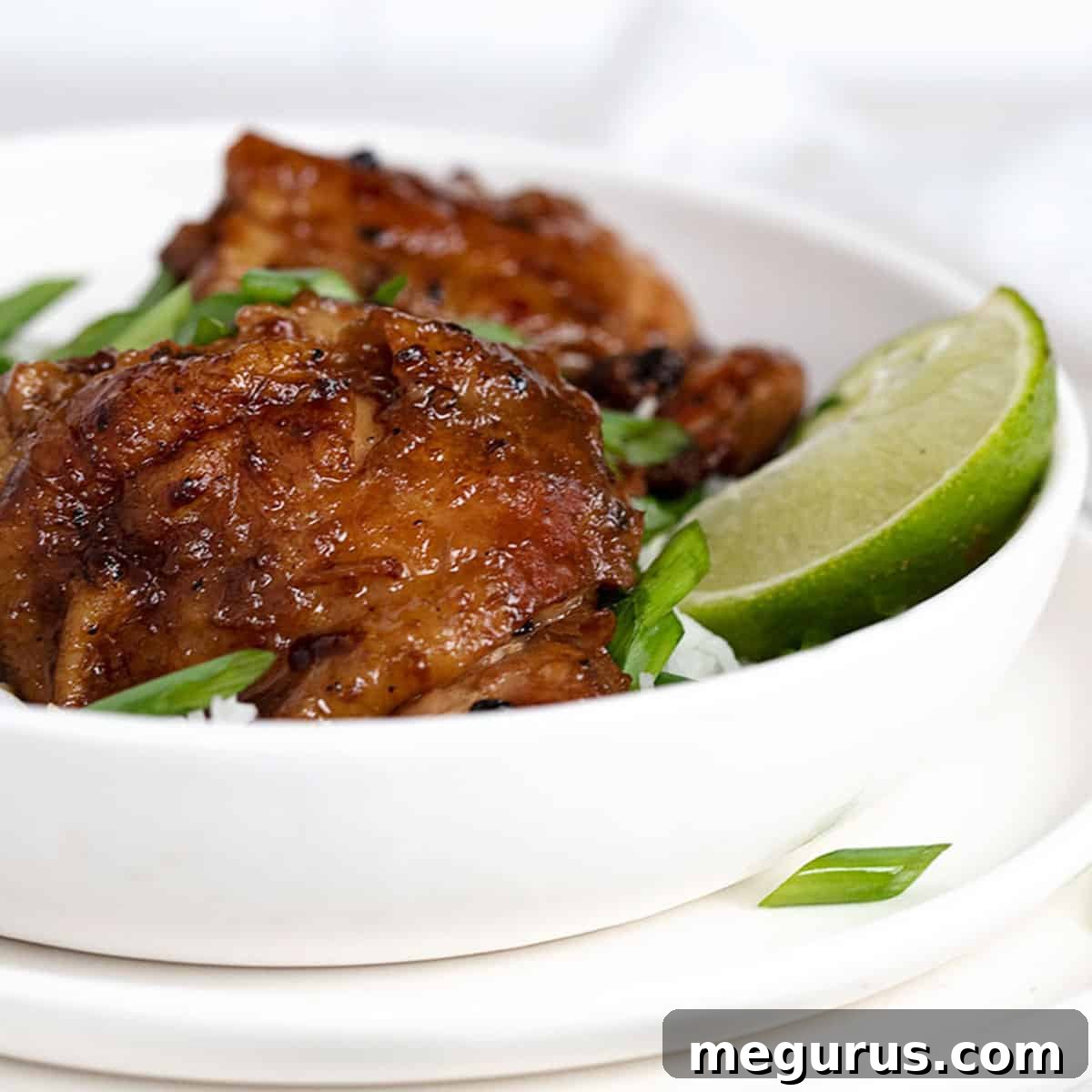
Discover the irresistible flavors of the Philippines with this authentic Chicken Adobo, elevated by the creamy richness of coconut milk. Perfectly simmered, this classic dish features tender, fall-off-the-bone chicken in a savory, tangy, and subtly sweet sauce. Ideal for an easy weeknight meal or a special gathering, it pairs wonderfully with optional cilantro-lime rice for a truly memorable dinner experience.
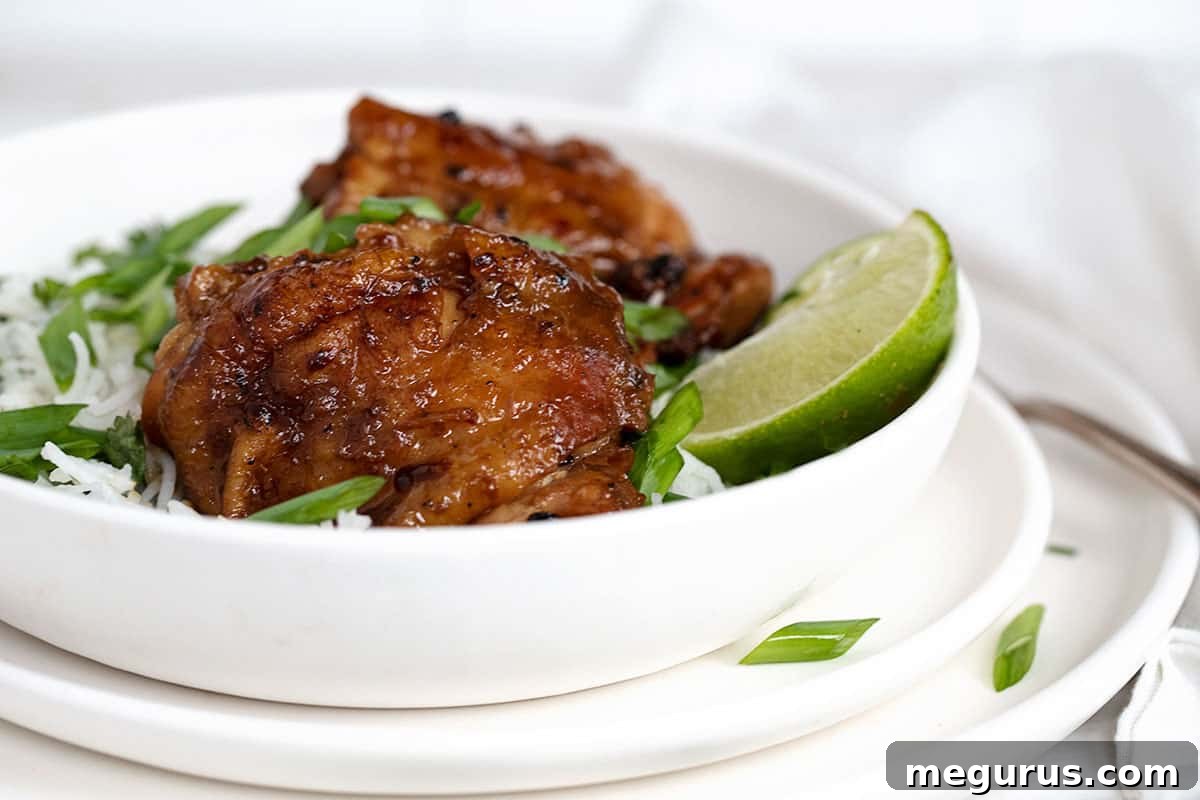
Filipino Chicken Adobo, or Adobong Manok sa Gata, is more than just a dish; it’s a culinary cornerstone of the Philippines, beloved for its comforting and deeply flavorful profile. This particular recipe introduces a delightful twist to the traditional adobo by incorporating coconut milk, which infuses the sauce with an extra layer of nuanced flavor and a luxurious, velvety texture. Slow-simmered with a foundational blend of soy sauce, vinegar, fragrant garlic, black peppercorns, and aromatic bay leaves, the chicken transforms into succulent, tender pieces that effortlessly fall off the bone, all bathed in an incredibly rich and complex sauce.
You’ll be delighted by how straightforward this Filipino chicken adobo recipe is. After a quick initial searing of the chicken and combining the sauce ingredients, the cooking process is largely hands-off, allowing the flavors to meld beautifully. It’s incredibly versatile, adaptable to various cuts of chicken, making it a perfect candidate for a fuss-free yet impressive dinner any night of the week. To complete this fantastic meal, I highly recommend serving it alongside an easy-to-prepare cilantro lime rice, which provides a refreshing contrast to the rich adobo sauce.
Understanding the Essence of Adobo: A Culinary Icon
Adobo isn’t just one recipe; it’s a cooking process and a flavor profile that defines Filipino cuisine. The word “adobo” itself comes from the Spanish “adobar,” meaning “marinade” or “sauce,” reflecting the historical influence on the islands. However, the Filipino adobo predates Spanish colonization, evolving from indigenous cooking methods that used vinegar and salt to preserve meat. The Spanish term was simply applied to a pre-existing cooking tradition.
At its heart, adobo is characterized by its signature balance of savory, sour, and sometimes sweet notes, achieved through the careful combination of soy sauce, vinegar, garlic, and black pepper. This specific version, Adobong Manok sa Gata, stands out by adding coconut milk, which introduces a creamy richness and a subtle sweetness that mellows the tang of the vinegar and the saltiness of the soy sauce, creating an exceptionally smooth and satisfying sauce that coats every piece of chicken.
Preparing adobo at home is an act of bringing a piece of Filipino heritage to your table. Its deep, comforting flavors make it a favorite for family meals, celebrations, and even meal prepping due to how well it reheats. This recipe guides you through creating a dish that is both authentic and approachable, perfect for both seasoned cooks and those new to Filipino cooking.
Key Ingredients and Smart Substitutions for Perfect Chicken Adobo
Crafting the perfect Chicken Adobo with Coconut Milk starts with understanding your ingredients. Here are a few essential notes and substitution tips to ensure your dish is nothing short of spectacular:
- Chicken: For the most flavorful and tender result, bone-in chicken is highly recommended. The bones release collagen and flavor into the sauce during the slow simmering process, enriching the overall taste and texture. I typically use bone-in, skin-on chicken thighs, which offer robust flavor and a wonderful texture. However, bone-in breasts or drumsticks are also excellent choices, or you can use a combination of different bone-in pieces. If you prefer, boneless and skinless chicken breasts or thighs can also be used; just be mindful that cooking times might need slight adjustment to prevent overcooking and keep the chicken juicy.
- Soy Sauce: The quality and sodium content of your soy sauce significantly impact the final dish. A low-sodium soy sauce is strongly advised to prevent your adobo from becoming overly salty. This allows you to control the seasoning more effectively. If you only have regular soy sauce, consider using a slightly reduced amount and taste as you go, adding more if needed.
- Vinegar: The choice of vinegar is crucial for the signature tangy profile of adobo. Traditionally, coconut vinegar is preferred for its unique, mild, and slightly sweet acidity, but it can be challenging to find outside of specialty Asian markets. Excellent alternatives include rice vinegar (unseasoned), white vinegar, or apple cider vinegar. I personally lean towards unseasoned rice vinegar for its smoother, less aggressive acidity that complements the coconut milk beautifully. Experiment with different types to discover which acidity profile best suits your palate. Each vinegar will impart a slightly different character to the sauce.
- Coconut Milk: The coconut milk is what transforms this adobo, adding luscious creaminess and depth. Full-fat coconut milk will yield the richest and most decadent sauce, which is my usual preference. However, if you’re looking for a lighter option, lower-fat coconut milk will also work well. You’ll typically need one small can (around 160ml/5.5oz). If you only have a larger can, remember to stir the contents thoroughly (the cream often separates and rises to the top) before measuring out the required amount. Any leftover coconut milk can be frozen for future use.
- Aromatics and Spices:
- Garlic: A generous amount of garlic is non-negotiable for adobo. You’ll need about a head’s worth of cloves, lightly smashed to release their intense aroma and flavor.
- Peppercorns: Freshly crushed whole black peppercorns offer a more potent and complex pepper flavor compared to pre-ground pepper. If whole peppercorns aren’t available, about half a teaspoon of good quality black pepper will suffice.
- Red Pepper Flakes: A pinch of red chili pepper flakes adds a subtle warmth and a gentle kick, enhancing the overall flavor without making the dish overly spicy. Adjust to your heat preference.
- Bay Leaves: Fresh or dried bay leaves are essential for their distinctive herbaceous aroma, which infuses the sauce with a classic adobo fragrance.
Step-by-Step Guide: Crafting Your Chicken Adobo with Coconut Milk
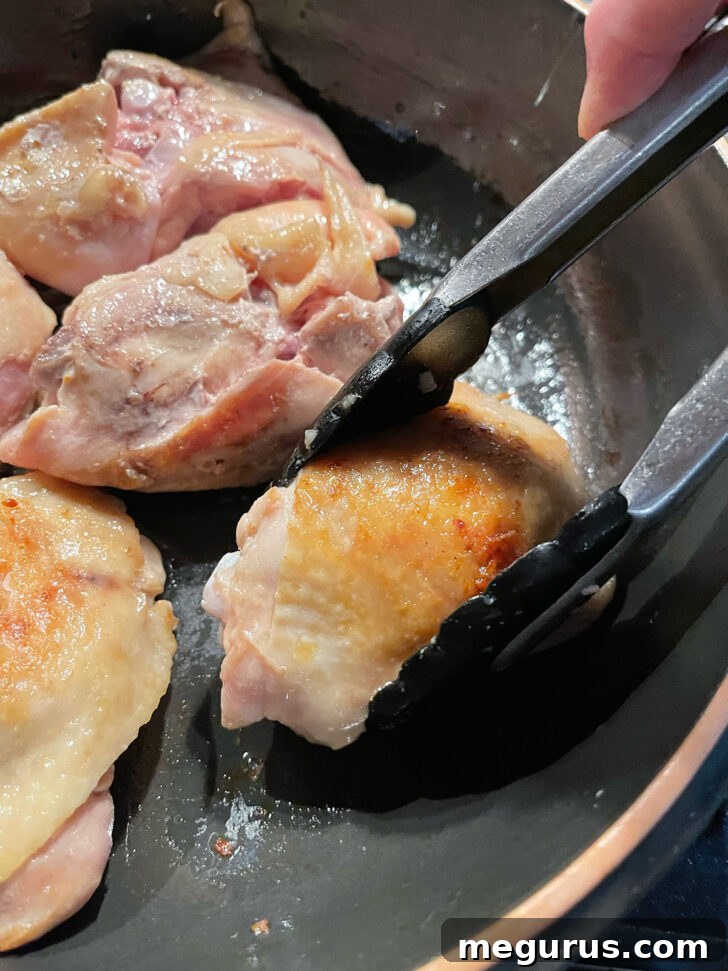
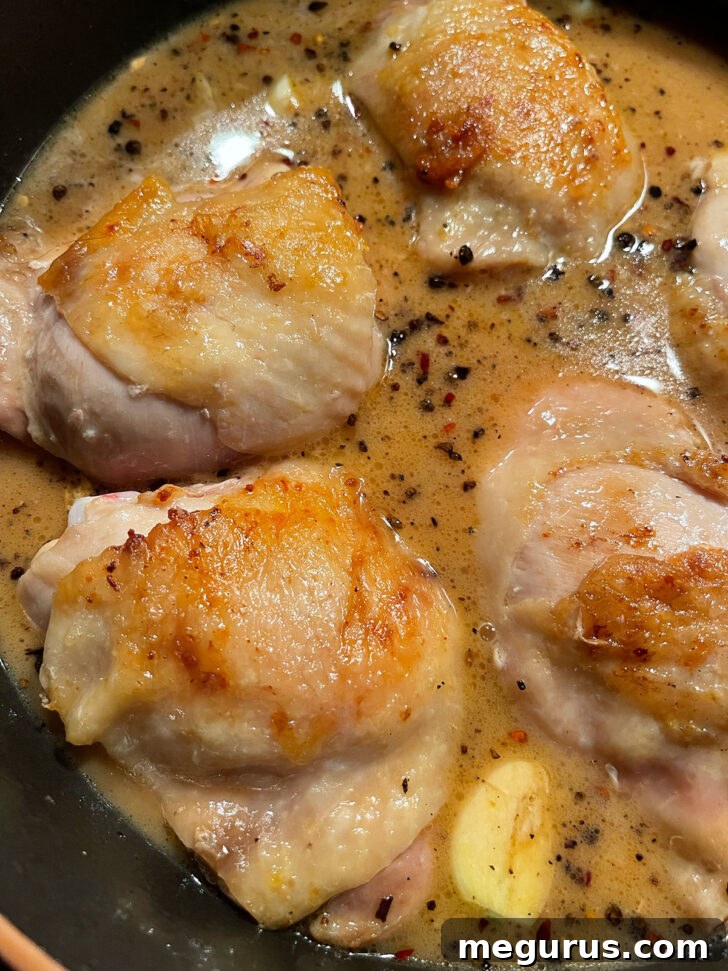
- Prepare and Sear the Chicken: Begin by patting your chicken pieces thoroughly dry with paper towels. This crucial step helps achieve a beautiful golden-brown sear. Absolutely no salting needed at this stage, as the soy sauce will provide ample seasoning. Heat your chosen oil (coconut or vegetable) in a large skillet, deep pot, or Dutch oven over medium-high heat. Once hot, carefully add the chicken, skin-side down if using skin-on pieces. Sear for several minutes until the skin is wonderfully golden and crispy. Flip the chicken and brown the other side briefly. Once browned, remove the chicken from the pan and set it aside on a plate.
- Prepare the Adobo Sauce: While the chicken is browning, in a medium bowl or a large measuring cup, whisk together the vinegar, soy sauce, water, and coconut milk until well combined. Set this mixture aside for later.
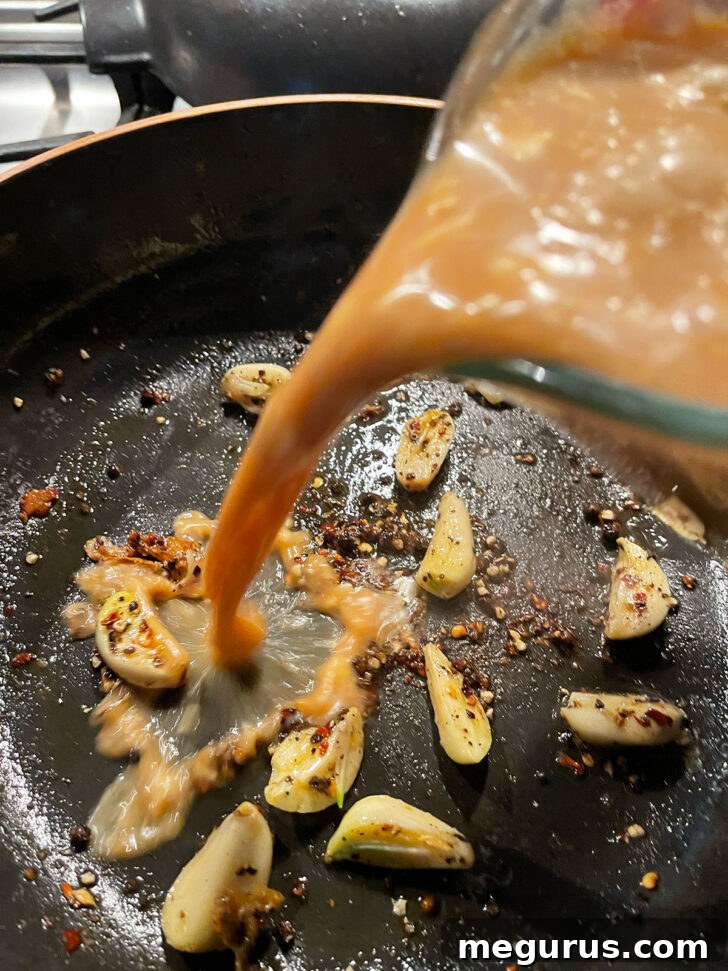
- Sauté Aromatics and Deglaze: If there’s excess fat left in the pan after searing the chicken, spoon off and discard all but about 1 tablespoon. Reduce the heat under the pan to medium. Add the smashed garlic cloves, crushed black peppercorns, and red pepper flakes to the skillet. Cook for about 1 minute, stirring constantly, until the garlic becomes fragrant. Be very careful not to burn the garlic, as burnt garlic can impart a bitter taste to your adobo. Immediately pour the prepared coconut milk mixture into the pan. Stir well, ensuring any browned bits from the bottom of the pan are scraped up (this adds incredible flavor!). Bring the sauce to a gentle boil.
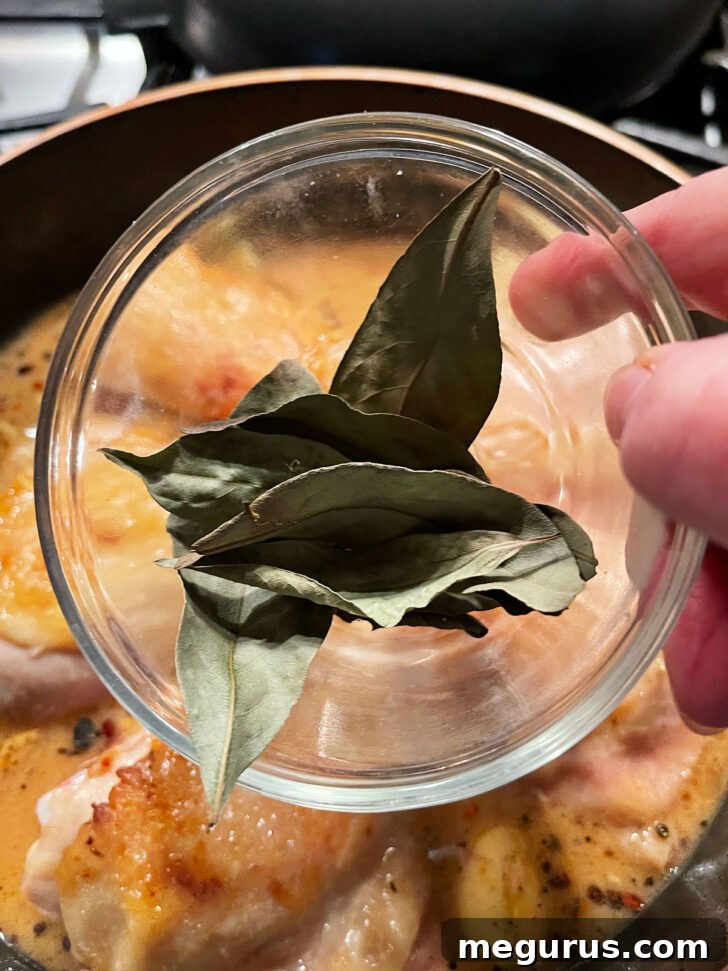
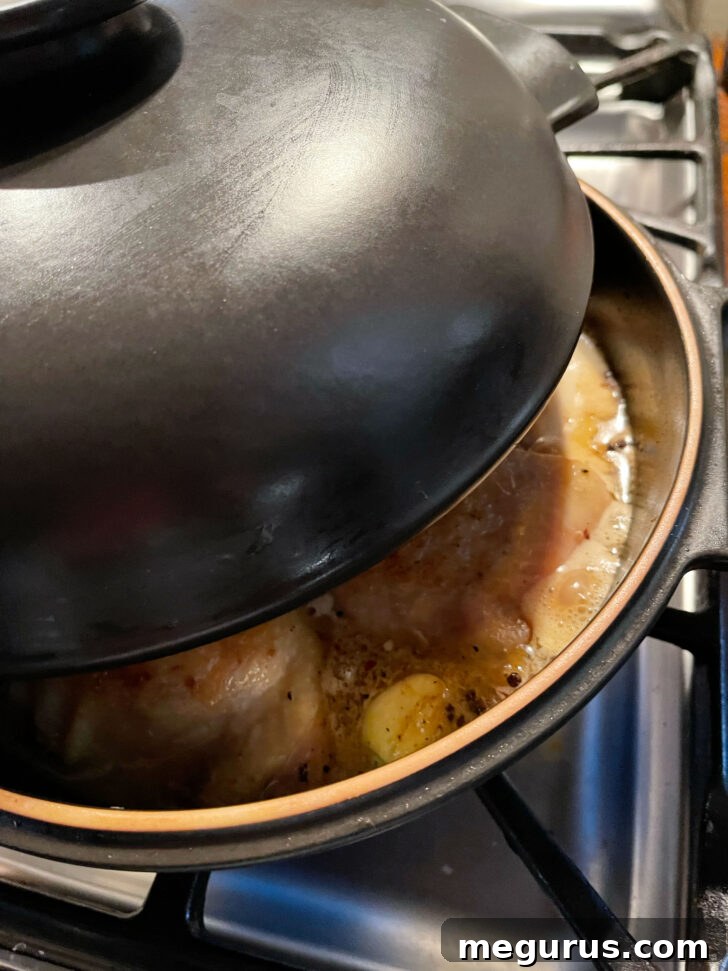
- Return Chicken and Simmer: Carefully return the browned chicken pieces to the pan, nestling them into the simmering sauce. Add the bay leaves, tucking them in between the chicken pieces. Reduce the heat to medium-low, then partially cover the pan, leaving approximately one-third of the lid open to allow steam to escape and the sauce to gradually reduce. Let the adobo gently simmer for 30 minutes. If your skillet lacks a lid, simply use a piece of foil, leaving it partially uncovered.
- Prepare Cilantro Lime Rice (Optional): If you plan to serve with cilantro lime rice, now is a good time to prepare it. Cook 1 cup of basmati or long-grain rice with 2 cups of water in a covered saucepan or rice cooker according to package directions. Once cooked, transfer to a bowl, fluff with a fork, then stir in the zest and juice of half a lime and 1/4 to 1/3 cup of freshly chopped cilantro. Stir gently to combine and keep warm.
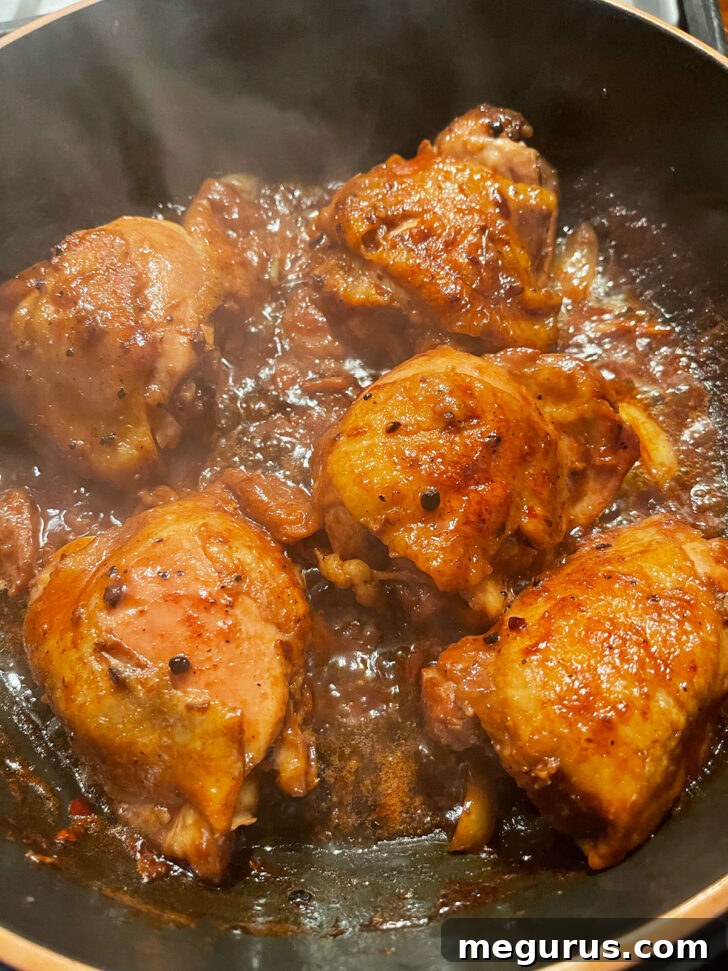
- Reduce and Thicken the Sauce: After the initial 30 minutes of simmering, completely remove the lid from the pan. Continue to simmer the adobo for an additional 15-20 minutes, or until the sauce has significantly reduced and thickened to a desirable consistency. During this stage, flip the chicken pieces a couple of times to ensure even cooking and coating. Be careful not to reduce the sauce too much; if it becomes overly concentrated, the fats can separate, leading to a greasy sauce. You want a good amount of glossy, flavorful sauce remaining. If the sauce isn’t quite as thick as you prefer, you can create a cornstarch slurry by mixing equal parts cornstarch and cold water into a smooth paste. Add this paste to the simmering sauce a little at a time, stirring constantly, until your desired thickness is achieved.
- Final Touches and Serve: Once the sauce has reached its perfect consistency, remove the pan from the heat. Carefully remove and discard the bay leaves. Serve your delicious Chicken Adobo with Coconut Milk immediately over steamed white rice, garlic rice, or the refreshing cilantro lime rice. Garnish with chopped green onions and a squeeze of fresh lime juice for an added burst of flavor.
Expert Recipe Tips for the Best Adobo
- Hold the Salt! Resist the urge to pre-salt your chicken. Filipino Chicken Adobo relies heavily on soy sauce for its saltiness, and adding extra salt at the beginning can easily lead to an overly seasoned dish. You can always adjust the saltiness at the end if necessary, but it’s difficult to remove excess salt.
- Perfect Sauce Consistency: Pay close attention to the sauce as it reduces. You want to stop cooking when there’s still a good amount of sauce left in the pan, and it has thickened nicely to coat the chicken. If you continue to cook it too long, the sauce can “break” or “split,” becoming oily and losing its smooth, emulsified texture. Aim for a glossy, reduced sauce that clings to the chicken.
- Managing Fat Content: Browning the chicken with the skin on is highly recommended, as it adds a fantastic depth of flavor to the pan that permeates the sauce. However, if you prefer a leaner dish, you can easily remove the chicken skin at the start of the simmering process or at any point during cooking. The initial browning with skin-on pieces contributes significantly to the savory fond at the bottom of the pan, which is crucial for a rich sauce.
- Don’t Burn the Garlic: Garlic is a cornerstone of adobo’s flavor. When sautéing the garlic, keep a close eye on it. It should become fragrant and lightly golden, not dark brown or burnt, as burnt garlic will introduce an undesirable bitter taste to your delicious adobo.
- Taste and Adjust: Like all great cooking, tasting as you go is key. Before the final reduction, taste the sauce and adjust the balance of flavors. If it’s too sour, a tiny pinch of sugar can balance it. If not tangy enough, a splash more vinegar might be needed. Remember, the flavors will concentrate as the sauce reduces.
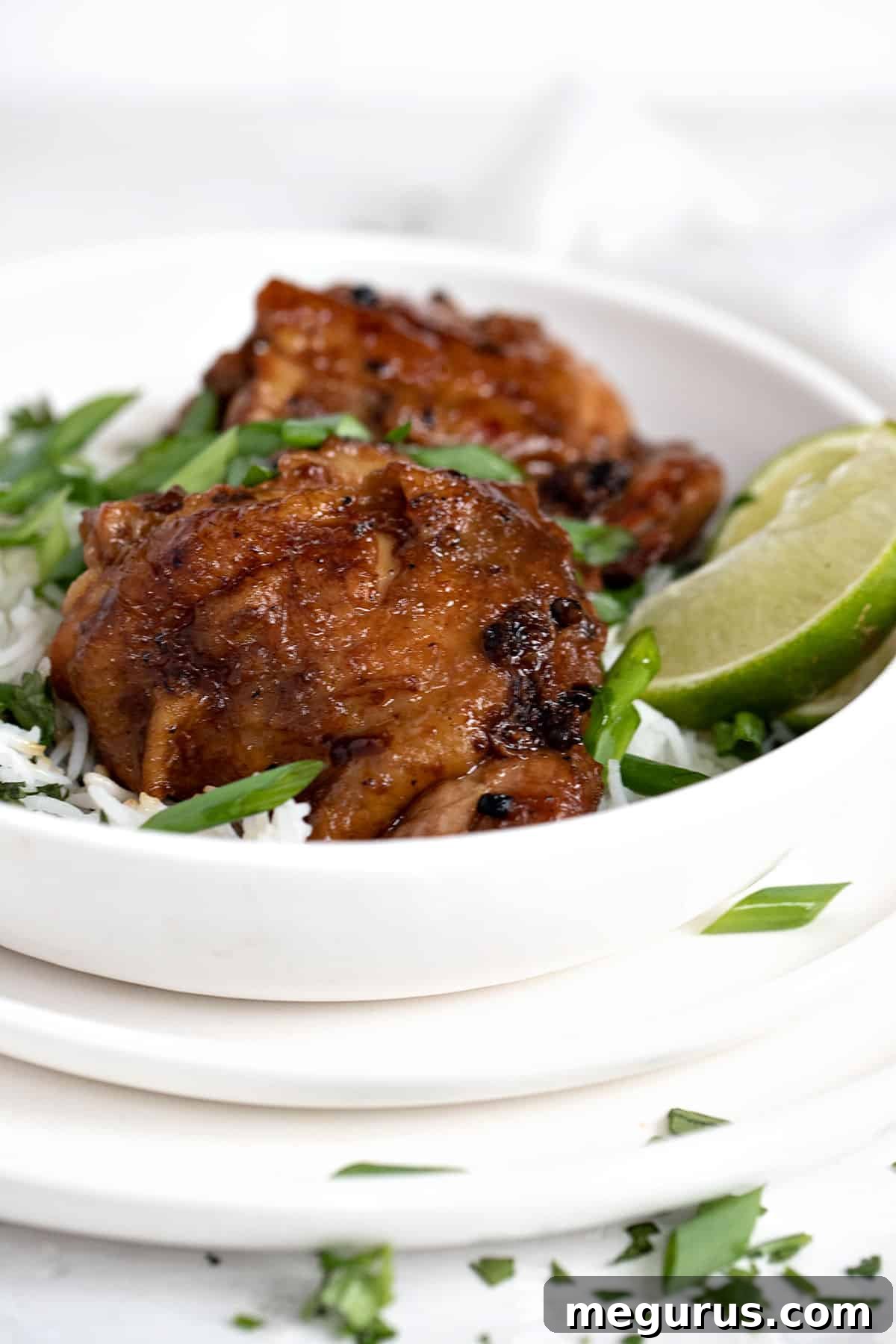
Serving Suggestions for Your Adobo
While Chicken Adobo with Coconut Milk is incredibly satisfying on its own, pairing it with the right side dishes can elevate the entire meal. The classic accompaniment is, of course, steamed white rice, which perfectly soaks up the rich and tangy sauce. For an extra layer of flavor, consider serving it with garlic rice (sautéed garlic mixed with steamed rice) or, as suggested in this recipe, a vibrant cilantro lime rice, which offers a refreshing zest that beautifully complements the adobo’s richness.
Beyond rice, you can also serve adobo with lightly sautéed or steamed green vegetables such as bok choy, green beans, or asparagus to add freshness and texture. A simple side salad with a light vinaigrette can also cut through the richness. Don’t forget to have some fresh lime wedges on hand for a final squeeze of citrus over your serving, enhancing the bright flavors of the dish. A sprinkle of chopped green onions or scallions makes for a lovely garnish, adding a hint of fresh oniony bite.
Making Ahead, Storing, and Freezing
One of the many advantages of Chicken Adobo is how wonderfully it reheats, often tasting even better the next day as the flavors have more time to meld and deepen. This makes it an excellent candidate for meal prep or for enjoying as delicious leftovers.
- Refrigeration: Leftovers can be stored in an airtight container in the refrigerator for approximately 2-3 days. When reheating, gently warm on the stovetop over low heat, adding a splash of water or chicken broth if the sauce has thickened too much.
- Freezing: Chicken Adobo freezes exceptionally well. Allow the dish to cool completely, then transfer it to freezer-safe containers or heavy-duty freezer bags. It can be frozen for up to 2 months. To reheat from frozen, thaw in the refrigerator overnight, then warm gently on the stovetop or in the microwave until heated through.
If you’re a true Adobo enthusiast and enjoy exploring variations, you might also want to try my Classic Filipino Pork Adobo recipe! It features succulent pork shoulder and offers a slightly different, yet equally delicious, adobo experience.
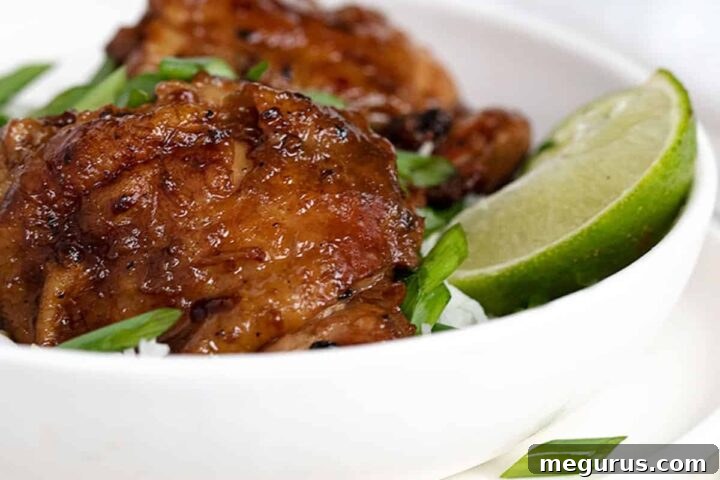
Get the Recipe: Chicken Adobo with Coconut Milk
Delicious chicken adobo with coconut milk, perfect for an easy weeknight or anytime dinner, served wonderfully with optional cilantro lime rice!
Pin This
Leave a Review
Ingredients
- 1 Tablespoon coconut oil or vegetable oil, or other cooking oil
- 8 cloves garlic, lightly smashed
- 1 teaspoon crushed black peppercorns, or about 1/2 teaspoon black pepper
- Pinch red chili pepper flakes
- 5-6 bone-in/skin-on chicken thighs, or other chicken pieces (see notes)
- 1/3 cup coconut vinegar, white vinegar, unseasoned rice vinegar or cider vinegar (see notes)
- 1/3 cup low-sodium soy sauce (highly recommended)
- 2/3 cup water
- 2/3 cup coconut milk (small 160ml/5.5oz can)
- 5 bay leaves, fresh or dried
Optional Cilantro Rice:
- 1 cup basmati or long grain rice
- 2 cups water
- Juice and zest of 1/2 lime
- 1/4-1/3 cup chopped cilantro
Garnish:
- Chopped green onion / scallions
- Lime wedges, for drizzling
Instructions
- Pat chicken dry, but do not salt! Heat oil in a large skillet, pot or Dutch oven over medium-high heat, then add chicken, skin-side down and cook until golden. Flip and brown the other side. Remove the browned chicken to a plate.
- Meanwhile, in a medium bowl or large measuring cup, stir together the vinegar, soy sauce, water and coconut milk and set aside.
- If you have excess fat in the pan, spoon off and discard all but 1 Tablespoon. Reduce heat under pan to medium. Add the garlic cloves, crushed peppercorns and red pepper flakes to the skillet and cook briefly, stirring, until the garlic is fragrant. Be sure not to burn the garlic, as it will introduce a bitter flavour to the dish.
- Add the coconut milk mixture to the pan and stir until coconut milk melts. Bring to a boil. Return the chicken pieces to the pan and tuck the bay leaves in between the chicken. Reduce heat to medium-low, partially cover the pan (leaving about 1/3 open) and allow to gently simmer for 30 minutes. (If your skillet doesn’t have a lid, simply lay a piece of foil over the top, leaving it about 1/3 uncovered.)
- (If making the Cilantro Lime rice) Cook the rice with the water in a covered saucepan or rice cooker. Remove to a bowl and add lime zest, lime juice and cilantro. Stir together and serve warm.
- After 30 minutes, remove the lid completely and continue simmering an additional 15-20 minutes, flipping the chicken a couple of times. Cook until the liquid is reduced and slightly thickened. Don’t reduce the sauce too much though, as it will split at some point and be greasy. Stop cooking when there is still a good amount of sauce in the pan. If it is not quite as thick as you’d like, you can mix equal parts cornstarch and cold water together into a paste and add a bit at a time to the pan to thicken the sauce, as desired.
- Remove from heat and remove and discard the bay leaves. Serve over rice, garlic rice or the optional Cilantro Lime Rice.
Notes
1. I tend to use bone-in/skin-on chicken thighs, but bone-in/skin-on chicken breasts, drumsticks, or a mixture of pieces also works. You can also use boneless, skinless chicken here, if you prefer.
2. Coconut vinegar is most classic in Adobo, but can be hard to find. White vinegar is a decent substitution or unseasoned Rice Vinegar. I tend to prefer Rice Vinegar as it has a smoother vinegar taste. Experiment with different vinegars to find your favourite.
3. Low-Sodium soy sauce is highly recommended, to avoid an overly salty dish. If you only have regular soy sauce, use a touch less.
You can remove the chicken skin after browning the chicken, if you prefer, to reduce the fat in the sauce.
You’ll find more tips and substitution suggestions above this recipe card, as well as Step-by-Step photos!
Nutrition Information (per serving):
Serving: 1 serving, Calories: 478 kcal, Carbohydrates: 6g, Protein: 34g, Fat: 34g, Saturated Fat: 11g, Polyunsaturated Fat: 7g, Monounsaturated Fat: 13g, Trans Fat: 1g, Cholesterol: 185mg, Sodium: 1206mg, Potassium: 519mg, Fiber: 1g, Sugar: 1g, Vitamin A: 158IU, Vitamin C: 3mg, Calcium: 41mg, Iron: 2mg
Tried this recipe?
If you enjoyed this recipe, please leave a star rating and comment. It helps others to find it!