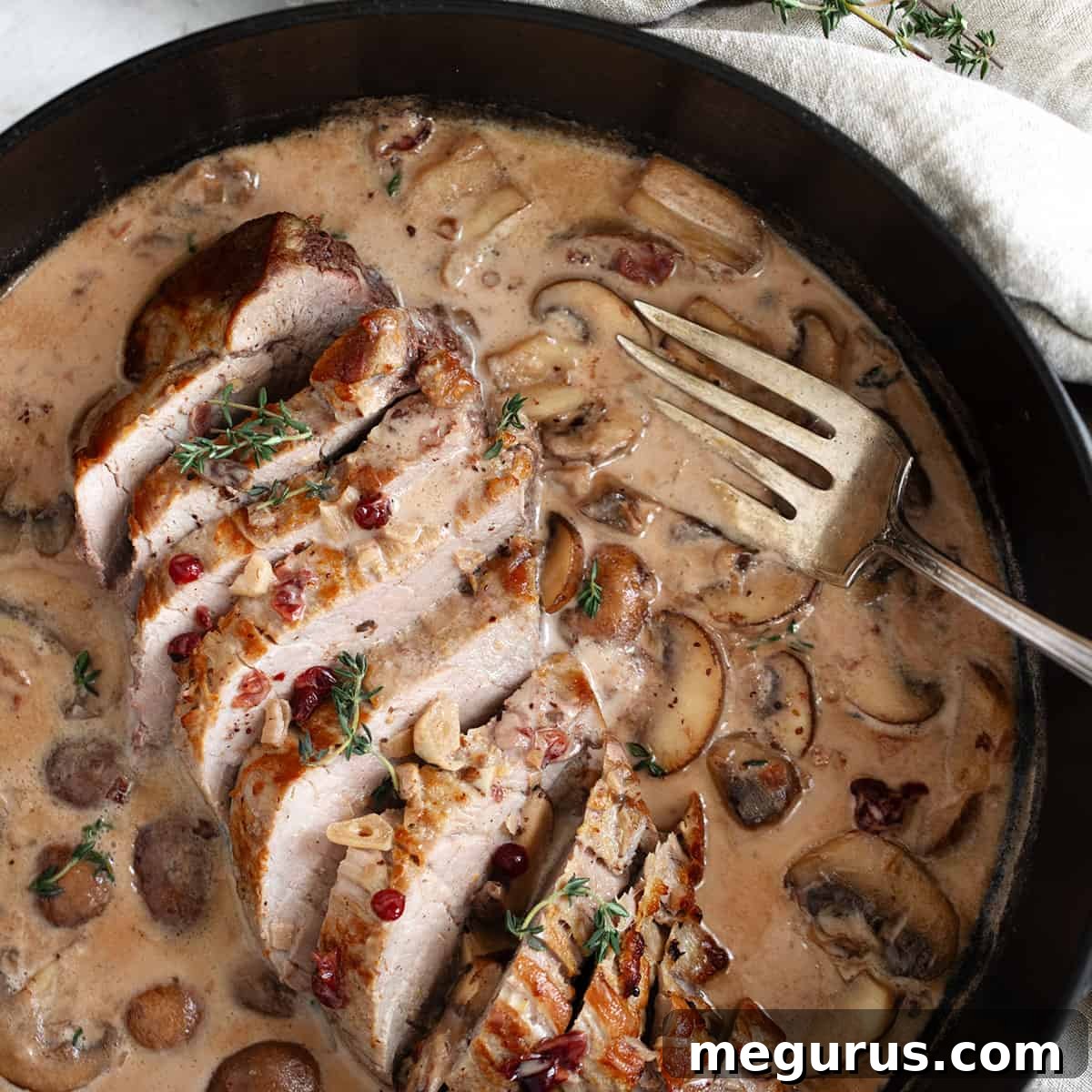
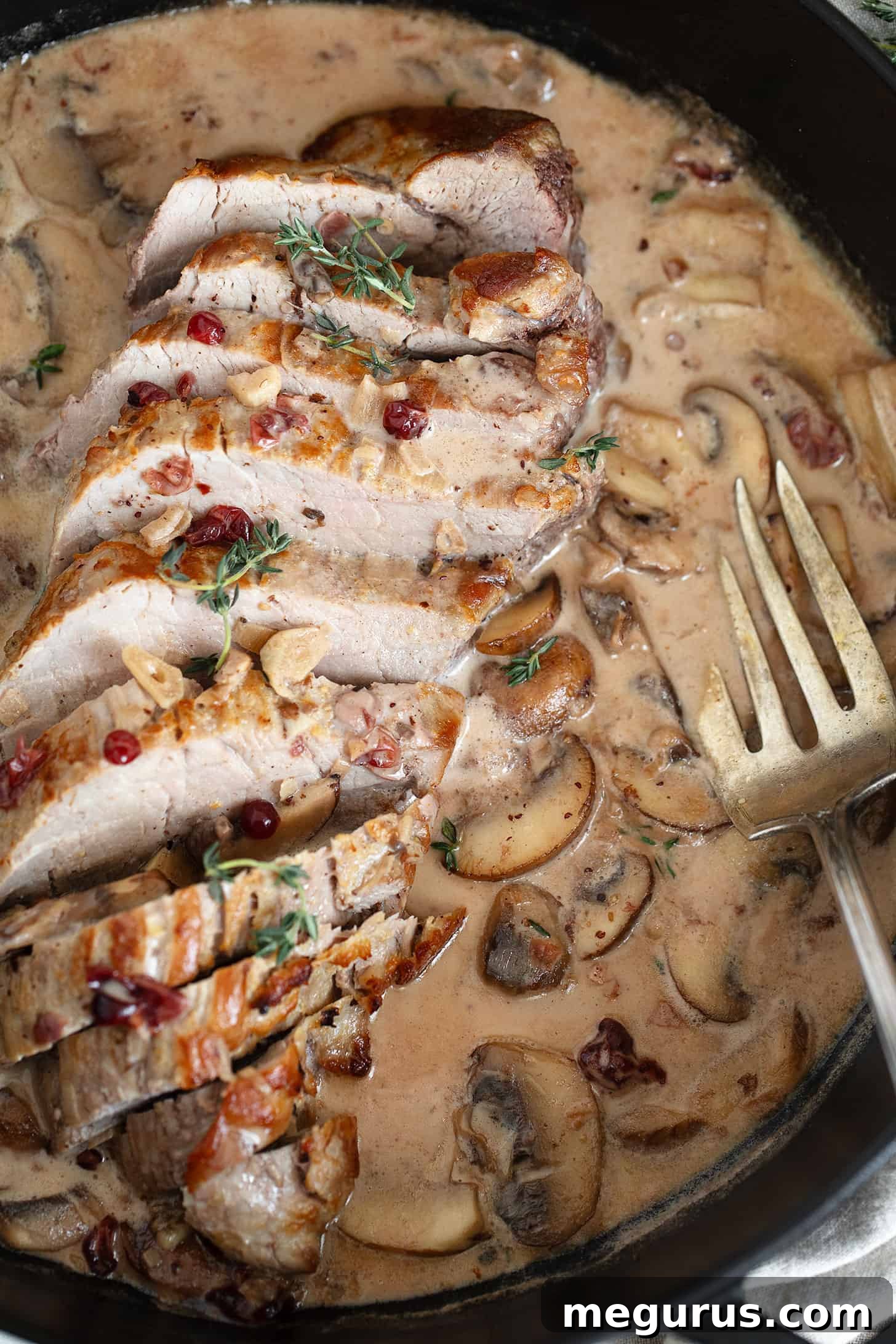
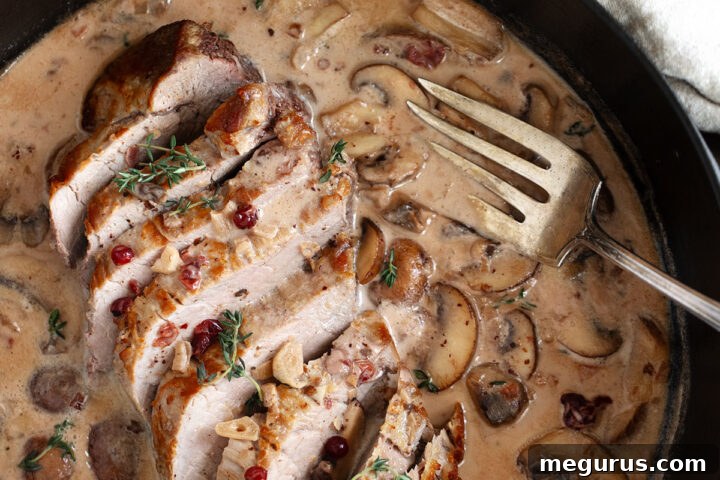
Prepare to elevate your dinner experience with this exquisite Pork Tenderloin with Creamy Mushroom and Lingonberry Sauce. This dish perfectly marries the tender succulence of pork with a luxurious, earthy mushroom sauce, all brightened by the distinctive tart and sweet notes of lingonberry jam. Despite its sophisticated flavor profile, this recipe is surprisingly quick and simple to prepare, making it ideal for both busy weeknights and impressive company dinners. It’s a culinary journey that promises rich flavors and a touch of elegance without the fuss.
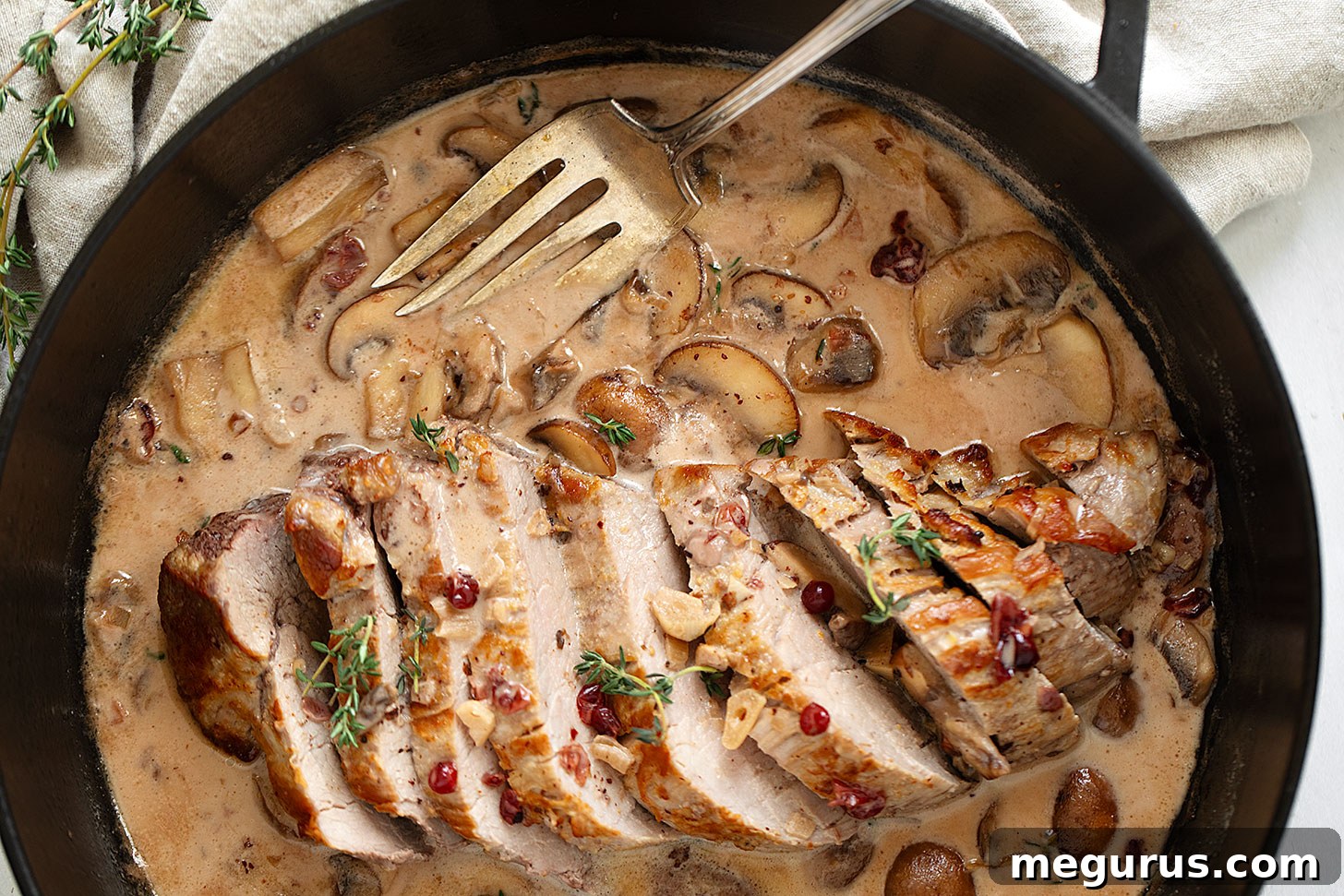
My culinary journey often leads me to explore unique flavor combinations, and lingonberries hold a special place in my heart. Their vibrant, tart taste, reminiscent of cranberries but with a distinct Nordic charm, brings an incredible depth to savory dishes. When incorporated into a creamy mushroom sauce for pork tenderloin, the lingonberry jam doesn’t just add a fruity note; it cuts through the richness, creating a beautifully balanced and exceptionally flavorful experience that transcends the ordinary. This fusion of textures and tastes transforms a simple meal into something truly memorable, offering a refreshing twist on traditional pork dishes.
Key Ingredients for a Flawless Pork Tenderloin & Sauce
Crafting this elegant dish relies on a few core ingredients, each playing a vital role in developing its unique flavor and texture. Here’s a detailed look at what you’ll need and how to make the best selections or substitutions to ensure your dish is nothing short of perfect.
Lingonberry Jam: The Unique Flavor Enhancer
Lingonberry Jam (often labeled as lingonberry spread or preserves) is undoubtedly the star ingredient that sets this recipe apart. Its characteristic tartness, combined with a subtle underlying sweetness, provides a beautiful, bright contrast to the savory pork and creamy mushrooms. Lingonberries are wild berries native to Nordic forests and are a staple in Scandinavian cuisine, famously paired with dishes like Swedish meatballs. The jam’s presence here creates a sophisticated and unexpected flavor profile. Finding lingonberry jam is often easier than you might think:
- Ikea: Your most reliable source! You’ll typically find it on the food market shelves, often near the checkout or food court, due to its popularity as an accompaniment to their Swedish meatballs. Look for “SYLT LINGON.”
- Online Retailers: Platforms like Amazon offer a variety of brands for convenient delivery straight to your door.
- Specialty Stores & Grocers: Check the jam or international foods aisle at larger supermarkets or specialty European food stores. Some mainstream grocery chains may occasionally stock it, so it’s always worth a look.
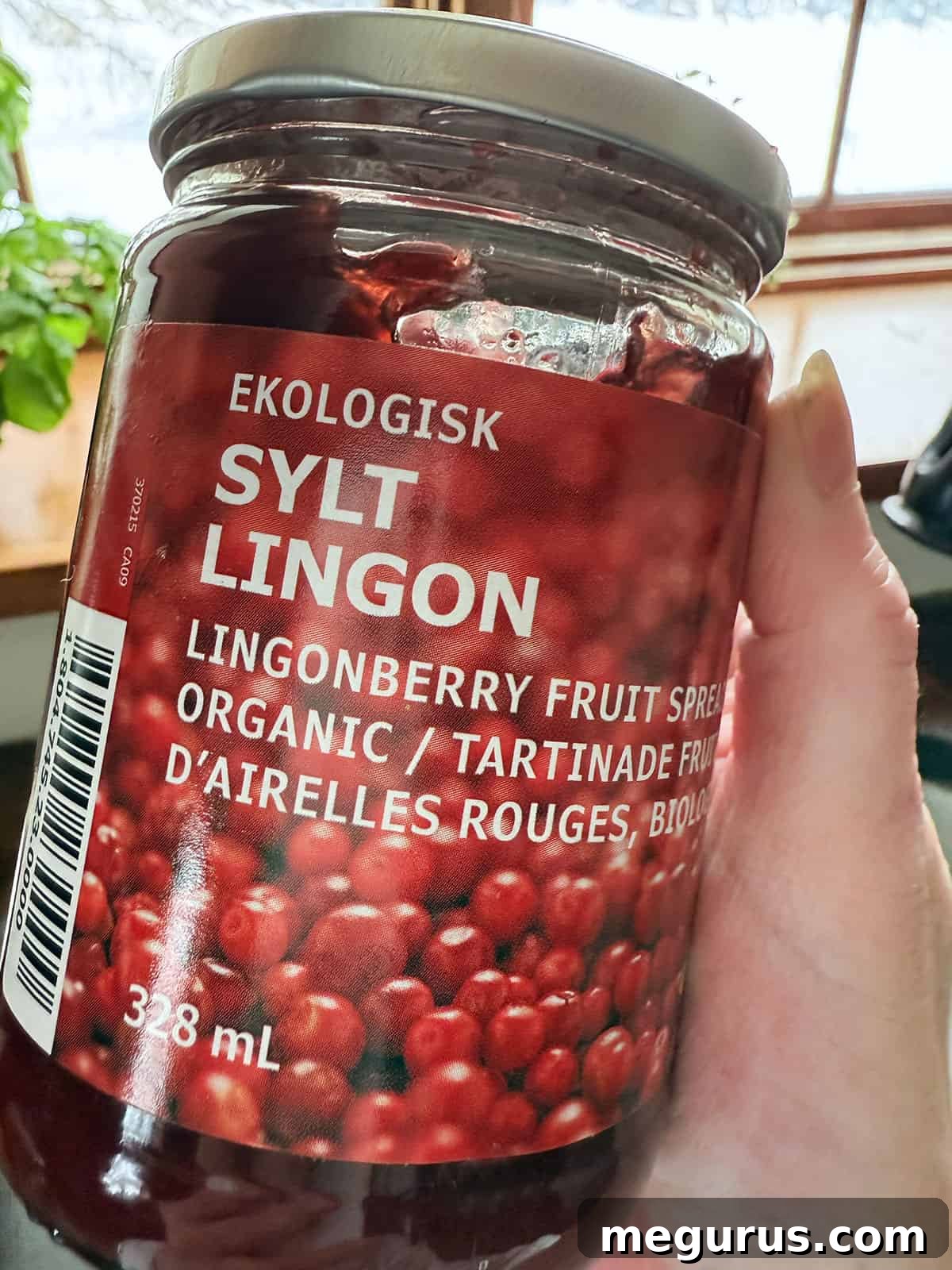
While I strongly advocate for the authentic flavor of lingonberry jam for its unique profile, if it proves elusive, a high-quality whole-berry cranberry sauce is the best alternative. Ensure it’s not overly sweet to maintain the desired tart balance that cuts through the richness of the cream sauce.
Beyond this specific recipe, lingonberry jam is incredibly versatile. It’s an excellent condiment to pair with roasted meats, such as classic Swedish meatballs or even schnitzel. You can also try it as an intriguing addition to gourmet grilled cheese sandwiches, or mix it with mayonnaise for unique chicken or turkey salad spreads. Don’t hesitate to experiment with it in your favorite baking recipes for a delightful tangy twist, especially in tarts or crumbles!
Mushrooms: Adding Earthy Depth and Texture
For the creamy sauce, mushrooms contribute an essential earthy umami flavor and satisfying texture. You have the flexibility to use any type of mushroom you enjoy or have on hand. I personally prefer cremini mushrooms (also known as baby bellas) as they offer a good balance of flavor and firmness when cooked. I like to slice them myself to get a variety of shapes and sizes, adding visual interest and a more rustic feel to the sauce. White button mushrooms are a readily available and mild option, while a blend of wild mushrooms (like shiitake, oyster, or even chanterelles if you’re feeling adventurous) can introduce more complex, robust, and gourmet flavors to your dish.
Heavy Cream: The Key to Velvety Smoothness
The luxurious richness of our sauce primarily comes from heavy cream, typically with a fat content of 35% or higher (often labeled as whipping cream in North America). This high fat content is crucial for achieving a thick, velvety smooth sauce that won’t easily split or curdle, especially when combined with acidic elements like white wine or lingonberry jam. If you opt for a lighter cream, such as half-and-half (10-18% fat), be aware that it has a higher tendency to curdle when heated, particularly with acids. To mitigate this risk and ensure a stable, thicker sauce, consider whisking a small amount of cornstarch (about 1 tablespoon per cup of cream) with an equal amount of cold water to form a smooth slurry, then gradually adding it to the simmering sauce to gently thicken and stabilize it.
Dry Mustard: A Secret Weapon for Flavor
A touch of dry mustard (also known as powdered mustard or ground mustard) is rubbed onto the pork tenderloin before searing. This potent spice adds a subtle, pungent warmth and a complex, earthy note that complements pork beautifully. More importantly, it aids in creating a beautiful, flavorful crust during the initial browning stage, locking in the meat’s natural juices. If dry mustard isn’t in your pantry, don’t fret; a light brush of Dijon mustard on the pork before cooking will achieve a similar depth of flavor and an equally appealing sear.
White Wine: Deglazing and Depth of Flavor
A splash of dry white wine is used to deglaze the pan after the pork is seared and the vegetables are sautéed. This critical step involves pouring cold liquid into a hot pan to dissolve all the flavorful browned bits (known as fond) stuck to the bottom of the skillet. This infusion of flavor adds a wonderful depth, acidity, and complexity to the sauce. Opt for a dry white wine such as Sauvignon Blanc, Pinot Grigio, or an unoaked Chardonnay. If you prefer not to use alcohol or simply don’t have wine available, simply substitute it with an equal amount of additional chicken broth. For a hint of that acidic brightness that wine provides, you can also add a teaspoon of white wine vinegar to the sauce along with the broth.
Step-by-Step Guide: Crafting Your Pork Tenderloin with Mushroom Lingonberry Sauce
This section provides a detailed walkthrough of the cooking process, ensuring you achieve a perfectly cooked pork tenderloin and a rich, flavorful sauce. Follow these steps carefully to create a dish that’s both impressive and delicious. For precise measurements, please refer to the complete recipe card below.
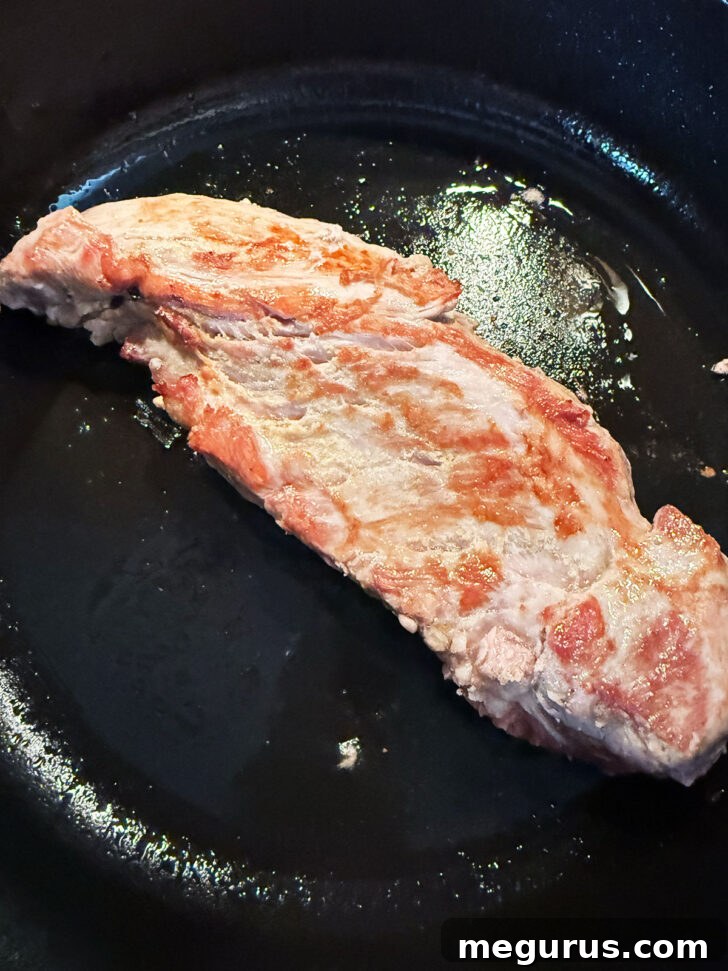
- Prepare and Sear the Pork Tenderloin: Begin by preheating your oven to 450°F (230°C) for even cooking. Carefully trim any visible fat and the silverskin (a thin, silvery membrane) from the pork tenderloin, as this can become tough when cooked. Season the pork generously all over with salt and freshly ground black pepper, then rub the dried mustard evenly across its surface. Heat the olive oil in an oven-safe skillet (cast iron or heavy-bottomed stainless steel works best) over medium-high heat until it shimmers. Carefully add the pork tenderloin to the hot pan and sear until deeply golden brown and crusted on all sides, about 3-4 minutes per side. This crucial step develops a delicious crust and helps to lock in the meat’s moisture.
- Finish Cooking in the Oven: Once adequately seared, transfer the skillet directly to the preheated oven. Continue cooking for approximately 13-15 minutes, or until the pork reaches an internal temperature of 145°F (63°C) when measured with a meat thermometer inserted into the thickest part. This ensures the pork is perfectly cooked to a safe yet tender and juicy medium-rare/medium, preventing it from drying out.
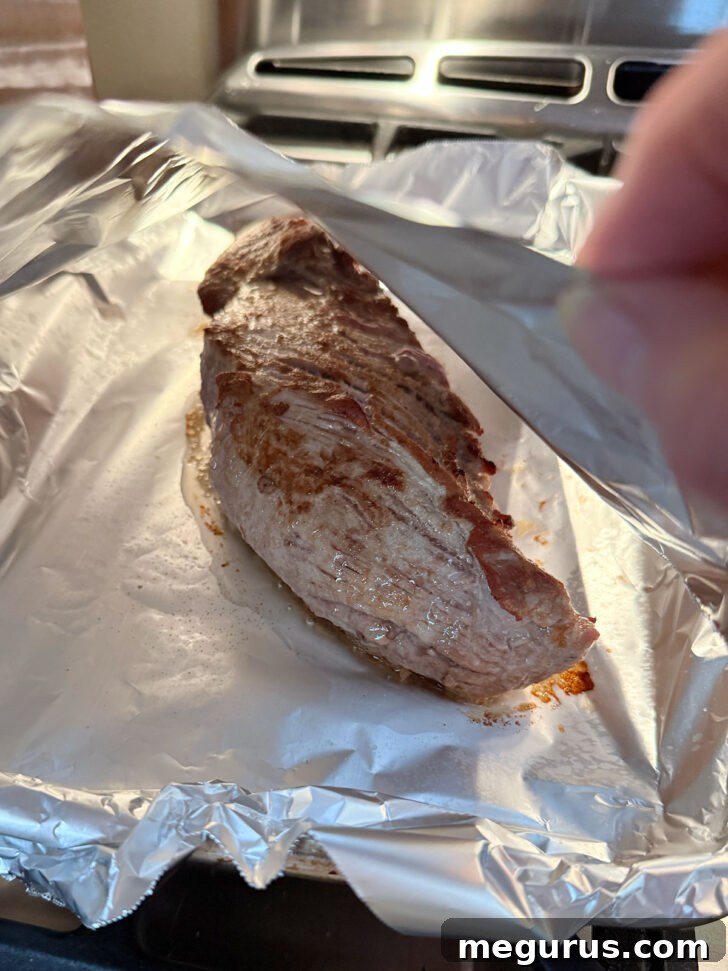
- Rest the Pork: After oven cooking, immediately remove the pork tenderloin from the skillet and transfer it to a clean cutting board. Tent it loosely with aluminum foil and allow it to rest for at least 5-10 minutes. This resting period is absolutely essential as it allows the muscle fibers to relax and the juices to redistribute evenly throughout the meat, resulting in a significantly more tender and flavorful final product.
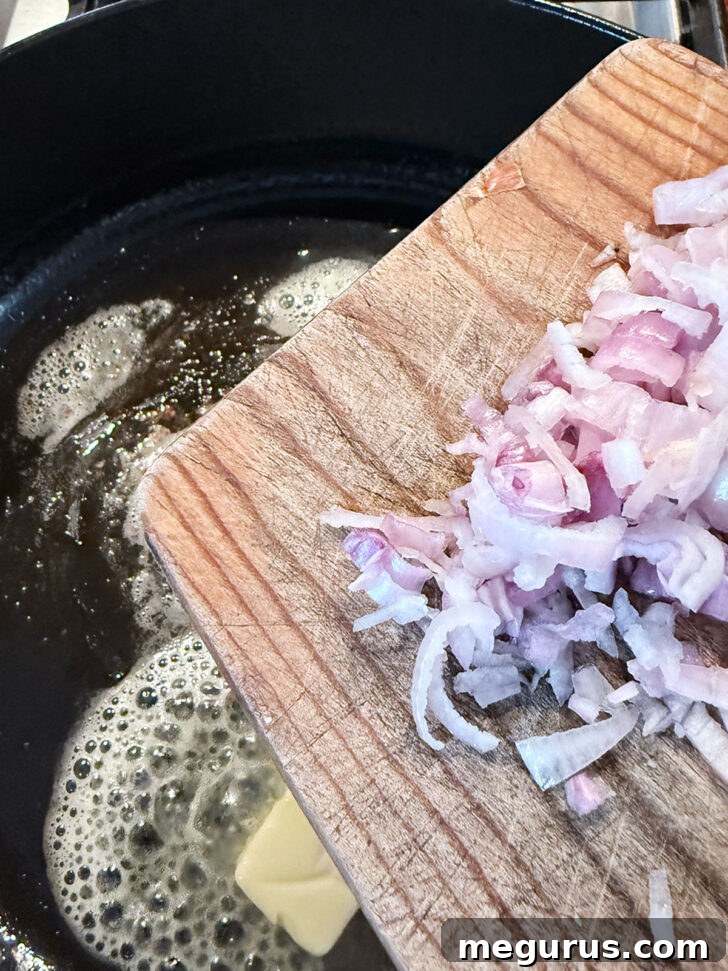
- Build the Sauce Base with Shallots & Garlic: While the pork rests, return the same skillet (exercise extreme caution, as the handle will be very hot!) to the stovetop over medium heat. Add the butter and allow it to melt completely. Once melted and shimmering, add the finely diced shallots and cook, stirring frequently, until they soften and become translucent and fragrant, typically about 2-3 minutes. Then, add the finely diced garlic and cook for another minute, stirring constantly, until aromatic, being careful not to burn it.
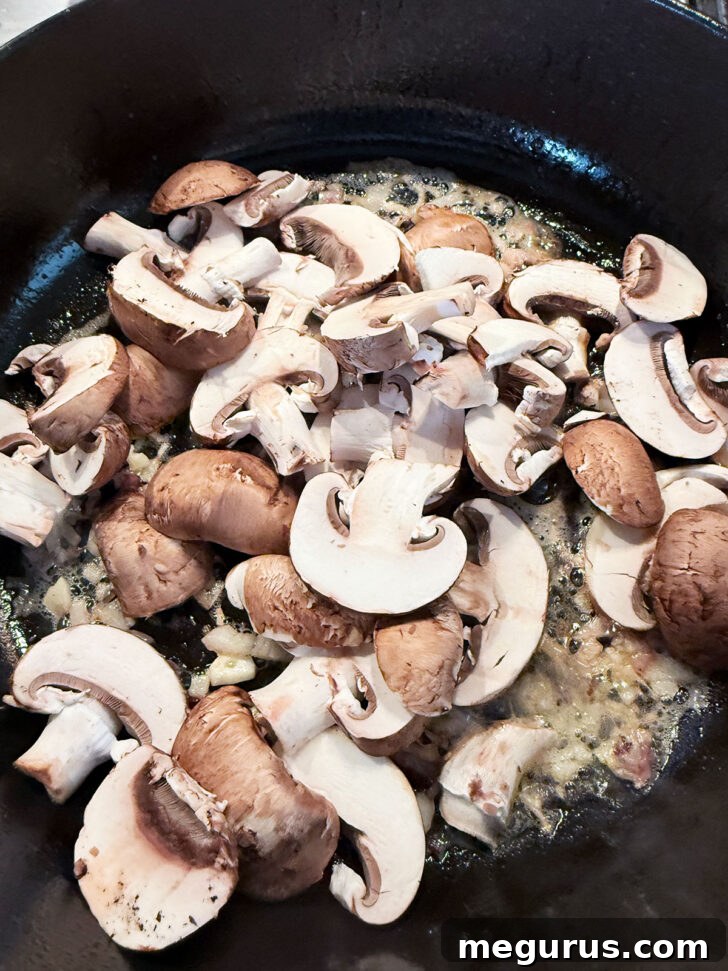
- Sauté Mushrooms: Add the sliced mushrooms to the skillet with the softened shallots and garlic. Increase the heat slightly to medium-high. Cook, stirring occasionally, until the mushrooms release their moisture, begin to soften, and develop a beautiful golden-brown color around the edges, typically about 5-7 minutes. This browning step adds another layer of deep, savory flavor to your sauce.
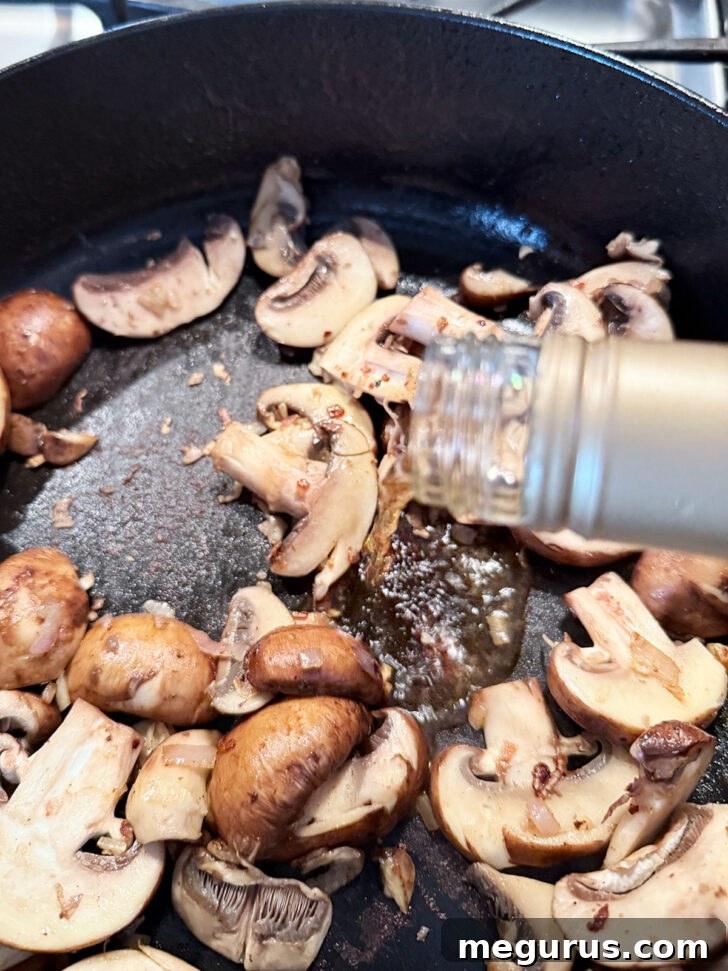
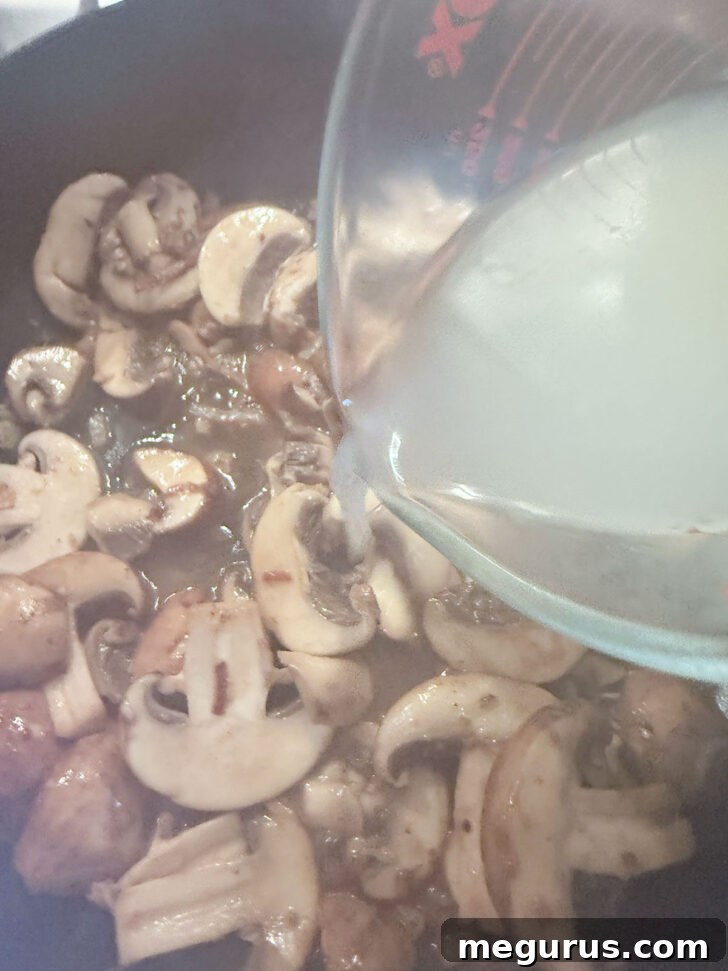
- Deglaze and Reduce: Pour in the dry white wine (or your chosen substitute of extra chicken broth) and immediately scrape the bottom of the pan with a wooden spoon to dislodge any flavorful browned bits (fond). Allow the wine to simmer vigorously for about 1 minute, letting the alcohol evaporate. Next, add the chicken broth and the fresh or dried thyme. Bring the sauce to a gentle simmer and let it reduce by about half, which concentrates the flavors and begins to subtly thicken the base, approximately 5-7 minutes.
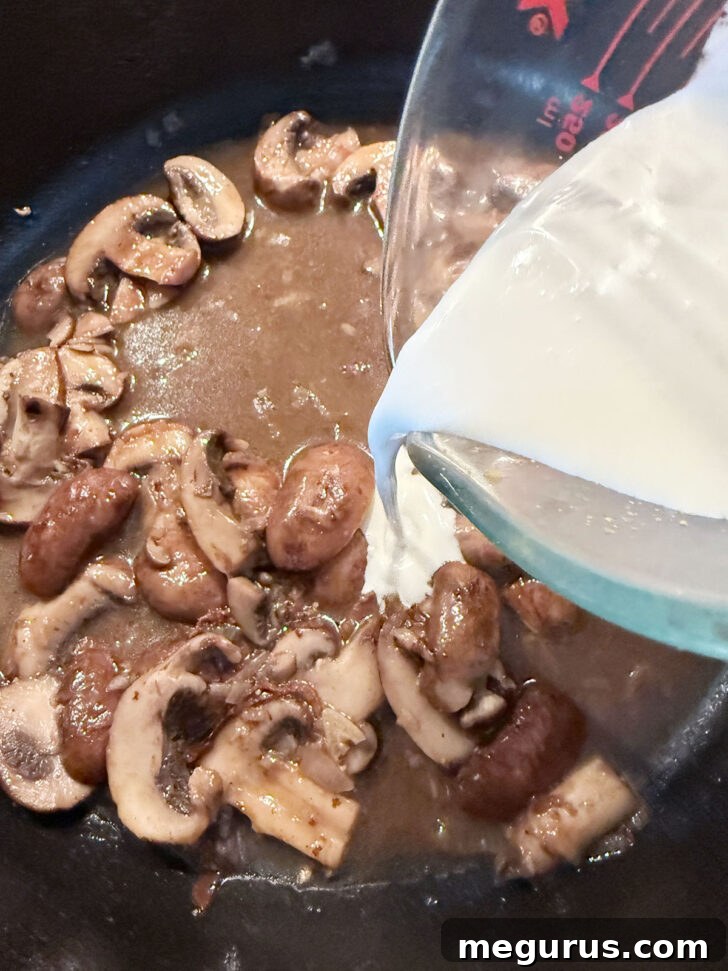
- Create the Creamy Sauce: Reduce the heat to low. Stir in the heavy cream until thoroughly combined and the sauce takes on a rich, opaque appearance. Allow it to gently warm through, but be careful not to bring the cream to a rapid boil, especially if using a lighter cream, to prevent it from splitting or curdling.
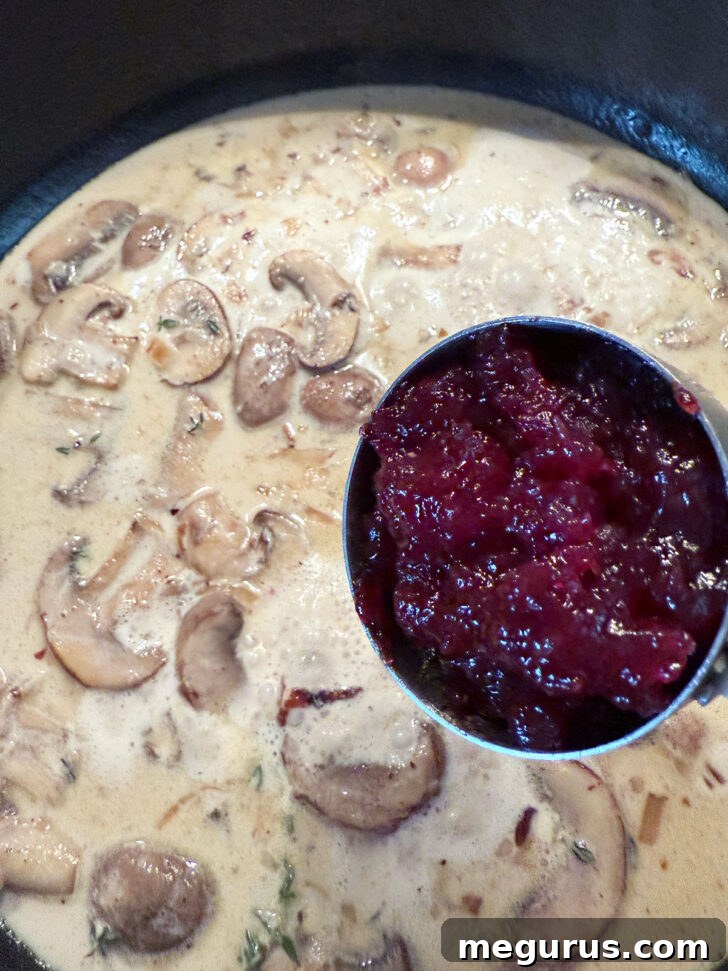
- Add Lingonberry Jam: Spoon in the lingonberry jam and stir it into the sauce until it’s fully melted and smoothly incorporated. The jam will lend its distinctive tart-sweet flavor and a beautiful rosy hue to the sauce. Taste the sauce and adjust seasoning with additional salt and pepper as needed. Remember, proper seasoning is key to making all the complex flavors truly sing and harmonizing the sweet, tart, and savory elements.
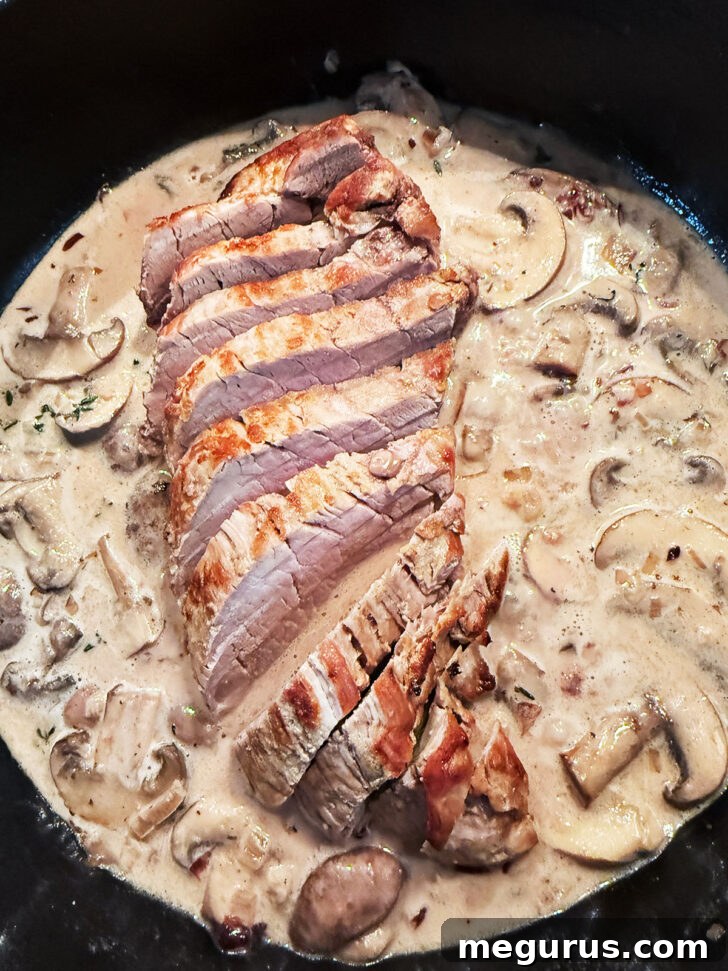
- Serve with Pork: Slice the rested pork tenderloin into ½-inch thick medallions. Gently nestle the sliced pork into the creamy mushroom and lingonberry sauce in the skillet. Spoon some of the luscious sauce generously over the pork to rewarm it for a couple of minutes, allowing the flavors to meld beautifully. Garnish generously with fresh chopped parsley for a burst of color and freshness before serving immediately.
Recipe Video: Visual Guide to Perfection
For those who prefer a visual walkthrough, a step-by-step recipe video is often a valuable resource to guide you through each stage of preparing this delicious pork tenderloin. While the interactive player isn’t embedded directly here to maintain a streamlined HTML structure, you can typically find it linked on the original recipe page or associated culinary channels to see the techniques in action and ensure your culinary success.
Chef’s Notes & Expert Tips for Success
- Don’t Waste the Juices: After resting the pork, don’t discard any flavorful juices accumulated on the cutting board! These precious drippings are packed with savory umami and can be stirred into the mushroom lingonberry sauce at the very end to add even more depth and richness, making your sauce exceptionally delicious.
- Achieving Your Desired Sauce Consistency: If you prefer a thicker sauce, prepare a simple cornstarch slurry. Mix 1 tablespoon of cornstarch with 1 tablespoon of cold water until it forms a smooth, lump-free mixture. Gradually drizzle this mixture, a little at a time, into the simmering sauce while stirring constantly, until it reaches your preferred thickness. Remember, the sauce will naturally thicken a bit more as it cools.
- Scaling Up for a Crowd: This recipe can also be adapted for a larger boneless, center-cut pork loin roast if you’re feeding more people. For a roast, you’ll need to adjust the cooking time and temperature: reduce the oven temperature to 325°F (160°C) and cook uncovered for approximately 25-30 minutes per pound, or until the internal temperature reaches 145°F (63°C). The sauce can then be made in the same pan after the roast is removed to rest.
- Perfect Pairing Suggestions: This savory and tangy pork dish pairs wonderfully with classic comfort sides. Creamy mashed potatoes are an ideal choice, as they perfectly absorb every drop of the exquisite sauce. To complete the meal, complement it with a vibrant green vegetable, such as steamed asparagus, green beans almondine, or roasted broccoli, for a balanced and visually appealing plate.
- Herbal Enhancements: While fresh parsley is a beautiful and classic garnish, consider experimenting with other fresh herbs to subtly alter the flavor profile. Fresh thyme, added with the mushrooms or chicken broth, would impart an additional layer of earthy aroma that complements the pork and mushrooms beautifully. Rosemary or sage could also offer interesting variations.
Preparation & Storage: Planning Ahead for Convenience
While this dish is designed for quick and straightforward preparation, understanding how to properly prepare and store it can help you manage leftovers and enjoy its delicious flavors beyond the initial meal.
- Best Enjoyed Fresh: This pork tenderloin with mushroom lingonberry sauce is undeniably at its peak when served freshly prepared. The delicate nature of pork tenderloin means that reheating can sometimes risk overcooking, which can lead to a drier texture. For the most tender and juicy pork, aim to serve it soon after cooking.
- Storing Leftovers: Any remaining portions of the pork and sauce should be transferred to an airtight container and refrigerated promptly within two hours of cooking. They will keep well for up to 2 days in the refrigerator. For best results when reheating, gently warm the pork and sauce together over low heat on the stovetop. Adding a splash of extra chicken broth or cream can help reconstitute the sauce if it has thickened too much in the fridge. Avoid using high heat, as this can further dry out the tender pork.
- Freezing for Later: Surprisingly, despite the inclusion of cream, this dish actually freezes quite well! To freeze, allow the pork and sauce to cool completely before portioning them into freezer-safe containers or heavy-duty freezer bags. It can be stored in the freezer for up to 2-3 months. Upon thawing, you may notice the sauce is a touch thinner than freshly made, as freezing can slightly alter the texture of cream-based sauces. However, its overall delightful flavor remains largely unchanged, making it a convenient option for future quick meals. Thaw overnight in the refrigerator before reheating gently using the stovetop method.
Get the Recipe:
Pork Tenderloin with Mushroom Lingonberry Sauce
This pork tenderloin with a creamy mushroom and lingonberry sauce comes together quickly and easily, creating an impressive, company-worthy dish!
Pin This
Prep Time: 15 mins |
Cook Time: 30 mins |
Total Time: 45 mins
Yield: 4 servings
Ingredients
- For the Pork Tenderloin:
- 1 lb pork tenderloin, visible fat and silver skin removed
- 1 teaspoon dried powdered mustard
- Salt and freshly ground pepper, to taste
- 1 Tablespoon olive oil
For the Mushroom Lingonberry Sauce:
- 2 Tablespoons unsalted butter
- 1 large shallot, peeled and finely diced
- 1 clove garlic, finely diced
- 8 oz cremini mushrooms, carefully sliced
- 1/4 cup dry white wine (e.g., Sauvignon Blanc; can omit and substitute with chicken broth)
- 1/2 cup low-sodium chicken broth
- 1/2 cup heavy cream (35% b.f. or higher)
- 1/3 cup lingonberry jam (*see Note 1 below for sourcing and substitution options)
- 1 teaspoon fresh thyme leaves (or 1/2 teaspoon dried thyme)
- 2-3 Tablespoons fresh parsley, finely chopped (plus more for garnish)
- Salt and pepper, to taste (adjust at the end)
Instructions
- Preheat oven to 450°F (230°C) (use non-convection setting if available).
- Prepare the pork tenderloin by removing any visible fat and silver skin. Season generously with salt, pepper, and rub the dried mustard evenly over the pork.
- In an oven-safe skillet (e.g., cast iron), heat 1 Tablespoon olive oil over medium-high heat on the stovetop until shimmering.
- Add the pork tenderloin to the hot pan and sear, browning on all sides (approximately 3-4 minutes per side) to create a good crust. Transfer the skillet directly to the preheated oven and finish cooking for 13-15 minutes, or until the internal temperature reaches 145°F (63°C).
- Remove pork from the oven and transfer it to a cutting board. Tent loosely with aluminum foil and let it rest for at least 5-10 minutes while you prepare the sauce.
- Prepare the sauce: Place the same skillet (careful, handle will be hot!) back on the stovetop over medium heat. Add butter and melt. Sauté diced shallot, stirring frequently, for 2-3 minutes until softened and translucent. Add finely diced garlic and cook for 1 minute until fragrant. Add sliced mushrooms and cook, stirring occasionally, until softened and golden brown (about 5-7 minutes).
- Deglaze the pan by pouring in the white wine. Scrape the bottom of the pan to loosen any browned bits. Let the wine cook off for about 1 minute. Stir in chicken broth and fresh thyme. Bring the sauce to a gentle simmer and let it reduce by about half, concentrating the flavors (approx. 5-7 minutes).
- Reduce heat to low. Stir in heavy cream until thoroughly combined and warmed through. Add lingonberry jam and stir until fully melted and incorporated into the sauce. Taste the sauce and season with additional salt and pepper as needed to balance the flavors.
- Slice the rested pork tenderloin into ½-inch thick medallions. Place the sliced pork gently on top of the finished sauce in the skillet. Spoon some of the luscious sauce over the pork and allow it to re-heat for a few minutes. Garnish generously with fresh chopped parsley and serve immediately.
Notes
Note 1: Sourcing Lingonberry Jam: Lingonberry jam is most easily available at IKEA stores (look for “SYLT LINGON” near the food court), online retailers such as Amazon, and sometimes in the jam or international foods aisle of larger, well-stocked grocery stores. If you are unable to find lingonberry jam, a good quality, not overly sweet, whole-berry cranberry sauce is the best substitute for its tart-sweet profile.
Tips for Success:
- If using a lighter cream (e.g., half-and-half), prepare a cornstarch slurry (1 Tbsp cornstarch + 1 Tbsp cold water) and gradually add it to the simmering sauce to help prevent curdling and achieve desired thickness.
- Do not discard any accumulated juices from the resting pork tenderloin; stir them into the sauce for extra depth of flavor.
- This dish pairs wonderfully with creamy mashed potatoes and a fresh green vegetable like steamed asparagus or green beans.
For more detailed tips, step-by-step photos, and a video guide, please refer to the full article preceding this recipe card.
Cuisine: American, Canadian, Scandinavian-inspired |
Course: Main Course |
Author: Jennifer Maloney
Nutrition Information (per serving):
- Serving Size: 1 serving
- Calories: 387 kcal
- Carbohydrates: 13g
- Protein: 27g
- Fat: 24g
- Saturated Fat: 12g
- Polyunsaturated Fat: 2g
- Monounsaturated Fat: 8g
- Trans Fat: 0.3g
- Cholesterol: 122mg
- Sodium: 131mg
- Potassium: 813mg
- Fiber: 1g
- Sugar: 8g
- Vitamin A: 783 IU
- Vitamin C: 4mg
- Calcium: 51mg
- Iron: 2mg
Tried this recipe? If you enjoyed this delightful recipe, please consider taking a moment to leave a star rating and comment below. Your feedback helps other home cooks discover and enjoy this dish!
More Delicious Pork Tenderloin Recipes to Explore!
If you loved this lingonberry-infused pork tenderloin and are looking for more ways to enjoy this versatile cut of meat, you’re in for a treat! Discover more extraordinary pork tenderloin recipes that are perfect for any occasion: