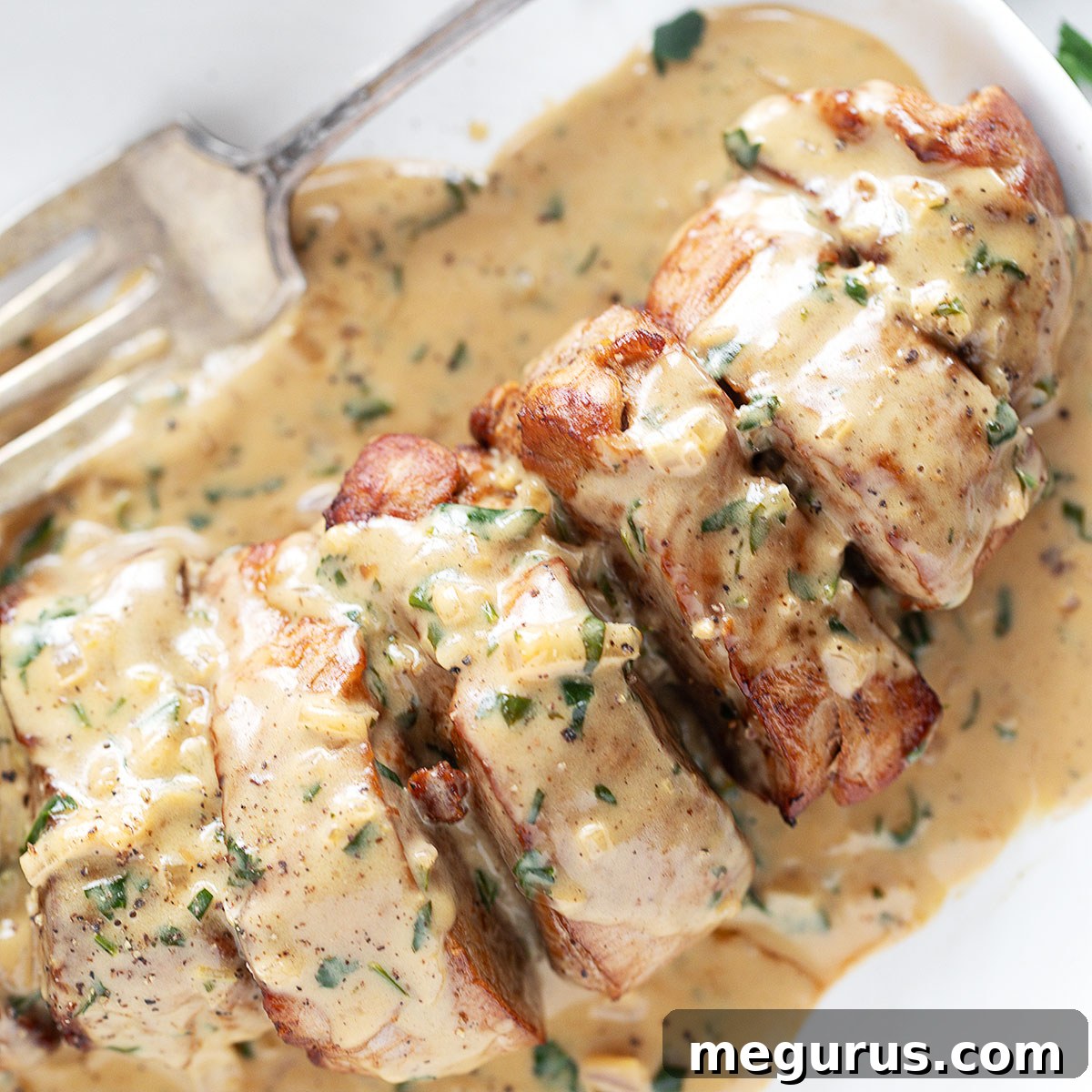
Skillet Pork Medallions with Creamy Dijon Mustard Sauce: A Quick & Elegant Weeknight Meal
Discover the secret to perfectly tender and incredibly juicy pork tenderloin medallions, bathed in a luscious creamy Dijon mustard sauce. This exquisite dish strikes the perfect balance, being effortlessly quick for a busy weeknight yet sophisticated enough to impress guests. The magic lies in our unique twice-seared cooking method, ensuring every bite of pork is consistently succulent and never dry, making it a guaranteed favorite in your culinary repertoire.
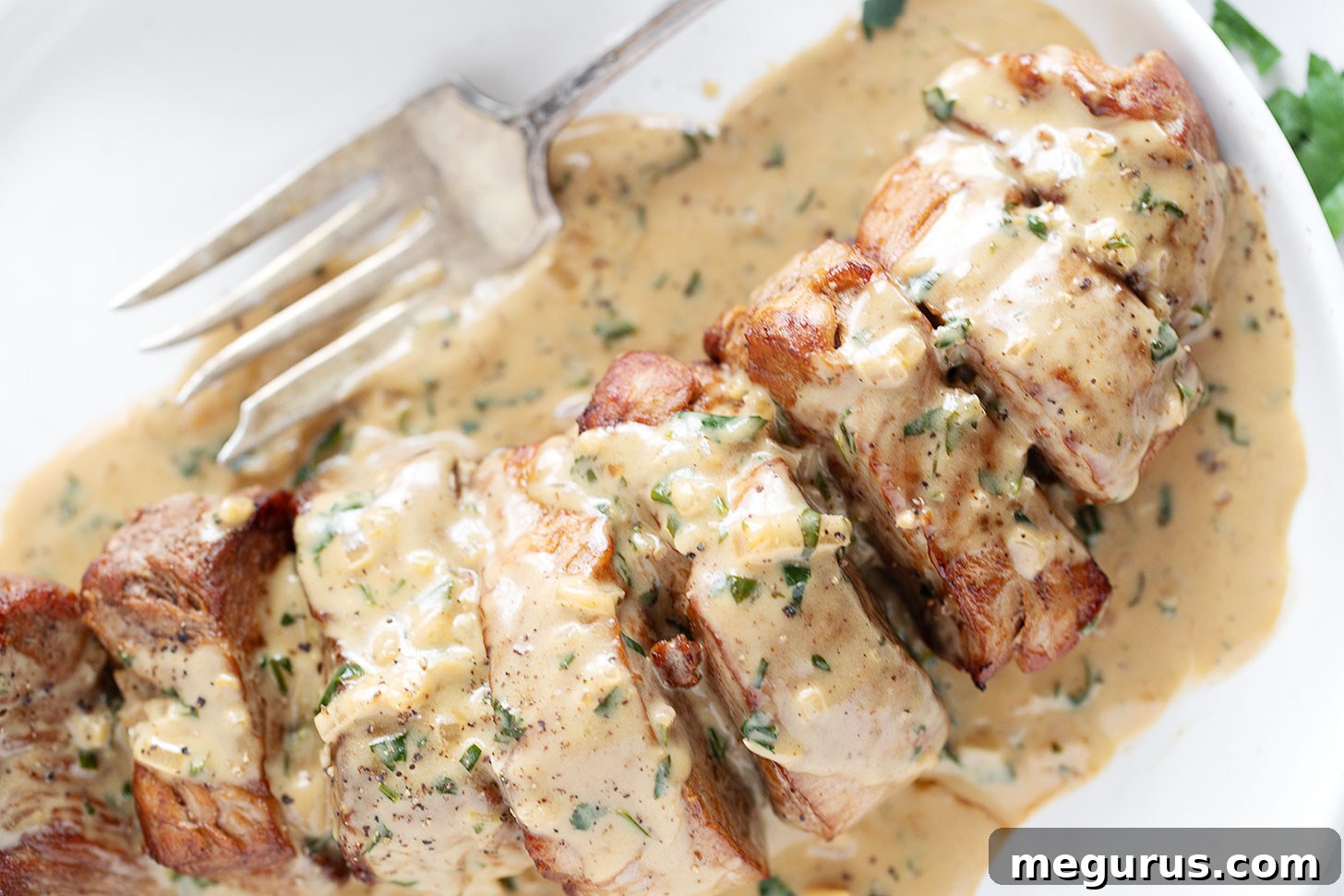
Transform a humble pork tenderloin into an extraordinary skillet dinner that tastes incredibly special with these pork medallions and their rich, creamy mustard sauce. It’s a dish that promises big flavors with minimal fuss, using just a handful of pantry staples to create a memorable meal that comes together in about 35 minutes.
Our signature twice-seared technique is the cornerstone of this recipe, guaranteeing that each pork medallion remains wonderfully juicy and never overcooked. Starting with a hot pan and finishing with gentle cooking, this method locks in moisture and develops a beautiful, flavorful crust. The velvety Dijon mustard sauce is prepared right in the same skillet, absorbing all the delicious pan drippings. A delightful blend of dry white wine, savory chicken broth, and rich heavy cream forms the base, creating a sauce that’s both tangy and profoundly satisfying.
Everything cooks entirely on your stovetop, eliminating the need for an oven and simplifying cleanup. This makes the pork medallion recipe not only an ideal choice for busy weeknights but also an elegant option for entertaining. Simply pair it with your favorite mashed potatoes and a vibrant green vegetable, and you’ll have a complete, restaurant-quality dinner ready in no time.
Why You’ll Love This Creamy Dijon Pork Medallions Recipe
This recipe isn’t just a meal; it’s a culinary experience designed for both convenience and gourmet taste. Here’s why it’s destined to become a staple in your kitchen:
- No Oven Needed: Enjoy a delicious, perfectly cooked meal using just one skillet on your stovetop, saving time and reducing cleanup.
- Weeknight-Friendly: With a total time of just 35 minutes from start to finish, this recipe fits perfectly into even the busiest schedules.
- Company-Worthy Elegance: Despite its ease, the rich flavors and tender pork make this dish impressive enough for special occasions or dinner parties.
- Unmatched Tenderness: The twice-seared method ensures your pork tenderloin is consistently juicy and incredibly tender, avoiding any dryness.
- Flavorful One-Skillet Sauce: The creamy Dijon mustard sauce is made directly in the same pan, capturing all the savory bits and infusing it with deep, complex flavors from the pork.
- Simple Ingredients, Gourmet Taste: Crafted with readily available ingredients, this recipe proves that extraordinary flavors don’t require complicated components.
Expand your culinary horizons with these fantastic options:
Skillet Pork Marsala with Mushrooms,
Classic Pork Diane, or
Hearty Pork Tenderloin with Creamy Mustard Sauce.
Key Ingredients for the Perfect Dish
To create these mouth-watering pork medallions with creamy Dijon mustard sauce, you’ll need a selection of fresh, high-quality ingredients. Each component plays a crucial role in building the layers of flavor and achieving the desired texture. Here’s a closer look at what you’ll need and some helpful substitution notes:
Pork Tenderloin
Pork tenderloin is an oblong, lean cut of pork, typically only a couple of inches thick, known for its exceptional tenderness when cooked properly. It’s the star of this dish, offering a mild flavor that pairs beautifully with the rich sauce. When preparing, always use a sharp knife to carefully remove the thin, silverskin membrane that often runs along one side. This tough, connective tissue will not break down during cooking and can make the pork chewy if not removed. Trimming any visible fat will also contribute to a leaner, more refined dish.
Shallots
Shallots offer a delicate, sweet, and aromatic flavor profile that is milder and more refined than a standard onion, with subtle hints of garlic. They are highly recommended for the sauce as they contribute a nuanced depth without overpowering the Dijon. If shallots are unavailable, you can substitute with a small amount of finely diced yellow onion combined with a minced small clove of garlic to achieve a similar aromatic base.
Dijon Mustard
A good quality, smooth Dijon mustard is essential for this creamy sauce. Brands like Maille are excellent choices for their balanced acidity and distinct, pungent flavor. Smooth Dijon ensures a silky sauce texture. While a grainy Dijon mustard can be used in a pinch, be aware that it will slightly alter the sauce’s texture and visual appeal, though the flavor will still be delicious. Adjust the amount to your taste, starting with the recommended tablespoon and adding more for a more pronounced mustard kick.
Heavy Cream (Whipping Cream)
Heavy cream, also known as whipping cream, is a non-negotiable ingredient for this recipe. Its high fat content (typically 35% butterfat or more) is key to creating a stable, rich, and velvety sauce that resists splitting. The acidity from the Dijon mustard and white wine can cause lighter creams to curdle, resulting in a broken, less appealing sauce. Heavy cream also contributes significantly to the luxurious texture and mouthfeel. While you technically can use a lighter cream, be prepared for a thinner sauce that is more prone to splitting. If you opt for a lighter cream, you might need to whisk in a cornstarch and water slurry at the end to achieve the desired thickness.
Dry White Wine
Dry white wine adds a wonderful layer of acidity, complexity, and helps to deglaze the pan, capturing all the flavorful fond (browned bits) left behind by the pork. Choose a dry white wine that you enjoy drinking, such as Sauvignon Blanc, Pinot Grigio, or Chardonnay (unoaked). If you prefer not to use alcohol or don’t have wine on hand, an equal amount of additional chicken broth can be used as a direct substitute. If skipping the wine, a small squeeze of fresh lemon juice added at the very end of cooking can help to introduce a similar bright, acidic note to the sauce.
Other Pantry Staples
- Chicken Broth: Provides a savory base for the sauce.
- Olive Oil & Butter: Used for searing the pork and sautéing the aromatics, building flavor.
- Fresh Parsley: Adds a pop of fresh color and herbaceous flavor to finish the dish.
- Salt & Freshly Ground Pepper: Essential for seasoning the pork and balancing the flavors of the sauce.
- Cornstarch & Cold Water (Slurry): Used to thicken the sauce to your desired consistency.
How to Make Pork Medallions with Creamy Dijon Mustard Sauce: Step-by-Step Guide
Follow these detailed steps to create tender, juicy pork medallions bathed in a rich, creamy Dijon sauce. This visual summary complements the full instructions below, ensuring a perfect result every time.
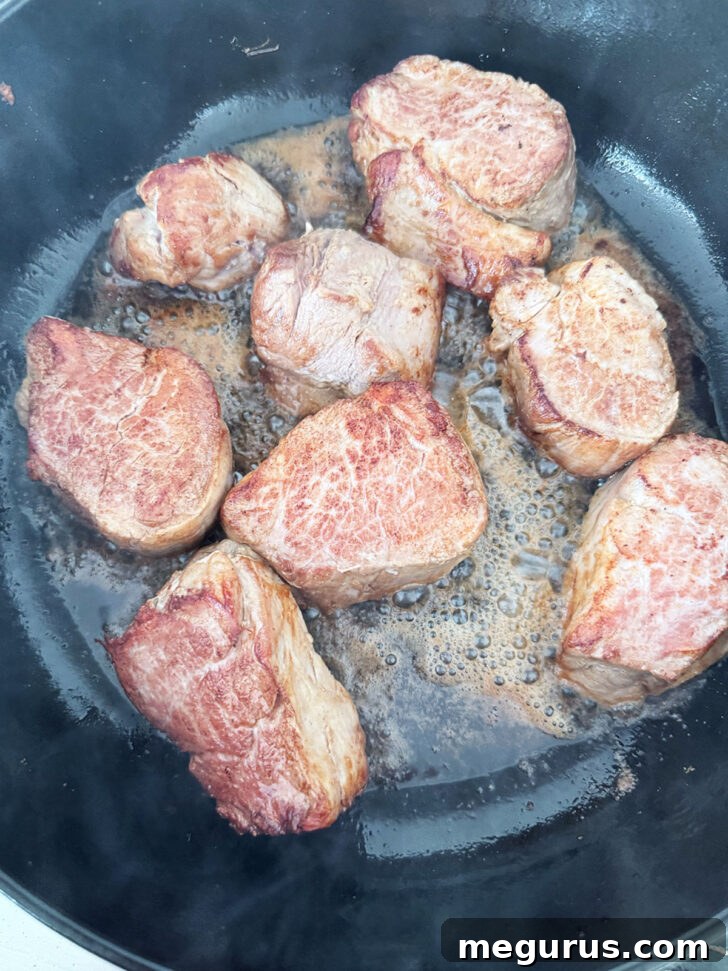
Expert Tips for Perfect Pork Medallions Every Time
Achieving restaurant-quality pork medallions at home is easy with a few key tips. Follow these guidelines to ensure your dish is always tender, juicy, and bursting with flavor:
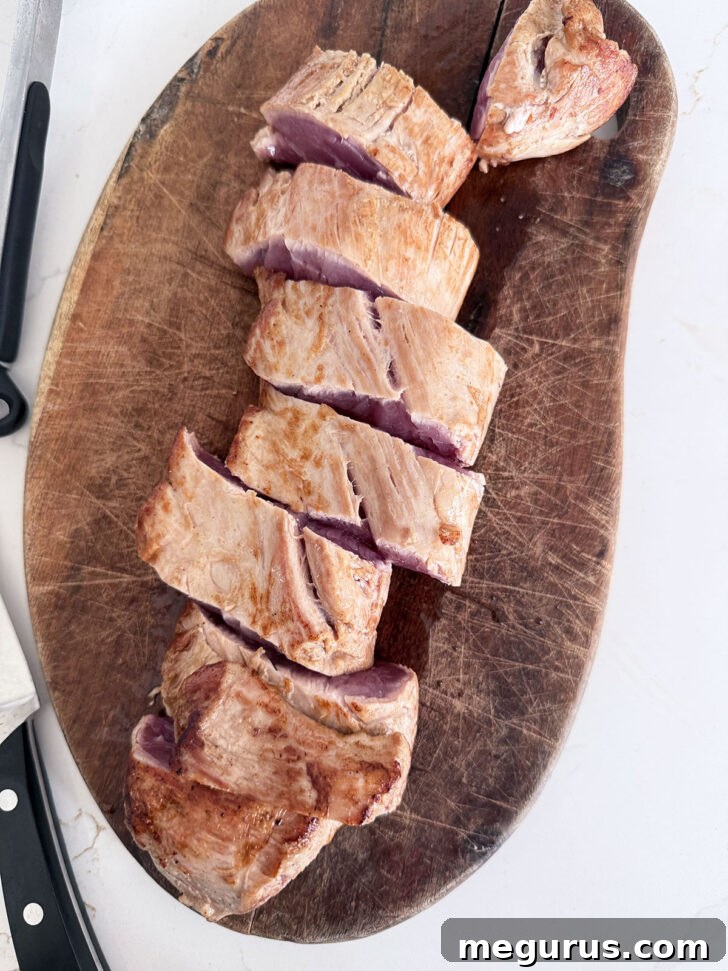
- Mind the Medallion Thickness: It’s crucial not to cut the pork medallions too thick. Since the pork cooks entirely on the stovetop, thicker cuts will struggle to cook through evenly without over-browning the exterior. Aim for a consistent 1-inch thickness for optimal cooking.
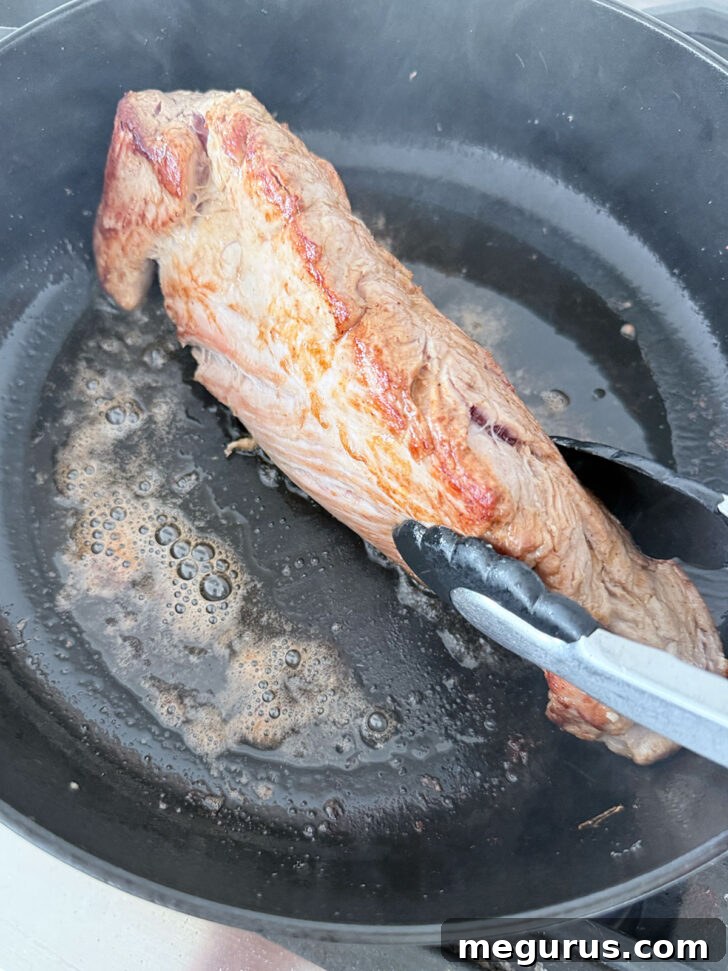
- The Power of the Twice-Sear: The initial sear of the whole tenderloin creates a deep, flavorful crust (fond) that will enrich your sauce. Slicing it into medallions allows for quick, even cooking of the interior without drying out the meat, achieving that perfect tender finish.
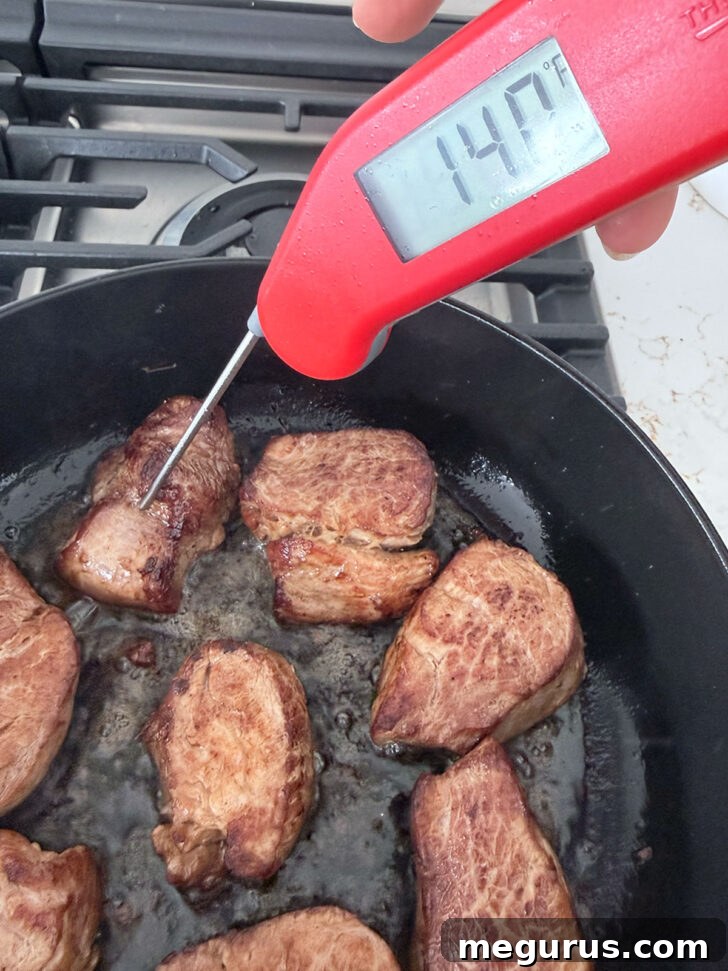
- Temperature is Key: For perfectly cooked pork that is safe and juicy, an internal temperature of 145°F is ideal. An instant-read meat thermometer is your best friend here. Insert it into the thickest part of a medallion. Remember, the temperature will rise a few degrees as the pork rests. If you don’t have a thermometer, cut into the center of a medallion; it should be just slightly pink with clear juices.
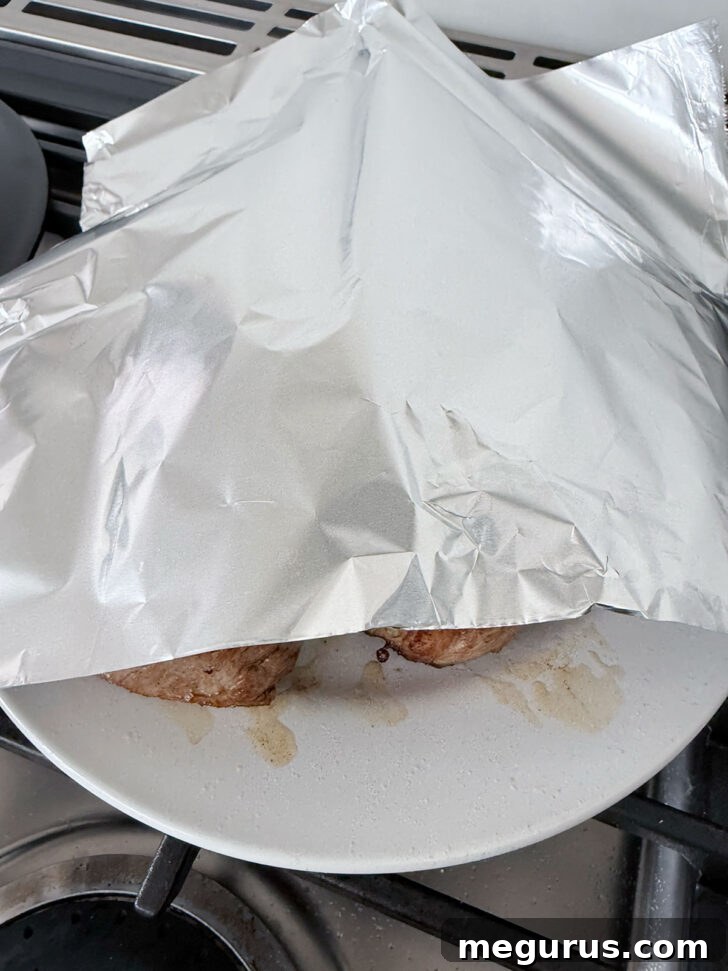
- Don’t Skip Resting the Pork: After cooking, always remove the pork medallions from the skillet and let them rest, loosely covered with foil, while you make the sauce. This allows the juices to redistribute throughout the meat, resulting in incredibly tender and moist pork.
- Utilize the Fond: Those browned bits stuck to the bottom of your skillet (called “fond”) are pure flavor! When you deglaze the pan with wine or broth, make sure to scrape them up with a wooden spoon. They are essential for a rich, deeply flavored sauce.
- Sauce Consistency: The cornstarch slurry is your friend for achieving the perfect sauce consistency. Add it gradually, stirring continuously, until the sauce coats the back of a spoon. You can always add more, but you can’t easily take it away!
- Seasoning as You Go: Taste your sauce after adding the main ingredients and again before serving. Adjust salt and pepper as needed. A pinch of sugar or a splash of lemon juice can also balance the flavors beautifully.
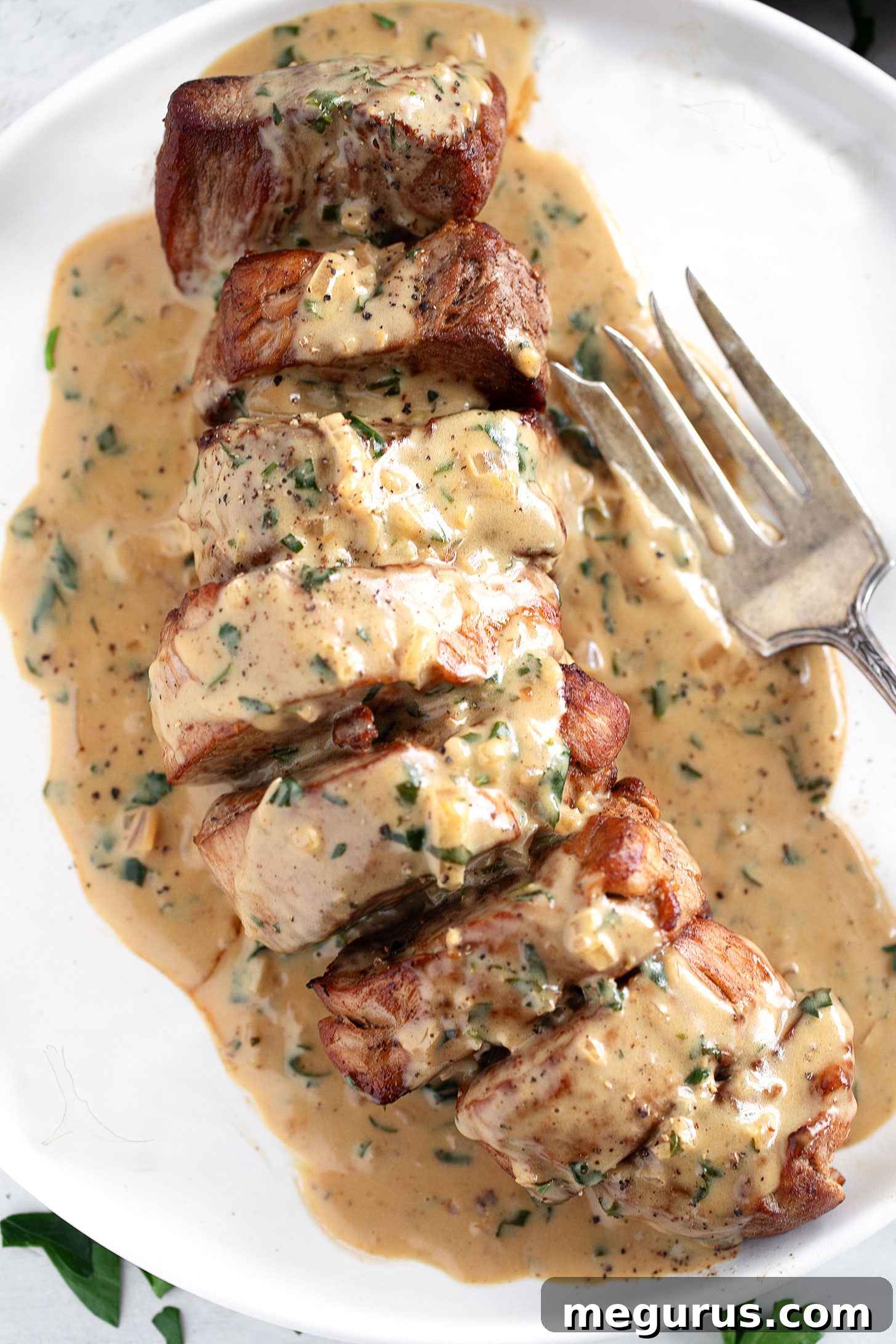
Serving Suggestions for Your Pork Medallions
The exquisite creamy Dijon mustard sauce is a true highlight of this dish, making it incredibly versatile for pairing with various side dishes. Here are some ideas to complete your meal:
- Classic Mashed Potatoes: The ultimate pairing! Creamy mashed potatoes are perfect for soaking up every last drop of the rich sauce. Consider garlic mashed potatoes for an extra layer of flavor.
- Roasted Potatoes: For a textural contrast, oven-roasted potatoes are a fantastic choice. Try my Crispy Skillet Roasted Potatoes with Rosemary for a fragrant and savory option, or these easy and delicious Salt Potatoes for a simple yet satisfying accompaniment.
- Rice: A bed of fluffy rice, perhaps a wild rice mix or even a simple white rice, is another excellent vehicle for the sauce. For a lighter, low-carb option, cauliflower rice works wonderfully.
- Green Vegetables: To add freshness and balance, pair your pork with a vibrant green vegetable. Oven-roasted broccoli, asparagus, or green beans are quick and complement the richness of the sauce beautifully. Simply toss them with a bit of olive oil, salt, and pepper, then roast in a 425°F oven until tender-crisp. Sautéed spinach or a simple side salad with a light vinaigrette would also be delicious.
- Crusty Bread: Don’t forget a good crusty bread or baguette to mop up any remaining sauce – it’s too good to leave behind!
Frequently Asked Questions (FAQ)
While this dish is undeniably best when enjoyed freshly cooked, as reheating can risk overcooking and drying out the delicate pork, some make-ahead strategies exist. If you must prepare it in advance, slightly undercook the pork medallions by a few degrees. Store the cooked pork and the Dijon sauce in separate, airtight containers in the refrigerator. When ready to serve, gently rewarm the pork medallions in a skillet over low heat until just heated through, and reheat the sauce in a small saucepan. Combine just before serving for the best possible results.
Silverskin is a thin, silvery-white membrane of connective tissue often found on one side of a pork tenderloin. It’s important to remove it because it’s very tough and doesn’t break down during cooking, even when seared. If left on, it can cause the pork to curl and become chewy. To remove it, slide a sharp knife under one end of the silverskin, grip the loosened end firmly, and carefully slice along the length of the tenderloin, keeping the knife angled slightly upwards away from the meat to avoid losing too much flesh.
Yes, absolutely. If you prefer not to use wine or don’t have it on hand, you can simply replace the dry white wine with an equal amount of additional chicken broth. The wine primarily adds an acidic note and complexity. To mimic that brightness, consider adding a small squeeze of fresh lemon juice (about ½ to 1 teaspoon) to the sauce at the very end of cooking, after it has thickened. This will help balance the richness of the cream and Dijon.
While you can use a lighter cream (like half-and-half or light cream), it is not recommended for the best results. Heavy cream (or whipping cream, with at least 35% butterfat) is specifically recommended because its high fat content creates a much more stable emulsion, preventing the sauce from splitting or curdling when combined with the acidic Dijon mustard and wine. Lighter creams are more prone to splitting, especially under heat, and will result in a thinner sauce. If you do opt for a lighter cream, be prepared to use extra cornstarch slurry to thicken it to your desired consistency and note that the texture might not be as smooth and silky.
Recipe Card: Pork Medallions with Creamy Dijon Mustard Sauce
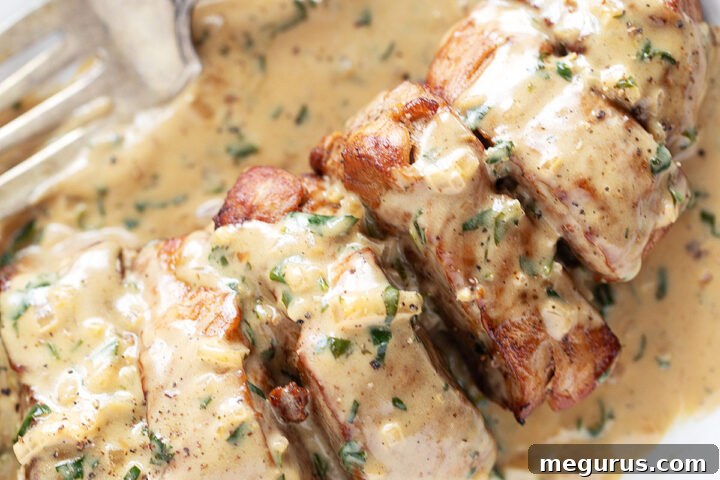
Get the Recipe: Pork Medallions with Creamy Dijon Mustard Sauce
Tender and juicy pork tenderloin medallions, served with an easy, creamy Dijon mustard pan sauce. The twice-seared pork tenderloin ensures the pork is juicy and never dry. This mustard pork tenderloin cooks entirely on the stovetop!
Prep Time: 10 mins
Cook Time: 25 mins
Total Time: 35 mins
Yield: 4 servings
Ingredients
Pork:
- 1 – 1 1/2 lb pork tenderloin, silver skin and visible fat removed
- 2 Tablespoons extra virgin olive oil, DIVIDED
- 2 Tablespoons butter, DIVIDED
- Salt and freshly ground pepper, to taste
Dijon Mustard Sauce:
- 1/4 cup shallot, diced, or yellow onion together with a small clove of garlic
- 1/2 cup dry white wine, or more chicken broth
- 3/4 cup chicken broth
- 1/2 cup heavy whipping cream (35% b.f.)
- 1 Tablespoon Dijon mustard, or more to taste
- 1 Tablespoon fresh parsley, chopped or 1 teaspoon dried parsley
- 1/4 teaspoon salt
- Freshly ground pepper, to taste
- 1 Tablespoon cornstarch
- 1 Tablespoon cold water
Instructions
-
Tip: Start with the right pan! Use either a stainless steel skillet or a cast iron skillet. Don’t use a non-stick skillet. Why? Because non-stick skillets won’t give you those tasty brown bits when browning the pork (known as “fond”), and fond is so delicious it would be a shame to miss out on it.
- Prepare the pork tenderloin by removing the silver skin and any visible fat. Season the pork generously with salt and pepper on all sides.
- Heat a stainless steel or cast-iron skillet over medium-high heat for 1 minute. Add 1 Tablespoon of butter and 1 Tablespoon of olive oil. When the butter foaming subsides, add the whole pork tenderloin to the skillet, curving it if necessary, so it lies flat. Sear and brown it well on all sides (top, bottom, and both ends), for about 5-6 minutes total, turning frequently.
- Remove the pork to a cutting board and slide the skillet off the heat for a minute to cool slightly. Carefully cut the seared pork tenderloin into 1-inch thick medallions.
- Return the skillet to medium-high heat. Add the remaining 1 Tablespoon of butter and 1 Tablespoon of olive oil to the skillet. Once the butter has melted, return the pork medallions to the skillet and sear them well on all sides, about 2-3 minutes per side, until beautifully golden-brown.
- The pork should be cooked through at this point. Use an instant-read thermometer to check; they should reach an internal temperature of 140-143°F (the temperature will rise a few degrees as it rests). If you don’t have a thermometer, cut into the center of a medallion to check the color; it should be only lightly pink in the center, and the juices should run clear. Remove the pork medallions to a warm plate and loosely tent them with aluminum foil to rest.
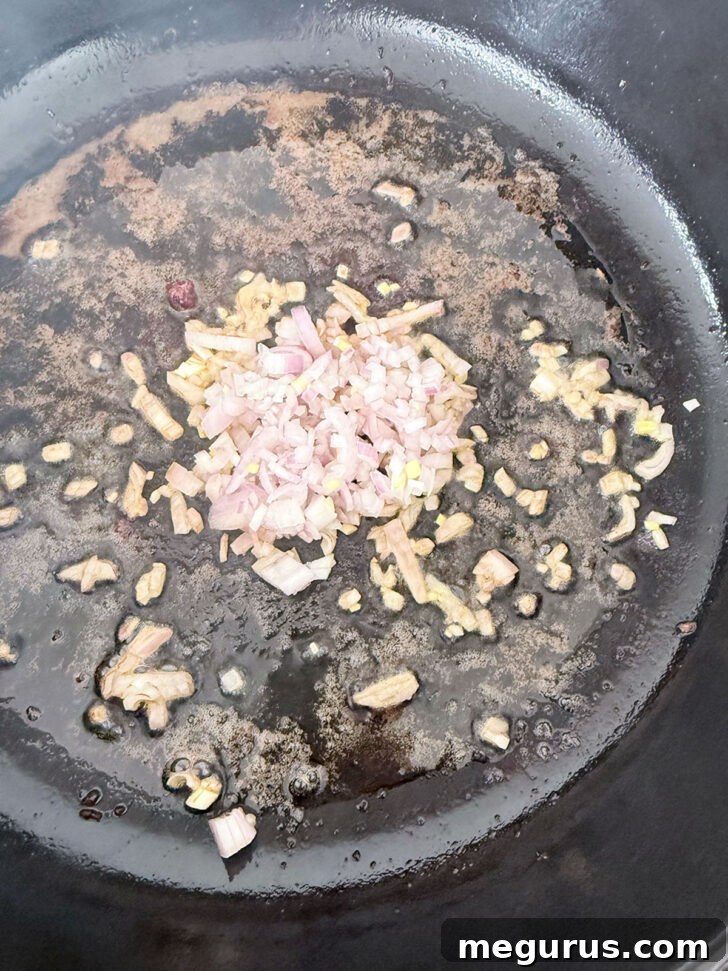
- Lower the heat under the skillet to medium. If the skillet appears dry, add a small splash of olive oil. Add the diced shallots (or onion/garlic mix) and cook, stirring frequently, until softened and fragrant, about 2-3 minutes.
- Pour the white wine into the pan, scraping up all the browned bits (fond) from the bottom of the skillet with a wooden spoon as the wine cooks off for 1-2 minutes. This deglazing step adds immense flavor to your sauce.
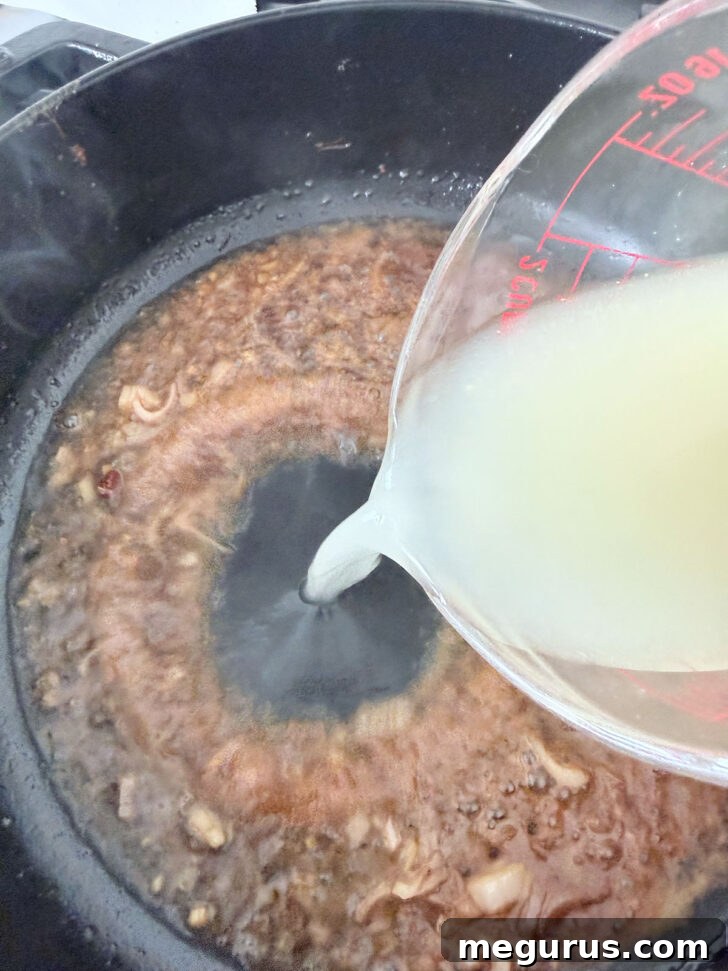
- Add the chicken broth to the skillet, along with the Dijon mustard. Bring the mixture to a gentle boil and allow it to simmer briefly to reduce slightly, about 2-3 minutes.
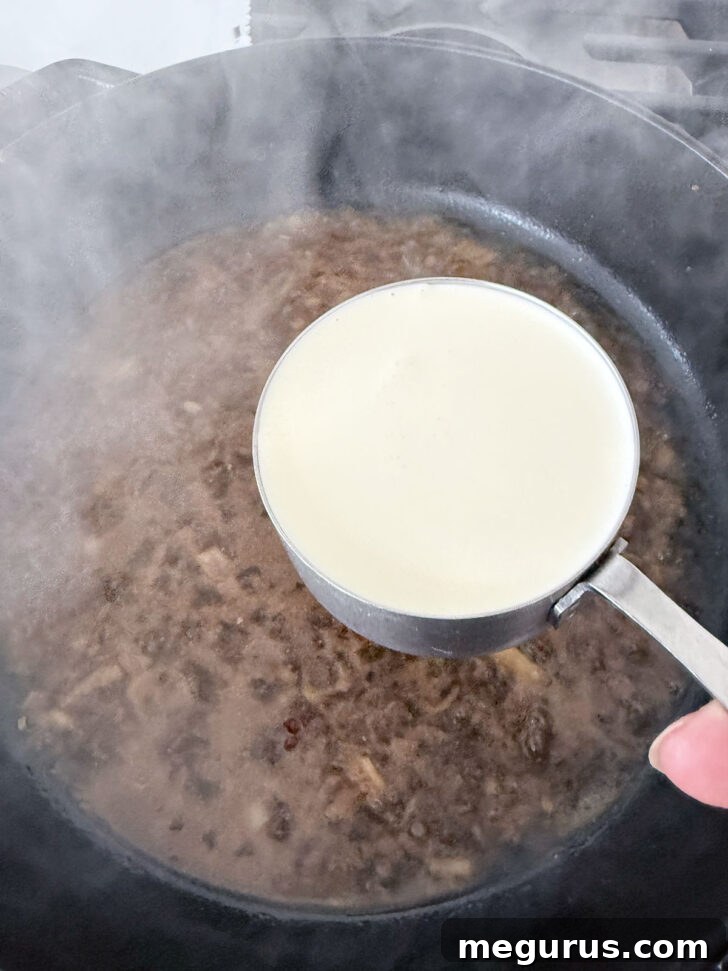
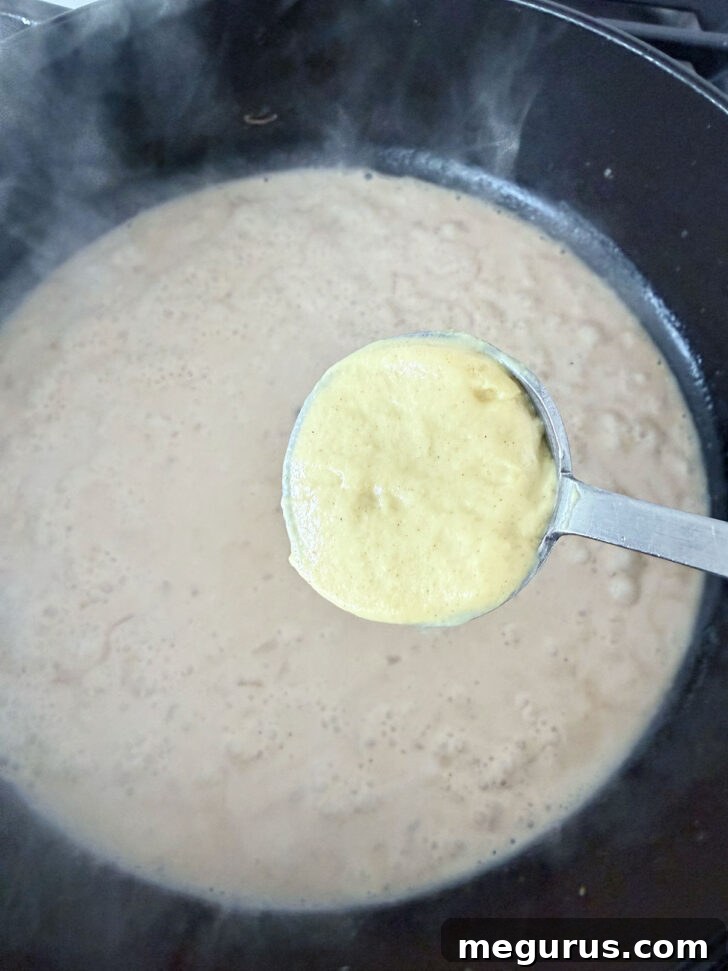
- Stir in the heavy cream, fresh parsley, salt, and a generous amount of freshly ground pepper. Taste the sauce and adjust the seasoning as necessary, adding more salt or pepper to round out the flavors.
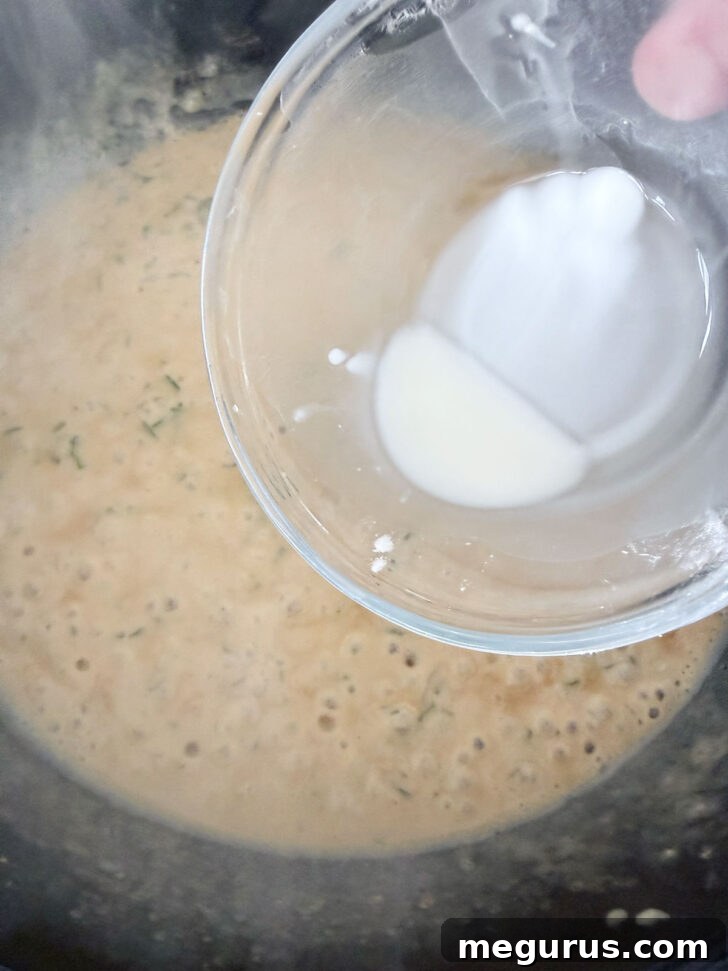
- In a small bowl, whisk together the cornstarch and cold water until smooth to create a slurry. Drizzle the slurry into the simmering sauce, stirring continuously, until the sauce thickens to your desired consistency. If you want a thicker sauce, you can add a little more slurry.
- Spoon the warm, creamy Dijon sauce generously over the rested pork medallions to serve. Garnish with additional chopped fresh parsley, if desired, for a pop of color and freshness.
Notes
- Heavy Cream Note: Heavy cream is recommended as its higher fat content prevents it from splitting when combined with the acidic wine and mustard. While a lower-fat cream can be used, the sauce may split, and you might need extra cornstarch to achieve the desired thickness.
- Medallion Thickness: To ensure even cooking on the stovetop, stick closely to the recommended 1-inch thickness for your pork medallions.
- Wine Substitute: If skipping the wine, a small squeeze of fresh lemon juice (1/2 to 1 teaspoon) added to the sauce at the end can provide a similar acidic lift.
- Flavor Variation: For an alternative herbaceous note, consider using fresh tarragon instead of parsley. Tarragon pairs beautifully with pork and mustard.
- Serving Suggestions: These pork medallions are wonderfully served with mashed potatoes and a vibrant green vegetable, such as roasted broccoli, asparagus, or green beans, for a complete and satisfying meal.
- Make Ahead: This dish is best enjoyed fresh. If making ahead is essential, undercook the pork slightly, store pork and sauce separately in the refrigerator, and gently rewarm pork in a skillet and sauce in a saucepan before combining to serve.
Cuisine: American, Canadian
Course: Main Course
Author: Jennifer Maloney
Nutrition Information (per serving):
- Serving Size: 1 serving
- Calories: 470 kcal
- Carbohydrates: 7g
- Protein: 38g
- Fat: 30g
- Saturated Fat: 14g
- Polyunsaturated Fat: 2g
- Monounsaturated Fat: 12g
- Trans Fat: 0.3g
- Cholesterol: 159mg
- Sodium: 346mg
- Potassium: 818mg
- Fiber: 1g
- Sugar: 2g
- Vitamin A: 703IU
- Vitamin C: 3mg
- Calcium: 45mg
- Iron: 2mg
Tried this recipe? If you enjoyed this recipe, we’d love for you to share your feedback!
More Pork Medallion Recipes to Love!
We hope you enjoy preparing and savoring these delightful Skillet Pork Medallions with Creamy Dijon Mustard Sauce. It’s a testament to how simple ingredients, combined with smart cooking techniques, can create an unforgettable meal. Happy cooking!