
As the vibrant flavors of summer burst forth, so too does an abundance of fresh zucchini from gardens and farmers’ markets. If you find yourself with an overwhelming bounty, look no further than this exceptional zucchini relish recipe. Infused with a distinctive mustard tang, this relish transcends a simple condiment, transforming into a versatile staple perfect for elevating your summer barbecues and beyond. Imagine slathering it generously on juicy hamburgers and hot dogs, or serving it alongside savory grilled sausages and pork chops. This easy-to-make relish is not just a delicious addition to your meals; it’s a brilliant way to preserve the taste of summer long after the season ends.

Why Homemade Zucchini Relish is a Summer Essential
There’s something incredibly satisfying about homemade preserves, and zucchini relish is no exception. Beyond simply utilizing excess zucchini, making your own relish allows you to control the ingredients, ensuring a product free from unwanted additives and bursting with fresh flavor. This particular recipe combines the mild sweetness of zucchini with the pungent kick of mustard, crisp onions, and colorful red peppers, all balanced with a hint of chili for a subtle warmth. It’s a culinary masterpiece that captures the essence of summer in every jar.
Whether you’re new to canning or a seasoned pro, this recipe is designed to be approachable. You can whip up a small batch to enjoy immediately or scale it up to fill multiple jars, ensuring a supply of this delightful condiment to savor through the colder months. These small jars also make thoughtful and much-appreciated hostess gifts for any summer gathering, picnic, or BBQ.
Essential Ingredients for Your Zucchini Mustard Relish
Crafting the perfect zucchini relish begins with selecting high-quality ingredients and understanding their roles. Here’s a closer look at what you’ll need and some helpful notes on substitutions:
- Zucchini: This is the star of our relish. For the standard recipe, plan on using approximately 3 pounds of zucchini, which translates to about six supermarket-sized zucchini. If you’re harvesting gigantic garden zucchini, remember that their moisture content and seediness can vary. For very large specimens, it’s often wise to remove some of the larger, more mature seeds to prevent a watery or fibrous relish. Smaller, younger zucchini can be used whole, unpeeled, and with seeds intact, providing excellent texture and flavor.
- Pickling Salt: Critical for successful preserving, pickling salt is a pure granulated salt (sodium chloride) devoid of anti-caking agents or iodine. These additives, often found in regular table salt, can lead to cloudy preserves or affect the relish’s flavor. Always opt for pickling salt for the clearest, best-tasting results. If pickling salt is unavailable, pure Kosher salt (ensure it explicitly states “no anti-caking agents”) can be a decent substitute. However, due to differences in crystal size and density, you’ll need to increase the amount by about 50%. For instance, if the recipe calls for 1/4 cup of pickling salt, use 1/4 cup plus 2 tablespoons of Kosher salt.
- Red Bell Pepper: Not just for visual appeal, red bell pepper contributes a delightful sweetness and depth of flavor that complements the zucchini beautifully. While orange bell pepper makes an acceptable alternative, we advise against using green bell pepper due to its distinctly different, often more bitter, flavor profile, which can alter the relish’s intended taste.
- Onion: Standard yellow cooking onions are perfect for this recipe. They provide a foundational savory note that balances the sweetness and tang of the relish.
- Mustard Seed: These tiny seeds are powerhouse flavor enhancers, delivering that characteristic piquant kick essential to mustard relish. You’ll easily find them in the spice aisle of most grocery stores.
- Celery Seed: Offering a subtle, earthy, and slightly bitter note, celery seeds add complexity to the relish. Be careful not to confuse them with celery salt, which contains salt and would throw off the seasoning balance of the recipe.
- Turmeric: Primarily used for its vibrant golden-yellow hue, turmeric gives the relish its appealing color. While it imparts minimal flavor in this quantity, it significantly enhances the visual presentation. It can be omitted in a pinch, but your relish will appear less yellow.
- Cider Vinegar: This is the preferred vinegar for its fruity, slightly sweet, and tangy flavor, which contributes significantly to the relish’s overall taste profile. It also acts as a vital preserving agent. If cider vinegar is unavailable, plain white vinegar can be used, but be aware that it may result in a sharper, less nuanced flavor.
- Sugar: The quantity of sugar in relish often surprises people, but it serves dual purposes. Beyond balancing the tartness of the vinegar and enhancing the flavor, sugar is a critical component in the preservation process, contributing to the relish’s shelf stability. We strongly recommend against reducing the amount of sugar, as it could compromise the food safety of your finished product.
- Cornstarch: Added at the end of the cooking process, cornstarch is a thickening agent that gives the relish its desirable consistency. Arrowroot powder is a suitable alternative. Flour should not be used as a substitute, as it can make the relish cloudy and can have a different thickening effect.
Achieving the Ideal Texture: Chopping Your Vegetables for Zucchini Relish
The texture of your zucchini relish can significantly influence its versatility and appeal. You have two main methods for preparing your vegetables, each offering a distinct outcome:
You can meticulously chop all the vegetables by hand. This method allows for greater control over the size and uniformity of the pieces, resulting in a chunkier relish. A chunkier relish is fantastic when you want a more substantial bite, making it an excellent accompaniment for hearty meals like grilled sausages or thick pork chops, where the relish can stand up to the main course.
Alternatively, for a quicker process and a finer texture, a food processor is your best friend. Processing the vegetables in batches will yield a relish with smaller, more uniformly chopped pieces. This finer relish is typically preferred for classic applications like hot dogs and hamburgers, where it blends seamlessly with the other toppings and condiments without overpowering them. The choice ultimately depends on your personal preference and how you envision enjoying your homemade relish.
Step-by-Step Guide: Crafting Your Delicious Zucchini Relish
Making this zucchini relish is a straightforward process, designed to be enjoyable and rewarding. Follow these steps carefully to ensure a perfect batch every time. The visual aids below depict key stages of the process, but always refer to the complete written instructions for all details.
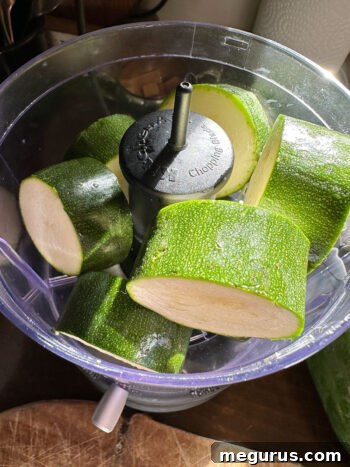
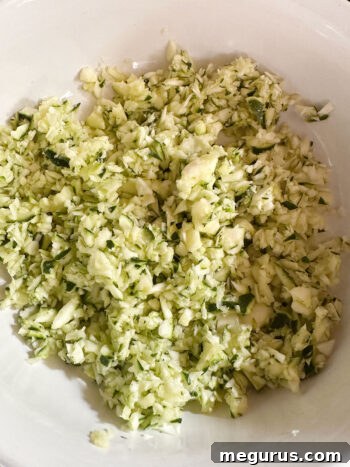
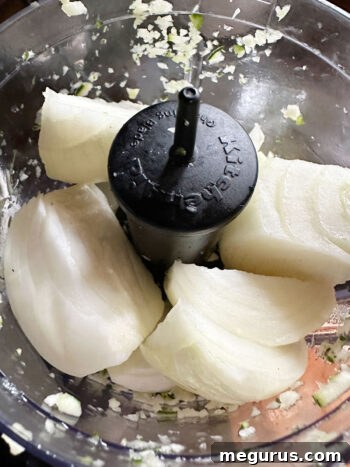
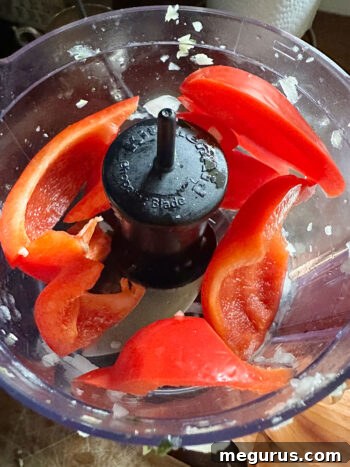
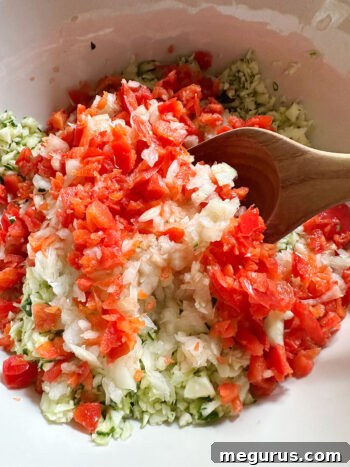
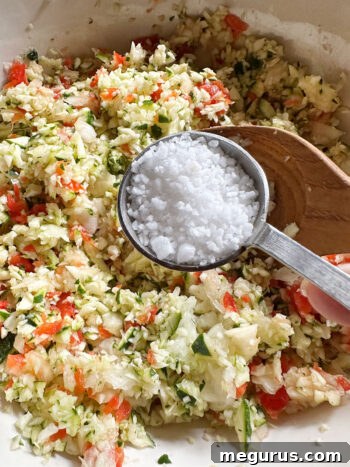
- Chop the Vegetables: Begin by chopping your zucchini. You can use a small food processor for a finer chop, processing it in batches until you have mostly small pieces with a few slightly larger ones for texture. If you prefer a chunkier relish, finely chop it by hand with a sharp knife. Transfer the chopped zucchini to a large bowl. Repeat the process for the onions and red bell peppers, then add them to the bowl with the zucchini. Stir all the chopped vegetables together until well combined.
- Salt and Rest: Evenly sprinkle the pickling salt over the combined vegetables and stir it in thoroughly. Allow the mixture to stand uncovered for 1 hour, stirring occasionally (about two to three times) during this period. This crucial step draws out excess moisture from the vegetables, which is essential for a crisp, flavorful relish and helps prevent it from becoming watery.
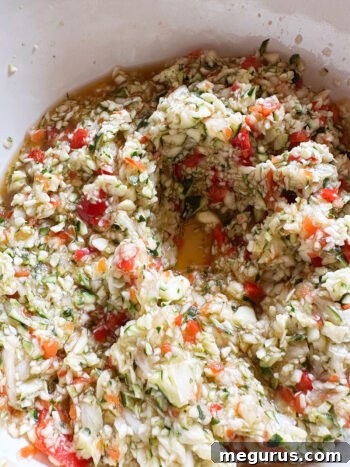
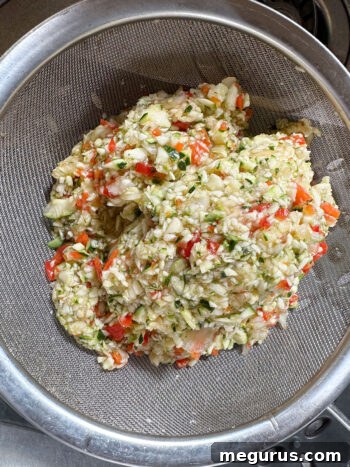
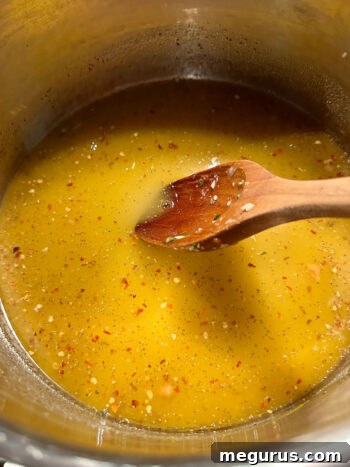
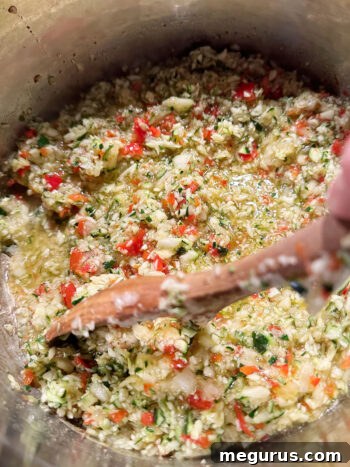
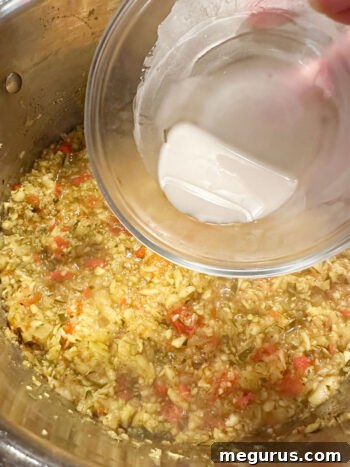
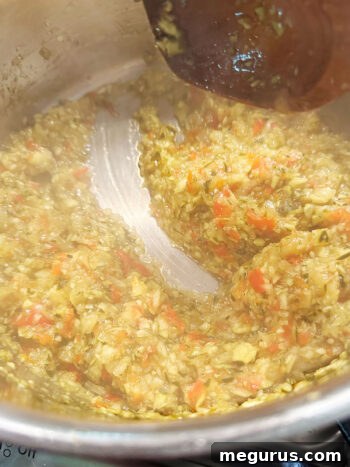
- Drain and Rinse: After the resting period, you should observe a noticeable amount of liquid collected in the bowl with the vegetables. This is a good sign that the salt has done its job. Transfer the vegetables to a colander or fine-mesh strainer. Drain them thoroughly, then rinse well under cold running water to remove excess salt. Press down firmly with the back of a spoon or your palm to squeeze out as much remaining liquid as possible. This step is crucial for preventing overly salty relish and achieving the right consistency. Set the drained vegetables aside.
- Prepare the Brine: While the vegetables are draining, combine the sugar, cider vinegar, dry mustard powder, celery seeds, mustard seeds, turmeric, and hot chili pepper flakes in a large, heavy-bottomed saucepan. Bring the mixture to a boil over medium-high heat, stirring until the sugar is completely dissolved.
- Cook the Relish: Once the brine is boiling, add the well-drained vegetables to the pan. Reduce the heat to a simmer and continue to cook, stirring frequently, for about 15-20 minutes. The cooking time may vary slightly depending on how finely you chopped your vegetables; the goal is for them to become tender, but still retain a slight bite.
- Thicken the Relish: In a small bowl, whisk together the cornstarch and water until a smooth slurry forms. Once the vegetables in the pan are tender, slowly pour the cornstarch mixture into the simmering relish, stirring continuously to prevent lumps.
- Simmer to Thicken: Continue to simmer the relish for another 3-5 minutes, stirring often, until it thickens to your desired consistency. A good test is to run a spoon through the relish; if the trail it leaves fills in slowly, the relish is ready. It should be thick enough to cling to the back of a spoon. Remove from heat.
Mastering Zucchini Relish: Expert Tips for Success
- Chopping Preference: Remember, the texture is entirely up to you! For a finer, more uniform relish that’s ideal for hot dogs and burgers, a food processor is quick and efficient. If you desire a rustic, chunkier relish perfect for sausages or charcuterie boards, hand-chopping will give you more control over the piece size.
- Dealing with Large Zucchini: If you’re working with particularly large zucchini, often from home gardens, they can sometimes have very large, prominent seeds and a more watery flesh. In such cases, it’s advisable to scoop out and discard some of the larger seeds before chopping to avoid a seedy or overly watery relish. For typical supermarket-sized zucchini, leaving the seeds in is perfectly fine.
- Serving Suggestions: This zucchini mustard relish is incredibly versatile. It’s absolutely fantastic on classic hot dogs and hamburgers, adding a sweet, tangy, and slightly spicy counterpoint. We especially love it paired with grilled sausages or pork chops, where its bold flavor truly shines. Don’t hesitate to experiment and use it in sandwiches, wraps, or even as a unique addition to tuna salad.
- Flavor Adjustments: While we don’t recommend altering the sugar content for preservation reasons, you can adjust the heat level. If you prefer a spicier relish, simply increase the amount of hot chili pepper flakes to taste.
Yield and Scaling: Making the Right Amount of Zucchini Relish
This recipe is designed to be flexible, allowing you to easily adjust the quantity based on your needs. Whether you want a small batch for immediate enjoyment or a larger yield for canning, here’s a guide to the expected output:
- 1/2 X Recipe: Yields approximately 4 cups of relish, enough to fill about 3 small jars (as often shown in accompanying images).
- 1 X Recipe (Base Recipe): Produces approximately 8 cups of relish.
- 2 X Recipe: Will give you a generous 16 cups of relish, perfect for extensive canning.
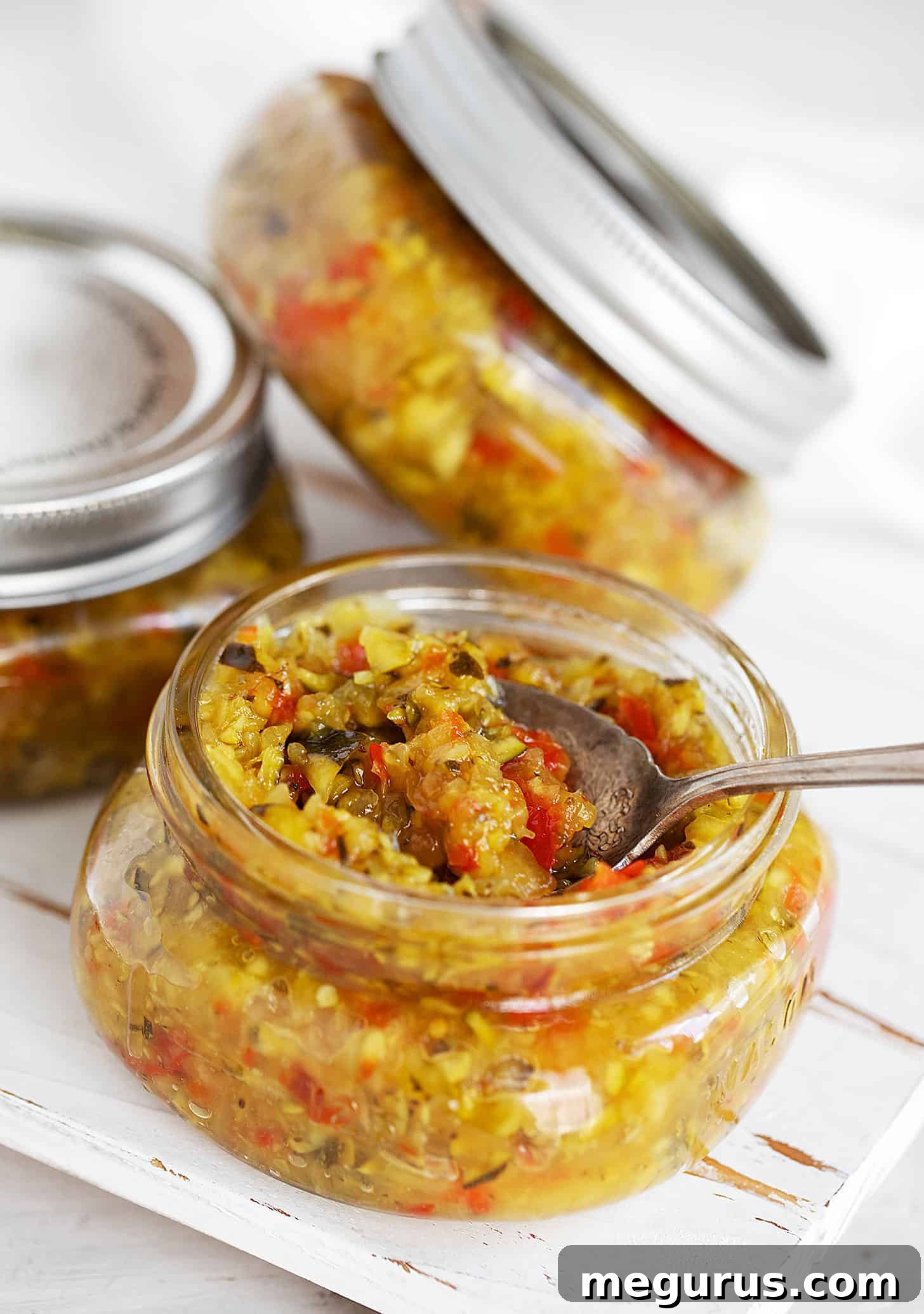
Preserving Your Harvest: Storing and Canning Zucchini Relish
Once your delicious zucchini relish is prepared, you have two primary options for storage:
- Refrigeration: If you plan to enjoy your relish relatively quickly and are not undertaking the canning process, simply spoon the cooled relish into clean jars and store it in the refrigerator. In the fridge, homemade zucchini relish will maintain its quality and freshness for approximately 2-3 months.
- Boiling Water Canning: For long-term, shelf-stable storage, canning is the ideal method. To can your zucchini relish, spoon the hot relish into sterilized canning jars, ensuring you leave 1/2-inch (1 cm) of headspace from the rim. Use a clean knife or plastic utensil to remove any trapped air bubbles by gently stirring the mixture in the jar. Wipe the rims of the jars clean with a damp cloth to ensure a proper seal. Place sterilized lids and rings on the jars, tightening the rings finger-tight. Process the jars in a boiling water canner for 15 minutes (adjusting for altitude if necessary). After processing, carefully remove the jars and let them cool completely on a towel-lined surface. Once sealed, your canned zucchini relish can be stored in a cool, dark pantry for up to a year or even longer.
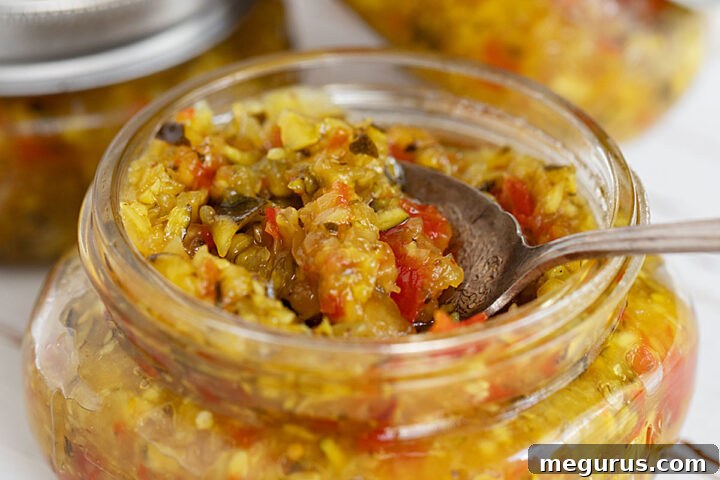
Get the Recipe: Zucchini Relish
A delicious and versatile zucchini relish, with added mustard, that makes it perfect for hot dogs, hamburgers and sausage.
Ingredients
- 3 lbs. zucchini, unpeeled and cut into 1-inch chunks (about 6 supermarket-sized zucchini)
- 3 medium onions, chopped
- 2 medium sweet red peppers, diced
- 1/4 cup pickling salt, *see Note 1 below for details
Brine:
- 2 1/2 cups white granulated sugar, *see Note 2 below for details
- 1 1/2 cups cider vinegar
- 2 1/2 teaspoons dry mustard powder
- 1 teaspoon celery seeds
- 1/2 teaspoon mustard seeds
- 1/2 teaspoon turmeric
- 1/2 teaspoon hot chili pepper flakes, *see Note 3 below for details
To finish relish:
- 1 Tablespoon cornstarch
- 1 Tablespoon water
Instructions
-
You can chop the vegetables by hand or with a food processor. Chopping by hand allows for making a chunkier relish, while the food processor makes a finer relish.
-
In a food processor (or by hand with a knife), process zucchini, a few pieces at a time, until mostly small pieces with a few larger pieces. Transfer to a large bowl. Add onions, red peppers and stir to combine. Sprinkle with pickling salt and stir in well. Let stand, uncovered, for 1 hour, stirring occasionally. Drain well, rinse thoroughly, and drain again, pressing out as much moisture as you can with a spoon or the palm of your hand. Set aside.
-
In a large heavy-bottomed pan, combine the sugar, vinegar, dry mustard powder, celery seeds, mustard seeds, turmeric, and hot pepper flakes. Bring to a boil over medium-high heat. Add the drained vegetables. Reduce heat and simmer, stirring often, until vegetables are tender, about 15-20 minutes.
-
Mix cornstarch with water to create a slurry and stir into the simmering relish. Simmer, stirring constantly, until a spoon pulled across the bottom leaves a trail that fills in slowly, about 5 minutes. The relish should be nicely thickened.
-
Pack the hot relish into four 2-cup sterilized canning jars, leaving 1/2-inch (1 cm) headspace. Remove any air bubbles by running a knife or plastic utensil through the mixture. Wipe the rims clean and seal with sterilized lids and rings. Boil in a boiling water canner for 15 minutes to process for longer, shelf-stable storage. If not canning in a boiling water canner, you must refrigerate the relish, where it will keep well for 2-3 months.
Notes
Note 1: Pickling salt is easily found at most grocery stores. It is highly recommended for this relish recipe for the best results. Kosher salt is an option, as long as it doesn’t have anti-caking agents added. You would need to use 50% more Kosher salt than the amount specified for pickling salt. Regular table salt is not recommended.
Note 2: It is not recommended that you alter or reduce the amount of sugar added to the relish, as it contributes to both flavor and aids in preservation and shelf-life. Reducing the sugar could compromise the food safety of the finished relish.
Note 3: The chili flakes add just a touch of heat to the relish and, as written, don’t make a spicy relish. If you are looking for more heat, simply increase the amount of red pepper flakes to taste.
Nutrition Facts (per 1 cup serving)
Serving: 1 cup, Calories: 313kcal, Carbohydrates: 75g, Protein: 3g, Fat: 1g, Saturated Fat: 0.2g, Polyunsaturated Fat: 0.3g, Monounsaturated Fat: 0.3g, Sodium: 3557mg, Potassium: 614mg, Fiber: 3g, Sugar: 70g, Vitamin A: 1273IU, Vitamin C: 72mg, Calcium: 52mg, Iron: 1mg