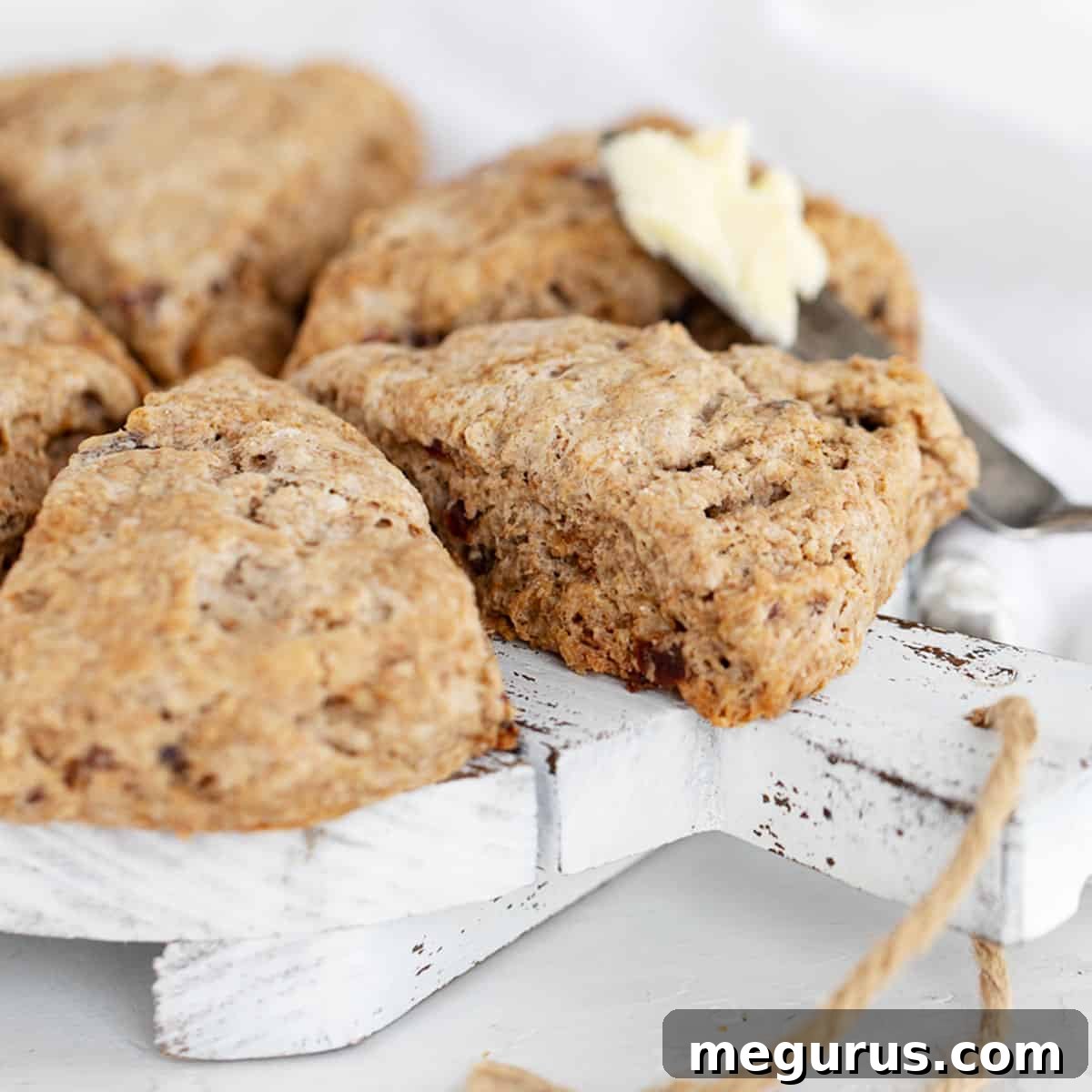
Welcome to the delightful world of homemade scones, where simple ingredients transform into a bakery-worthy treat. Today, we’re sharing a cherished recipe for Date Scones with Buttermilk, a truly irresistible classic that will capture your heart from the very first bite. These scones are a celebration of rich flavors and tender textures, packed with an abundance of sweet, chopped Medjool dates, balanced beautifully with the subtle tang of buttermilk, and infused with the wholesome goodness of whole wheat flour and wheat bran. A generous spoonful of warm cinnamon rounds out the profile, making each scone a comforting experience.
Perfect for a leisurely morning coffee, an elegant afternoon tea, or simply as a comforting snack, these date scones are remarkably easy to prepare. You don’t need any fancy equipment; a single bowl and your hands are all it takes to bring this delightful dough together. The combination of ingredients creates a scone that is wonderfully nutty, deeply flavorful, and exquisitely moist. Once you try these, they’re sure to become a staple in your baking repertoire.
Why You’ll Adore These Buttermilk Date Scones
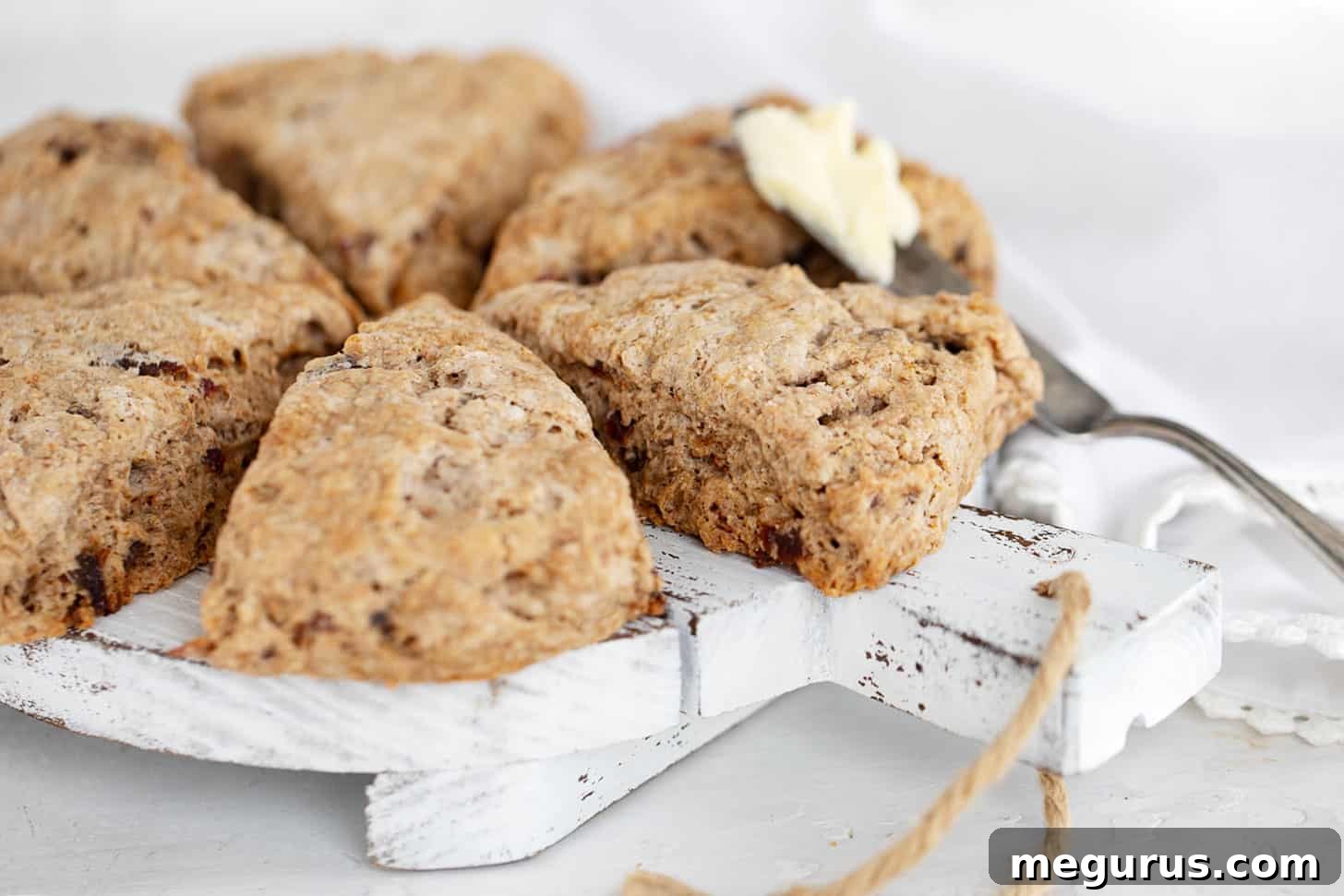
Our date scones stand out for their perfect blend of rustic charm and refined flavor. They offer a unique textural experience, being both tender and slightly crumbly, with pockets of sweet, chewy dates throughout. The inclusion of whole wheat flour and wheat bran not only adds a delightful nutty depth but also contributes to a satisfyingly wholesome feel, without making the scones heavy. The warmth of cinnamon is the perfect complement to the sweetness of the dates, creating an inviting aroma that fills your kitchen as they bake.
- Effortless Baking: Forget complicated techniques; these scones come together quickly in one bowl, no mixer required, making them ideal for bakers of all skill levels.
- Versatile Treat: Whether served warm with a slather of salted butter for breakfast, alongside a steaming cup of tea in the afternoon, or as a delightful dessert, they are always a crowd-pleaser.
- Wholesome & Flavorful: A thoughtful mix of whole wheat flour and wheat bran introduces a nuanced, earthy flavor and beneficial fiber, elevating these from ordinary to extraordinary.
- Irresistible Texture: The buttermilk ensures a tender crumb, while the chopped Medjool dates provide bursts of natural sweetness and a satisfying chewiness that will keep you reaching for another.
The Secret Behind Perfect Date Scones: Key Ingredients Unveiled
Creating truly exceptional scones starts with understanding the role each ingredient plays. Here’s a closer look at the stars of this recipe, along with helpful substitution notes to ensure your baking success.
Whole Wheat Flour: The Nutty Foundation
The touch of whole wheat flour in this recipe is crucial for imparting a lovely, subtle nutty flavor that pairs wonderfully with the dates and cinnamon. It also adds a rustic texture and a wholesome character without weighing down the scones. We recommend using it for the best flavor profile. However, if your pantry is bare of whole wheat flour, you can simply substitute it with an equal amount of additional all-purpose flour. Keep in mind that all-purpose flour might require slightly less liquid to achieve the correct dough consistency, so add your buttermilk gradually.
Wheat Bran: A Boost of Flavor and Fibre
Wheat bran, often simply called bran, is a fantastic addition that contributes both fiber and an earthy, wholesome flavor to these scones. It enhances the rustic appeal and provides a slight chewiness that complements the tender crumb. If you don’t have wheat bran on hand, don’t fret! You can easily substitute it with more all-purpose flour. While the texture will be slightly different, the scones will still be delicious.
Medjool Dates: Nature’s Sweet Candy
For these scones, we’ve specifically chosen Medjool dates. Known for their soft, plump texture and rich, caramel-like sweetness, Medjool dates are simply divine. They integrate beautifully into the dough, releasing their natural sugars and moisture as they bake. Remember to pit them before finely chopping them to ensure even distribution and a pleasant eating experience. If Medjool dates are unavailable, regular cooking dates, often found in square packages in the baking aisle, will also work perfectly fine, though you might notice a slight difference in sweetness and texture.
Buttermilk: The Tenderizing Agent
Buttermilk is a cornerstone of tender, moist scones. Its acidity reacts with the baking soda to create a light and airy texture, while also contributing a subtle tang that enhances the overall flavor. If you don’t have store-bought buttermilk, it’s incredibly easy to make your own at home. Simply add two teaspoons of lemon juice or white vinegar to two-thirds cup of regular milk (any fat percentage will work), stir, and let it sit for 5-10 minutes until it slightly curdles. This homemade version works just as well!
Other Essential Ingredients
Beyond these key components, cold salted butter is vital for flaky scones. The small pieces of butter create steam as they bake, forming those desirable flaky layers. Light brown sugar adds additional moisture and a molasses note that deepens the flavor profile. Baking powder and baking soda are the leavening agents, ensuring a good rise, and a generous amount of cinnamon provides that comforting warmth that makes these scones so inviting. A touch of fine salt balances all the sweet and savory notes.
Step-by-Step Guide: Crafting Your Delicious Date Scones
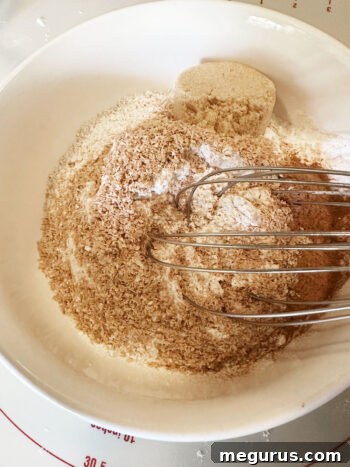
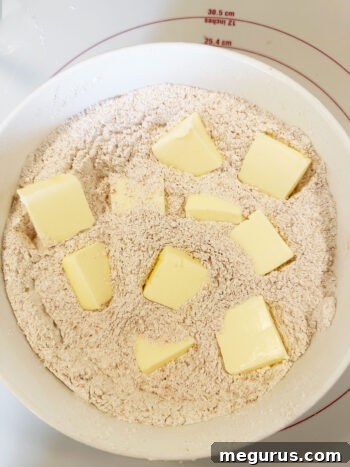
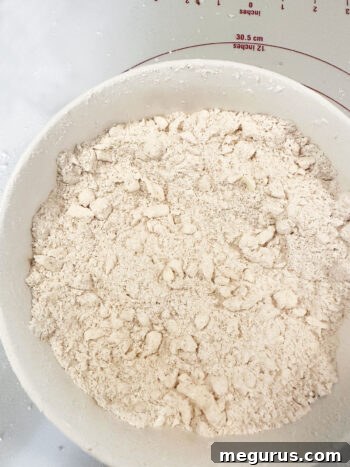
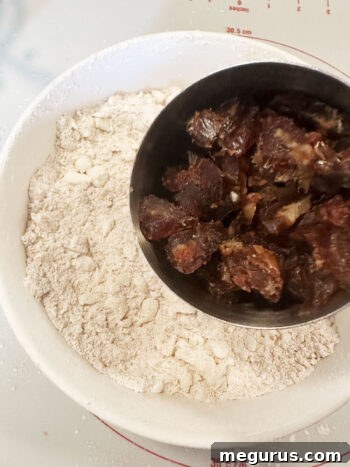
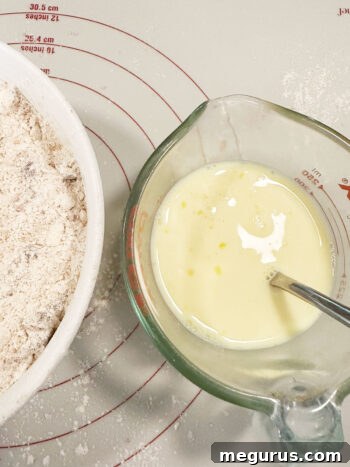
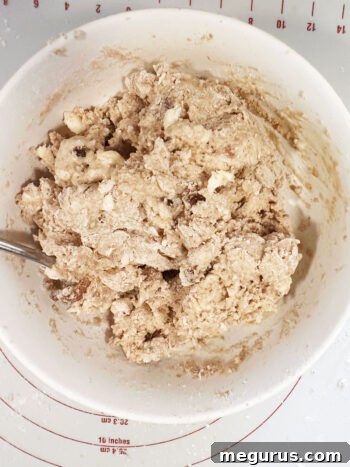
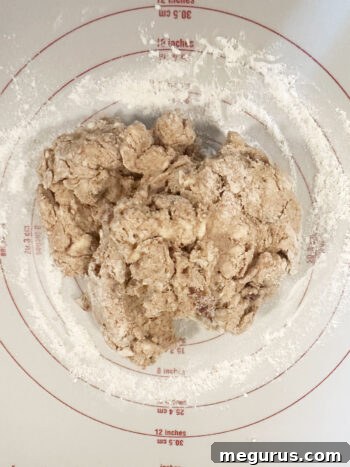
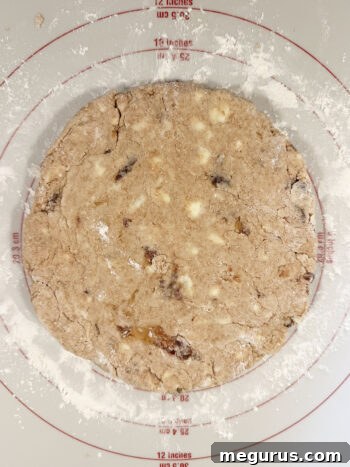
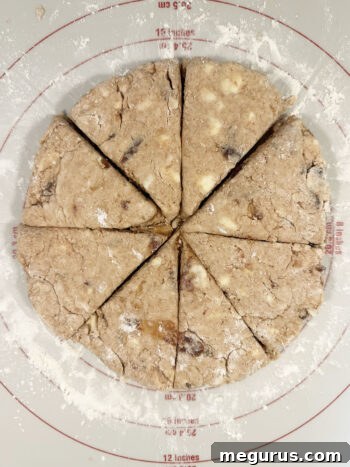
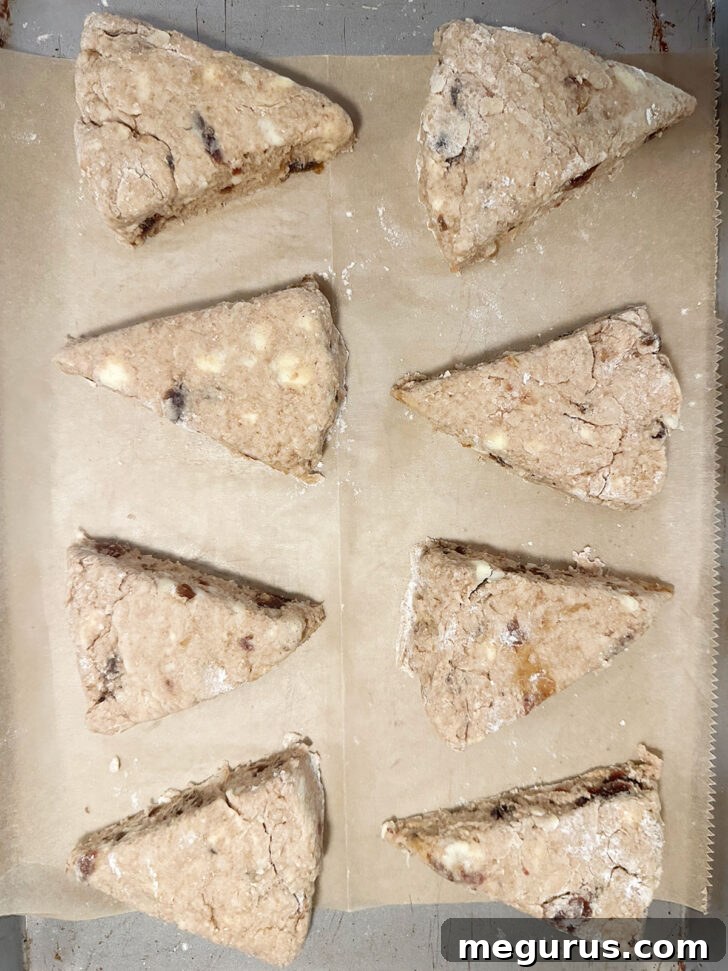
Making these date scones is a straightforward process, even for novice bakers. Follow these steps, and you’ll have a batch of warm, fragrant scones ready in no time. The accompanying images provide visual guidance for each stage of the process, ensuring your success.
Expert Tips for Scone Success
Achieving light, flaky, and flavorful scones is easy when you keep a few key tips in mind. These insights will help you master the art of scone making and ensure perfectly baked results every time.
- Don’t Fear Flour: Once your scone dough leaves the mixing bowl and hits the work surface, flour becomes your best friend. Generously dust your counter, then flour your hands as needed to prevent sticking while you gently shape the round. The goal is a moist, but not sticky, dough. If you notice any excess flour on the shaped scones before baking, a quick brush with a pastry brush will take care of it, ensuring a beautiful golden crust.
- Mind Your Buttermilk: Scone dough consistency is key. You might not need all of the buttermilk mixture called for in the recipe, as flour absorption can vary. Start by adding about two-thirds of the mixture, then incorporate more, a tablespoon at a time, until the dough just comes together. It should be moist and cohesive, but not overly wet or sticky. Overmixing or adding too much liquid can lead to tough scones, so err on the side of caution.
- Keep it Cold: The secret to flaky scones lies in cold butter and cold liquid. Cold butter creates steam pockets during baking, resulting in those desirable flaky layers. Avoid overworking the dough with warm hands, as this can melt the butter. If your kitchen is warm, you can even chill your dry ingredients and pastry cutter for a few minutes before you start.
- Handle with Care: Scone dough benefits from minimal handling. Overmixing or excessive kneading develops the gluten, leading to a tough texture. Mix just until the ingredients are combined and the dough forms a cohesive mass. A light touch is all that’s needed for tender scones.
- Sharp Knife for Clean Cuts: When cutting your scone rounds into wedges, use a sharp, un-floured knife. A clean cut allows the scones to rise straight up, creating beautiful, tall sides. A dull knife or twisting motion can seal the edges, hindering their rise.
Recipe Video – Visualizing Perfection
For those who learn best by watching, we’ve prepared a detailed recipe video that walks you through each step of making these delicious date scones. See firsthand how to combine ingredients, cut in the butter, and shape the dough for optimal results. This visual guide ensures you can follow along with confidence, making your baking experience even smoother and more enjoyable.
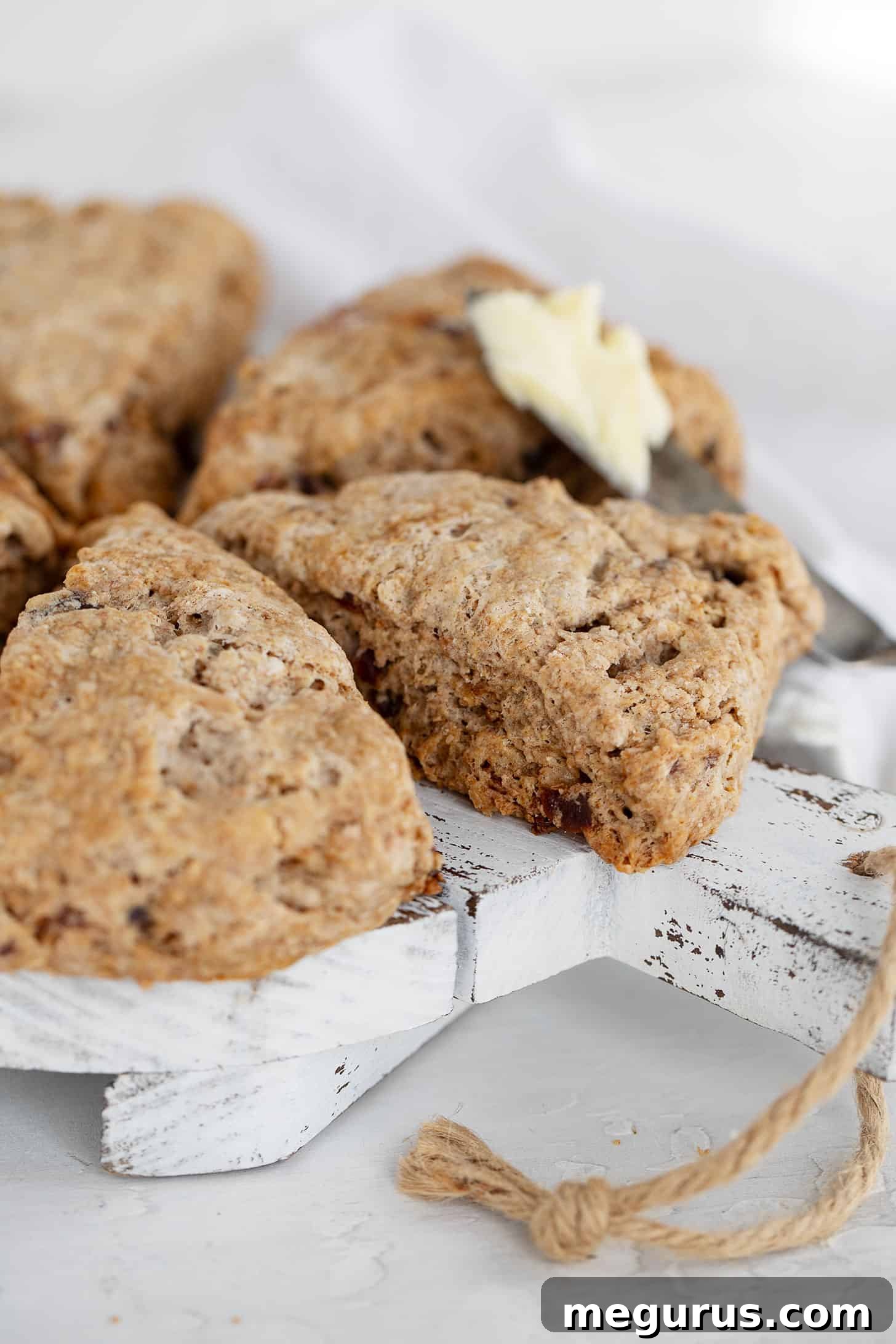
Serving Suggestions & Variations
These date scones are truly versatile and shine in many settings. While they are exceptional on their own, especially when warm from the oven, a few simple additions can elevate them even further. Traditionally, scones are served with clotted cream and jam, and these date scones are no exception; a dollop of apricot or orange marmalade would be particularly complementary. A simple pat of good quality salted butter, however, is often all they need to be utterly delicious.
For a touch of elegance, consider a light citrus glaze made with powdered sugar and a squeeze of orange or lemon juice. You could also sprinkle a pinch of coarse sugar on top before baking for a sparkling, crunchy crust. Feel free to experiment with additional spices like nutmeg or cardamom, or incorporate a handful of chopped walnuts or pecans for extra crunch and flavor. A drizzle of honey or maple syrup before serving can also enhance their natural sweetness. No matter how you choose to enjoy them, these scones are destined to be a memorable treat.
Storing and Freezing Your Homemade Scones
These date scones are undoubtedly at their peak of freshness when enjoyed straight from the oven, perhaps still a little warm with a melting pat of butter. However, it’s good to know how to properly store and even freeze them to enjoy their deliciousness later. Due to the whole wheat flour content, which can sometimes lead to them drying out faster than all-purpose flour scones, proper storage is essential.
Storing Baked Scones: Once cooled completely to room temperature, place your baked scones in an airtight container. They will keep well for up to two days. To refresh them and bring back that “freshly baked” feel, simply warm them in the microwave for a few seconds (10-15 seconds usually does the trick) or in a preheated oven (300°F/150°C) for about 5-7 minutes. This gentle reheating will soften the dates and restore their tender texture.
Freezing Baked Scones: These scones freeze exceptionally well, making them perfect for meal prep or having a delightful treat on standby. After the scones have fully cooled, transfer them to a freezer-safe bag or airtight container. They can be frozen for up to three months. When you’re ready to enjoy them, thaw them at room temperature for an hour or two, then warm them in the microwave or oven as described above for the best texture.
Freezing Unbaked Scones: For ultimate freshness, you can also freeze the unbaked scone dough. After cutting the dough into wedges, arrange them on a parchment-lined baking sheet and freeze until solid (about 1-2 hours). Once firm, transfer the frozen wedges to a freezer-safe bag or container, separating layers with parchment paper. They can be stored in the freezer for up to one month. When ready to bake, place the frozen scones directly onto a prepared baking sheet (no need to thaw) and bake in a preheated oven at the same temperature. You may need to add an extra 5-10 minutes to the baking time.
Frequently Asked Questions About Date Scones
We often get questions about making the perfect scones. Here are answers to some common inquiries to help you master this recipe.
What makes scones light and flaky?
The secret to light and flaky scones lies in a few key factors: cold butter, minimal handling of the dough, and the right amount of leavening. Cold butter, cut into small pieces, melts during baking, creating steam that pushes apart the layers of dough, resulting in flakiness. Overmixing develops gluten, which leads to a tough texture, so a gentle touch is crucial. Finally, a proper balance of baking powder and baking soda (activated by the buttermilk) provides the lift needed for a light crumb.
Can I use different types of dates?
While Medjool dates are recommended for their soft texture and rich sweetness, you can certainly experiment with other types of dates. Deglet Noor dates, for instance, are firmer and less sweet, so you might want to increase the brown sugar slightly if using them. Always ensure dates are pitted and chopped to a consistent size for even distribution in the dough.
How can I ensure my scones rise well?
Several factors contribute to a good rise. Firstly, ensure your baking powder and baking soda are fresh and active. Secondly, don’t overmix the dough; a light hand prevents gluten development which can inhibit rise. Thirdly, cold ingredients, particularly butter, help with oven spring. Finally, make sure your oven is preheated to the correct temperature; a hot oven provides an initial burst of heat that helps the scones rise quickly before the crust sets.
What is the best way to serve date scones?
The “best” way to serve date scones is a matter of personal preference! Many enjoy them simply warm with a pat of butter, allowing the natural flavors to shine. For a more indulgent treat, clotted cream and a fruit preserve (like apricot jam) are classic pairings. They also make a wonderful accompaniment to coffee, tea, or even a glass of cold milk.
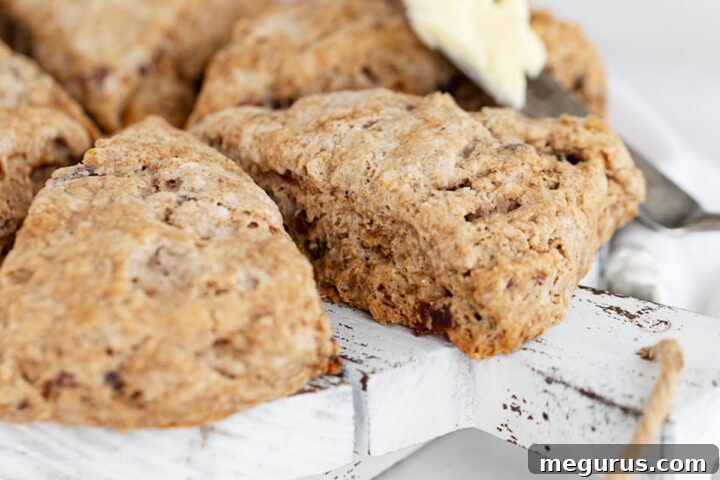
Get the Recipe: Date Scones with Buttermilk
Pin This
Leave a Review
Ingredients
- 1 1/2 cups all-purpose flour, spooned and levelled
- 1/2 cup whole wheat flour, spooned and levelled
- 1/4 cup wheat bran
- 2 teaspoons baking powder
- 1/2 teaspoon baking soda
- 3/4 teaspoon fine salt
- 2 teaspoons cinnamon
- 1/4 cup light brown sugar, packed
- 1/2 cup salted butter, cold, cut into 8-10 pieces
- 2/3 cup Medjool dates, pitted, halved and chopped
- 1 large egg
- 2/3 cup buttermilk, or milk with 2 teaspoons lemon juice or white vinegar added
Instructions
-
Preheat oven to 350°F (not fan assisted). Line a large baking sheet with parchment paper and set aside.
-
In a large bowl, whisk together the all-purpose flour, whole wheat flour, wheat bran, baking powder, baking soda, salt, cinnamon, and brown sugar. Add the cold butter cubes and use a pastry cutter or your fingertips to cut or rub the butter into the dry mixture until you have a mixture with pea-sized pieces of butter.
-
Add the chopped dates and use your fingertips to break up the dates, together with the dry mixture, until they are separated and evenly distributed in the mixture.
-
In a measuring cup, combine the buttermilk and egg and use a fork to mix together well.
-
Add about two-thirds of the buttermilk mixture to the flour/date mixture and use a fork to stir in. Begin adding additional buttermilk mixture, stirring as you go, just until the mixture is evenly moist (but not sticky). You may not need to use all of the buttermilk mixture.
-
Remove the dough to a well-floured work surface. Pat into a round about 8-inches in diameter. Use a sharp knife to cut the round into 8 even wedges. Carefully remove the wedges to the prepared baking sheet, keeping them a couple of inches apart.
-
Bake scones for 23-25 minutes, or until set and golden. Remove from the oven, then transfer to a wire cooling rack to cool completely.
-
Store cooled scones in an airtight container for a couple of days (freshen up with a few seconds in the microwave). These scones also freeze well for up to 3 months.
Notes
Tips!
- Flour is your friend once the dough hits the work surface. Generously flour under the dough, then flour your hands to shape the round, as needed, to prevent sticking. (You can brush off the excess flour on the scones with a pastry brush before baking if you like.)
- You may not need all the buttermilk mixture to moisten the dough, so don’t add it all at once. Add about 2/3 of it, then add more, just as needed. The dough should be moist, but not sticky.
Be sure to read the notes above this Recipe Card, for more tips on making this recipe.
Serving: 1 scone, Calories: 300 kcal, Carbohydrates: 42g, Protein: 5g, Fat: 13g, Saturated Fat: 8g, Polyunsaturated Fat: 1g, Monounsaturated Fat: 3g, Trans Fat: 0.5g, Cholesterol: 56mg, Sodium: 411mg, Potassium: 310mg, Fiber: 3g, Sugar: 16g, Vitamin A: 442IU, Vitamin C: 0.02mg, Calcium: 99mg, Iron: 2mg
If you enjoyed this recipe, please consider leaving a star rating and comment. Your feedback helps others discover and love it too!