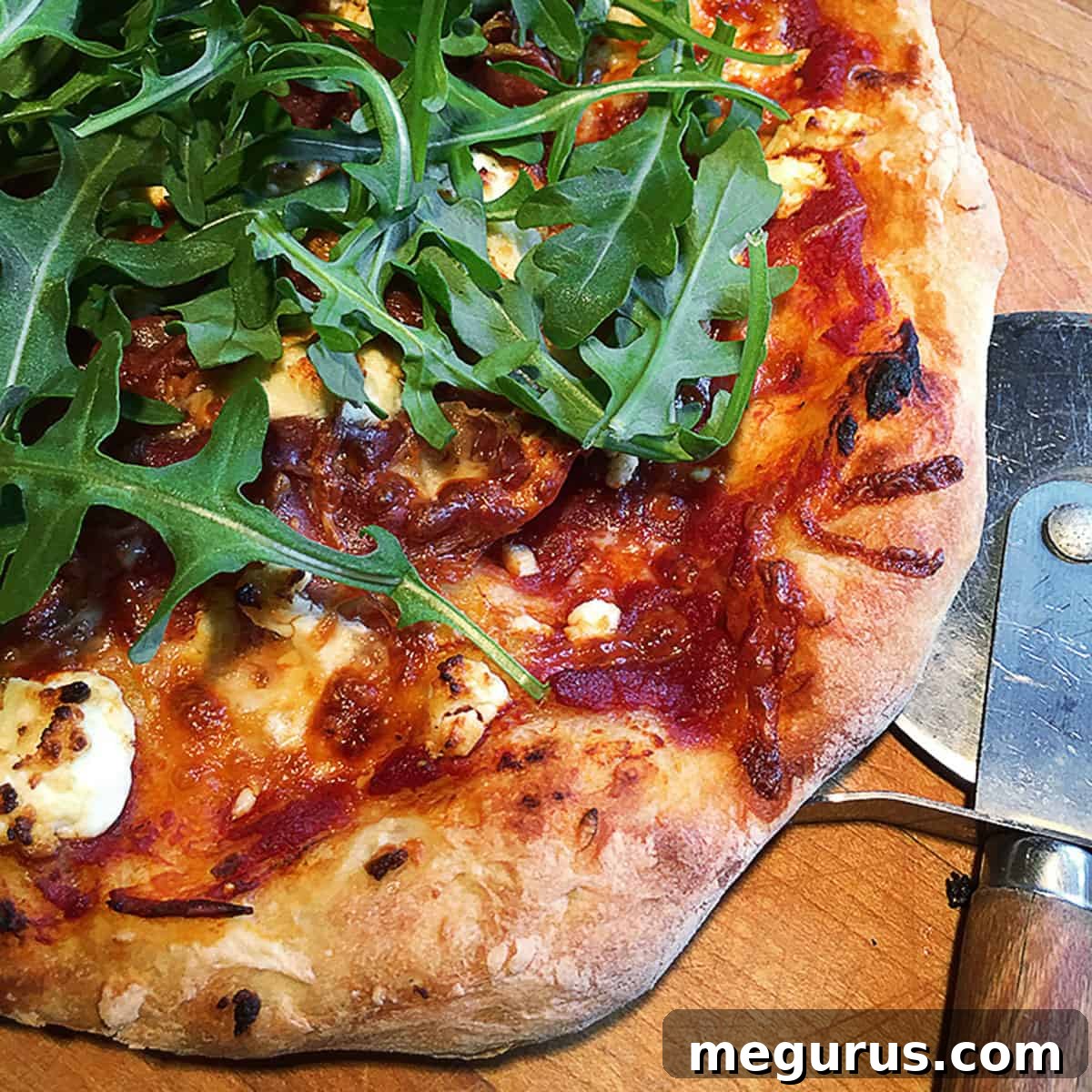
Unlock the secrets to crafting exquisite, gourmet pizza right in your own kitchen! This comprehensive guide provides an easy-to-follow recipe, a detailed timeline, and invaluable tips and tricks to help you achieve pizzeria-quality results every time. Say goodbye to takeout and hello to a personalized pizza experience that will impress family and friends.
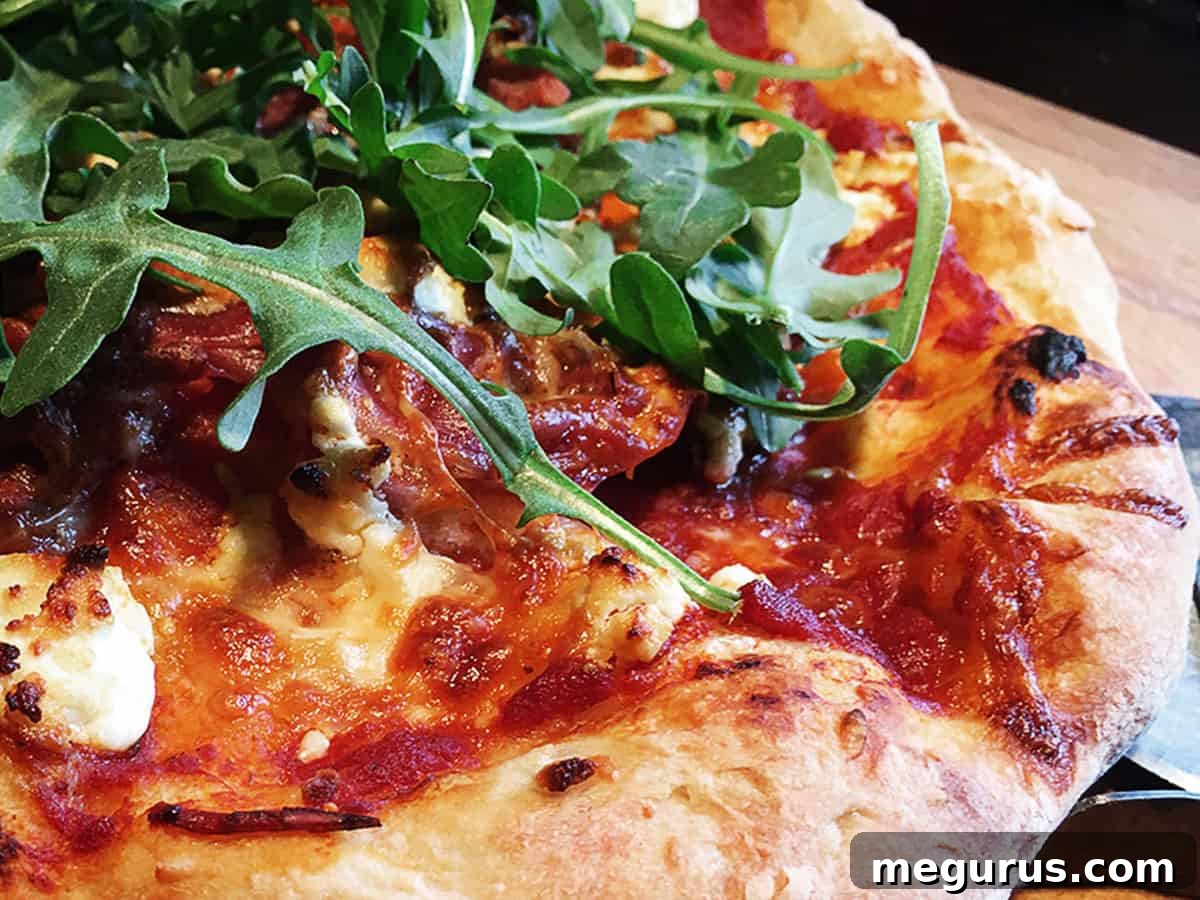
As a devoted pizza enthusiast, I’ve dedicated considerable time to perfecting the art of homemade pizza. The journey has been incredibly rewarding, transforming simple ingredients into a culinary masterpiece. This guide is born from that passion, offering a streamlined process for anyone aspiring to create gourmet pizza at home. When I refer to “gourmet” pizza, I’m specifically talking about a style distinct from the typical thick-crust, heavily-cheesed, pepperoni-laden variety. While there’s absolutely nothing wrong with that classic comfort food – I enjoy it too! – this approach focuses on a thinner, crispier crust with a more curated selection of fresh, high-quality toppings. Think elegant, flavorful, and a true testament to artisanal home cooking.
Our journey to the perfect homemade pizza begins with a simple, yet incredibly effective, No-Knead Pizza Dough. This low-effort dough yields a wonderfully chewy interior and a delightfully crispy crust, rivaling your favorite pizza joint. Paired with a vibrant No-Cook Pizza Sauce – which you can whip up in minutes or substitute with a premium store-bought option for convenience – and your choice of fresh, high-quality toppings, you’ll be amazed at the depth of flavor you can achieve. While I’ll share some of my favorite combinations, remember that the beauty of homemade pizza lies in its customizability. Feel empowered to experiment with your preferred ingredients and make it uniquely yours.
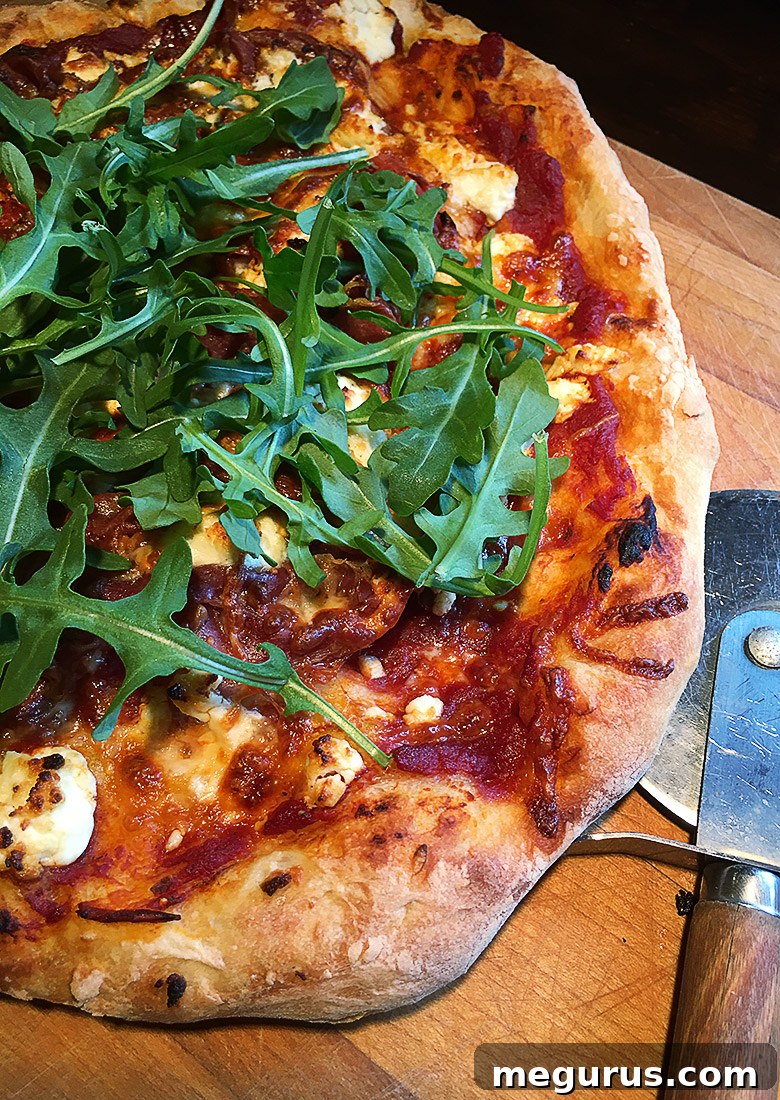
Essential Ingredients for Your Gourmet Masterpiece
Creating an exceptional pizza starts with exceptional ingredients. Here’s a breakdown of what you’ll need, along with some insights into why each component is crucial for achieving that gourmet distinction.
For the No-Knead Dough:
- All-purpose flour or ’00’ Pizza flour: While all-purpose flour works perfectly well, ’00’ flour, finely milled in Italy, offers a superior texture, contributing to a truly authentic, delicate, yet chewy crust.
- Active dry yeast: The magic behind the rise. Ensure your yeast is active for optimal results.
- Salt: Not just for flavor, salt plays a vital role in controlling yeast activity and strengthening the gluten structure in the dough.
- Water: Room temperature water is ideal for activating the yeast and creating a consistent dough.
For the No-Cook Pizza Sauce:
This minimalist sauce allows the natural sweetness of the tomatoes to shine, providing a fresh, bright base that complements your gourmet toppings without overpowering them.
- Garlic: Fresh garlic adds a pungent, aromatic kick.
- Canned whole tomatoes: High-quality whole peeled tomatoes (San Marzano are often preferred) are key. Their natural sweetness and rich texture are superior to pre-crushed varieties for a fresh sauce.
- Extra-virgin olive oil: A touch of good olive oil adds richness and helps to carry the flavors.
- Dried oregano: A classic pizza herb, lending earthy, slightly bitter notes.
- Dried basil: Sweet and peppery, basil is oregano’s perfect partner in pizza sauce.
- Salt: To balance and enhance all the flavors.
For the Toppings (My Favorites – Customize as You Like!):
The beauty of gourmet pizza lies in thoughtful, balanced topping combinations. Less is often more, allowing individual ingredients to truly sing.
- Prosciutto: Thinly sliced, salty, and slightly sweet cured ham that crisps beautifully in the oven.
- Goat Cheese: Creamy, tangy, and melts into delightful pockets of flavor.
- Shredded pizza mozzarella: Opt for a low-moisture, full-fat mozzarella for the best melt and stretch without making the pizza soggy. Avoid fresh mozzarella unless you’re experienced in managing its high water content.
For Serving:
- Fresh baby arugula: Added post-bake, fresh arugula provides a peppery, slightly bitter contrast and a vibrant green finish, elevating the entire dish.
Essential Equipment for Home Pizza Making
While you don’t need a professional setup, a few key tools can significantly enhance your homemade pizza experience, making the process smoother and the results more consistent.
- Silicone Bowl Scraper: An unsung hero in the kitchen, particularly with sticky doughs. This inexpensive tool makes light work of scraping dough from bowls and surfaces, ensuring no delicious bit is left behind and minimizing mess. Highly recommended for its efficiency and ease of cleaning.
- Hot Oven: The hotter, the better! Most home ovens reach a maximum temperature of 500°F (260°C). Preheat your oven to its highest setting for at least 30 minutes, and ideally an hour, before baking. This crucial step ensures your pizza cooks quickly, resulting in a crispy crust and perfectly cooked toppings.
- Pizza Stone or Baking Steel: These are game-changers for achieving a beautifully crisp crust. Both ceramic pizza stones and baking steels absorb and retain heat exceptionally well, mimicking the high-heat environment of a professional pizza oven. Place yours in the cold oven and let it preheat thoroughly. If you don’t have either, a heavy-duty inverted baking sheet will work in a pinch; just ensure it preheats for 10-15 minutes before sliding your pizza on.
- Parchment Paper: A true “must-have” for stress-free pizza transfers. Anyone who has wrestled a loaded, sticky pizza onto a hot stone knows the struggle of toppings sliding off. Assembling your pizza directly on parchment paper allows for a seamless transfer into the oven. Simply trim the parchment close to the pizza’s edge to prevent scorching, then slide the entire assembly onto your hot baking surface. The parchment ensures an easy launch and still allows the bottom of the pizza to bake wonderfully crisp.
- Pizza Peel: While optional, a pizza peel transforms the process of getting your pizza in and out of the oven from a precarious maneuver into a smooth, confident action. A light dusting of flour or cornmeal on the peel prevents sticking, ensuring a swift and clean transfer.
Mastering the Timeline: A Step-by-Step Pizza Journey
The secret to exceptional homemade pizza often lies in patience, especially with the dough. This timeline ensures each component is ready when you need it, simplifying the process and maximizing flavor development.
The Night Before (Approximately 18-24 Hours Ahead):
- Step 1: Mix the No-Knead Dough. In a generously sized bowl (remember, this dough will rise significantly!), combine all the ingredients for the No-Knead Pizza Dough. Stir until thoroughly combined and no dry flour remains. The mixture will be quite stiff, but resist the urge to knead. Cover the bowl tightly with plastic wrap and leave it on your kitchen counter at room temperature. This extended fermentation period is essential for developing the deep, complex flavors and characteristic texture of the dough.
The Next Day (Approximately 1 Hour Before Assembly):
This hour is a flurry of activity, ensuring your oven, sauce, and dough are all perfectly primed for pizza construction.
- Step 2: Prepare Your Oven for Peak Performance. Position an oven rack in the lower third of your oven. To prevent any hindrance when transferring pizzas, I highly recommend removing any upper racks at this point. Place your pizza stone or baking steel directly onto the cold oven rack. Now, preheat your oven to its absolute hottest setting – typically around 500°F (260°C). Allow it to preheat for at least 45-60 minutes while your dough rests. This extended preheating ensures the stone is uniformly scorching hot, critical for a crispy crust.
- Step 3: Craft Your No-Cook Pizza Sauce (if making from scratch). While the oven heats and the dough rests, take a few minutes to prepare your fresh pizza sauce. Drain the canned whole tomatoes using a fine-mesh strainer, gently squeezing them to release excess liquid. Place the drained tomatoes into a food processor along with the peeled garlic cloves, extra-virgin olive oil, dried oregano, dried basil, and a generous pinch of salt. Pulse a few times until the mixture is broken down but still retains some texture – you want a rustic sauce, not a completely smooth puree. Set aside.
- Step 4: Divide and Rest the Dough. Lightly flour a clean work surface. Using a silicone bowl scraper (your best friend for sticky doughs!), carefully scrape the risen dough from the bowl onto the floured surface. Don’t be alarmed if it appears quite loose and sticky; this is perfectly normal. Dust the top of the dough with more flour, then gently roll it around on the floured surface with the scraper to thinly coat it. You’ll notice it quickly becomes much easier to handle. Divide the dough into two equal portions for two 12-inch pizzas, or four equal portions for individual mini pizzas. Gently shape each piece into a ball, adding a little more flour if necessary to prevent sticking. Cover the dough balls with a clean kitchen towel and let them rest and relax for 1 hour. This final rest allows the gluten to relax, making the dough much easier to shape.
- Step 5: Shape Your Perfect Pizza Crust. Dust a sheet of parchment paper (ensuring it’s large enough for your desired pizza size) with flour or cornmeal. Take one of the rested dough balls and place it on the prepared parchment. Using only your fingertips, gently press and stretch the dough outwards from the center. The goal is to avoid deflating the dough too much. If the dough resists stretching, pick it up by an edge and let it hang, allowing gravity to gently stretch it. Rotate the dough, repeating this motion around the perimeter until it reaches your desired size and thickness. For a true thin-crust gourmet pizza, aim for a relatively thin base, but be sure to leave the outside edges slightly thicker to create that beautiful, bubbly, airy crust.
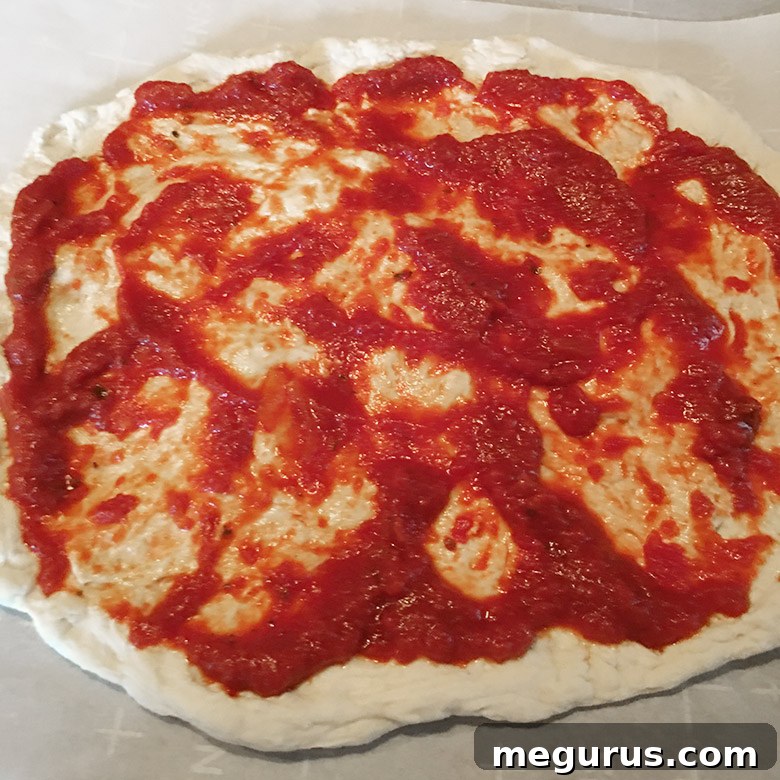
- Step 6: Thoughtfully Add Your Toppings. Now for the creative part! Spread a thin, even layer of your No-Cook Pizza Sauce over the shaped dough, leaving a generous 1-inch border around the edges for the crust. Arrange 2-3 slices of prosciutto on top of the sauce. I like to twist the prosciutto slightly rather than laying it perfectly flat; this helps it crisp up beautifully during baking, creating varied textures. Next, crumble and scatter the goat cheese evenly over the pizza. Finally, add a light scattering of shredded pizza mozzarella. Remember, with gourmet pizza, restraint is key – a little cheese goes a long way to complement, not overwhelm, the other flavors.
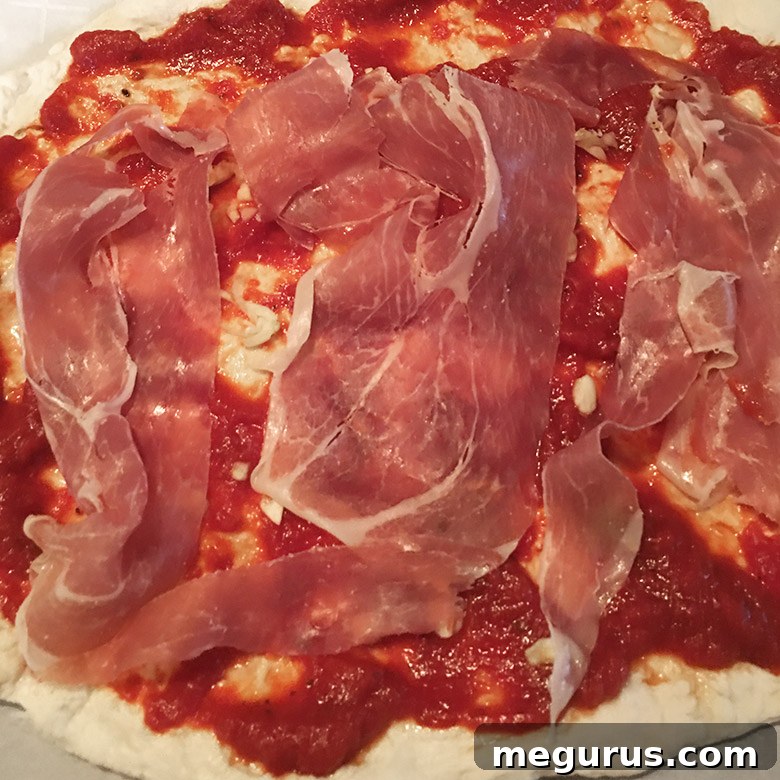
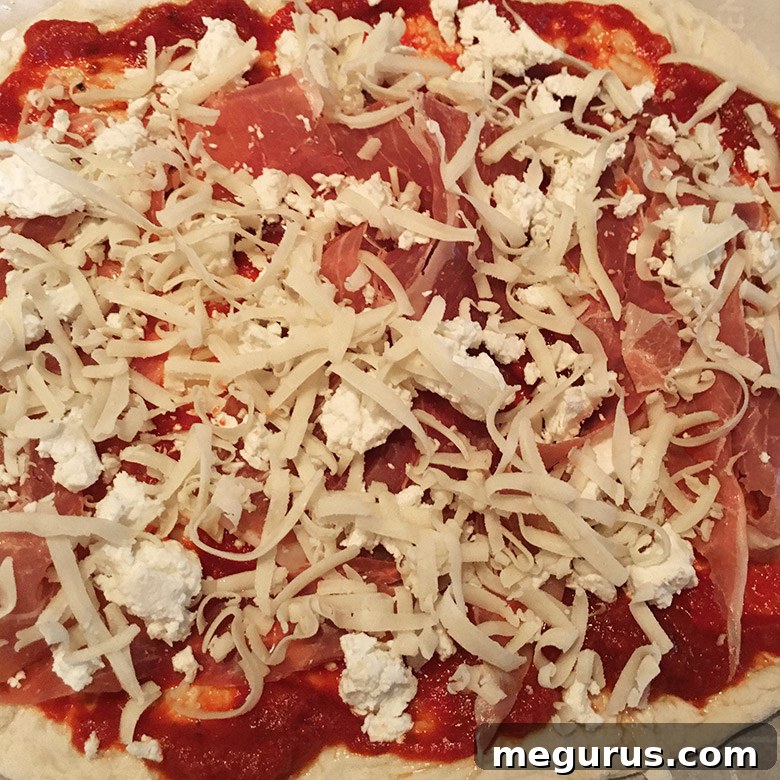
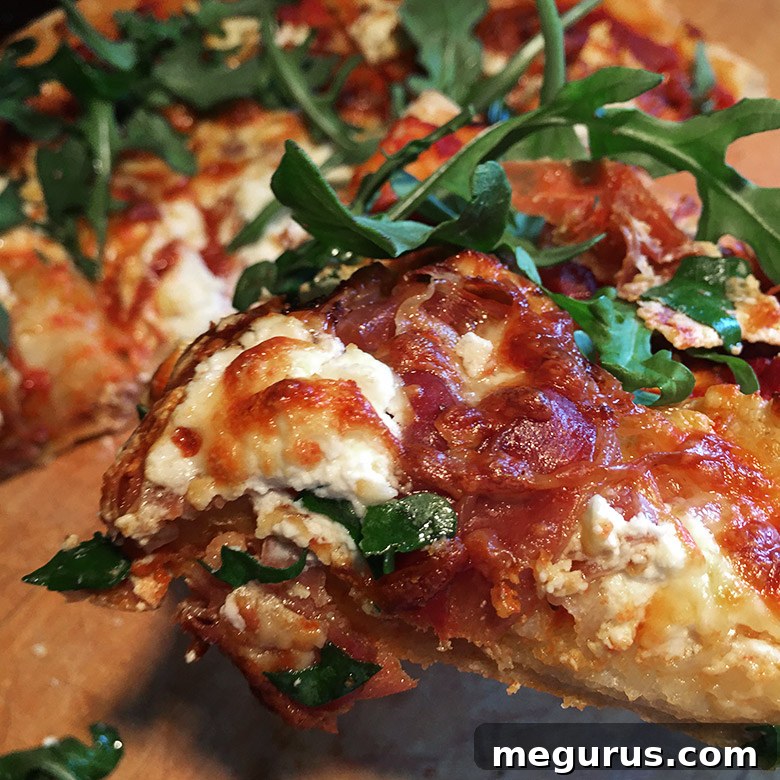
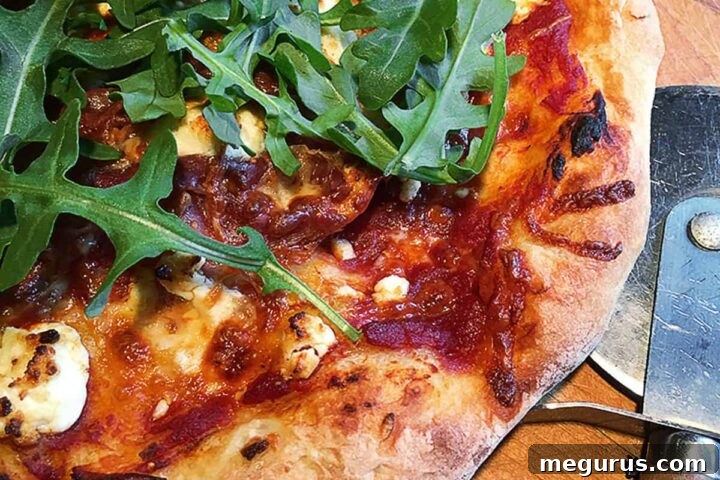
- Step 7: Bake Your Masterpiece to Perfection. Once topped, trim the parchment paper close to the edge of your pizza. This minimizes the risk of excess parchment scorching in the high heat of the oven. Using your pizza peel, carefully transfer the pizza (still on its parchment paper) onto the preheated pizza stone or baking steel in your scorching hot oven. Bake for approximately 7-8 minutes. At this point, if you feel confident, you can carefully grab the edge of the parchment paper and gently tug it out from under the pizza, allowing the crust to finish cooking directly on the hot stone for maximum crispness. Continue baking for another few minutes, until the underside of the crust is golden brown and speckled with dark spots, the cheese is bubbly and lightly browned, and the outer edges of the crust are beautifully puffed and charred in places. Total baking time typically ranges from 12-15 minutes, but keep a close eye as oven temperatures and dough thickness can vary. Once baked, remove the pizza to a cutting board and let it rest for a couple of minutes before slicing. Just before serving, scatter a handful of fresh baby arugula over the top for a final flourish of peppery freshness.
This exceptional No-Knead pizza dough recipe, attributed to the brilliant Jim Lahey, is a personal favorite and has become my go-to for its consistent, delicious results!
Inspiring Gourmet Pizza Topping Ideas
Once you’ve mastered the basic dough and sauce, the world of gourmet toppings is yours to explore. Here are some sophisticated and delightful combinations to spark your creativity beyond the prosciutto and goat cheese:
- Prosciutto and Fig: A classic sweet and savory pairing. Start with a light base, add thinly sliced prosciutto and fresh fig quarters. After baking, top with fresh arugula and a drizzle of balsamic reduction for a truly elegant bite.
- Pear and Gorgonzola: The sharpness of crumbled gorgonzola beautifully complements the subtle sweetness of ripe pear slices. Add a scattering of caramelized onions and a sprinkle of chopped walnuts for texture and depth.
- Roasted Vegetable Medley with Herb Infusion: Roast a colorful array of vegetables such as bell peppers (red, yellow, orange), zucchini, eggplant, and red onion until tender and slightly charred. Top your pizza with these vibrant veggies, crumbled goat cheese, and a medley of fresh herbs like thyme and rosemary for an earthy, wholesome option.
- Grilled Shrimp and Pesto Perfection: For a Mediterranean flair, top your pizza with succulent grilled shrimp, sun-dried tomatoes, briny Kalamata olives, and a generous drizzle of homemade basil pesto. A squeeze of fresh lemon after baking brightens all the flavors.
- Brie and Caramelized Onion: Spread a luscious layer of slow-cooked caramelized onions over the dough. Then, dot with generous slices of creamy Brie cheese, which will melt into gooey perfection. Finish with a sprinkle of fresh thyme for an aromatic touch.
- Thai Chicken Fusion: Embrace bold flavors with a Thai-inspired pizza. Use shredded cooked chicken tossed in a savory peanut sauce as your base. Add thinly sliced bell peppers, crisp bean sprouts, fresh cilantro, and a sprinkle of chopped peanuts for a delightful textural contrast.
- Roasted Beet and Goat Cheese with Toasted Nuts: This vibrant pizza is as beautiful as it is delicious. Arrange slices of roasted beets (for their earthy sweetness) and crumbled goat cheese. Add toasted pine nuts for a buttery crunch and a delicate drizzle of honey after baking to enhance the sweetness.
- Fig Jam and Prosciutto with Arugula Pesto: For an intensely flavorful experience, spread a thin layer of fig jam on the dough. Top with prosciutto and small dollops of a vibrant arugula pesto. A final scattering of fresh arugula leaves after baking adds a peppery bite and visual appeal.
- Sun-Dried Tomato and Kalamata Olive with Fresh Basil: A robust and tangy combination that evokes the Mediterranean coast. Use sun-dried tomatoes (either oil-packed or rehydrated), sliced Kalamata olives, and crumbled goat cheese. Finish with fresh basil leaves and a final drizzle of high-quality olive oil for an aromatic, bright finish.
Top Tip: The Express Dough Method
Life happens, and sometimes you just crave pizza without the forethought of an overnight dough rise. If you forget to start your dough the night before, or if a spontaneous pizza night calls, fear not! You can still make delicious homemade pizza. Simply prepare the dough as directed, but increase the active dry yeast to 3/4 teaspoon. Mix thoroughly, then let it stand at room temperature for a minimum of 3-4 hours, or until close to dinnertime, for a quicker rise. While this accelerated method won’t yield the same depth of flavor development as the long, slow overnight rise – because with dough, time truly equals flavor – it will certainly work in a pinch, providing a perfectly good and enjoyable crust when you need it most. The long fermentation is always best for superior flavor and texture, but this quick alternative offers a fantastic compromise for those spur-of-the-moment cravings.
Get the Recipe: Gourmet Homemade Pizza
Pin This
Leave a Review
Ingredients
No-Knead Pizza Dough:
- 3 3/4 cups (500 g) all-purpose flour, spooned and levelled
- 1/4 teaspoon active dry or instant yeast
- 2 teaspoons fine sea salt
- 1 1/2 cups (350 g) room temperature water
No-Cook Pizza Sauce:
- 28 oz canned whole tomatoes
- 1-2 cloves garlic, peeled
- 1 Tablespoon extra-virgin olive oil
- 1 teaspoon dried oregano leaves
- 1 teaspoon dried basil
- 1/2 teaspoon salt
Toppings:
- 6-8 slices Prosciutto
- 3 oz Goat Cheese
- 2-3 cups pizza mozzarella, shredded
For serving:
- Fresh baby arugula
Equipment
-
Parchment paper (recommended)
-
Pizza stone or baking steel (recommended)
-
Pizza Peel (recommended)
Instructions
Prepare the Dough (Approximately 18-24 hours ahead):
-
In a large bowl (dough will rise considerably!), combine all the dough ingredients and stir well, until smooth. It will be stiff, but be sure all the flour is incorporated. Cover the bowl and let stand at room temperature approximately 18-24 hours. Doing this the night before is best.
Divide and rest the dough (Approximately 1 hour before you want to assemble your pizzas):
-
Using a silicone bowl scraper, scrape the dough onto a well floured surface. It will seem very loose and sticky at this point still. That’s normal. Generously dust the top of the dough with some flour, then use the bowl scraper or a bench scraper to roll the dough around a bit in the flour on the work surface, to coat thinly. You will find it should quickly become workable and no longer sticky. Divide the dough into two equal pieces (or four, for mini pizzas). Shape each piece into a ball, then cover with a clean towel and let rest for 1 hour.
-
Prepare your oven: Place your pizza stone into the cold oven on a rack in the lower third of the oven. I like to remove any top rack at this point, too, just to not have that obstacle when transferring the pizza into and out of the oven. Preheat oven to the highest setting, typically 500F. Let the oven preheat while your dough rests.
-
Prepare your sauce: If you are making your own pizza sauce, prepare that when the dough is resting as well. Using a fine mesh strainer, drain the juice from the canned tomatoes, then gently squeeze the tomatoes to let some of the juice inside the tomatoes drain off as well. Place the tomatoes into a food processor, with the garlic, olive oil, spices and a generous pinch of salt. Pulse a few times, to break it up, but not so much that it is completely smooth. A few small pieces of tomato visible is about right. Set aside.
-
Shape the pizza: Dust a sheet of parchment paper with flour or cornmeal. Take a ball of dough and gently stretch it out a bit. Place it on your prepared parchment and gently, using just your fingertips so you don’t deflate the dough too much, press and stretch outward to shape the pizza and make it bigger. If it seems to not be enlarging much, lift it up by the outside edge and let it hang in the air. The weight of the dough will stretch it out. Rotate around the edge and let it stretch in the same way. Return the dough to the parchment and finish stretching and shaping. If you like a thin crust pizza, your dough will need to be quite thin. Leave the outside edges thicker, for the lovely bubbly edge crust.
-
Add the toppings: Spread the pizza sauce on the dough. Place 2-3 slices of prosciutto onto the pizza. I like to twist it a bit so it doesn’t lay flat on the sauce. This helps to get some lovely, crisp prosciutto as it bakes. Scatter some goat cheese on top, then some shredded mozzarella (not too much, just enough to fill in here and there).
-
Bake your pizza: Trim the parchment paper close to your pizza, so there is little excess that might scorch in the hot oven. Using a pizza peel, transfer your pizza on top of the parchment paper onto the hot pizza stone. Allow to bake 7-8 minutes. If you like, you can very carefully pull the parchment paper out from under the pizza at this point. Allow the pizza to continue baking until the crust underneath has some good colour, the topping are bubbly and the top edges of the crust are quite dark in spots. Remove pizza to a cutting board and allow to rest a couple of minutes. Top with fresh arugula to serve.