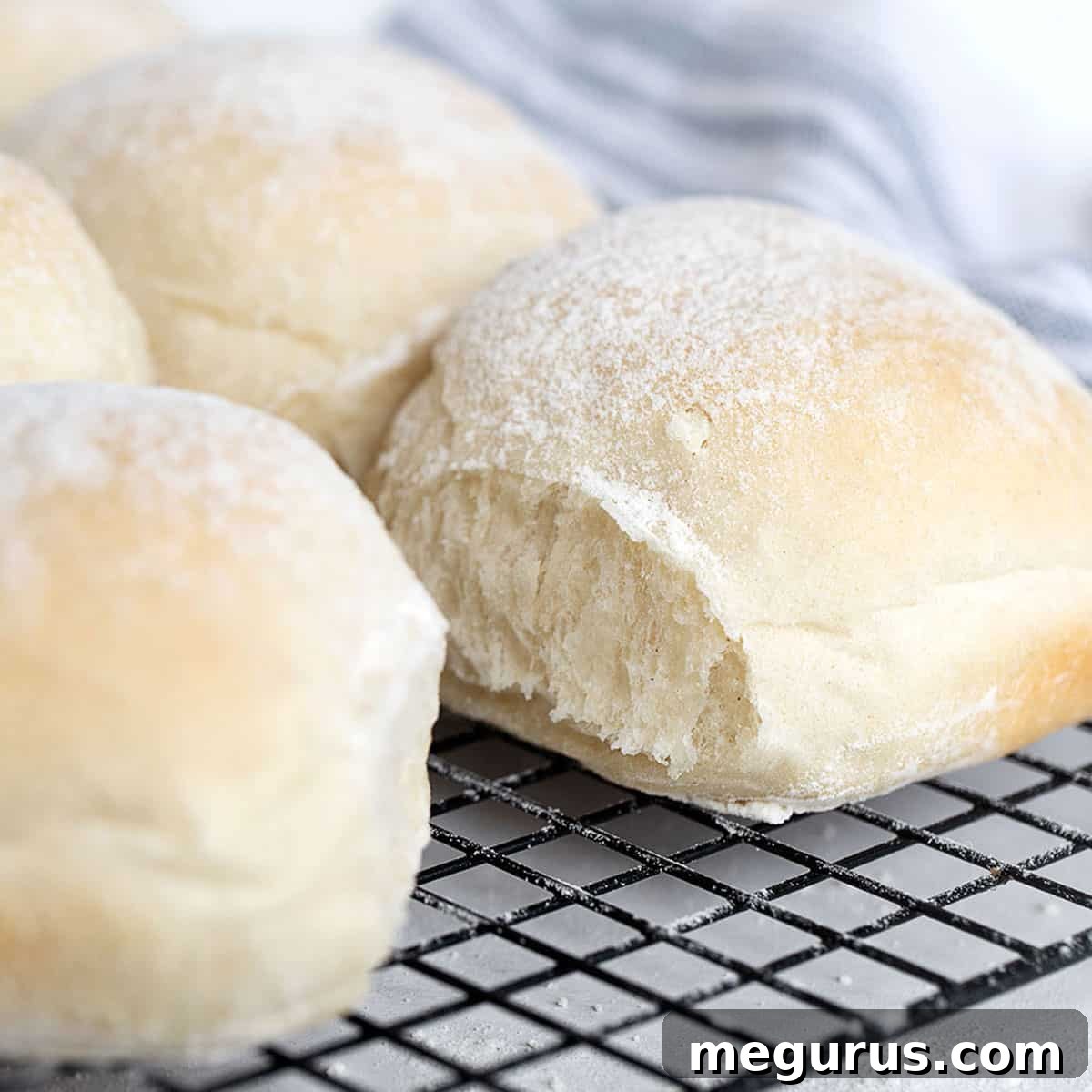
Discover the authentic taste of Ireland with these traditional soft buns, famously known as Waterford Blaa. Boasting an incredibly light texture yet robust enough for any meal, these versatile buns are destined to become a staple in your kitchen. Best of all, they are entirely vegan, making them a delightful treat for everyone.
Unveiling the Charm of Irish Blaa Buns
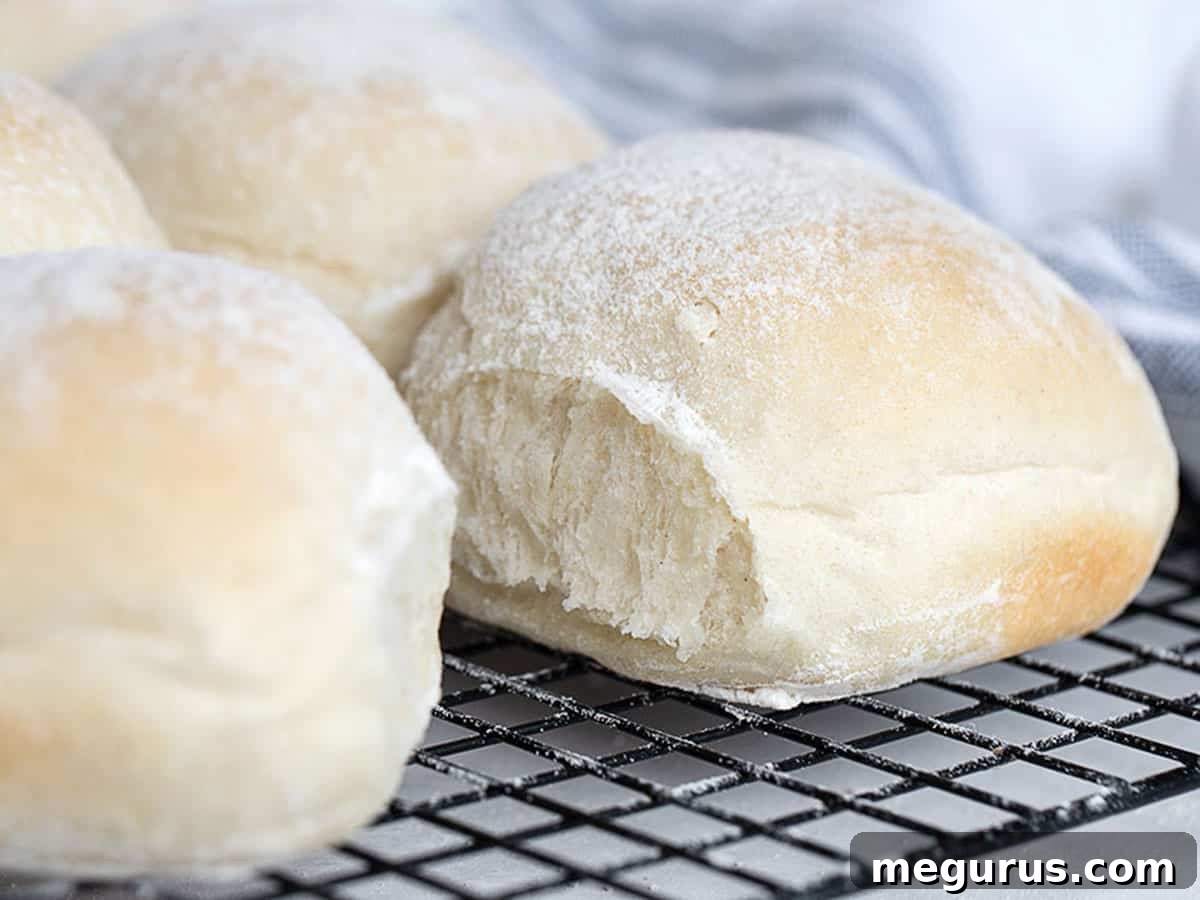
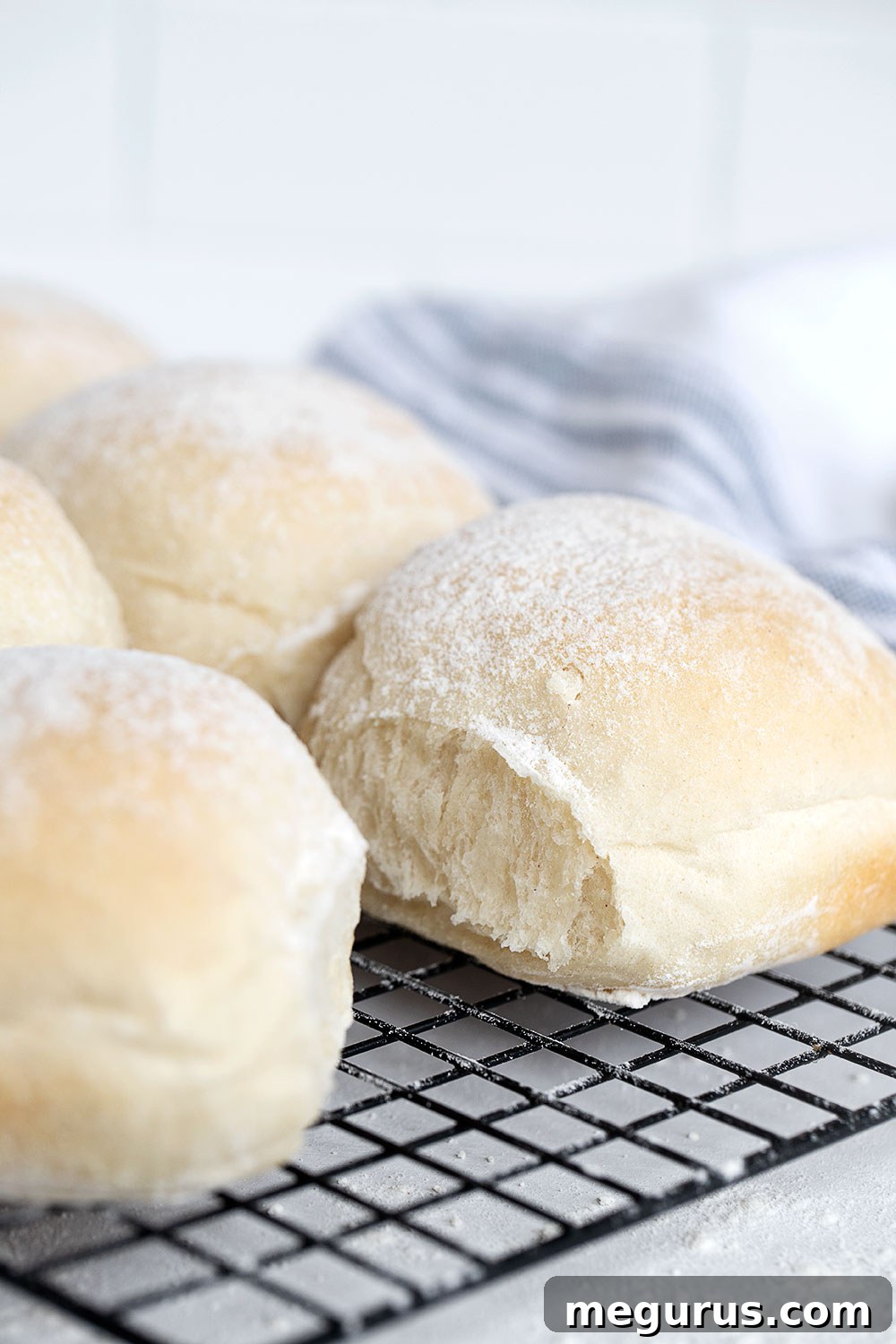
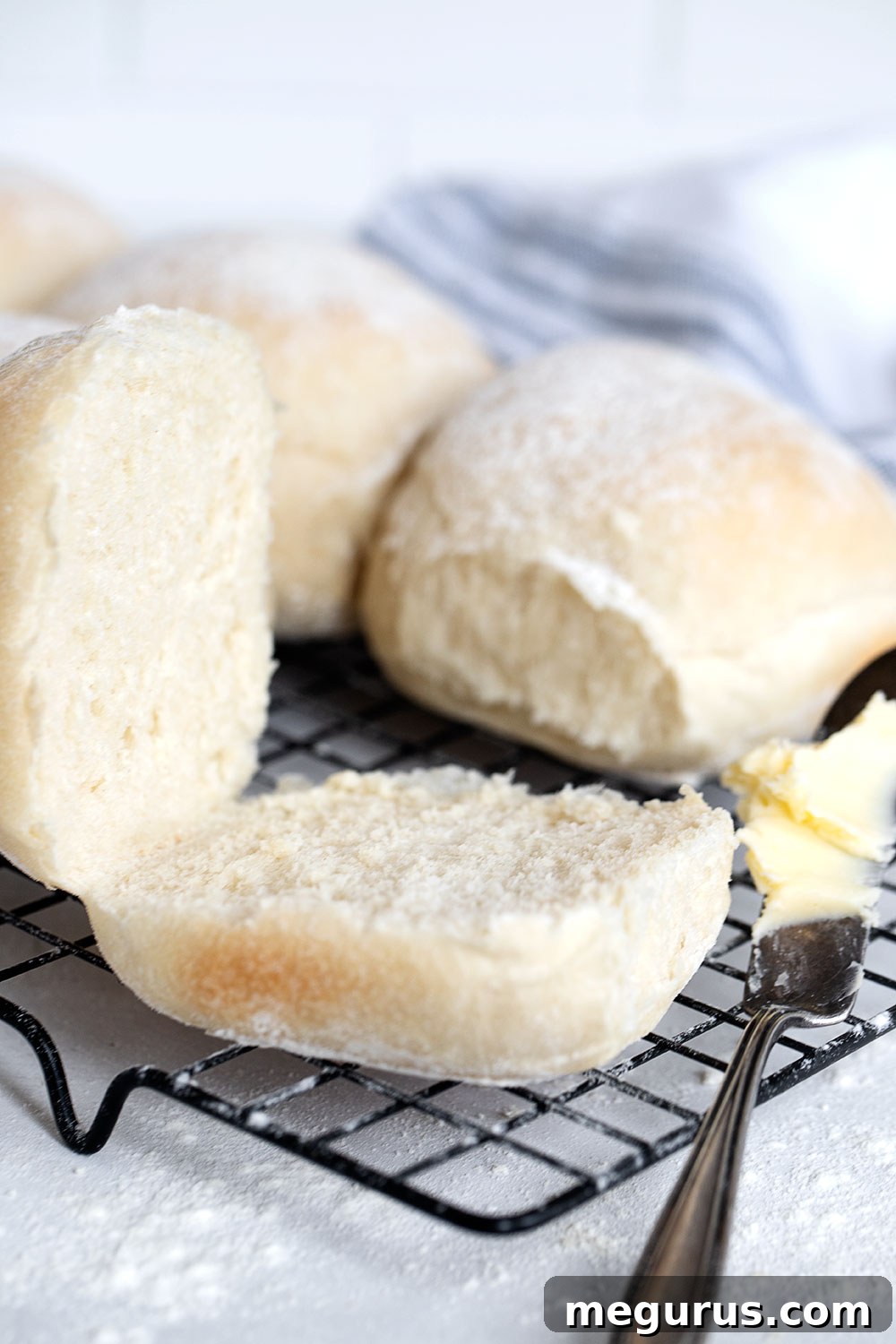
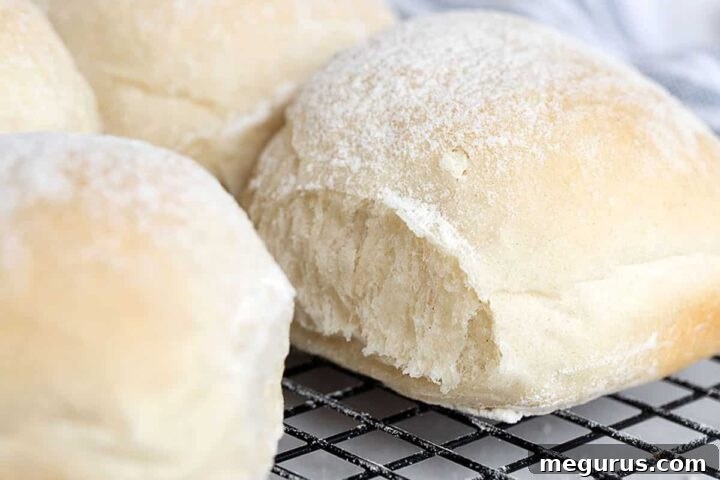
While the name “Blaa” might sound intriguing, these traditional Irish soft buns are nothing short of culinary brilliance. Often associated with festive occasions like St. Patrick’s Day, their exceptional flavor and delightful texture make them a perfect indulgence to be savored year-round. Imagine a bun that is simultaneously soft, tender, and incredibly fluffy, with a characteristic floury white crust – that’s the essence of an Irish Blaa.
These distinct rolls are most famously recognized as Waterford Blaa, originating from the historic city of Waterford in Ireland. The term “Waterford Blaa” is protected by a European Union Protected Geographical Indication (PGI), meaning only buns baked within a specific area of County Waterford using a traditional recipe can bear that esteemed name. For those of us baking them elsewhere, we affectionately refer to them as Irish Blaa. Regardless of the label, their light and sturdy nature ensures they are a wonderfully versatile addition to any meal, from breakfast to dinner.
Why You’ll Fall in Love with Homemade Irish Blaa
There’s something uniquely satisfying about biting into a freshly baked bun, and these Irish Blaa take that experience to a new level. Their light, airy crumb and slight chewiness offer a perfect contrast to a generously dusted exterior. This unique combination makes them incredibly appealing for a variety of uses, from soaking up savory gravies to cradling your favorite burger patty. Making them at home allows you to control the quality of ingredients and enjoy the unparalleled freshness that simply cannot be replicated by store-bought alternatives. Plus, the process itself is a rewarding journey, filling your home with the comforting aroma of baking bread.
Essential Ingredients and Thoughtful Substitutions
Crafting the perfect Irish Blaa begins with understanding your ingredients. While the recipe is straightforward, a few key components play a crucial role in achieving the signature texture and flavor of these beloved buns.
Flour: The Foundation of Texture
- Bread Flour: The Preferred Choice. For the lightest, chewiest, and most authentic Blaa, bread flour is highly recommended. Its higher protein content (typically 12-14%) leads to stronger gluten development, which traps gases produced by the yeast more effectively, resulting in a wonderfully airy and resilient crumb. This also contributes to the desired structure and elasticity, making the dough easier to handle.
- All-Purpose Flour: A Viable Alternative. If bread flour isn’t available, all-purpose flour (typically 10-12% protein) can be used. However, you might find the dough to be a bit stickier and may need to incrementally add a small amount more flour during mixing and kneading to achieve the right consistency. The final texture might be slightly less chewy but will still produce delicious buns.
Yeast: The Leavening Lifeblood
- Active Dry Yeast or Instant Yeast: Your Go-To Options. Both active dry yeast and instant yeast work beautifully for Irish Blaa. Active dry yeast typically requires activation in lukewarm water (around 105°F / 40°C) with a pinch of sugar, which ensures it’s alive and ready to work. Instant yeast, on the other hand, can usually be mixed directly with the dry ingredients as it doesn’t require prior activation.
- Quick or Rapid-Rising Yeast: Not Recommended. While these yeasts are designed for faster proofing times, they can sometimes over-develop the dough too quickly, potentially leading to a less complex flavor and a texture that isn’t quite right for traditional Blaa. Sticking to regular active dry or instant yeast allows for a more controlled rise and better flavor development.
Shortening: The Secret to Supreme Softness
- Solid Vegetable Shortening (e.g., Crisco™): Highly Recommended. We understand there can be some hesitation regarding shortening, but in the context of traditional Blaa, it is a game-changer. Shortening contributes significantly to the buns’ characteristic light, tender, and somewhat “squishy” texture. Unlike butter, shortening is 100% fat, meaning it doesn’t introduce water into the dough, which can make gluten tougher. It also has a higher melting point, which creates steam during baking, resulting in a lighter crumb and a softer crust.
- Softened Butter: A Decent Substitute. If you prefer not to use shortening, an equal amount of softened unsalted butter can be substituted. Be aware that this will impart a slightly different flavor profile and might result in a slightly denser crumb and a less “squishy” texture due to butter’s water content and lower melting point. However, the buns will still be delicious.
Other Essential Ingredients:
- Lukewarm Water: Crucial for activating the yeast without killing it. Aim for a temperature between 100-110°F (38-43°C).
- Fine Salt: Essential for flavor balance and also helps to control yeast activity, preventing over-proofing.
- Granulated Sugar (just 1 tsp): While minimal, this small amount acts as initial food for the yeast, helping to kickstart the fermentation process and adds a subtle sweetness.
Crafting Traditional Irish Blaa: A Step-by-Step Culinary Journey
Making these delightful Irish Blaa buns is a rewarding experience. This detailed guide will walk you through each stage, ensuring you achieve that perfect light texture and signature floury finish. Always refer to the complete recipe details below for precise measurements.
Step 1: Preparing the Dough – The Foundation of Lightness
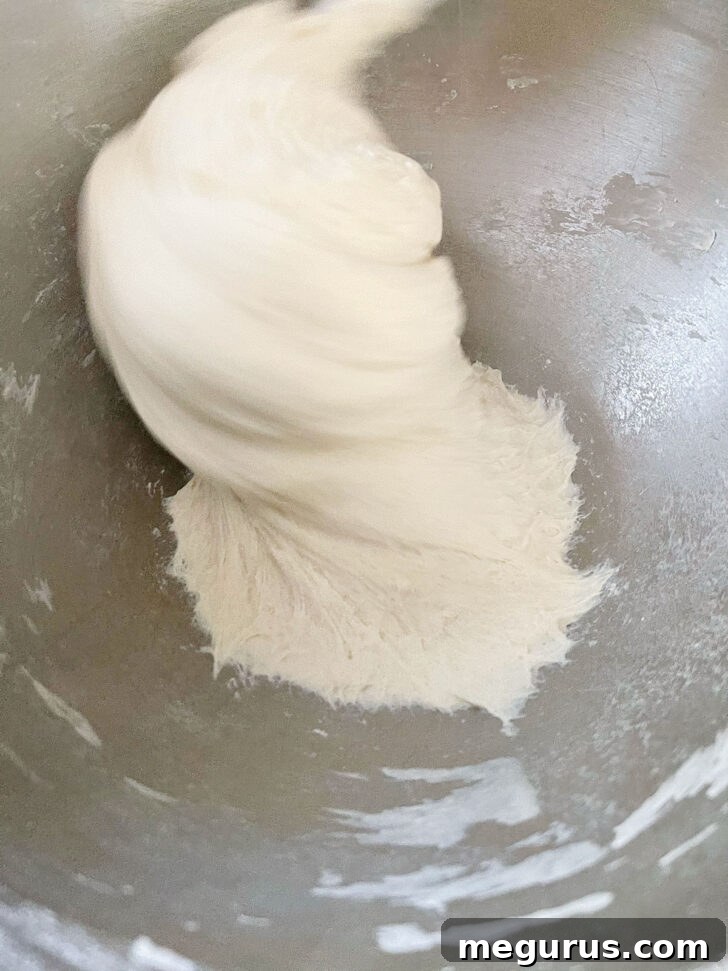
Start by combining the lukewarm water, yeast, and a hint of sugar in a large mixing bowl or the bowl of your stand mixer. Allow this mixture to sit for about 5 minutes until it becomes frothy, indicating the yeast is active. Then, add the salt and shortening, followed by about 1½ cups of your chosen flour. Mix these ingredients thoroughly, scraping down the sides of the bowl to ensure everything is well incorporated. Begin adding the remaining flour incrementally, about a quarter cup at a time, mixing well after each addition. The goal is to achieve a dough that wraps around the kneading hook (if using a stand mixer) and pulls away cleanly from the sides of the bowl. It’s crucial to resist the urge to add too much flour in the initial mixing stage, as Blaa dough is intentionally quite moist. This high hydration is key to its wonderfully light texture. If the dough still feels excessively sticky after kneading, a light dusting of flour on your work surface during the next step will help.
Step 2: The First Rise – Developing Flavor and Volume
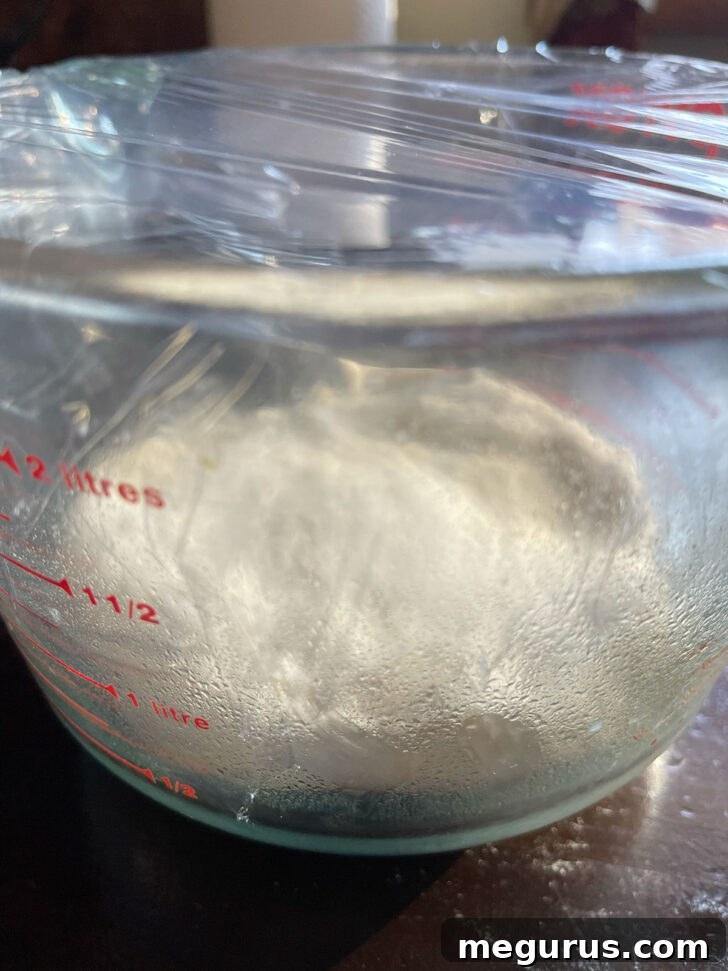
Once your dough has reached the desired consistency, remove it to a lightly floured work surface. Knead it briefly, just enough to form it into a smooth ball. Place this dough ball into a lightly greased bowl, ensuring there’s enough room for it to expand. Cover the bowl tightly with plastic wrap or a clean damp towel to prevent a skin from forming. Allow the dough to rise in a warm, draft-free place until it has visibly doubled in size. This typically takes about 60-90 minutes, depending on the ambient temperature and the activity of your yeast. This initial rise is crucial for developing the dough’s flavor and open crumb structure.
Step 3: Preparing Your Baking Pan
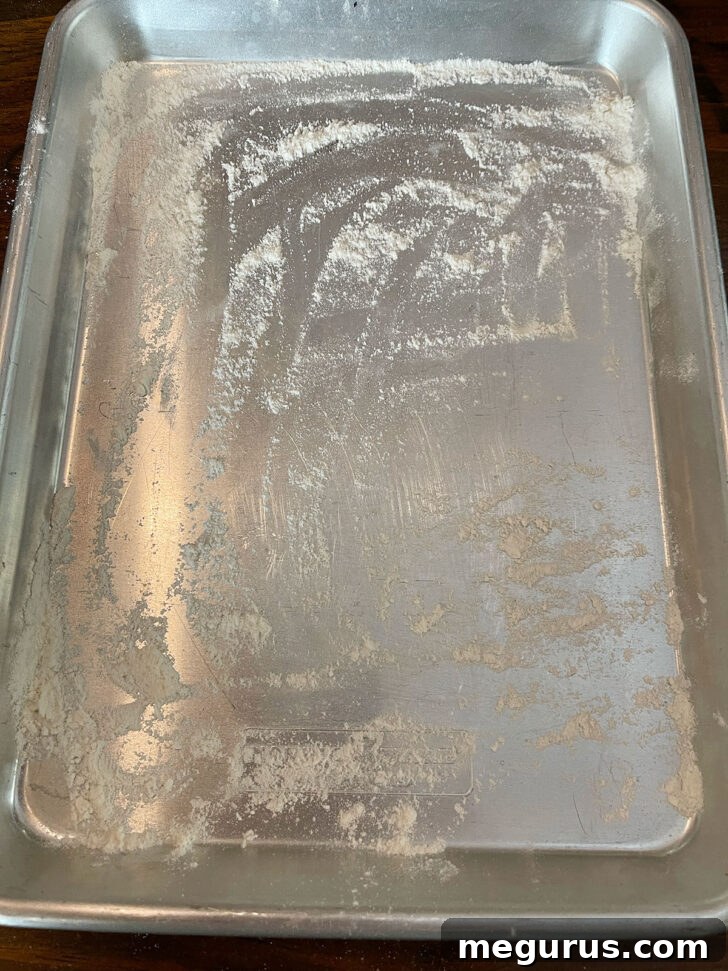
While the dough is undergoing its first rise, prepare your baking pan. A 7×11-inch baking pan is ideal for 6 larger Blaa buns, allowing them to rise into each other, which helps them bake taller rather than wider. Alternatively, an 8 or 9-inch round pan can also work, where you’d typically arrange 5 buns around the outside and one in the center. The key is to select a pan that will hold all your buns with just a small amount of space between them. Importantly, generously flour the bottom of your chosen pan. This liberal dusting of flour is a hallmark of Blaa buns and contributes to their distinctive appearance and crust.
Step 4: Shaping the Blaa – The Signature Look
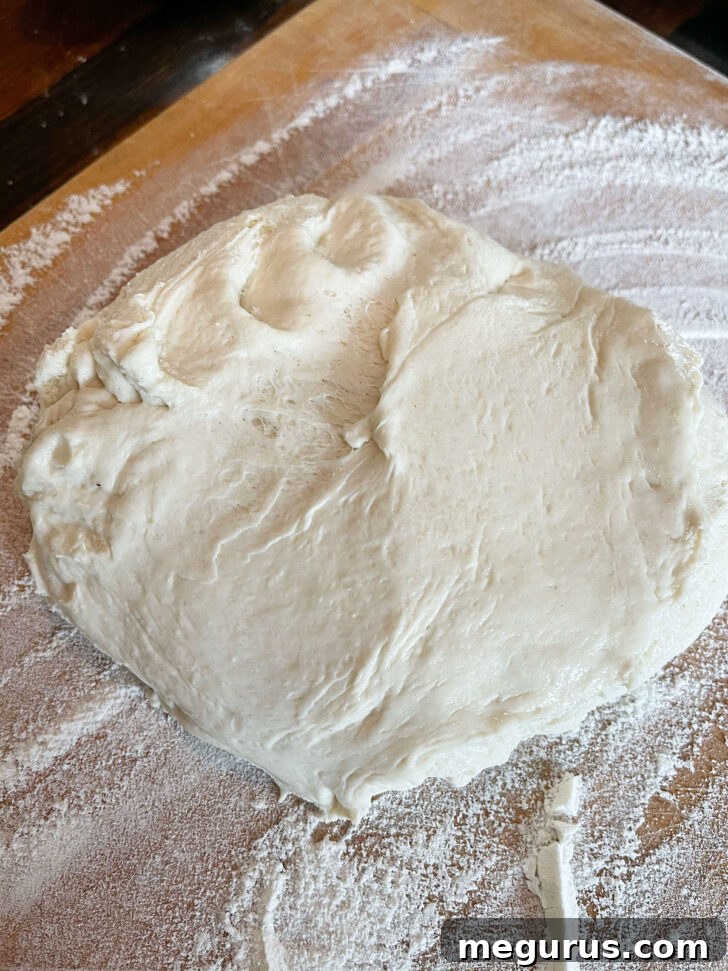
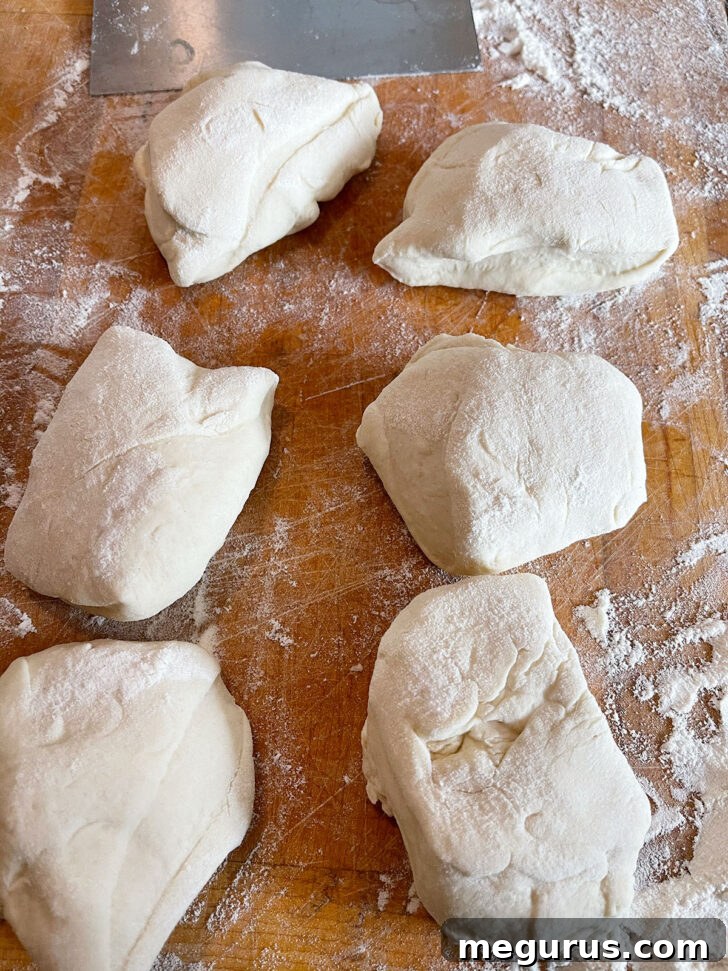
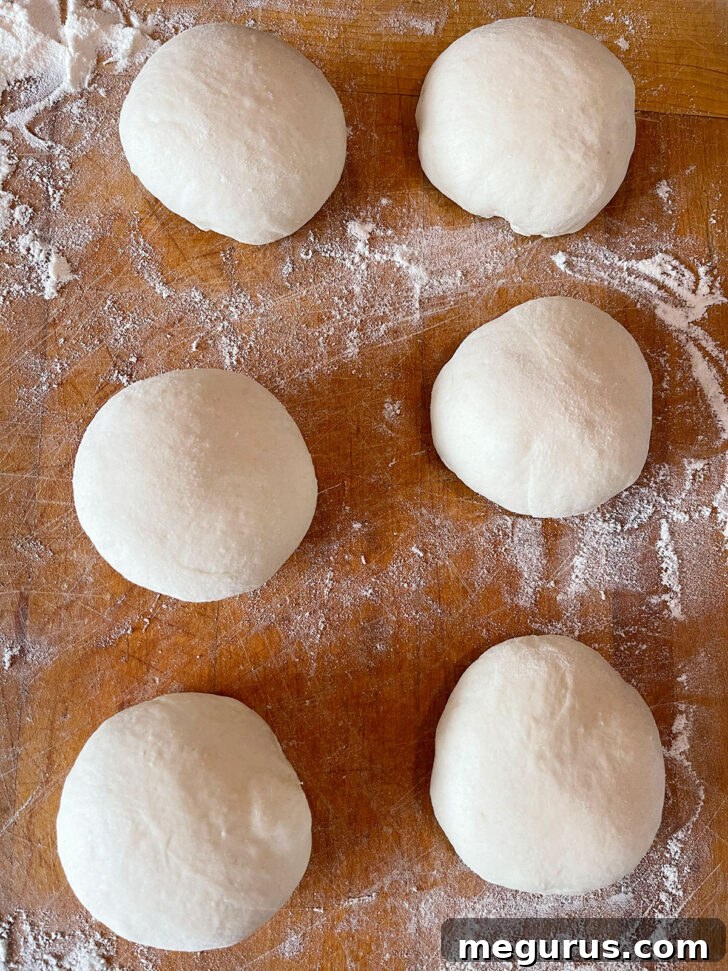
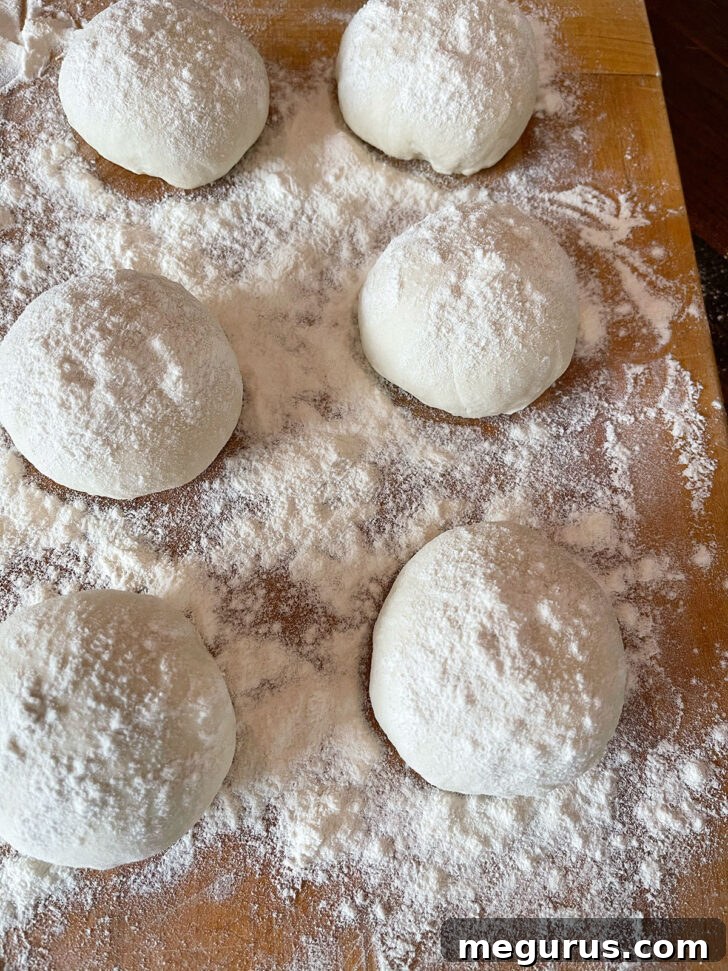
After the first rise, gently turn the dough out onto a well-floured work surface. With a light touch, gently deflate the dough to release the accumulated gases. Now, it’s time to portion your buns. For larger, sandwich-sized buns, divide the dough into 6 equal pieces. For smaller rolls, suitable for appetizers or dinner rolls, you might opt for 8 pieces. For consistency, you can weigh the entire dough ball and then divide that weight by the number of buns you want to make (e.g., if your dough weighs 588g, each of 6 buns would be 98g). Take each piece of dough and form it into a smooth ball. Then, roll the ball around in the flour on your work surface to ensure it’s well-coated. Gently flatten the ball and, if desired, coax it into a slightly more square-ish shape by gently pressing and tugging on opposite corners. This slightly flattened, square-like appearance is characteristic of traditional Blaa. Remember to be generous with the flour dusting on each bun – this is part of their charm!
Step 5: The Second Rise – Building Volume for Baking
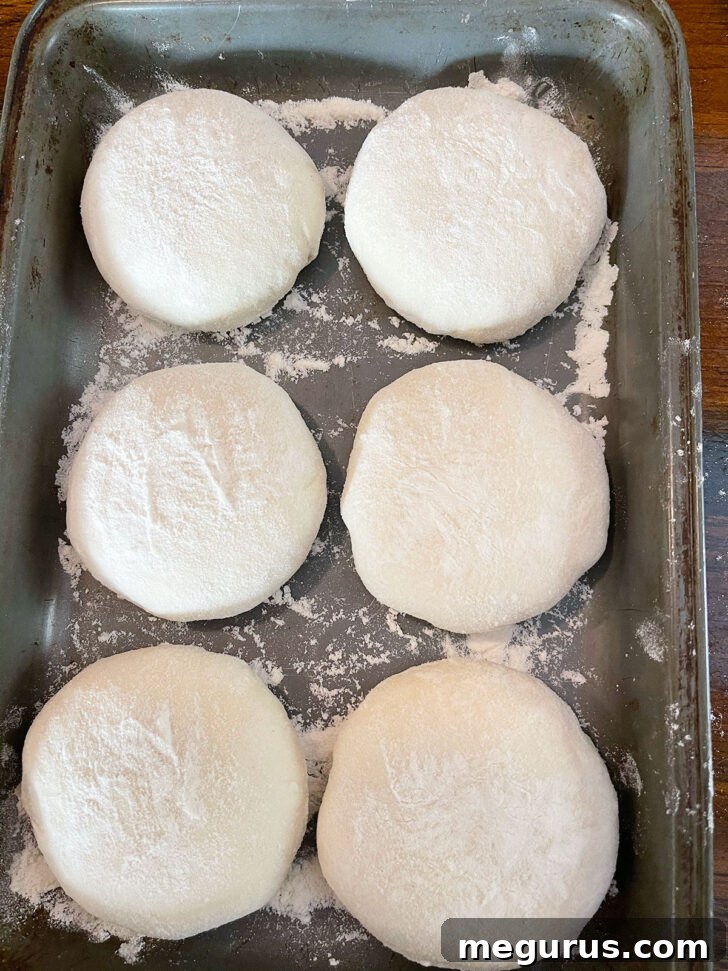
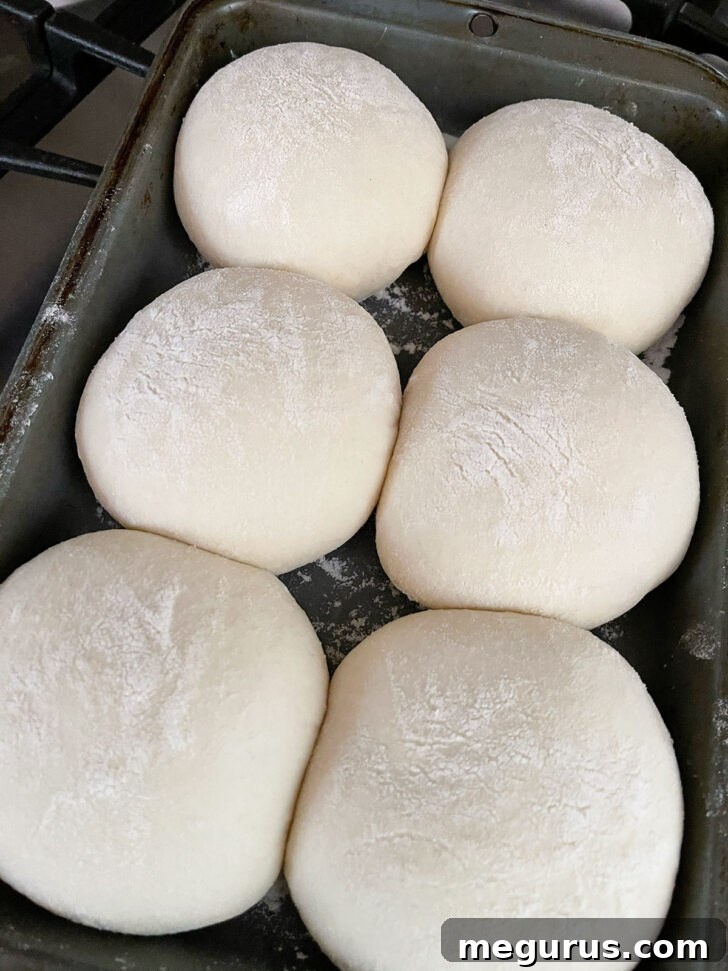
Carefully place the shaped and floured rolls into your prepared baking pan. Arrange them in rows, leaving only a small gap of about 1/4 inch between each bun and the sides of the pan. This close placement is strategic; it encourages the buns to rise upwards rather than spreading outwards, contributing to their classic shape and height. Cover the pan with a clean towel and let the buns undergo their second rise in a warm spot until they have doubled in size again. This usually takes about 30-45 minutes. While they are rising, preheat your oven to 360°F (180°C) – ensure it’s not fan-assisted for optimal baking.
Step 6: Baking to Perfection – The Light Golden Hue
Once your buns have doubled in size after the second rise, remove the towel. For an extra touch of that signature floury finish, lightly dust the tops of the buns with a bit more flour using a fine sieve. Place the pan into your preheated oven and bake for approximately 23-25 minutes. Blaa buns are traditionally quite light in color, so avoid over-browning them; you’re looking for a very light golden hue rather than a deep brown. They should sound hollow when tapped on the bottom, indicating they are fully baked. Keep an eye on them, as oven temperatures can vary. Immediately upon removal from the oven, carefully remove the buns from the baking pan in one large piece and transfer them to a wire rack to cool completely. This prevents the bottoms from becoming soggy and allows for proper air circulation.
How to Savor Your Homemade Irish Blaa Buns
The true beauty of Irish Blaa lies in their incredible versatility. Their unique texture makes them adaptable to a multitude of culinary delights. Here are some of our favorite ways to enjoy these fantastic buns:
- The Ultimate Burger Bun: Forget generic burger buns! The soft, squishy, yet sturdy nature of homemade Blaa makes them an ideal canvas for your gourmet burgers. They hold up beautifully to juicy patties and all your favorite toppings without becoming soggy, offering a delightful texture contrast with every bite.
- Classic Toast with Butter and Jam: For a simple yet utterly satisfying treat, slice a Blaa in half, toast it lightly, and slather with creamy butter and your favorite fruit jam or marmalade. The slightly crisp exterior and soft interior create a perfect base for sweet spreads, making for an unforgettable breakfast or afternoon snack.
- Perfect Sandwich Companions: These buns excel as sandwich bread. Their light texture means they won’t weigh down your meal, yet they are robust enough to securely hold a hearty array of fillings – from deli meats and cheeses to crisp vegetables and creamy spreads. They transform an everyday sandwich into a gourmet experience.
- A Full Irish Breakfast Essential: While not a traditional component of every Irish breakfast, a freshly baked Blaa, split and served alongside rashers, sausages, black and white pudding, eggs, and tomatoes, can elevate the meal, perfect for soaking up all those delicious juices.
- Soup Dippers: There’s nothing quite like a soft, floury bun for dipping into a comforting bowl of homemade soup or stew. The Blaa’s ability to absorb liquid without disintegrating makes it an excellent choice.
Making Ahead, Storing, and Freezing for Lasting Enjoyment
While Irish Blaa are undoubtedly at their peak within 24 hours of baking, their deliciousness doesn’t fade quickly. Proper storage ensures you can enjoy them for days to come, or even months if you choose to freeze them.
- Room Temperature Storage: After cooling completely, store your Blaa in an airtight container or a sealed plastic bag at room temperature. They will remain wonderfully fresh and soft for 2-3 days. To refresh day-old buns, a quick zap in the microwave for 10-15 seconds or a few minutes in a warm oven can bring back some of their initial softness.
- Freezing for Long-Term Freshness: These buns freeze exceptionally well, making them perfect for batch baking. To freeze, ensure the buns are completely cooled. Wrap each individual bun tightly in plastic wrap, then place them together in a freezer-safe bag or container. This prevents freezer burn and allows you to thaw them one at a time as needed. They can be stored in the freezer for up to 2-3 months without significant loss of quality.
- Thawing and Reheating: When you’re ready to enjoy a frozen Blaa, simply remove it from the freezer and allow it to thaw at room temperature for an hour or two. For a “just baked” experience, you can then warm the thawed bun in a preheated oven at 300°F (150°C) for about 5-10 minutes, or until warmed through and soft. You can also quickly warm them in a microwave, but be careful not to overheat, which can make them tough.
Get the Recipe: Irish Blaa
5 stars from 5 ratings
Pin This
Leave a Review
Ingredients
- 1 cup (235 g) lukewarm water, about 105F.
- 1 teaspoon Active Dry or Instant Yeast
- 1 teaspoon white granulated sugar
- 1/2 teaspoon fine salt
- 1 1/2 Tablespoon shortening, recommended for best results, but you can substitute an equal amount of softened butter
- 2 1/2 cups (350 g) bread or all purpose flour, approximately
Instructions
-
In a large bowl or the bowl of a stand mixer fitted with a kneading hook, add the lukewarm water. Sprinkle in the yeast and the white sugar. Stir and let stand 5 minutes. Add the salt and shortening, along with 1 1/2 cups of the flour. Mix to combine well, scraping down the bowl to incorporate the flour, if necessary. Begin adding the last 1 cup of flour in small increments, mixing well between each addition, until the dough wraps the kneading hook and cleans the bowl. The dough may be a bit sticky still at the bottom of the bowl, but resist the urge to add too much flour in the bowl. You can always add a bit more on the counter.
-
Remove the dough to a floured work surface and knead the dough briefly, adding more flour only if the dough is sticking to the surface or your hands. Form into a ball and place into a greased bowl. Cover the bowl with plastic wrap and let rise until doubled, about 60-90 minutes.
-
Meanwhile, generously flour a 7×11-inch baking pan and set aside. *Alternately, try an 8 or 9-inch round baking pan, placing 5 buns around the outside and one in the centre or any size pan that holds all the buns with just a small bit of space around each one.
-
Remove dough to a well floured work surface and gently deflate. Divide the dough into 6 equal pieces. (*I like to weigh the whole dough ball and then calculate the weight for each of 6 buns. Mine here were 98g each). Take one piece of dough and Form into a ball, then roll it around in the flour on the work surface a bit. Flatten the ball slightly and if desired, coax into more of a square shape. Place into floured baking pan. Repeat with the remaining dough pieces, placing them into the baking pan in 3 rows of 2 across, leaving a small 1/4-inch-ish space between the buns and the sides of the pan.
-
Cover the pan with a clean towel and let rise until doubled, about 30-45 minutes.
-
Preheat the oven to 360F (regular bake/not fan-assisted).
-
When buns are doubled, remove the towel and dust a bit more flour on top of the buns using a fine sieve.
-
Bake in the preheated over for about 23-25 minutes, or until the sound hollow when tapped and are just very lightly golden. You want them to be quite light in colour. *See notes for baking time and temperature tweaks for these buns.
-
Remove from the oven and immediately remove buns from the baking pan in one large piece. Allow to cool completely.
Notes
You can change the texture and colour of these buns by adjusting the temperature up or down and changing the baking time. Try baking at 380F for 20 minutes for a moist crumb and thin soft crust. Or alternately, bake 28-30 minutes at 340F for a firmer crumb and thicker crust. I baked the ones shown here 24 minutes at 360F.
You can double the recipe and bake 12 buns in a 9×13-inch pan, placing them in 4 rows of 3 across.
These buns freeze beautifully.
Whether you’re celebrating St. Patrick’s Day or simply craving a taste of authentic Irish baking, these homemade Blaa buns are a testament to simple ingredients yielding extraordinary results. Their airy texture, delicate flavor, and incredible versatility make them a joy to bake and an absolute pleasure to eat. So roll up your sleeves, embrace the flour, and bring a piece of Irish culinary tradition into your home. You’ll be delighted by the outcome and eager to share these magnificent buns with everyone you know!