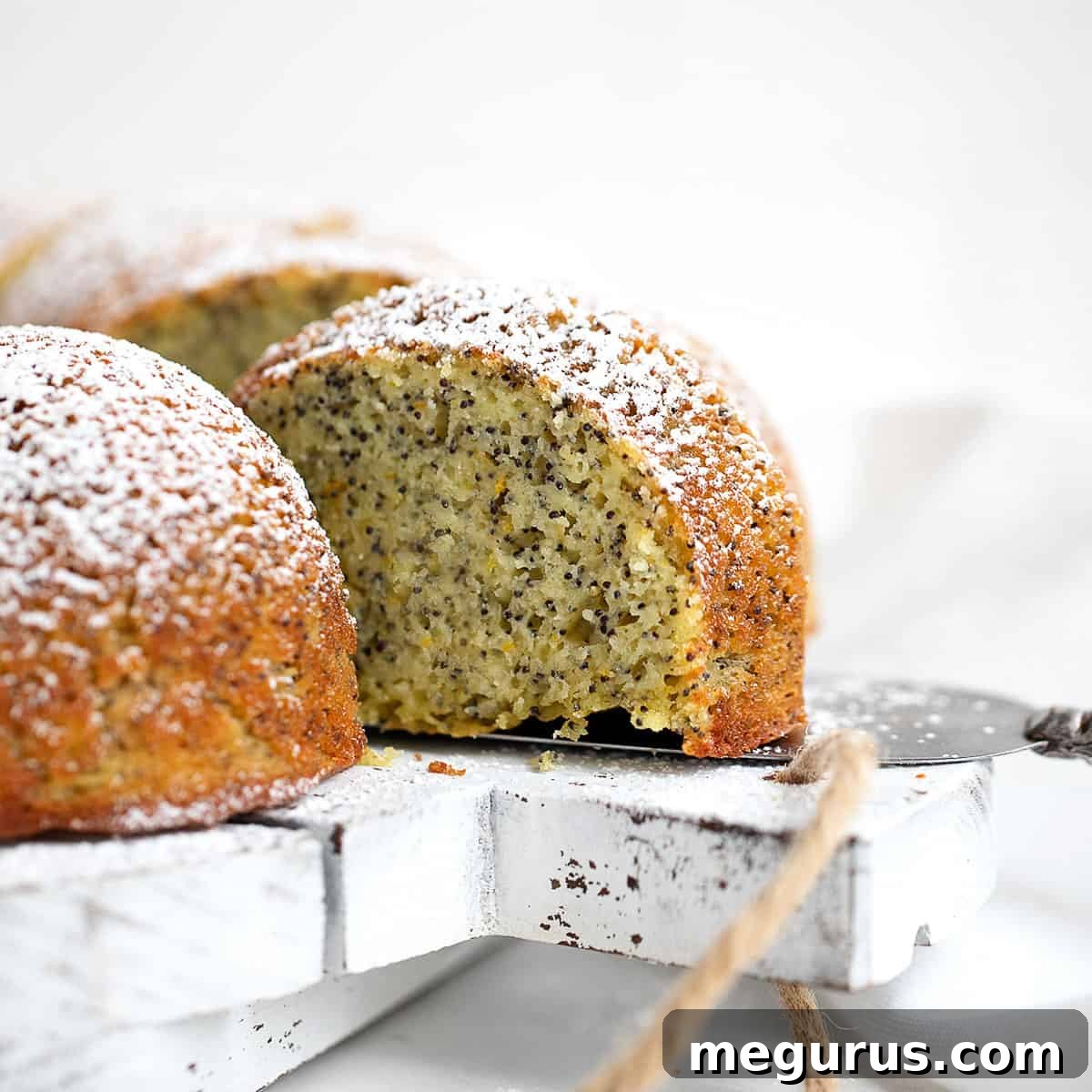
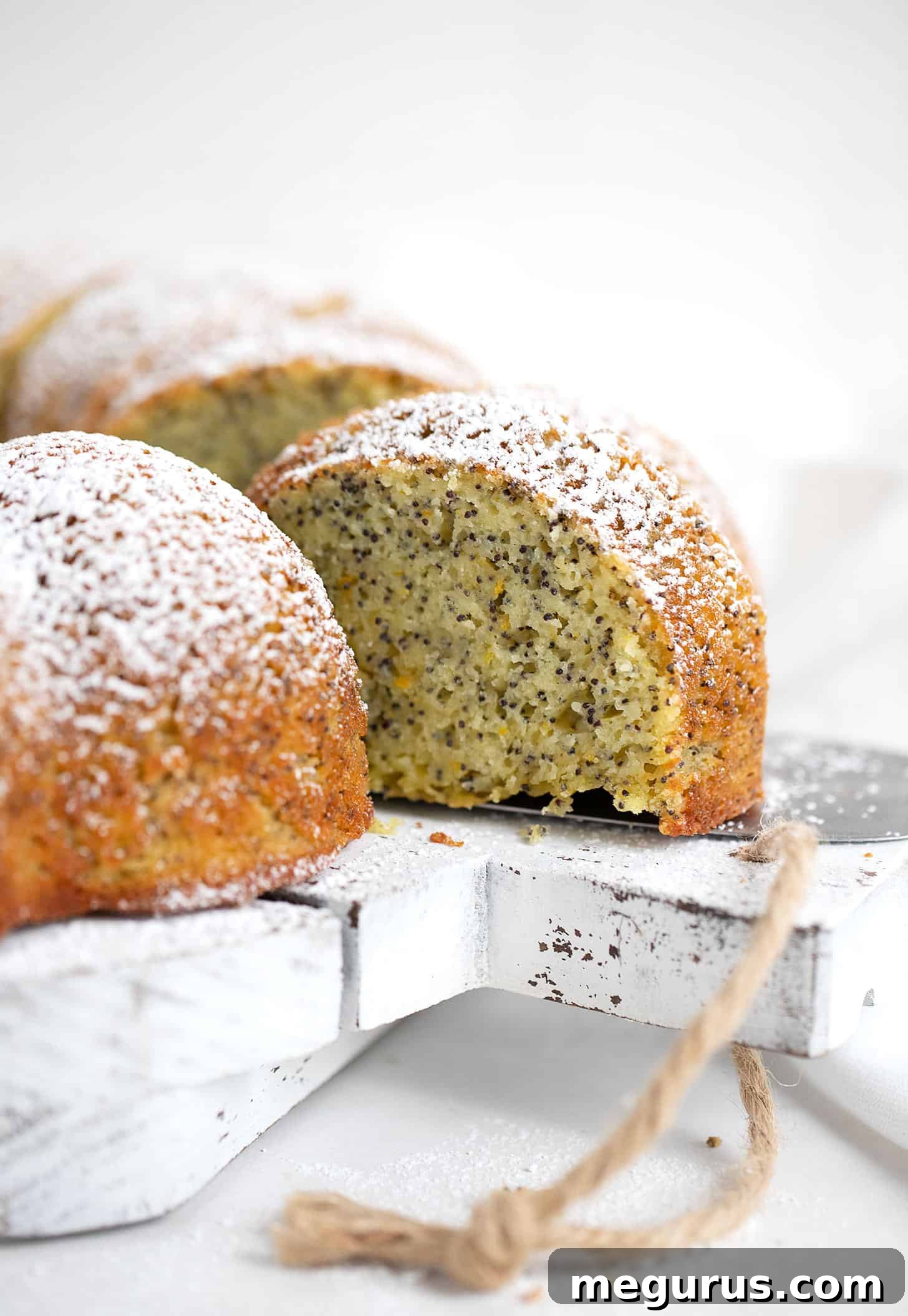
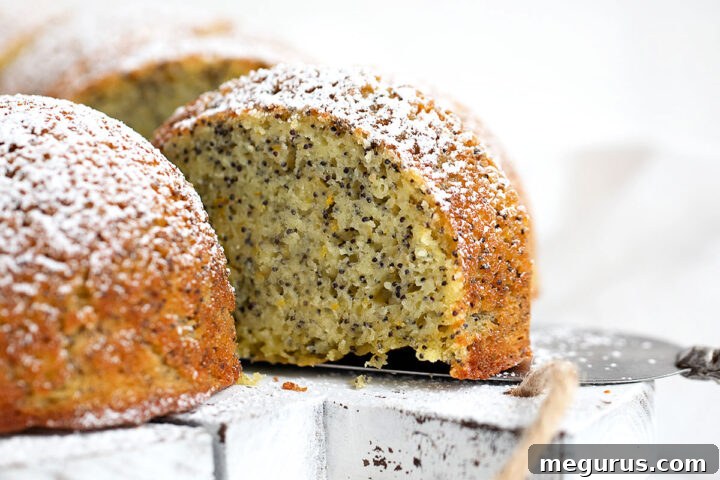
Delight in the vibrant flavors of the season with this exquisite Orange Poppy Seed Bundt Cake. Perfectly moist, wonderfully tender, and bursting with the bright, citrusy essence of fresh oranges, this cake is an absolute showstopper. Each bite offers a delightful contrast: the soft crumb of the cake meeting the subtle crunch and nutty aroma of poppy seeds. Whether you’re looking for an elegant dessert for a special occasion, a cheerful addition to your brunch spread, or simply a comforting treat to enjoy with a cup of coffee or tea, this Bundt cake promises to impress and satisfy.
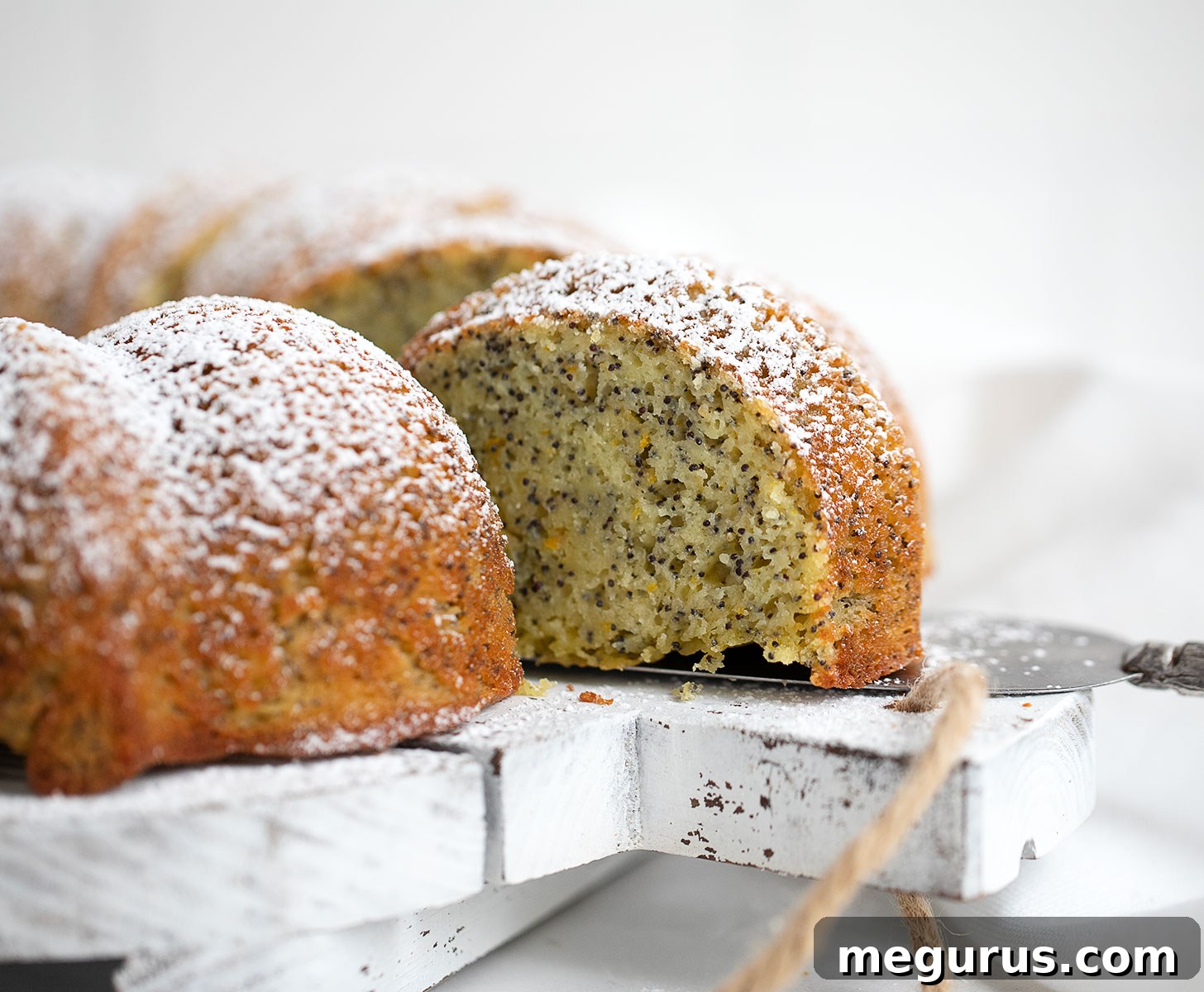
If you’re a true enthusiast of citrus flavors, you’ll be thrilled to discover that this recipe is generously infused with both fragrant orange zest and freshly squeezed orange juice. This dual approach ensures an intense, authentic orange flavor that permeates every layer of the cake. Coupled with the distinct texture and earthy notes of plenty of poppy seeds, this creates a beautifully balanced and incredibly addictive cake. It’s truly a versatile treat that can brighten any moment of your day.
Why This Orange Poppy Seed Bundt Cake Will Become Your Favorite
Beyond its undeniable charm, this cake holds a special place for several reasons. Its tender crumb is achieved through a careful balance of ingredients, resulting in a melt-in-your-mouth texture that is both light and satisfying. The liberal use of fresh orange zest and juice delivers an unparalleled brightness, cutting through the richness of the butter and sugar with a refreshing tang. Then there are the poppy seeds – not just an afterthought, but a crucial component, adding a subtle crunch and a unique, slightly nutty flavor that complements the orange beautifully. This isn’t just a cake; it’s an experience, a delightful symphony of textures and tastes.
Essential Ingredients for Success
To ensure your Orange Poppy Seed Bundt Cake turns out perfectly, pay close attention to the quality and preparation of these key ingredients:
- Oranges: The star of the show! You’ll typically need about 2 medium-sized oranges for this recipe to yield sufficient zest and juice. Navel oranges are often recommended for their sweetness and ample juice, but any good-quality, ripe orange will work beautifully. For smaller varieties like tangerines or clementines, you might need 3 or 4 to get the required amount of zest and juice. Always wash and dry your oranges thoroughly before zesting.
- Milk: For the best texture and richness in your cake, I highly recommend using either 2% or 3% (whole) milk. The fat content contributes to a moister and more tender crumb. While I haven’t personally tested this recipe with non-dairy milks, if you choose to experiment, opt for an unsweetened, unflavored variety to avoid altering the cake’s primary flavors.
- Poppy Seeds: These tiny seeds are integral to the cake’s unique flavor and texture. Before incorporating them into your batter, always give your poppy seeds a quick check. They have a tendency to go rancid if stored improperly or for too long, and with a generous amount used in this recipe, old poppy seeds could significantly detract from the cake’s taste. A quick sniff test usually reveals if they are fresh; they should have a mild, nutty aroma, not a bitter or chemical smell.
- Butter: Use unsalted butter for better control over the salt content in your recipe. Ensure it’s at room temperature for proper creaming with sugar, which helps incorporate air and creates a lighter cake texture.
- Eggs: Large eggs, also at room temperature, are crucial. Room temperature eggs emulsify better with the butter and sugar, leading to a smoother batter and a more evenly baked cake.
- All-Purpose Flour: For a light and tender crumb, make sure to measure your flour correctly. Spoon it into your measuring cup and then level it off with a straight edge, rather than scooping directly from the bag, which can compact the flour and result in a dense cake.
- Baking Powder and Salt: These leavening agents and flavor enhancers should be fresh to ensure your cake rises beautifully and tastes balanced.
To Soak or Not to Soak Poppy Seeds? This is a common question, and while it’s not strictly necessary for this recipe, many bakers choose to soak poppy seeds. Soaking can offer a couple of benefits: it can make the seeds easier to digest for some people, and it’s believed by many to amplify their subtle, nutty flavor. If you opt to soak them, the easiest method is to simply combine them with the liquid component of your recipe – in this case, the milk – and let them sit for about an hour, allowing them to soften and release more of their essence. This recipe already incorporates this step for optimal flavor!
Step-by-Step Guide: Crafting Your Orange Poppy Seed Bundt Cake
Making this beautiful Bundt cake is a straightforward and rewarding process. Follow these steps for a perfect bake:
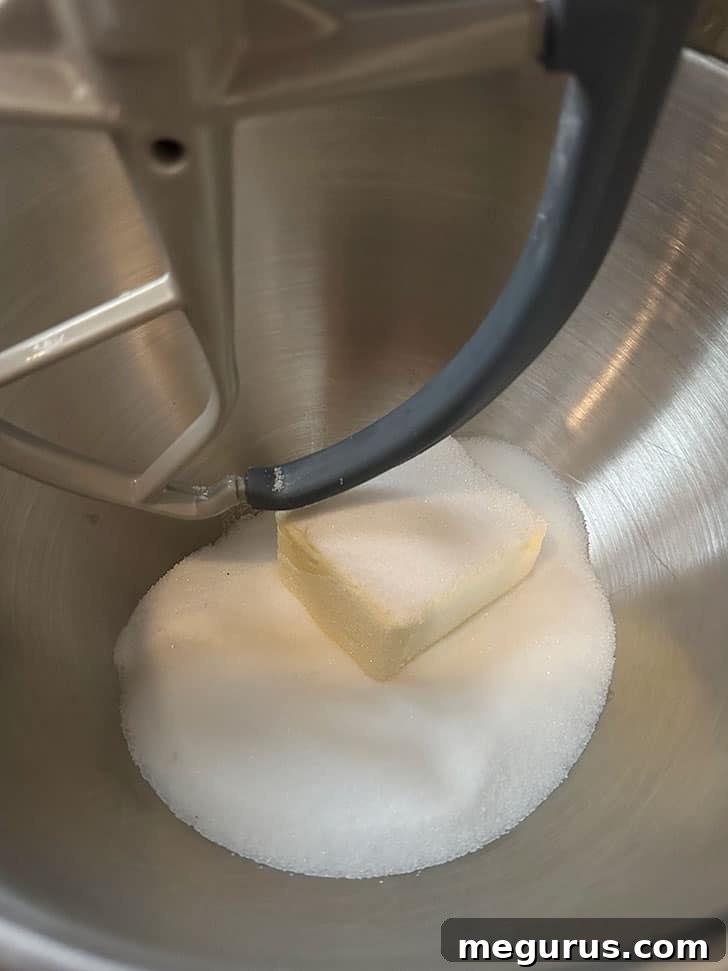
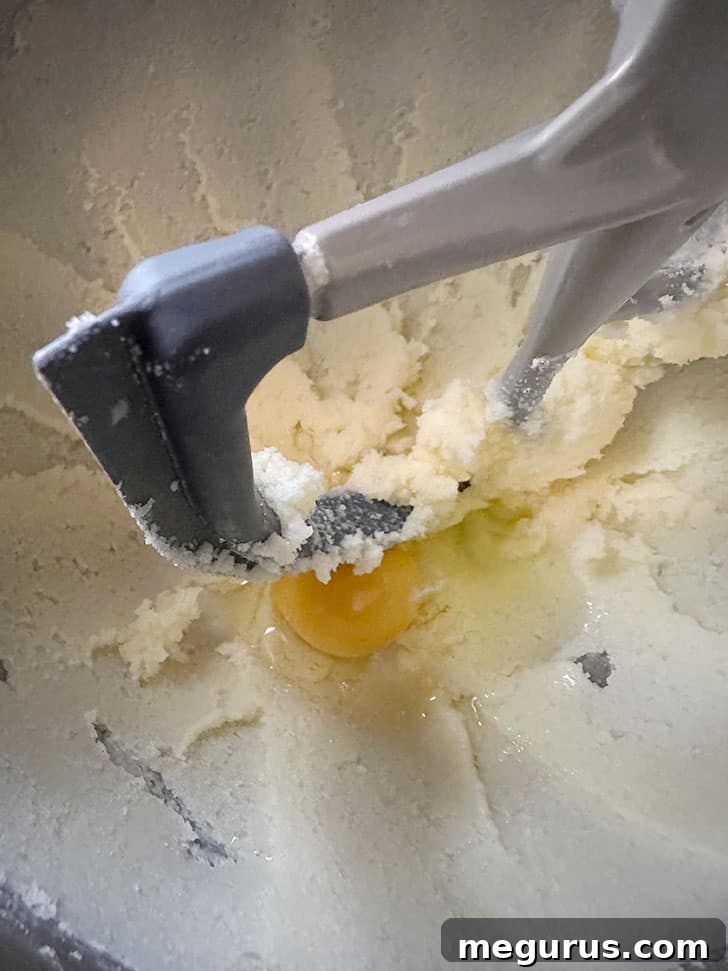
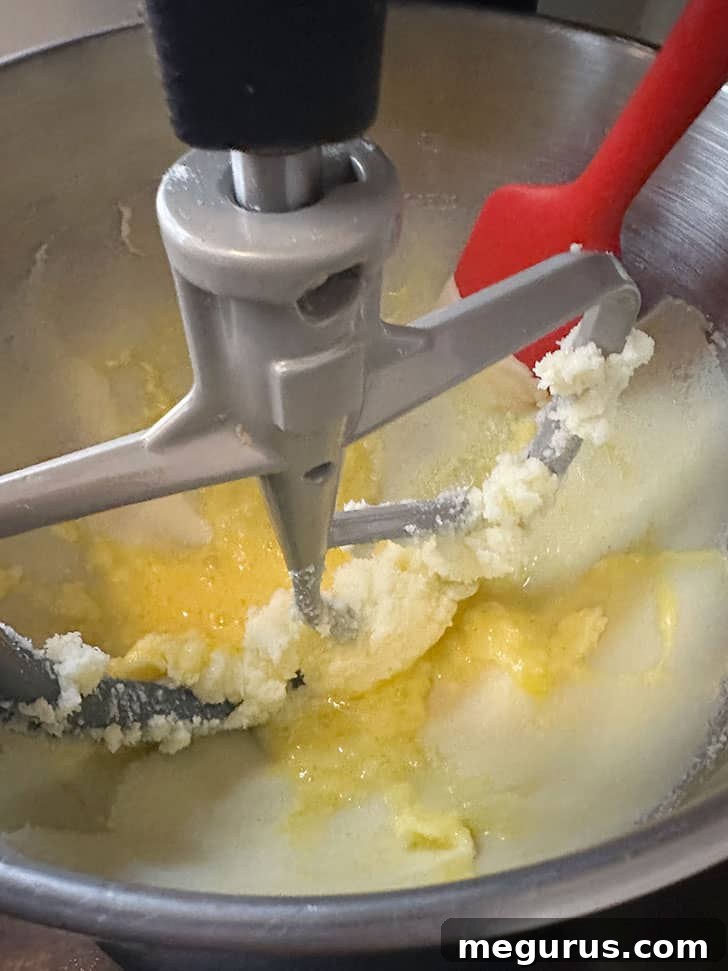
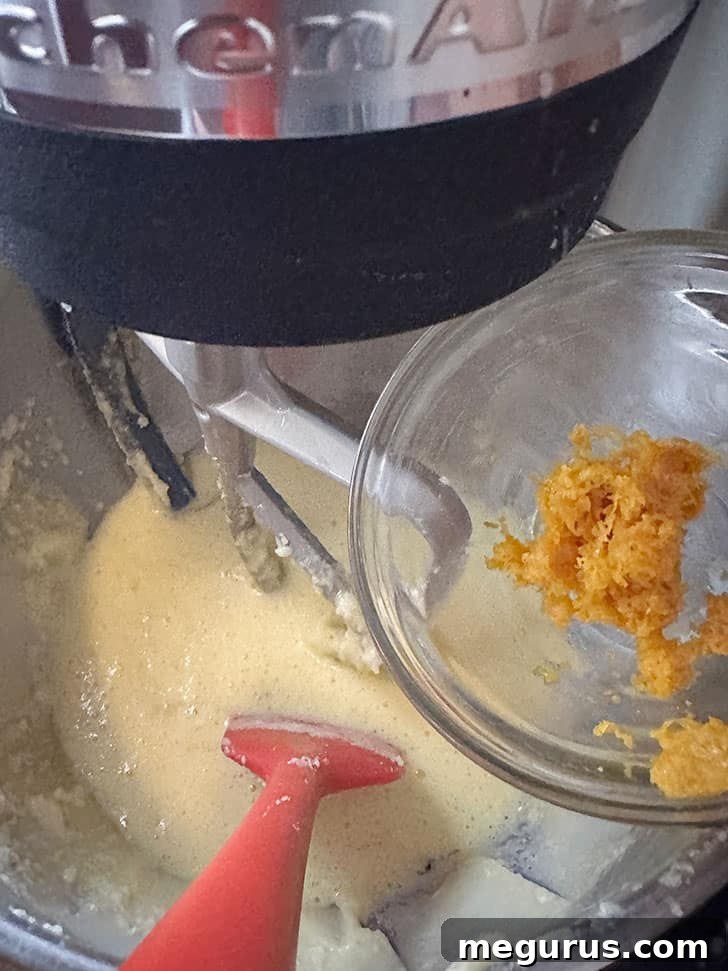
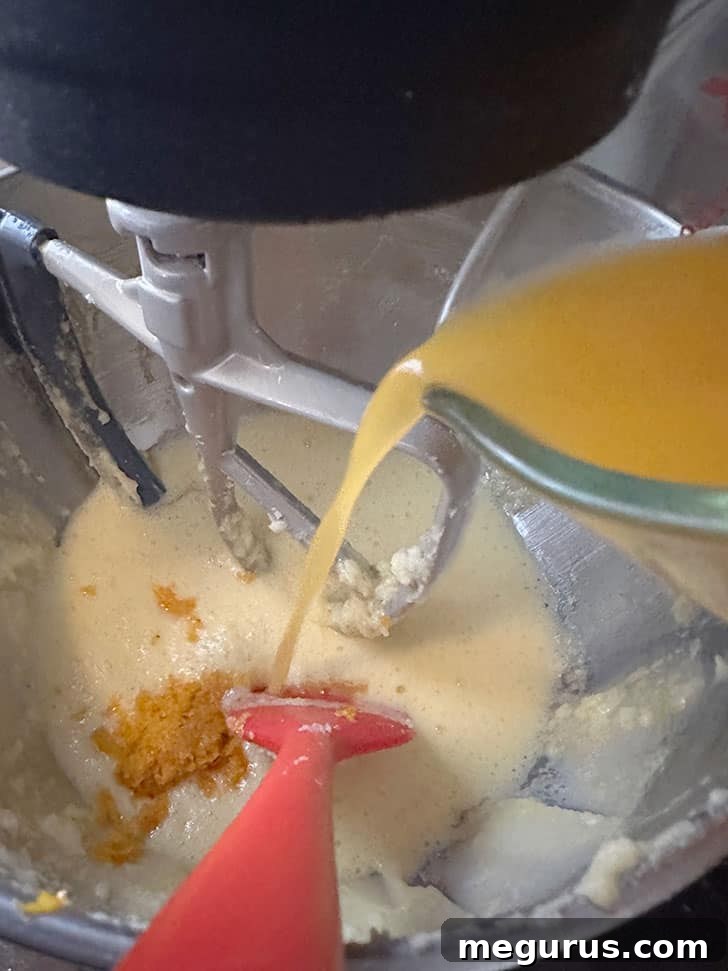
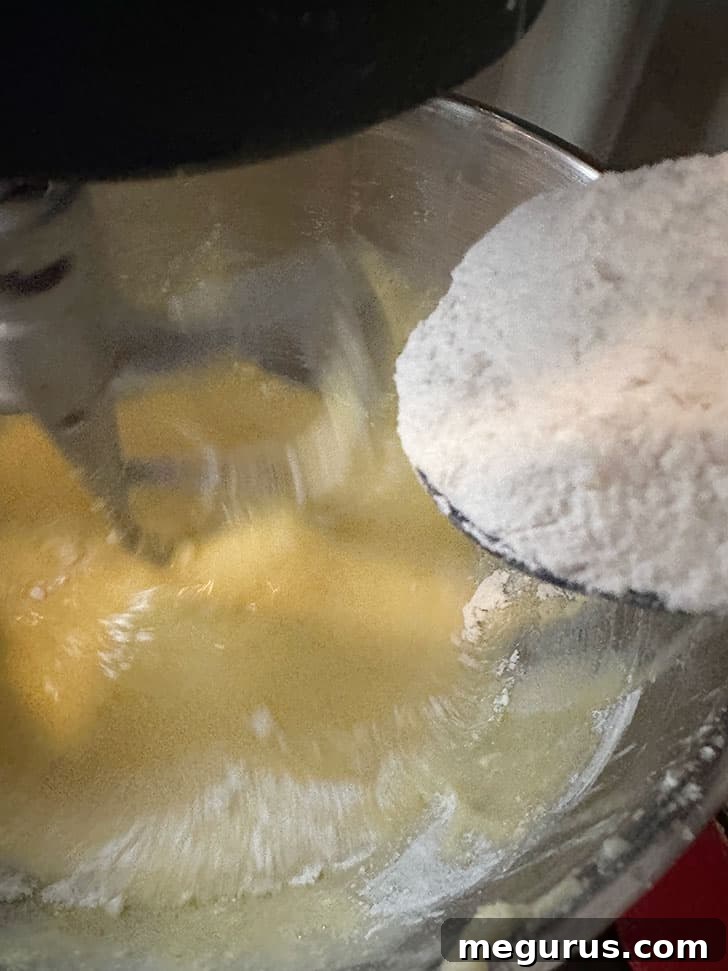
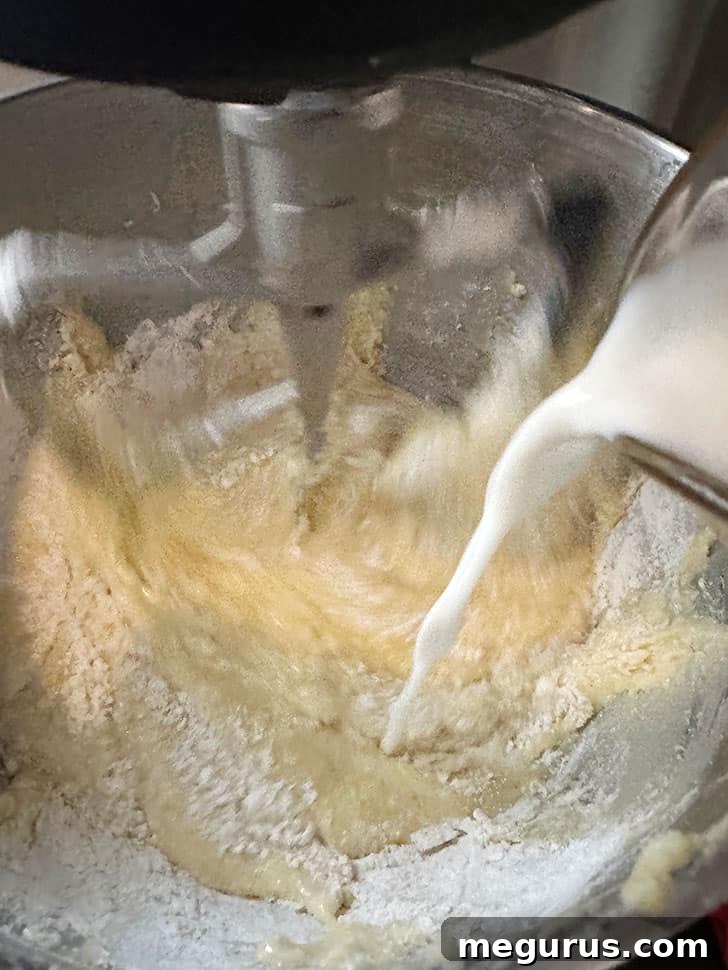
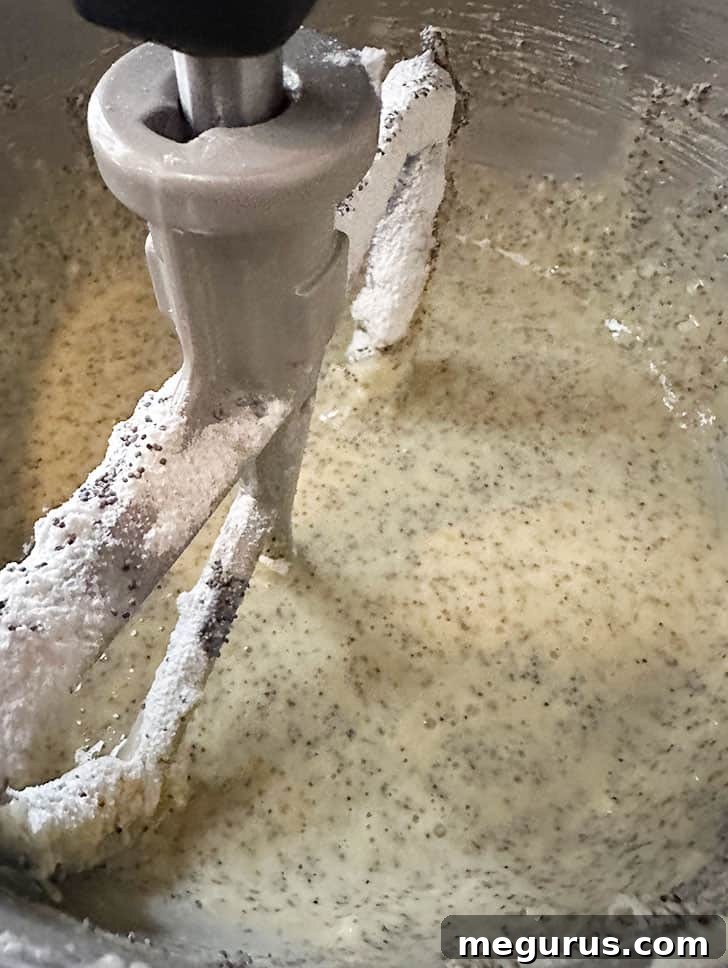
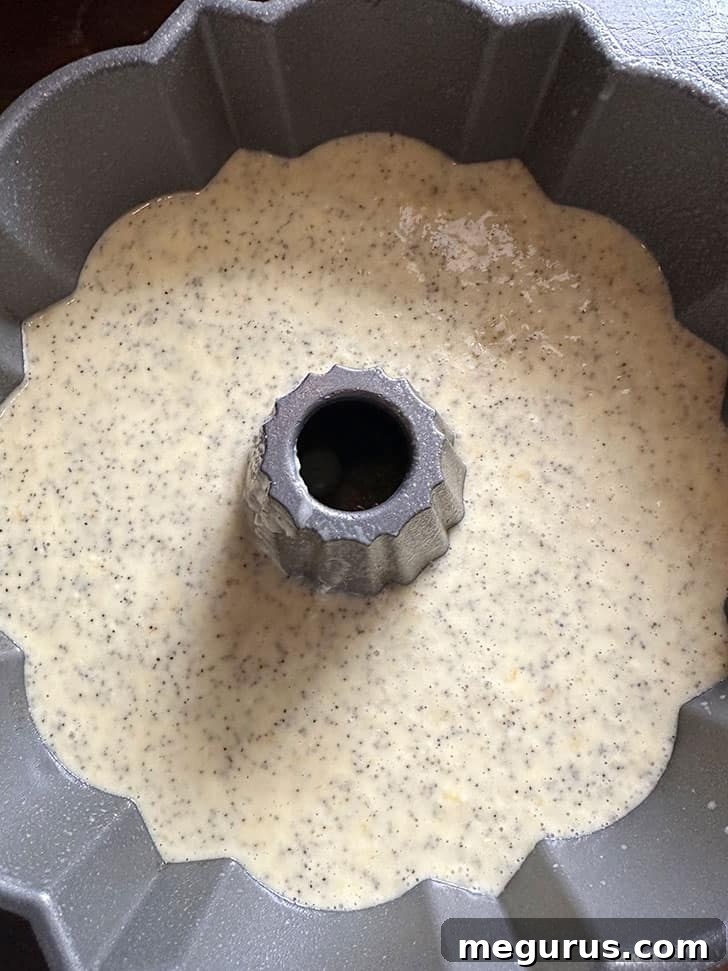
- Prepare Your Ingredients and Pan: Begin by measuring out the milk and stirring in the poppy seeds. Set this mixture aside to allow the poppy seeds to soak and to bring the milk to room temperature (about 1 hour). At the same time, take your butter and eggs out of the refrigerator so they can also reach room temperature. Preheat your oven to 350°F (175°C) using a regular bake setting (not convection). Grease and flour a 10-inch Bundt pan thoroughly, ensuring all crevices are coated. If using baking spray, wait to apply it just before you’re ready to pour in the batter.
- Cream Butter and Sugar: In a large mixing bowl, using an electric mixer or a stand mixer fitted with the paddle attachment, cream together the softened butter and granulated sugar on medium speed for about 2 minutes. The mixture should become light, fluffy, and pale in color.
- Incorporate Eggs and Flavor: Add the eggs one at a time, beating well after each addition until fully incorporated. Take a moment to scrape down the sides of the bowl and under the paddle attachment, as butter and sugar can sometimes hide there, ensuring a uniform batter. Next, mix in the vanilla extract, fresh orange zest, and freshly squeezed orange juice until just combined.
- Alternate Dry and Wet Ingredients: In a separate medium bowl, whisk together the all-purpose flour, baking powder, and fine salt. Gradually add the dry flour mixture to the wet ingredients in three additions, alternating with two additions of the milk and poppy seed mixture. Begin and end with the flour mixture. Mix on low speed, just until the ingredients are combined and no dry streaks of flour remain. Be careful not to overmix, which can lead to a tough cake.
- Bake the Cake: The finished batter will be quite liquid, which is normal for a Bundt cake. Pour the batter evenly into your prepared Bundt pan. Bake for 45-50 minutes, or until a wooden skewer or cake tester inserted into the center of the cake comes out clean.
- Cool and Serve: Once baked, remove the cake from the oven and let it cool in the pan for exactly 15 minutes. This cooling period is crucial for the cake to firm up slightly and release cleanly from the pan. After 15 minutes, place a wire cooling rack over the top of the Bundt pan and carefully invert the cake onto the rack. Allow it to cool completely before dusting with icing (confectioners’) sugar, or a simple orange glaze, and serving.
Mastering the Art of Bundt Cake Baking
Baking a Bundt cake can be incredibly satisfying, but it often comes with its own set of unique challenges. Follow these expert tips to ensure your Bundt cake always turns out perfect, with a beautiful shape and an even bake:
- Impeccable Pan Preparation: The secret to a perfectly released Bundt cake lies in its preparation. Ensure your Bundt pan is impeccably clean. Even tiny, dried bits of cake from previous bakes can act as anchor points, causing your new cake to stick. Thoroughly wash and dry your pan.
- Grease Generously and Evenly: Once clean, grease the pan generously and thoroughly. A high-quality baking spray with flour (like Pam Baking Spray) is often highly effective. Alternatively, you can use a pastry brush to apply a thin, even layer of a neutral-tasting cooking oil or melted butter, followed by a dusting of flour, tapping out any excess. Make sure to get into all the intricate nooks and crannies of the pan design.
- Timing Your Spray Application: If you’re using a baking spray, avoid spraying the pan too far in advance. If left to sit, the spray can sometimes run down the sides and pool at the bottom, leaving areas unevenly coated. Spray just as you are ready to pour the batter into the pan.
- Consider Your Pan’s Color: The color of your Bundt pan significantly affects baking time. Darker-colored pans absorb more heat and will generally cook the cake more quickly and sometimes result in a darker crust. Lighter-colored pans reflect heat, leading to a slower bake and a lighter exterior. Be mindful of this; if you’re using a dark pan, start checking for doneness 5-10 minutes earlier than the suggested baking time.
- The “Sweet Spot” for Removal: One of the most critical steps for a successful Bundt cake is knowing when to remove it from the pan. The general “sweet spot” is typically 10 to 15 minutes after you’ve taken the cake out of the oven. Trying to remove it too early, when it’s still very hot and delicate, can cause it to break. Waiting too long, allowing it to cool completely in the pan, can cause it to create a vacuum seal and stick stubbornly.
- Gentle Loosening Before Flipping: Before attempting to invert your cake, gently use a thin, flexible knife or an offset spatula to loosen the outside edges of the cake from the pan. Also, carefully run the knife around the edges where the cake meets the center tube of the Bundt pan. This small step can make a big difference in preventing sticking.
- The Inversion Technique: To remove the cake, place a cooling rack directly over the top of the Bundt pan. With a firm grip on both the pan and the rack, carefully flip them over together, so the pan is now resting upside down on the cooling rack. Gently lift the Bundt pan straight up. Ideally, the cake will release cleanly. If it doesn’t, place the pan back down and gently tap the sides of the pan with the blunt end of a wooden spoon or knife a few times, then try lifting again. Patience is key!
Make Ahead, Storing, and Freezing for Freshness
This Orange Poppy Seed Bundt Cake is undoubtedly at its best when enjoyed on the day it’s baked, showcasing its optimal texture and vibrant flavor. However, it’s also quite forgiving and can be prepared ahead of time or stored for later enjoyment with proper care. To maintain its freshness, wrap the cooled cake tightly in plastic wrap or store it under a cake dome at room temperature. It will remain delicious for 2-3 days.
For longer preservation, this cake freezes beautifully. Once completely cooled, wrap individual slices or the entire cake tightly in several layers of plastic wrap, followed by a layer of aluminum foil to prevent freezer burn. Store it in the freezer for up to 3 months. When you’re ready to enjoy, simply thaw the cake at room temperature for several hours or overnight.
Get the Recipe: Orange Poppy Seed Bundt Cake
Tender orange Bundt cake, filled with lots of poppy seeds. A perfect way to celebrate citrus!
Pin This
Leave a Review
15 mins
45 mins
1 hr
12 servings
Ingredients
- 1 cup milk, 2% or 3% b.f. recommended
- 1/3 cup poppy seeds
- 3/4 cup butter, at room temperature, salted or unsalted
- 1 cup white granulated sugar
- 4 large eggs, at room temperature
- 1/2 teaspoon vanilla extract
- Zest of two oranges, about 2 Tablespoons
- 2/3 cup orange juice, freshly squeezed from two oranges
- 2 cups all-purpose flour, spooned and leveled
- 1 Tablespoon baking powder
- 1/2 teaspoon fine salt, reduce to 1/4 teaspoon if using salted butter
For garnish:
- Icing/Confectioners’ sugar, for dusting
Instructions
- Measure out the milk in a 2-cup measure. Add the poppy seeds to the milk. Set aside and let stand and come to room temperature, about 1 hour. Take the butter and eggs out of the fridge to come to room temperature, as well.
- Preheat oven to 350°F (175°C) (Regular bake setting/non-Convection). Grease and flour a 10-inch Bundt pan and set aside. (If using baking spray, wait to spray it just before adding the batter).
- In a large bowl with an electric mixer or the bowl of a stand mixer fitted with the paddle attachment, cream together the butter and sugar at medium speed for 2 minutes. Add the eggs one at a time, beating well after each addition and scraping down the bowl as needed. Mix in the vanilla, orange zest, and orange juice.
- In a medium bowl, whisk together the flour, baking powder, and salt. Add the flour mixture to the batter, alternately with the milk/poppy seed mixture, mixing just until combined.
- Pour batter into greased (or sprayed) Bundt pan. Batter will be thin.
- Bake for 45-50 minutes, or until a cake tester comes out clean when tested into the center of the cake.
- Remove cake from oven and let cool in the pan for exactly 15 minutes, then place a cooling rack over-top of the pan and invert. Allow to cool completely. Dust with icing/confectioners’ sugar before serving.
Notes
Be sure to read the detailed information and baking tips included above this Recipe Card, for substitution suggestions, Bundt cake baking tips, and step-by-step photos, which you might find useful for a perfect bake.
American, Canadian
Dessert
Jennifer Maloney
Nutrition Information (per serving):
- Serving: 1 serving
- Calories: 296 kcal
- Carbohydrates: 36g
- Protein: 6g
- Fat: 15g
- Saturated Fat: 8g
- Polyunsaturated Fat: 2g
- Monounsaturated Fat: 4g
- Trans Fat: 0.5g
- Cholesterol: 93mg
- Sodium: 222mg
- Potassium: 229mg
- Fiber: 1g
- Sugar: 19g
- Vitamin A: 511IU
- Vitamin C: 7mg
- Calcium: 126mg
- Iron: 2mg
Tried this recipe?
If you enjoyed this recipe, please consider leaving a star rating and comment. Your feedback helps others discover and love this cake!
More Orange Cake Recipes You’ll Love!
If you’re a fan of the bright and zesty flavor of oranges, here are a few more delightful cake recipes to explore that celebrate this wonderful citrus:
Frequently Asked Questions (FAQ)
- Can I use bottled orange juice?
- While freshly squeezed orange juice offers the best, most vibrant flavor, you can use high-quality bottled orange juice in a pinch. However, ensure it’s 100% orange juice with no added sugar or pulp to best mimic the fresh taste.
- What if I don’t have a Bundt pan?
- If you don’t own a Bundt pan, you can bake this recipe in two 9×5 inch loaf pans or a 9×13 inch rectangular baking pan. The baking time will vary; check for doneness around 30-40 minutes for loaf pans and 35-45 minutes for a rectangular pan, or until a skewer comes out clean. Note that the presentation will, of course, be different.
- Can I make this cake gluten-free?
- I haven’t tested this specific recipe with gluten-free flour. However, many Bundt cake recipes can be adapted by using a 1:1 gluten-free all-purpose flour blend that contains xanthan gum. You might notice slight differences in texture. Always follow the manufacturer’s recommendations for the gluten-free flour blend you choose.
- What’s the best way to zest an orange?
- For optimal zest without the bitter white pith, use a microplane grater. Gently grate only the bright orange outer layer, rotating the orange as you go. Stop once you see the white pith underneath.
- Can I add other fruits or nuts?
- Certainly! While delicious as is, you could experiment by folding in a handful of chopped cranberries, chopped nuts like walnuts or pecans, or even a tablespoon of finely chopped candied ginger for an extra layer of flavor and texture. Just be mindful not to overcrowd the batter.
Final Thoughts on This Zesty Delight
This Orange Poppy Seed Bundt Cake is more than just a dessert; it’s a celebration of simple yet profound flavors. The tender crumb, the vibrant burst of fresh orange, and the subtle, earthy crunch of poppy seeds come together to create a cake that is both comforting and sophisticated. It’s a testament to how fresh, quality ingredients can transform a classic recipe into something truly memorable. Whether you’re an experienced baker or just starting your culinary journey, this recipe offers a rewarding experience and a delicious outcome. We encourage you to gather your ingredients, follow these steps, and prepare to be enchanted by this zesty, delightful Bundt cake. Happy baking!