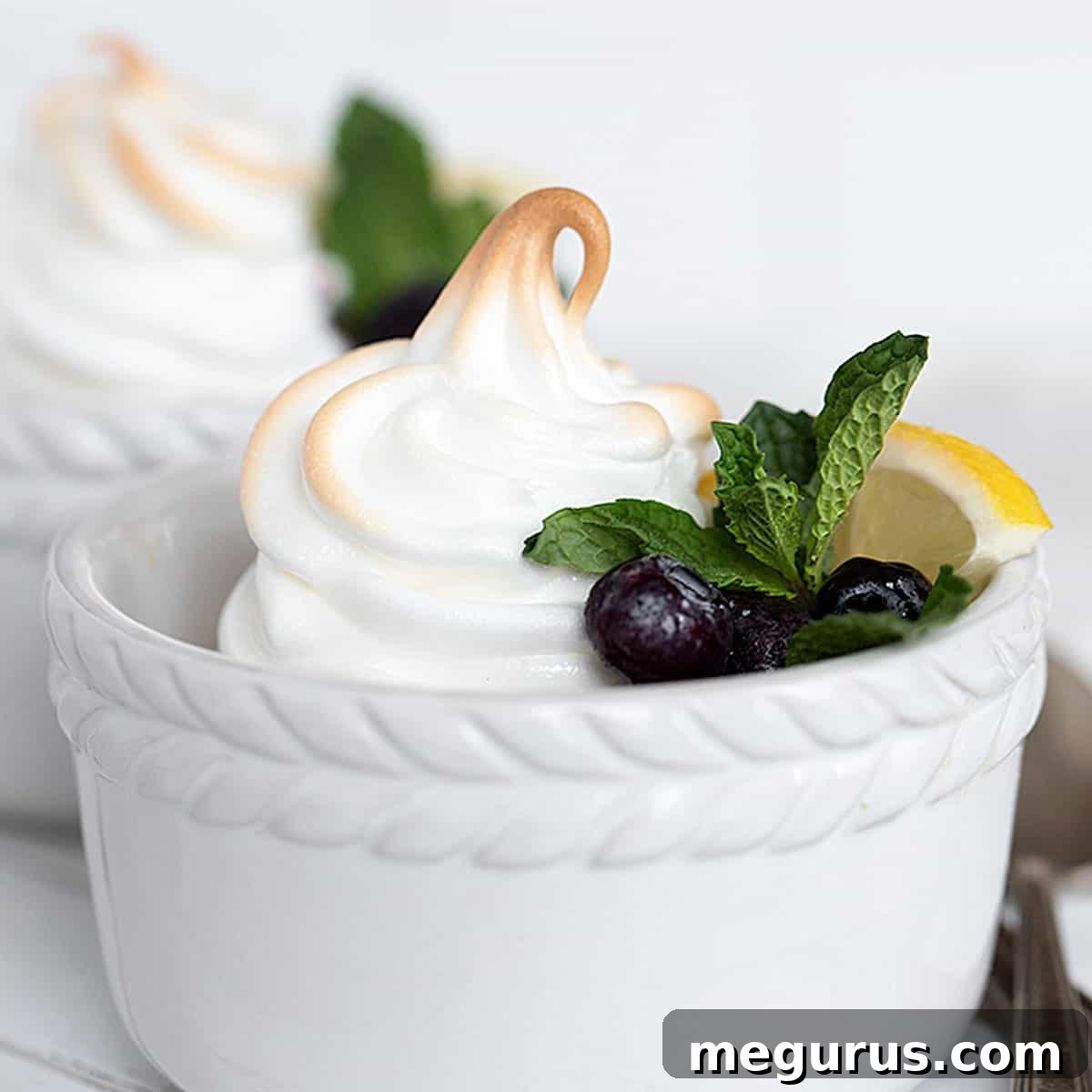
Indulge in the bright, refreshing flavors of a classic lemon meringue pie, reimagined into an effortlessly elegant pudding! This Lemon Meringue Pudding offers all the zesty delight and airy sweetness you love, without the intricate crust and baking challenges of a traditional pie. It’s a truly delightful dessert that combines a creamy, tangy lemon base with a cloud-like, toasted meringue topping, making it an ideal choice for any gathering, from casual family dinners to festive celebrations.
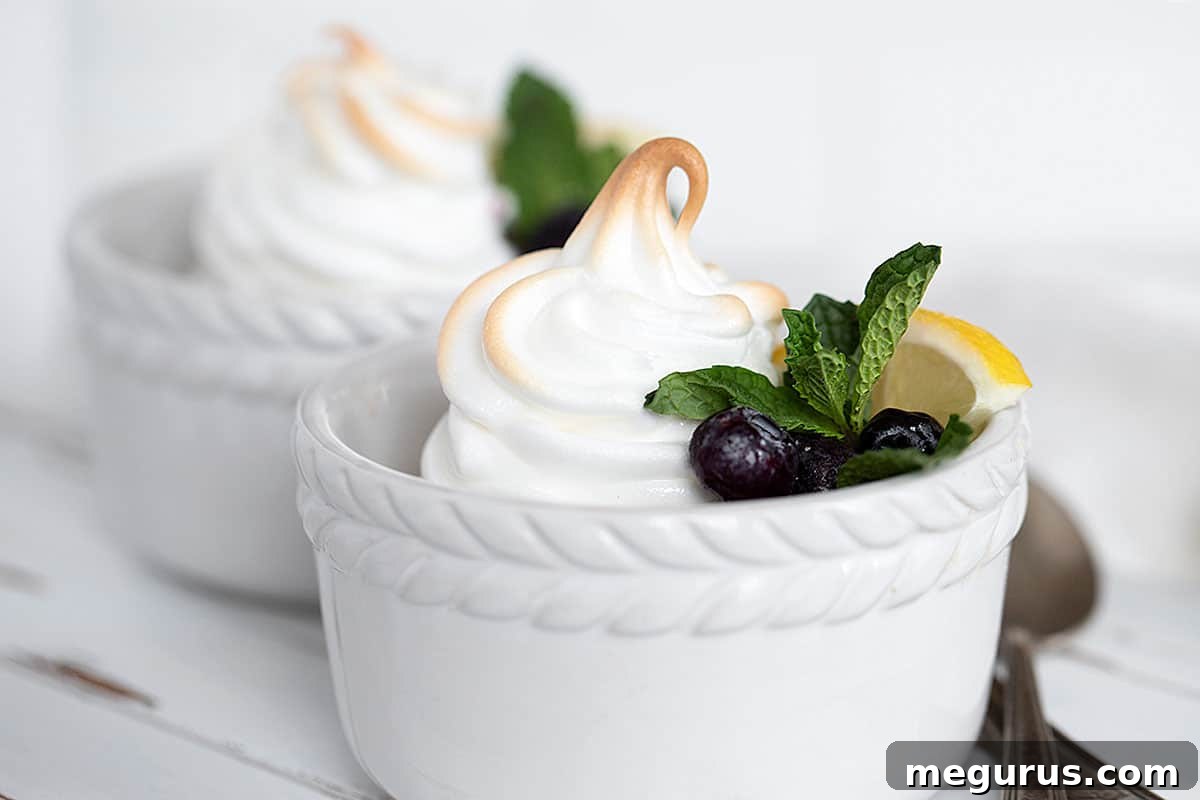
Perfect for preparing in advance, this lemon meringue pudding is a fantastic option for occasions like Easter brunch, Mother’s Day lunches, or any summer entertaining. Its vibrant lemon profile and delicate texture offer a sophisticated yet approachable dessert experience. Garnish these individual servings with fresh berries, thin lemon slices, or a sprig of mint for an extra touch of visual appeal that will impress your guests.
Why You’ll Love This Lemon Meringue Pudding
This dessert isn’t just delicious; it’s a strategic choice for savvy hosts and home bakers. Here’s why it deserves a spot in your recipe collection:
- Effortless Elegance: Achieve the impressive look and taste of lemon meringue pie without the stress of rolling out pie dough or worrying about a soggy crust.
- Make-Ahead Marvel: The pudding can be prepared hours, or even a day, in advance, leaving only the quick meringue topping and a brief bake before serving. This frees up your time on the day of your event.
- Bursting with Fresh Flavor: The recipe champions fresh lemon juice and zest, ensuring a bright, authentic citrus taste that artificial flavorings simply can’t match.
- Perfect Portions: Served in individual ramekins, these puddings are perfectly portioned, making serving a breeze and offering a beautiful presentation.
- Versatile for Any Occasion: From casual BBQs to formal holiday meals, this dessert adapts beautifully. Its refreshing tang is especially welcome after a rich meal.
Key Ingredients for Perfect Pudding
Crafting the perfect lemon meringue pudding relies on a few key ingredients, each playing a crucial role in achieving that delightful balance of creamy, tangy, and sweet. Understanding these components will help you master this recipe.
Lemon: The Star of the Show
For that truly authentic and vibrant flavor, real lemons are indispensable. You’ll need both fresh lemon juice for the tangy pudding and fresh lemon zest for its aromatic oils, which intensify the lemon essence without adding sourness. While bottled lemon juice can be used in a pinch (and would mean skipping the zest), it simply won’t deliver the same bright, complex notes as freshly squeezed. For the best results, opt for organic lemons if possible, and always zest them before juicing. Consider using a microplane grater to achieve a fine zest, avoiding the bitter white pith.
Cornstarch: The Thickening Agent
Also known as corn flour in many regions, cornstarch is the essential thickening agent for this pudding. It creates a smooth, luscious texture that sets beautifully when chilled. While other starches like arrowroot or tapioca flour might work as substitutes, I strongly recommend sticking to cornstarch for tested results and the ideal consistency. If experimenting with alternatives, remember that thickening powers can vary, and you might need to adjust quantities or cooking times.
Eggs: The Dual Purpose Powerhouse
Eggs are absolutely non-negotiable in this recipe, serving two distinct purposes. The egg yolks provide richness and contribute to the creamy texture of the lemon pudding, while the egg whites are whipped into the light and airy meringue topping. For optimal separation, eggs tend to be easiest to handle when cold. However, for the best meringue, ensure your egg whites are at room temperature before whipping. This allows them to incorporate more air and achieve maximum volume and stability. Cleanliness is paramount when whipping egg whites; any trace of fat (from yolks or a greasy bowl) can prevent them from reaching stiff peaks.
Cream of Tartar: Meringue Stabilizer
Cream of tartar is a crucial ingredient for stabilizing the egg whites in your meringue. It helps the whites whip up faster, achieve greater volume, and hold their stiff peaks, preventing them from collapsing. If you don’t have cream of tartar on hand, don’t worry! You can easily substitute it with an acidic ingredient like lemon juice or white vinegar. Use double the amount specified for cream of tartar (e.g., if the recipe calls for 1/2 teaspoon of cream of tartar, use 1 teaspoon of lemon juice or white vinegar). The acid reacts with the egg whites to achieve similar stabilizing effects.
Sugar, Milk, and Butter: The Supporting Cast
Granulated sugar provides sweetness and structure to both the pudding and the meringue. Whole milk (3% fat) is recommended for the pudding’s luxurious creaminess, but 2% can also work. Fine salt balances the sweetness and enhances the overall flavor profile. A touch of butter added at the end of the pudding cooking process lends extra richness and a silky finish.
Mastering the Lemon Meringue Pudding Recipe
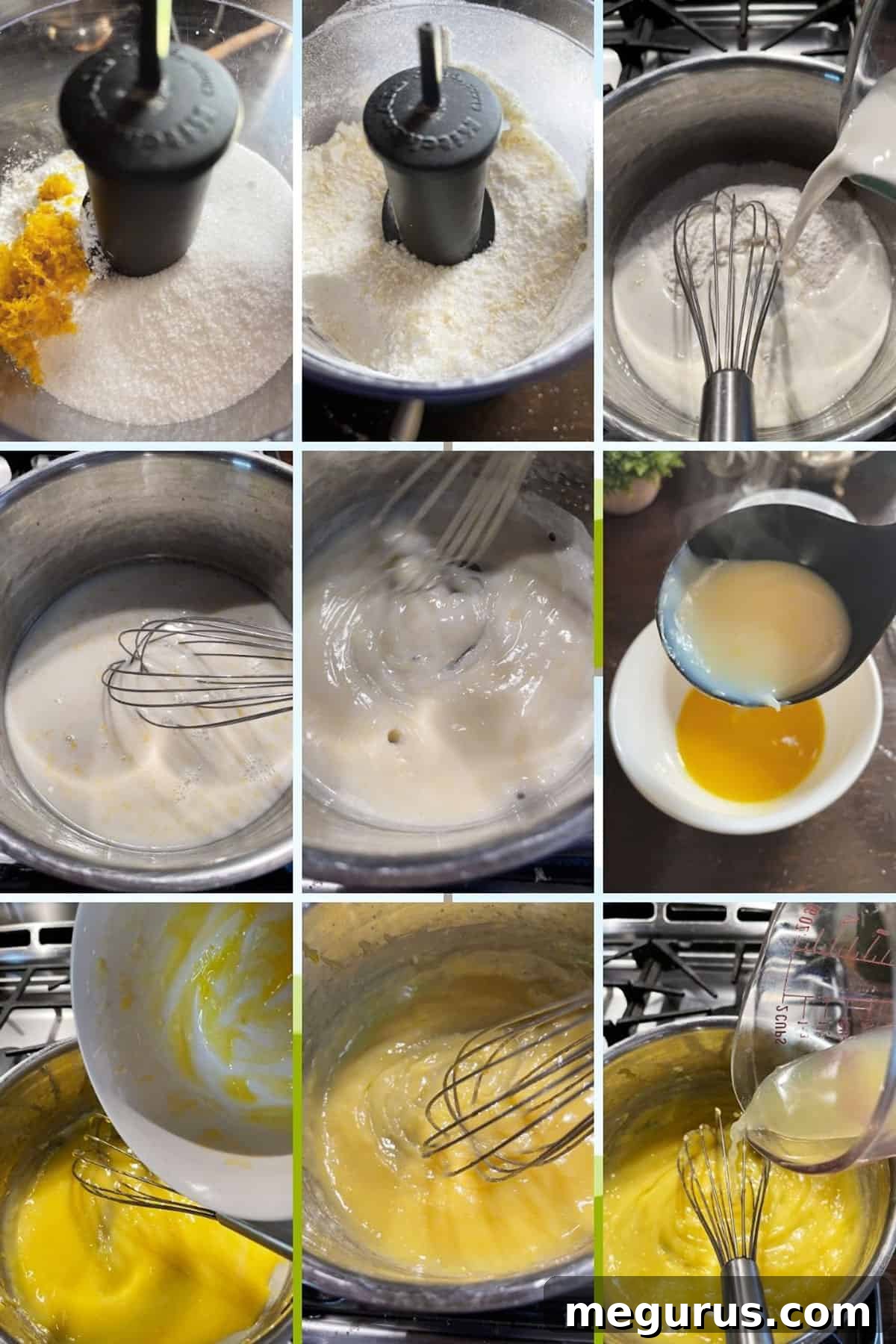
Making this lemon meringue pudding is a straightforward process, broken down into two main components: the luscious lemon pudding and the fluffy meringue. Follow these detailed steps for a flawless dessert every time.
Step 1: Crafting the Silky Lemon Pudding
- Prepare Your Oven and Dishes: Begin by preheating your oven to 350°F (175°C), ensuring the rack is positioned in the center. Arrange 4 large or 6 smaller oven-safe ramekins, custard cups, or even attractive mugs/teacups on a rimmed baking sheet. This makes transferring them to and from the oven much easier.
- Separate the Eggs: Carefully separate your eggs. Place the yolks in a small bowl and whisk them gently with a fork; set aside. The egg whites should go into a very clean bowl of a stand mixer fitted with a whisk attachment. Alternatively, use a medium bowl with a hand mixer. Ensure there are absolutely no traces of yolk or grease in the egg white bowl, as this can prevent the meringue from whipping correctly.
- Combine Dry Ingredients and Zest: In a food processor, combine the granulated sugar, cornstarch, finely grated lemon zest, and salt. Process until the lemon zest is very fine and evenly distributed throughout the sugar mixture. This infuses the sugar with intense lemon flavor. If you don’t have a food processor, whisk these ingredients together vigorously in a small bowl for 30-45 seconds.
- Start the Pudding Base: Transfer the sugar and zest mixture to a medium saucepan. Pour in the milk and whisk continuously until the mixture is smooth and lump-free. Place the saucepan over medium heat.
- Cook and Thicken the Pudding: Cook the milk mixture, stirring constantly with a whisk or spoon, until it begins to thicken and comes to a gentle boil. Continue to boil for 1 minute, still stirring, to ensure the cornstarch is fully activated. Remove the saucepan from the heat immediately.
- Temper the Egg Yolks: This is a crucial step to prevent your egg yolks from scrambling. Ladle out about a full scoop of the hot pudding mixture. While whisking the egg yolks vigorously in their bowl, slowly add the hot pudding to them, drop by drop at first, then in a thin stream. Continue whisking constantly until you’ve incorporated the entire ladle-full. This gradually raises the temperature of the yolks without cooking them.
- Finish the Pudding: Pour the tempered egg yolk mixture back into the saucepan with the remaining hot pudding. Add the fresh lemon juice. Whisk everything together thoroughly. Return the saucepan to medium heat and cook, stirring constantly, until the mixture boils again. Boil for another minute, then remove from heat. Stir in the butter until it’s completely melted and incorporated, creating a glossy, smooth pudding.
- Portion and Keep Warm: Spoon the warm lemon pudding into your prepared ramekins. Cover them loosely with a sheet of aluminum foil to keep them warm while you prepare the meringue. This helps ensure the meringue bakes and sets properly on top.
Step 2: Whipping Up the Fluffy Meringue
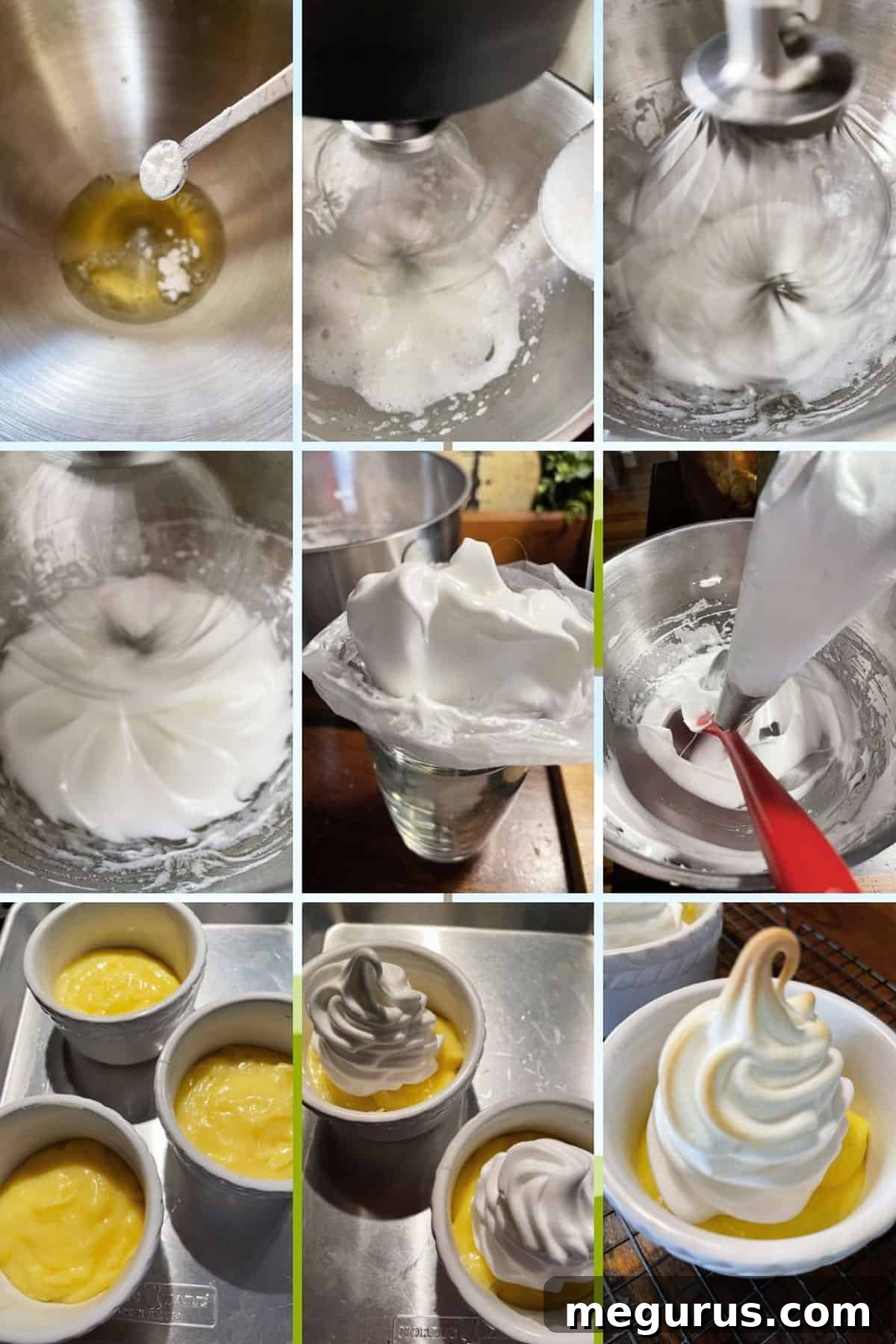
- Prepare the Meringue Base: Add the room-temperature egg whites to the very clean bowl of your stand mixer (or use a hand mixer). Sprinkle in the cream of tartar.
- Whip Egg Whites to Soft Peaks: Begin beating the egg whites at medium speed (around setting 4 or 5 on a stand mixer) until they become very foamy, resembling bubble bath. This usually takes a couple of minutes.
- Add Sugar Gradually: Increase the mixer speed slightly. Continue beating until the egg whites become opaque and start to hold soft peaks. Gradually add the granulated sugar, about one tablespoon at a time, allowing each addition to dissolve before adding more.
- Achieve Stiff, Glossy Peaks: Once all the sugar is incorporated, increase the mixer speed to medium-high. Continue beating until the meringue is glossy, smooth, and forms stiff peaks that hold their shape when the whisk is lifted. When you rub a small amount of meringue between your fingers, it should feel smooth, with no grittiness from undissolved sugar.
- Pipe the Meringue: Transfer the meringue to a piping bag fitted with a large star tip or a plain round tip. If you don’t have piping bags, a sturdy ziplock bag with a ½-inch tip snipped off one corner works just as well. Pipe generous swirls of meringue on top of each warm lemon pudding, ensuring the pudding is completely covered. Aim for swirls about 2 to 2½ inches high. You’ll likely have extra meringue, which is perfectly normal. Completely covering the pudding helps prevent the meringue from shrinking excessively.
- Bake to Golden Perfection: Carefully transfer the baking sheet with the puddings into your preheated oven. Bake for approximately 7-10 minutes, or until the meringue is beautifully golden brown and set. Keep a close eye on them to prevent over-browning.
- Cool and Chill: Once baked, remove the puddings from the oven. Let them cool completely to room temperature on a wire rack. This is a critical step to prevent “weeping” (when the meringue beads with moisture). Once at room temperature, transfer the uncovered puddings to the refrigerator and chill for at least 2 hours before serving.
- Serve and Garnish: Before serving, garnish your exquisite lemon meringue puddings with fresh blueberries, raspberries, a quartered lemon slice, or vibrant mint leaves for an added flourish.
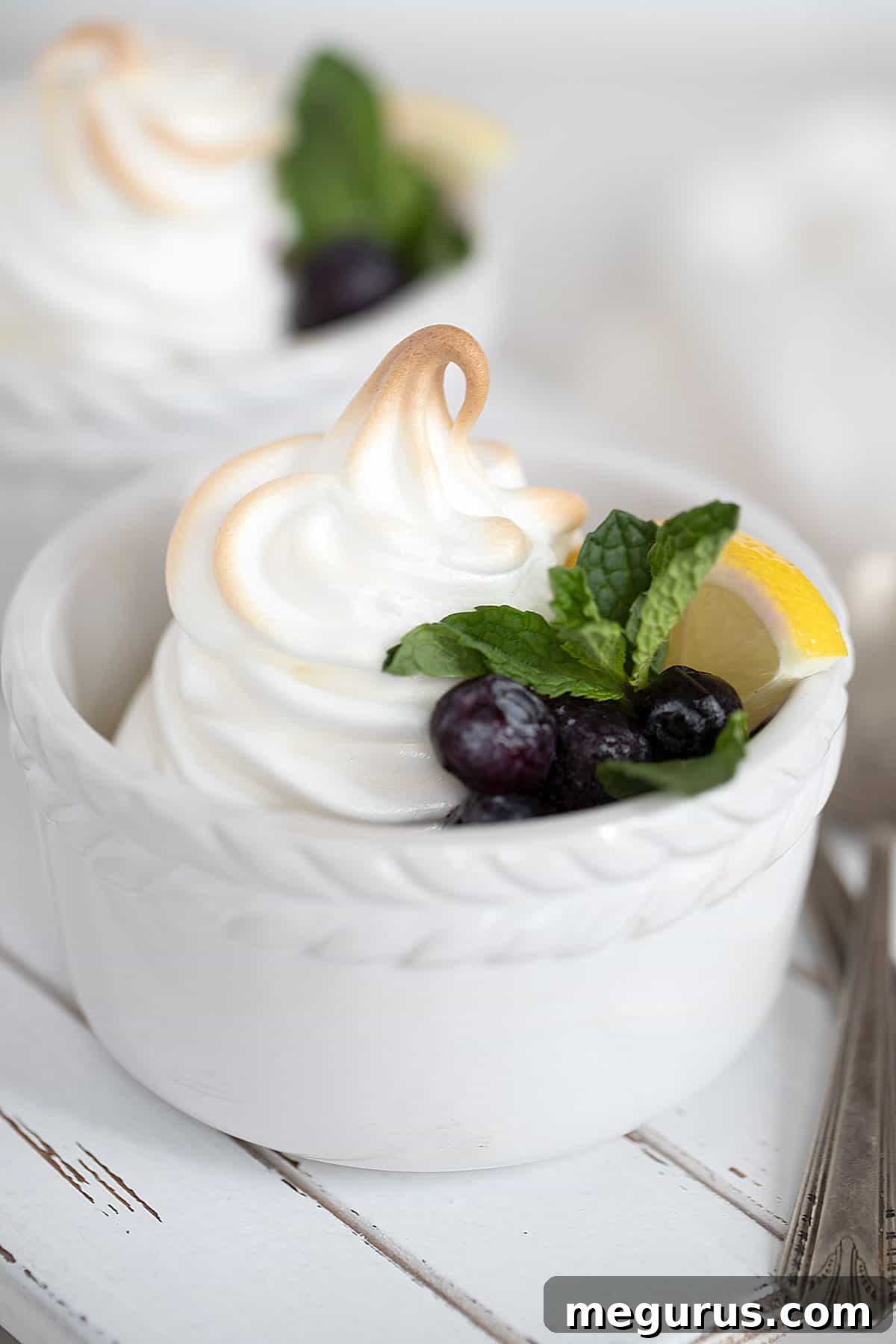
Expert Tips for Meringue Pudding Perfection!
- Piping Meringue: Don’t feel intimidated by piping! A large star tip creates beautiful, classic swirls, but a large plain round tip also works well. For a quick and easy alternative, simply spoon the meringue into a sturdy ziplock bag, snip off one corner to create an opening, and pipe away. Practice on a plate first if you’re nervous!
- Meringue Shrinkage: It’s common for meringue to shrink slightly as it cools and chills. To counteract this, don’t be shy with your piping! Make your swirls a bit higher and more exaggerated than you think you need. They will settle down into a perfect size.
- Full Coverage is Key: While the photos might show some pudding peeking out for aesthetic purposes, when you’re making your puddings at home, aim to completely cover the lemon pudding with meringue. This acts as a protective layer, significantly helping to prevent the meringue from weeping and shrinking excessively during chilling.
- Preventing Meringue Weeping: The most common cause of “weeping” (when sugar syrup forms droplets on the meringue surface) is insufficient cooling before refrigeration. Ensure your puddings are completely cooled to room temperature before placing them uncovered in the refrigerator to chill. Rapid temperature changes can contribute to weeping.
- Ramekin Size Matters: You can use any oven-proof ramekin or serving dish you prefer. The size of the ramekin will determine how many puddings the recipe yields and how full each one should be. For larger ramekins, like those pictured, fill them slightly less than half full. For smaller custard cups, you can fill them higher. The base recipe (1X) typically makes four large or six smaller puddings, but it’s easily scalable if you need to double or triple it.
- Scaling the Recipe: This recipe is very flexible. If you’re hosting a larger crowd, feel free to double or triple the ingredients. Just ensure you have adequately sized bowls and pans.
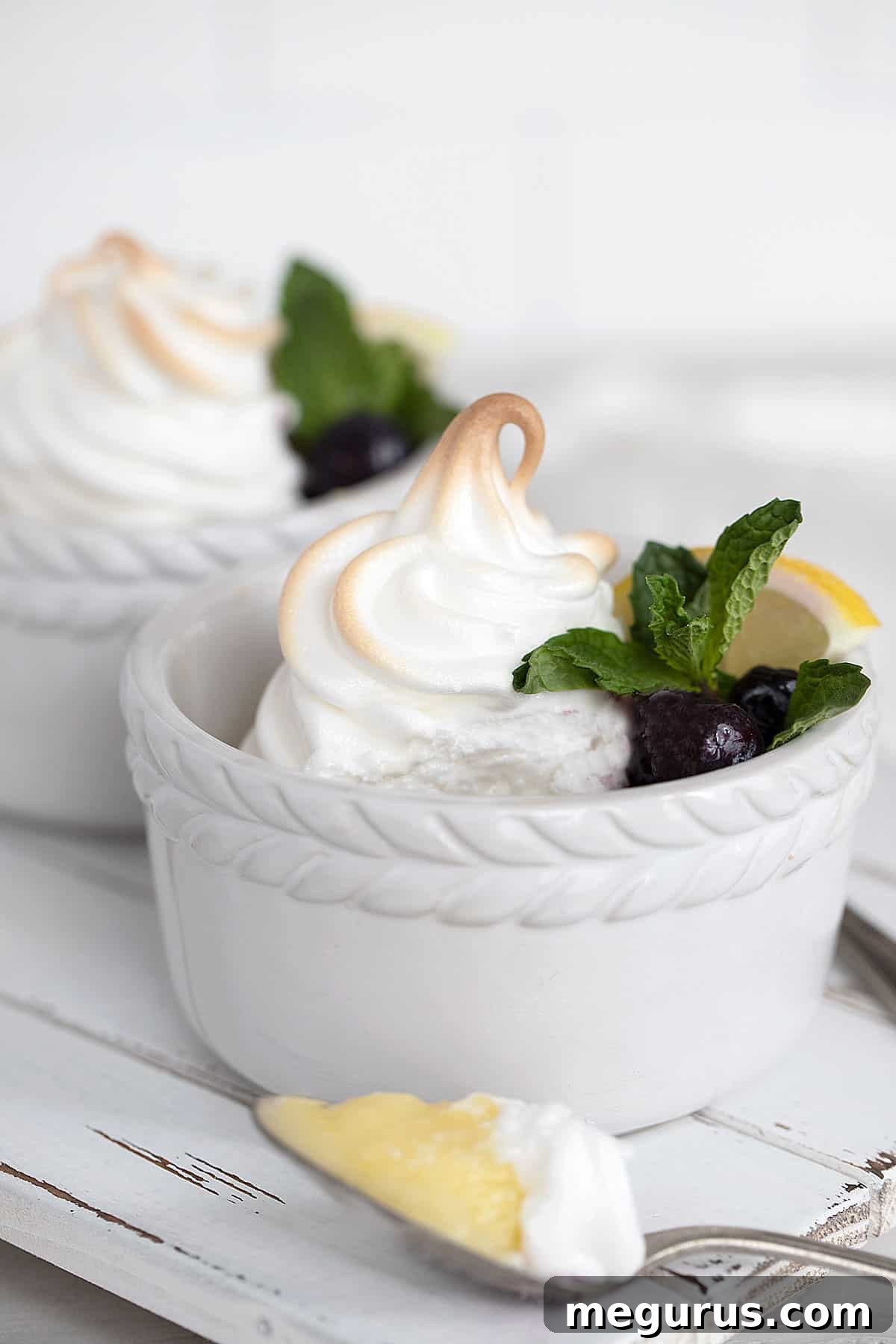
Making Ahead, Storing, and Freezing
One of the many advantages of this lemon meringue pudding is its make-ahead friendly nature. This flexibility makes it a stress-free dessert for entertaining.
Make Ahead: You will absolutely want to make these puddings ahead of time, as they require a minimum of 2 hours of chilling in the refrigerator before serving. This allows the pudding to fully set and the flavors to meld beautifully. You can prepare them up to 24 hours in advance.
Storing Leftovers: Leftover lemon meringue pudding should be stored in the refrigerator. It will maintain its best quality for about 2 days. While the pudding itself keeps quite well, the meringue topping will start to soften and lose some of its pristine texture after a couple of days in the fridge. For optimal meringue enjoyment, consume within 48 hours.
Freezing: I do not recommend freezing the puddings with the meringue topping, as meringue tends to weep and lose its texture upon thawing. However, the lemon pudding base itself freezes beautifully. You can freeze the pudding in individual, freezer-safe containers for up to 2-3 months. Thaw it in the refrigerator overnight, then prepare and add fresh meringue just before serving for the best experience.
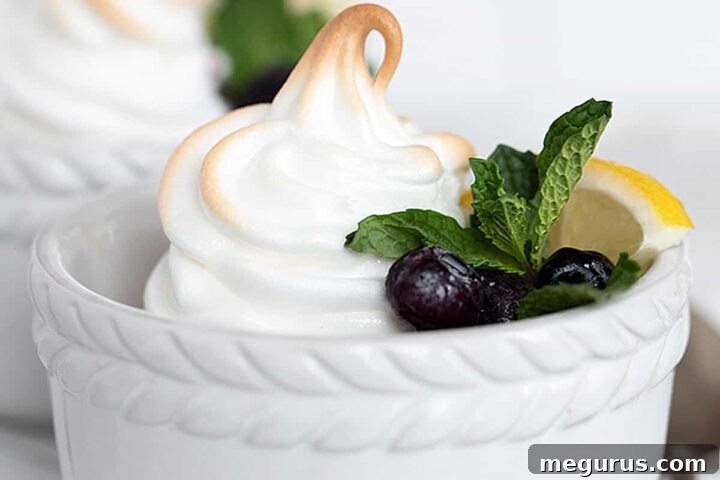
Get the Recipe: Lemon Meringue Pudding
20 mins
20 mins
40 mins
5 servings
Ingredients
For the lemon pudding:
- 1 1/4 cups white granulated sugar
- 1/4 cup cornstarch
- 1 Tablespoon lemon zest, grated
- 1/4 teaspoon fine salt
- 1 1/2 cup milk, whole (3%) milk recommended
- 4 large eggs, separated
- 1/2 cup lemon juice, freshly squeezed recommended
- 1 Tablespoon butter
For the meringue:
- 4 large egg whites
- 6 Tablespoons white granulated sugar
- 1/2 teaspoon Cream of tartar, or see Note 1 below for substitute suggestion
Instructions
- Preheat oven to 350F (regular bake, not fan-assisted), with the rack in the centre of the oven.
- Assemble 4 large or 6 small ramekins, custard cups or oven-safe mugs or tea cups on a rimmed baking sheet. Set aside.
- Separate the eggs. Place the egg yolks in a small bowl and whisk well with a fork. Set aside. Place the egg whites in the bowl of a stand mixer (make sure it’s super clean!), with the stand mixer fitted with the whipping attachment. Alternately, place egg whites in a medium bowl and use a hand mixer.
- Make the pudding: Add the sugar, cornstarch, lemon zest and salt to a food processor and process until the zest is finely ground. (Alternately, if you have no food processor, simply whisk the mixture in a small bowl for 30-45 seconds).
- Add the sugar/zest mixture to a medium saucepan. Add the milk and whisk until smooth. Turn on the heat under the saucepan to medium. Cook, stirring constantly, until the pudding thickens. Boil 1 minute, then remove from heat.
- Top Tip! In the next part, you will be adding hot pudding to eggs. In order to prevent the eggs from cooking and becoming chunky, you will want to add the hot pudding very gradually and whisk well while adding it. Start with just a drop, then two drops and so on, until you’ve added it all. This is called “tempering the eggs”.
- Spoon out a ladle-full of the hot pudding. Very, very slowly start adding small drops of the hot pudding to the egg yolks, while constantly stirring. Start by adding just a drop, then a couple of drops and so on, until you have added the full ladle-full of the hot pudding to the egg yolks. Add the egg yolk mixture to the saucepan. Add the lemon juice to the saucepan. Whisk to combine well. Return the saucepan to the heat, set as medium heat and cook, stirring, until the mixture boils. Boil 1 minute longer and remove from heat. Add the butter and whisk until the butter is melted.
- Spoon pudding into serving dishes and place a sheet of foil over-top to keep them warm while you make the meringue.
- Make the meringue: Add the cream of tartar to the egg whites in the bowl and whisk to combine. Beat at medium speed (4 or 5 on a Stand Mixer) until the whites are very foamy (like a bubble bath). Increase the speed on the mixer slightly and continue beating until the mixture whitens and starts to take shape. Gradually add the sugar until it is all added, then increase the speed of the mixer slightly and beat until the mixture is glossy, with stiff peaks.
- Spoon the meringue into a piping bag fitted with a large star or plain tip or a ziplock-type bag. For the ziplock bag, cut off a 1/2-inch tip from the corner of the bag. Pipe the meringue on top of each of the hot puddings to cover completely, piping the meringue about 2 – 2 1/2-inches high. *You will have plenty of meringue and probably won’t use it all.
- Place puddings into the preheated oven and bake until the meringue is set and lightly browned, about 7-10 minutes (watch carefully so they don’t brown too much).
- Remove from the oven and let stand until cooled to room temperature, then place in the refrigerator (uncovered) to chill for at least 2 hours before serving.
- Serve garnish with blueberry or other berries, a lemon slice quarter and/or mint leaves.
Notes
Tips!
- I used a large star tip to pipe the meringue. You could also use a large plain hole tip. Alternately, just spoon the meringue into a ziplock bag and snip off the corner.
- The meringue will shrink slightly during the chilling time, so don’t be afraid to make a bit of an exaggerated swirl, as it will get a bit smaller.
- Avoid weeping by ensuring the puddings are completely cooled to room temperature before putting them in the refrigerator to chill.
- You can use any size ramekin or serving dish, but it must be oven-proof. The ramekins I used here are quite large, so I only filled them with pudding just slightly less than half full. If using smaller ramekins, you can fill higher.
- The base recipe (1X), will make four large or 6 smaller puddings. You can double or triple the recipe, as needed.
Be sure to read the notes above this Recipe Card, for more tips on making this recipe. You’ll also find Step-by-Step photos there, as well.
American, Canadian
Dessert
Jennifer Maloney
Calories: 398kcal,
Carbohydrates: 76g,
Protein: 10g,
Fat: 7g,
Saturated Fat: 3g,
Polyunsaturated Fat: 1g,
Monounsaturated Fat: 2g,
Trans Fat: 1g,
Cholesterol: 158mg,
Sodium: 260mg,
Potassium: 236mg,
Fiber: 1g,
Sugar: 69g,
Vitamin A: 427IU,
Vitamin C: 11mg,
Calcium: 118mg,
Iron: 1mg