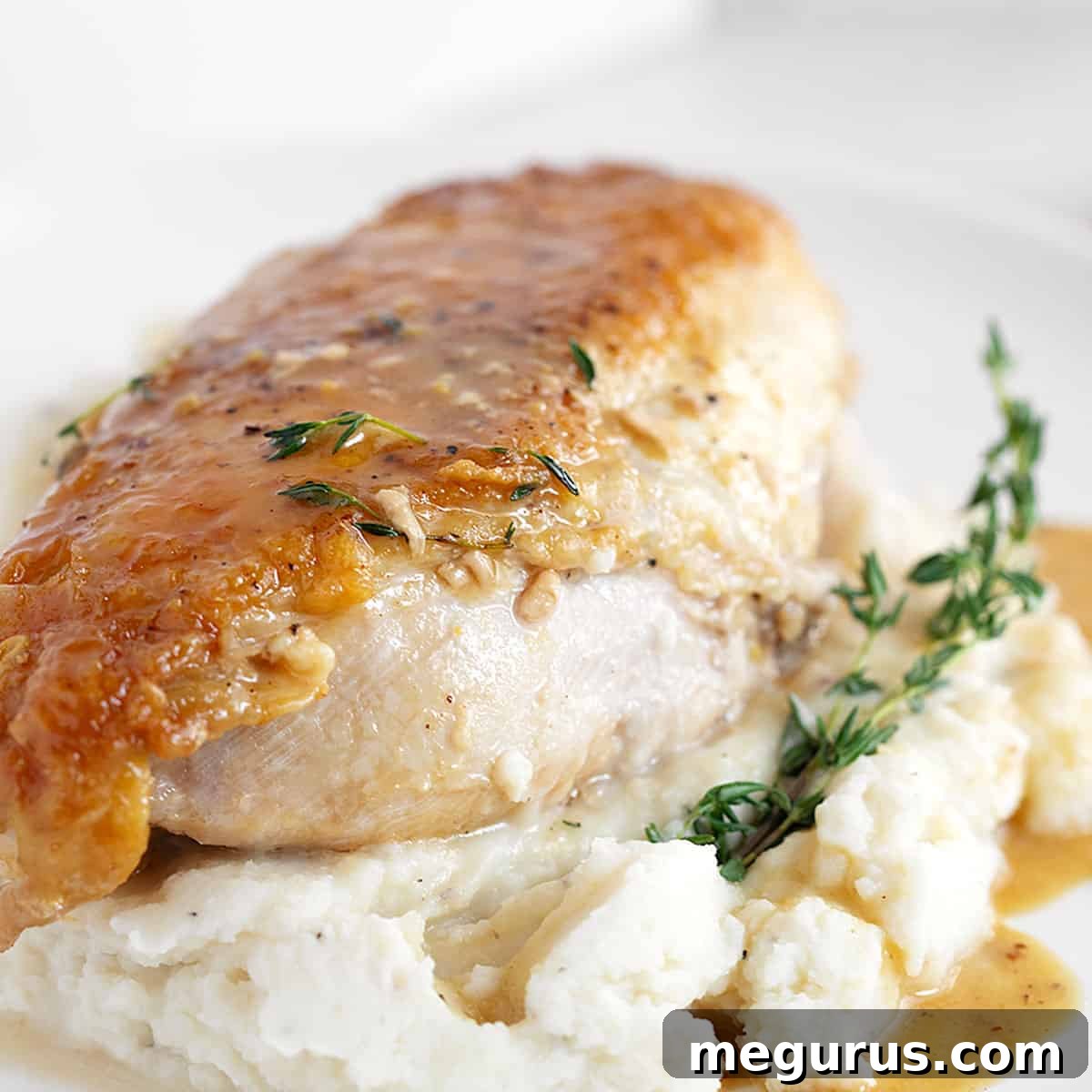
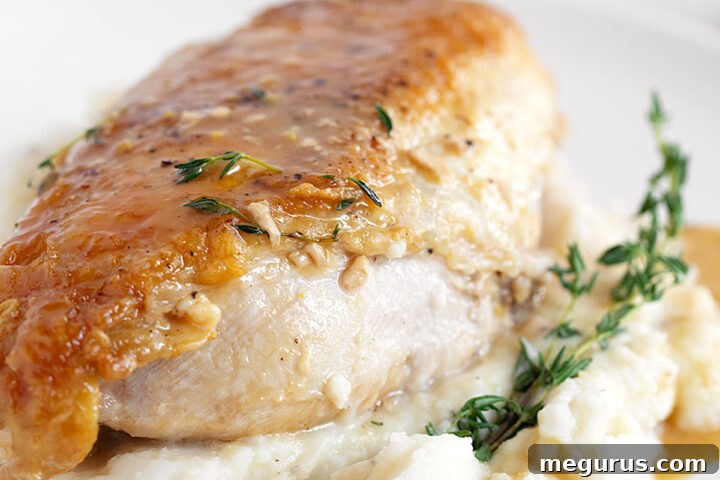
Prepare to elevate your weeknight dinner with a dish that effortlessly combines elegance and ease: this exquisite Maple Mustard Chicken. It’s the kind of meal that feels like it came straight from a gourmet restaurant, yet it’s surprisingly simple to prepare in your own kitchen. The star of this culinary show is the boneless, skin-on chicken breast – a truly remarkable cut that delivers the best of both worlds. You get the convenience of no bones to contend with, paired with all the incredible benefits of the skin-on: a stunning presentation, an extra layer of flavor, and, most importantly, exceptionally moist and tender chicken breasts every single time.
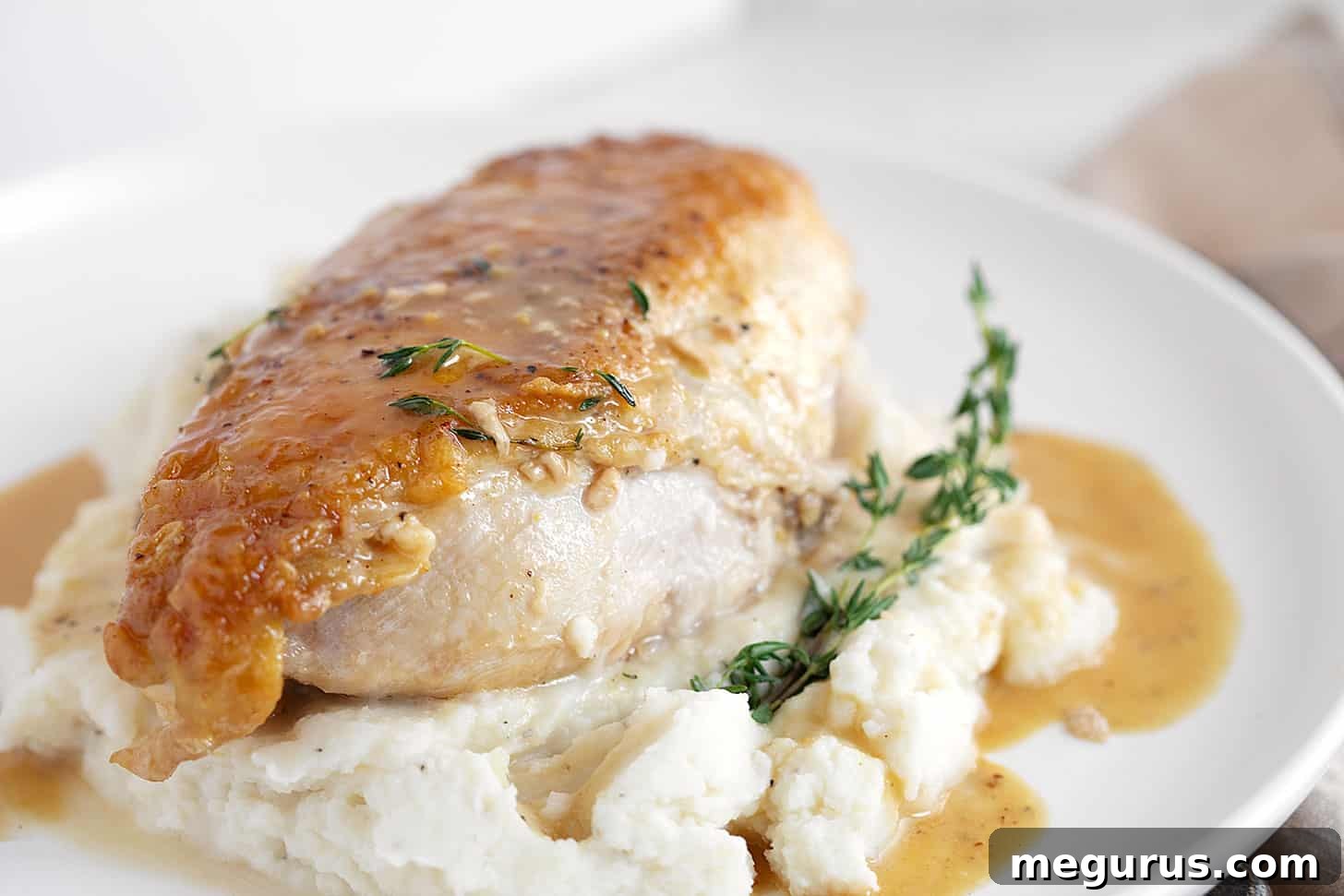
While this ideal cut of chicken – boneless with the skin still attached – can sometimes be a bit elusive, it’s well worth the effort to seek out. Your local butcher shop is often the best place to find these gems. Don’t hesitate to ask your butcher; they can usually prepare them for you if not readily available. If you’re fortunate enough to find them, consider stocking up and freezing a few portions. Having them on hand makes whipping up this impressive meal even quicker!
Should boneless, skin-on chicken prove tricky to locate, don’t despair. If your grocery store offers bone-in, skin-on chicken breasts, you can easily remove the bone yourself with a sharp knife and a bit of care. It’s a skill that pays off, giving you precisely the cut you need. And if all other options are exhausted, a boneless and skinless chicken breast will certainly work, though you’ll want to be extra vigilant to prevent overcooking, as it lacks the protective, moisturizing layer of skin.
Unveiling the Flavor: Key Ingredients & Smart Substitutions for Maple Mustard Chicken
The magic of this Maple Mustard Chicken lies in the harmonious blend of a few high-quality ingredients. Each component plays a crucial role in creating the dish’s distinct sweet, savory, and tangy profile. Here’s a closer look at what you’ll need and how you can adapt if necessary:
- Boneless, Skin-On Chicken Breast: As highlighted, this is the preferred cut. The skin renders beautifully, creating a crispy, golden exterior while basting the meat, locking in moisture and flavor. Most specialty butcher shops or even the meat counter at larger supermarkets can provide this.
- Alternative Chicken Cuts:
- Bone-in, Skin-on Chicken Breast: If this is what’s available, simply use a sharp paring knife to carefully remove the bone. Start by finding the breastbone, then cut along both sides, using the bone as a guide.
- Boneless, Skinless Chicken Breast: While it will lack the crispy skin and some of the inherent moisture, boneless, skinless chicken breast can still be used. Be sure to sear it well to develop some color and keep a close eye on the cooking time to avoid dryness. Pounding it slightly to an even thickness can also help it cook more uniformly.
- Chicken Thighs (Skin-on, Boneless): For those who prefer dark meat, boneless, skin-on chicken thighs are an excellent substitute. They are naturally more forgiving and will remain incredibly moist. Adjust cooking times as needed, ensuring they reach an internal temperature of 175-180°F for optimal tenderness.
- Pure Maple Syrup: This is where the dish gets its signature sweetness and a hint of earthy depth. For the best flavor, use only pure maple syrup, not pancake syrup or artificial substitutes. I personally love Grade A Dark (formerly Grade B) or Amber Rich for their robust, complex notes that stand up beautifully to the mustard and vinegar. Their deeper caramel tones truly enhance the glaze.
- Sherry Vinegar: This ingredient adds a delightful tang and subtle nuttiness that balances the sweetness of the maple syrup. Its nuanced flavor is distinct, but it can sometimes be hard to locate. Check the gourmet or international aisle of your grocery store.
- Sherry Vinegar Substitutions: If sherry vinegar is unavailable, several alternatives will work well:
- Rice Wine Vinegar: Offers a milder, slightly sweeter acidity.
- Champagne Vinegar: Provides a delicate, crisp tang.
- White Wine Vinegar: A readily available option that delivers a clean, sharp acidity.
- Apple Cider Vinegar: If you enjoy a fruitier, bolder tang, this can be a good choice, but use slightly less as it can be quite assertive.
The key is to use a good quality vinegar that provides a bright, acidic counterpoint to the rich maple and mustard.
- Dijon Mustard: Essential for its pungent, sharp, and creamy texture, Dijon mustard is the perfect partner to maple syrup. Opt for a smooth Dijon, not the whole-grain variety, to ensure a silky-smooth glaze that coats the chicken beautifully. The emulsifying properties of Dijon also help to thicken the pan sauce.
- Chicken Broth: This forms the base of our savory pan sauce, deglazing the pan and picking up all those delicious browned bits (fond) from the chicken. Use a low-sodium chicken broth or stock to control the saltiness of the final dish.
- Fresh Thyme Leaves: A sprinkle of fresh thyme adds an aromatic, earthy note that complements the chicken and glaze. If fresh isn’t available, a small pinch of dried thyme will also work.
- Olive Oil, Salt, and Pepper: Standard pantry staples for searing and seasoning. Extra-virgin olive oil is ideal for its flavor, but any high-smoke-point oil can be used for searing the chicken.
Mastering the Maple Mustard Chicken: A Step-by-Step Guide
Crafting this restaurant-quality Maple Mustard Chicken is a straightforward process, broken down into a few key steps that ensure maximum flavor and perfectly cooked chicken. The beauty of this recipe lies in its efficiency, moving from stovetop to oven and back again, building layers of savory goodness.
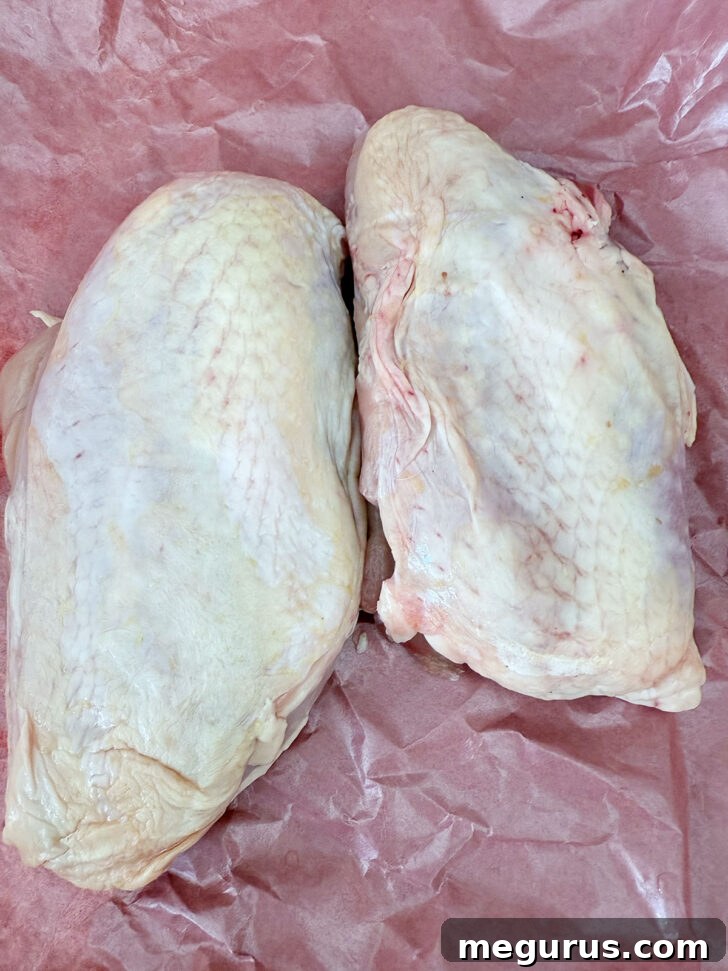
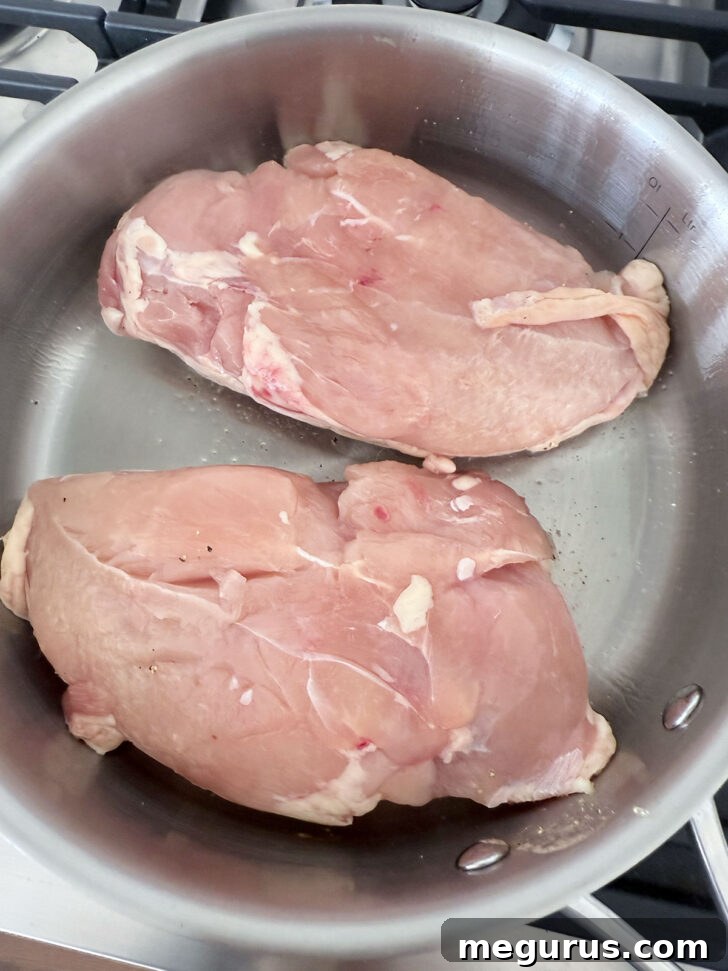
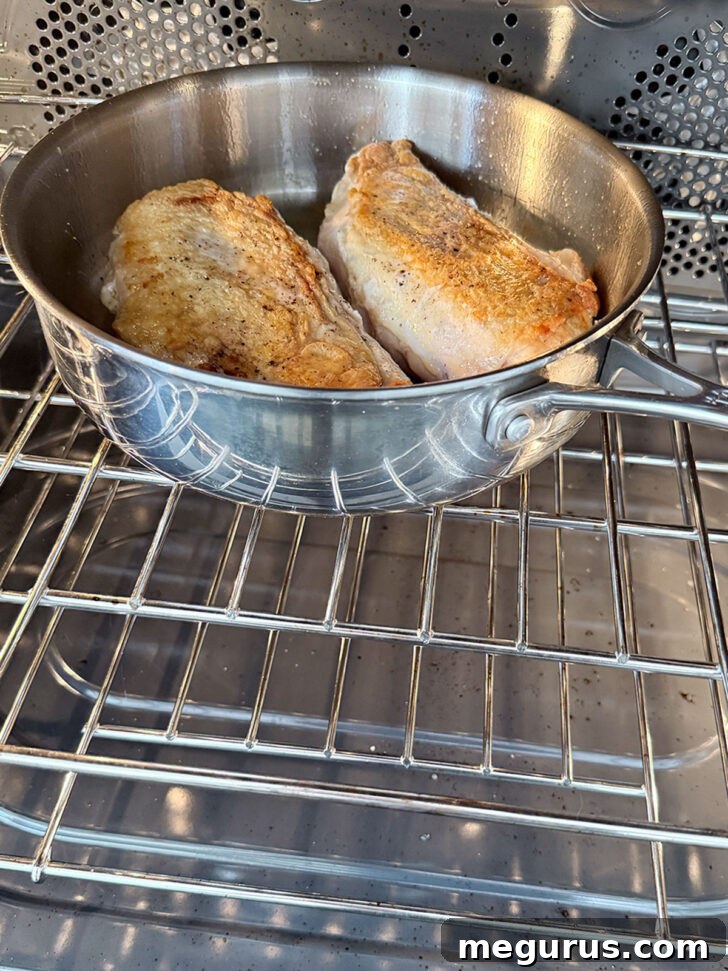
- Prepare Your Chicken: Start with two large or four smaller boneless, skin-on chicken breasts. Pat them thoroughly dry with paper towels – this is crucial for achieving crispy skin. Season both sides generously with salt and freshly ground black pepper. Remember, proper seasoning is key to flavor development.
- Preheat and Sear: Preheat your oven to 450°F (230°C). Place an oven-safe skillet – ideally a stainless steel or cast-iron pan for the best browning – over medium-high heat. Add the olive oil and allow it to shimmer. Carefully place the chicken breasts, skin-side down, into the hot skillet. Cook undisturbed for about 3-5 minutes, or until the skin turns a gorgeous, crispy golden-brown. Resist the urge to move them too early; a good sear builds incredible flavor and texture.
- Oven Finish: Once the skin is beautifully browned, flip the chicken breasts so they are skin-side up. Transfer the entire skillet to your preheated oven. Continue cooking for another 15-20 minutes, or until the internal temperature reaches approximately 160°F (71°C) when measured with an instant-read thermometer. The chicken will continue to cook slightly as it rests and during the glazing step.
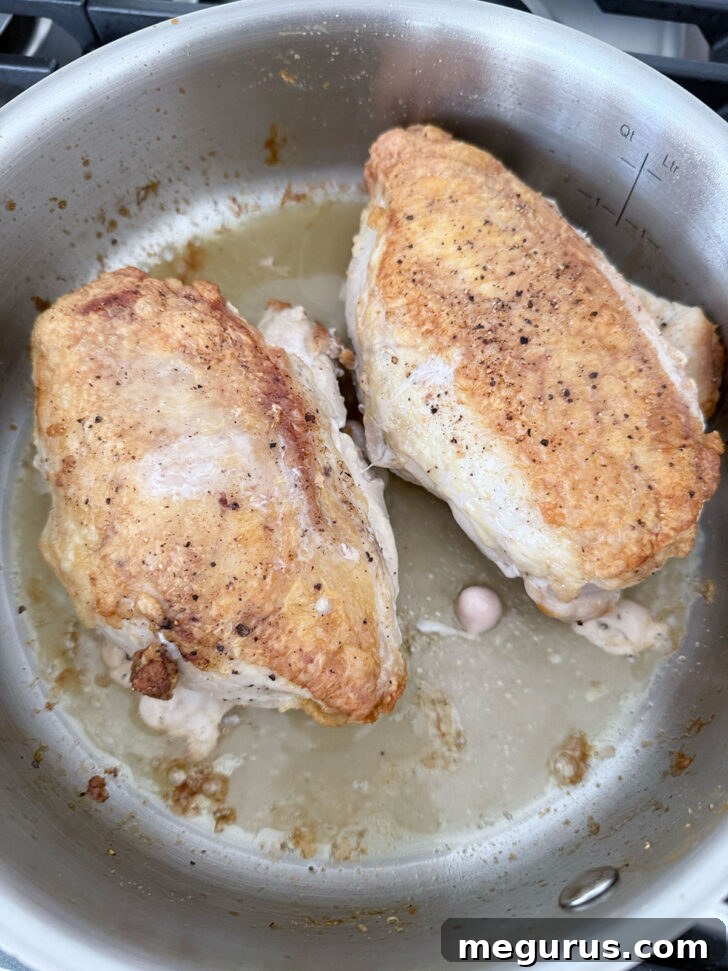
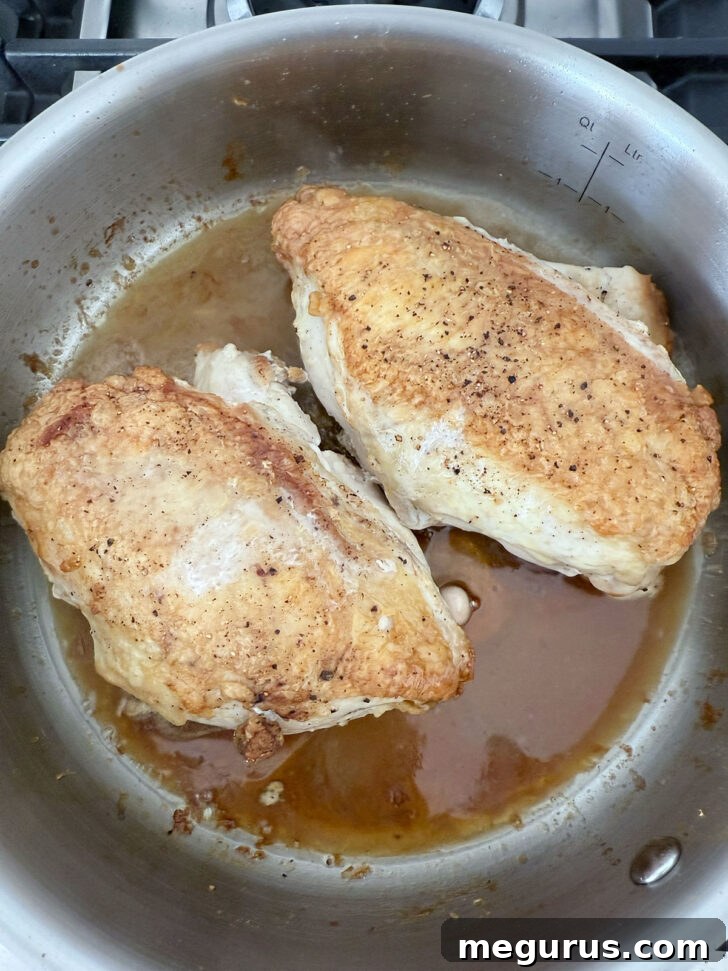
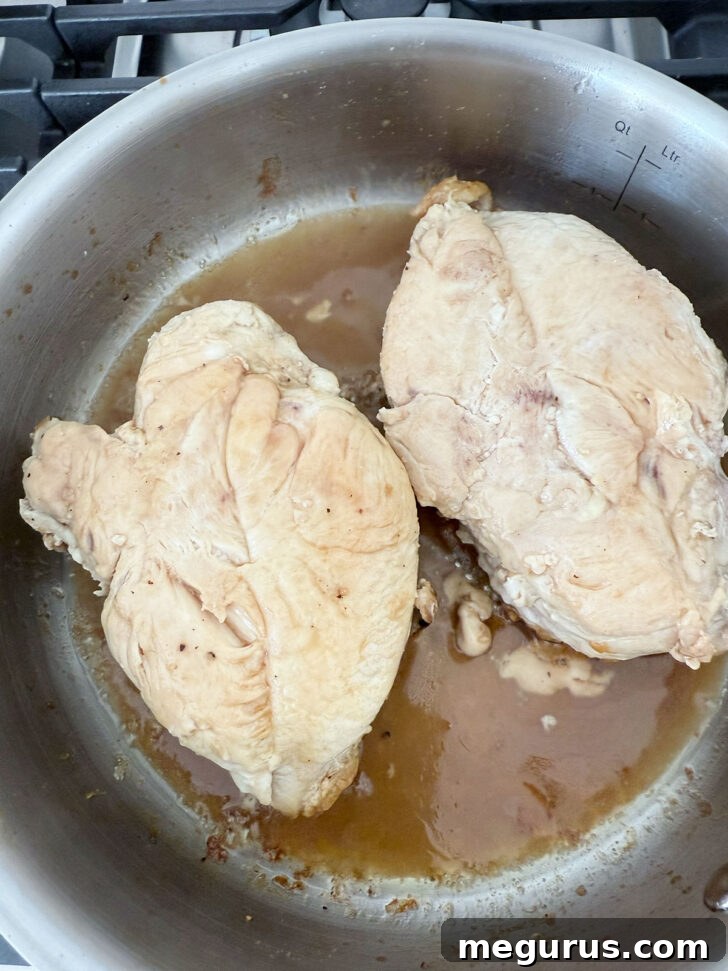
- Glazing the Chicken: Carefully remove the hot skillet from the oven and return it to the stovetop burner over medium-high heat. (Caution: The handle will be extremely hot!) Add the pure maple syrup and sherry vinegar to the pan. Bring the liquid to a gentle boil, stirring constantly to combine with any pan drippings. Once simmering, flip the chicken breasts skin-side down into the glaze. Cook for about 30 seconds to 1 minute, allowing the skin to absorb the delicious maple-mustard flavors and become beautifully lacquered.
- Rest the Chicken: Transfer the glazed chicken breasts to a clean plate, skin-side up, and allow them to rest. This resting period is vital, as it allows the juices to redistribute throughout the meat, ensuring a tender and moist final product. While the chicken rests, you’ll prepare the simple pan sauce.
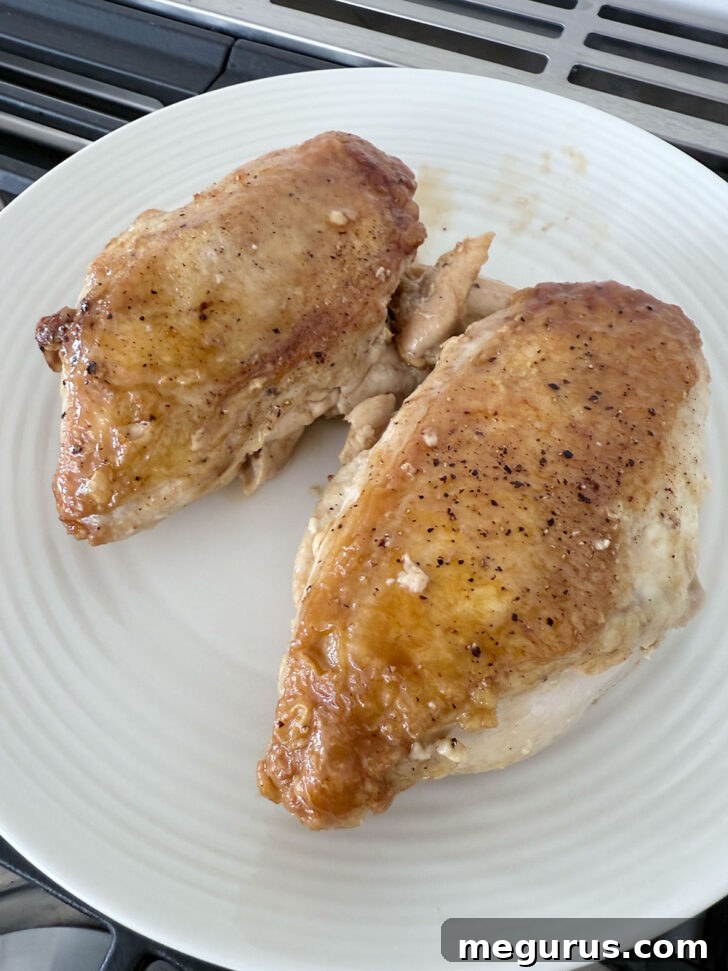
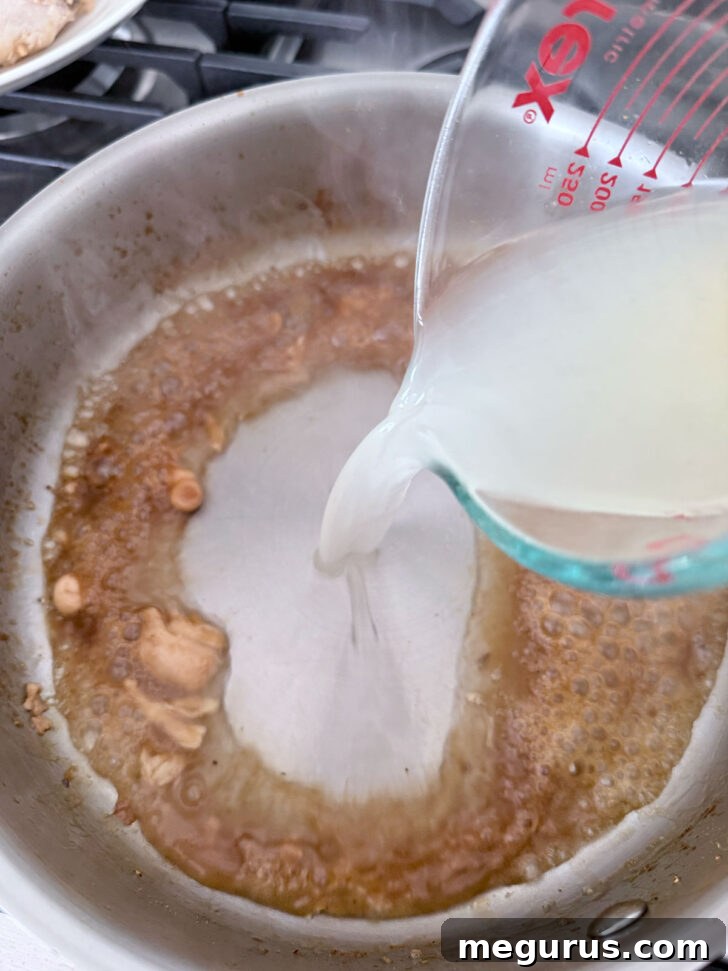
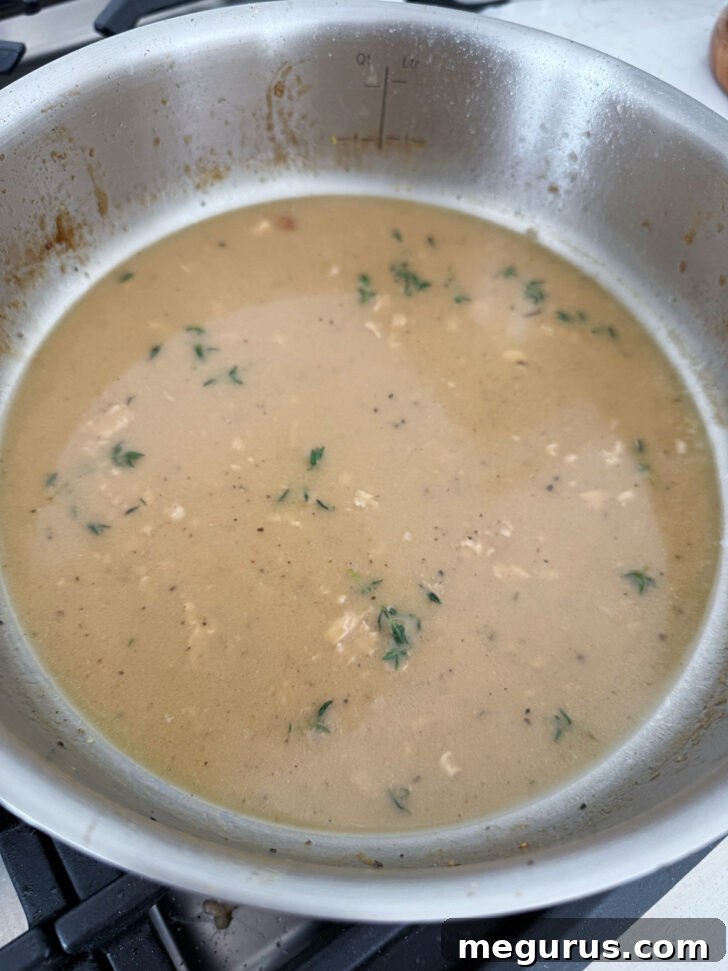
- Crafting the Pan Sauce: Return the skillet to the stovetop (still over medium-high heat). Add the chicken broth to the pan. Immediately begin scraping up all those delicious browned bits (fond) from the bottom of the pan with a wooden spoon or spatula. This is where a huge amount of flavor resides! Bring the liquid to a vigorous boil and reduce it by about one-third, allowing the sauce to thicken slightly.
- Finish and Season the Sauce: Stir in the Dijon mustard and fresh thyme leaves. Season the sauce to taste with additional salt and freshly ground pepper. If you prefer a smoother sauce, you can strain it through a fine-mesh sieve at this stage, though the little bits of chicken and herbs add wonderful texture.
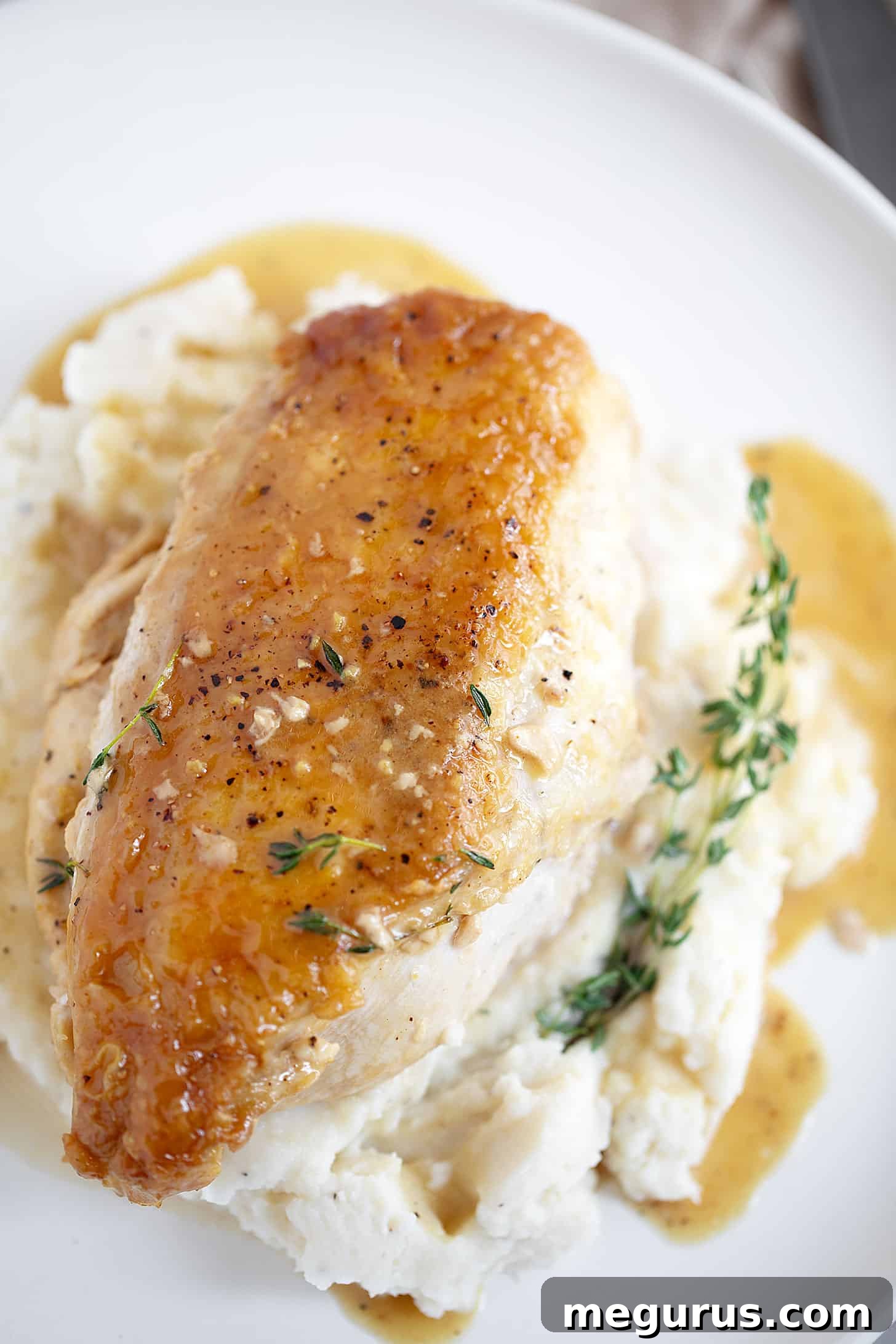
- Serve and Enjoy: Arrange the chicken breasts on plates, ideally over a generous mound of creamy mashed potatoes or your preferred side. Spoon the warm, savory pan sauce generously over the chicken and potatoes. Garnish with a fresh sprig of thyme if desired, and prepare for rave reviews!
Pro Tips for Perfect Maple Mustard Chicken Every Time
- Source Smartly: If you make a special trip to find boneless, skin-on chicken breasts, consider buying a few extra. They freeze exceptionally well and are a fantastic protein to have on hand for quick, gourmet-level meals.
- Portion Control: Butcher-cut chicken breasts can often be quite large. Keep in mind that one large breast might easily serve two people, making this dish more economical than it might initially appear. Adjust your purchase quantities accordingly.
- Crispy Skin Secrets: To ensure the crispiest skin, always pat the chicken breasts thoroughly dry with paper towels before seasoning and searing. Moisture is the enemy of crispiness. A hot skillet and cooking skin-side down without disturbance are also critical steps.
- Don’t Overcrowd the Pan: If cooking more than two large chicken breasts, you might need to work in batches. Overcrowding the pan lowers the temperature and steams the chicken instead of searing it, preventing that coveted golden-brown crust.
- Internal Temperature is Key: For perfectly cooked, juicy chicken, use an instant-read thermometer. Chicken breasts are done when they reach an internal temperature of 165°F (74°C). Pulling them off the heat a few degrees shy (around 160°F or 71°C) is a good strategy, as the temperature will rise slightly as the chicken rests.
- Smooth Sauce, if Desired: If you find the pan sauce has too many small chicken bits for your preference, you can strain it through a fine-mesh sieve after deglazing and before adding the thyme leaves and final seasoning.
- Serving Suggestions Beyond Potatoes: While mashed potatoes are a classic pairing for soaking up the delicious pan sauce, this chicken is incredibly versatile. Consider serving it with roasted asparagus, green beans, steamed broccoli, fluffy rice, quinoa, or even a simple side salad for a lighter meal.
- Deglazing for Flavor: Don’t skip the deglazing step! Those browned bits stuck to the bottom of your skillet (fond) are packed with concentrated flavor. Scraping them up with the chicken broth forms the rich foundation of your pan sauce.
- Non-Stick Skillet Caution: If using a non-stick skillet, ensure it is rated for oven temperatures up to 450°F. Many are not. If yours isn’t, simply transfer the seared chicken to a rimmed baking sheet before placing it in the oven.
Get the Recipe:
Maple Mustard Chicken Breasts
Pin This
15 minutes
25 minutes
40 minutes
4
servings
Ingredients
-
1
Tablespoon
extra-virgin olive oil -
1 1/2
lb
boneless, SKIN-ON chicken breasts,
4 small or 2 large breasts -
salt and freshly ground pepper -
2
Tablespoons
pure maple syrup -
1
Tablespoon
sherry vinegar,
or rice wine vinegar, champagne vinegar or white wine vinegar. -
1/2
cup
chicken broth -
2
Tablespoons
Dijon mustard -
1/2
teaspoon
fresh thyme leaves,
or a pinch of dried thyme leaves -
salt and freshly ground pepper ,
to taste
Instructions
-
Tip! A stainless steel or cast-iron skillet is perfect for this dish as it browns nicely, makes lots of flavorful browned bits, and goes perfectly from stove-top to oven. Be careful with non-stick skillets as they may not be rated for a 450F oven. If you don’t have an oven-safe skillet, you can transfer the chicken to a rimmed baking sheet instead.
-
Preheat the oven to 450°F (non-convection/not fan-assisted).
-
Add the olive oil to an oven-safe skillet (stainless steel or cast-iron skillets work well) and heat until shimmering over medium-high heat. Season the chicken with salt and pepper and add it to the skillet skin side down. Cook over medium-high heat until the skin is nicely browned, about 3 minutes. Flip the chicken so it is skin-side up and transfer the skillet with the chicken to the preheated oven until just cooked through, about 15-20 minutes (depending on size). The chicken should register about 160F internal temperature.
-
Tip! Consider doubling the gravy if you like lots of sauce for potatoes.
-
Return the skillet with the chicken to the stovetop burner (**Careful! The handle is hot!!!). Add the maple syrup and vinegar to the skillet and bring to a boil over medium-high heat. Flip the chicken skin side down and cook about 30 seconds or until the skin is nicely glazed. Transfer the chicken to a plate to rest, skin side up.
-
Tip! If you have a lot of chicken bits in your gravy, you can pour it through a sieve before adding the thyme leaves if you like.
-
Add the chicken broth to the skillet and boil over medium-high heat until it is reduced by one-third, scraping up any browned bits from the bottom of the pan. Stir in the mustard, thyme leaves and season with salt and pepper.
-
Serve the chicken with the pan sauce spooned over the top. I like to place the chicken on top of mashed potatoes.
Notes
Tips!
The chicken breasts I got from the butcher were huge! You could easily get two servings from one breast, so while they may seem a bit more expensive, they are less so if each one is two servings.
Serve the chicken and gravy over a mound of plain or garlic mashed potatoes. Add a green vegetable on the side for a lovely chicken dinner.
Be sure to read the notes above this recipe card for substitution suggestions and step-by-step photos that you might find helpful.
American, Canadian
Main Course
Jennifer Maloney
Serving:
1
serving
,
Calories:
361
kcal
,
Carbohydrates:
8
g
,
Protein:
36
g
,
Fat:
20
g
,
Saturated Fat:
5
g
,
Polyunsaturated Fat:
4
g
,
Monounsaturated Fat:
9
g
,
Trans Fat:
0.2
g
,
Cholesterol:
109
mg
,
Sodium:
200
mg
,
Potassium:
436
mg
,
Fiber:
0.4
g
,
Sugar:
6
g
,
Vitamin A:
158
IU
,
Vitamin C:
0.5
mg
,
Calcium:
37
mg
,
Iron:
2
mg