
The Ultimate Guide to Making the Best Fluffy Cheese Buns
When it comes to baking something truly satisfying, few things hit the spot quite like a warm, fluffy cheese bun. For us, a cheese bun isn’t just a bun with a hint of cheese; it’s a celebration where cheese is undeniably the star of the show. If you believe, like we do, that there’s no such thing as too much cheese, then you’ve come to the right place. Get ready to bake a batch of homemade cheese buns that are so rich, so tender, and so packed with flavor, they’ll become an instant favorite in your household.

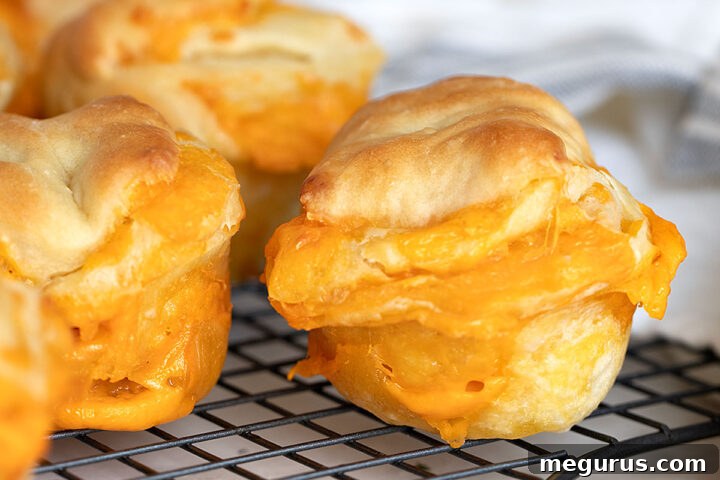
These cheese buns are designed for maximum indulgence: they are exceptionally cheesy, perfectly buttery, and fabulously delicious with every single bite. Their unique preparation ensures a light, airy texture complemented by a deep, savory cheese flavor that’s simply unmatched. They are perfect for a hearty breakfast, a delightful snack, or as a comforting side to any meal.
Why Our Cheese Buns Stand Out
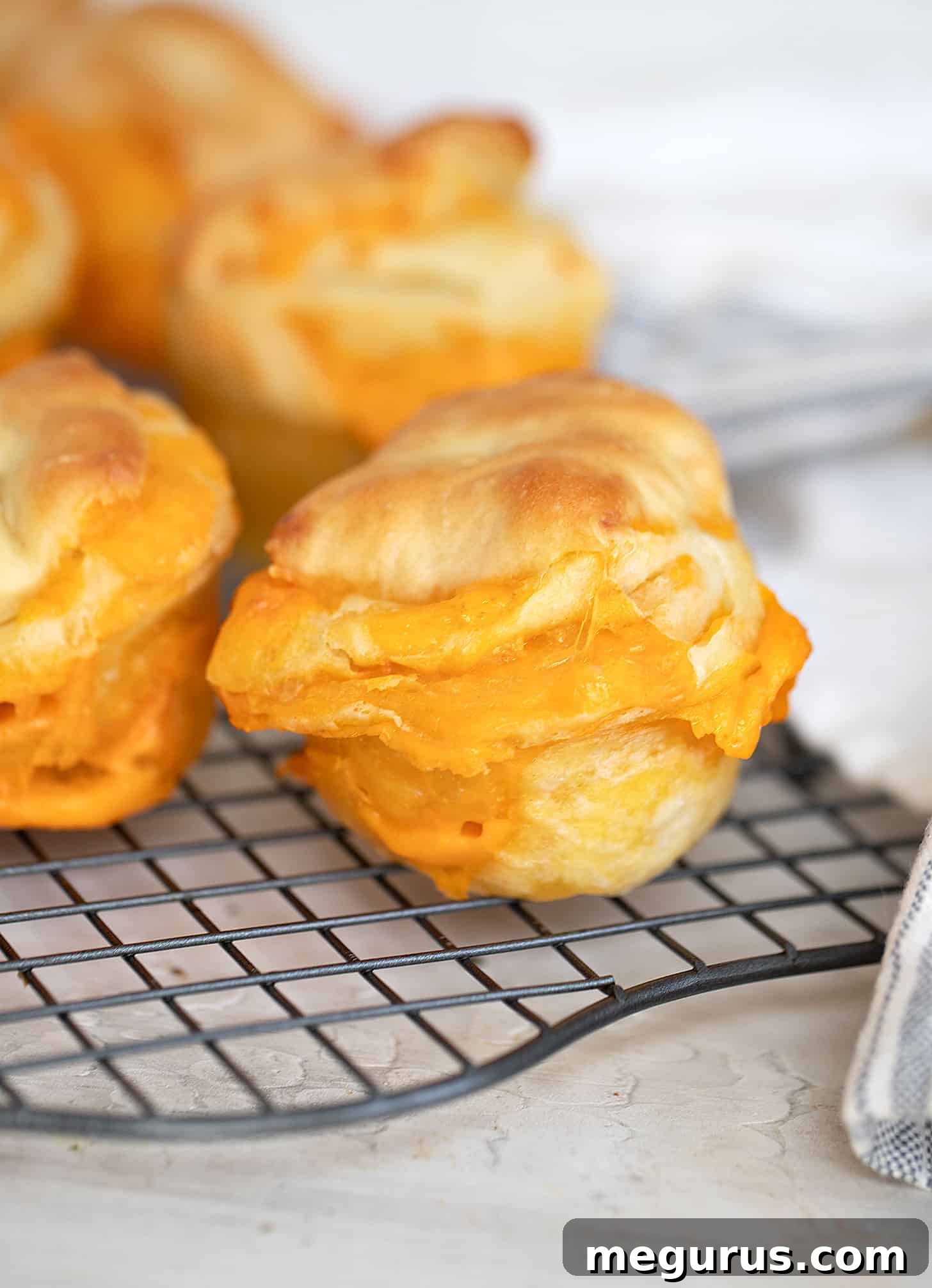
- Unrivaled Fluffy Layers: Our special technique of folding the cheese-layered dough creates magnificent, airy layers. This isn’t just about aesthetics; these layers are designed to be pulled apart, revealing pockets of molten cheese and offering an incredibly satisfying eating experience. Each bite delivers a perfect balance of soft bread and rich cheese.
- Perfect Balance of Flavor and Texture: These cheese buns strike the ideal balance with the perfect amount of cheese and butter. This thoughtful ratio ensures a rich, robust flavor profile without ever becoming overly greasy. The dough remains tender and moist, while the cheese provides a delightful savory depth.
- Enhanced Cheese Aroma Without Excess Oil: We take cheese flavor seriously. The addition of a touch of quality cheese powder boosts the overall cheesy essence without necessitating more shredded cheese. This innovative step amplifies the savory notes, allowing you to enjoy an even more profound cheese experience while keeping the buns light and preventing them from becoming oily.
Essential Ingredients and Smart Substitutions for Perfect Cheese Buns
Crafting the perfect cheese bun starts with selecting the right ingredients. Here’s a closer look at what you’ll need and how to make smart substitutions.
Yeast
For these delectable buns, you have the flexibility to use either Active Dry Yeast or Instant Yeast. If using active dry yeast, remember to activate it first by dissolving it in lukewarm water with a pinch of sugar until foamy, typically for 5-10 minutes. Instant yeast can often be mixed directly with the dry ingredients, but proofing it ensures its potency. Ensure your water is at the correct lukewarm temperature (around 105°F / 40°C) to properly activate the yeast without killing it.
Cheese: The Heart of the Bun
It’s challenging to surpass the classic, sharp flavor of cheddar cheese in cheese buns, but don’t hesitate to experiment with your favorites! An “Old” yellow cheddar will yield the most pronounced and complex cheese flavor, making your buns truly shine. There’s no need for gourmet, expensive cheese here; a good quality block of supermarket cheddar is perfectly adequate. For the best texture and melt, we highly recommend avoiding pre-grated cheese. Pre-shredded varieties often contain anti-caking agents that can hinder melting and affect the overall texture. Grating the cheese yourself ensures a fresher flavor and a superior melt.
Other fantastic cheese options include Monterey Jack for its mild creaminess, mozzarella for an extra stretchy pull, or even a blend of cheddar with a touch of Gruyère for a nutty, sophisticated twist. Feel free to mix and match to find your signature flavor!
Extra Cheese Flavour: A Secret Weapon
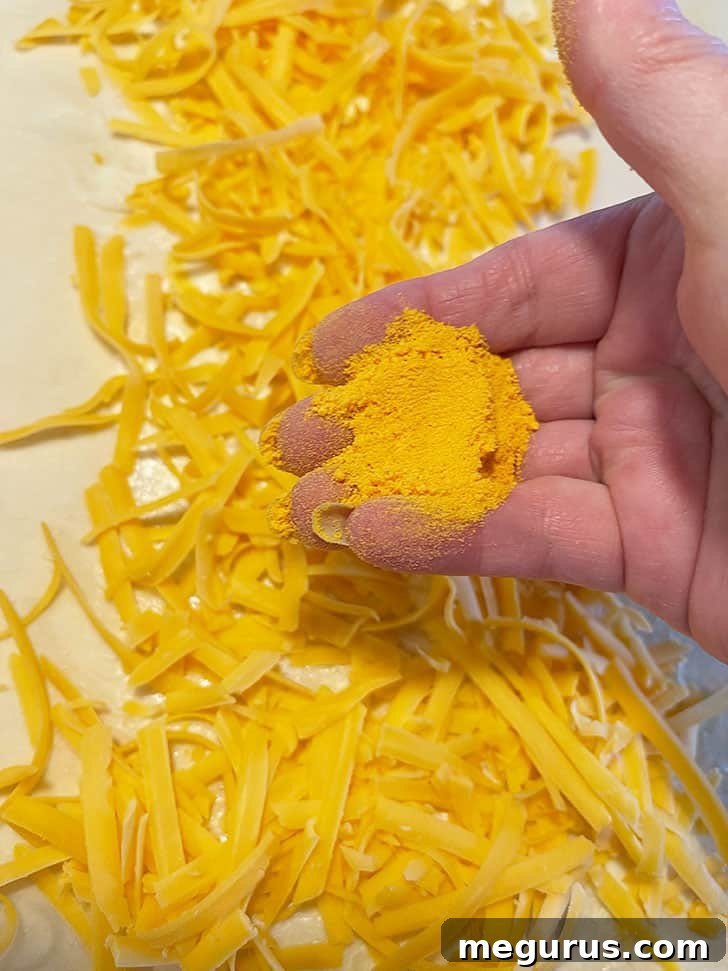
Since we believe there’s truly no such thing as “too much” cheese flavor, these buns go an extra step with the clever addition of powdered cheese. Cheddar cheese powder is surprisingly easy to find at bulk food stores, specialty spice shops, or even online. In Canada, stores like Bulk Barn often carry it. You can also repurpose the powdered cheese packet from a box of Kraft Dinner (or similar mac and cheese brands) – the “KD Shaker” cheese powder works wonderfully!
If cheddar cheese powder isn’t readily available or you prefer an alternative, a bit of nutritional yeast is a fantastic vegetarian option known for imparting a savory, cheesy depth. Another excellent substitute is finely grated Parmesan cheese, which adds a salty, umami kick that complements the cheddar beautifully. This additional layer of cheesy flavor ensures that every part of the bun delivers that satisfying savory note without making the buns oily from excess shredded cheese.
Butter
We recommend using unsalted butter. This gives you precise control over the salt content in your dough, preventing the buns from becoming overly salty. If salted butter is all you have on hand, simply reduce the amount of salt added to the dough as indicated in the detailed recipe card below. Ensure your butter is softened to room temperature but not melted, for easy and even spreading during the layering process. Briefly microwaving it in 5-second bursts can achieve the perfect soft consistency.
Top Tip for Baking Success: Embrace Your Kitchen Scale!
For unparalleled accuracy and consistent results in baking, we cannot stress enough the importance of using a kitchen scale. I wholeheartedly recommend relying on the provided weight measures for both the dough ingredients and the cheese and butter. Weighing ingredients eliminates all the guesswork and the notorious inconsistencies that come with volumetric cup measurements. While we have meticulously included equivalent cup and spoon measurements for those without a scale, investing in one is a game-changer for any baker. (Seriously, if you don’t have a kitchen scale yet, what are you waiting for? It will elevate your baking dramatically!)
Mastering the Art of Shaping These Super Cheesy Buns: A Step-by-Step Visual Guide
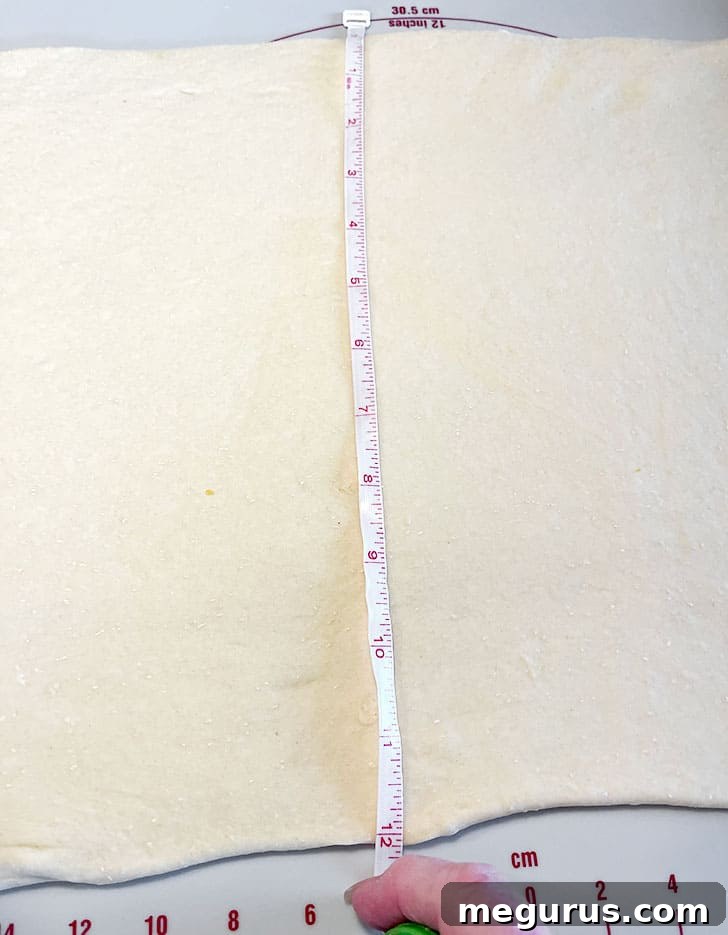
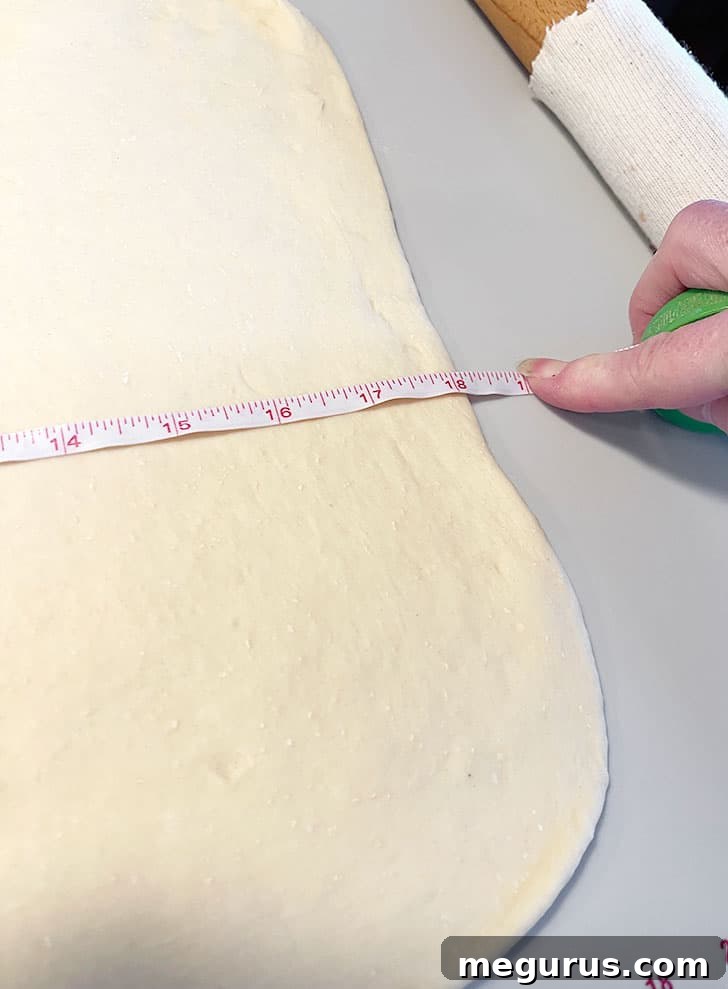
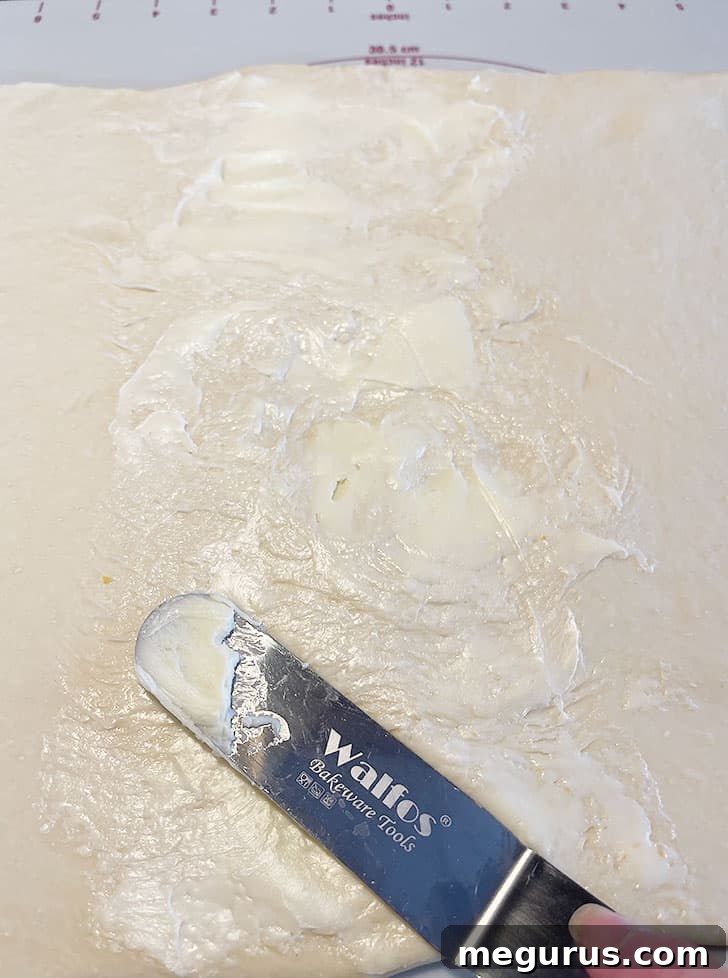
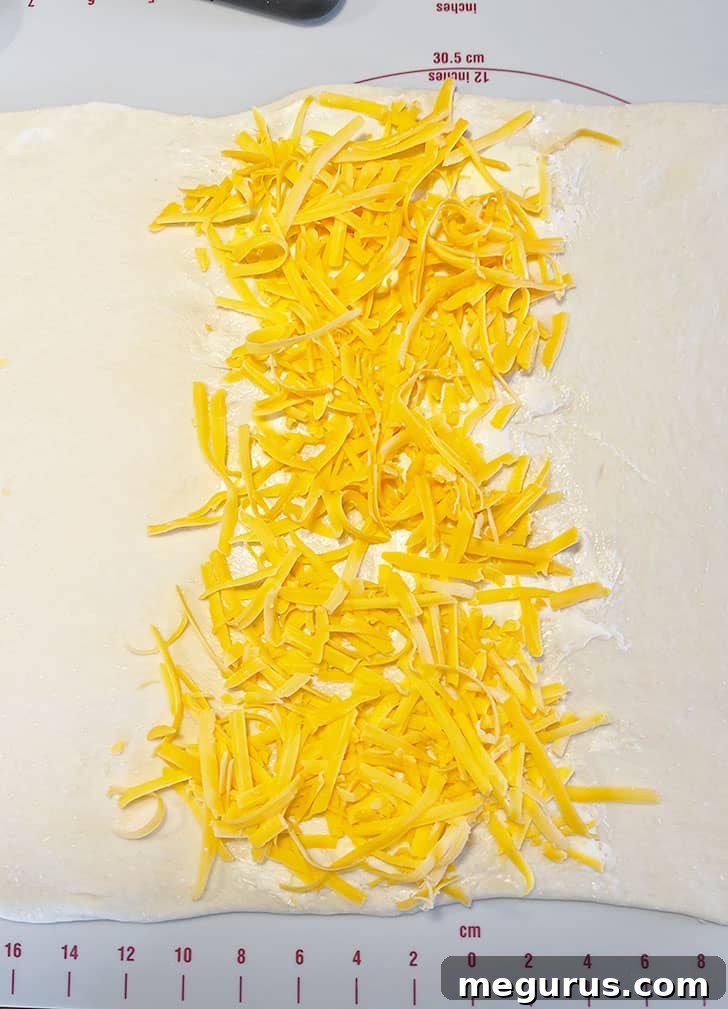
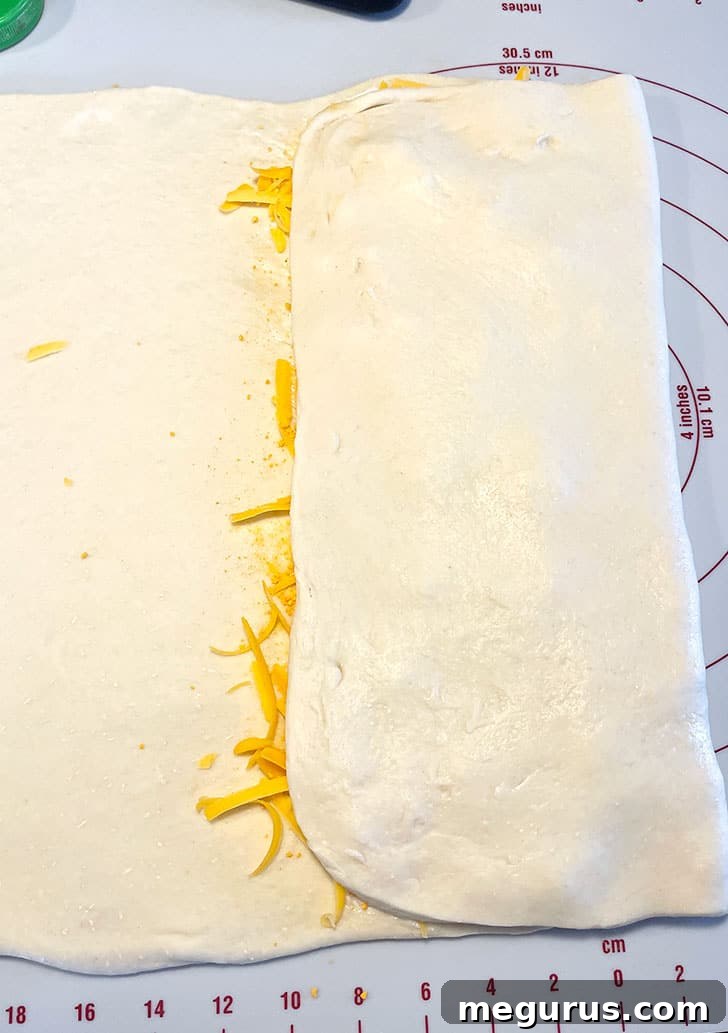
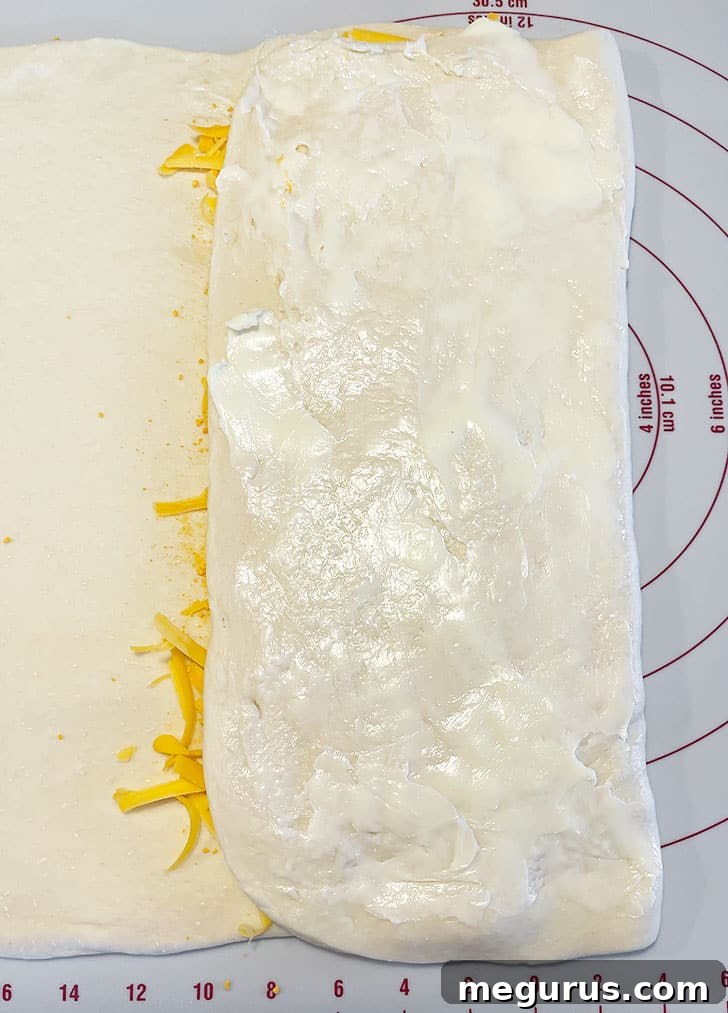
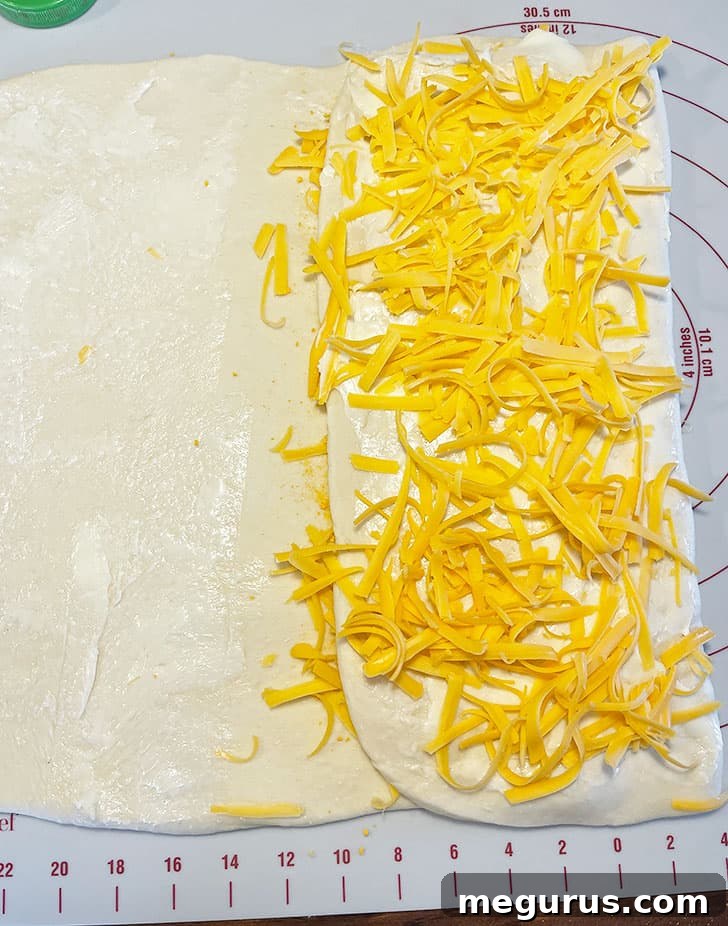
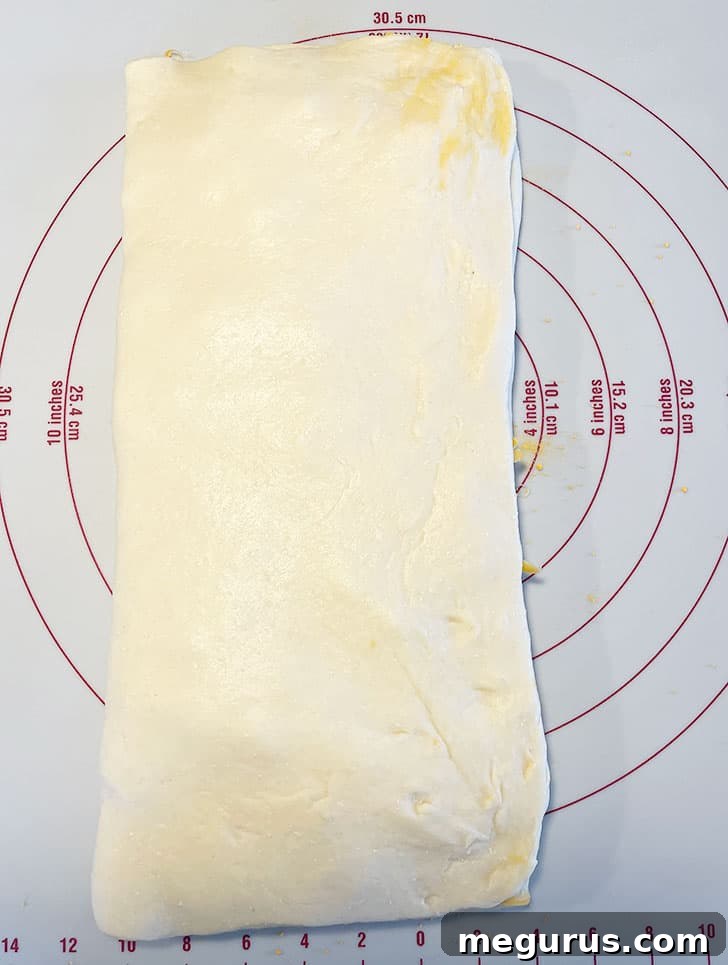
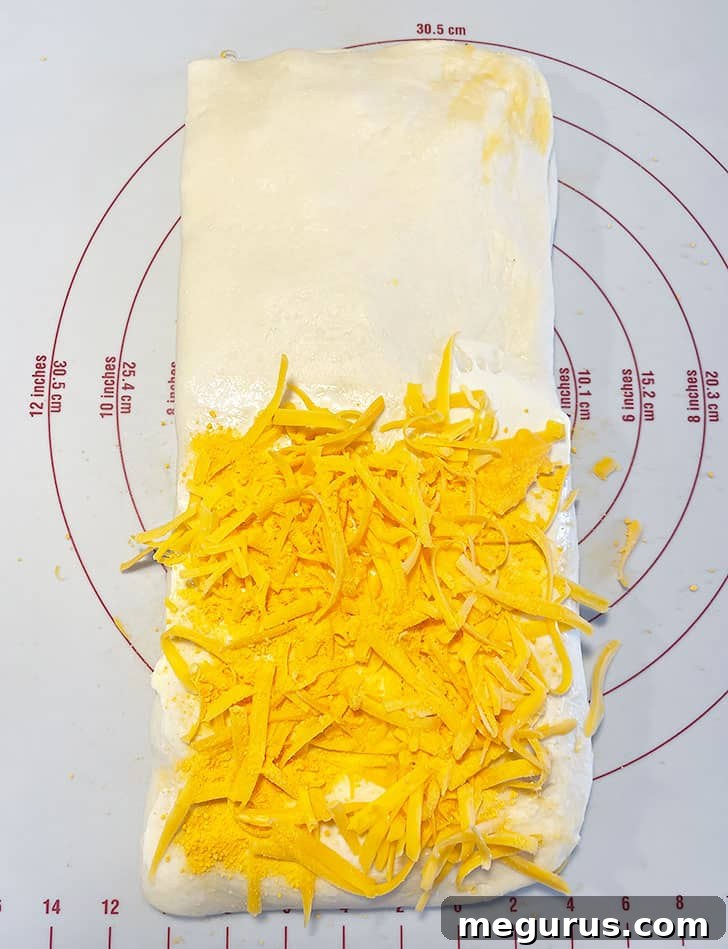
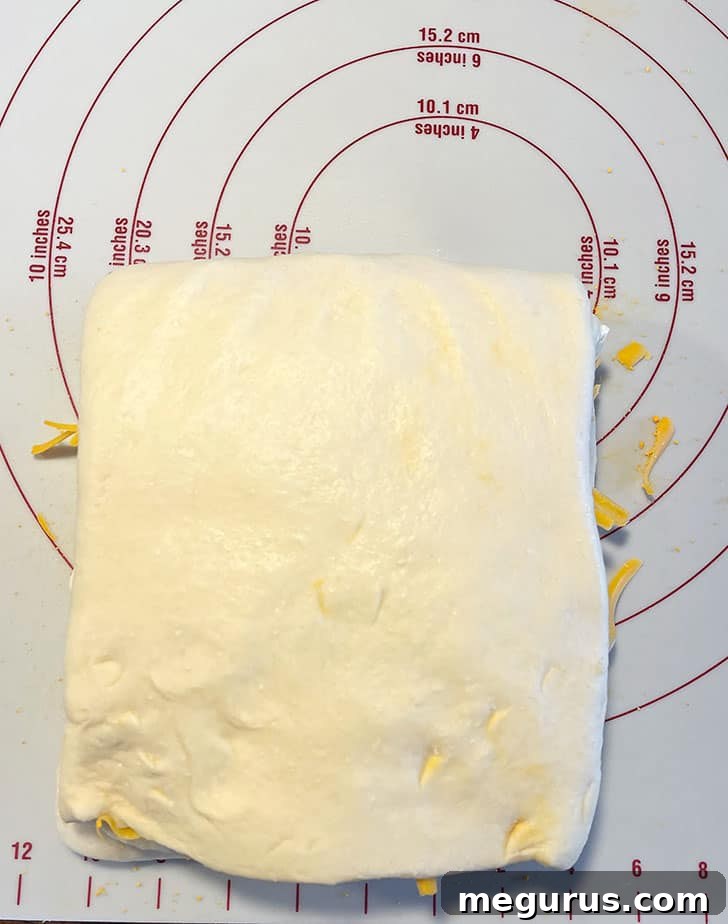
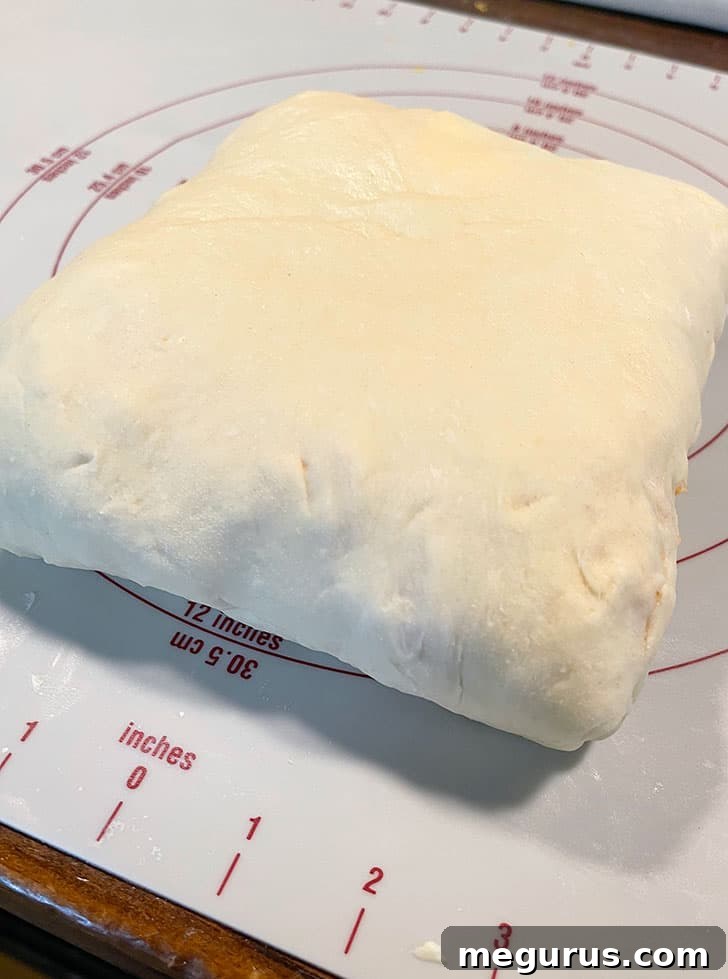
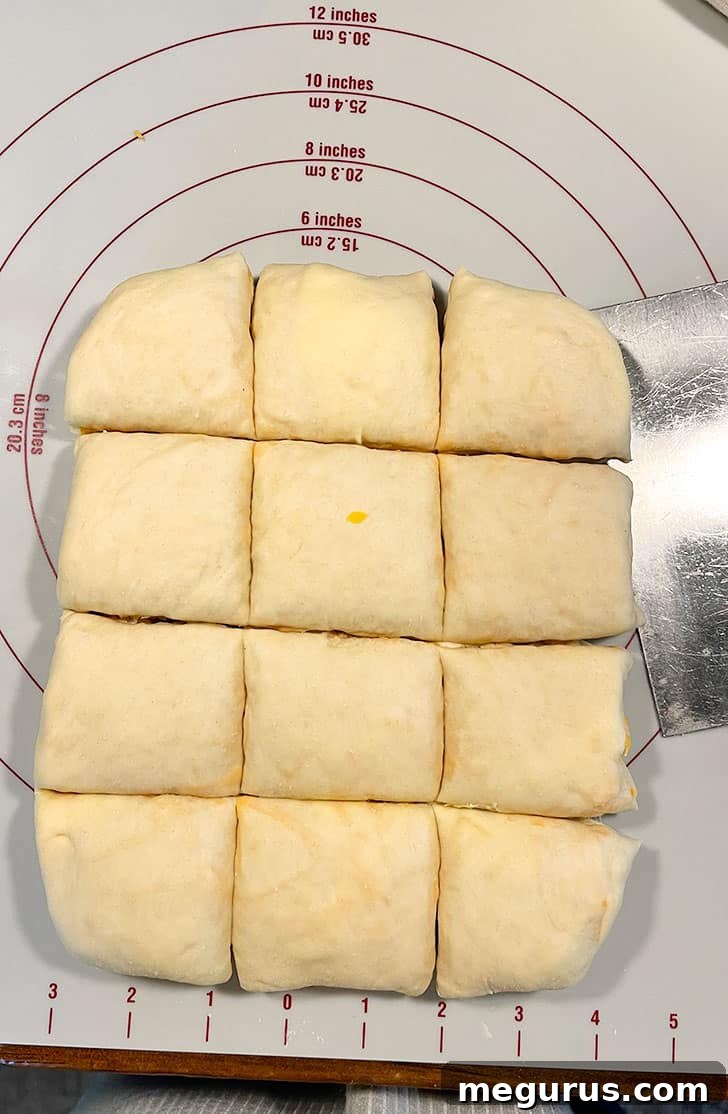
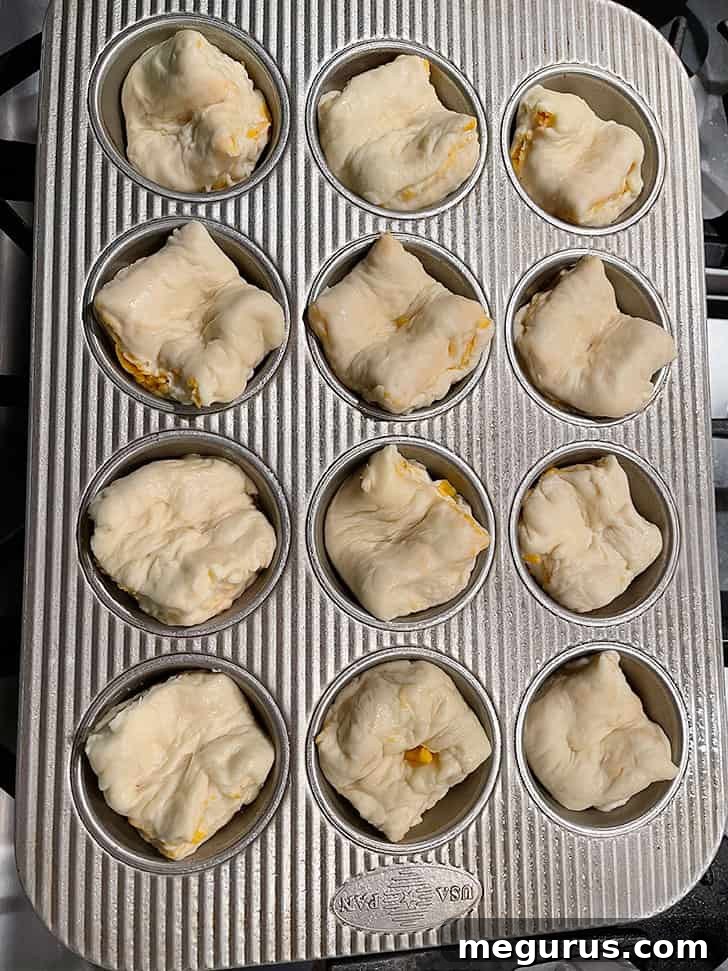
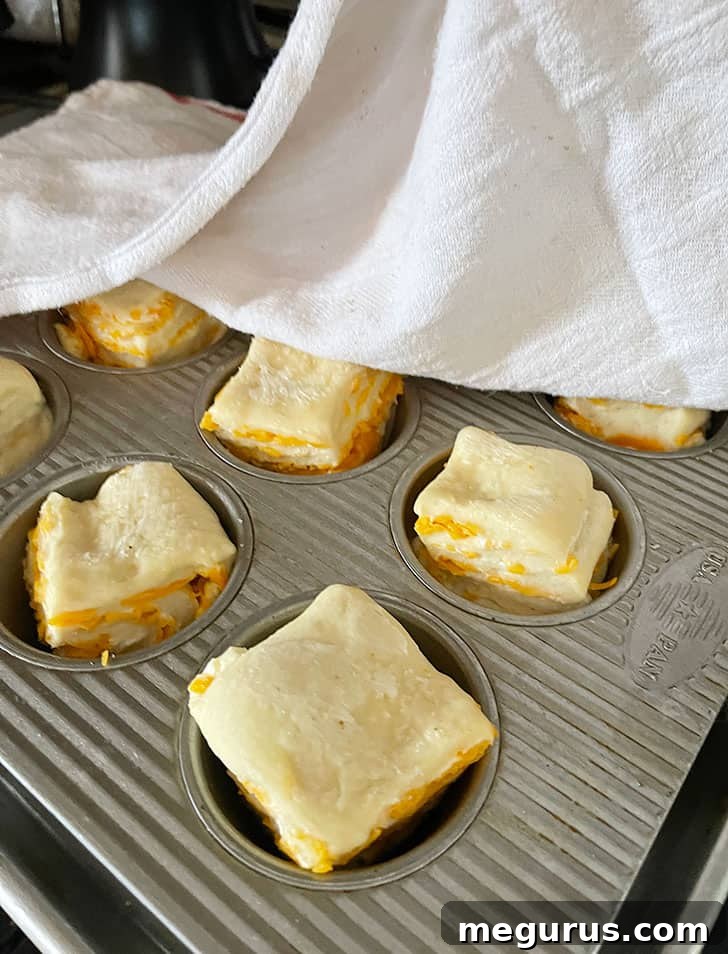
The secret to the incredible pull-apart layers and evenly distributed cheese in these buns lies in the shaping technique. Don’t be intimidated; with our detailed step-by-step photos and instructions, you’ll master it in no time!
Storing, Reheating, and Freezing Your Homemade Cheese Buns
These cheese buns are best enjoyed fresh and warm from the oven, but they also store beautifully for future enjoyment. Proper storage ensures they retain their delicious flavor and fluffy texture.
- Room Temperature Storage: Store cooled buns in an airtight container or a sealed bag at room temperature for up to 2-3 days. This prevents them from drying out and keeps them soft.
- Freezing for Longer Storage: For extended freshness, cheese buns freeze exceptionally well. Once completely cooled, place them in a freezer-safe bag or airtight container, ensuring as much air as possible is removed to prevent freezer burn. They can be frozen for up to 2 months. Thaw at room temperature or reheat directly from frozen.
- Reheating for Freshness: To bring your buns back to their just-baked glory, loosely cover them in aluminum foil and place them on a baking sheet. Pop them into a preheated 350°F (175°C) oven for about 10-15 minutes, or until they are thoroughly warmed through and soft. The foil helps to keep them moist and prevents the tops from over-browning.
Get the Recipe: Fluffy Layered Cheese Buns
Super cheesy, wonderfully buttery, and utterly delicious! These homemade cheese buns are crafted for an irresistible pull-apart experience, ensuring you’ll crave them again and again. Perfect for any time of day!
Prep Time: 30 mins
Cook Time: 25 mins
Rising Time: 2 hrs
Total Time: 2 hrs 55 mins
Yield: 12 buns
Cuisine: American, Canadian
Course: Bread
Author: Jennifer Maloney
Ingredients
For the dough:
- ¾ cup + 2 Tablespoons (200 g) lukewarm water (105°F / 40°C)
- 1 Tablespoon (10 g) white granulated sugar
- 2 ¼ teaspoons (7 g) Dry Active or Instant yeast
- 1 large egg
- 1 ½ Tablespoons (20 g) canola or vegetable oil
- 1 teaspoon (8 g) salt (*reduce to ½ teaspoon if using salted butter)
- 3 ⅓ cups (400 g) all-purpose flour, spooned and leveled
For the Filling:
- 2 cups (150-180 g) old yellow cheddar cheese, shredded
- 2 Tablespoons (10 g) cheddar cheese powder (*see Note 1 below), or ¼ cup grated Parmesan
- ⅓ cup (75 g) unsalted butter, softened but not melted
Instructions
- For best accuracy and consistent results, we highly recommend using a kitchen scale for all ingredient measurements, especially for the dough.
- In a large mixing bowl or the bowl of a stand mixer fitted with a dough hook, combine the lukewarm water, granulated sugar, and yeast. Stir gently and allow the mixture to proof for 5-10 minutes, until it becomes foamy. This confirms the yeast is active.
- Once the yeast mixture is foamy, add the egg, vegetable oil, and salt. Gradually add the all-purpose flour. If measuring by cups, start with 3 cups and add the remaining ⅓ cup only if needed. Knead the dough for approximately 5 minutes until it is smooth, quite moist, and elastic, but not overly sticky. The dough should wrap around the kneading hook and mostly clean the sides of the bowl; a small amount of moist dough at the very bottom under the hook is normal. Avoid adding too much flour to the bowl, as this can result in tough buns. Any extra flour needed for stickiness can be added sparingly on your work surface during the next step.
- Transfer the dough to a lightly floured work surface. Knead it briefly by hand, incorporating a little more flour if necessary to prevent sticking. Form the dough into a smooth ball. Place the dough ball into a lightly greased bowl, cover it with plastic wrap, and let it rise in a warm place until it has doubled in size, which typically takes about 1 hour.
- While the dough is undergoing its first rise, prepare your filling ingredients. Shred the cheddar cheese and set it aside. For the butter, microwave it briefly in 5-second increments until it is very soft and spreadable, but not melted into a liquid. This consistency is ideal for layering.
- Prepare your baking vessel: generously grease a standard 12-cup muffin tin with cooking spray or brush it thoroughly with cooking oil. To catch any potential butter overflow during baking, place the muffin tin on top of a larger baking sheet. Set aside.
- Once the dough has doubled in size, gently remove it from the bowl and transfer it to a lightly floured work surface. Using a rolling pin, roll the dough evenly into a rectangle measuring approximately 12 inches by 18 inches. Position the longer side of the rectangle closest to you for easier shaping. (If you prefer visual guidance for the shaping process, please refer to the step-by-step photos provided above this recipe card.)
- Now, begin the layering process. Spread about one-third of the softened butter evenly over the middle third of the dough rectangle, from the top edge to the bottom edge. Sprinkle a generous layer of shredded cheese (approximately half of your total amount) over the buttered section, followed by some of the cheddar cheese powder or Parmesan. Leave some cheese and powder for the next steps. Carefully lift the empty right side of the dough rectangle and fold it inward, over the cheese and butter layer, aligning the edges. Spread more butter on the top surface of this folded dough, and sprinkle with additional shredded cheese and cheese powder.
- Next, spread some butter on the empty left side of the original dough rectangle. Fold this section over the previously layered dough. Now, spread the remaining butter and cheese mixture on the bottom half of the top surface of the entire folded dough block. Sprinkle on the remaining shredded cheese and cheese powder. Finally, fold the empty top half of the dough down over the cheese-covered bottom half. This completes the intricate folding process, resulting in a total of six magnificent, buttery, and cheesy layers within your dough. Cover the folded dough with plastic wrap or a clean tea towel and allow it to rest for 5 minutes. This helps the gluten relax, making it easier to cut.
- After resting, gently tuck the outer edge of the dough closest to you underneath the bottom of the dough block. Using your hands or a rolling pin, carefully press or roll the dough into a thick rectangle, approximately 8 inches long and 6 inches wide. This compact shape prepares it for cutting.
- Using a sharp knife or a bench scraper, cut the dough into 12 equal pieces. Each piece should be roughly 2 inches square. (Refer to the step-by-step photos above for visual guidance on making these cuts if you are unsure.) Place each cut piece loosely into the prepared 12-cup muffin tin, ensuring the flat, layered top side is facing upwards. If you have any tiny bits of leftover butter, brush them lightly over the tops of the buns. Cover the muffin tin with a clean tea towel and set it aside in a warm, draft-free spot to rise until the buns are visibly puffy and nearly doubled, which typically takes about 45-60 minutes.
- About 15-20 minutes before the buns are ready to bake, preheat your oven to 350°F (175°C) using a regular bake setting (not fan-assisted, unless you adjust temperature accordingly).
- Once the buns have completed their second rise and are puffy, carefully place the muffin tin (still on the baking sheet) into the preheated oven. Bake for approximately 25 minutes, or until the buns are beautifully golden brown on top and cooked through. The internal temperature should register around 200°F (93°C) if checked with an instant-read thermometer.
- Remove the muffin tin from the oven and allow the buns to rest in their cups for about 5 minutes. This brief cooling period helps them set before handling. Then, carefully transfer the warm cheese buns to a wire cooling rack to cool completely, or enjoy them warm!
- Store any leftover buns in an airtight container at room temperature for a couple of days, or freeze them for up to 2 months for longer storage. To reheat frozen buns, loosely cover them in aluminum foil on a baking sheet and warm them in a 350°F (175°C) oven until heated through and soft again.
Notes
Note 1: Cheddar cheese powder can be conveniently found at bulk food stores or specialized spice shops. Alternatively, you can use the powdered cheese mixture from a package of Kraft Dinner (or similar macaroni and cheese brands), often referred to as “KD Shaker” cheese powder.
Butter Tip: Unsalted butter is highly recommended to give you control over the overall saltiness of your buns. If you only have salted butter available, be sure to reduce the amount of salt added to the dough by half a teaspoon to avoid overly salty results.
Visual Aid: For detailed visual guidance on shaping the buns, please refer to the step-by-step photos located above this Recipe Card. They offer clear illustrations of each folding and cutting stage.
More Irresistible Cheese Bread Recipes to Love!