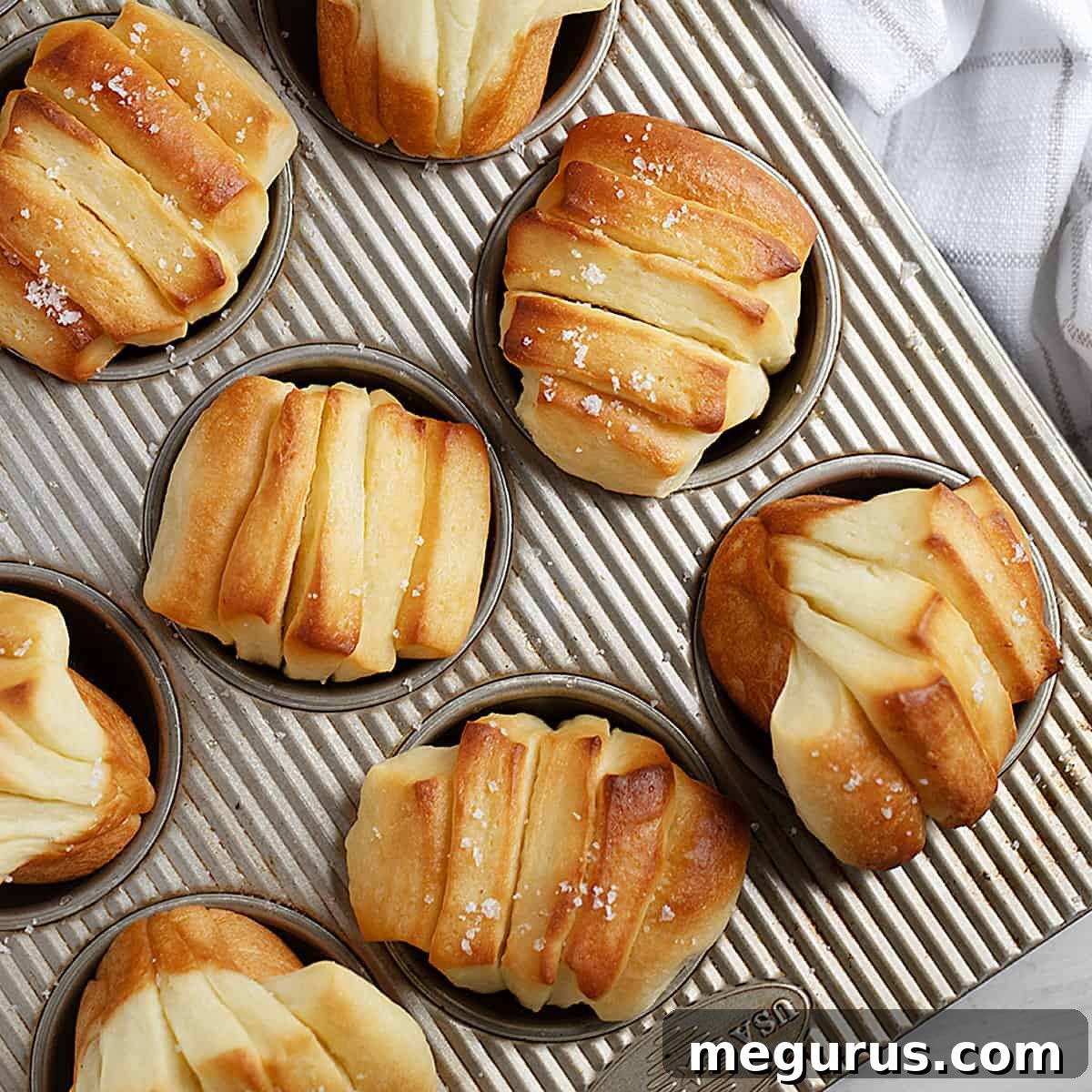
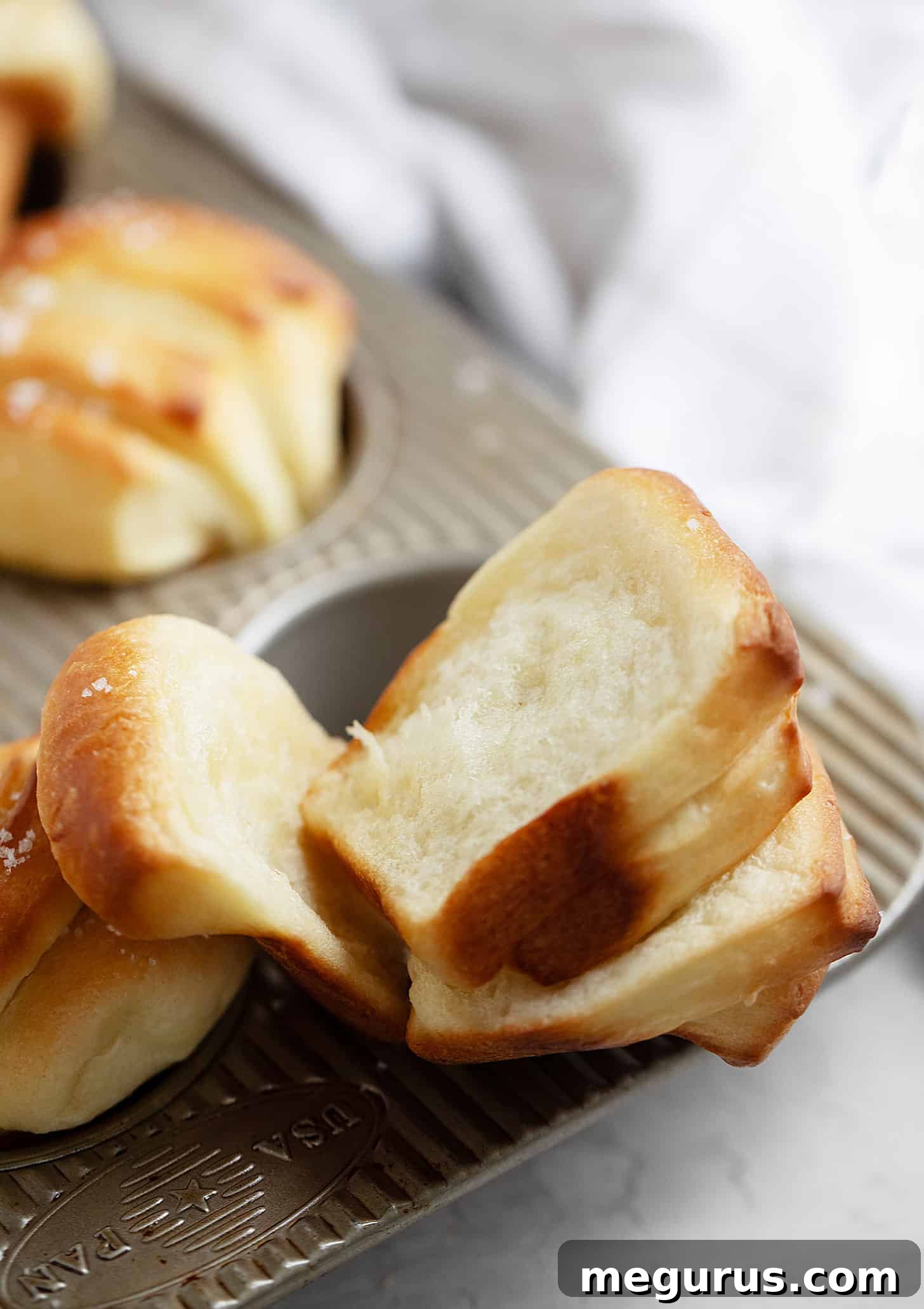
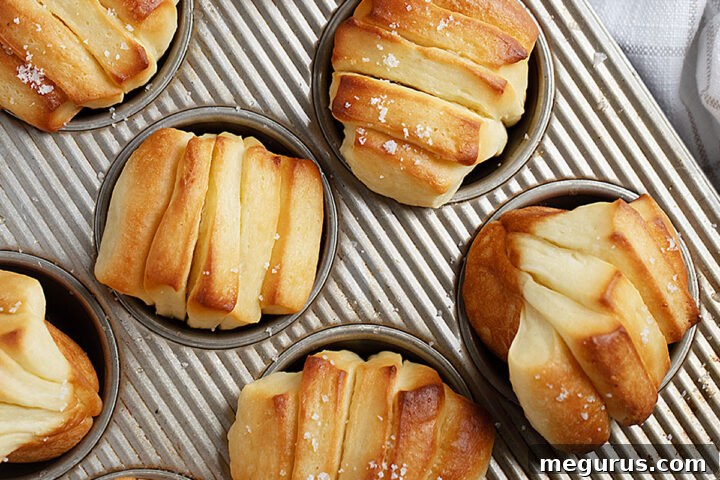
There’s nothing quite like a basket of warm, tender, and impossibly buttery dinner rolls to complete any meal. Among the myriad of choices, Butterflake Rolls stand out as a true masterpiece of home baking. Also affectionately known as Fantail Rolls or Fan Tans, these exquisite creations boast beautiful, distinct layers that peel apart effortlessly, each bite delivering a rich, soft texture that melts in your mouth. Whether you’re planning a grand Thanksgiving feast, a cozy family dinner, or simply craving a comforting side for your favorite soups and stews, these homemade dinner rolls are a perfect choice. And for busy bakers, here’s a secret: they freeze exceptionally well, making them ideal for prepping ahead!
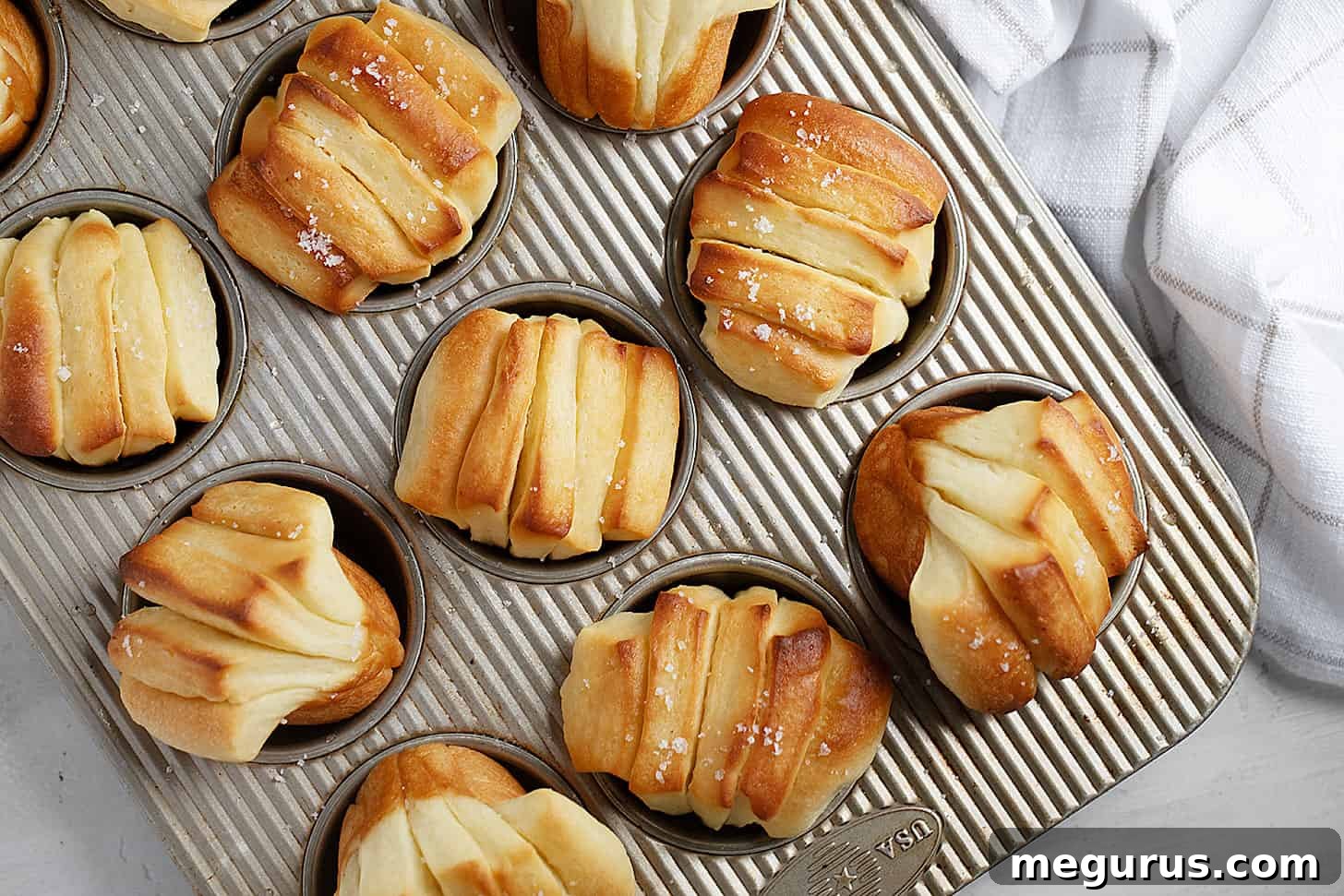
The magic of these rolls lies in their unique construction and a special ingredient: mashed potatoes. The potatoes contribute to an unbelievably soft crumb and a tender, moist interior that remains fresh for longer. The simple process of layering buttered dough strips creates a stunning visual effect and an irresistible texture, making these pull-apart dinner rolls a guaranteed hit at any table.
Why You’ll Fall in Love with Butterflake Rolls
These aren’t just any dinner rolls; Butterflake Rolls offer a distinct experience that sets them apart:
- Unparalleled Tenderness: The addition of mashed potatoes to the dough results in an incredibly soft, almost pillowy texture that’s simply divine.
- Rich Buttery Flavor: Generous brushing of melted butter between each layer infuses the rolls with a deep, savory butteriness that’s irresistible.
- Fun to Eat: The unique fan-like shape means each roll can be peeled apart, layer by tender layer, making them a delightful and interactive addition to any meal.
- Perfect for Any Occasion: From casual weeknight dinners to elegant holiday gatherings, these rolls elevate any spread. They are especially popular during festive seasons like Thanksgiving and Christmas.
- Make-Ahead Friendly: Their excellent freezing capabilities allow you to bake a batch and store them, ensuring you always have delicious, homemade rolls on hand.
Essential Ingredients for Perfect Butterflake Rolls
Crafting these delectable rolls begins with a selection of common pantry staples, with a few key ingredients that warrant specific attention. Gathering everything at the right temperature is crucial for the dough’s success.
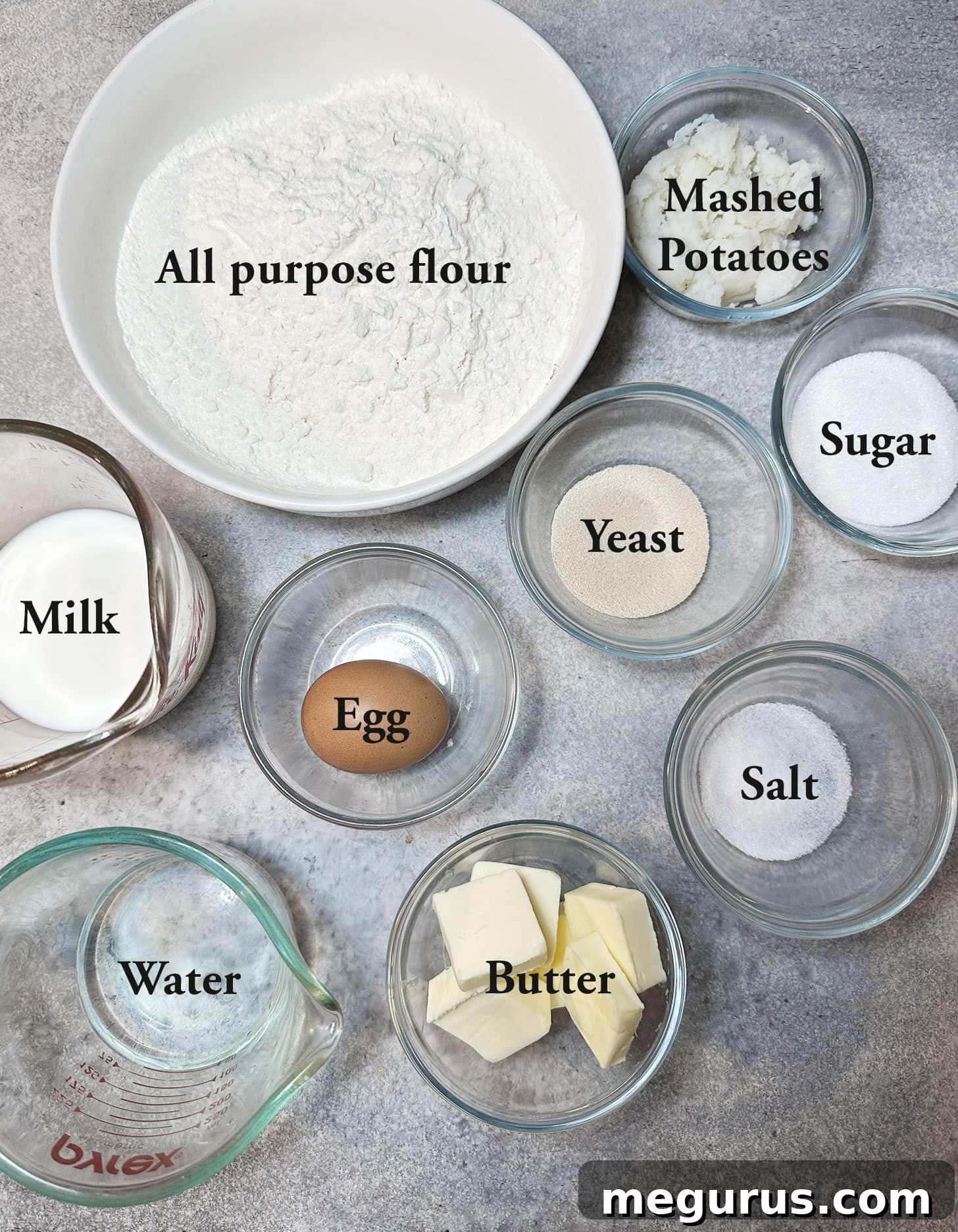
Let’s delve into some notes about the key ingredients:
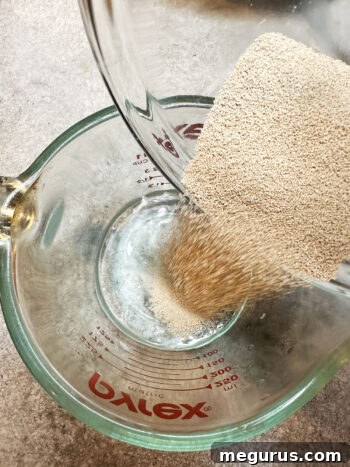
- Yeast: You have the flexibility to use either Active Dry yeast or Instant yeast for this recipe. If using Active Dry yeast, ensure your lukewarm water is between 105-115°F (40-46°C) to properly activate it. It should bloom, forming a foamy layer on top, indicating it’s alive and ready to work. Instant yeast, on the other hand, can be mixed directly with the dry ingredients as it doesn’t require prior proofing, though many still prefer to bloom it to be safe.
- Mashed Potatoes: This is the secret ingredient for exceptionally soft and moist rolls. You can use homemade mashed potatoes, leftover mashed potatoes, or even prepared instant mashed potatoes.
- For homemade mashed potatoes, simply boil a potato until tender, then mash it without any additions like butter, milk, or salt. Measure out the required amount once mashed.
- If using instant mashed potatoes, prepare them according to package directions using only water or milk, but specifically omit any butter and salt that the instructions might suggest adding.
- When using leftover mashed potatoes, it’s perfectly fine if they’ve been seasoned with salt and butter. Just be mindful of the extra butter and salt introduced to the dough and consider slightly reducing the salt specified in the recipe. The goal is room temperature mashed potatoes for optimal dough consistency.
- Butter and Salt: I generally prefer using unsalted butter for the dough, as it allows for precise control over the overall saltiness and gives the option to finish the rolls with a sprinkle of coarse salt on top. If salted butter is all you have, simply reduce the amount of added fine salt in the dough by about half a teaspoon. With salted butter, you might find the final salting of the tops unnecessary, depending on your preference. Besides being an integral part of the dough, extra melted butter is crucial for brushing between the layers, giving the rolls their signature rich flavor and texture.
- Milk and Egg: These dairy components contribute to the dough’s richness, tenderness, and a beautiful golden crust. Ensure both are at room temperature to prevent chilling the yeast and slowing down the rising process.
- All-Purpose Flour: The backbone of our rolls. The recipe provides a range (3 to 3.5 cups) because flour absorption can vary based on humidity and how packed it is. Always start with the lower amount and add more gradually until the dough reaches the desired consistency.
- White Granulated Sugar: A small amount of sugar feeds the yeast and contributes to the rolls’ tender crumb and slight sweetness, balancing the savory notes.
Step-by-Step Visual Guide: Crafting Your Butterflake Rolls
Making Butterflake Rolls is a rewarding process, and these step-by-step photos will guide you through each stage, from mixing the dough to the final shape. Pay close attention to the details, and you’ll be on your way to baking perfect, fluffy rolls.
Mixing the Dough
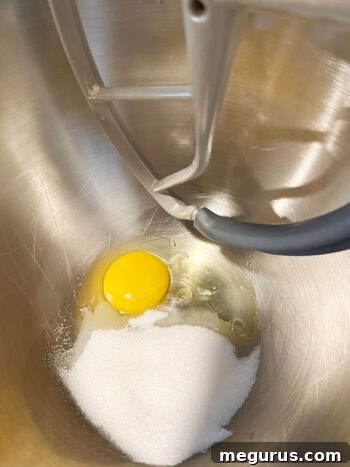
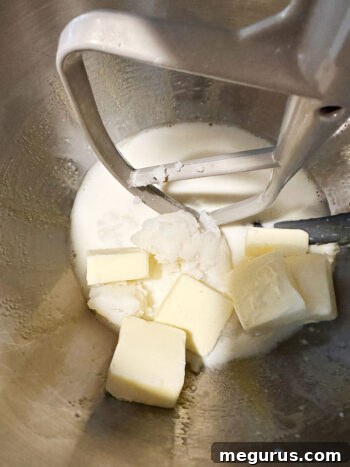
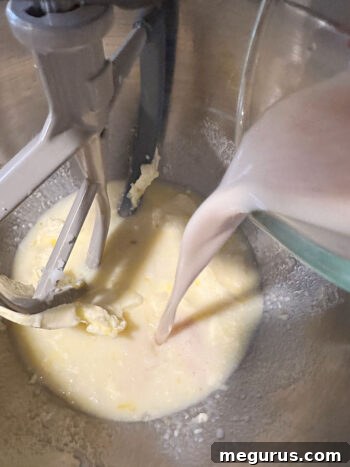
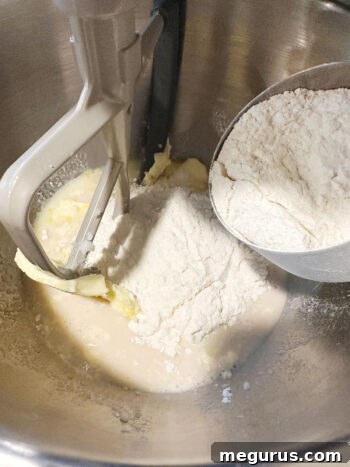
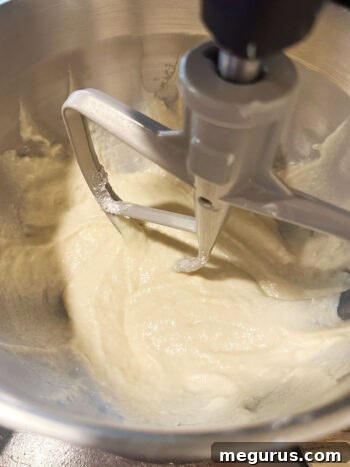
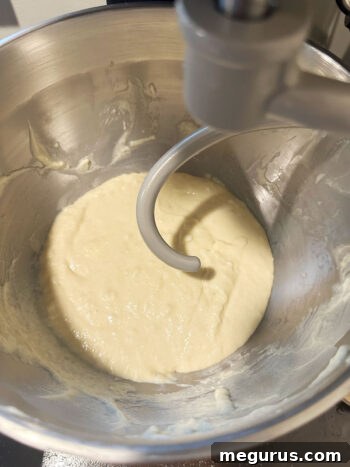
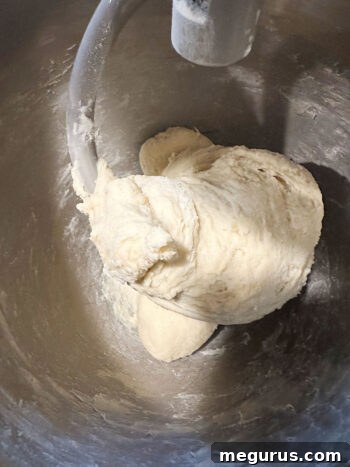
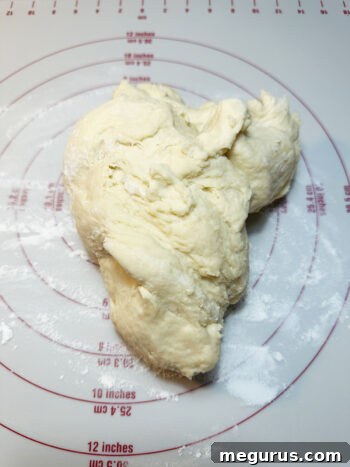
The dough for these rolls starts in a stand mixer with the paddle attachment, then transitions to the dough hook. If you’re mixing by hand, you’ll begin with a sturdy spoon and eventually switch to kneading on a floured counter. The mashed potatoes will make the dough feel a little different than a standard bread dough, but trust the process.
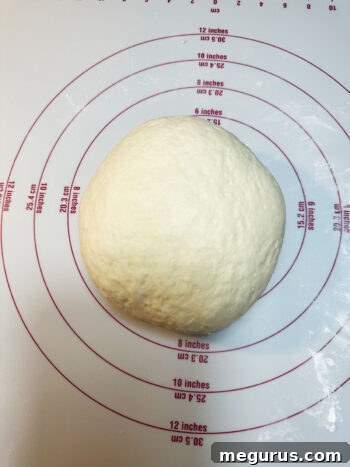
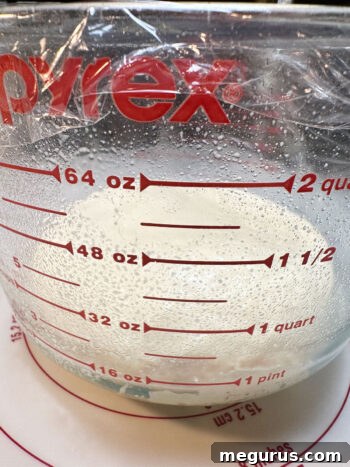
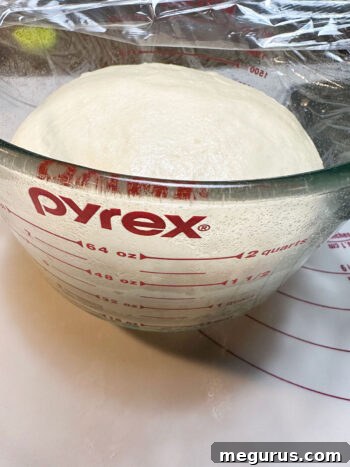
Once the dough has completed its first rise and doubled in size, it’s time for the fun part: shaping those beautiful butterflake layers. This process is surprisingly straightforward and incredibly satisfying.
How to Shape Butterflake Rolls
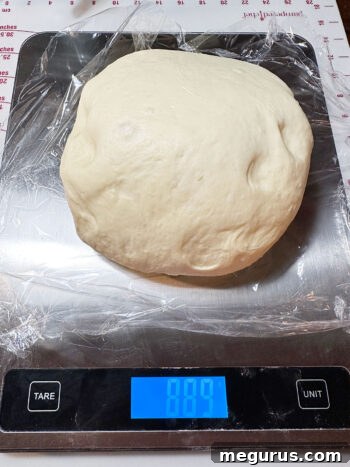
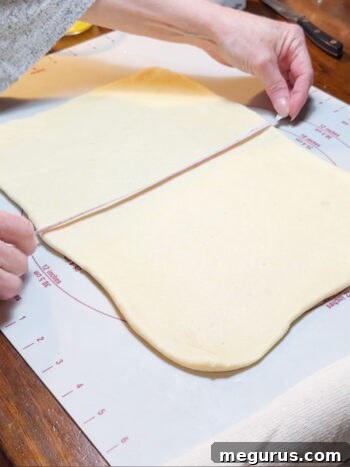
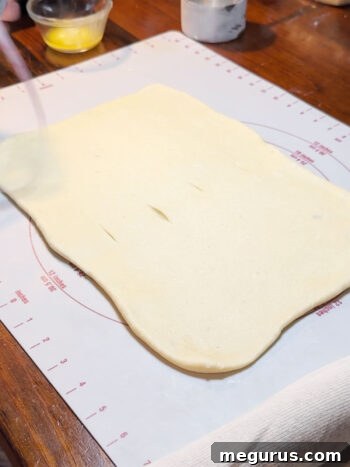
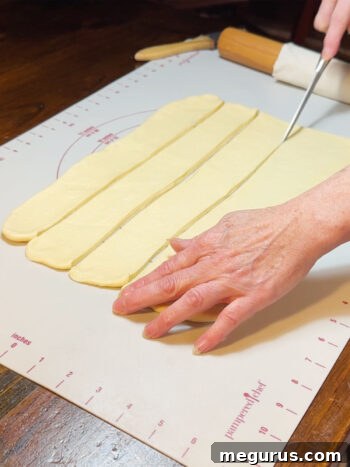
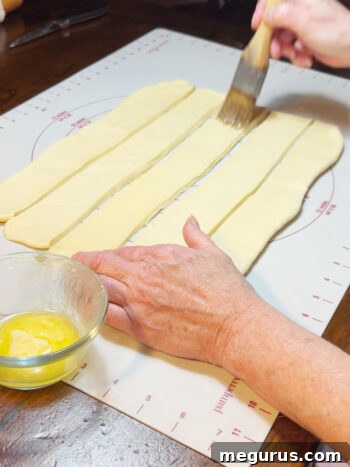
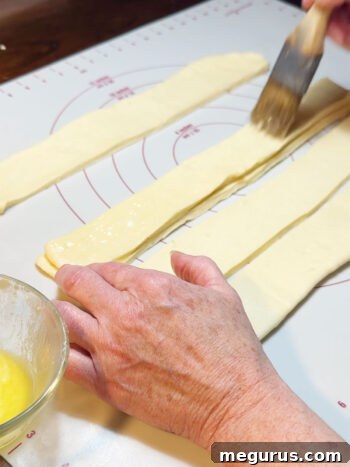
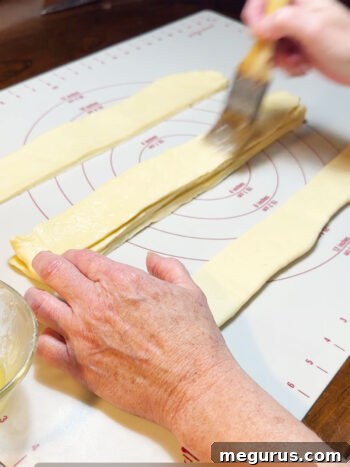
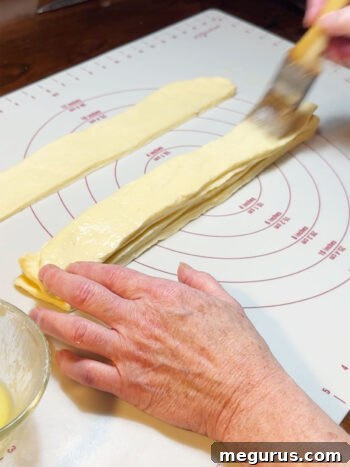
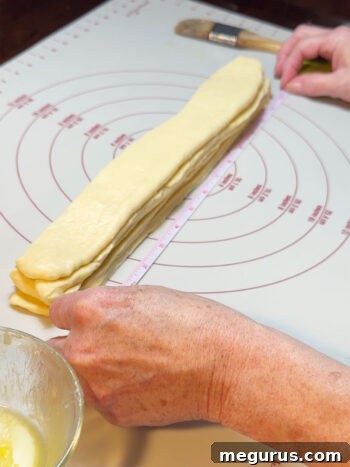
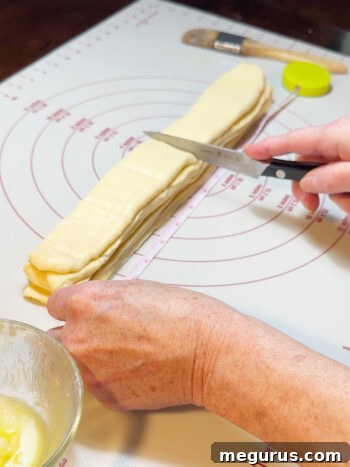
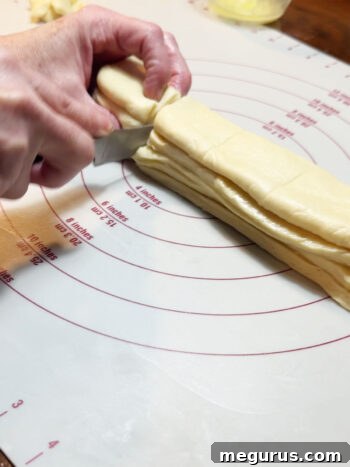
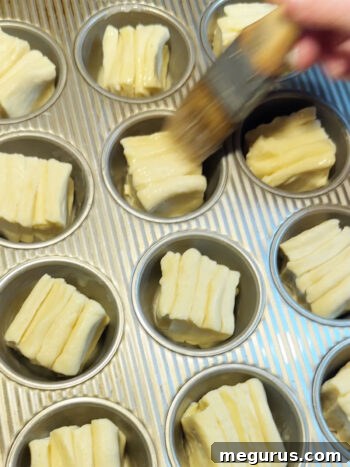
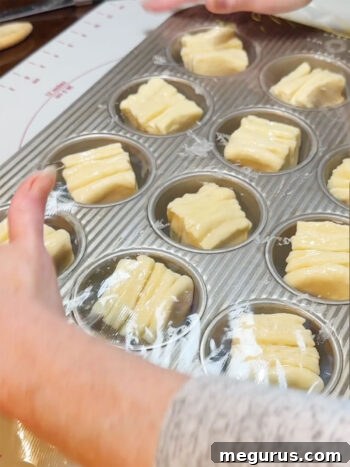
After the first rise, gently deflate the dough and divide it into two equal pieces. For precision, weighing the dough and dividing it evenly ensures consistently sized rolls. The following photos illustrate the detailed steps for rolling, cutting, and stacking one of these dough pieces, which will yield six rolls. You’ll repeat the process for the second piece of dough to make a total of 12 generous rolls.
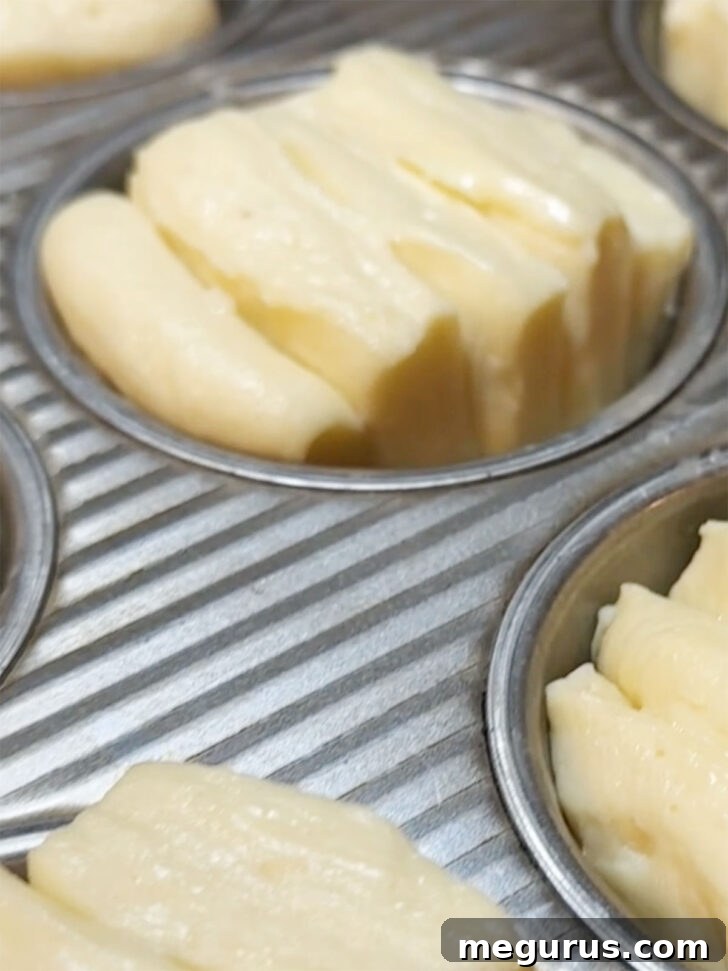
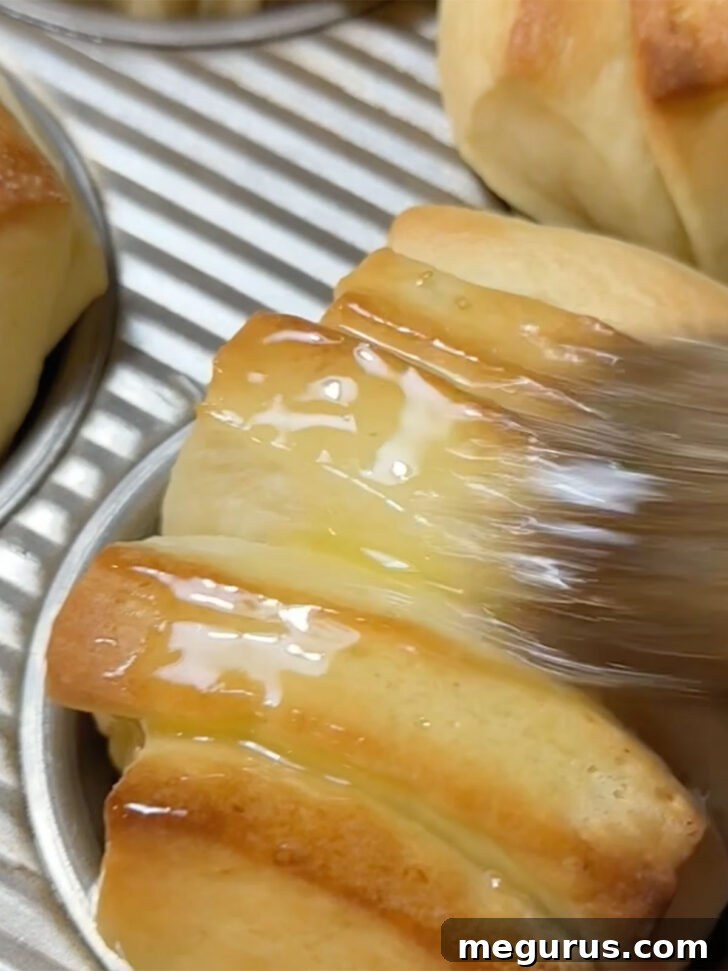
Top Tips for Perfect Layers and Rolls
Achieving those distinct, tender layers is key to Butterflake Rolls. Here are some pro tips to ensure your rolls come out beautifully every time:
Handling Dough Strips: When you cut the long strips of dough, it’s crucial how you handle them for stacking. Avoid grabbing the strips by their ends and pulling them, as this will inevitably stretch them out, making them considerably longer and thinner than the strips they are meant to stack upon. Instead, use a gentle “shimmy” motion. Slide the strip close to the main stack, then carefully lift one end onto the stack and progressively move your hands down the length of the strip, gently lifting and aligning it with the layers beneath. This method helps maintain the original length and thickness of the strips, ensuring uniform layers. If this technique isn’t clear, imagine gently pushing and lifting rather than stretching and pulling.
Precision in Rolling and Cutting: When rolling out the dough rectangle, I often roll it slightly wider than necessary. For example, to get six 2-inch rolls, I aim for a 14-inch wide rectangle, rather than exactly 12 inches. This extra width allows you to trim off and discard the thin or irregular edges, ensuring that the remaining 12-inch section is perfectly uniform. Once trimmed (removing about 1 inch from each end), you can confidently cut your 2-inch strips, knowing each piece will be consistent in size and shape.
Recipe Video (Visual Guide)
For those who prefer a visual demonstration, a detailed recipe video is available to guide you through each step of making these Butterflake Rolls. Watch the video to see the dough mixing, kneading, the unique stacking technique for the layers, and how to achieve the perfect golden-brown finish. Seeing the process in action can be incredibly helpful, especially for new bakers or when trying a new technique like the specific dough-strip handling method.
Watch the Butterflake Rolls Recipe Video on YouTube
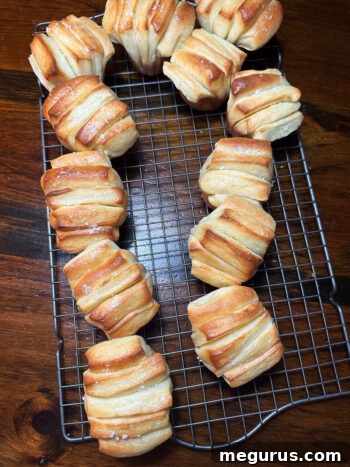
I personally love a larger, more substantial roll, which is why this recipe is designed to yield 12 generous rolls from 2×2-inch squares. The only minor consideration with these larger rolls is that when they are piping hot out of the oven, their soft, tender structure can make them a bit top-heavy and prone to spreading apart if placed on a cooling rack too loosely. To counteract this, I have a simple trick: arrange them on the cooling rack so their ends are gently touching each other. This provides mutual support and helps them maintain their beautiful shape as they cool down and firm up. Once they’ve cooled completely, they hold together perfectly and are ready to be devoured.
Variations for Different Sizes
This recipe, as written, is designed to produce 12 delightfully large Butterflake Rolls. However, if you prefer smaller rolls, perhaps for a larger crowd or more delicate servings, you can easily adjust the yield:
For 18 Smaller Rolls: You can use the exact same dough, simply altering the cutting dimensions. After the first rise, divide the dough into two pieces as usual. Roll out each piece into the same 14″ wide by 10″ deep rectangle. Instead of trimming 1 inch from each end, trim a mere 1/4 inch from each end. This will leave you with a stacked section approximately 13 1/2 inches long. From this longer stack, you will cut nine 1 1/2-inch wide strips, yielding 9 rolls from each dough piece, for a total of 18 smaller rolls. Place these smaller pieces into your muffin tin with a cut side down, just as with the larger rolls. Be aware that these smaller rolls may require a minute or two less baking time in the oven, so keep a close eye on them to prevent over-browning.
Making Ahead, Storing, and Freezing
One of the best features of these yeast rolls is their incredible versatility for make-ahead convenience. They freeze beautifully, making them a fantastic option for meal prep or ensuring you have fresh, homemade rolls whenever the craving strikes!
- To Store Baked Rolls: Once your Butterflake Rolls have completely cooled to room temperature, transfer them into an airtight container or a resealable freezer bag. Stored this way, they will remain fresh and delicious at room temperature for up to 2 days. For longer storage, the freezer is your best friend.
- To Freeze Baked Rolls: After the rolls have cooled entirely, place them in a single layer in an airtight freezer-safe container or a heavy-duty freezer bag. Squeeze out as much air as possible to prevent freezer burn. They can be frozen for up to 3 months without compromising their quality.
- To Reheat Rolls:
- From Frozen: If reheating from frozen, allow the rolls to thaw fully in their container or bag at room temperature. Once thawed, wrap them loosely in aluminum foil to retain moisture.
- From Room Temperature (or Thawed): Place the foil-wrapped rolls into a preheated 350°F (175°C) oven. Heat for approximately 5-8 minutes, or until they are warmed through and regain their soft, tender texture. Avoid overheating, as this can dry them out. Serve immediately with extra butter, jam, or alongside your favorite meal.
Get the Recipe: Butterflake Rolls
Classic, buttery rolls, perfect for Thanksgiving, special meals or just everyday enjoyment. Freeze beautifully, too!
Prep Time: 30 mins
Cook Time: 15 mins
Rising Time: 2 hrs 15 mins
Total Time: 3 hrs
Yield: 12 rolls
Ingredients
- 1/2 cup (120 ml) mashed potatoes, at room temperature (*see Note 1 below)
- 2 1/4 teaspoons Active Dry or Instant Yeast
- 1/4 cup (60 ml) lukewarm water, about 105-110°F (40-43°C)
- 1 large egg, at room temperature
- 1/4 cup (50 g) white granulated sugar
- 1/2 cup (120 ml) milk, at room temperature
- 1/3 cup (76 g) unsalted or salted butter, plus 2-3 Tablespoons more for brushing
- 3/4 teaspoon fine salt, reduce to 1/2 teaspoon if using salted butter
- 3 – 3 1/2 cups (375-450 g) all-purpose flour, spooned and leveled, DIVIDED, plus a bit more as needed
Instructions
- Ensure the egg, butter, and milk are at room temperature before starting. Mashed potatoes should also be at room temperature (cool if freshly mashed or instant, remove from refrigerator if made ahead).
- Warm the water to lukewarm (105-110°F or 40-43°C). Add the yeast to the lukewarm water, stir gently, and set aside for 5-10 minutes to bloom (if using Active Dry yeast). If using Instant yeast, it can be added directly to the flour later, but proofing it helps ensure it’s active.
- In the bowl of a stand mixer fitted with the paddle attachment (or a large bowl if mixing by hand), add the egg and white sugar. Blend briefly. Add the mashed potatoes, milk, butter, and salt, and mix until combined. Pour in the yeast mixture and 2 cups (250g) of the all-purpose flour. Beat for 1 minute with the paddle attachment (or 100 strokes by hand).
- Switch the mixer from the paddle attachment to the kneading hook (or continue by hand).
- Begin adding more flour, 1/2 cup (60g) at a time. If mixing by hand, switch to kneading on the counter when the spoon becomes ineffective.
- Continue adding flour, as needed, until the dough is moist, wraps around the kneading hook, and cleans the sides of the bowl. If mixing by hand, add flour until the dough no longer sticks to your hands or the work surface. The exact flour amount may vary, generally around 3 1/2 cups (450g).
- Remove the dough to a lightly floured work surface. Knead briefly, then form into a ball. Grease a large bowl or an 8-cup measuring cup. Place the dough into the greased bowl. Cover with plastic wrap and let rise in a warm place until doubled in size, about 1 hour and 30 minutes. (Rising time depends on kitchen temperature; observe the dough rather than adhering strictly to time).
- Once the dough has doubled, gently deflate it on a lightly floured work surface. Divide the dough into 2 equal pieces (weighing for accuracy is recommended). Cover one piece loosely with plastic wrap.
- Melt 2-3 Tablespoons of butter and prepare a pastry brush. Brush 12 muffin cups with some of the melted butter. Set aside the muffin tin and remaining melted butter.
- Take one piece of dough and roll it into a 14″ wide by 10″ deep rectangle, with the long side closer to you. Aim for even thickness and defined corners.
- Using a ruler or measuring tape and a pizza cutter or sharp knife, cut five 2-inch wide strips crosswise (so each strip is 2″ wide x 14″ long). Refer to the step-by-step photos above for visual guidance.
- Important Tip for Stacking: When lifting dough strips, avoid grabbing them by the ends as they will stretch. Instead, gently slide a strip next to the stack, then lift one end onto the stack and progressively move down its length, lifting it onto the layers in small increments. This preserves the strip’s original dimensions and ensures even layers.
- Starting with the center strip, brush its top lightly and evenly with melted butter. Gently lift the next strip onto the center strip, align, and brush its top with butter. Repeat this process until all five strips are stacked. Do not brush the very top of the final stack.
- Using a ruler or measuring tape, trim off 1 inch from each end of the stacked strips, leaving a 12-inch wide stack. Cut this stack into six 2-inch wide pieces. Place each piece into a buttered muffin cup with a cut side down.
- Repeat steps 9-13 with the second piece of dough. You will have 12 rolls in the muffin tin. Lightly brush the tops of the rolls with any remaining melted butter, then cover the pan with plastic wrap. Let rise again until doubled in size, approximately 45 minutes.
- Preheat your oven to 400°F (200°C), without convection/fan assist.
- When the rolls have risen, place the muffin tin into the preheated oven. Bake for 12-16 minutes, or until golden brown, rotating the pan front to back halfway through baking. Watch closely during the last few minutes; if rolls brown too quickly, loosely tent with aluminum foil. Rolls are done when they sound hollow when tapped or reach an internal temperature of 205°F (96°C).
- Remove from the oven. Immediately brush the tops of the hot rolls with more melted butter. If desired, sprinkle with coarse salt. Carefully transfer the rolls to a cooling rack to cool completely. As they are very tender when hot, I recommend cooling them with their ends touching each other to provide support and prevent them from spreading apart. Once cooled, they will hold their shape beautifully.
- Allow rolls to cool completely before transferring to an airtight container. Store at room temperature for up to 2 days, or freeze for up to 3 months.
Notes
Note 1: You can simply boil a potato, mash it without any additions, then measure out the required amount. Alternatively, use instant mashed potatoes prepared with only milk and water (no added butter or salt). If using seasoned leftover mashed potatoes, consider slightly reducing the salt in the dough to balance flavors.
Variation (for 18 smaller rolls)
This recipe as written yields 12 large rolls. For 18 smaller rolls, roll each of the two dough pieces into a 14″ x 10″ rectangle as outlined. Instead of cutting off 1″ at each end, trim just 1/4″ from each end, resulting in a 13 1/2 inch long stack. Cut this stack into nine 1 1/2″ wide strips. Place these into the muffin tin with a cut side down. Smaller rolls may require a minute or two less baking time.
Cuisine: American, Canadian
Course: Bread
Author: Jennifer Maloney
Nutrition Information (per roll)
Serving: 1 roll, Calories: 220kcal, Carbohydrates: 35g, Protein: 6g, Fat: 6g, Saturated Fat: 4g, Polyunsaturated Fat: 0.4g, Monounsaturated Fat: 2g, Trans Fat: 0.2g, Cholesterol: 30mg, Sodium: 161mg, Potassium: 111mg, Fiber: 2g, Sugar: 5g, Vitamin A: 200IU, Vitamin C: 2mg, Calcium: 23mg, Iron: 2mg
Discover the Web Story for Butterflake Rolls