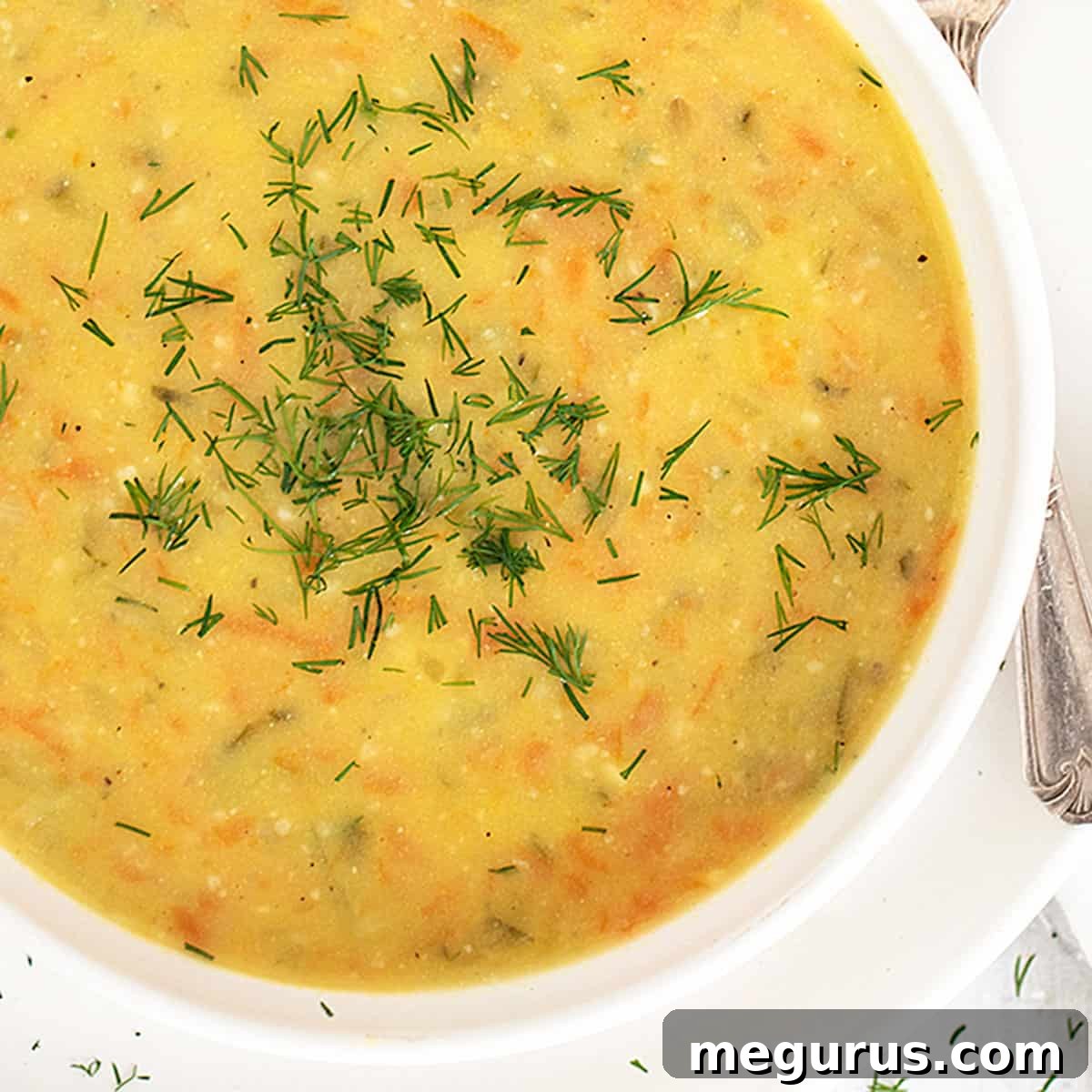
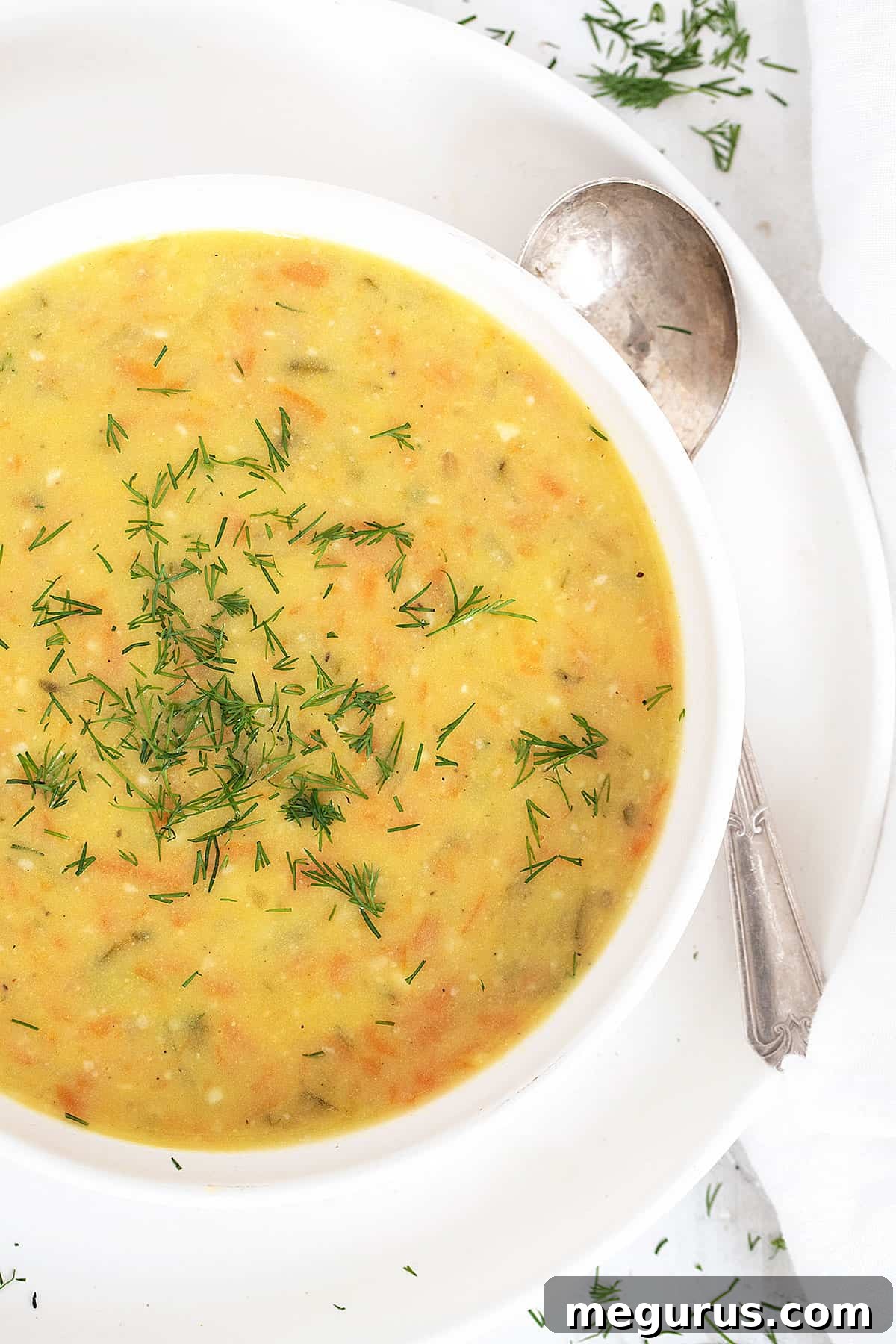
Embark on a culinary journey to the heart of Poland with a classic, comforting, and uniquely flavorful dish: Zupa Ogórkowa. This traditional Polish potato and dill pickle soup, enriched with sour cream and tender carrots, offers a hearty and satisfying experience that’s both easy to prepare and incredibly delicious. Perfect as a stand-alone meal on a chilly evening or as an intriguing accompaniment to your favorite sandwiches, this soup is a testament to the simple yet profound flavors of Eastern European cuisine.
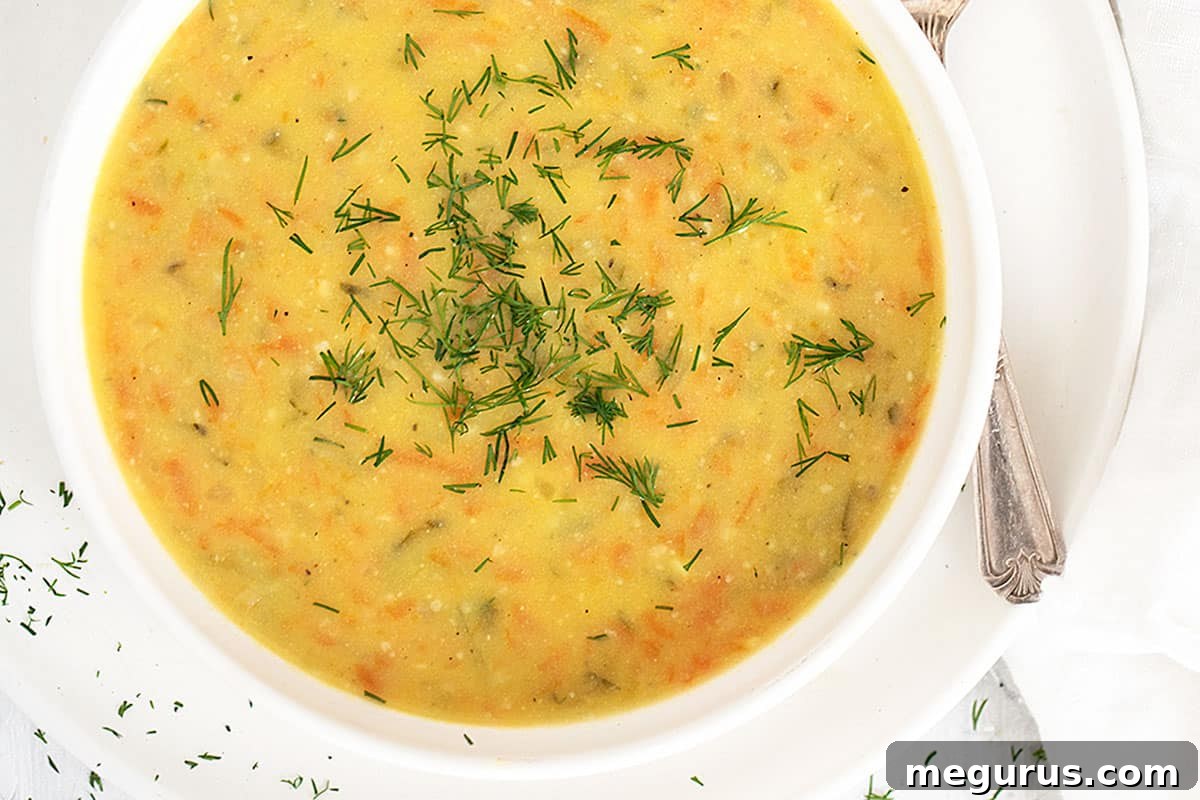
If the very mention of dill pickles brings a smile to your face, prepare to be captivated by this remarkable dill pickle potato soup! Even those who merely “like” dill pickles often find themselves falling head over heels for this creamy, tangy delight. While the concept of a “pickle soup” might initially sound unconventional or even a bit whimsical, Zupa Ogórkowa is anything but a novelty; it is a time-honored classic deeply embedded in Polish culinary traditions, cherished for its distinctive taste and warming qualities.
This authentic Polish dill pickle soup masterfully balances a robust and savory character with a delightful creaminess. It artfully combines the earthy goodness of potatoes, the aromatic foundation of onions and carrots, and the distinctive tang of dill pickles and their brine. A generous swirl of sour cream and a sprinkle of fresh dill are then folded in, creating a luxurious texture and a complex flavor profile that is both comforting and surprisingly sophisticated. Enjoy a generous bowl on its own for a truly satisfying meal, or serve it alongside your preferred sandwiches, grilled cheese, or a crusty loaf of bread to complete the experience.
Unveiling the Flavor: Key Ingredients & Smart Substitutions for Zupa Ogórkowa
Crafting the perfect Zupa Ogórkowa hinges on understanding the role each ingredient plays. Here’s a closer look at the stars of this Polish classic and how to navigate substitutions:
Potatoes: The Heart of the Soup’s Texture
Russet potatoes, often labeled as baking potatoes, are unequivocally the best choice for this soup. Their high starch content is key; as they cook, they break down beautifully, releasing starch into the liquid. This natural process contributes significantly to the soup’s inherent thickness and creamy, velvety texture without needing excessive flour or cream. The result is a substantial, satisfying consistency that defines Zupa Ogórkowa.
- Why Russets? Their ability to “fluff up” and integrate into the soup base is unmatched, providing that desirable rustic yet smooth mouthfeel.
- Substitutions: While other potatoes like Yukon Gold or red potatoes can be used, be aware that they are waxier and contain less starch. This means they will hold their shape more, resulting in a chunkier soup, and may require longer cooking times to achieve desired tenderness. If using these, you might need to mash a larger portion of the potatoes or add a bit more flour to achieve a similar thickness.
Sour Cream: The Creamy Tang & Tempering Art
A high-quality, full-fat sour cream is indispensable for achieving the rich, creamy texture and characteristic tang of this soup. The higher fat content is crucial for preventing curdling when it’s introduced to hot liquids. Full-fat varieties also impart a more luxurious mouthfeel and deeper flavor.
- Preventing Curdling: Always ensure your sour cream is at room temperature before adding it. Tempering it by whisking in a small amount of warm soup liquid gradually before incorporating it into the main pot is a vital step to achieve a smooth, split-free consistency.
- Substitutions: For a slightly lighter option, full-fat Greek yogurt can work, but it must be tempered even more carefully to prevent curdling. Heavy cream can also be used for richness but will lack the signature sour tang, which you might need to compensate for with a splash of lemon juice or extra pickle brine. Avoid low-fat sour cream, as it is much more prone to splitting.
Dill Pickles & Brine: The Signature Zing
The soul of Zupa Ogórkowa lies in its namesake ingredients: jarred dill pickles and, equally important, their brining liquid. Seek out good quality Polish dill pickles if possible, as they often have a more authentic, robust flavor profile. Both the finely shredded pickles and a generous amount of their tangy juice are essential for the soup’s unique character.
- The Pickle’s Role: The shredded pickles provide texture and pockets of intense dill flavor. Their acidity is a crucial counterpoint to the richness of the potatoes and sour cream.
- The Brine’s Magic: The pickle juice, or brine, is a powerhouse of flavor. It introduces that unmistakable sour, salty, and herby kick that elevates the entire soup. Don’t skip it!
- Types of Pickles: Ensure you are using genuine dill pickles, not sweet or bread-and-butter varieties, which would drastically alter the soup’s flavor. Fermented dill pickles (often found in the refrigerated section) will offer the most authentic Polish taste.
Fresh Dill: The Aromatic Finish
Fresh dill is highly recommended for its vibrant, clean, and aromatic presence. It truly brightens the soup, adding a layer of fresh herbiness that complements the pickle flavor beautifully. It’s often used both in the soup itself and as a fresh garnish.
- Substitutions: If fresh dill is unavailable, dried dill can be used, but use approximately one-third of the amount specified for fresh dill, as its flavor is more concentrated. Add dried dill earlier in the cooking process to allow its flavors to meld.
Broth: The Foundation of Flavor
Good quality chicken or vegetable broth forms the liquid base of the soup. Its savory depth enhances all the other flavors.
- Choice of Broth: Chicken broth offers a richer, more traditional flavor. Vegetable broth is an excellent alternative for a vegetarian version and provides a clean, savory foundation.
Onion and Carrots: Aromatic Building Blocks
Diced onion and grated carrots are sautéed at the beginning, forming the aromatic base (mirepoix) that adds sweetness and savory depth to the soup.
All-Purpose Flour: The Thickening Helper
A small amount of all-purpose flour, mixed with the sour cream, helps to thicken the soup slightly and stabilize the sour cream, further preventing curdling.
- Gluten-Free Option: For a gluten-free version, you can substitute cornstarch or a gluten-free flour blend. If using cornstarch, mix it with a little cold water to create a slurry before adding to the hot soup, and stir until thickened.
Crafting Your Zupa Ogórkowa: A Step-by-Step Guide
Creating this delicious Polish dill pickle soup is a straightforward process, but a few key techniques ensure perfect results. Follow these steps for a heartwarming bowl:
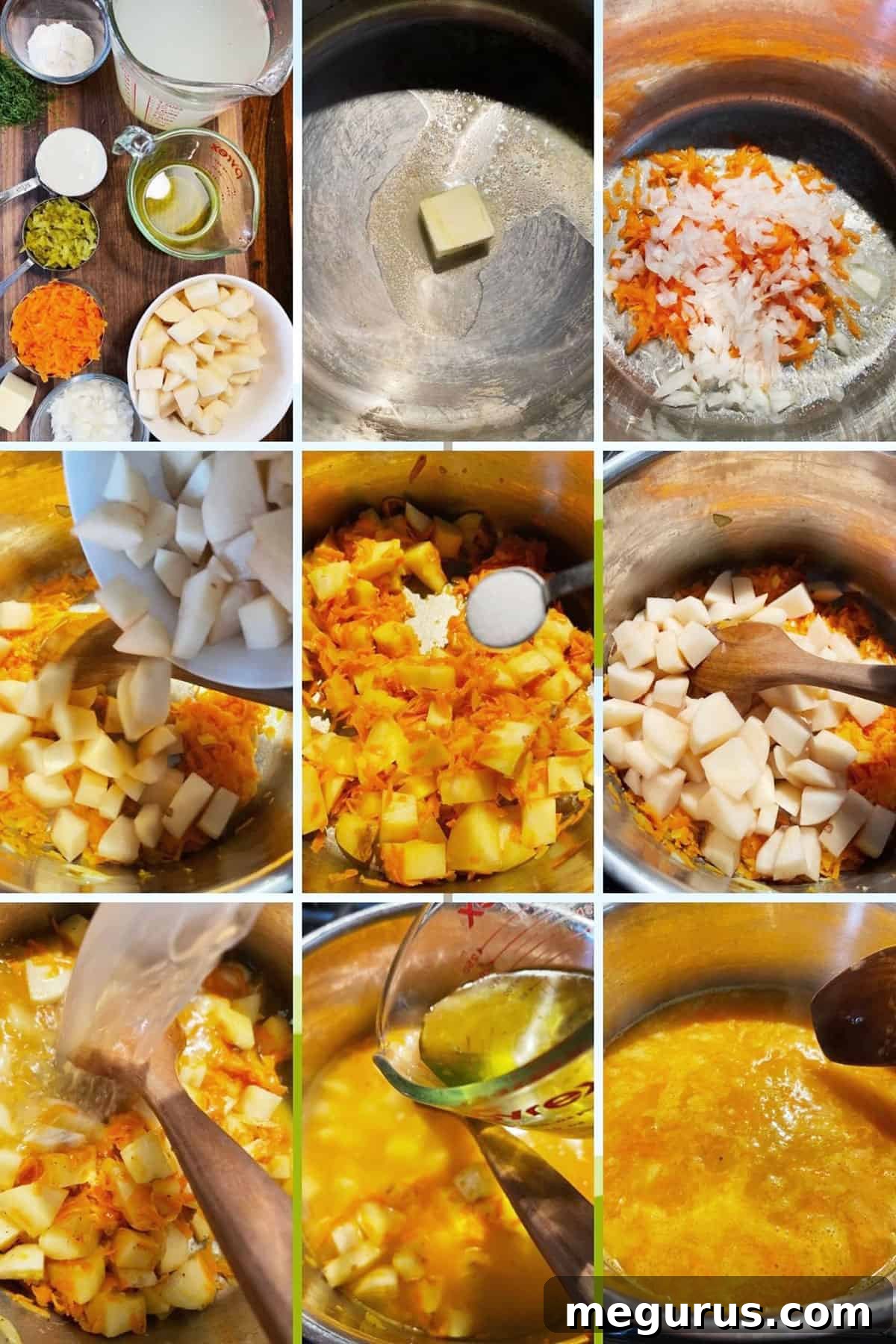
Step 1: Preparation is Key. Before you even light the stove, take your full-fat sour cream out of the refrigerator. Allowing it to come to room temperature is a crucial step in preventing it from curdling when added to the hot soup later. This simple act makes a big difference in the final texture. While the sour cream warms up, gather and prepare all your other ingredients: dice the onion, grate the carrot, peel and chop the potatoes, and measure out your broth and pickle juice.
Step 2: Building the Flavor Base. In a large, heavy-bottomed pot or Dutch oven, melt the butter over medium heat. Once shimmering, add the diced onions and grated carrots. Sauté these aromatic vegetables, stirring regularly, for about 4-5 minutes. You’re looking for them to soften and become slightly translucent, releasing their sweet essence without browning. This step lays the foundational flavor for your soup.
Step 3: Introducing the Potatoes and Seasoning. Add the chopped potatoes to the pot, along with 1/2 teaspoon of fine salt and 1/4 teaspoon of freshly ground black pepper. Stir everything together gently, allowing the potatoes to coat in the butter and absorb some of the initial flavors for about 2 minutes. This brief sauté helps to wake up their starch content.
Step 4: Simmering to Perfection. Pour in the chicken or vegetable broth and the essential dill pickle brining liquid. Bring the mixture to a rolling boil over medium-high heat. Once boiling, immediately reduce the heat to medium-low, cover the pot, and let the soup simmer gently for approximately 20-30 minutes. The exact cooking time will depend on the size of your potato chunks; aim for the potatoes to be very tender and easily mashable with a fork. This prolonged simmer allows the potatoes to soften completely and infuse the broth with their starchy goodness, creating a naturally thick base.
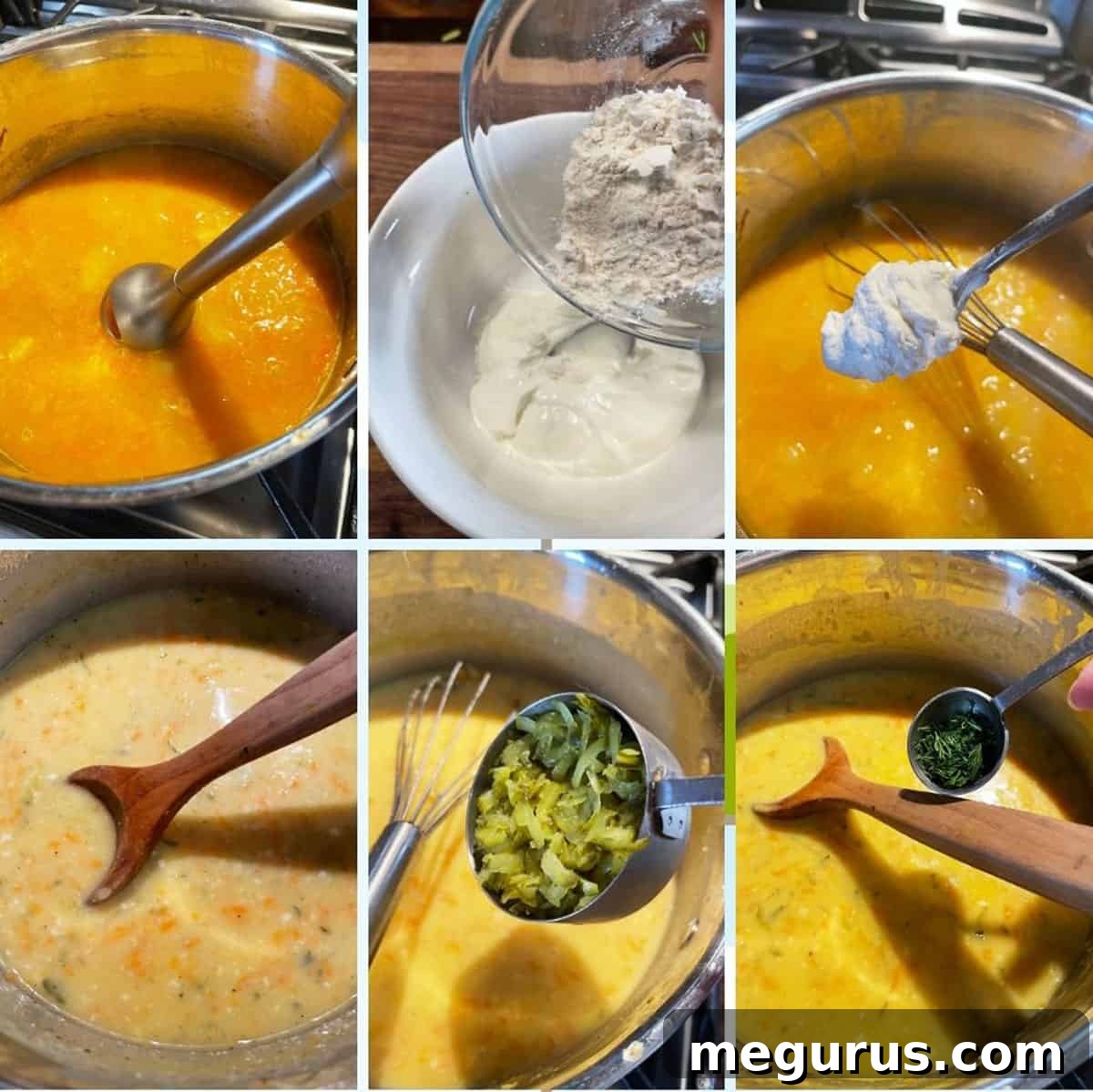
Step 5: Achieving Your Desired Consistency. Once the potatoes are tender, it’s time to achieve your preferred soup texture. Use an immersion blender directly in the pot to purée about half of the soup. This technique allows you to leave plenty of potato chunks for a rustic, hearty soup, while still creating a creamy base. If you prefer a smoother soup, you can purée more. Alternatively, you can carefully transfer about half of the soup in batches to a standard blender, purée until smooth, and then return it to the pot. Remember, when using a standard blender for hot liquids, fill it only halfway, secure the lid with a tea towel, and start on low speed, increasing gradually, to prevent steam buildup and potential splashes.
Step 6: Tempering and Adding Sour Cream. In a small bowl, whisk together the room-temperature full-fat sour cream and the all-purpose flour until smooth. This mixture is your secret weapon against curdling. Now, slowly drizzle about a tablespoon of the warm soup liquid into the sour cream mixture, whisking continuously. This gradually warms the sour cream, preparing it for the main pot. Next, add small dollops of the tempered sour cream mixture into the simmering soup, whisking vigorously after each addition until it is fully blended and smooth. Continue this process until all the sour cream mixture has been incorporated. Avoid boiling the soup once the sour cream is added, as high heat can still cause it to separate.
Step 7: Final Additions and Seasoning. Stir in the grated dill pickles, allowing their tangy flavor to meld with the creamy soup. Cook over medium-low heat, stirring frequently, for another 5 to 10 minutes, or until the soup is thoroughly warmed through and has slightly thickened to your liking. Finally, stir in the fresh chopped dill. Taste the soup and adjust the seasoning as needed with additional salt and freshly ground pepper. If you desire a more pronounced dill or tangy flavor, you can stir in an extra tablespoon of pickle juice. Keep in mind that any garnishes you add will also contribute to the overall flavor.
Step 8: Serve and Garnish. Ladle the hot Zupa Ogórkowa into bowls. Serve with your chosen garnishes: a generous sprinkle of fresh dill, some finely diced dill pickles for extra crunch and tang, and/or a delightful dollop of sour cream on top. Enjoy immediately!
Expert Tips for the Perfect Polish Dill Pickle Soup
Recipe Insights to Master Zupa Ogórkowa!
- Achieving Your Preferred Texture: The beauty of this soup is its versatility. You can purée the soup as little or as much as you like to achieve your ideal consistency. For a heartier, chunkier soup with more bite, blend only a small portion, leaving generous pieces of potato and carrot intact. For a silky-smooth, elegant bisque-like texture, blend until entirely uniform. If using a stand blender for hot liquids, always blend in small batches (about 1 cup at a time) and cover the lid with a tea towel to prevent spills from steam pressure. Never over-fill the blender.
- The Art of Tempering Sour Cream: Preventing sour cream from curdling is crucial for a smooth, inviting soup. Always use full-fat sour cream, as lower-fat versions are significantly more prone to splitting. Ensure the sour cream is at room temperature before you begin. A key technique is to “temper” it: before adding it to the main pot, stir a spoonful of the warm soup into the sour cream mixture. This gently warms the sour cream, bringing its temperature closer to that of the soup. Then, add the tempered sour cream to the soup in small amounts, whisking thoroughly after each addition until completely blended. This gradual introduction and constant whisking ensure a seamless integration. Crucially, avoid bringing the soup to a boil after the sour cream has been added; gentle simmering is best.
- Seasoning and Flavor Balance: Always taste your soup at the end of cooking and adjust the seasoning as needed. The saltiness from the pickle brine can vary, so add more salt and freshly ground pepper cautiously until it’s just right for your palate. If you feel the soup needs an extra punch of dill tang, stir in another tablespoon of pickle juice. Remember that garnishes like fresh dill and chopped dill pickles will also contribute additional layers of flavor and aroma, so factor that into your final seasoning decisions.
Creative Variations & Customizations
While the traditional recipe is perfect as is, Zupa Ogórkowa lends itself beautifully to creative adaptations:
- Add Smoky Kielbasa: For a heartier, meatier soup, pan-sauté slices of smoked Polish kielbasa until browned and slightly crispy. Stir these into the soup during the last few minutes of cooking, allowing their savory, smoky notes to infuse the broth.
- Garlic Dill Kick: Elevate the aromatic profile by using garlic dill pickles. Their robust garlic flavor will add an extra layer of complexity to your soup, complementing the dill and tang.
- Vegetable Boost: Enhance the nutritional value and texture by adding other root vegetables like parsnips or celery along with the carrots and onions. A handful of chopped spinach or kale stirred in at the very end will also wilt beautifully into the warm soup.
- Spicy Twist: For those who enjoy a little heat, a pinch of red pepper flakes or a dash of hot sauce can be added to the soup.
- Vegan Adaptation: To make this soup entirely plant-based, use vegetable broth, replace butter with olive oil, and substitute full-fat vegan sour cream (or a cashew cream base) for dairy sour cream. Ensure your pickles are vegan-friendly.
Making Ahead, Storing, and Freezing for Convenience
One of the many charms of Zupa Ogórkowa is its fantastic make-ahead potential, making it a perfect meal for busy weekdays or entertaining. The flavors often deepen and meld even more beautifully after a day or two in the refrigerator.
- Making Ahead: You can easily prepare this soup a day or two in advance. Store it in an airtight container in the refrigerator. When ready to serve, gently re-heat over low to medium heat on the stovetop, stirring occasionally. The soup shouldn’t thicken significantly in the refrigerator, but if it does become a bit too thick, simply thin it with a splash more chicken or vegetable broth to reach your desired consistency. Avoid boiling during reheating, especially if using a dairy sour cream base, to maintain its smooth texture.
- Storing Leftovers: Any leftover dill pickle soup should be stored promptly in a sealed, airtight container in the refrigerator. It will keep well for approximately 3 days.
- Freezing for Longer: For extended storage, dill pickle soup freezes exceptionally well. Allow the soup to cool completely to room temperature before transferring it to freezer-safe containers or heavy-duty freezer bags. Leave about an inch of headspace if using rigid containers, as liquids expand when frozen. It can be stored in the freezer for up to 3 months. When ready to enjoy, thaw the soup overnight in the refrigerator, then gently re-heat on the stovetop, thinning with a little broth if necessary. The texture might be slightly different after freezing and thawing, but the flavor will remain robust and delicious.
Perfect Pairings: What to Serve with Dill Pickle Soup
Zupa Ogórkowa is a versatile soup that can be enjoyed in many ways. Its hearty nature and unique flavor profile make it a star addition to various meals:
- Hearty Sandwiches: It makes an exceptional side soup, especially with classic deli-style sandwiches. Imagine pairing it with a robust Reuben Sandwich, where the tangy soup complements the corned beef and sauerkraut perfectly. Or, elevate your pastrami sandwiches by serving them alongside this creamy, briny delight, perhaps even on homemade Pretzel Buns for an extra special touch.
- Crusty Bread: A simple yet effective pairing. A warm, crusty loaf of rye bread or sourdough is ideal for dipping into the rich, flavorful broth, soaking up every last drop.
- Grilled Cheese: The ultimate comfort food duo. The classic combination of grilled cheese and a warm, creamy soup is elevated by the unique flavors of Zupa Ogórkowa.
- Simple Green Salad: For a lighter meal, serve the soup with a crisp green salad tossed with a simple vinaigrette. The freshness of the salad provides a lovely contrast to the soup’s richness.
- Pierogi: Embrace the full Polish experience by serving this soup as a first course to a main meal of homemade or store-bought pierogi, whether filled with potato and cheese, meat, or sauerkraut.
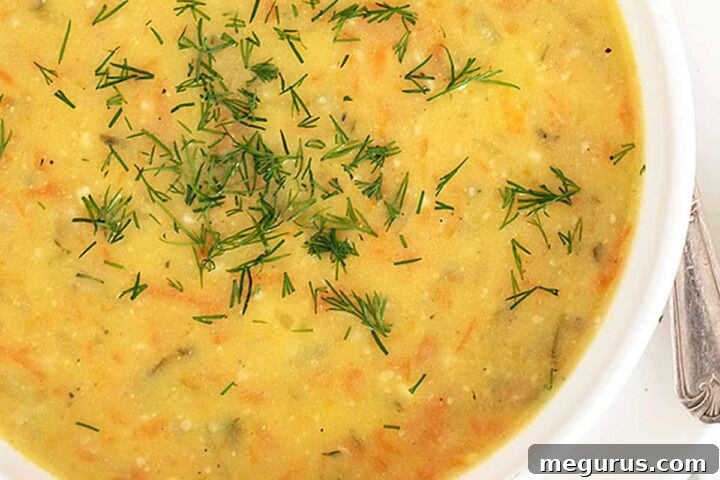
Get the Recipe: Polish Potato and Dill Pickle Soup
Pin This
Leave a Review
Ingredients
Soup:
- 2 Tablespoons butter
- 1/2 cup onion, diced, about 1 medium onion
- 1 cup carrot, grated, well packed, about 1 large carrot
- 3 cups russet baking potatoes, peeled and chopped
- 1/2 teaspoon fine salt
- 1/4 teaspoon freshly ground black pepper
- 4 cups chicken or vegetable broth
- 3-4 Tablespoons dill pickle brining liquid, from the jar
- 1/2 cup full-fat sour cream, at room temperature
- 2 Tablespoons all-purpose flour
- 1/3 cup dill pickles, grated
- 1/2 Tablespoon fresh dill, chopped
Garnish Options:
- 1/4 cup dill pickle, finely diced
- 1/2 Tablespoon fresh dill
- Dollop of sour cream
Instructions
-
Take the sour cream out of the fridge before you start, so that it will come to room temperature before it is added to the soup.
-
In a large pot over medium heat, melt the butter, then add the onions and carrot. Sauté for about 4-5 minutes or until softened. Add the potatoes and 1/2 tsp each salt and the 1/4 tsp pepper. Cook, stirring, for about 2 minutes.
-
Add the broth and dill pickle liquid. Bring to a boil, then reduce heat to medium-low and simmer gently, for about 20-30 minutes or until potatoes are very soft (time will depend on how small or large the potatoes were chopped).
-
Use an immersion blender in the pot to purée about half the soup, leaving some chunks (or transfer about half the soup in batches to a blender and purée until smooth, then return to the pot).
-
In a small bowl, whisk together the sour cream and flour. Drizzle in about 1 Tbsp of the warm soup and whisk in (to warm the sour cream mixture a bit). Gradually add dollops of the sour cream mixture into the soup, whisking really well after each addition until blended, until all the sour cream mixture has been added. Stir in the shredded pickles. Cook over medium-low heat, stirring often, for 5 to 10 minutes or until warmed and slightly thickened. Stir in the fresh dill. Taste the soup and season to taste with additional salt and pepper.
-
Serve soup with additional fresh dill for garnish, some diced dill pickles and/or a dollop of sour cream.
Notes
If you don’t have fresh dill on hand, you can use dried dill. Use about 1/3 of the amount specified for dried dill.
Refrigerate leftovers up to 3 days or freeze up to 3 months.
Be sure to read the notes above this Recipe Card, for more tips on making this recipe!
Delve deeper into the world of Zupa Ogórkowa with our dedicated Web Story for Polish Potato and Dill Pickle Soup »
Explore More Hearty Potato Soup Recipes!
In conclusion, this traditional Polish Potato and Dill Pickle Soup, or Zupa Ogórkowa, is more than just a dish; it’s an experience. Its unique blend of creamy texture, savory potatoes, and tangy dill pickles creates a comforting and distinctive flavor that will undoubtedly become a favorite in your culinary repertoire. Whether you’re a seasoned pickle enthusiast or simply looking to explore new, exciting flavors, this hearty and satisfying soup is an adventure worth taking. So gather your ingredients, follow these simple steps, and prepare to be delighted by a taste of authentic Poland right in your own kitchen.